📌 HOME FOOD Blog: care, health and nutrition tips for cats and dogs. 🩺 Up-to-date articles for caring pet owners ❤️
Birman cat: breed origin, appearance, temperament, care, health, nutrition and who this calm, affectionate and very harmonious cat is best suited for

The Birman cat is a breed in which there is rarely anything sharp or excessive. It combines a gentle character, calm beauty and a very pleasant home presence that is valued by those seeking a harmonious companion.
It is often called the Sacred Birman not only because of its striking appearance, but also because of its special aura of peace. This is a cat that knows how to be nearby unobtrusively, but truly deeply enters the life of its family.
In this article, we will explore how the breed originated, what the Birman cat looks like, what its temperament is like, how to care for it properly, what to feed it and what health aspects to pay attention to.
Brief breed characteristics
| Origin | Myanmar (Burma), western line formed in France in the early 20th century |
| Other name | Sacred Birman |
| Breed type | Semi-long-haired, selectively bred |
| Size and weight | Medium size, approximately 3–6 kg |
| Lifespan | On average 13–17 years |
| Coat color | Color-point with white "mittens" on the paws; seal, blue, chocolate, lilac and other variations |
| Coat type | Soft, silky, medium length, without dense undercoat |
| Character | Calm, affectionate, balanced, devoted, very pleasant in daily interaction |
| Care | Moderate: brushing approximately twice a week and basic home hygiene |
| Suited for | Ideal for apartments, families with children and calm owners who need a gentle companion |
History of the breed's emergence
Birman cats have a legendary and partly mysterious origin. There is a beautiful story that they guarded the shrines of Burmese temples, but if we talk about the breed's path to its modern appearance, it is primarily connected with Europe.
It is known that in 1919 a pair of animals was brought to France, which became the foundation for the western line of the Birman breed. Later, during World War II, Birmans almost disappeared, and the breed had to be restored with the participation of Siamese and Persian cats.
By the 1950s, the Birman cat was already recognized in Great Britain, and later became established as one of the most elegant and harmonious breeds for home keeping. The combination of elegant appearance, gentle character and distinctive breed type made it very recognizable in the world.
- The Sacred Birman combines real selective history and an almost mythological image.
- The breed had to be essentially restored after the war period.
- The modern type of Birman cat is the result of careful breeding work and breed stabilization in Europe.
What does a Birman cat look like?
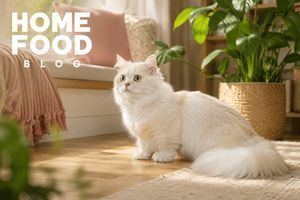
The Birman cat is easy to recognize among other semi-long-haired breeds. It has a dense but harmonious build, soft silky coat, expressive eyes of a rich sapphire color and characteristic white "socks" on the paws.
Its head is broad, features are soft, paws are quite strong, and the overall silhouette gives an impression of balance and inner nobility. Unlike breeds with sharper lines, the Birman looks very calm and whole.
Color-point coloring with white markings is the true hallmark of this breed. A light body is combined with darker ears, face, tail and paws, and snow-white mittens create the distinctive breed feature for which the Birman is loved throughout the world.
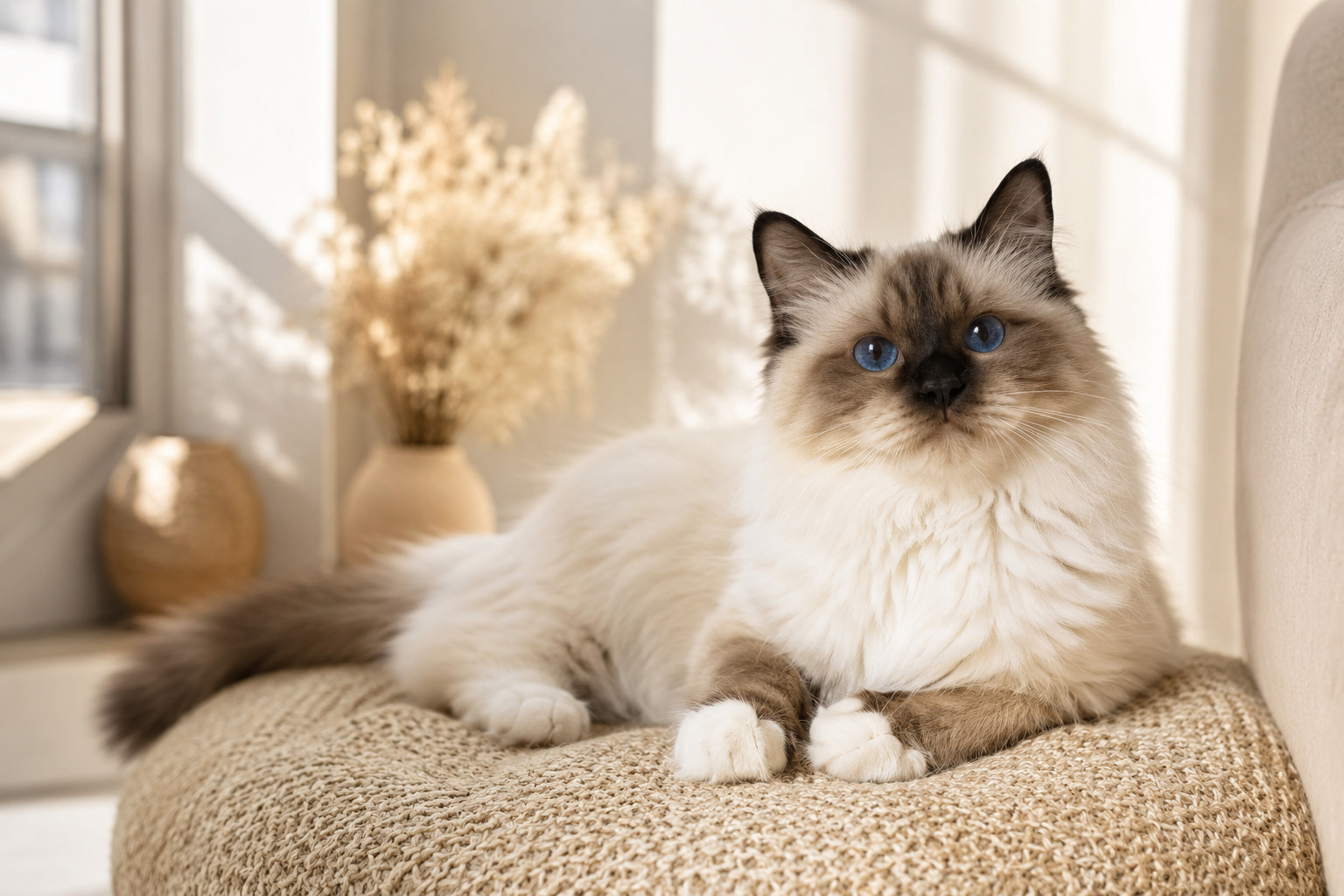

The Birman cat attracts not only with its silky coat and sapphire eyes, but also with a special impression of calm nobility that is preserved in every movement
Behavior and character: balance of affection and independence
The Birman cat is a natural companion. It will not constantly demand attention, but very much loves human company and most often seeks to be nearby. Such cats sense the atmosphere of the home well and fit perfectly into the family rhythm.
The source emphasizes that Birmans are affectionate, patient, especially with children, and at the same time tolerate short-term solitude quite well. They love to play, but do not belong to destructive or overly hyperactive breeds. Their activity is gentle and comfortable for living.
These are also quite quiet and delicate cats: they are not inclined to meow loudly without reason, and express their emotions more often gently. This is why the breed is well suited to people who want warmth and contact from their pet, but without unnecessary fuss.
- The Birman cat is affectionate but does not constantly demand attention from people.
- It is perfectly suited for apartment living and adapts well to home rhythm.
- The breed is especially valued for its gentle, balanced character and delicacy in behavior.
Features of caring for a Birman cat
Caring for a Birman is not overly complicated, but requires regularity. The coat of this breed is silky, without a dense undercoat, so it is usually easy to brush and does not create the difficulties of denser-coated breeds. In most cases, brushing twice a week is sufficient.
Besides the coat, it is important to monitor the condition of the eyes, ears, claws and teeth. The source specifically notes that the owner should monitor ear and eye cleanliness, use special toothpaste and trim claws as they grow.
Since the appearance of the coat often directly reflects the overall health of the animal, regular preventive veterinary check-ups and basic parasite treatment remain a mandatory part of home care.


HOME FOOD Beauty — set: shampoo, conditioner and cosmetic bag
Buy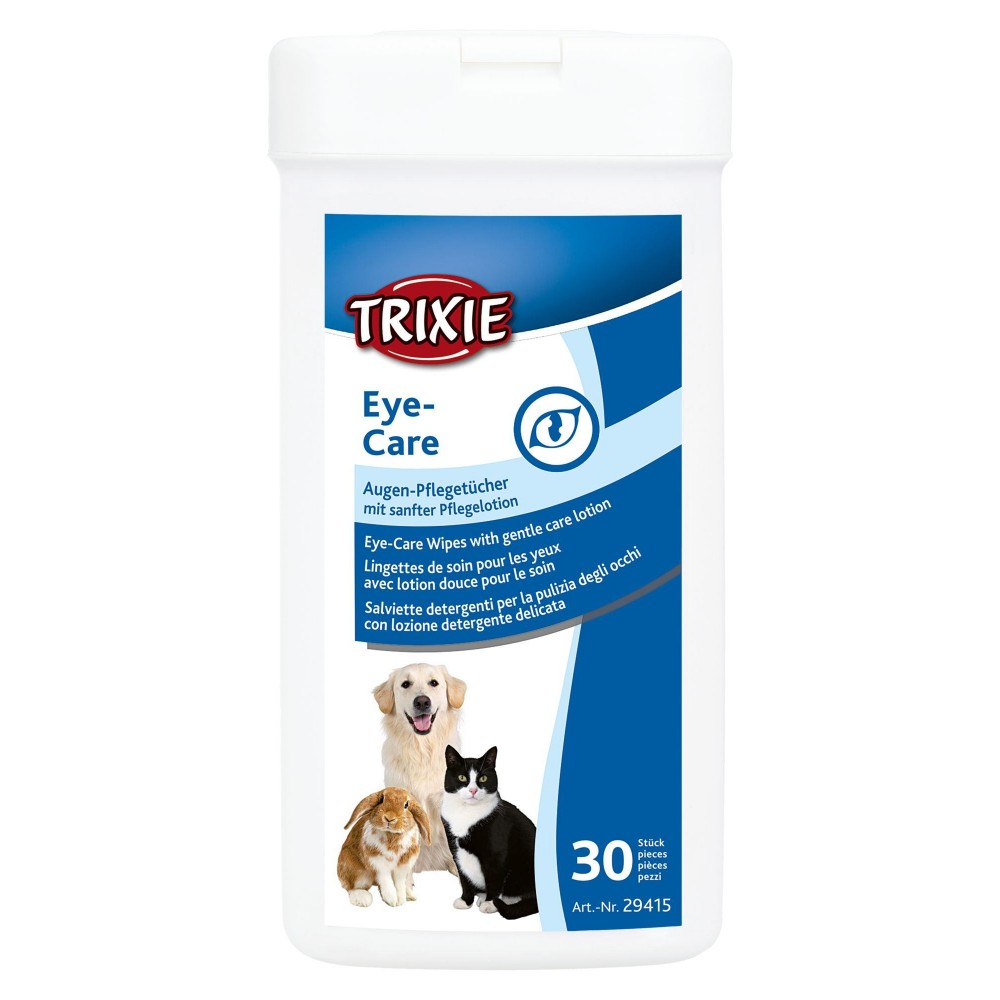
Trixie — wipes for eye care for dogs and cats, 30 pcs
Buy
HOME FOOD Omega Balance — oil for cats, balance of Omega-3, -6, -9
Buy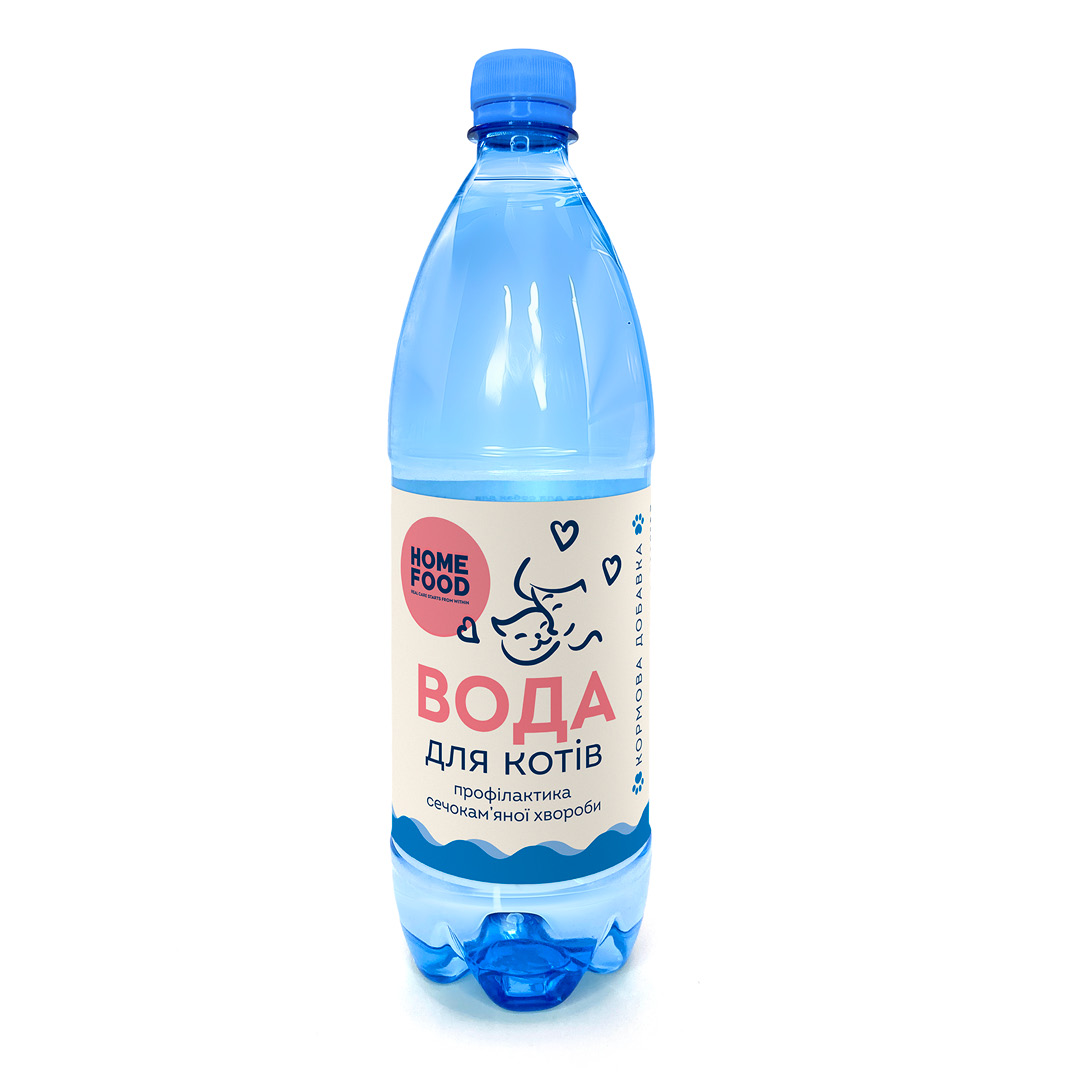
HOME FOOD — drinking water for cats for urolithiasis prevention in cats
Buy
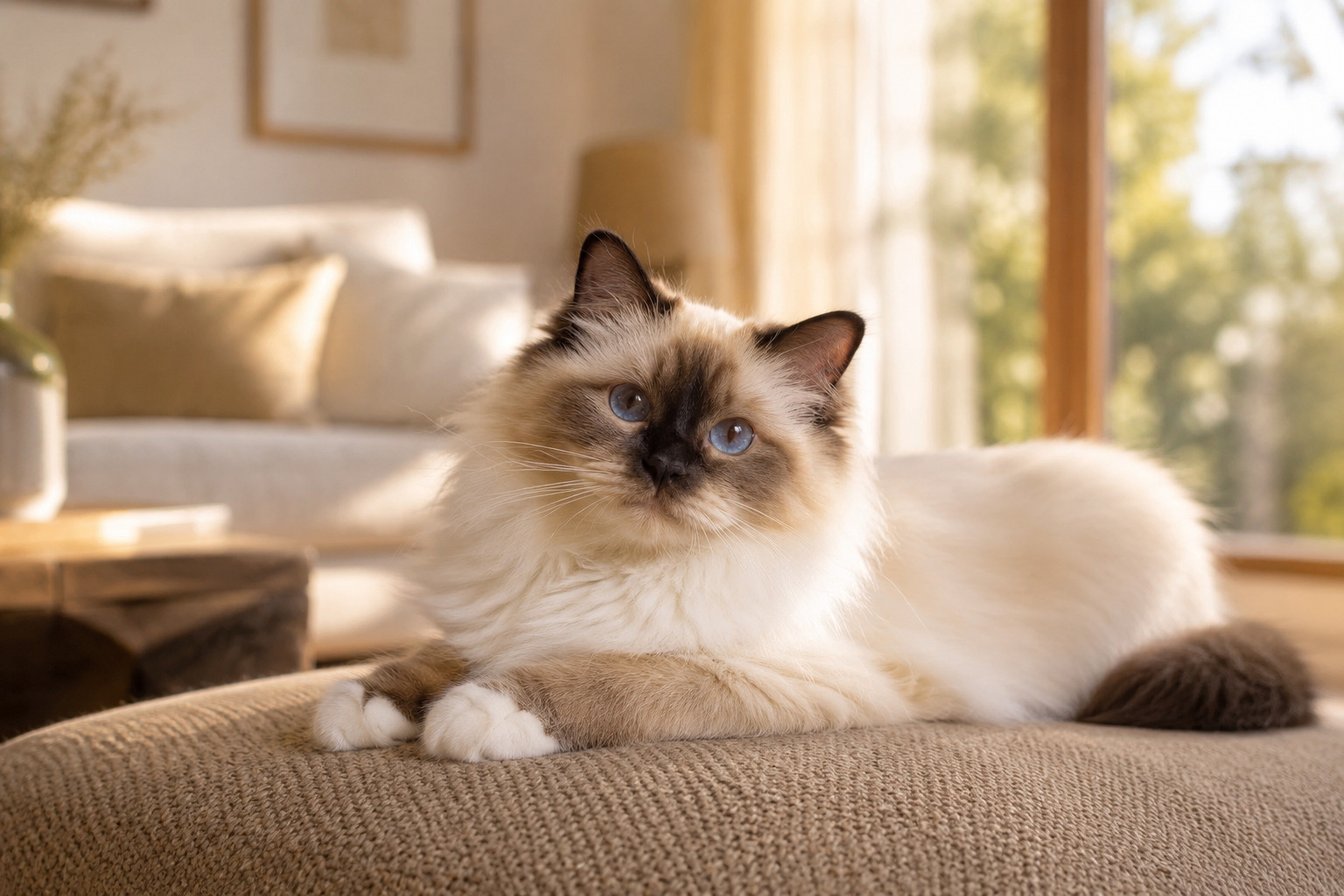
The Birman cat does not require complex grooming, but feels best where home care combines regularity, a calm atmosphere, and attention to detail
Nutrition
Birman cats are quite demanding about diet quality, and that is why it is especially important to choose balanced nutrition for them. The source emphasizes that they need a diet that covers all vital needs of the body, especially during periods of growth, pregnancy, or in old age.
The best choice is usually high-quality dry or wet premium-level and above food. When selecting nutrition, it is worth considering age, activity level, sterilization status, and digestive sensitivity. And of course, a Birman cat should always have access to fresh water.
- The diet should be selected taking into account age and activity level.
- For sterilized animals, it is important to consider separate nutritional needs.
- If a cat has digestive sensitivity, food should be selected with special care.
- Constant access to clean drinking water is mandatory.
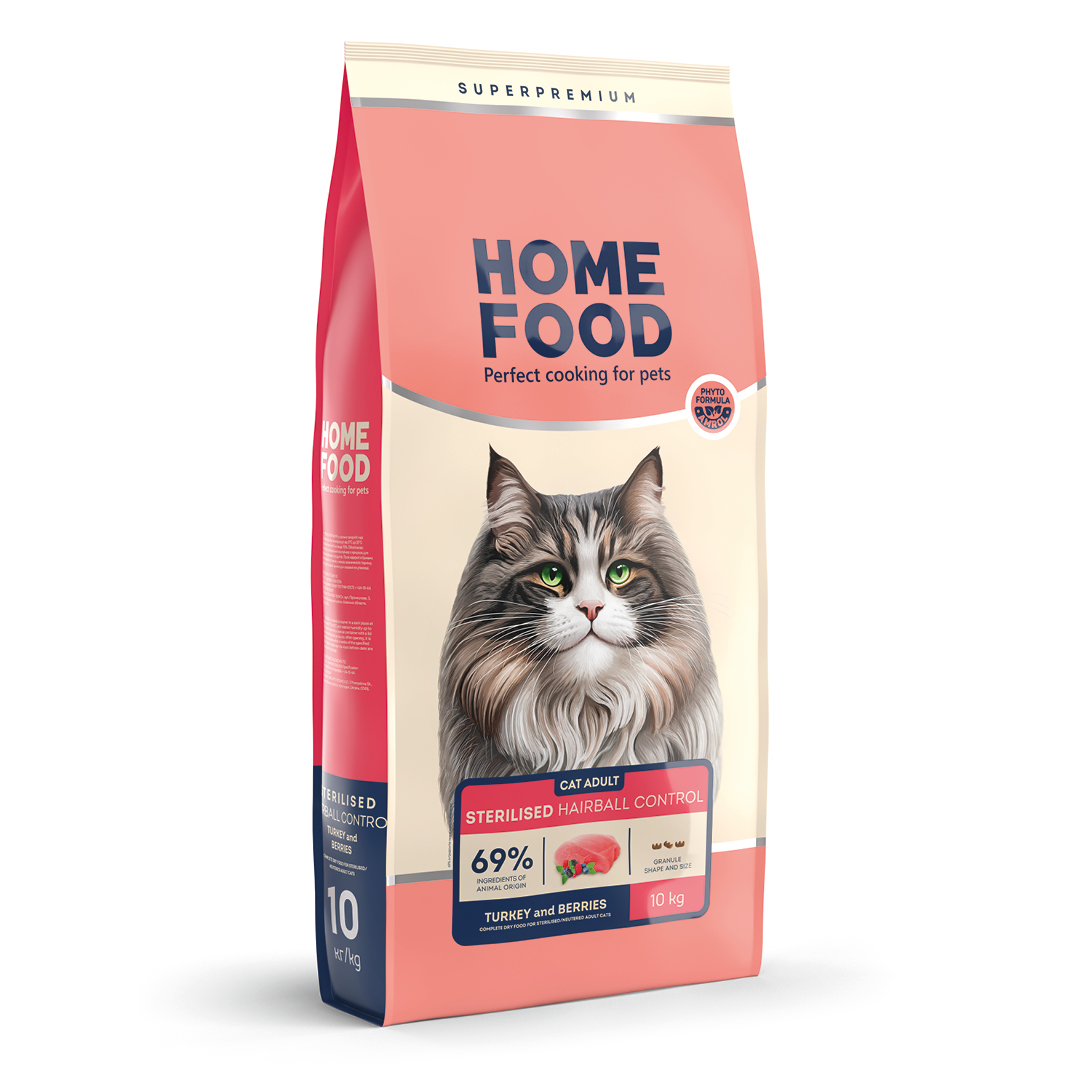
HOME FOOD Hairball control — food for removing hair from the stomach, turkey and berries
Buy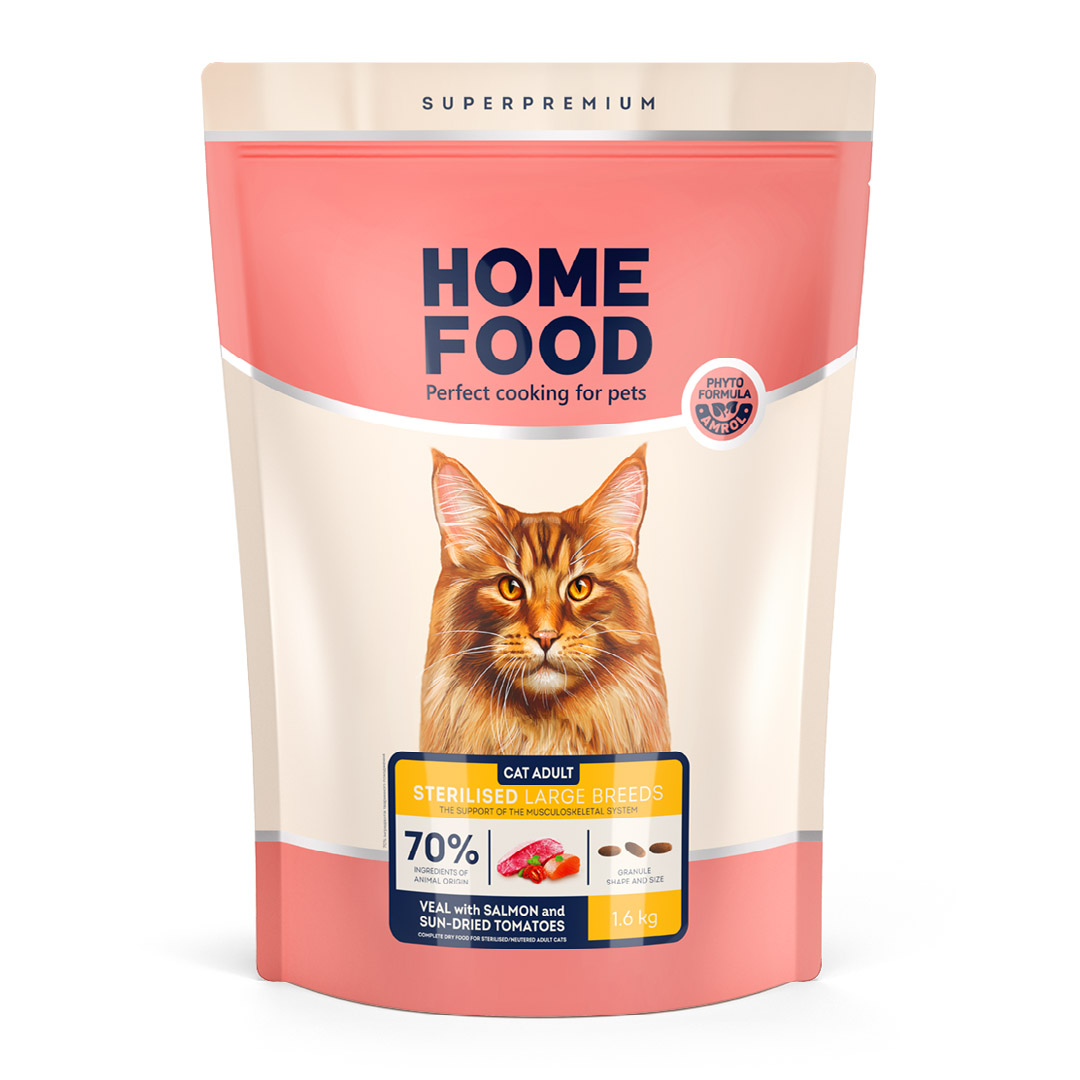
HOME FOOD For the support of the musculoskeletal system — food for large breeds, veal with salmon
Buy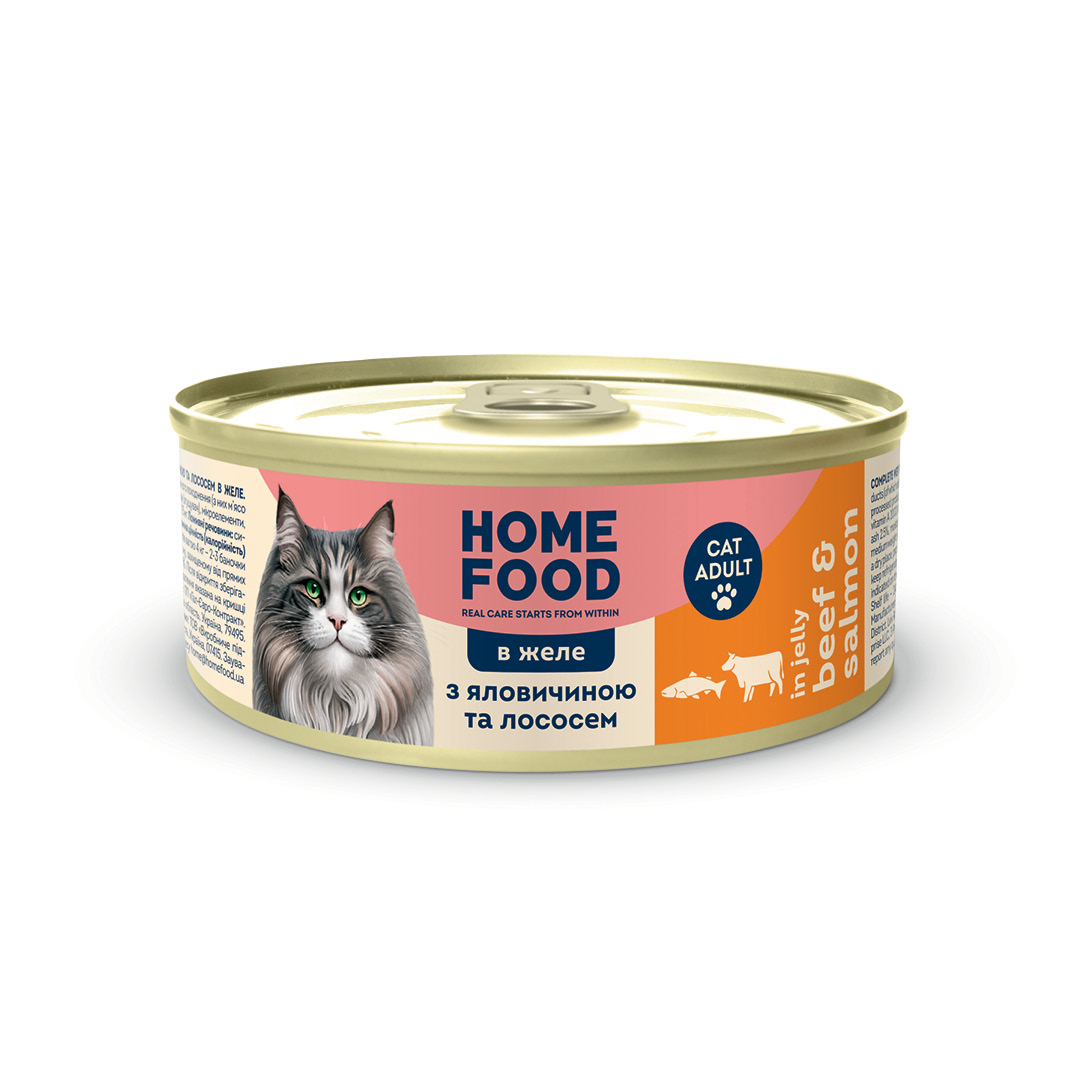
HOME FOOD — complete food for adult cats with beef and salmon in jelly
Buy
HOME FOOD — treats for cats, shrimp straws
Buy
Possible health problems
Overall, Birman cats are considered a breed with good general health, but certain hereditary risks do exist. The source mentions a possible predisposition to chronic kidney failure, which in its early stages may show almost no symptoms.
That is why regular monitoring of kidney function — in particular blood and urine tests — is an important part of preventive care. Also, some representatives of the breed may have hereditary cardiomyopathy, so careful observation of the general condition and regular veterinary check-ups remain very desirable.
A good diet, weight control, home stability, and preventive check-ups help reduce risks and keep a Birman cat in good shape for many years.
Conclusion
The Birman cat is a breed for those who value peace, affection, and home harmony. It is beautiful and noble, but its main strength is not only its appearance, but also in the ability to create a sense of warmth, softness, and emotional comfort in the home.
If you need a pet that will be by your side delicately, devotedly, and without unnecessary fuss, the Birman cat can become a truly ideal choice. This is exactly the case when a breed enriches the home not only with its appearance, but also with its character.