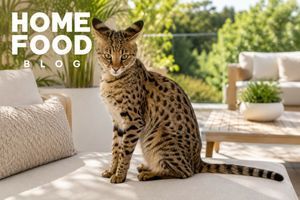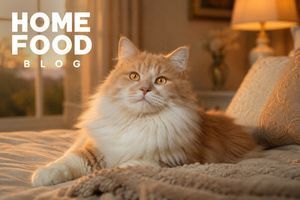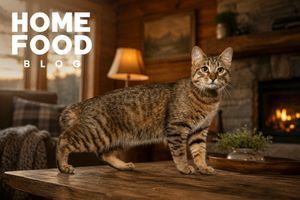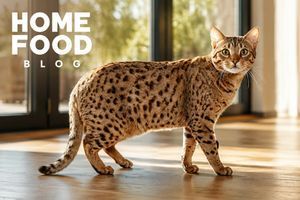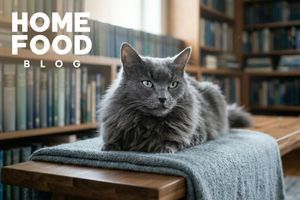
Burmilla belongs to those breeds that immediately give an impression of being well-groomed, soft and internally harmonious. It has a very distinctive appearance: silvery sheen of the coat, light undercoat, neat face and characteristic calm gaze that is well remembered.
But Burmillas are valued not only for their beauty. This is a balanced, gentle and friendly cat that feels comfortable in a home rhythm, loves attention and at the same time is not prone to chaotic or exhausting activity. That is why the breed appeals to people looking for an elegant but very comfortable companion.
In this article, we'll figure out how the Burmilla appeared, how it differs from other breeds, what character it has, how it behaves at home, what to pay attention to in care, nutrition and health prevention.
Brief breed characteristics
| Origin | Great Britain, 1981 |
| Alternative name | Burmilla |
| Breed type | Short-haired or semi-long-haired, selectively bred |
| Size and weight | Medium size, approximately 3–6 kg |
| Lifespan | On average 12–16 years |
| Coloring | Predominantly silver with light shading; golden, cream and smoke variants may also occur |
| Coat type | Soft, dense, with shine and silvery sheen; short or semi-long |
| Character | Calm, affectionate, friendly, observant, devoted to family |
| Care | Uncomplicated: brushing 1–2 times a week, basic hygiene and preventive check-ups |
| Suitable for | Families, elderly people and anyone who values peace, comfort and a balanced home companion |
Origin of the Burmilla
The Burmilla breed appeared in Great Britain in 1981 almost by accident. This circumstance makes its history particularly interesting: the Burmilla appeared after an unexpected mating of a a male Chinchilla Persian and a lilac Burmese cat. The offspring inherited the soft Burmese temperament, but at the same time impressed with its silvery coloring and very striking appearance.
This new type turned out to be so harmonious that breeders decided to establish it through dedicated breeding work. Thus, the breed gradually formed, combining traits of the Burmese cat and the Persian chinchilla, but at the same time acquiring its own distinctive individuality.
It became clear early on that the Burmilla not only had an attractive appearance, but also a very comfortable character for home life. It is this combination of beauty, softness and calm that made the breed notable among cat-companion enthusiasts.
- The Burmilla appeared by accident, but very quickly interested breeders as a separate breed.
- The breed was founded mainly on the Burmese cat and the Persian Chinchilla.
- The breed combined a soft temperament, silvery appearance and harmonious behavior at home.
Appearance: soft elegance and silvery sheen
The Burmilla is an elegant medium-sized cat with a sturdy but not coarse build. Its body is compact, the back is strong, the limbs are muscular, and the overall silhouette looks very balanced. That is why the breed is often compared to the Burmese cat, although the Burmilla usually appears slightly more delicate in appearance.
The head has soft contours and resembles a rounded wedge, the ears are neatly set, and the eyes are one of the most distinctive details of the appearance. They can have shades from green to golden-yellow, which looks especially beautiful combined with the light coat background. Additional charm comes from the characteristic mark on the forehead in the shape of the Latin letter 'M'.
The Burmilla's coat is short or semi-long, with a dense light undercoat and darker hair tips. It is this tipping effect that creates that very silvery, slightly shimmering appearance that makes the breed so special.


The Burmilla is remembered not for bright exoticism, but for a very subtle combination of soft features, light coat and a noble silvery shade that gives it special refinement
Character and behavior
Burmillas have a moderate temperament. They like attention and participation in family life, but at the same time they do not seek to constantly dominate the space or be the center of all events. This is a very pleasant breed to live with: the cat likes to be nearby, but usually does not impose its presence.
The Burmilla's behavior combines observation, balance and intelligence. It easily becomes attached to people, can follow the owner around the house, waiting for affection or a response, but is not prone to fussiness over trifles. Its activity is usually gentle and measured, without excessive mobility.
A comfortable environment for the Burmilla is more important than continuous exploration of new territories. These cats like familiar spaces, routine, cozy beds and observation points. If it is calm and predictable at home, the breed reveals itself especially well.
- The Burmilla is affectionate and sociable, but without being overly intrusive.
- It prefers a stable home environment and feels comfortable in routine.
- This is a cat for those who value a calm, attentive and balanced companion.
Is the Burmilla suitable for children and other animals?
The Burmilla is not among the most 'noisy' or impulsive breeds, and this is often what helps it interact well with children. With careful treatment, such a cat can become a good friend for a child: it is patient, gentle and usually does not seek conflict.
Similarly, the Burmilla generally reacts calmly to other cats and dogs. If the introduction happens gradually and the home environment remains safe, the breed adapts fairly well to living alongside other animals.
Burmilla health
Veterinarians usually do not single out specific diseases characteristic only of Burmillas, and overall the breed is considered quite robust. At the same time, due to its descent from Persian and Burmese lines, some animals may show a predisposition to certain hereditary problems.
The source mentions a possible risk of kidney disease as a legacy from Persian ancestors. Also, in some lines there is a noted predisposition to diabetes. This does not mean the problem will necessarily occur, but emphasizes the importance of regular check-ups and careful attention to diet.
The best prevention for the Burmilla is weight control, stable nutrition, adequate water intake and regular veterinary monitoring. If the cat becomes lethargic, starts drinking more, loses weight or changes eating behavior, this is a reason not to delay a consultation.

The Burmilla feels best when its calm lifestyle is combined with a good diet, clean water, gentle care and regular preventive health care
Nutrition
Like many other cats, Burmillas can be quite picky about food. At the same time, their diet must remain clearly balanced and cover all the basic needs of the body. The ratio of nutrients in the menu depends on age, lifestyle, activity level, and the overall health of the animal.
An active kitten, for example, needs more calories and protein than an adult cat that lives a quieter life. To avoid overfeeding or nutrient deficiency, it's important to follow recommended portions and not mix different types of diets at random. Constant access to clean drinking water for a Burmilla is mandatory.


HOME FOOD Hypoallergenic — dry food for sterilized cats, seafood cocktail
Buy
HOME FOOD For sterilised/neutered — dry food for sterilized cats, rabbit and cranberry
Buy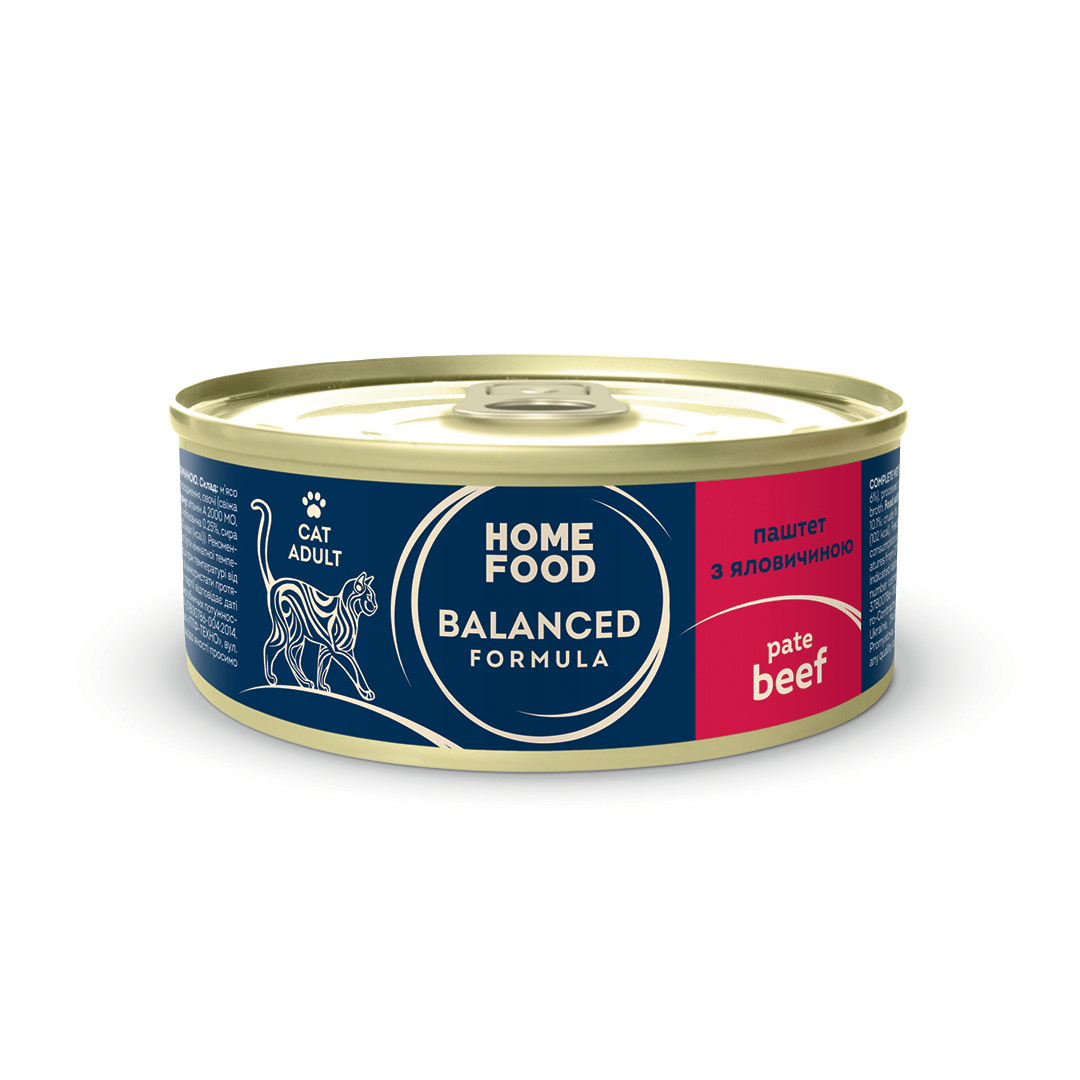
HOME FOOD — complete food for adult cats, beef pâté
Buy
HOME FOOD — treats for cats, shrimp sticks
Buy
Burmilla care
Caring for a Burmilla is not complicated, and this is one of the reasons why the breed is loved by many owners. The cat grooms its coat well on its own, but regular gentle brushing 1–2 times a week helps remove dead hair and maintain that same neat silvery coat appearance.
In addition to the coat, it's worth monitoring the eyes, ears, nails, and teeth. The quality of the coat overall often directly reflects the state of health, so regular veterinary check-ups also remain an important part of care. For rest, it's better to arrange a bed for the Burmilla on an elevated spot where the cat can calmly observe what is happening around it.
- A Burmilla's coat should be brushed 1–2 times a week.
- For the breed, clean eyes, tidy ears, and regular nail and teeth care are important.
- A cozy, predictable environment and an elevated bed often make a Burmilla calmer and more confident.

HOME FOOD Beauty — set: shampoo, conditioner, and cosmetic bag
Buy
HOME FOOD Omega Balance — oil for cats, balance of Omega-3, -6, -9
Buy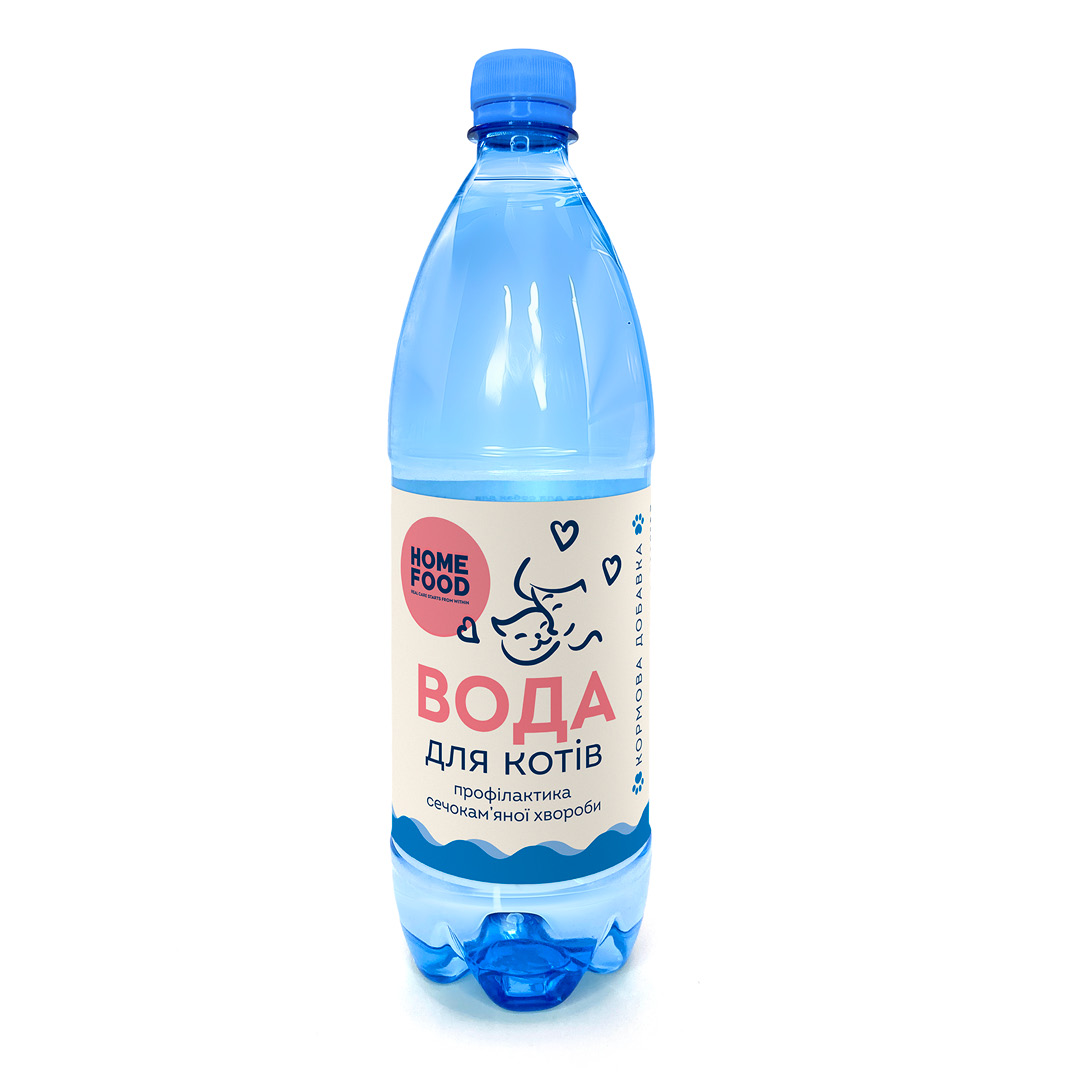
HOME FOOD — drinking water for cats for the prevention of urinary tract issues
Buy
Milprazon Plus — anthelmintic chewable tablet for cats weighing from 2 kg
Buy
Conclusion
Burmilla is a breed for those who value home harmony, a gentle temperament, and elegant beauty without excessive showiness. It feels comfortable in a calm, predictable environment, loves attention, but at the same time doesn't exhaust the owner with excessive demands.
If you need a cat that will be nearby gently, delicately, and beautifully fit into the family rhythm, the Burmilla truly deserves attention. With proper care, good nutrition, and regular preventive measures, it can remain a very comfortable and pleasant companion for many years.