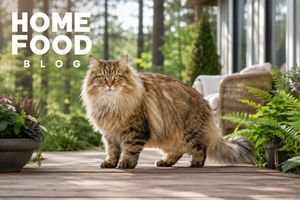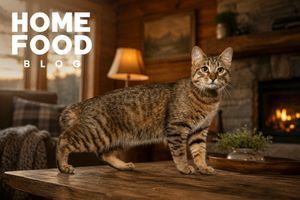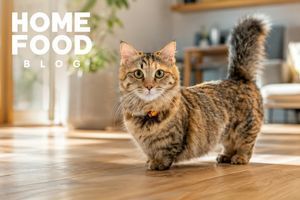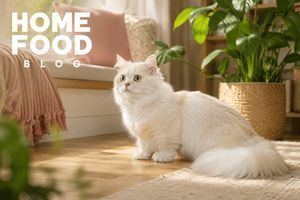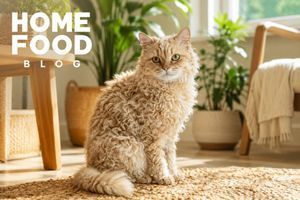
Maine Coon is one of those breeds that cannot be confused with others: massive body, fluffy tail, large ears with tufts, serious gaze and, at the same time, a very soft, affectionate character. These cats impress with their size, but in everyday life often behave like true 'gentle giants'.
The combination of strength, intelligence and friendliness that made the Maine Coon one of the most beloved breeds in the world. But along with popularity, it is important to honestly discuss the real needs of the breed: grooming, weight control, heart and joint support, and proper kitten selection.
In this article, we will figure out where the Maine Coon comes from, how it differs from other long-haired cats, what character it has, what to pay attention to regarding health, and how to organize care and nutrition for a large domestic breed.
Brief breed characteristics
| Origin | USA; one of the oldest natural breeds of North America |
| Other name | American raccoon cat, Coon |
| Breed type | Large long-haired domestic breed |
| Size and weight | Large size; males typically 6–13 kg, females 4.5–7.5 kg |
| Lifespan | On average 12–16 years |
| Coloring | Over 30 color variations, except pointed |
| Coat type | Semi-long, dense, with well-developed undercoat |
| Character | Friendly, gentle, intelligent, playful, confident |
| Care | Regular brushing, mat control, dental care, nail care and weight control |
| Suitable for | Families and people who want a large affectionate cat and are ready for regular coat and health care |
History of origin
The Maine Coon is considered one of the oldest natural breeds in North America. According to TICA, it is truly a 'native longhair' of the state of Maine: a large hardy cat well adapted to the harsh winters of New England. There are many legends around its origin, but the most realistic explanation is related to the crossing of local short-haired cats with long-haired animals brought to port cities by sailors.
In cat literature, Maine Coons are mentioned as early as the 19th century, and by the 1860s they were being shown at exhibitions. Later, the breed's popularity declined due to fashion for other long-haired breeds, but in the second half of the 20th century, the Maine Coon became very popular again and received international recognition.
Today, the Maine Coon is known not only as a large beautiful cat, but also as one of the most popular family breeds in the world. However, its visual appeal should not overshadow the discussion of responsible breeding, genetic screening and control of breed risks.
- The Maine Coon is one of the oldest natural breeds of North America.
- The formation of the breed is associated with the state of Maine and the harsh climate of New England.
- The modern popularity of the breed is combined with the need for genetically responsible breeding.
Appearance
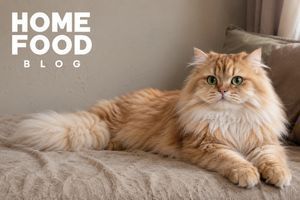
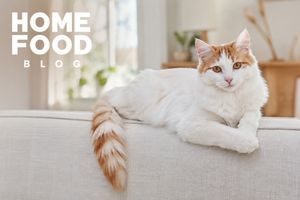
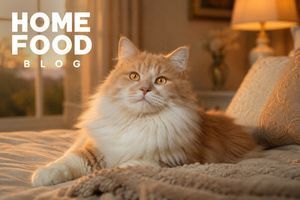
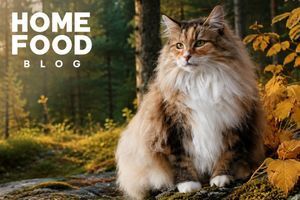
Maine Coon is a large, long, well-balanced cat with a sturdy build, broad chest and strong paws. It is easily recognized by its large ears with tufts, thick tail and fur that is longer on the belly, 'pants' and collar.
Unlike breeds where size is achieved at the cost of heaviness and slowness, the Maine Coon should remain mobile and functional. It is not just a 'big ball of fur', but a sporty cat with good coordination, intelligence and an impressive presence.
The breed has many colorings, and the eyes can be golden, copper, green and sometimes blue in certain lines. The combination of massiveness, long fur and attentive facial expression that makes the Maine Coon a breed that is hard to forget.
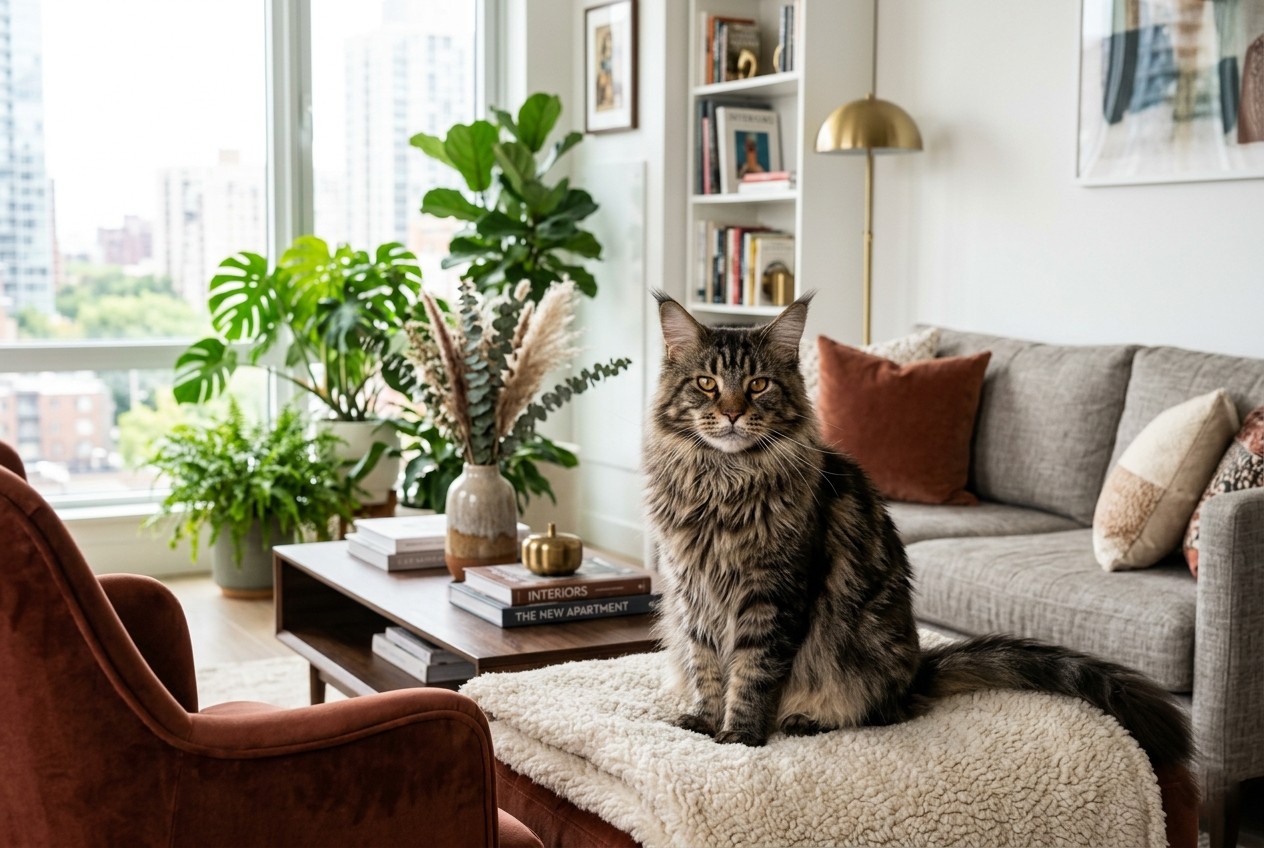

The Maine Coon is easily recognized by its large ears with tufts, dense fur and very distinctive tail
Character and temperament
Maine Coons are known as 'gentle giants'. They are usually friendly, affectionate, adapt well to family life and often show a very pleasant balance between independence and desire to be near a person.
These cats love games, exploring space and interacting with their owner. They are often attributed 'dog-like' traits: devotion to family, interest in shared activities, and sometimes even love of water or fetching toys.
Maine Coon is usually not overly demanding. It can be very devoted, but at the same time does not require constant handling. It is this combination that makes the breed very comfortable for many families.
Attitude towards children and other animals
Maine Coons usually get along well with children if the home respects the animal's boundaries. Their large size does not mean roughness: in most cases, these are patient and quite balanced cats that better tolerate an active family environment than many more sensitive breeds.
Maine Coons also often coexist well with other pets. With gradual introduction, they can get along with both cats and dogs, especially if there is enough space, resources and no constant competition in the environment.
- Maine Coon is usually gentle, affectionate and integrates well into family life.
- The breed loves games, exploring space and daily interaction with people.
- It is a large cat, but often very delicate in character.
Behavior in an apartment
Despite its large size, the Maine Coon is well suited for apartment living if it has enough space to move, a sturdy and large cat tree, wide beds and reliable surfaces. This is not a breed for a cramped, chaotic environment without structure.
Due to the breed's size, household details also matter: wide bowls, stable water bowls, reinforced scratching posts, sufficiently large litter boxes. PetMD separately notes that Maine Coons have very long whiskers, so overly narrow bowls can simply be inconvenient.
Maine Coon feels best where there is a combination of physical activity, stable routine and attention to household comfort. For such a large breed, this is truly important.
Health and possible risks
Overall, the Maine Coon is considered a hardy breed, but has several important hereditary risks. The most well-known is hypertrophic cardiomyopathy (HCM). Cornell University College of Veterinary Medicine separately emphasizes that a hereditary component of this disease has been confirmed in Maine Coon lines, so the issue of cardiological monitoring and genetic screening is truly important.
Another known risk is hip dysplasia, which is of particular importance for a large breed. Also, some animals may have other hereditary problems, including spinal muscular atrophy in certain lines. That is why the health of parents, breeder documents and regular check-ups are not a formality.
Weight control for Maine Coon is also very important. Even slight obesity in a large breed creates additional strain on the heart and joints. If a cat becomes less active, has difficulty breathing, changes gait or begins to avoid jumping, this is a reason not to delay a visit to the veterinarian.
- For Maine Coons, screening for HCM, attention to hip joints, and weight control are especially important.
- The large breed size requires more careful attention to heart load and musculoskeletal system.
- Decreased activity, changes in gait, or difficulty breathing require veterinary evaluation.
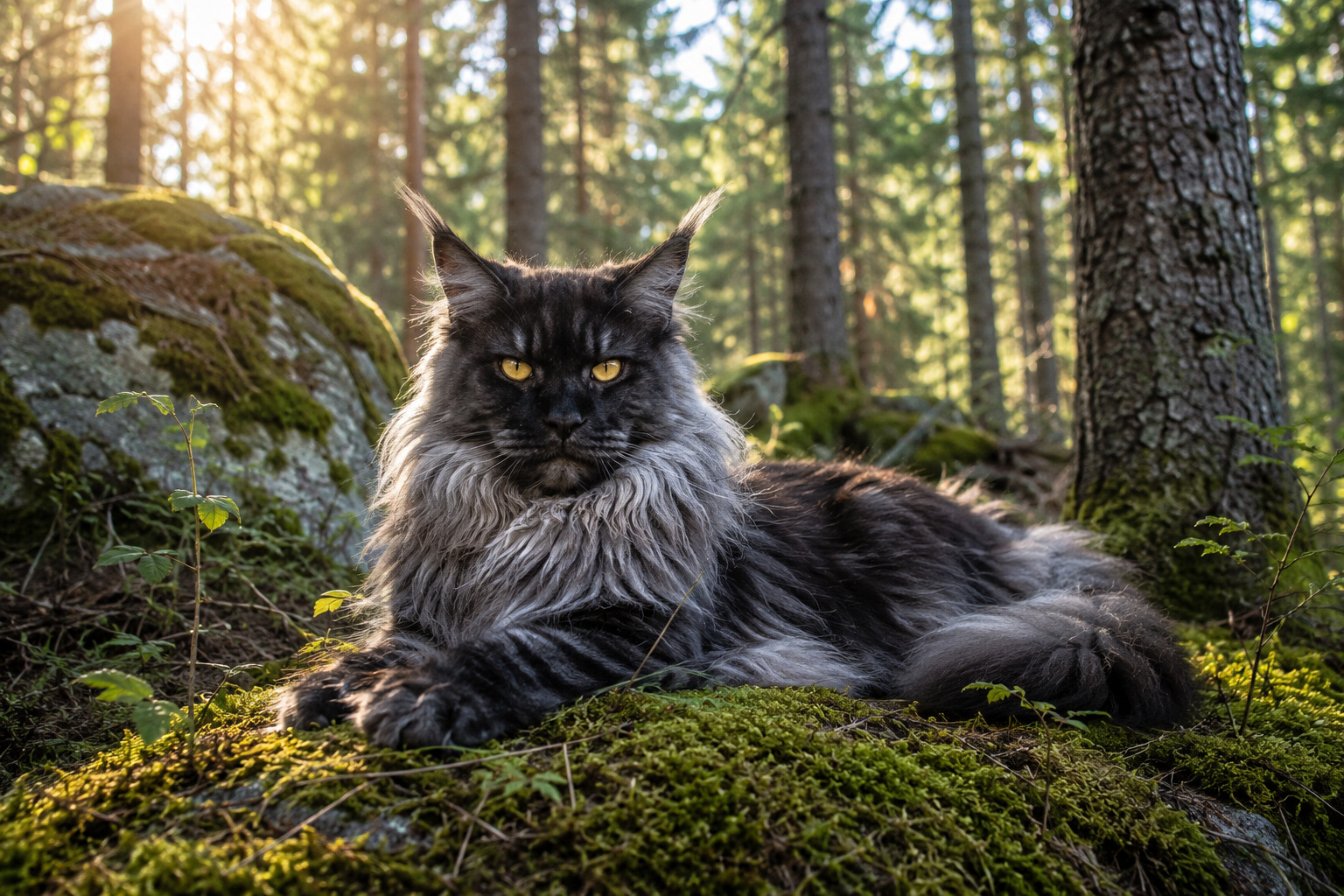
For Maine Coons, weight control, regular grooming, and careful attention to the heart and joints are most important
Care
Maine Coon fur requires systematic care. Normally it is combed several times a week, and during shedding season more often, sometimes daily. Special attention is needed for the collar, belly, "pants" and the area behind the ears, where mats form more easily.
It is also important to regularly monitor teeth, claws, ears and eyes. For a large breed, it is especially helpful not to neglect simple routine procedures: timely trimmed claws, clean teeth and well-groomed fur directly affect the cat's comfort and household life.
Due to weight and size, it is worth choosing sturdy accessories: large scratching posts, sufficiently spacious beds and stable surfaces. These small details make daily care not only effective but also safe.


Steam massage brush 3 in 1 — "Avocado" for grooming dogs and cats
Buy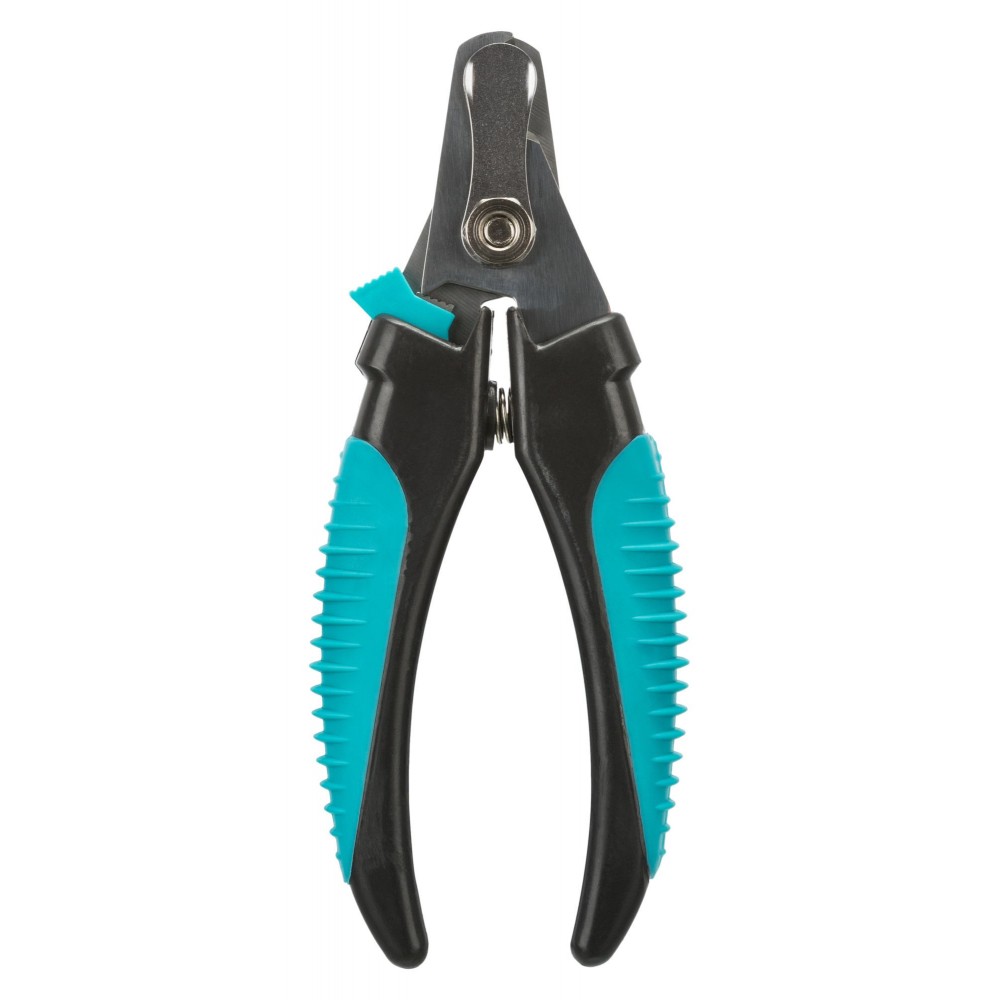
Trixie Luxe — nail clipper for pets, large, 16 cm
Buy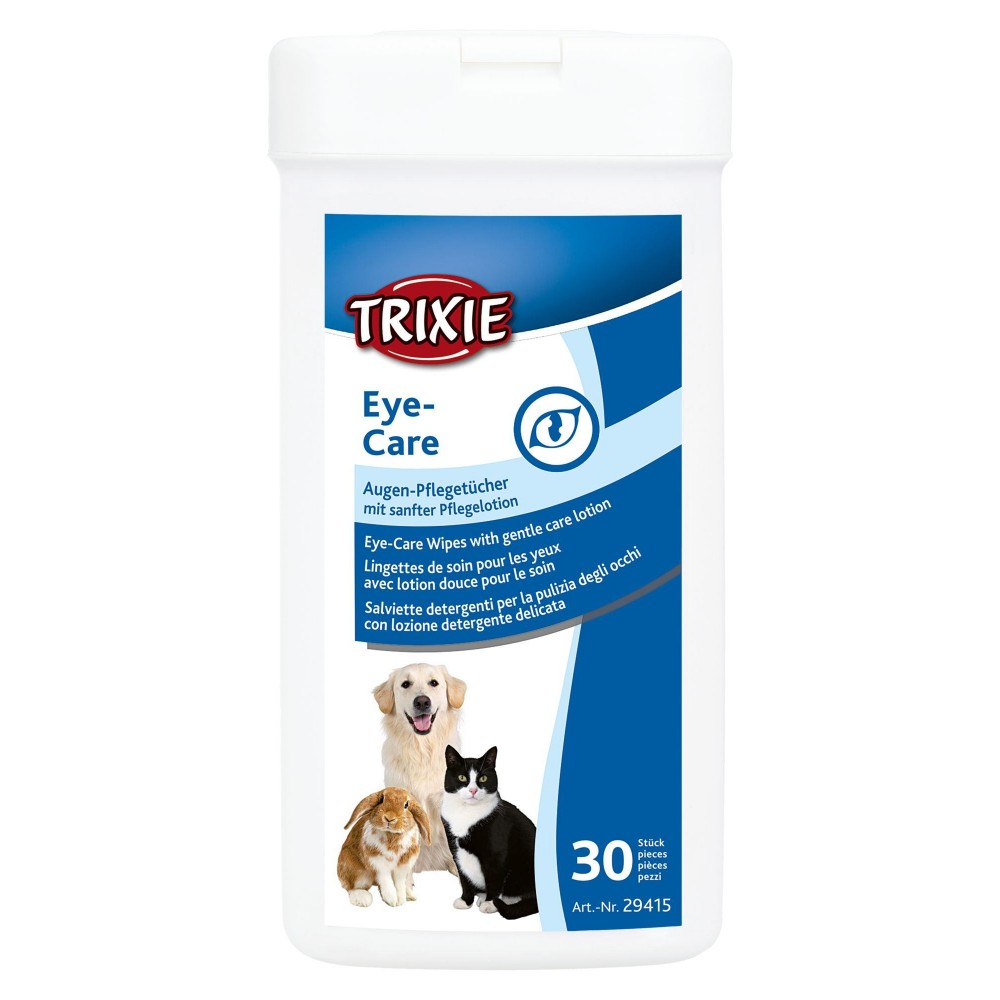
Trixie — eye care wipes for dogs and cats, 30 pcs
Buy
HOME FOOD Beauty — set for dogs and cats: "Perfect Care" shampoo 200 ml + "Silky Touch" conditioner 200 ml
Buy
Nutrition
Maine Coon remains an obligate carnivore, but due to its large size and longer growth period, it has certain practical feeding characteristics. Kittens need a diet with sufficient energy density and protein, adult cats need body weight control, and older animals need heart, joint and overall condition support.
The basis of nutrition should be complete animal proteins, sufficient taurine and a balanced mineral profile. It is also important to monitor that a large cat does not overeat: excess weight in Maine Coons creates unnecessary stress on the hip joints and cardiovascular system.
For most owners, a quality commercial food with clear dosing is a practical solution. A good approach is to select the diet not only "for the breed" but also for age, sterilization, activity level and musculoskeletal condition.
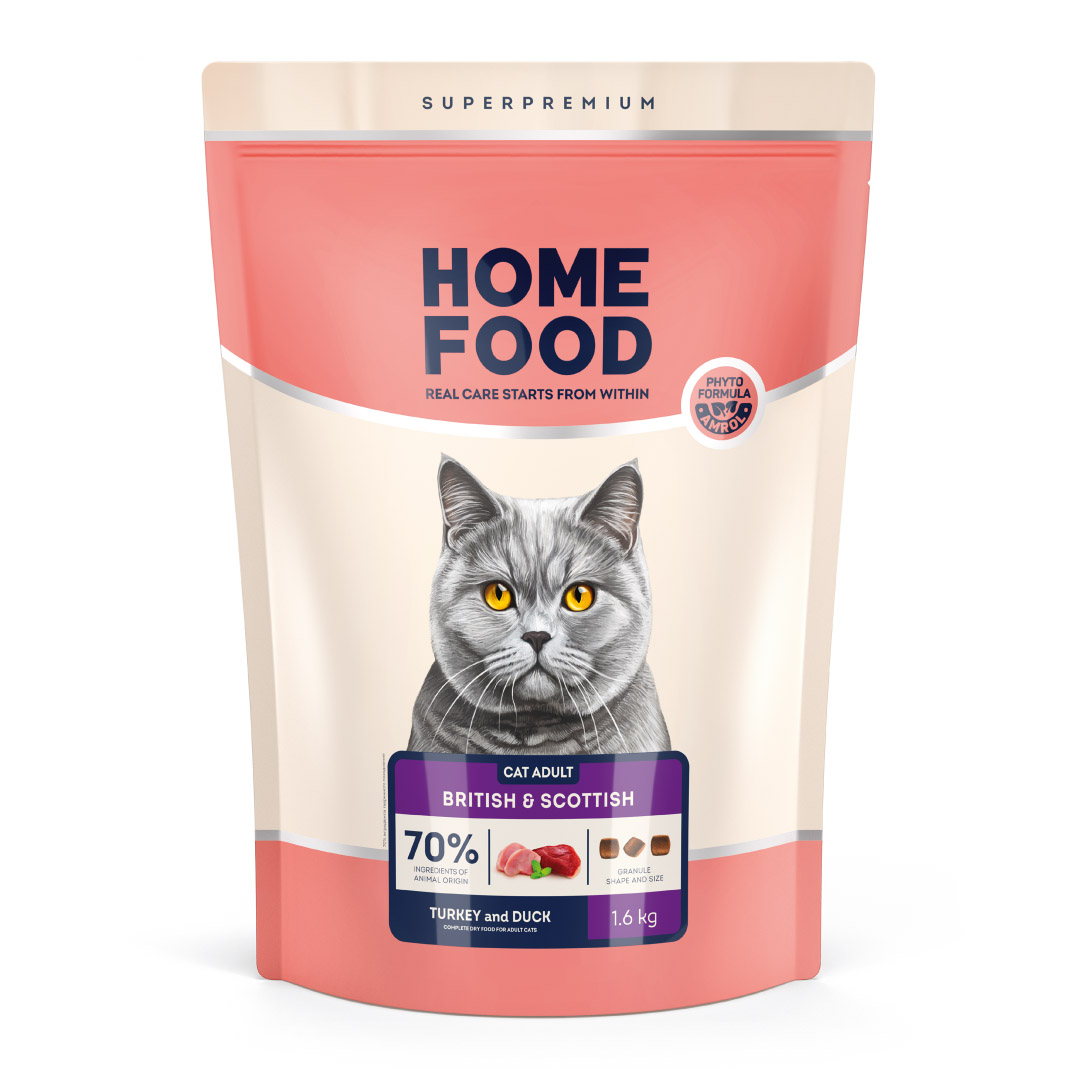
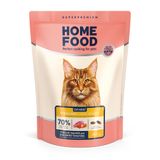
HOME FOOD For British and Scottish breeds — dry food for adult cats of British and Scottish breeds, turkey and duck
Buy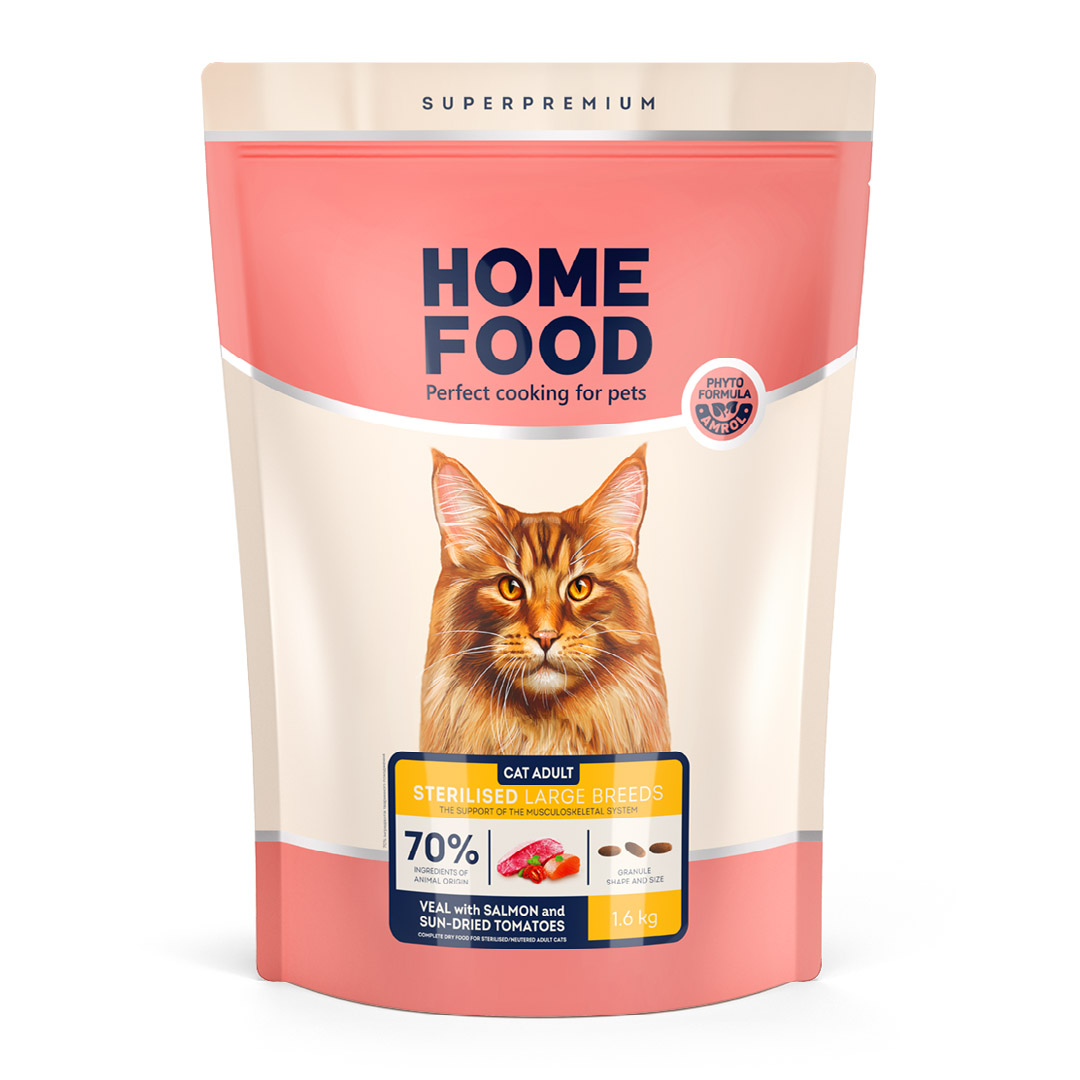
HOME FOOD For the support of the musculoskeletal system — dry food for musculoskeletal system support for sterilized/neutered adult cats of large breeds, veal with salmon and sun-dried tomatoes
Buy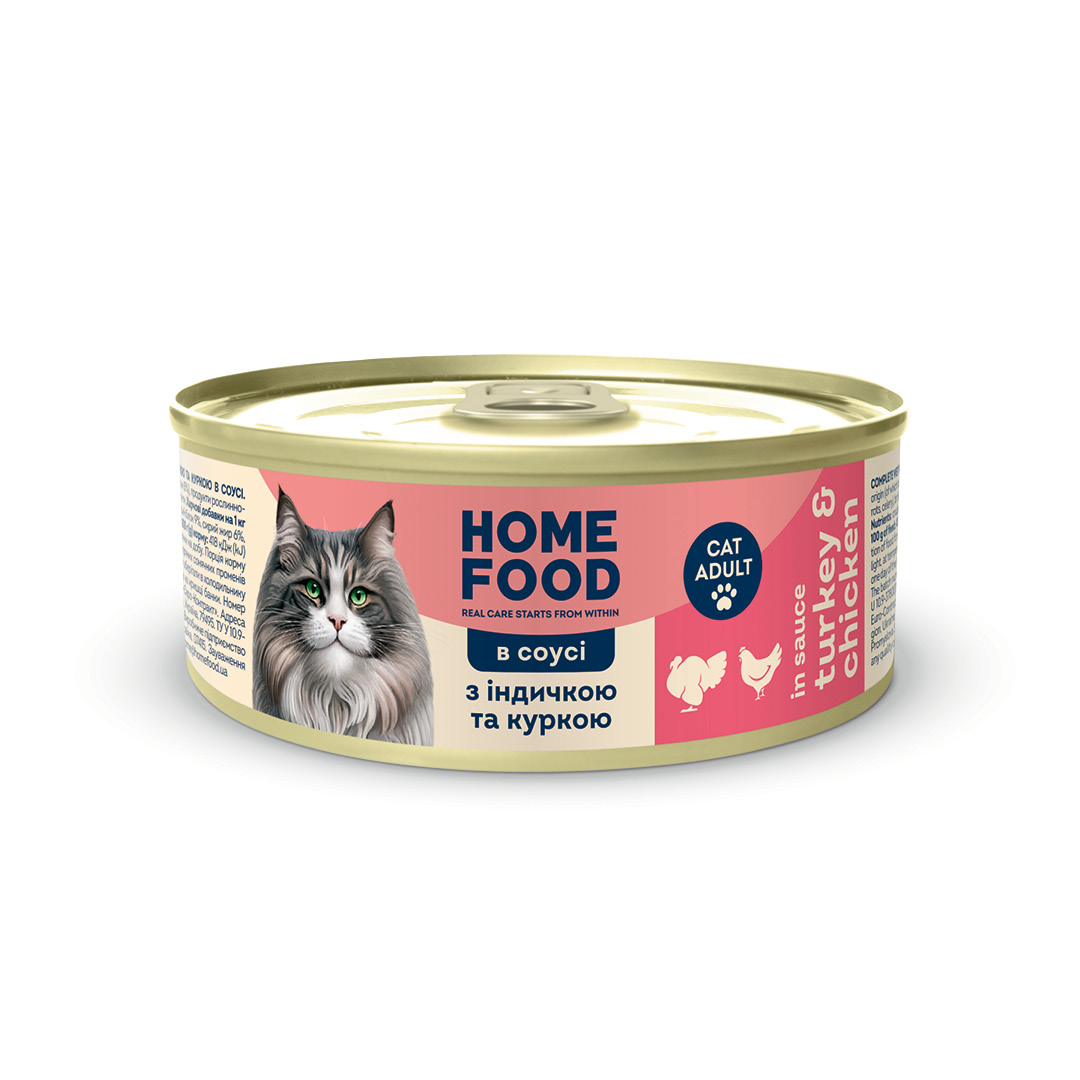
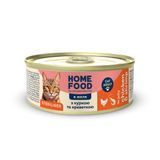
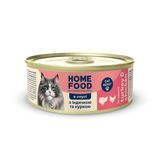
HOME FOOD — complete canned food for adult cats with turkey and chicken in sauce
Buy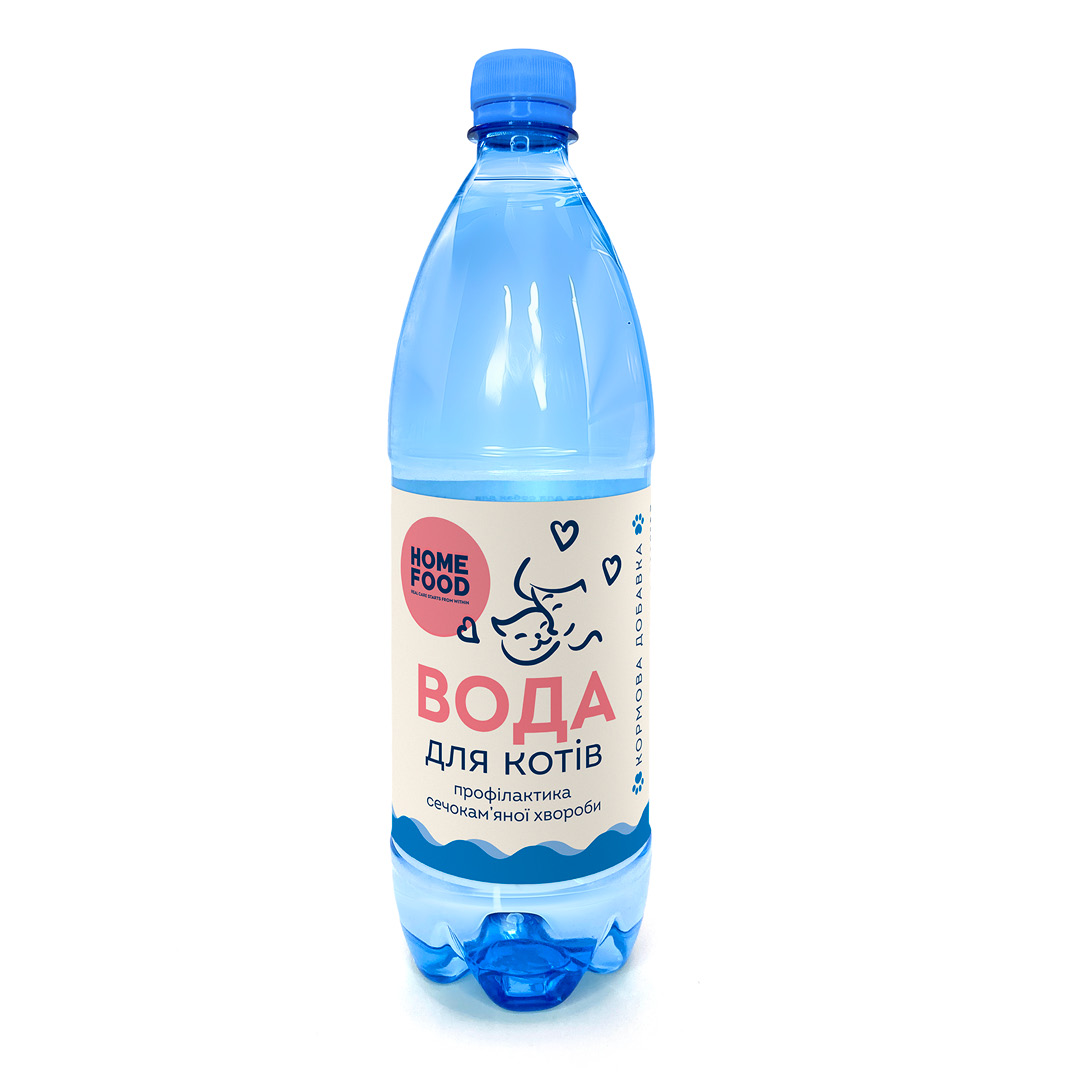
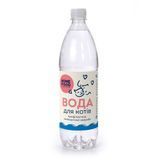
HOME FOOD — drinking water for cats for prevention of urolithiasis, 1 l
Buy
Breed pros and cons
Before choosing a Maine Coon, it is important to evaluate not only its striking appearance but also the real household characteristics of a large long-haired breed.
- The advantages include a gentle temperament, high intelligence, beautiful appearance and good adaptation to family life.
- Maine Coons usually get along well with children and other pets.
- The disadvantages include the need for regular grooming, higher household requirements and attention to genetic risks.
- The breed is not suitable for people who want a very large cat but are not ready to invest in grooming, weight control and medical monitoring.
How to choose a healthy Maine Coon kitten
You should buy a kitten only from a verified breeder where they show the conditions of care, calmly discuss parent testing and do not reduce all communication to just "wow, what a big and fluffy baby". For Maine Coons, it is especially important to inquire about HCM, joints and the overall condition of the line.
A healthy kitten should be active, attentive, with clean eyes, good fur, without obvious shortness of breath or stiffness of movement. It is good if the breeder shows documents, explains future care and does not ignore the topic of hereditary risks.
Frequently asked questions
- Are Maine Coons fearful: usually not, they are confident and well-adapted cats.
- How often do you need to brush their coat: normally a few times a week, more frequently during shedding.
- Why does a Maine Coon need sturdy bowls and accessories: due to their size, strength, and long whiskers, the breed requires comfortable and stable household items.
- Can you train a Maine Coon: yes, the breed is intelligent and responds well to positive reinforcement.
Conclusion
The Maine Coon is a breed that combines strength, intelligence, beauty, and a very family-friendly temperament. Its large size is impressive, but the true value of this cat reveals itself in daily life: in gentleness, curiosity, playfulness, and soft presence alongside people.
If you combine careful kitten selection, quality nutrition, regular grooming, weight control, and veterinary supervision, a Maine Coon can become a true long-lived companion and a reliable friend for the whole family. It is precisely this responsible approach that allows this large breed to live not only beautifully, but truly comfortably.