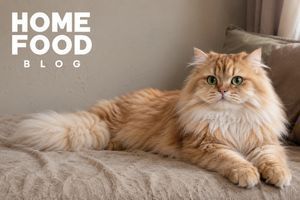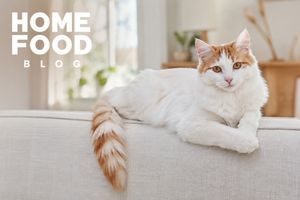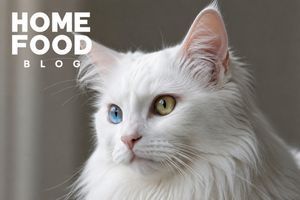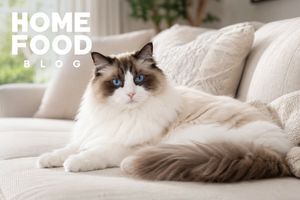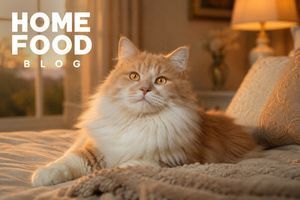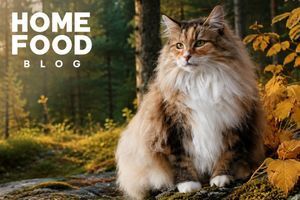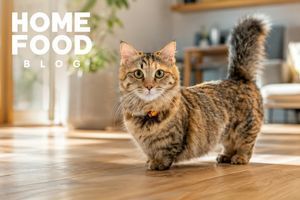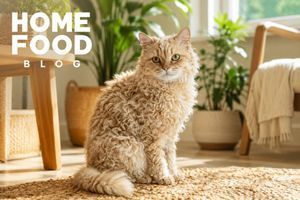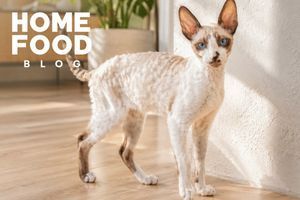
The Minuet looks as if someone deliberately gathered the cutest features of several different cats in one body: a rounded face, fluffy coat, short legs and an almost toy-like format. But behind this appearance lies not just a decorative effect, but a very gentle, affectionate character.
This is a cat that feels good in a family, loves human attention and usually easily fits into the home routine. That's why the Minuet often appeals to people who want a gentle companion for an apartment, but are also ready to carefully monitor the health of the breed.
In this article, we'll figure out where the Minuet comes from, what it looks like, what character it has, what's important to know about short legs, how to care for the coat and what kind of diet this small cat needs.
Brief breed characteristics
| Origin | USA; selective breeding began in 1996, the breed received experimental status from TICA in 2001 |
| Other name | Minuet, formerly Napoleon |
| Breed type | Hybrid breed based on the Munchkin and Persian group |
| Size and weight | Small to medium size, averaging about 3–4 kg |
| Lifespan | On average 12–15 years and more with good care |
| Coloring | Various colors and coat patterns are allowed |
| Coat type | Short or long, dense, soft, with undercoat |
| Character | Affectionate, friendly, trusting, family-oriented |
| Care | Depends on coat length; eye care, coat care, nail and dental hygiene, and weight control are needed |
| Suitable for | Families and people who want a gentle home companion and are ready for careful health prevention |
History of origin
The Minuet is a relatively young breed. It started in 1996 when American breeder Joe Smith decided to combine the short legs of a Munchkin with the rounded type and soft appearance of the Persian group. According to TICA, the work was not easy, but in 2001 the breed received experimental status.
The breed was initially called Napoleon, but in 2015 TICA officially changed the name to Minuet. This name better matched the image of the cat—soft, refined and somewhat "ballet-like", without the historical associations of the previous name.
In 2016, TICA granted the Minuet full championship status. At the same time, it's important to understand that this is a breed that comes from the short-legged Munchkin line, so any discussion of its beauty should always go together with a discussion of responsible breeding and health.
- The Minuet originated in the USA as a combination of the Munchkin and Persian group.
- The breed was initially called Napoleon, but TICA changed the name to Minuet in 2015.
- The breed received full championship status from TICA in 2016.
Appearance
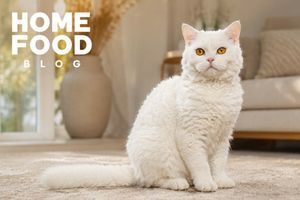
The first thing that catches your eye about the Minuet is the short legs, rounded face and very soft overall silhouette. According to TICA standards, this is not a "toy" cat, but a sturdy, compact and proportionate animal with distinctly rounded features, large eyes and a short nose with a soft profile.
Minuets come in short-haired and long-haired varieties. In both cases, the coat is dense, soft and pleasant to the touch, although usually not as excessively heavy as in a classic Persian. It's the combination of a dense "plush" appearance and short legs that creates the image through which the breed seems like an eternal kitten.
The breed can include both short-legged cats and cats with legs of standard length, often called "standard" and "non-standard". This is a normal part of the breed's genetics. At the same time, even a short-legged Minuet should not look weak or deformed: the body should remain sturdy and functional.
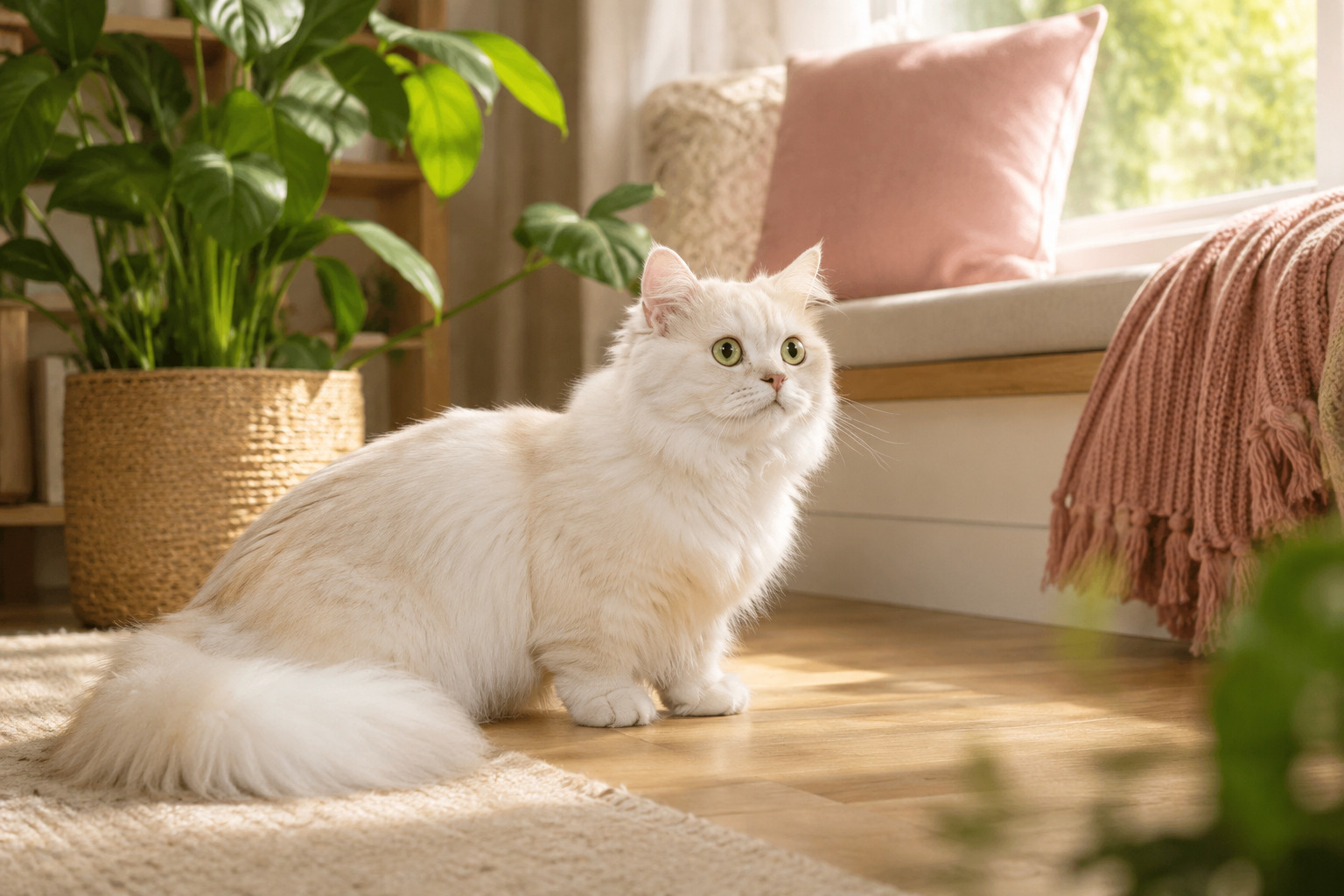

The Minuet is easy to recognize by its short legs, round face and soft fluffy appearance
Character and temperament
In temperament, the Minuet is very family-oriented. TICA describes the breed as extremely affectionate, people-oriented and pleasant to live with. These cats are usually not conflict-prone, love to be nearby, communicate willingly and respond well to gentle contact.
Despite its softness, the Minuet is not lethargic or indifferent. It loves play, exploring the home, observing events and sharing everyday life with people. But it usually lacks nervous restlessness. This is more of a cat for warm everyday contact than for continuous drive.
That's why the Minuet often appeals to people looking for a very gentle home companion: a cat that loves to be nearby, not too vocal, not aggressive and adapts well to family life.
Attitude towards children and other animals
In everyday life, the Minuet usually gets along well with children if they behave calmly and gently. This is not a breed for rough hugs or chaotic activity, but in a friendly environment it often behaves very patiently and gently.
The Minuet also usually gets along well with other animals. Its character is usually not dominant, so with gradual introduction it can comfortably live with both cats and balanced dogs.
- The Minuet is usually gentle, family-oriented and loves close contact very much.
- The breed feels better in a calm home than in a chaotic and noisy environment.
- This is a soft and sociable cat that fits well into the home routine.
Behavior in an apartment
The Minuet is well suited for apartment living. It doesn't need extreme exercise or long distances for running, but it does need toys, a scratching post, calm movement routes and safe resting places. Due to short legs, this breed is better suited to lower cat trees, beds with easy access and an environment that does not encourage dangerous jumps.
It's important to avoid extremes here. The Minuet should not live like a "fragile statue", but you also shouldn't encourage high jumps or activities that constantly strain the spine and joints. According to PetMD’s information on Munchkins, excess weight and mobility problems are especially undesirable for short-legged lines.
The breed feels best where there is comfort, predictability and a caring environment without unnecessary risk to the musculoskeletal system.
Health and possible risks
Eye and kidney issues are an important health point for this breed. According to TICA, due to a significant portion of the Persian line, all Minuets should come from parents tested for polycystic kidney disease (PKD). Also, when choosing a kitten, you should pay attention to excessive tearing and overly narrowed nasal passages.
The second major block of risks is associated with short legs inherited from Munchkin. Although many such cats live comfortably, PetMD emphasizes that short-legged lines are associated with increased attention to mobility, the spine, lordosis, the chest and the risk of osteoarthritis. That's why weight control for the Minuet is especially important.
So the breed is not one about which you can thoughtlessly say "absolutely problem-free". It requires choosing a truly responsible breeder who checks for PKD, monitors breathing and eye health, and does not breed extreme forms just for appearance.
- For a Minuet, PKD control and the quality of the Persian line are important.
- Due to short legs, the breed is especially prone to obesity, excessive jumping, and mobility issues.
- Tearing, gait changes, reluctance to move, or difficulty breathing require veterinary evaluation.
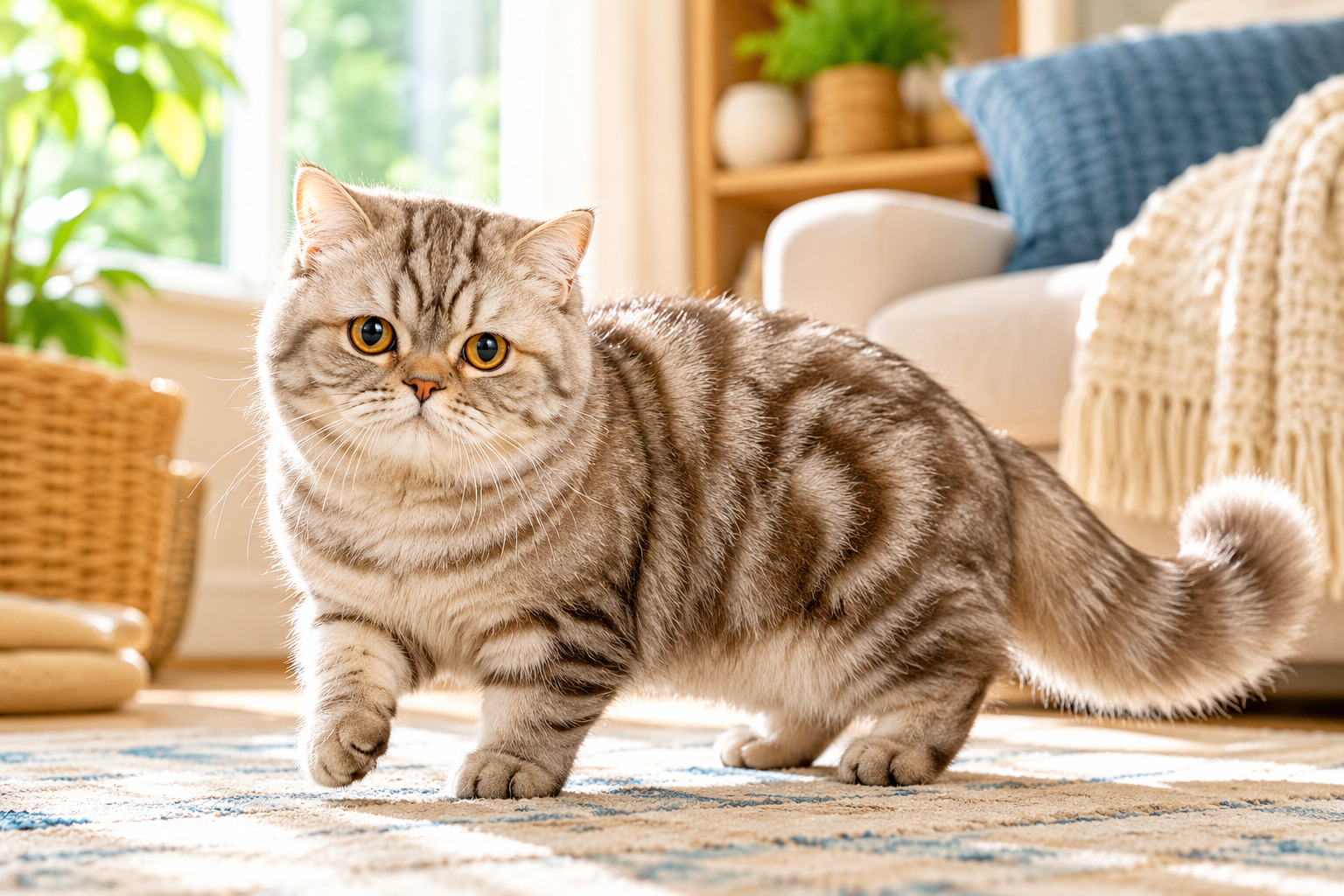
For a Minuet, weight control, a calm environment, and careful attention to the eyes, kidneys, and mobility are most important.
Care
Minuet care depends on coat length. Short-haired representatives usually need brushing once a week, while long-haired ones need it several times a week, especially in areas prone to matting. Due to the rounded face and Persian line influence, special attention should be paid to the eyes.
It's also important to regularly check ears, nails, and teeth. Due to short legs, some Minuets may have difficulty reaching all body areas as freely as regular cats, so owners should be attentive to the condition of fur on the belly, paws, and around the tail.

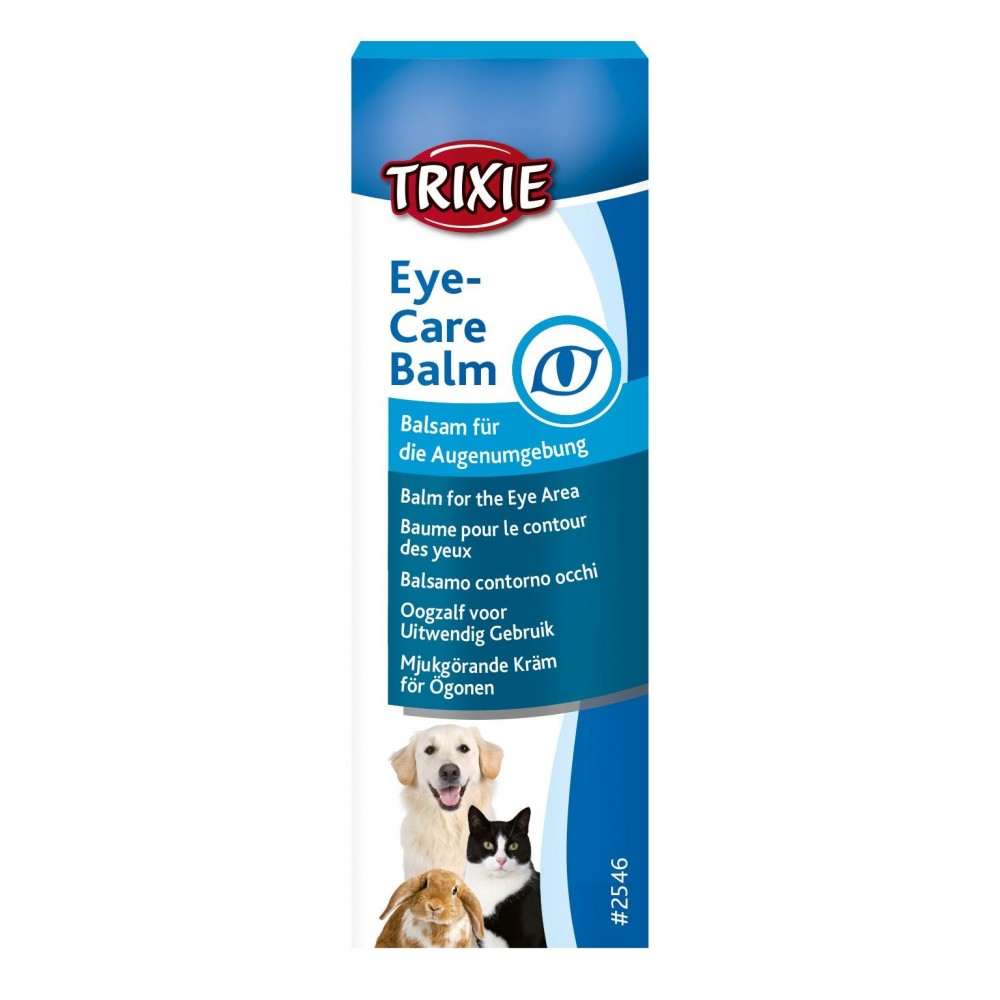
Trixie — eye care lotion for dogs and cats, 50 ml
Buy
HOME FOOD Beauty — set for dogs and cats: shampoo "Perfect Care" 200 ml + conditioner "Silky Touch" 200 ml
Buy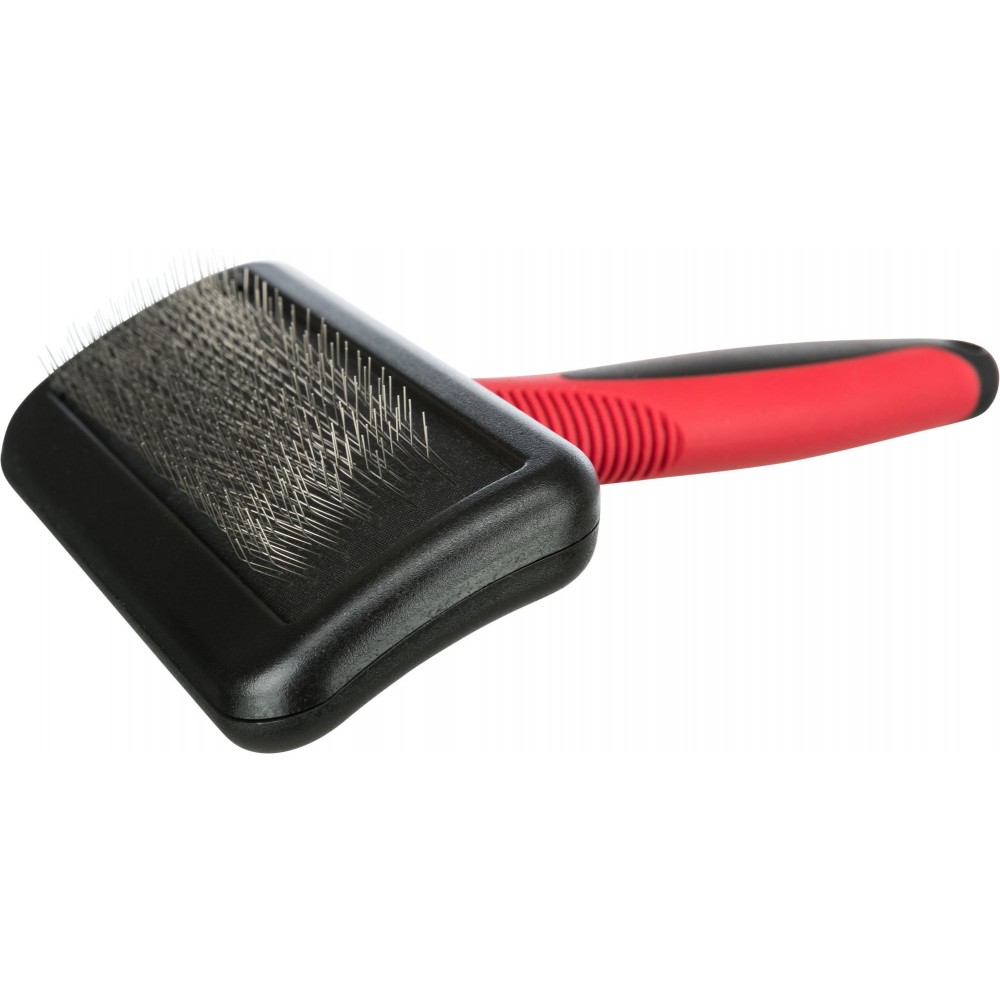
Trixie Soft Brush — slicker brush with soft bristles, 12x16 cm
Buy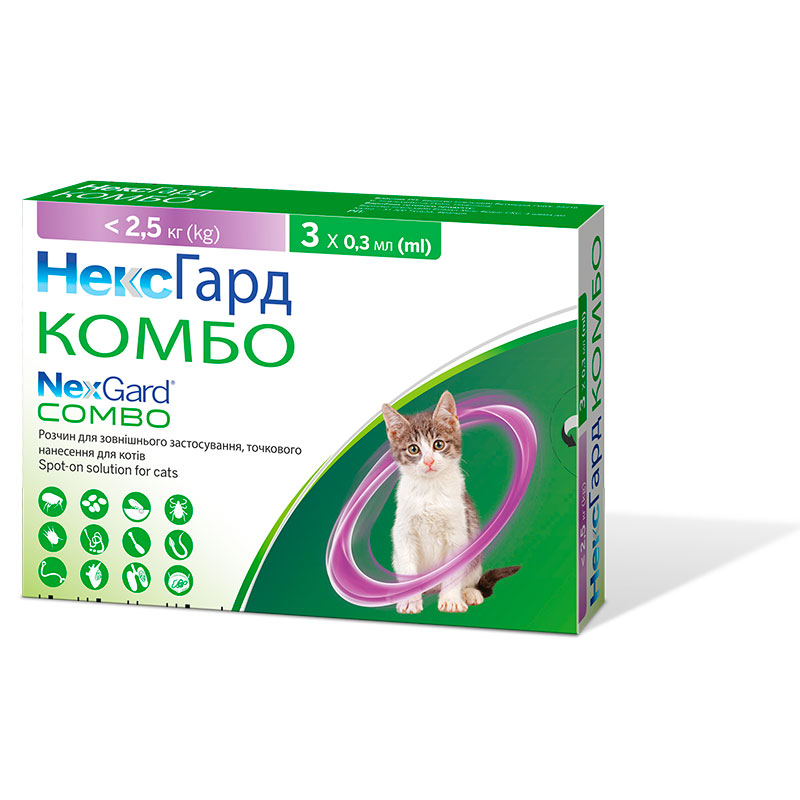
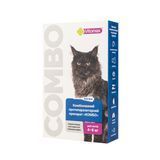
NexGard Combo — antiparasitic drops for topical application against fleas, ticks, and worms for cats
Buy
Nutrition
In a Minuet's diet, two things are especially important: food quality and portion control. Due to short legs and potential strain on the back, the breed is especially prone to excess weight gain. That's why nutrition should be not just tasty, but calorie-controlled and complete in composition.
The diet should be based on quality animal proteins, taurine, B vitamins, fatty acids, and adequate water balance. If a Minuet has pronounced Persian facial features or is less active, overeating is even more dangerous for it than for a regular medium-sized cat.
It's better to establish a feeding schedule right away taking into account age, activity level, sterilization, and body condition, rather than waiting until weight becomes a problem.
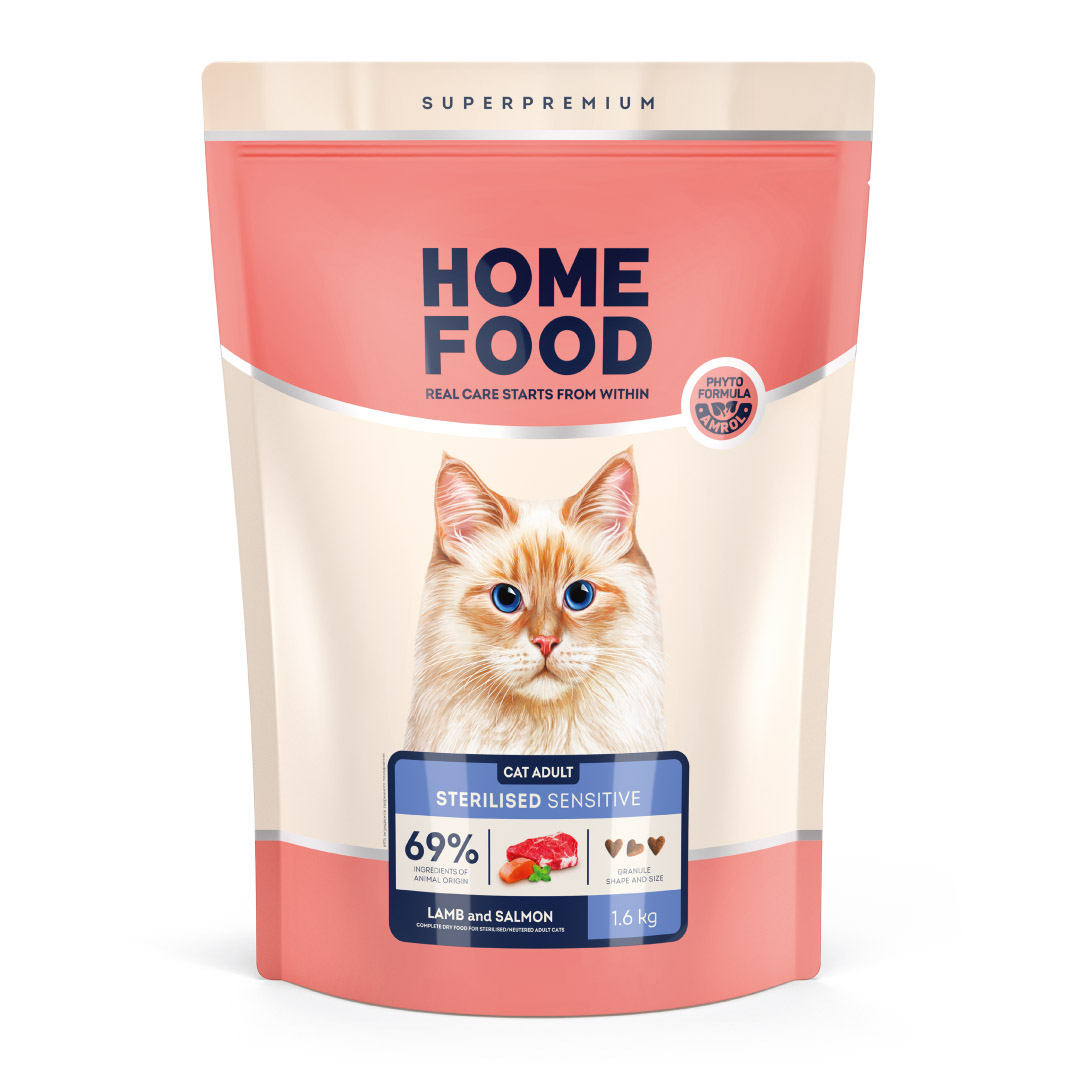
HOME FOOD With sensitive digestion. For sterilised/neutered — dry food for sterilized/neutered adult cats with sensitive digestion, lamb and salmon
Buy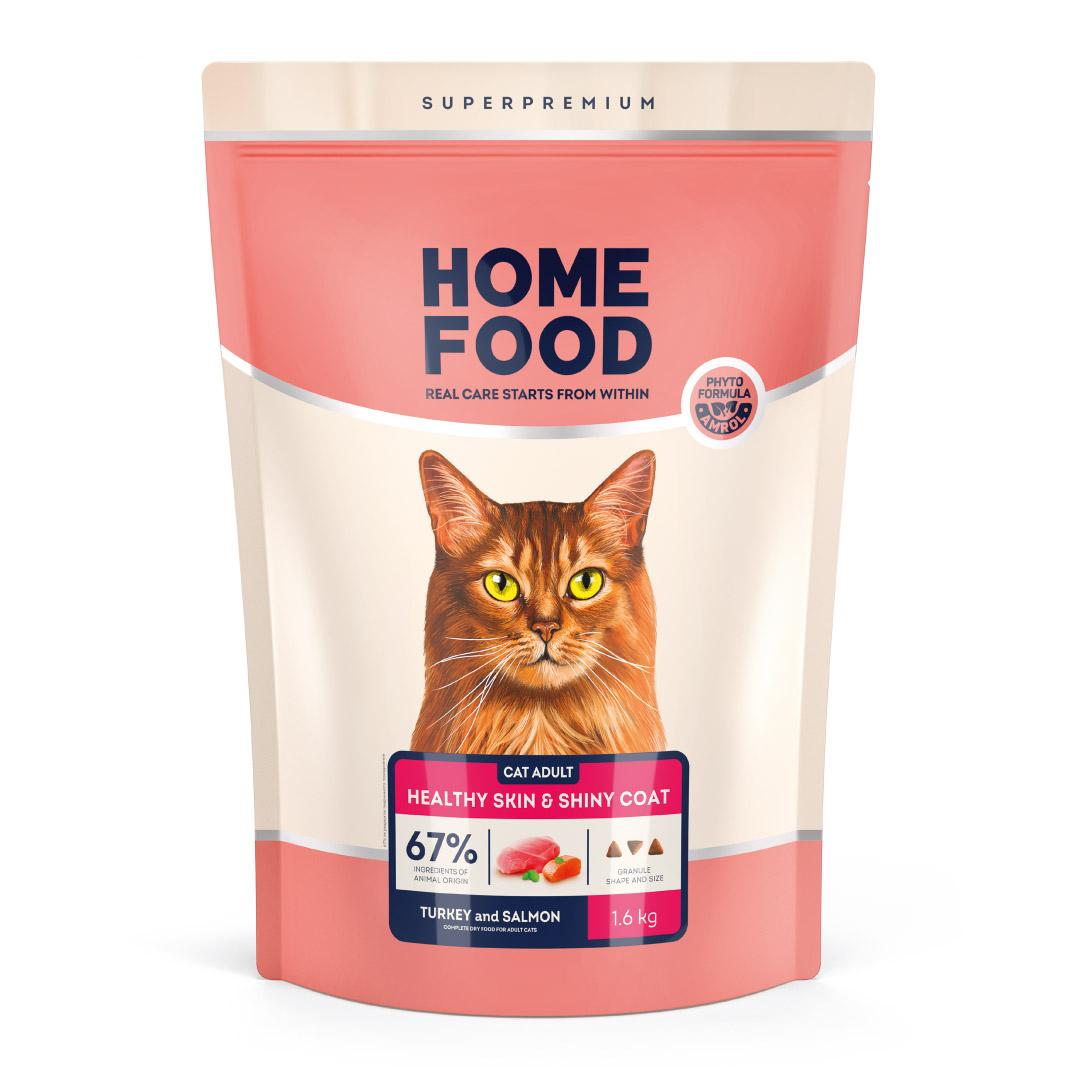
HOME FOOD Healthy skin and shiny coat — dry food for adult cats, turkey and salmon
Buy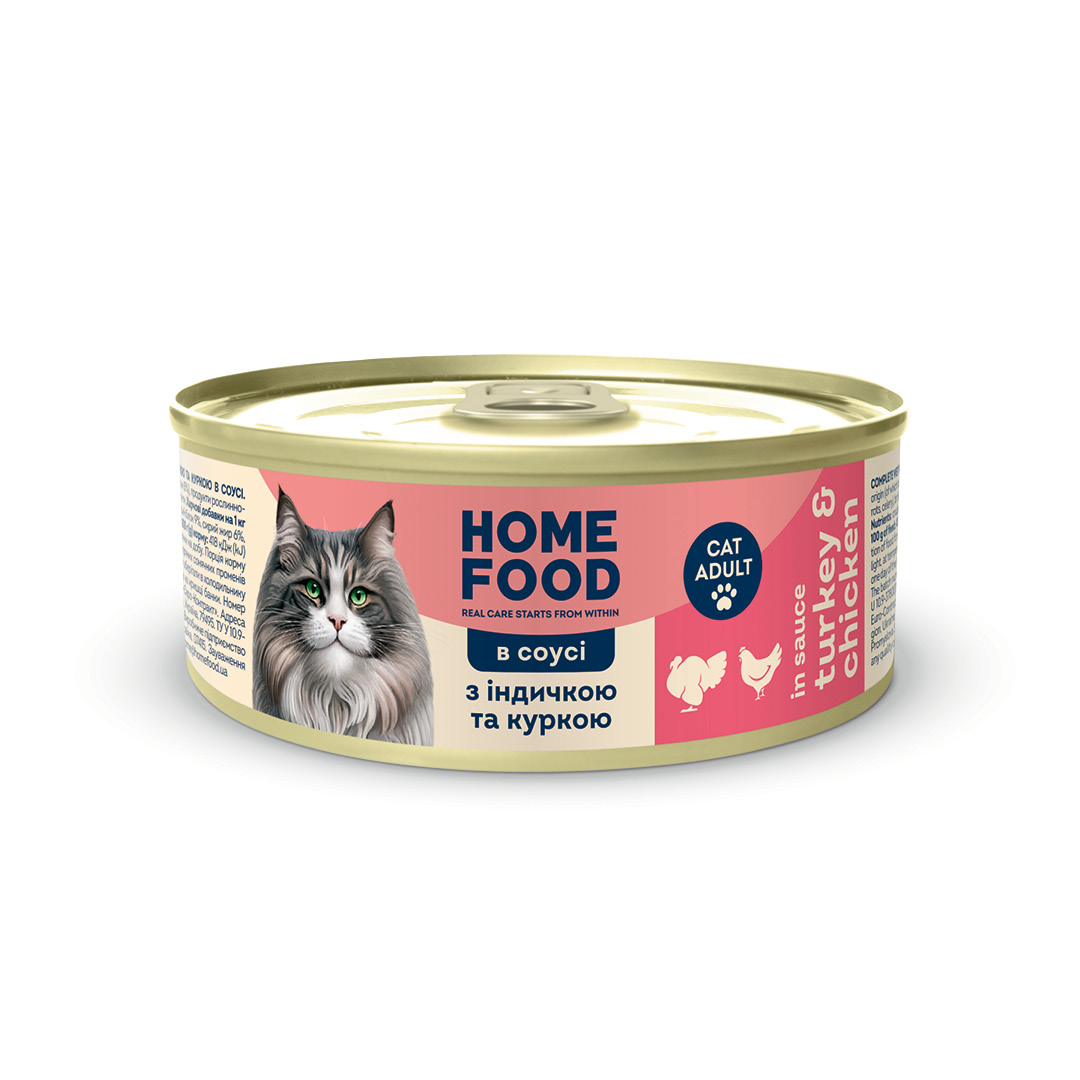
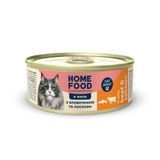
HOME FOOD — complete canned food for adult cats with turkey and chicken in sauce
Buy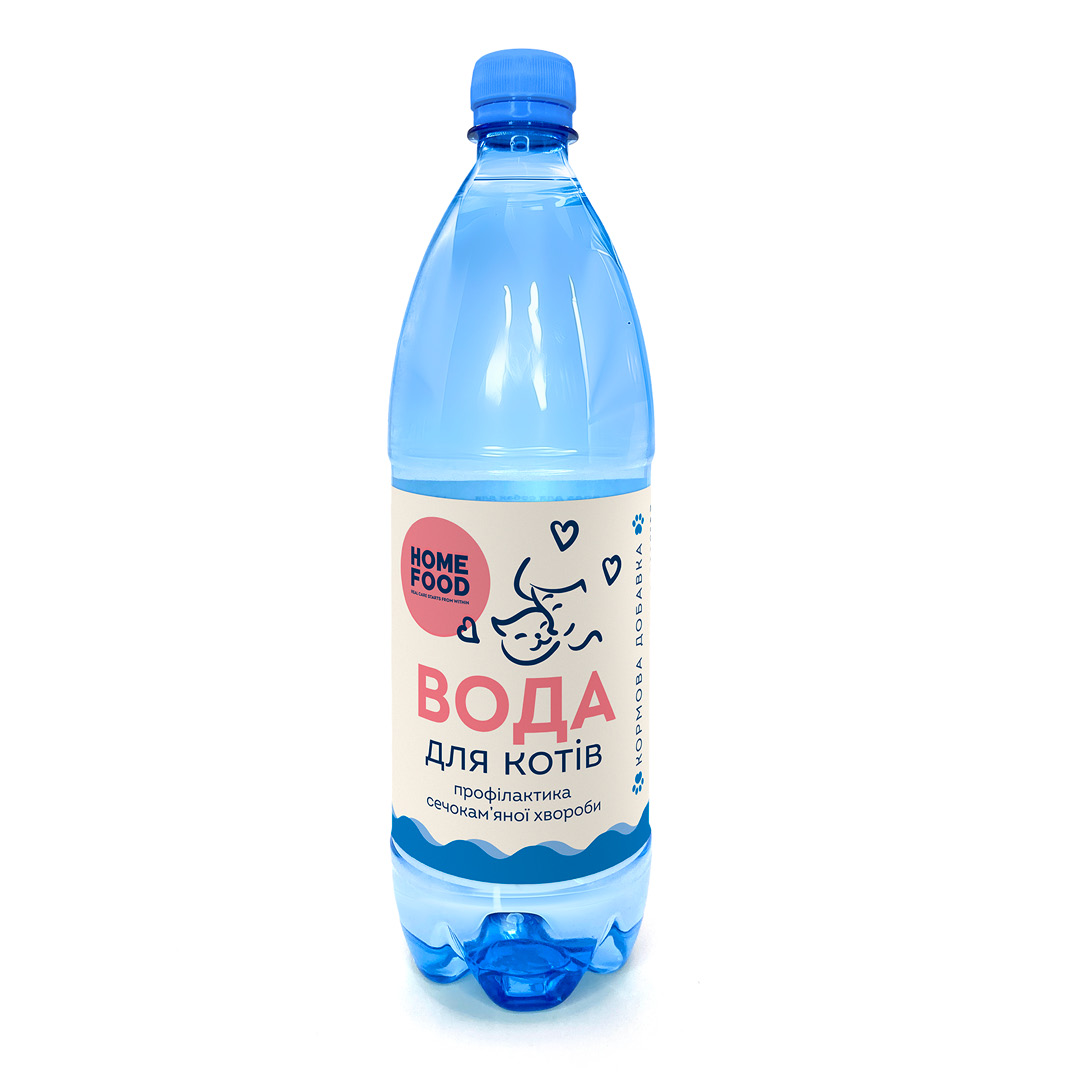
HOME FOOD — drinking water for cats for prevention of urolithiasis, 1 l
Buy
Breed pros and cons
Before bringing a Minuet home, it's worth soberly assessing both its charm and the care requirements for such a cat.
- The pros include a very gentle temperament, good adaptation to apartment living, family-oriented nature, and attractive appearance.
- Minuets typically get along well with children and other animals and are not prone to aggressive behavior.
- The cons include the need for careful health monitoring, weight control, eye care, and attention to how short legs affect mobility.
- This is a breed that requires choosing a responsible breeder and is not suitable for people who want to ignore preventive care.
Who is a Minuet right for
A Minuet is well-suited for people who want a gentle, compact, and very home-oriented cat. It's especially appropriate for calm families where the cat won't be forced to constantly compete for space or experience excessive physical strain.
The breed truly shines in a home with warmth, gentle handling, attention to detail, and a willingness to regularly monitor the animal's condition. However, if you need a cat that's expected to be completely "problem-free," a Minuet is unlikely to be the right choice.
Conclusion
A Minuet is a breed that easily captivates with its appearance: short legs, round eyes, soft fur, and an almost toy-like look are truly hard to forget. But for a happy life with such a cat, responsibility is just as important as affection.
If you combine careful kitten selection, weight control, quality nutrition, gentle care, and regular check-ups, a Minuet can become a very gentle, beautiful, and truly family-oriented companion for many years.