The Bombay Cat looks as if a small black panther has settled in the house. But behind this striking appearance lies not a cold temperament, but a very affectionate, responsive and gentle cat that adores human company.
Glossy black fur, copper eyes and the habit of staying close to the owner make the Bombay breed a real find for those who want to combine exotic appearance with a warm domestic temperament.
In this article, we'll explore how the breed originated, what the Bombay cat looks like, what its temperament is like, how to care for it properly, what to feed it, and who it suits best.
Quick breed characteristics
| Origin | USA, 1950s; hybrid of Burmese and American Shorthair cats |
| Alternative name | Bombay Cat |
| Breed type | Shorthaired, selectively bred |
| Size and weight | Medium size, approximately 3–6 kg |
| Lifespan | On average 13–18 years |
| Coat color | Black only, with a deep glossy 'lacquered' tone |
| Coat type | Short, dense, close-lying, with characteristic shine |
| Temperament | Affectionate, balanced, very responsive, devoted and sociable |
| Care | Minimal: light brushing, basic hygiene and regular preventive check-ups |
| Suited for | People and families looking for a close companion and who don't want to leave the cat alone for long periods |
Breed origin
Despite its name, the Bombay Cat has no direct connection to the Indian city of Bombay. The breed was developed in the USA in the 1950s, when breeder Nikki Horner decided to create a cat that would look like a miniature black panther but have a gentle, domestic temperament.
For this purpose, a Burmese cat was crossed with an American Shorthair. Later, similar selective breeding work was also carried out in Great Britain, resulting in a European line of the breed. In Ukraine, Bombay Cats remain a relative rarity.
- The Bombay cat is a deliberately developed breed, not a random natural variation.
- Its main breeding idea was to combine the appearance of a black panther with the temperament of a domestic companion.
- Despite its striking appearance, this is a breed with a very warm, people-oriented temperament.
Appearance
The Bombay cat is an embodiment of compact strength and elegance. Its body is medium-sized, but dense, muscular and well-proportioned. Unlike more elongated or delicate types, the Bombay looks very harmonious, with a distinctive build and neat silhouette.
The breed is characterized by a rounded head, broad cheekbones, large copper-golden eyes, widely set on the face, and short smooth fur of a rich black color. Particularly valued is that same deep shine that creates a 'lacquered' fur effect in light.
The paw pads, nose leather and even the skin around the eyes should also be black. All of this together forms the breed image of a small black panther, which is why the Bombay Cat is so loved by enthusiasts of exotic yet domestic animals.


The true appeal of the Bombay Cat lies not only in its perfectly black fur, but in how it combines predatory aesthetics, soft grace and domestic tenderness
Temperament
Bombay cats are natural companions. They love being close to people, carefully watch everything their owner does, readily respond to contact and often choose 'their' person, to whom they become especially attached.
This breed is affectionate, gentle and quite talkative, but its voice is usually soft and pleasant. The Bombay is not inclined to loud insistence; instead, it often tries to be physically closer: sit on your lap, lie nearby, follow from room to room.
Such cats get along well with children, can live with other animals if introductions are done correctly, and usually greatly value a stable home atmosphere. They find prolonged solitude difficult, so they feel best where someone is often at home.
- The Bombay cat is very people-oriented and tolerates long periods without its owner poorly.
- It combines affection, intelligence and delicate talkativeness.
- The breed is well-suited for those who want a close domestic companion rather than an independent cat that prefers to keep to itself.
Care
Thanks to its short coat, the Bombay Cat doesn't require complex grooming. In most cases, light brushing with a brush 1–2 times a week is enough to remove excess hair and maintain that characteristic coat shine.
The source emphasizes basic hygiene separately: you need to regularly check ears, eyes and nails, clean them if necessary, and not forget about oral hygiene. For this breed, such routine procedures are especially important not because the breed is difficult to care for, but because regularity allows you to maintain a neat appearance and animal comfort for a long time.
Bombay Cats often respond well to brushing and contact care procedures if accustomed to them calmly and gradually. For them, this often becomes another form of attention from their owner.


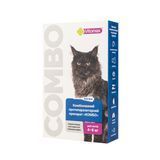
NexGard Combo — antiparasitic drops for cats up to 2.5 kg
Buy
Trixie — dry shampoo for dogs' and cats' coats, 200 ml
Buy
Espree Kitten Aloe Wipes — wet wipes with aloe vera for cats, 50 pcs
Buy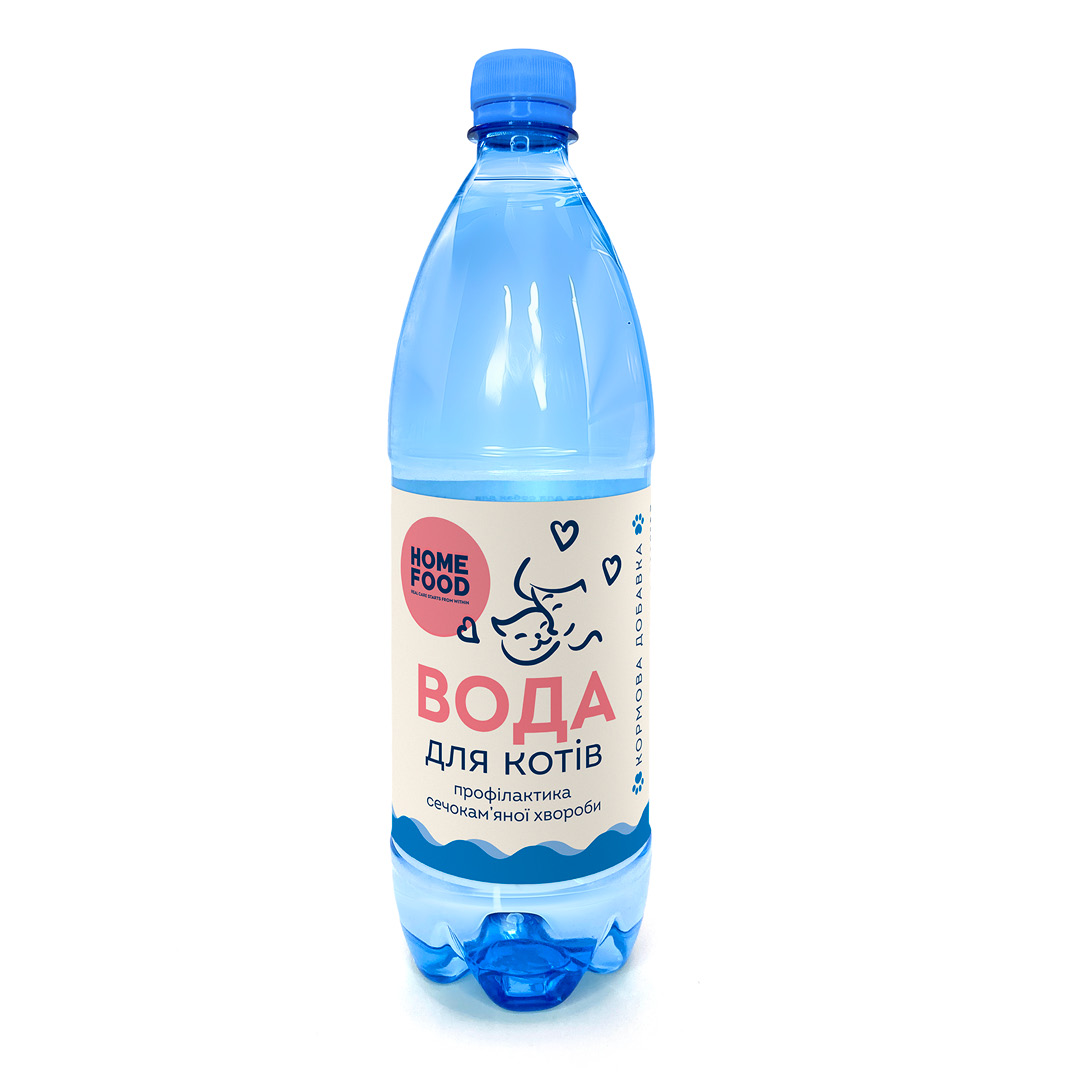
HOME FOOD — drinking water for cats for urolithiasis prevention in cats
Buy
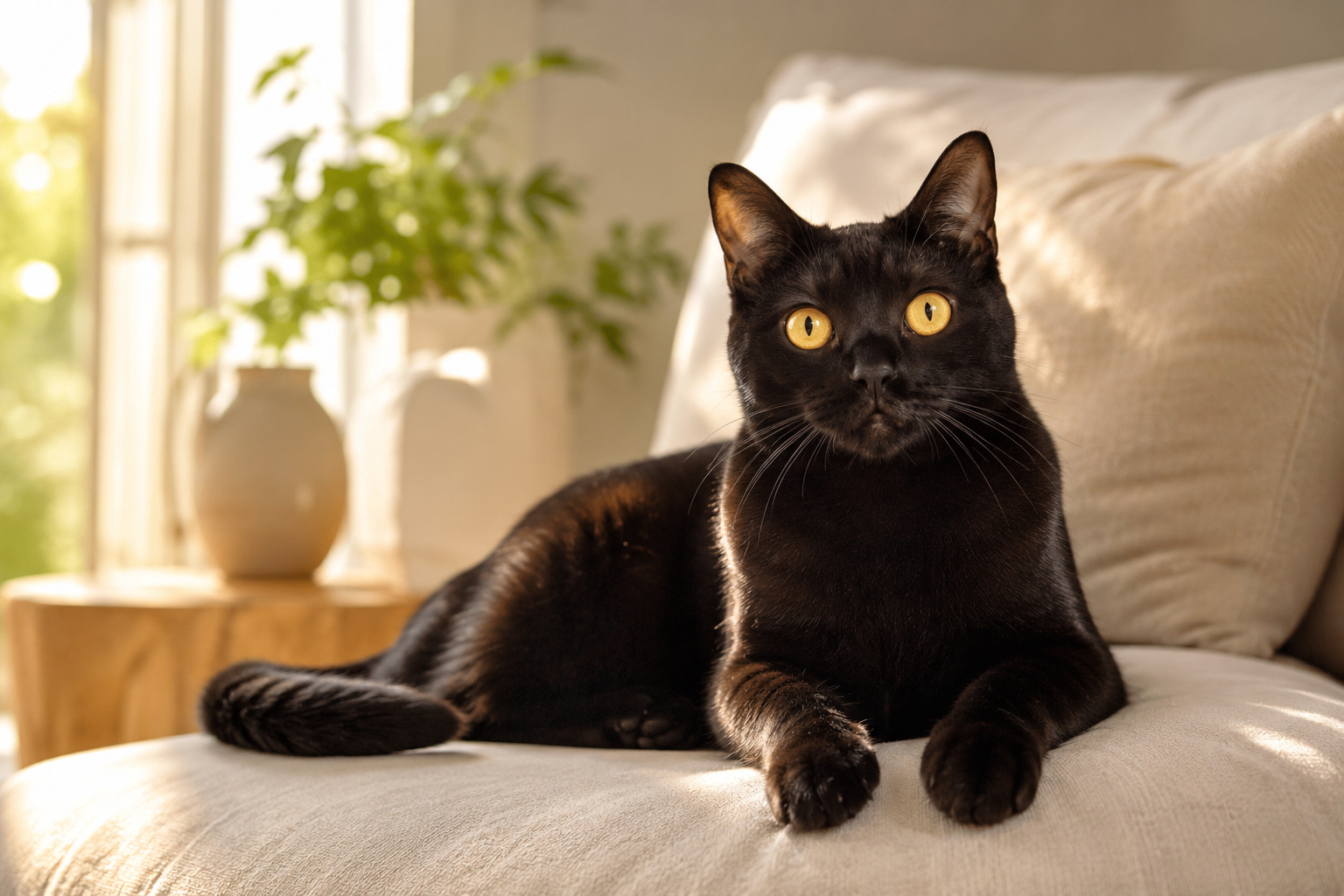
The Bombay cat does not require complex care, but reveals itself especially well where a soft home routine is combined with attention, peace and regular care
Nutrition
The Bombay cat, like any obligate carnivore, needs a complete meat diet with sufficient nutrients. The source emphasizes that for normal body function, such animals need more than 40 types of important nutrients, and their ratio depends on age, activity level and health status.
A kitten needs one type of diet, an adult cat needs another, and a sterilized animal or a pet with lower activity needs an even more individual approach. That is why it is most convenient to choose premium or higher class food and always follow the daily dose indicated on the package.
Clean water and weight control remain equally important. Despite its compactness and grace, the Bombay cat should not overeat if the owner wants to keep it in good shape and not overload its body.
- Food should be selected based on age, activity level and physiological status.
- It is important not to exceed the daily dose, even if the cat is very convincingly asking for an extra portion.
- Access to fresh water should be constant.

HOME FOOD For sterilised/neutered — dry food for cats, rabbit and cranberry
Buy
HOME FOOD For active — dry food for active adult cats, chicken and shrimp
Buy
HOME FOOD Healthy skin and shiny coat — dry food for adult cats, turkey and salmon
Buy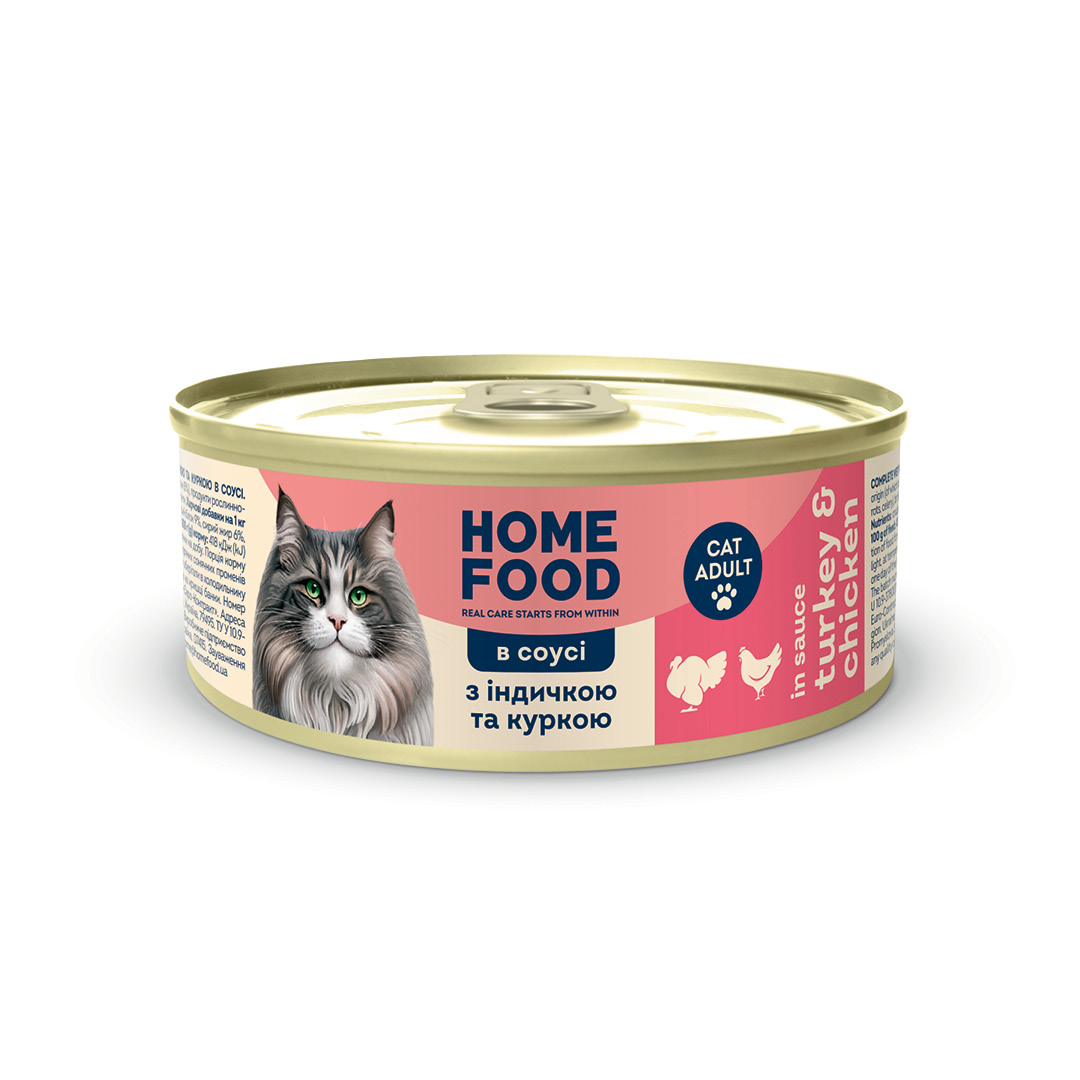
HOME FOOD — complete food for adult cats with turkey and chicken in sauce
Buy
Who is this breed suitable for?
The Bombay cat is perfect for people who want to have a very affectionate, devoted and warm-hearted pet by their side. This is not a cat for complete distance: it needs communication, gentle attention and the feeling that it is part of the family.
Bombay cats feel best in a home where someone is often around. They can live well in families with children, in couples, in people who work from home or simply love close emotional contact with animals.
Conclusion
The Bombay cat is a rare combination of exotic appearance and truly home tenderness. It looks like a small black panther, but behaves like a very devoted, gentle and sociable companion who wants to be near their person.
If you need a cat with a distinctive appearance, good intelligence and strong emotional contact, the Bombay breed can be a real find. This is exactly the case where beauty does not overshadow character, but only emphasizes it.