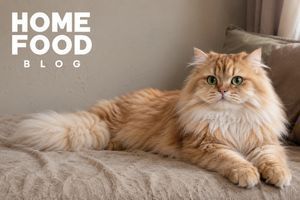
The Somali cat is a breed with the look of a small wild beauty and the temperament of an attentive home companion. It is often called a «fluffy Abyssinian»: the Somali has the same springy grace, intelligent gaze, and ticked coat, but with longer fur, a fuller tail, and an overall look that recalls a miniature fox.
This breed suits people who want more than a calm pet on the sofa: they want an active participant in family life. The Somali cat loves play, height, attention, mental tasks, and gentle interaction without rough pressure.
Brief Breed Profile
| Origin | USA / Canada |
| Other name | Somali |
| Breed type | Semi-longhaired |
| Size and weight | Medium size, about 3–5.5 kg |
| Life expectancy | 12–16 years |
| Colors | Ruddy, sorrel, blue, fawn, and other ticked color variations |
| Coat type | Semi-long, dense, soft, with a fluffy tail |
| Personality | Very active, intelligent, curious, and social |
| Care | Brushing 2–3 times a week, active play, quality nutrition |
| Best suited for | Active families and people ready to give the pet regular attention |
Origin
The Somali breed is a direct descendant of Abyssinian cats. For a long time, fluffy kittens occasionally appeared in litters of shorthaired Abyssinians. At first this was considered an undesirable trait, and such kittens were not used for breeding. Only in the 1960s did breeders notice their expressive «fox-like» appearance and begin developing a separate breed.
The Somali cat was officially recognized in the United States in 1978. The name is not tied to the breed’s actual geographic origin: it highlights the connection with Abyssinians, because Somalia borders Ethiopia, formerly Abyssinia.
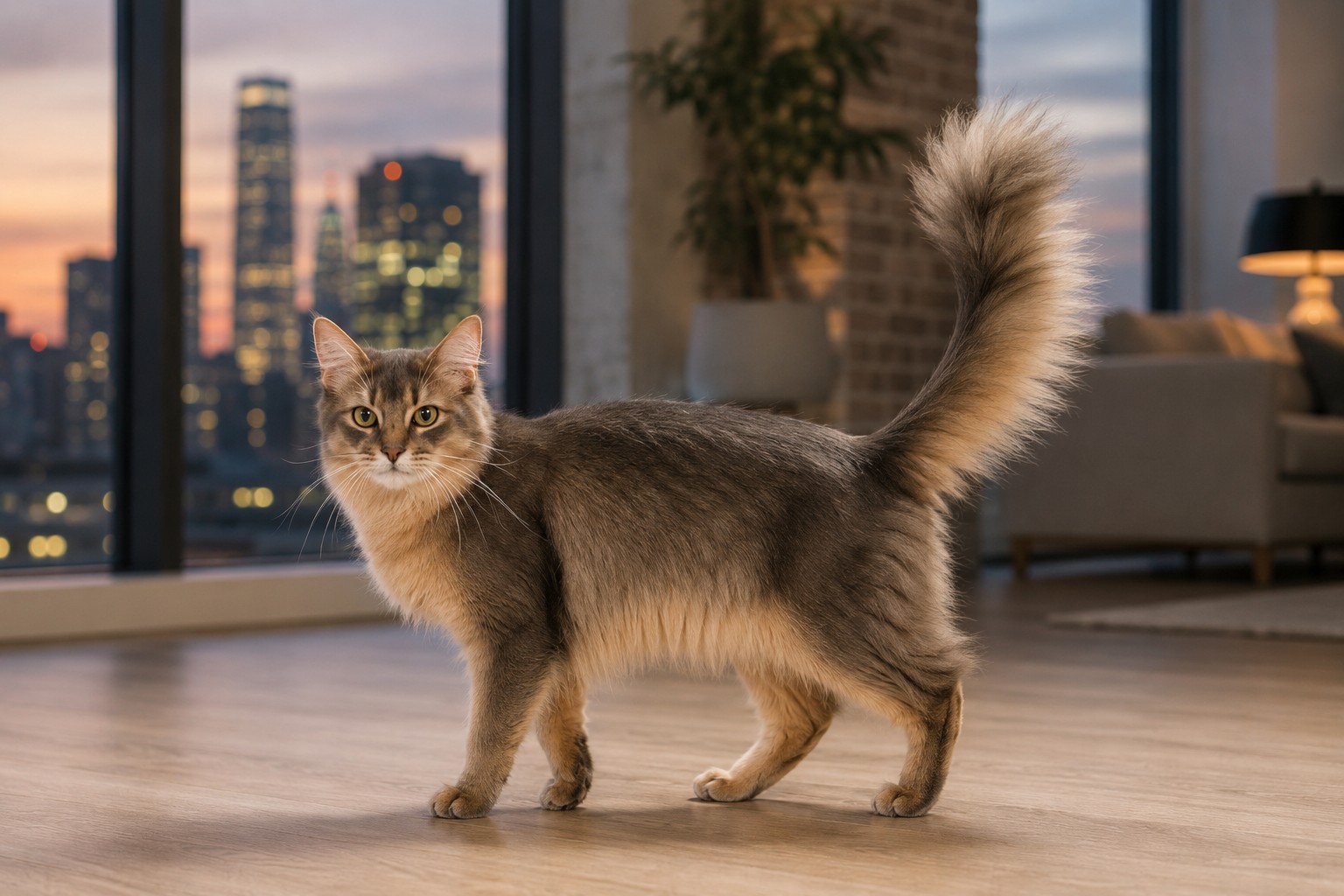

The Somali cat combines a striking wild appearance with a soft, sociable, deeply domestic nature
Appearance and Standards
The Somali cat has a flexible medium-sized body, well-developed muscles, and light, springy movement. The head resembles a modified wedge with smooth lines, expressive cheekbones, and a strong chin. The ears are large and set wide apart, sometimes with small tufts that strengthen the «wild» look.
Somali cats have large almond-shaped eyes in amber, green, or hazel shades. Dark eyelid outlines and lighter fur around the eyes create the effect of natural «spectacles». The breed’s main adornment is a semi-long, soft coat with a dense undercoat, full ruff, fluffy «breeches» on the hind legs, and a long tail.
Ticking and Color Palette
The Somali cat’s uniqueness lies in ticking: each guard hair has several alternating light and dark bands of pigment. This creates color depth, a warm shimmer in the coat, and the recognizable «sunlit» effect.
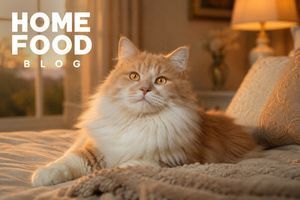
- Ruddy — an orange-brown base with black ticking.
- Cinnamon / sorrel — a copper-red base tone with chocolate-brown ticking.
- Blue — a warm beige background with gray-blue bands.
- Fawn — a soft cream color with coffee-with-milk ticking.
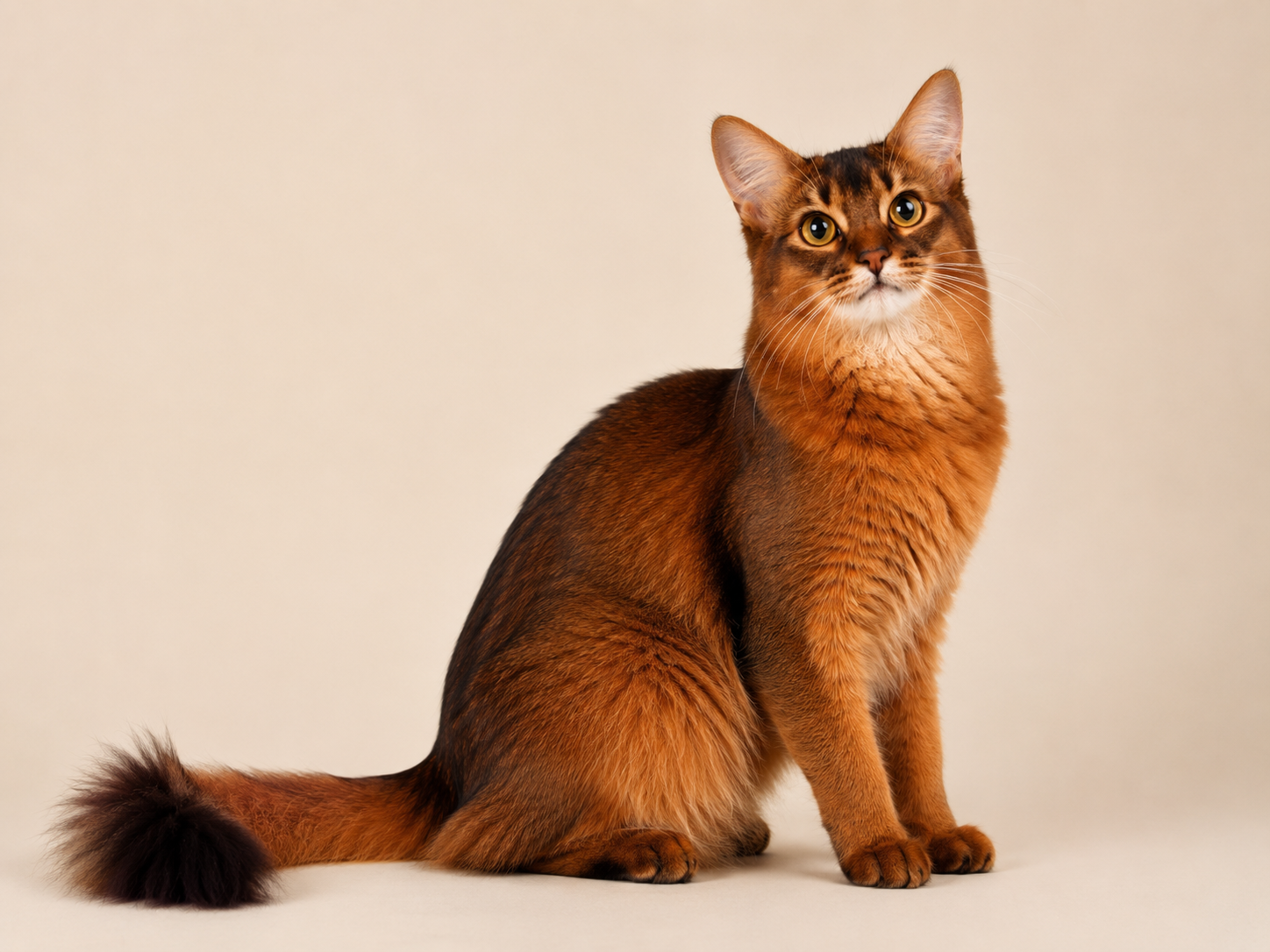
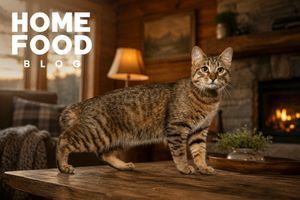
Ruddy
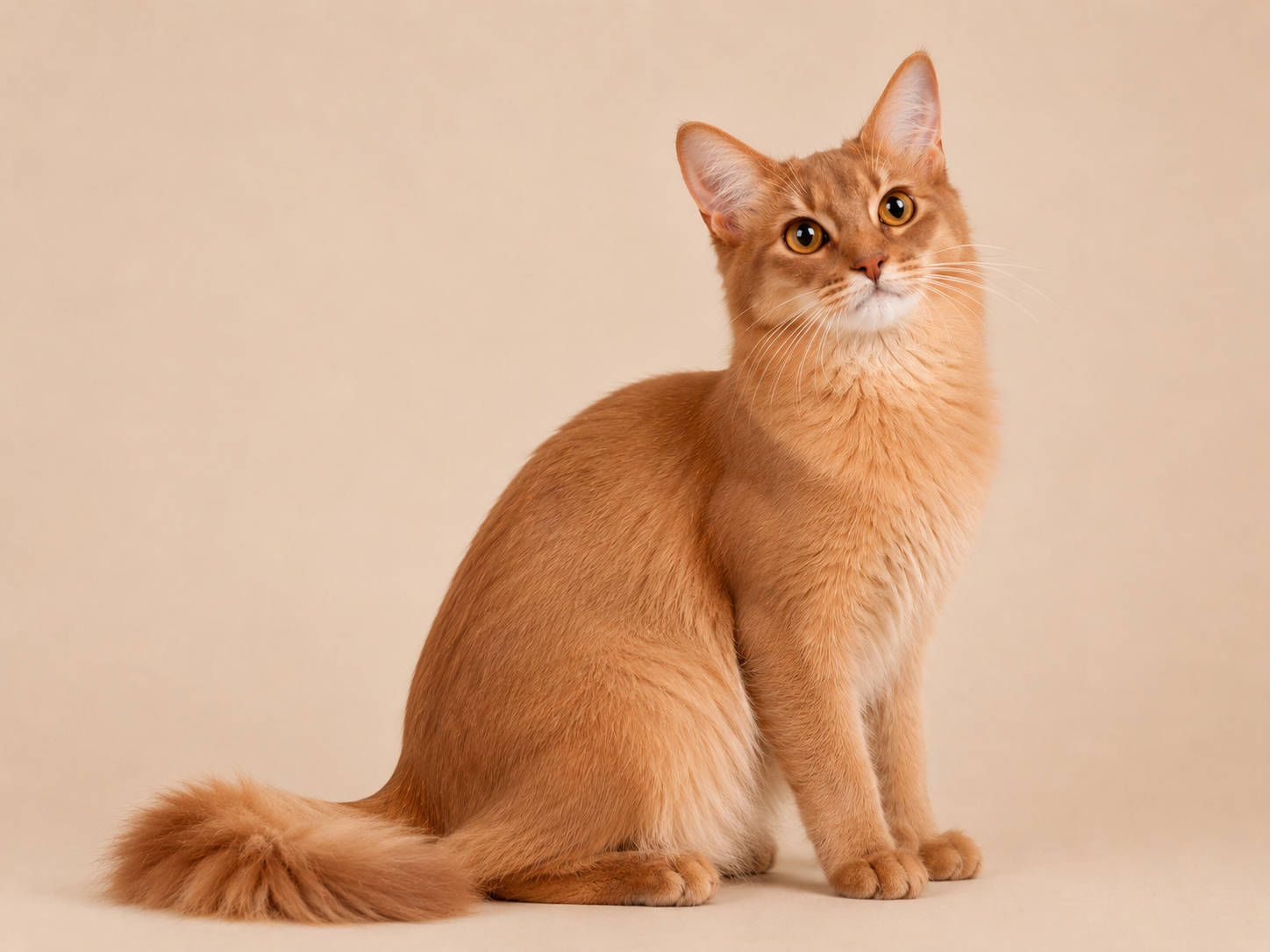
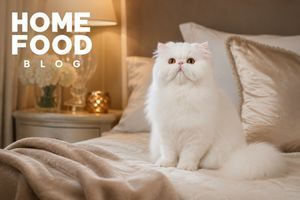
Cinnamon
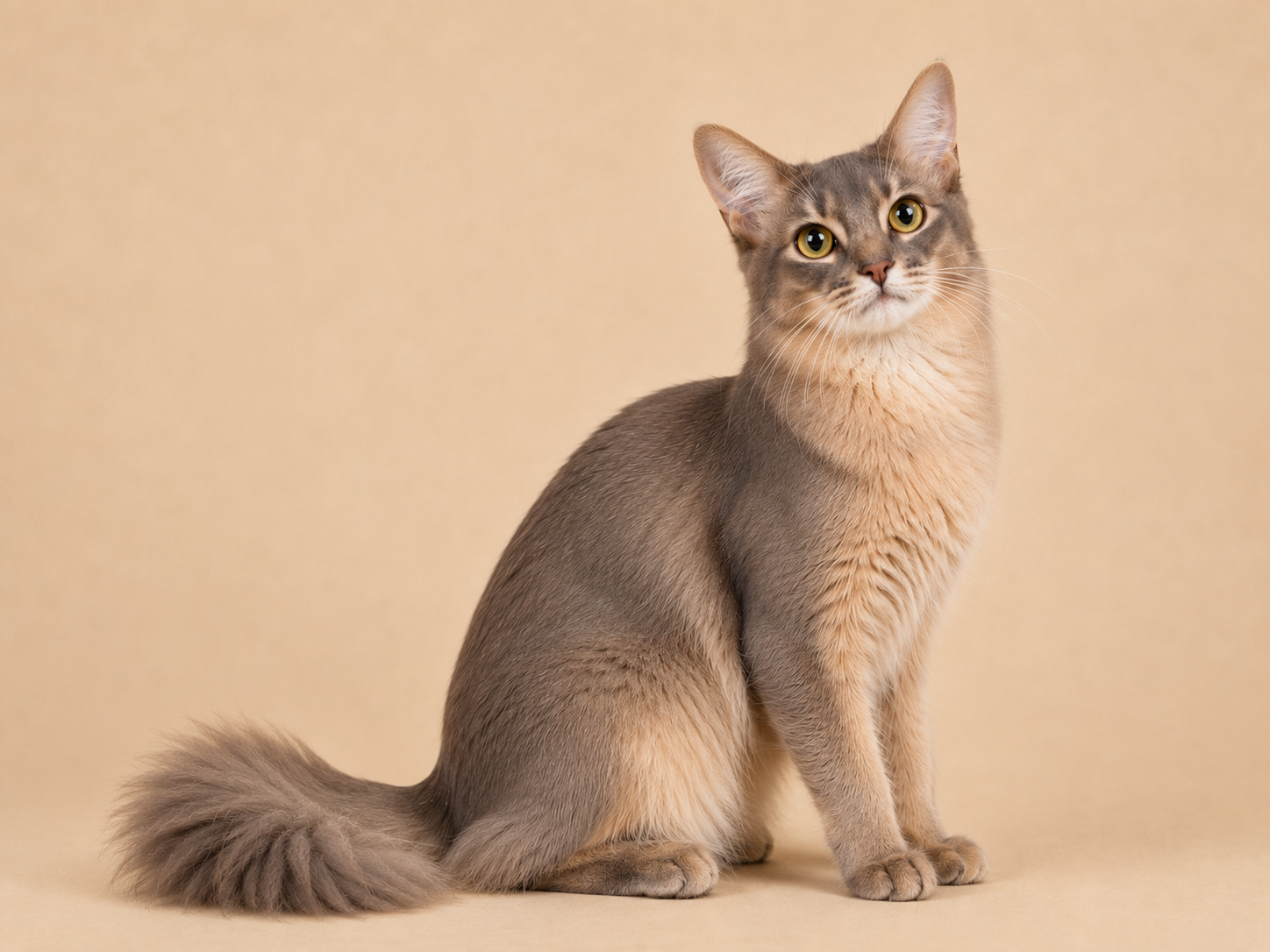
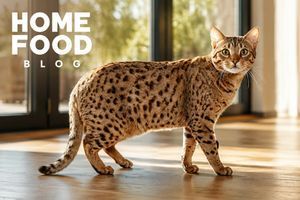
Blue
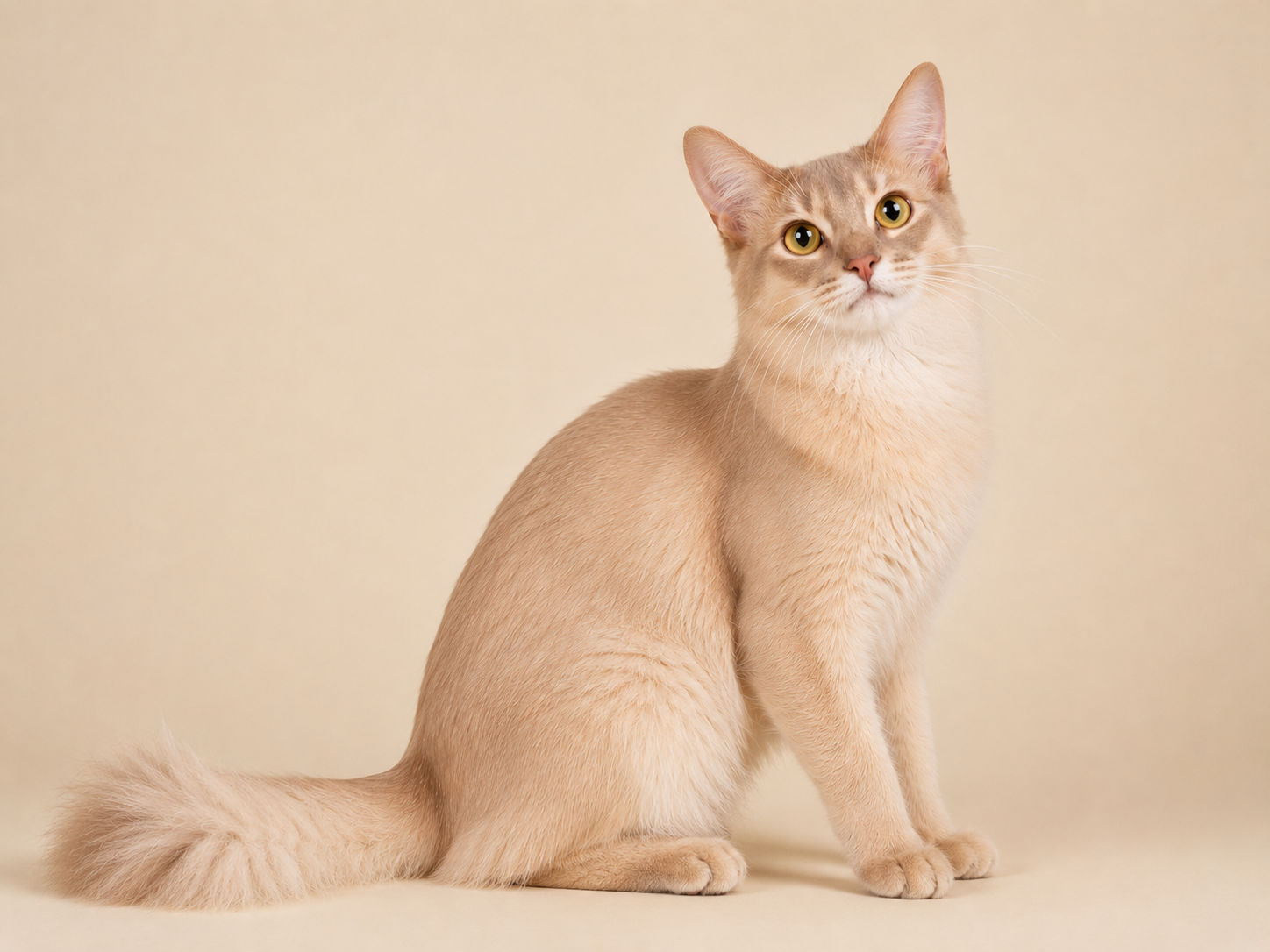
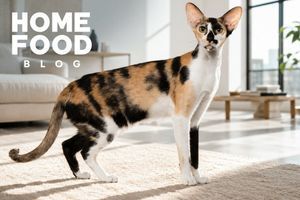
Fawn
In a purebred Somali, distinct spots or stripes on the body are undesirable. A darker line along the spine to the tip of the tail is acceptable.
Personality and Habits
Somali cats are active intellectuals. They love exploring space, climbing high, watching the home from upper shelves, and taking part in everything their owner does. This breed needs a vertical play structure, scratching posts, tunnels, and toys that can be chased or «hunted».
- Intelligence. Somalis learn quickly, can retrieve objects, remember commands, and easily understand house rules.
- Social nature. They dislike long periods of loneliness and prefer life close to people, though they are usually not intrusive.
- Friendliness. The breed usually gets along well with children, cats, and dogs if the other animals are open to contact and play.
Their activity and tact make Somalis good companions for families ready to invest not only in care, but also in daily interaction.

Movement, height, and mental games matter to Somalis: without activity, this cat quickly becomes bored
Keeping and Care
Despite its semi-long coat, the Somali cat is not among the most difficult breeds to groom. The coat usually does not form dense mats, but regular brushing 2–3 times a week helps maintain shine, remove dead undercoat, and reduce loose hair at home. During seasonal shedding, brushing should be more frequent.
The environment also needs attention. A Somali cat feels best where there is room to jump, lookout points, safe shelves, interactive feeders, and puzzle toys. This is not a breed that should be left without activities for the whole day.
Nutrition
A Somali cat’s diet should match its high activity level. The best option is a balanced professional cat food with high-quality protein, enough fat, Omega-3, and nutrients that support skin and coat. If the owner chooses a natural diet, it should be based on quality meat with properly selected supplements, but this type of diet should be discussed with a veterinary professional.
It is important to monitor water intake. Some Somalis enjoy drinking from fountains or are interested in running water, so clean fresh water should always be available.


Dry food for healthy skin and shiny coat for adult cats, Turkey and salmon, 1.6 kg
Buy
Fitomin for cats "Omega Balance" oil Omega-3, -6, -9 balance, 100 ml
Buy
Health
Somali cats usually have a strong constitution, but they may inherit some risks typical of Abyssinian lines. These include progressive retinal atrophy and certain hereditary forms of anemia. That is why, when choosing a kitten, it is worth asking for documents, veterinary examination results, and, if available, the parents’ DNA tests.
For a long active life, regular vaccination, parasite prevention, weight control, and annual checkups are important. Teeth also deserve attention: cats in this group may develop dental problems, so preventive examinations and oral hygiene are useful.
Pros and Breed Features
- Advantages: high intelligence, friendliness, an aesthetic «wild» look, sociability, and good relationships with children and other animals.
- Features: a need for interaction, active games, vertical space, regular brushing, and dental monitoring.
- Who it may not suit: people looking for a very calm, self-sufficient cat and not ready to play with the pet every day.
How to Choose a Kitten
In young Somalis, the coat often looks simpler than in an adult cat: true ticking, a thick ruff, and a luxurious tail develop gradually. So when choosing a kitten, look not only at appearance, but also at behavior, documents, and living conditions.
A healthy kitten is active and curious, has clean eyes and ears, does not show excessive fearfulness, and interacts easily for its age. The best option is a certified cattery where you can see the parents, clarify information about the line’s health, and receive care recommendations.

When choosing a kitten, color and fluffiness are not the only things that matter: parents’ health, documents, and stable behavior matter too
The Somali Cat in the Family
Somali cats can be a good fit for families with children if the child has been taught to respect the animal’s boundaries. When given too much attention, a Somali is more likely to move to a safe place than to show aggression. At the same time, this breed can be a wonderful play companion for school-age children.
A cat’s emotional state directly depends on the atmosphere at home. Calm handling, a stable routine, enough play, and the chance to rest without pressure help a Somali reveal its best traits.
Conclusion
The Somali cat is a breed for those who value lively contact, graceful movement, intelligence, and an active pet presence in family life. It needs attention, quality nutrition, regular coat care, and space for play, but in return it offers warm companionship, interesting interaction, and a truly noble domestic character.