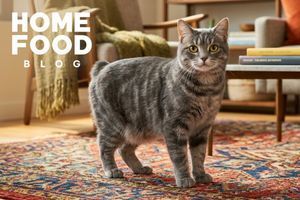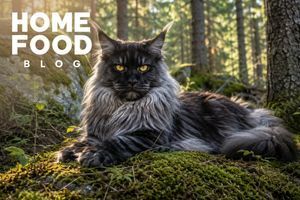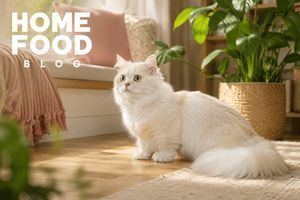
The Nebelung makes a very special impression: silvery-blue semi-long coat, bright green eyes, soft movements and a very calm, almost intimate presence. This is not a breed for noise, chaos or constant bustle, but a cat for quiet and attentive companionship.
It is precisely the combination of rare appearance, gentle temperament and loyalty to their person that has made the Nebelung especially appealing to people who want not just a beautiful pet, but a subtle emotional companion. At the same time, the breed requires delicate care, a stable routine and respect for its sensitivity.
In this article, we'll explore where the Nebelung comes from, how it differs from the Russian Blue cat, what its temperament is like, what to pay attention to regarding coat care, health and how to create a comfortable home environment for it.
Quick breed overview
| Origin | USA; the modern history of the breed began in the 1980s |
| Alternative name | Nebelung, "creature of the mist" |
| Breed type | Semi-long-haired domestic breed, related to the Russian Blue line |
| Size and weight | Medium size; males around 5–6 kg, females 3–4 kg |
| Lifespan | On average 12–15 years |
| Coloring | Silvery-blue, without spots or stripes |
| Coat type | Semi-long, silky, with soft undercoat |
| Temperament | Calm, loyal, reserved with strangers, attached to their person |
| Care | Regular brushing, monitoring coat, teeth, eyes, ears and claws |
| Suitable for | People who value quiet, stable living and gentle, unobtrusive contact with a cat |
Origin and path to recognition
The Nebelung as a modern breed appeared in the USA in the 1980s. According to TICA, the breed's history began with a selective breeding program where long-haired blue kittens with distinctive silky coats were used to form a separate type, closely related to the Russian Blue cat.
In popular descriptions, it is often said that the Nebelung was developed "based on the Russian Blue," and this indeed captures the main idea of the breed: in temperament, type and coloring, the Nebelung is close to the Russian Blue, but has a semi-long coat and a somewhat different visual appearance.
The name Nebelung comes from a German word associated with mist. It captures the overall image of the breed well: silvery-blue coat, soft movements, reserved temperament and a sense of quiet presence. Today, the Nebelung remains a rare but highly recognizable breed for those who appreciate calm cats.
- The Nebelung developed in the USA as a separate breed in the 1980s.
- The breed is closely related to the Russian Blue cat in type and coloring.
- The Nebelung remains a rare breed today with a very recognizable appearance.
Description and breed standards
The Nebelung is a medium-sized cat with an elongated body, flexible musculature and a very soft silhouette. The breed should not appear coarse or massive: its beauty is built on a combination of refinement, correct posture and distinctive silvery-blue coat color.
The breed's main pride is its semi-long silky coat without spots or stripes. In good condition, it seems to glow with a cool silvery sheen, and in sunlight it can slightly change tone. The eyes should be bright green according to standard, and the overall expression of the face is attentive and calm.
Due to its outward restraint, the Nebelung sometimes seems "simpler" than flashy show breeds, but that is precisely where its aesthetic lies: not showiness, but noble balance, soft grace and a very cohesive breed image.
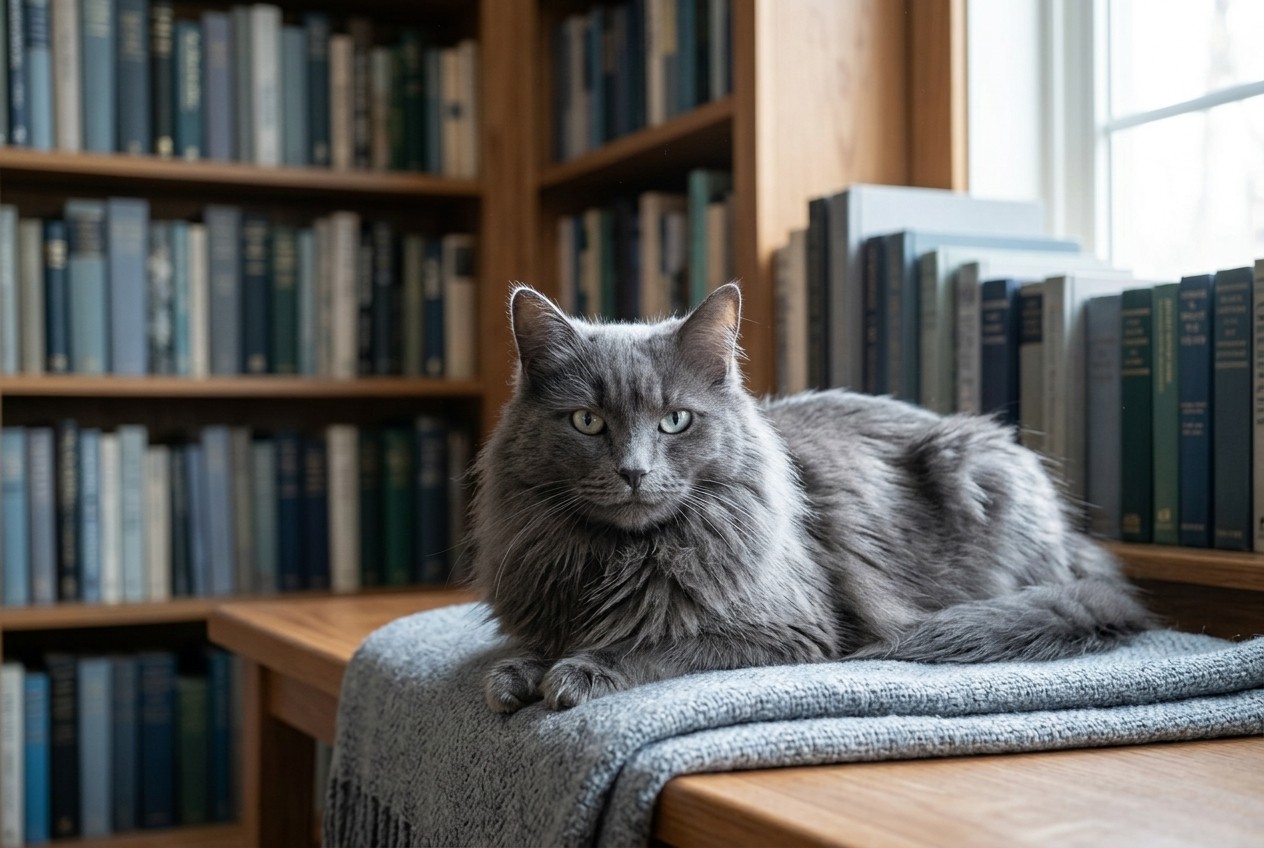

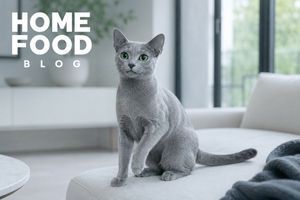
The Nebelung is easily recognized by its silvery-blue coat, bright green eyes and very soft, quiet grace
Nebelung temperament: calm, loyalty and sensitivity to atmosphere
The Nebelung often becomes attached to one person more strongly than to others. This does not mean aggression toward the rest of the family, but such a cat usually chooses its "person" very carefully and builds the deepest bond with them.
With strangers, the Nebelung is often reserved or cautious. It is not a breed that immediately runs to greet every guest. Noise, sudden movements, loud parties and chaotic routines usually exhaust this cat much more than more extroverted breeds.
At the same time, the Nebelung is not indifferent or "cold." It is an intelligent, attentive and quite playful cat, especially when young. It loves to climb, explore space and quiet shared rituals, but does so without excessive display.
Housing and space organization
The Nebelung does not need a huge house to be happy. The breed does well in an apartment if there is a quiet corner, a cat house or climbing complex, a convenient litter box, a scratching post and a sufficiently stable life rhythm without constant stress.
This cat loves order and predictability. If the pet's sleeping spot, feeding schedule or home routine is frequently changed or there is constant guest traffic, the Nebelung can become more anxious and more withdrawn.
- The Nebelung needs quiet, a stable routine and a sense of security.
- The breed loves to climb, observe its surroundings and explore the home without bustle.
- For this cat, quality of environment matters more than square footage.
Health and possible characteristics
Overall, the Nebelung is considered a breed with good general health. Since it is related to the Russian Blue line, veterinary sources do not identify a large set of narrow breed-specific hereditary diseases for it. But this does not mean that prevention is not needed.
For the Nebelung, regular check-ups, vaccinations, parasite control, oral hygiene care and maintaining normal body weight are important. As with many domestic cats, problems more often arise not from "fatal genetics" but from neglected basics: poor nutrition, excess weight, lack of hygiene and delayed veterinary visits.
A separate practical tip for the breed concerns coat: sources often mention that direct sunlight and certain foods can affect the cool silvery-blue shade. This is not a "disease," but for owners who want to preserve the typical breed appearance, such a detail can matter.
- The Nebelung needs stable care, normal body weight and regular preventive check-ups.
- The breed is not known for a large number of narrow hereditary problems, but this does not eliminate the need for basic veterinary prevention.
- Coat condition, appetite, weight and behavior remain the main home indicators of health.
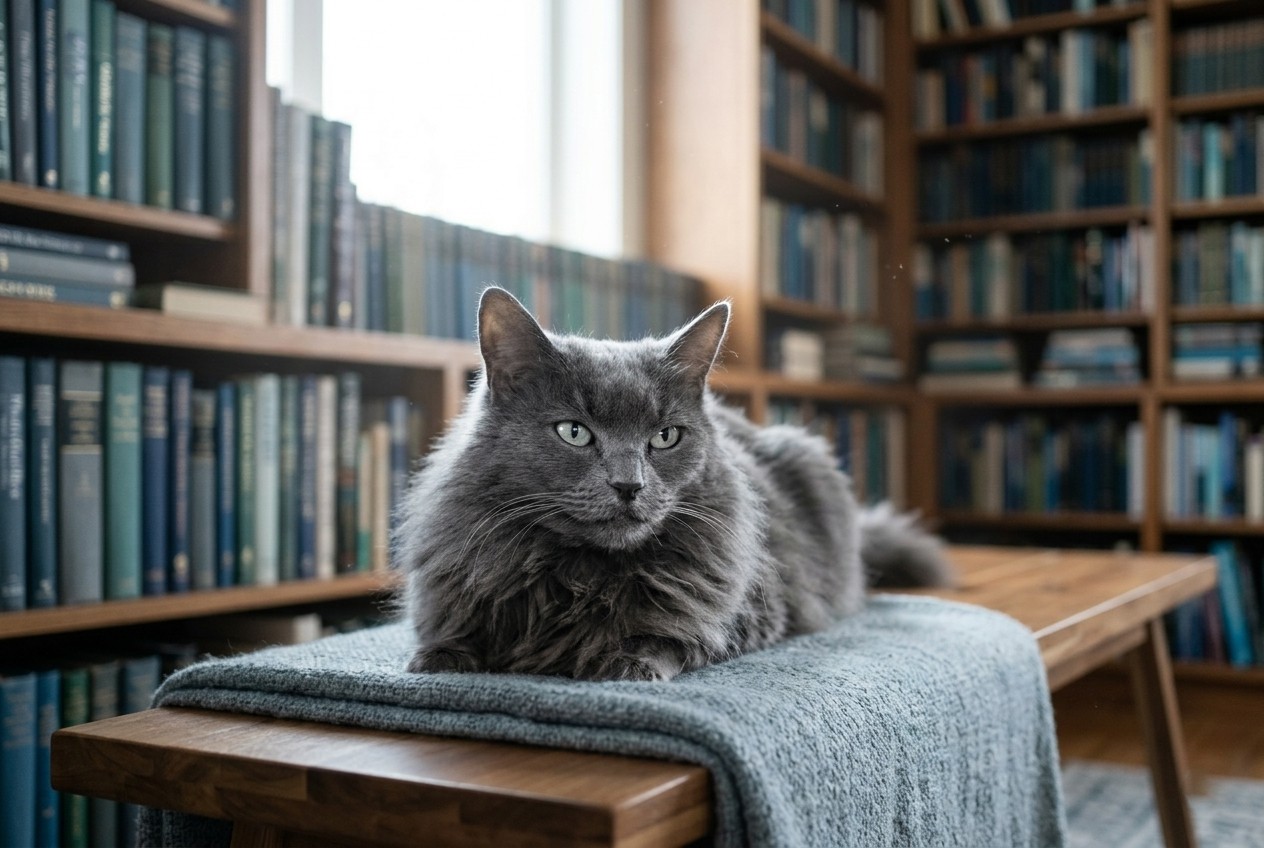
For a Nebelung, the most important things are a quiet atmosphere, regular coat care, and a stable daily routine
Care
A Nebelung's coat should be brushed regularly 2–3 times a week, and daily during shedding season. This helps not only maintain a neat appearance but also reduces the risk of matting, accumulation of dead undercoat, and excessive hair swallowing.
Nebelungs are bathed rarely, only when truly necessary. Separately, you should monitor their teeth, eyes, ears, and nails. With this calm, delicate breed, regular short grooming sessions are tolerated much better than rare but stressful "major grooming sessions".
It's also worth protecting the coat from excessive direct sunlight if the owner wants to maintain the coldest possible shade of coloring. This is not a critical health requirement, but quite a practical detail for breed-specific care.


HOME FOOD Beauty — a set for dogs and cats: shampoo «Perfect Care» 200 ml + conditioner «Silky Touch» 200 ml
Buy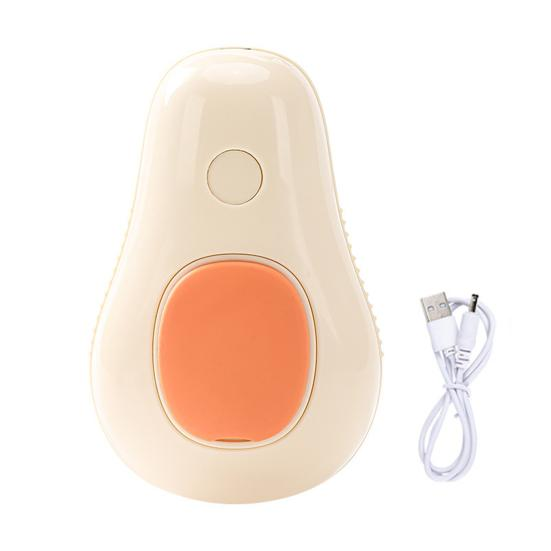
Steam massage brush 3 in 1 — «Avocado» for coat care for dogs and cats
Buy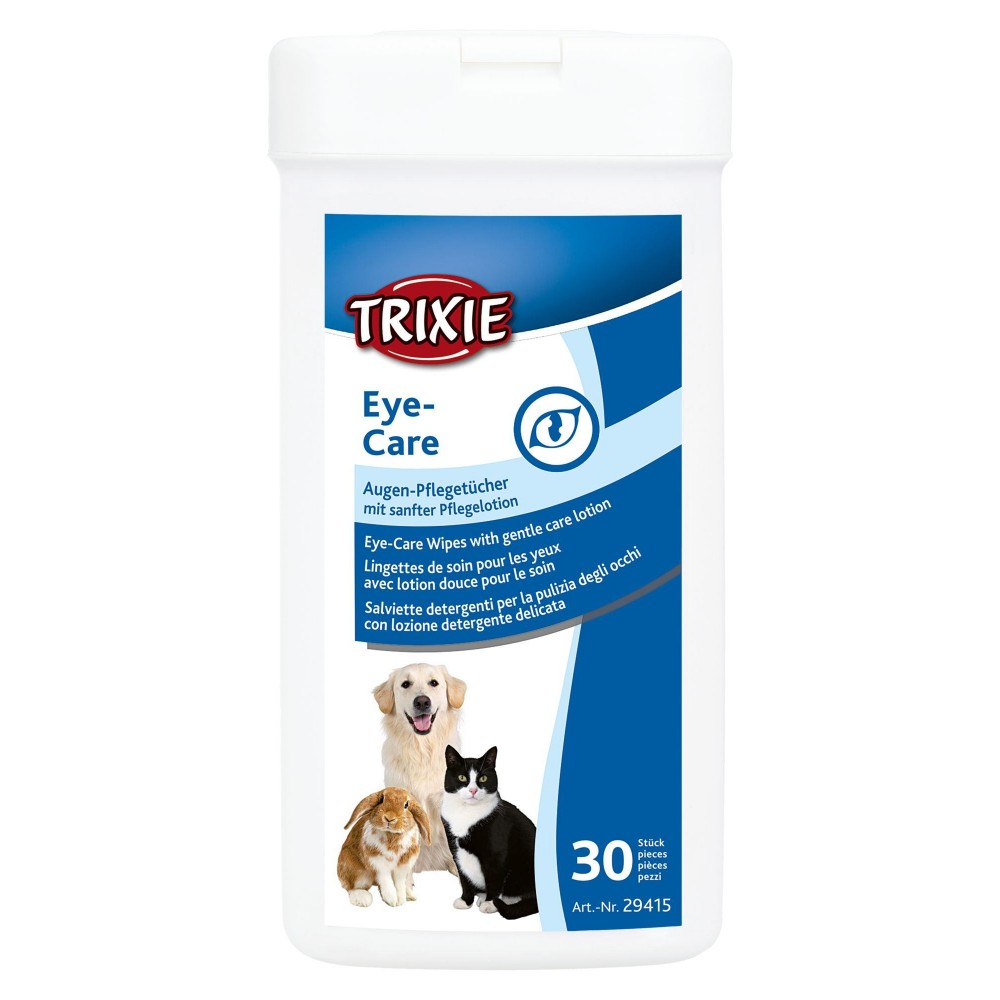
Trixie — eye care wipes for dogs and cats, 30 pcs
Buy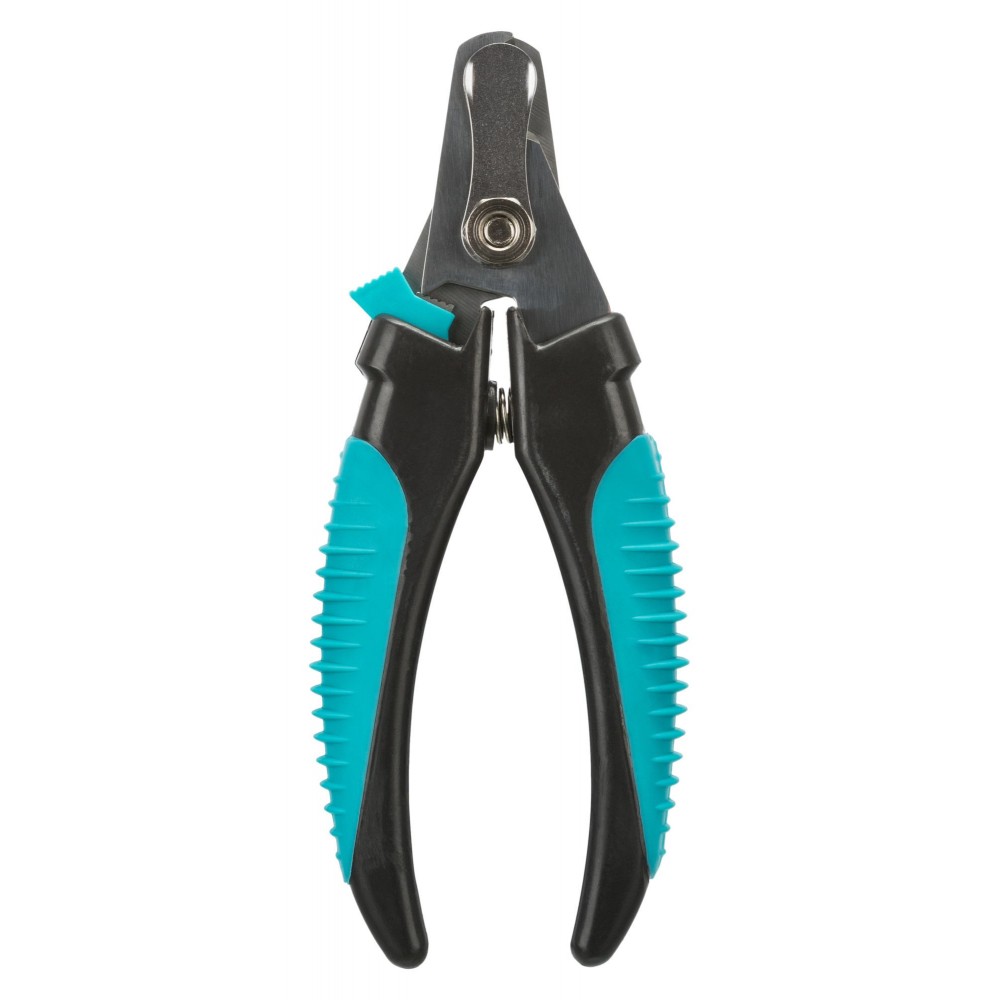
Trixie Luxe — nail clipper for pets, large, 16 cm
Buy
Nutrition
For a Nebelung, a quality commercial diet with a clear balance of proteins, fats, vitamins, and minerals works best. In practice, this is much safer and more convenient than spontaneous natural feeding without nutrient calculation.
Breed-care sources often mention a coat-color nuance: some foods, such as liver or large amounts of certain grains, are sometimes not recommended in a natural diet if the owner wants to maintain the coldest possible silver shade. But for most people, it's more practical to simply choose a good commercial food and stick to portion sizes.
As with any domestic cat, it's important to monitor weight, appetite, coat condition, and water balance. If the animal becomes lethargic, starts eating poorly, or the coat becomes dull, this is a reason to review the diet with a veterinarian.
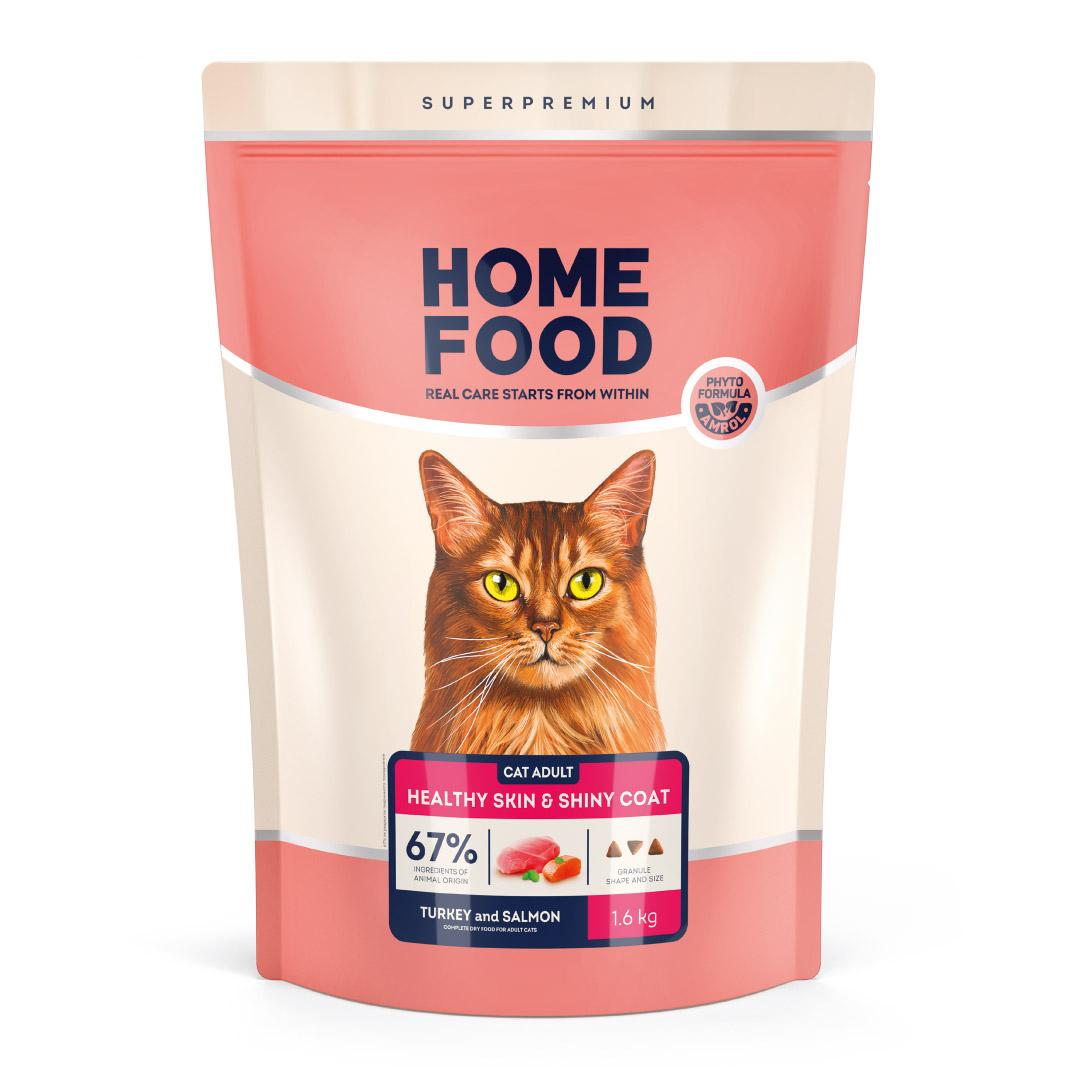
HOME FOOD Healthy skin and shiny coat — dry food for adult cats, turkey and salmon
Buy
HOME FOOD Omega Balance — oil for cats, balance of Omega-3, -6, -9
Buy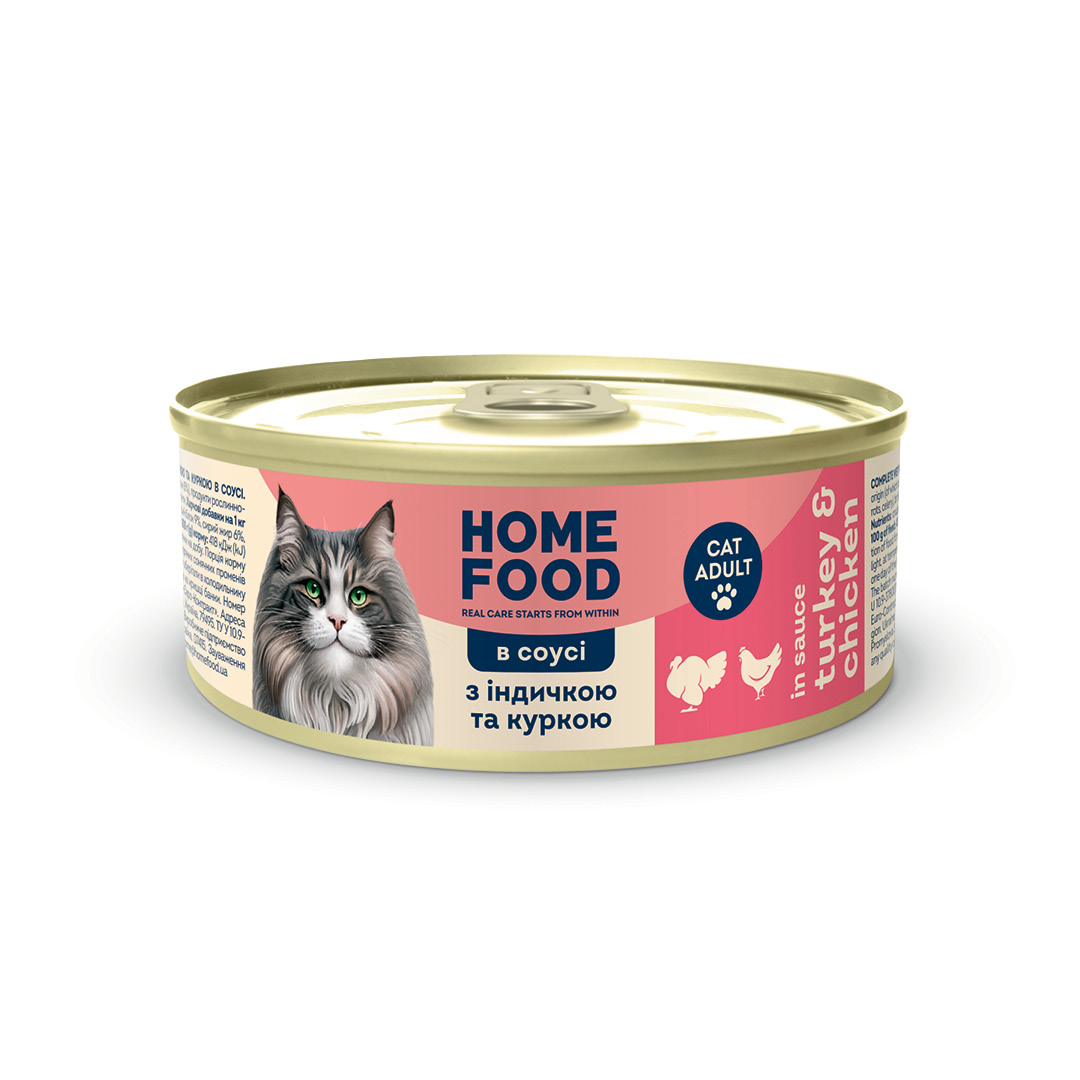
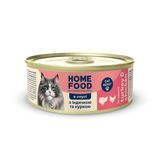
HOME FOOD — complete canned food for adult cats with turkey and chicken in sauce
Buy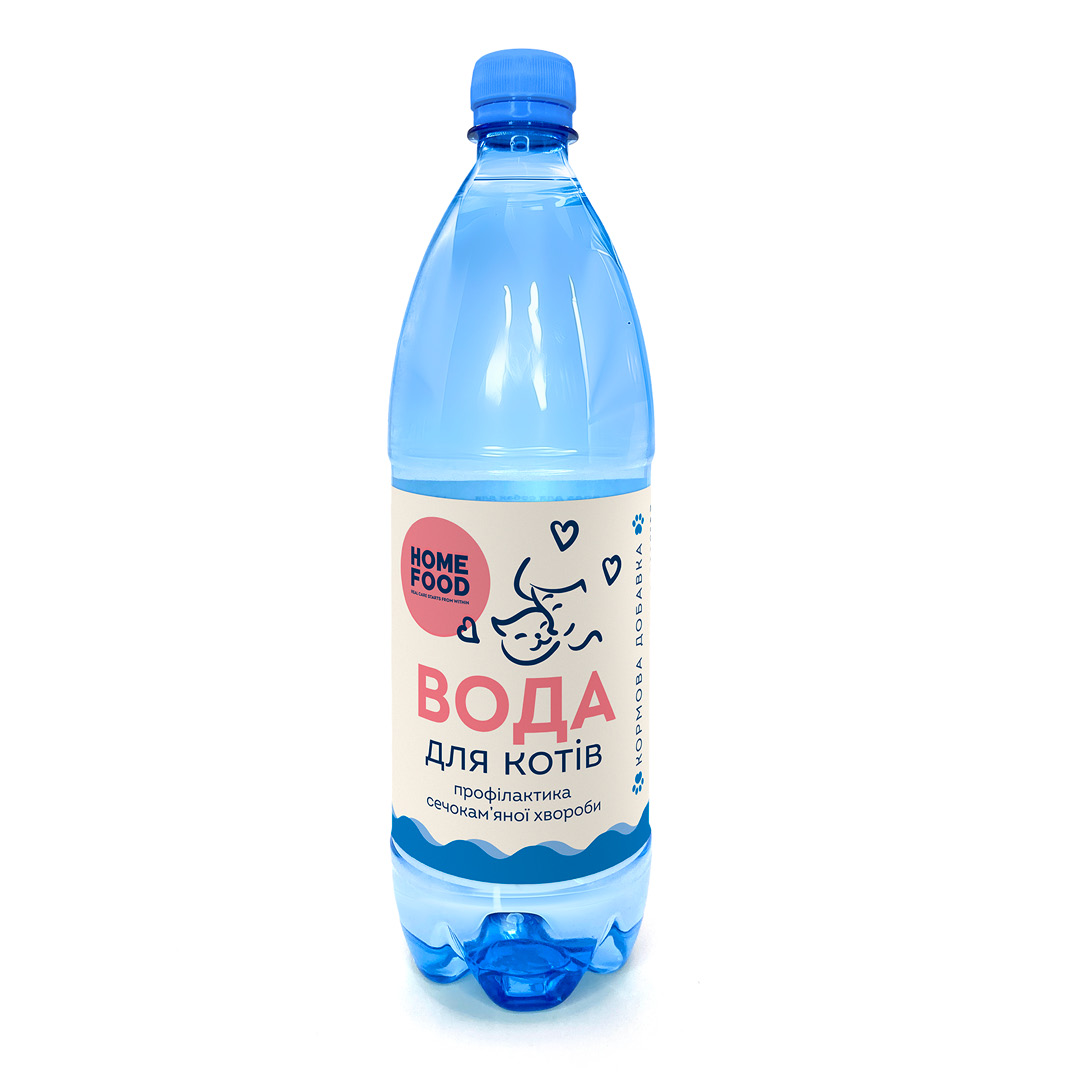
HOME FOOD — drinking water for cats for prevention of urolithiasis, 1 l
Buy
Breed pros and cons
Before choosing a Nebelung, it's important to assess not only the beauty of the breed but also its emotional sensitivity and need for a quiet, stable environment.
- The pros include a very harmonious temperament, rare appearance, intelligence, and strong attachment to their person.
- A Nebelung is well-suited for people who value peace and a home atmosphere without chaos.
- The cons include sensitivity to noise, caution with strangers, and the need for regular coat care.
- The breed is not suitable for those who want a loud, highly social cat for a very active household.
How to choose a healthy Nebelung kitten
You should buy a kitten only from a verified breeder where the breeder doesn't confuse a Nebelung with just a "long-haired Russian Blue" but clearly explains the type, temperament, breeding conditions, and shows healthy, socialized animals.
A healthy kitten should be attentive, curious, with clean eyes, smooth coat, without a strong odor from the mouth, discharge, or pronounced anxiety. For a Nebelung, it's also important to assess temperament: an excessively frightened kitten from a chaotic environment may have more difficulty adapting to a new home.
Frequently asked questions
- How does a Nebelung differ from a Russian Blue: primarily by its semi-long coat and slightly different overall visual appearance.
- Does a Nebelung like guests: usually this is a reserved breed that doesn't always open up quickly to strangers.
- How often should you brush the coat: usually 2–3 times a week, and more often during shedding season.
- Is a Nebelung suitable for an apartment: yes, if the home is quiet, predictable, and there's a safe corner for the cat.
Conclusion
The Nebelung is a breed for those who appreciate not a loud effect, but quiet beauty, a soft temperament, and subtle emotional connection. Its silvery-blue coat and attentive gaze are memorable at first sight, but the true value of the breed reveals itself in everyday life alongside a person.
If you combine careful kitten selection, quality nutrition, regular coat care, respect for the animal's temperament, and a stable home routine, the Nebelung can become a very devoted and truly harmonious companion for many years.