The Cornish Rex looks as if nature deliberately created a cat that never stops surprising. Wavy fur, large ears, a slender body and very lively facial expressions make it one of the most recognizable cats in the world. But appearance is only part of the story here.
In everyday life, the Cornish Rex is a sociable, playful and very affectionate companion. It is often described as an "eternal kitten": it retains curiosity about the world, love of games and the need to be near humans even in adulthood.
In this article, we'll explore where the Cornish Rex comes from, what it looks like, what character it has, how it behaves in the family, what's important to know about its fur and skin, how to care for the breed and what kind of diet an active curly-haired cat needs.
Brief breed characteristics
| Origin | England, Cornwall county; the breed originated in 1950 |
| Alternative name | Cornish Rex |
| Breed type | Short-haired, natural mutation |
| Size and weight | Small to medium size, approximately 3–5 kg |
| Lifespan | On average 12–16 years, sometimes longer |
| Coloring | Various colors and coat patterns are allowed |
| Coat type | Short, curly, very soft, without guard hairs |
| Character | Playful, social, very intelligent, affectionate, energetic |
| Care | Moderate: delicate care of skin and coat, ears, claws and teeth |
| Suitable for | People who want an active, very human-oriented cat and are ready for daily interaction |
Breed origin
The history of the Cornish Rex is well documented. According to TICA and GCCF, the breed began in Cornwall, where on July 21, 1950, an ordinary domestic cat named Serena gave birth to a kitten with unusual curly fur. He was named Kallibunker, and he became the founder of the breed.
A veterinarian advised the owner to consult a geneticist, and then the new trait began to be established in breeding. Due to a very small initial gene pool, Cornish Rexes in the first decades were crossed with other cats, including Siamese, British Shorthairs and domestic shorthairs, to establish a healthier breeding base.
Today the Cornish Rex is well known in the world, but still retains the reputation of a breed for people who consciously seek not just an impressive appearance, but a very active, tactile and social cat.
- The breed originated in England based on a natural mutation.
- The first known Cornish Rex was named Kallibunker.
- The modern breed type was formed with careful expansion of the gene pool in mind.
Appearance: wavy coat, long legs and a very expressive head
The Cornish Rex looks light and almost weightless, but this impression is somewhat deceptive. Behind the slender silhouette lies a strong, muscular body. TICA rightly compares this breed to a greyhound among cats: the Cornish Rex has long legs, a tucked waist, a flexible spine and a very elegant posture.
The head of the breed is elongated, egg-shaped, with high cheekbones, large ears and oval eyes. The profile is gently curved, and the muzzle seems somewhat theatrical due to fine features and lively facial expressions. Even the whiskers here are curly, adding special charm to the appearance.
Most importantly, of course, is the coat. The Cornish Rex has no stiff guard hairs, and the entire coat is formed by soft waves, often called marcel waves. To the touch, such a coat resembles velvet or cashmere. Because of this, the breed looks very unusual and often gives the impression of a cat from another world.
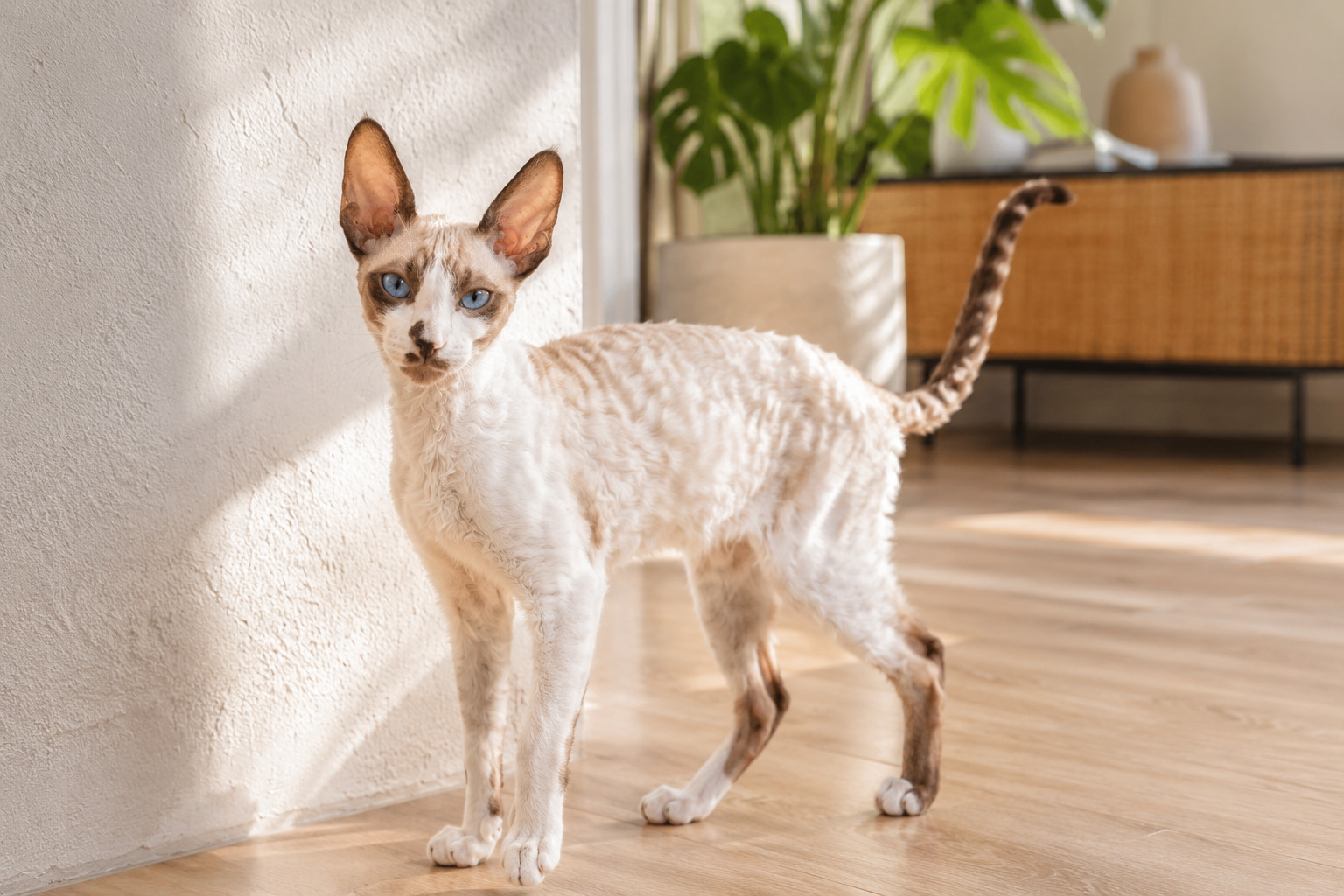

The Cornish Rex is easily recognized by its wavy coat, large ears and slender body of an almost athletic cat
Character
The Cornish Rex is one of the most social cat breeds. It doesn't just love people, it literally strives to be at the center of events. According to TICA descriptions, these cats adore attention, easily engage in games, love learning new things and often invent their own entertainment if no one is engaging with them at that moment.
It is an intelligent, resourceful and very lively cat. It is easy to interest with fetch, interactive toys, climbing shelves, jumping or simple tricks. The Cornish Rex often has something dog-like in its behavior: it follows people around, can bring objects and very clearly tracks the owner's mood.
At the same time, it is also a very warm breed in the literal sense: due to its special coat, Cornish Rexes love warmth, crawl under blankets, willingly lie in arms and seek sunny spots in the house. This is why for many people they become not just active, but also very affectionate home companions.
Attitude towards children and other animals
The Cornish Rex usually gets along well with children, especially if the animal is respected in the home and not forced to play. This is a cat that truly loves movement, play and interaction, so in a family with friendly children it often feels wonderful.
The breed also gets along well with other animals. PetMD directly states that many Cornish Rexes feel comfortable in multi-pet households. With gradual introduction, they are able to be friends with both cats and dogs, especially if they are not too rough and don't pressure them.
- The Cornish Rex loves human attention very much and tends towards close contact.
- This is an active, intelligent and playful breed that retains a kitten-like temperament for a long time.
- The breed is well suited to families where the cat is not left without communication for long periods.
Behavior in an apartment
The Cornish Rex is very well suited for apartment living, but only on one condition: it must have an active and interesting environment. This is not a cat for an empty windowsill and a rare toy. It needs cat trees, shelves, places to jump, soft warm beds and at least a few short play sessions throughout the day.
Due to its curiosity and agility, the Cornish Rex can open cabinets, check drawers and explore everything left unattended. Therefore, a home with such a cat must be not only cozy, but also somewhat "cat-proofed". Puzzle feeders, interactive toys and vertical routes really work here, not just look nice.
Another nuance is warmth. Due to its special coat type, Cornish Rexes more often seek warm places, get cold more easily and are usually not good candidates for free outdoor time in cold or damp weather.
Health and sensitive skin
Overall, the Cornish Rex is considered a relatively healthy breed, but there are a few things to pay attention to. PetMD lists progressive retinal atrophy and hypertrophic cardiomyopathy among breed risks, and emphasizes that the condition of the skin and coat in these cats requires a delicate approach.
In everyday life, owners more often encounter not dramatic issues, but everyday peculiarities: thin coat, more noticeable accumulation of skin oil, greasier ears or paws, sensitivity to excessive bathing or rough rubbing. That's why care should be gentle, regular, and without extremes.
It's also important to remember that Cornish Rex is not truly hypoallergenic. TICA directly emphasizes that there are no completely hypoallergenic cats, although some people with moderate sensitivity tolerate this breed more easily than fluffier cats.
- The skin and coat of a Cornish Rex require delicate care without frequent aggressive bathing.
- If a cat starts losing hair, has greasy areas, itching, or skin odor, a veterinary examination is needed.
- The breed needs preventive check-ups, heart monitoring, eye care, and skin condition assessment.

For Cornish Rex, warmth, activity, and gentle care of skin and curly coat are especially important
Care
Despite its striking appearance, the Cornish Rex is not a high-maintenance grooming breed. However, its coat cannot be cared for the same way as an ordinary short-haired cat. Excessive rubbing, harsh brushes, or frequent bathing can damage the curl and dry out the skin.
In most cases, gentle combing with a soft tool or hand, periodic bathing as needed, and monitoring of ears, nails, and teeth are sufficient. The Cornish Rex's large ears can accumulate grease and dirt faster, so they should be inspected regularly and cleaned only with gentle products.


HOME FOOD Omega Balance — oil for cats, balance of Omega-3, -6, -9
Buy
HOME FOOD Beauty — set: shampoo, conditioner, and cosmetic bag
Buy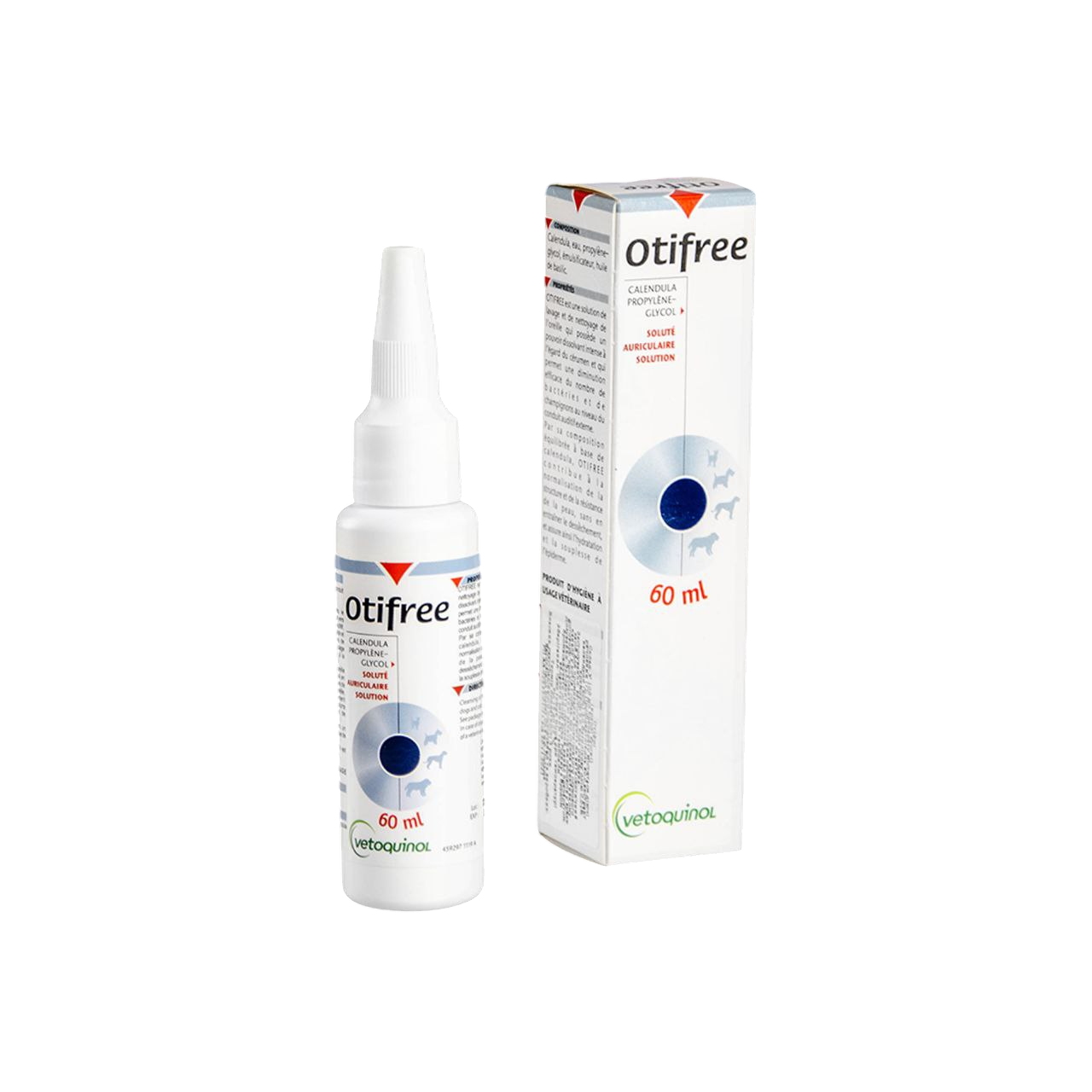
Otifree Vetoquinol — ear cleaning product for dogs and cats, 60 ml
Buy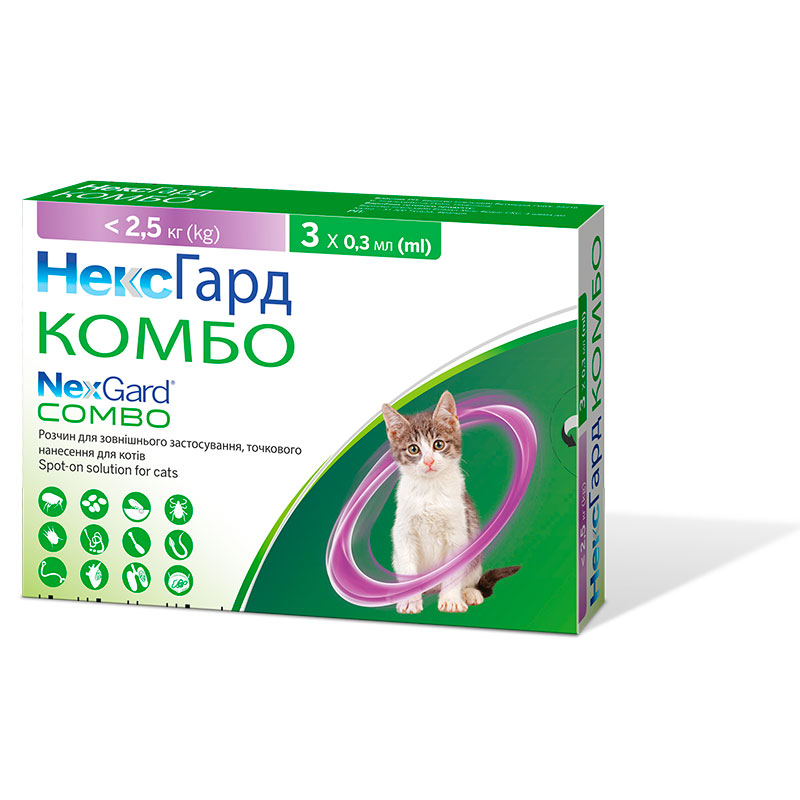
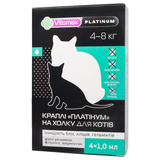
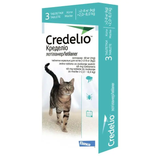
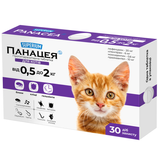
NexGard Combo — antiparasitic drops on the withers for cats up to 2.5 kg
Buy
Nutrition
Cornish Rex expends a lot of energy. This is a very active breed that loves to jump, run, climb, and constantly be on the move. That's why the diet should not be random, but truly complete, with sufficient animal protein, fats, vitamins, and minerals for the appropriate age.
Active and non-spayed cats often need one calorie level, while spayed or less active ones need another. Additionally, for this breed, it's important to monitor not only weight, but also skin and coat quality. If the food is chosen poorly, it quickly affects the animal's appearance and comfort.
Fresh water is also fundamentally important for Cornish Rex. Due to their love of warmth and fairly fast metabolism, it's better not to leave this to chance, but to ensure constant access to quality drinking water.

HOME FOOD For active — dry food for active adult cats, chicken and shrimp
Buy
HOME FOOD Healthy skin and shiny coat — dry food for adult cats, turkey and salmon
Buy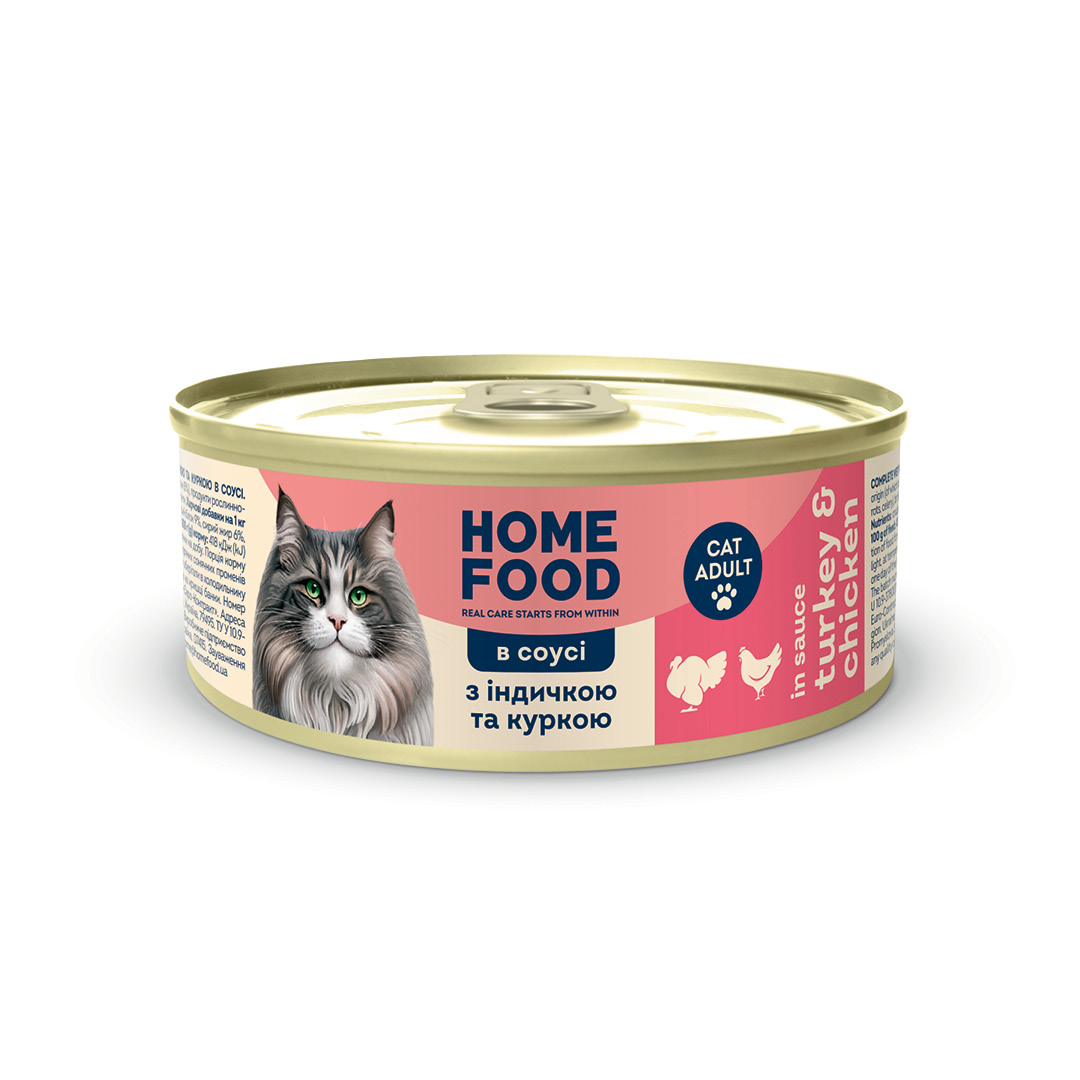
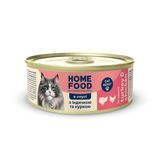
HOME FOOD — complete food for adult cats with turkey and chicken in sauce
Buy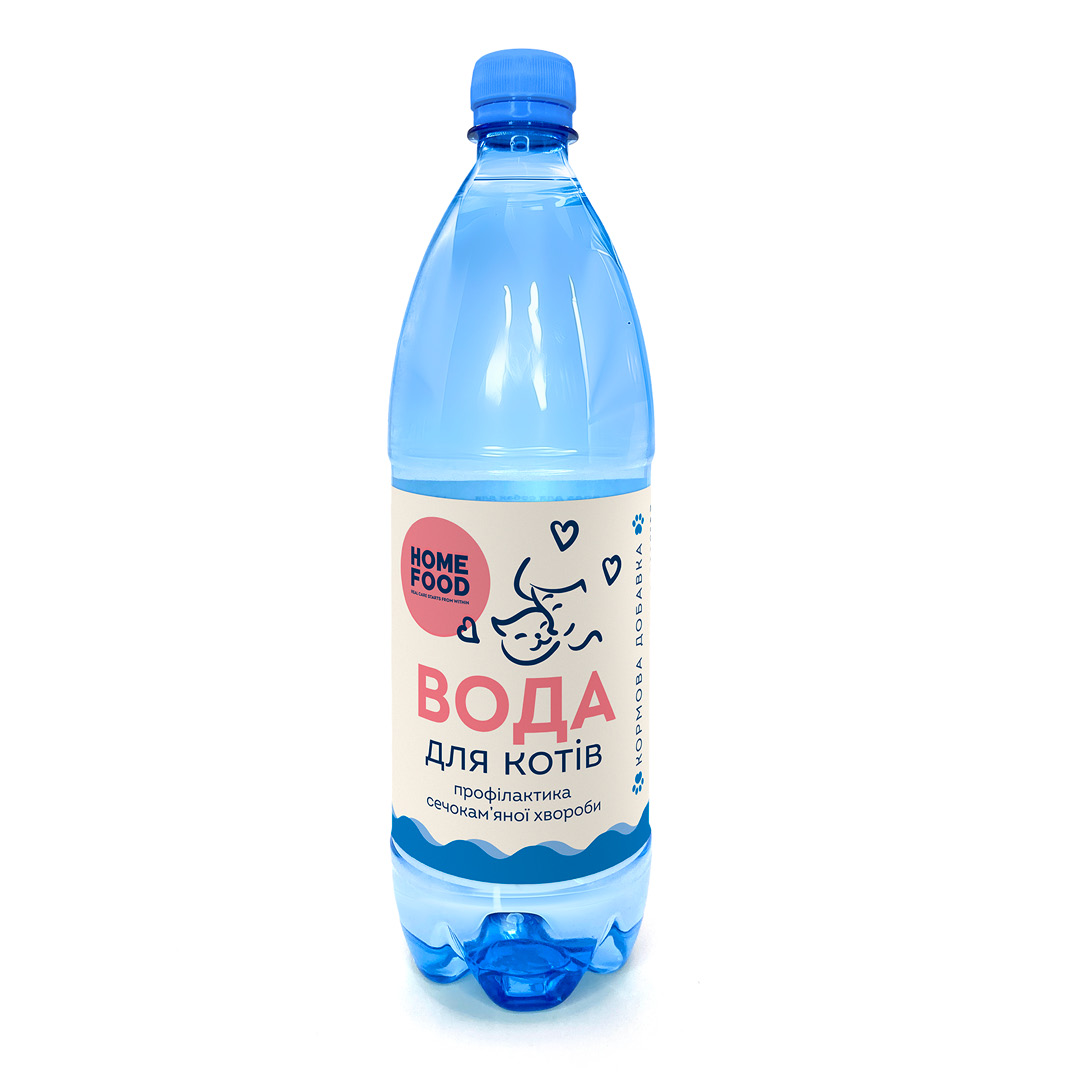
HOME FOOD — drinking water for cats for prevention of urinary disease
Buy
Breed pros and cons
Before bringing a Cornish Rex home, it's useful to evaluate not only its charming appearance, but also the specifics of living with this breed. It's truly a very pleasant cat, but it has specific needs.
- The pros include a very sociable nature, high intelligence, love of play, compact size, and minimal shedding.
- Cornish Rex feels good in an apartment, easily fits into family life, and often gets along wonderfully with children and other animals.
- The cons include sensitivity to cold, need for constant contact, and careful care of skin and ears.
- Also, it's not the best choice for people who often leave their cat alone for long periods and are not ready for active interaction daily.
Who is Cornish Rex right for
This breed is well suited for people who want to live with a very lively, emotionally engaged, and tactile cat. Cornish Rex loves to be nearby, easily learns household rules, responds well to play and interaction, and becomes genuinely attached to its owner.
It thrives best in a home where there is warmth, a calm friendly atmosphere, and time for daily contact. However, if you need a maximally independent cat that won't mind long periods of solitude, this breed may prove to be too social.
Conclusion
Cornish Rex — is a breed in which striking appearance and character are equally strong. Curly coat, giant ears and slender body make it very special visually, but the main thing about it is different: it is a cheerful, intelligent and very humane cat that truly needs contact with family.
If you combine quality nutrition, warmth, play, soft skin care and regular preventive check-ups, the Cornish Rex will remain a bright, tender and very lively companion for the home for many years.