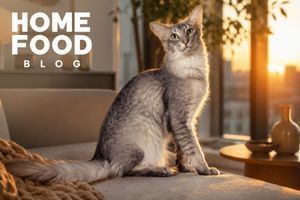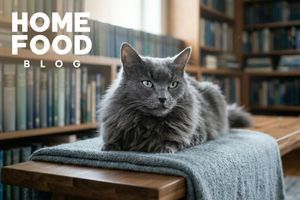
The Korat belongs to those breeds that don't need flashy advertising. One glance is enough to remember its silver-blue coat, heart-shaped head and large eyes that take on a rich green tint with age. This is a cat with an ancient history, a very recognizable appearance and a deep attachment to its person.
In Thailand, the Korat is known as Si-Sawat and is traditionally considered a symbol of luck, prosperity and happy destiny. In everyday life, it is an intelligent, attentive and very social cat that loves to be near its family, but maintains restrained dignity and doesn't lose its own character.
In this article, we'll figure out where the Korat comes from, what it looks like, what temperament it has, how it behaves in the family, what's important to know about the breed's genetic risks, how to care for its short coat and what the daily diet of this Thai cat should be.
Brief breed characteristics
| Origin | Thailand; breed known from at least the period 1350–1767 |
| Other name | Si-Sawat |
| Breed type | Short-haired, natural breed, only acceptable color — silver-blue |
| Size and weight | Medium size, approximately 3.5–5 kg |
| Lifespan | On average 15–18 years, some cats live longer |
| Color | One color — blue with a distinct silver sheen |
| Coat type | Short, dense, silky, without pronounced undercoat |
| Character | Intelligent, devoted, attentive, active, people-oriented |
| Care | Low maintenance: weekly brushing, ear, teeth and nail hygiene, parasite prevention |
| Suitable for | People and families who want a close, intelligent companion and are ready to give it attention |
Breed origin
The Korat belongs to the oldest natural cat breeds of Thailand. In ancient Siamese manuscripts known as Cat-Book Poems or Smud Khoi of Cats, silver-blue Si-Sawat cats are already mentioned, which were considered a good sign and a symbol of happy destiny. That is why the breed has long had not only practical but also cultural significance.
The breed received its modern name from the Korat region in northeastern Thailand. According to TICA and GCCF data, the Korat remained a local Thai breed for a long time, and came to the West much later. In the 19th century, such cats could still be mistakenly recorded as blue Siamese, and the first well-documented pair was brought to the USA in 1959.
The Korat remains a relatively rare breed today. This is partly due to a small breeding population and partly because the breed has very clear external criteria: a different color or a different coat type already takes the cat outside the classic standard.
- In Thailand, the Korat is known as Si-Sawat and is traditionally considered a cat of luck.
- The breed was described in Thai manuscripts from the period 1350–1767.
- The name "Korat" is associated with the Thai region from which the breed originates.
Appearance: heart-shaped head, silver-blue coat and large eyes
The Korat is a medium-sized cat, but it almost always feels heavier than it looks. It is a dense, muscular, well-built cat with a strong chest and a body that in breed descriptions is often compared to a compressed spring. The Korat's appearance is restrained, but very distinctive.
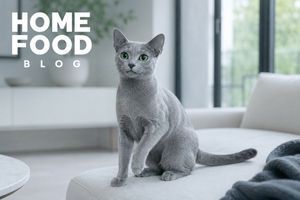
The most recognizable feature of the breed is the shape of the head. When viewed from the front, it truly resembles a heart: a wide top, distinct eyebrows, soft cheeks and a neat chin. The eyes are large, open, very attentive. In adult cats, they have a rich green tint, but according to TICA data, the final color doesn't form immediately: in young animals it can remain amber with a greenish tint for some time.
The Korat's coat is short, dense and silky, without a pronounced undercoat. The standard allows only one color — silver-blue. The tips of the hairs seem to be lit by silver, so the cat looks shiny even in soft light. The combination of a heart-shaped head, peridot-green eyes and this metallic sheen that makes the breed so recognizable.


The Korat is remembered by the combination of silver-blue coat, heart-shaped head and large green eyes
Character and behavior
The Korat is a cat with a very pronounced emotional attachment to its owner. It is not one of those breeds that stay somewhere in the background of daily life. On the contrary, the Korat loves to participate in everyday life, watch what its person is doing, sit nearby, accompany from room to room and react to changes in the mood of the house.
Despite this closeness, the Korat does not give the impression of a fussy or intrusive animal. Its temperament can rather be described as attentive, intelligent and internally composed. It loves games, remembers family habits well, can be quite inventive and often demonstrates higher observational skills than expected from a cat of medium activity.
According to TICA breed descriptions, the Korat does not like prolonged isolation and tolerates emotional neglect poorly. That is why the breed feels best where there is a stable household, calm communication and enough daily contact with its people.
Attitude towards children and other animals
The Korat usually interacts well with children if the interaction is calm and correct. It does not like roughness, sudden jerks and noisy chaos, but willingly supports play if it feels safe. For a family, this means a simple rule: the Korat opens up well where a child is taught to respect the animal's boundaries.
With other animals, the Korat often gets along well, especially if the introduction happens gradually. At the same time, many breed descriptions mention that these cats can especially value the company of their own breed or simply calm, predictable companions. It is important for them to have the opportunity to retreat, be on top and observe the space without conflict.
- The Korat is very people-oriented and truly values daily contact with its family.
- The breed feels better in a calm household than in constant noise and chaos.
- This is an attentive, intelligent and sociable cat that needs play, height and a predictable environment.
Apartment living
The Korat is well suited for apartment living. It doesn't need a large open space, but it's important that the home has safe movement routes, observation spots and a few familiar rest areas. This cat loves elevation, windowsills, cat trees and generally prefers a space where it can watch what is happening from a comfortable vantage point.
By temperament, the Korat is not a lazy breed, but it doesn't require continuous stimulation either. It is enough for it to have daily games, a few short active sessions and the opportunity to be near a person. If the cat is left alone for too long, without communication and without an enriched environment, it can become bored and more withdrawn.
The basics of everyday comfort are very simple: a clean litter box, constant access to water, scratching posts, toys and a calm rhythm of life. If these conditions are met, the Korat usually becomes a very comfortable home companion.
Health and possible concerns
Overall, the Korat is considered a fairly robust breed with a long lifespan. However, an important hereditary risk has been documented for it—GM-gangliosidosis. This is a genetic lysosomal disease that affects the nervous system. According to veterinary sources and FIFe breed standards, DNA testing for GM is a fundamental part of responsible Korat breeding programs.
In kittens affected by gangliosidosis, symptoms typically appear early and have a neurological character: gait disturbances, loss of balance, tremor, lethargy, weight loss, and gradual deterioration. This is why when purchasing a kitten, it is very important not to limit yourself to general statements about "healthy parents," but to ask about the genetic testing results of the breeding line.
In daily life, regular vaccinations, parasite prevention, oral hygiene, and maintaining a healthy weight are important for the Korat. The GCCF also notes that this breed has a low percentage of body fat, which veterinarians should take into account when planning anesthesia or surgery.
- For the Korat, confirmed DNA testing of the breeding line for GM-gangliosidosis is essential.
- Coordination disturbances, tremor, lethargy, or early weight loss in a kitten require urgent veterinary evaluation.
- Preventive check-ups, parasite prevention, dental hygiene, and a healthy body weight are important for a long life in this breed.

For the Korat, a calm home environment, close contact with people, and responsible genetic control of the line are most important
Korat Care
Caring for a Korat is relatively simple. Short hair without a dense undercoat typically does not mat and does not require complex grooming. In most cases, weekly brushing with a soft brush is sufficient to remove dead hair and maintain natural shine.
Besides the coat, as with any domestic cat, it is important to monitor ear cleanliness, tooth condition, and nail length. Regular basic hygiene often prevents problems better than infrequent intensive procedures. The condition of the coat also reflects the quality of the diet and the animal's overall well-being.


Superium Panacea — antiparasitic drops on the withers for cats 0.5–4 kg
Buy
HOME FOOD Beauty — set: shampoo "Perfect Care", conditioner "Silky Touch" and cosmetic bag
Buy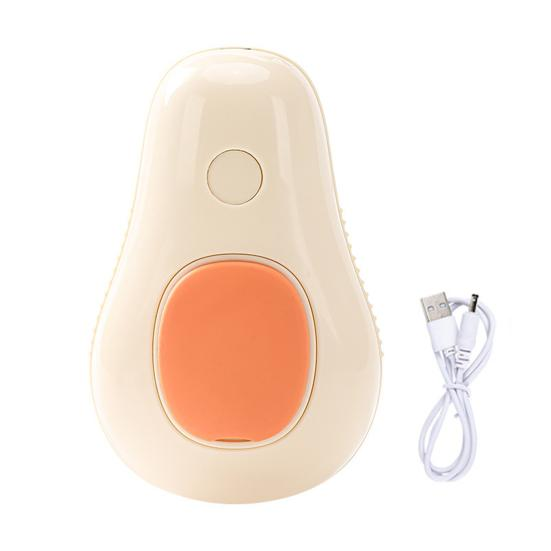
Steam Massage Brush 3 in 1 — brush for grooming dogs and cats "Avocado"
Buy
Trixie Luxe — nail clipper for pets, large, 16 cm
Buy
Nutrition
Like all cats, the Korat requires complete nutrition with sufficient animal protein, taurine, essential fatty acids, vitamins, and minerals. Nutritional needs change depending on age: kittens need a more energy-dense diet for growth, adults need stable nutrient balance, and neutered animals often benefit from better calorie control.
For the Korat, it is important not to overfeed, even if it actively seeks attention at the food bowl. This breed should not lose muscle tone, but excess weight is not beneficial either. You should be guided not only by appetite, but also by body condition, age, activity level, and veterinary recommendations. Access to clean water should be constant.
A well-chosen diet for the Korat works toward several goals at once: it maintains muscles, helps keep skin and coat in good condition, reduces the risk of excess weight gain, and supports the overall vitality of this long-lived breed.
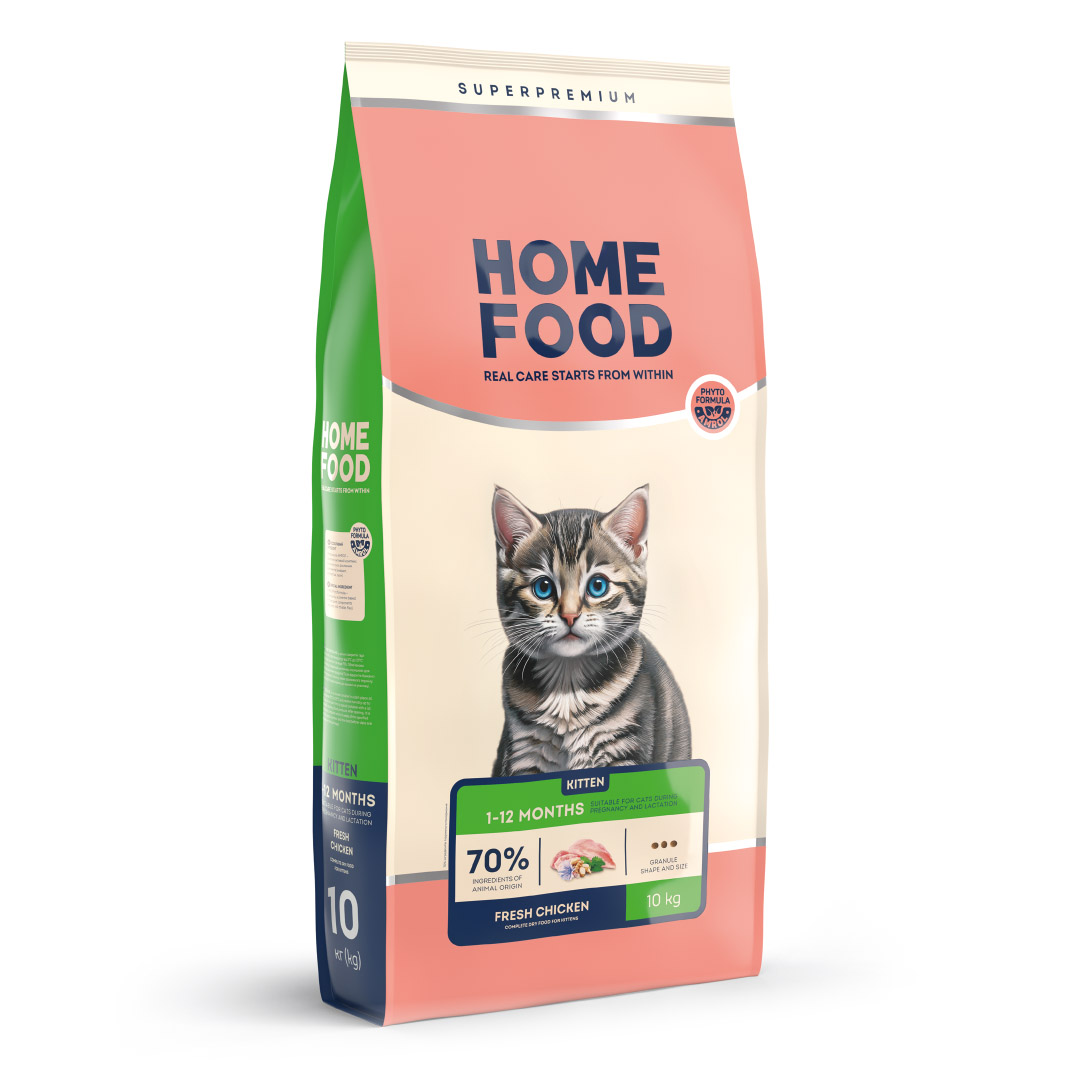
HOME FOOD Fresh Chicken — dry food for kittens 1–12 months, 10 kg
Buy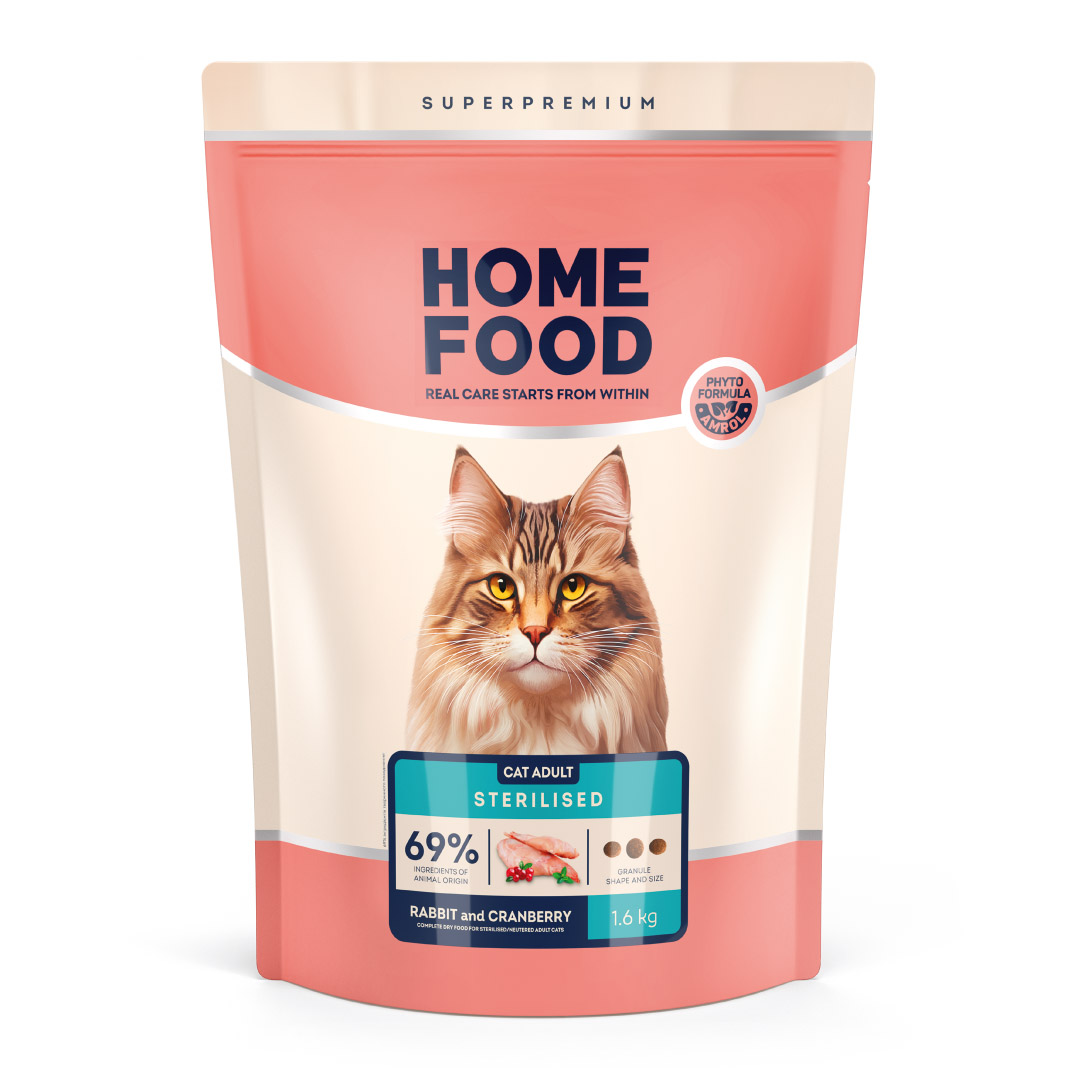
HOME FOOD For sterilised/neutered — dry food for neutered adult cats, rabbit and cranberry, 1.6 kg
Buy
HOME FOOD — salmon oil for skin health and coat shine for dogs and cats, 100 ml
Buy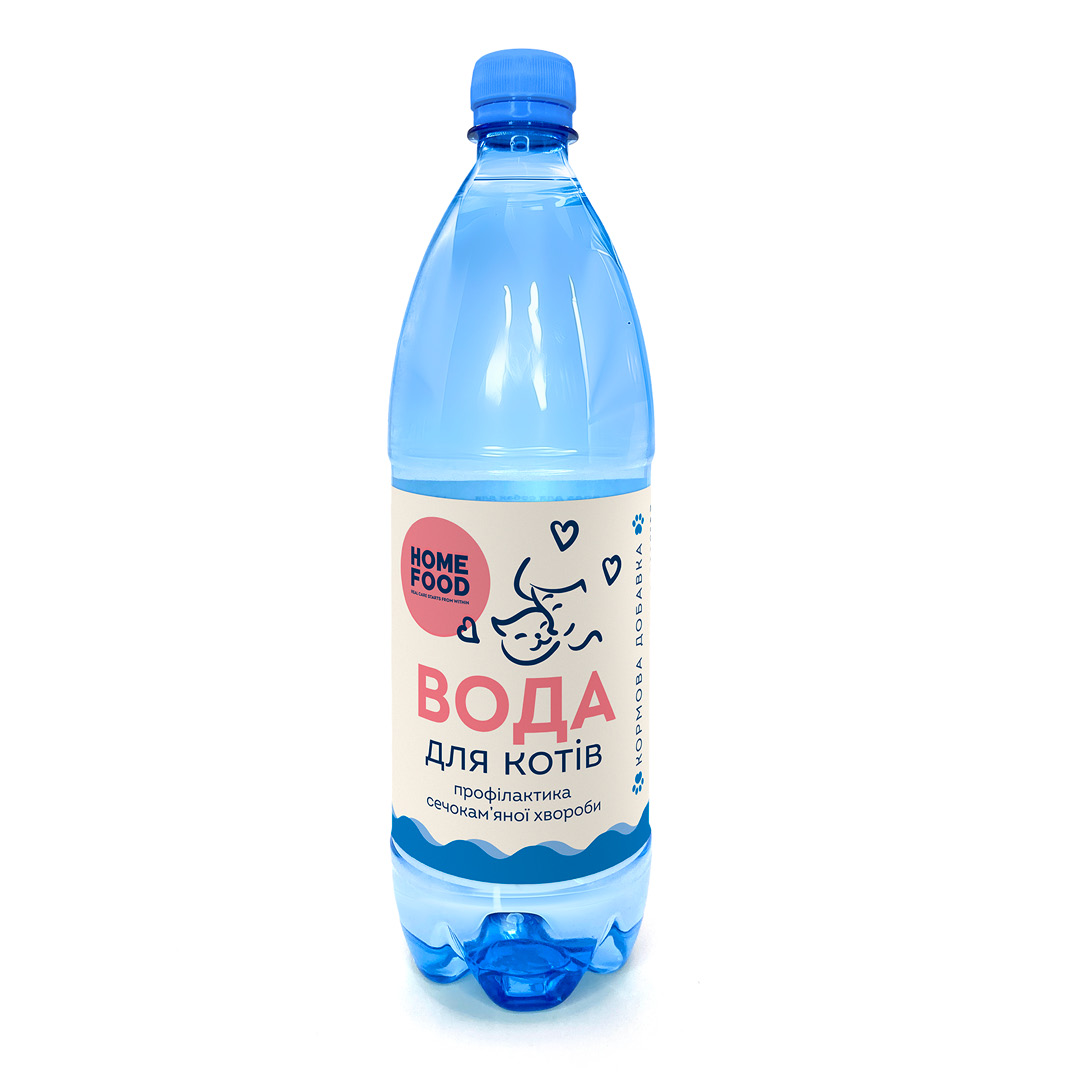
HOME FOOD — drinking water for cats for prevention of urolithiasis, 1 l
Buy
Who the Korat is Right For
The Korat is well suited for people who want to have not just a beautiful cat at home, but a close companion. It is especially appropriate where there is a stable rhythm of life, respect for the animal, and a willingness to interact with it daily, rather than just provide basic care.
The breed is a good choice for apartment living, for families with older children, and for people who spend enough time at home. However, if you need a maximally independent cat that calmly tolerates long periods of solitude, the Korat may prove to be too emotionally involved in human life.
- The Korat is suited for people who want close contact with a cat, rather than a maximally autonomous pet.
- The breed does well in an apartment if it has elevated zones, play opportunities, and a calm lifestyle.
- The Korat truly flourishes alongside an owner who appreciates its character and responsibly approaches the choice of a kitten.
Conclusion
Korat — this is one of those breeds where external beauty is closely combined with character. Silver-blue coat, heart-shaped head and large green eyes make it very recognizable, but the main value of the breed lies elsewhere: it is an attentive, devoted and truly family cat that loves closeness with people.
At the same time, the Korat requires a responsible approach to choosing a kitten, as genetic control of GM-gangliosidosis is important for the breed. If you combine quality nutrition, basic care, preventive check-ups and sufficient home contact, the Korat will remain a beautiful, intelligent and deeply affectionate companion for many years.