Havana Brown is one of those breeds that is hard to confuse with any other. Its main recognizable feature is a warm chestnut-chocolate color, which, combined with smooth fur, green eyes and delicate, expressive features, creates a very elegant appearance.
Despite its aristocratic appearance, this is not a cold or aloof cat. Havana Brown becomes attached to people, loves contact, carefully watches the owner's daily life and usually wants to be nearby. It is this combination of beauty and sociability that makes the breed so special.
In this article, we'll explore how the Havana Brown breed came about, what distinguishes its appearance, what character it has, how it behaves at home, what to pay attention to in care, nutrition and health prevention.
Brief breed characteristics
| Origin | Great Britain, 1950s |
| Alternative name | Havana Brown |
| Breed type | Short-haired, selectively bred |
| Size and weight | Medium size, approximately 3–5.5 kg |
| Lifespan | On average 12–15 years |
| Coloring | Solid warm chestnut brown; lilac variations are rarer |
| Coat type | Short, smooth, dense, shiny to the touch |
| Character | Affectionate, intelligent, sociable, balanced, sometimes slightly reserved with strangers |
| Care | Minimal: light brushing, eye and ear hygiene, teeth and general health monitoring |
| Suited for | People and families who value affection, a calm pace and spend a lot of time at home |
Breed origin
Havana Brown was formed in Great Britain in the 1950s. The breed emerged as a result of selective breeding work with Eastern-type cats, particularly Siamese lines, where breeders sought to establish a deep solid chocolate color while maintaining elegance and an intelligent, affectionate character.
The breed's name is associated not with the city, but primarily with the warm tobacco-chestnut shade that resembled the color of Havana cigars. This very tone became the main visual signature of Havana Brown.
The breed did not become widespread, and today it is still considered rare. At the same time, this small population largely sustains interest in it among people looking for not just a beautiful cat, but a truly special home companion.
- Havana Brown was formed as a separate selective breed in Great Britain.
- The main goal was to establish an even chocolate color and distinctive Eastern type.
- The breed remains rare, and this very fact adds to its special status among cat enthusiasts.
Appearance: chocolate color and green gaze
Havana Brown has a very recognizable look. It is a medium-sized cat with an elongated body, neat posture and smooth short fur that lies close to the body. The fur shade is warm, saturated, chestnut-chocolate, without any mottled markings, which is why the breed looks very cohesive and noble.
The muzzle is elongated but softly shaped, the ears are large and carefully set, and the eyes are one of its most expressive features. The breed typically has emerald-green or similarly toned eyes, which creates a very beautiful contrast with the dark fur.
Overall, Havana Brown looks not heavy, but rather refined and well-toned. There are almost no random details in this appearance: each feature works toward a sense of elegance, intelligence and soft inner confidence.
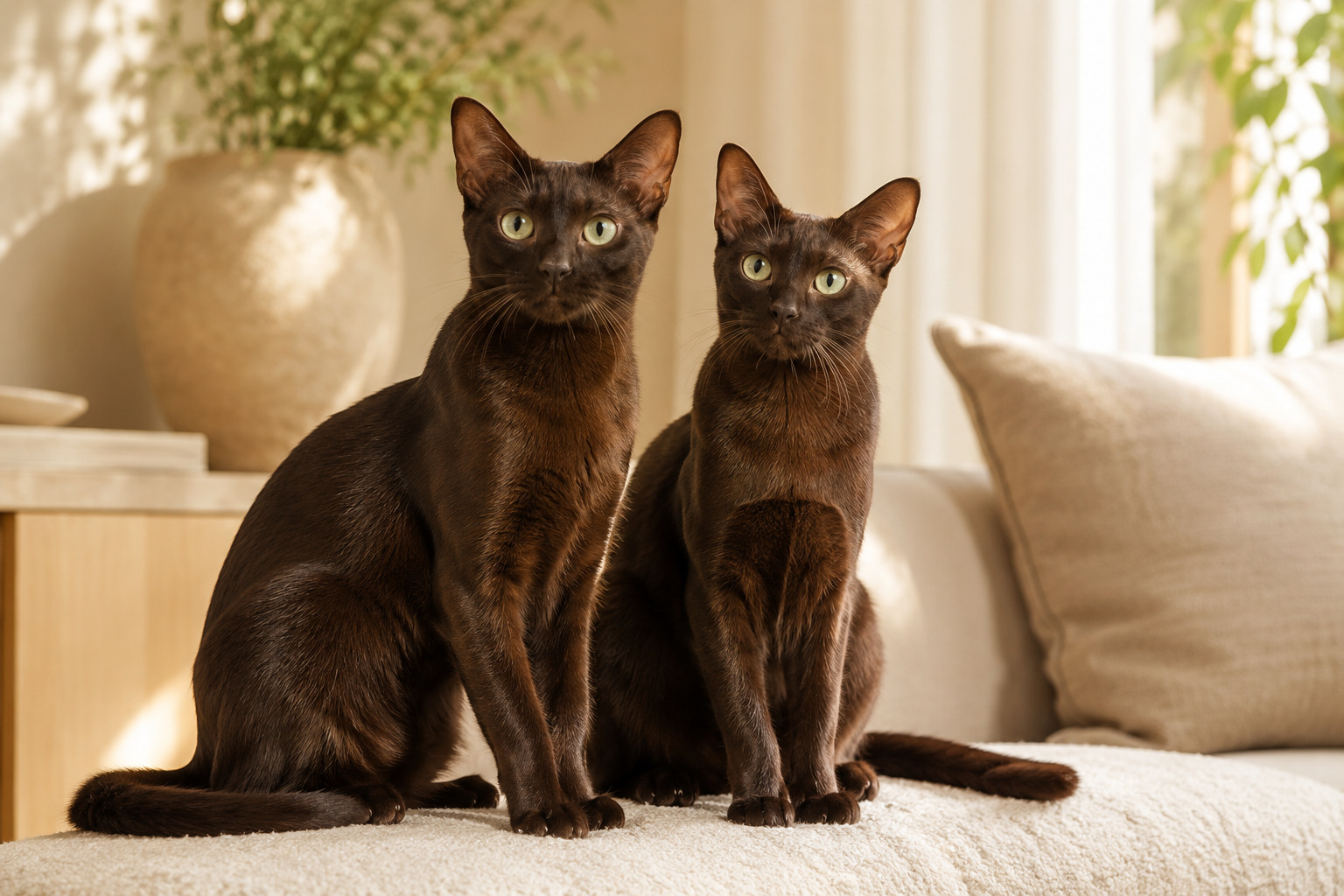

In Havana Brown, almost everything works toward an impression of cohesion: the warm chocolate color, green gaze, smooth fur and refined features create a very rare breed expressiveness among cats
Character and behavior
Havana Brown is very people-oriented. It loves attention, readily participates in household activities, can follow the owner around the apartment and usually doesn't hide that communication is important to it. At the same time, such a cat will not necessarily be loud or excessively demanding: its affection is usually gentle and delicate.
The breed is known for high intelligence. Havana Brown quickly adapts to household routines, remembers family habits well, can learn simple rules and relatively easily accepts gentle training. It often 'talks' to the owner in a calm voice and reacts very attentively to intonations.
With strangers, this cat is sometimes more reserved than with its own people, but such caution usually doesn't turn into aggression. Rather, it's a breed that needs time to assess a new person or unusual situation, and then calmly makes contact.
- Havana Brown is sociable, devoted and usually wants to be near the owner.
- It is intelligent, attentive to intonations and responds well to calm training.
- With strangers, the breed can be somewhat shy, but without sharp conflict.
Is it suitable for children and other animals?
Havana Brown generally gets along well with children, especially if the family respects calm handling of the animal. This is not a breed for rough play or constant noise, but with gentle contact such a cat readily engages in play and can become a very pleasant friend for a child.
With other animals, Havana Brown usually gets along well if the introduction happens gradually. It adapts best when there is no excessive competition for attention in the home and when new contacts are introduced without pressure.
Health and possible breed characteristics
Overall, Havana Brown is considered a breed with fairly robust health, but certain nuances do exist. The breed description specifically notes a possible predisposition to respiratory tract diseases. This means that in everyday life it's better to avoid chilling, drafts, smoky air and prolonged contact with irritants.
It's also important to remember that very people-oriented cats sometimes find prolonged solitude harder to bear. For Havana Brown, this is not just a behavioral issue, but a factor in overall well-being: sufficient attention, a stable routine and a calm atmosphere directly affect the quality of life for the breed.
Scheduled vaccinations, parasite treatment, weight monitoring and regular veterinary check-ups remain the foundation of prevention. If a cat has frequent sneezing, nasal discharge, lethargy or changes in appetite, it's better not to delay a visit to the doctor.
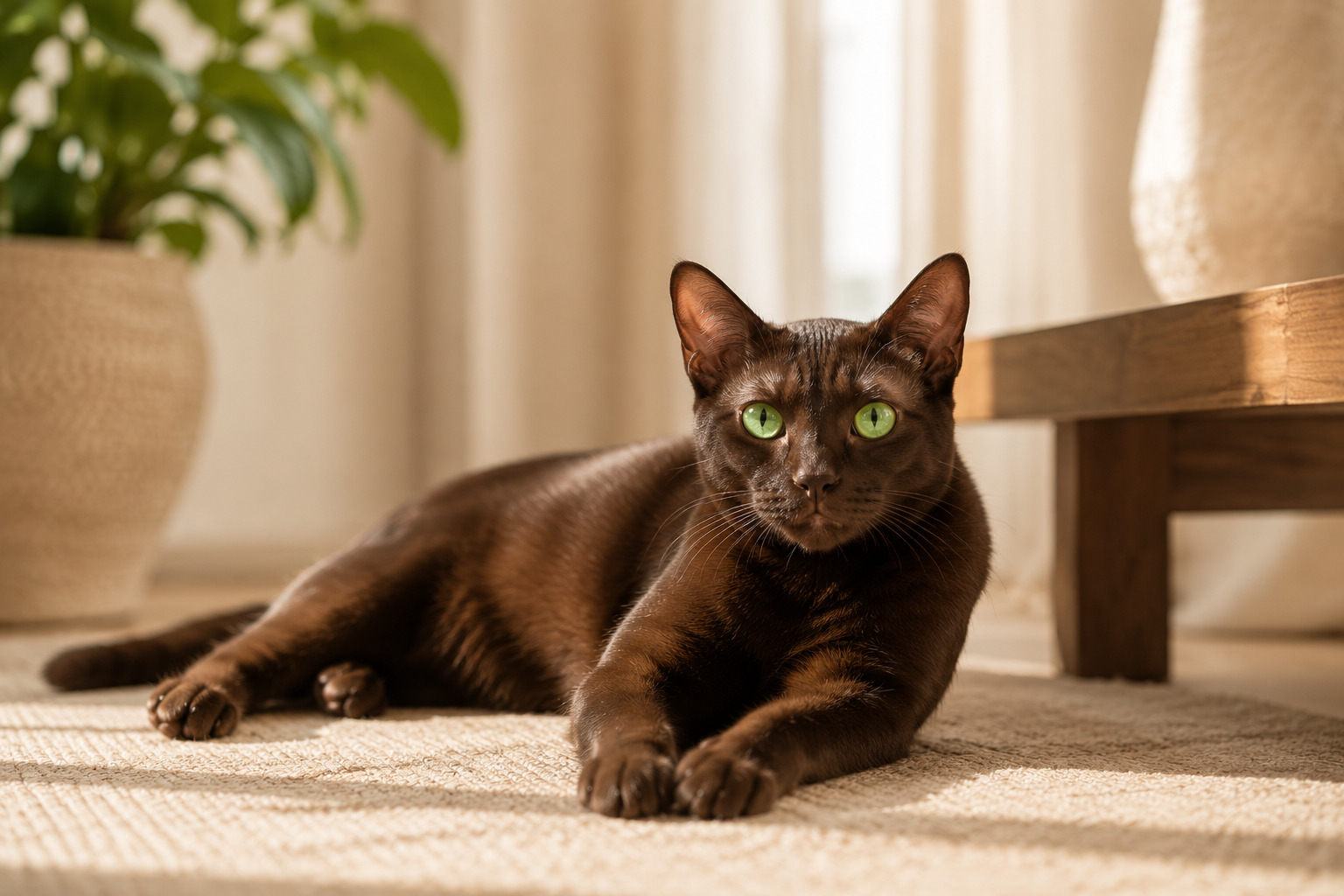
Havana Brown reveals itself best in a calm home with plenty of communication, a stable diet and careful attention to small health signals
Nutrition
Like many other domestic cats, the Havana Brown can be picky about food, but this doesn't override the main requirement: the diet must be balanced and complete. The ratio of nutrients should change depending on age, activity level, and individual health characteristics.
An active kitten needs more calories and protein than an adult cat with a calm lifestyle. To avoid both overfeeding and deficiency, it's important to follow recommended portions and not rely solely on the animal's appetite. Constant access to clean water must be mandatory.

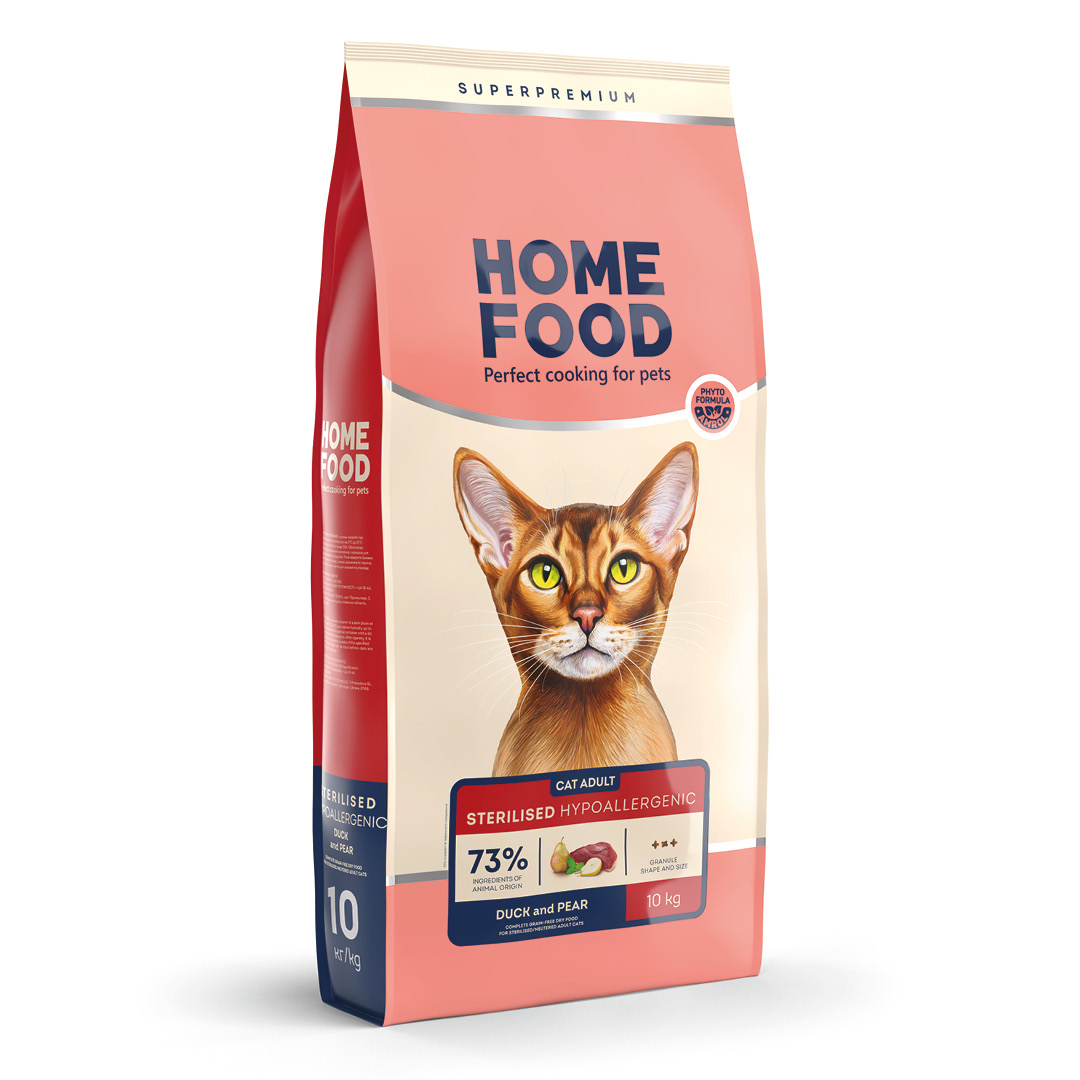
HOME FOOD Grain-free hypoallergenic — dry food for sterilized cats, duck and pear
Buy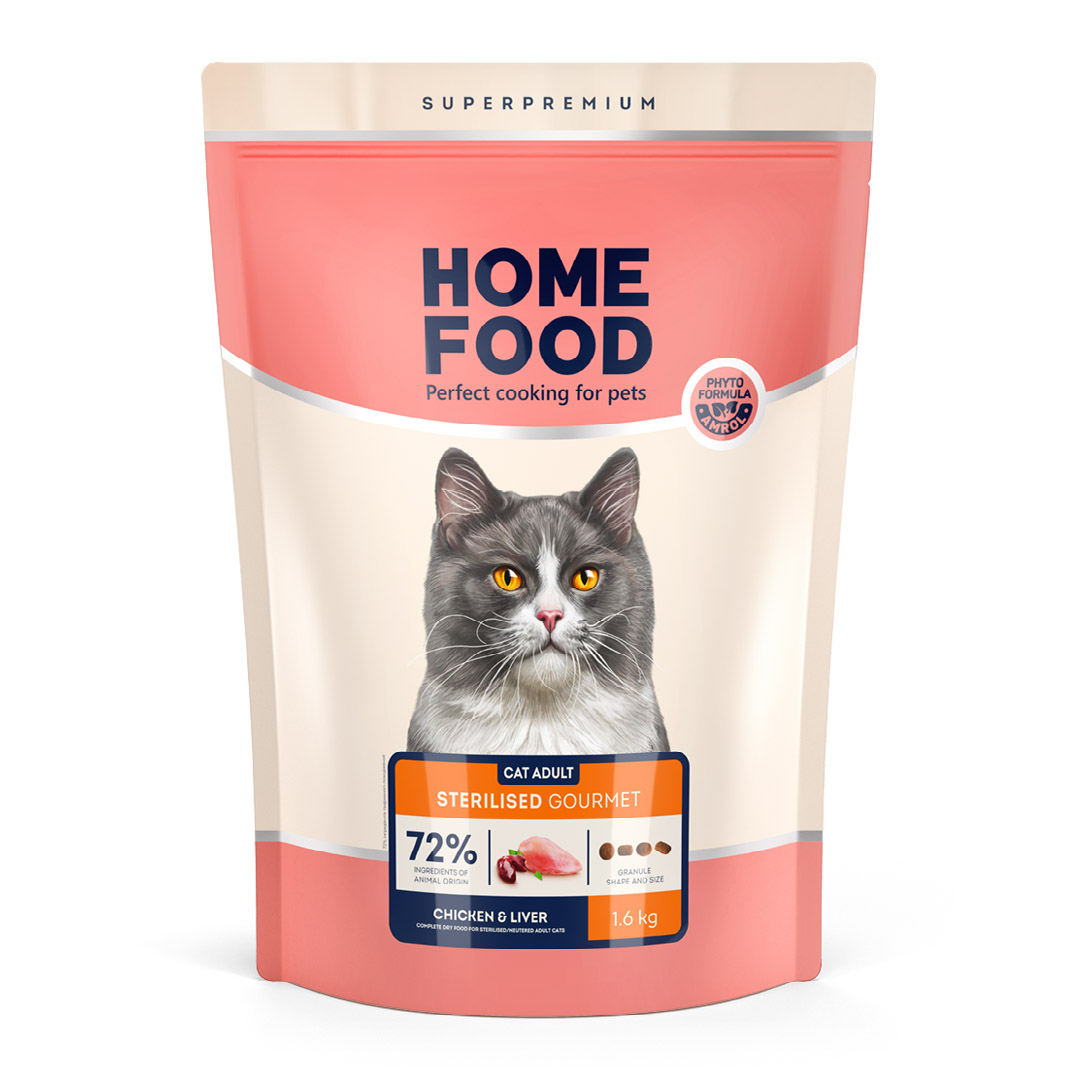
HOME FOOD Gourmet — dry food for picky sterilized cats, chicken & liver
Buy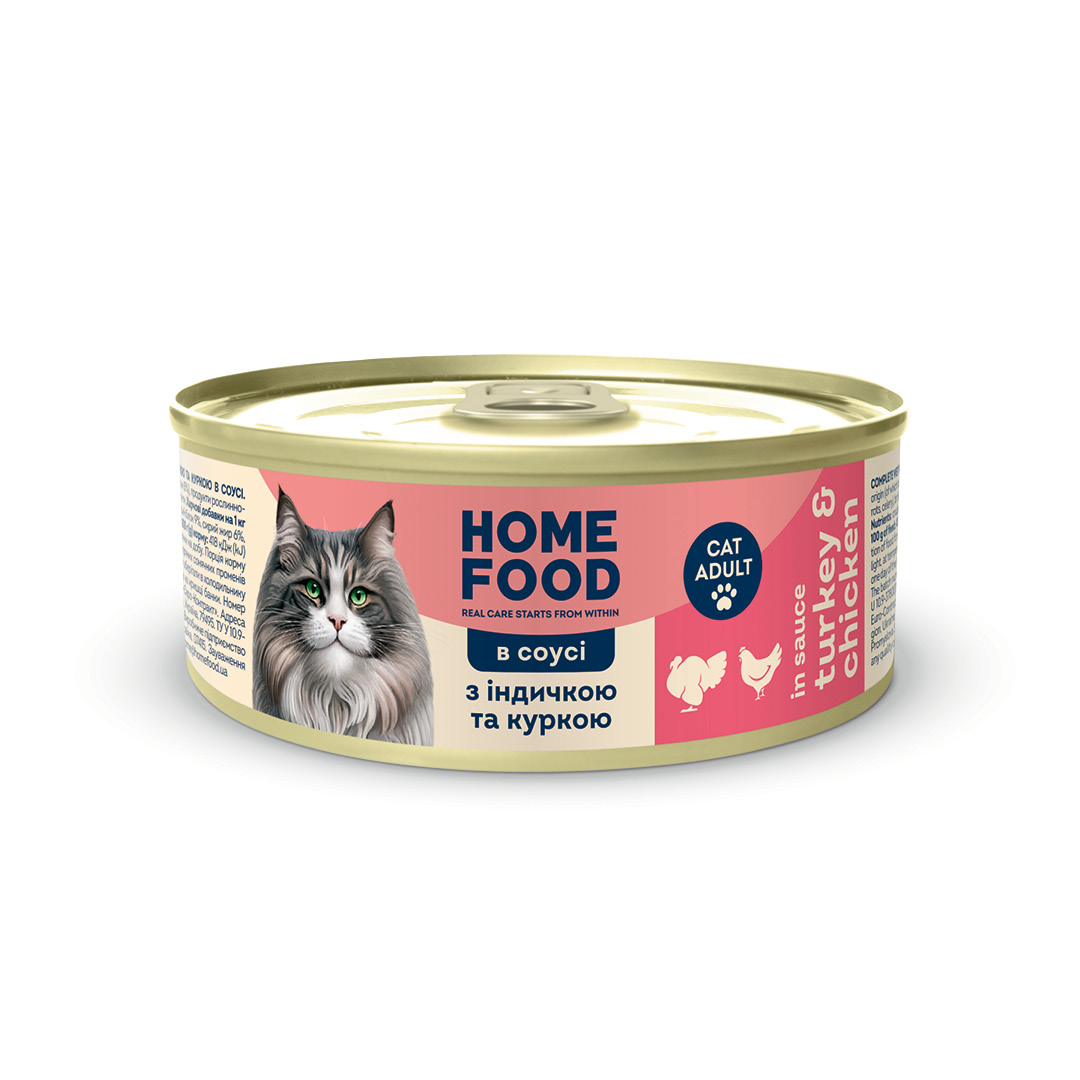
HOME FOOD — complete food for adult cats with turkey and chicken in sauce
Buy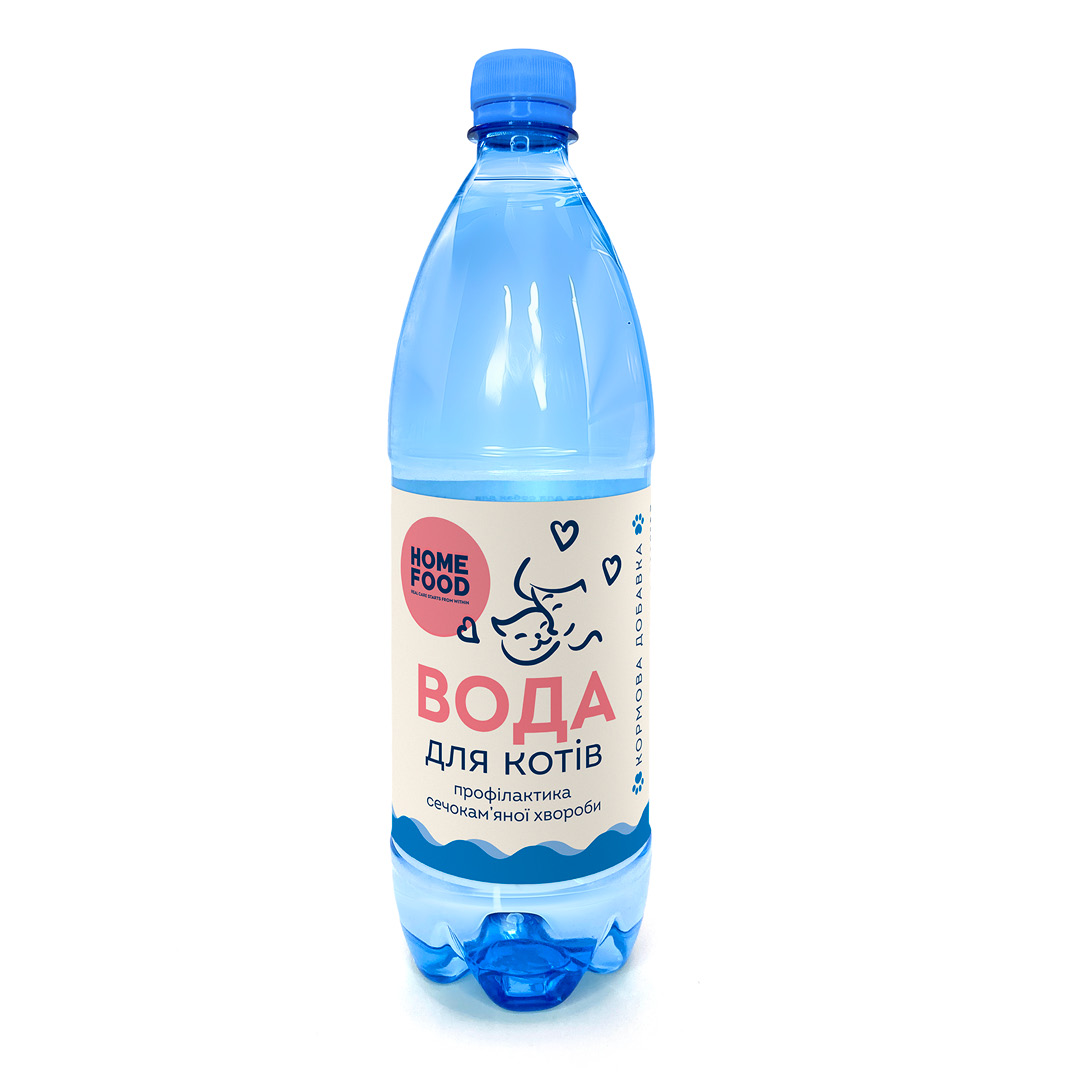
HOME FOOD — drinking water for cats for the prevention of urinary tract issues
Buy
Havana Brown care
One of the advantages of this breed is very simple coat care. It's short, smooth and shiny, so in most cases light brushing or gentle wiping is enough to maintain a neat appearance. With regular but unobtrusive care, the Havana Brown's coat looks especially beautiful.
In addition to the coat, you should regularly monitor the eyes, ears, nails and teeth. For a short-haired cat, these procedures don't take much time, but they work well as prevention. In home care, cleanliness of the environment, absence of irritants and sufficient attention from people are also very important for the breed.
- The Havana Brown's coat doesn't require complex grooming, but loves regularity in the details.
- Clean eyes, healthy ears, teeth and a calm air environment are especially important for this breed.
- This cat feels better in a home where there is plenty of attention, little chaos and sufficient emotional contact.
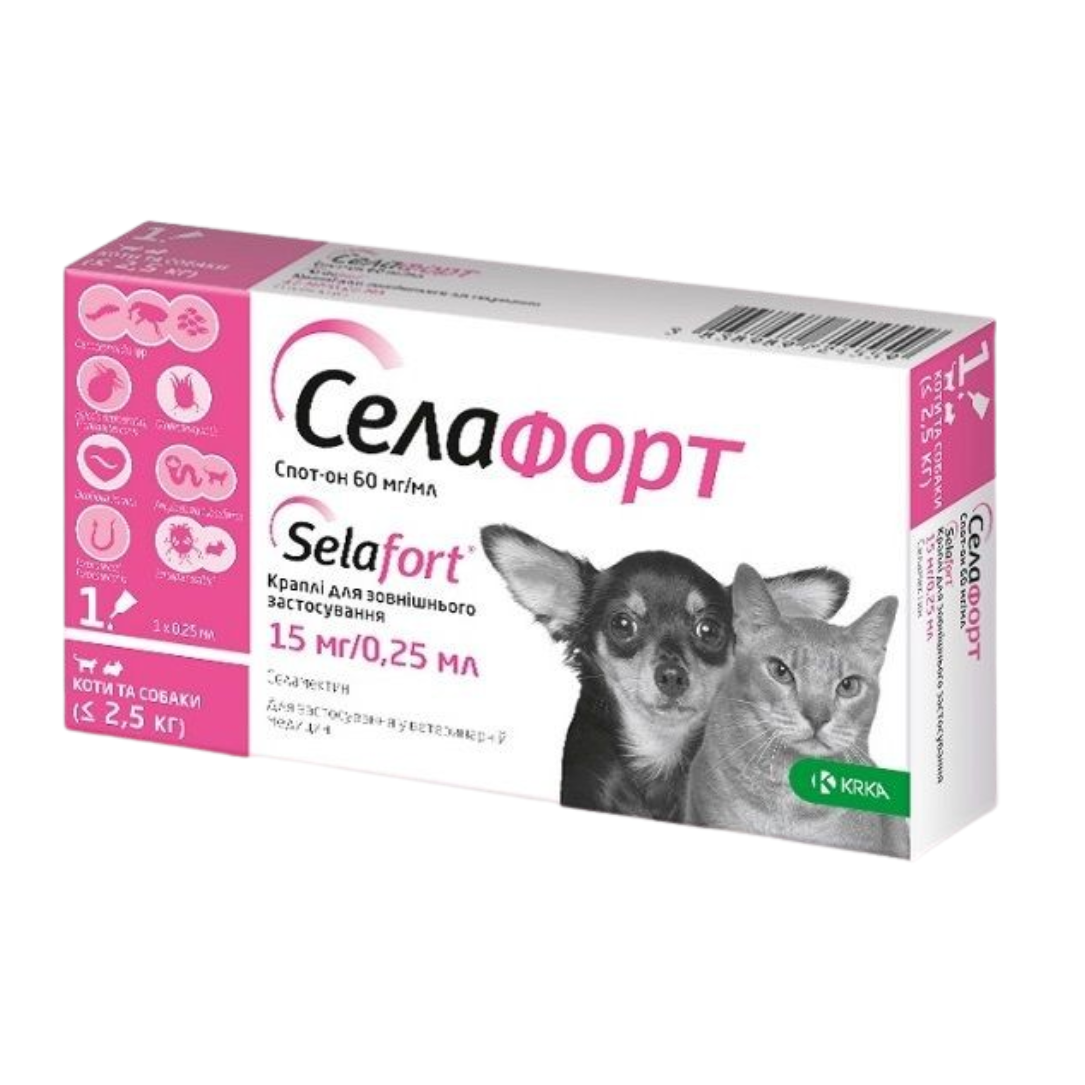
KRKA Selafort — antiparasitic drops for cats and dogs weighing up to 2.5 kg
Buy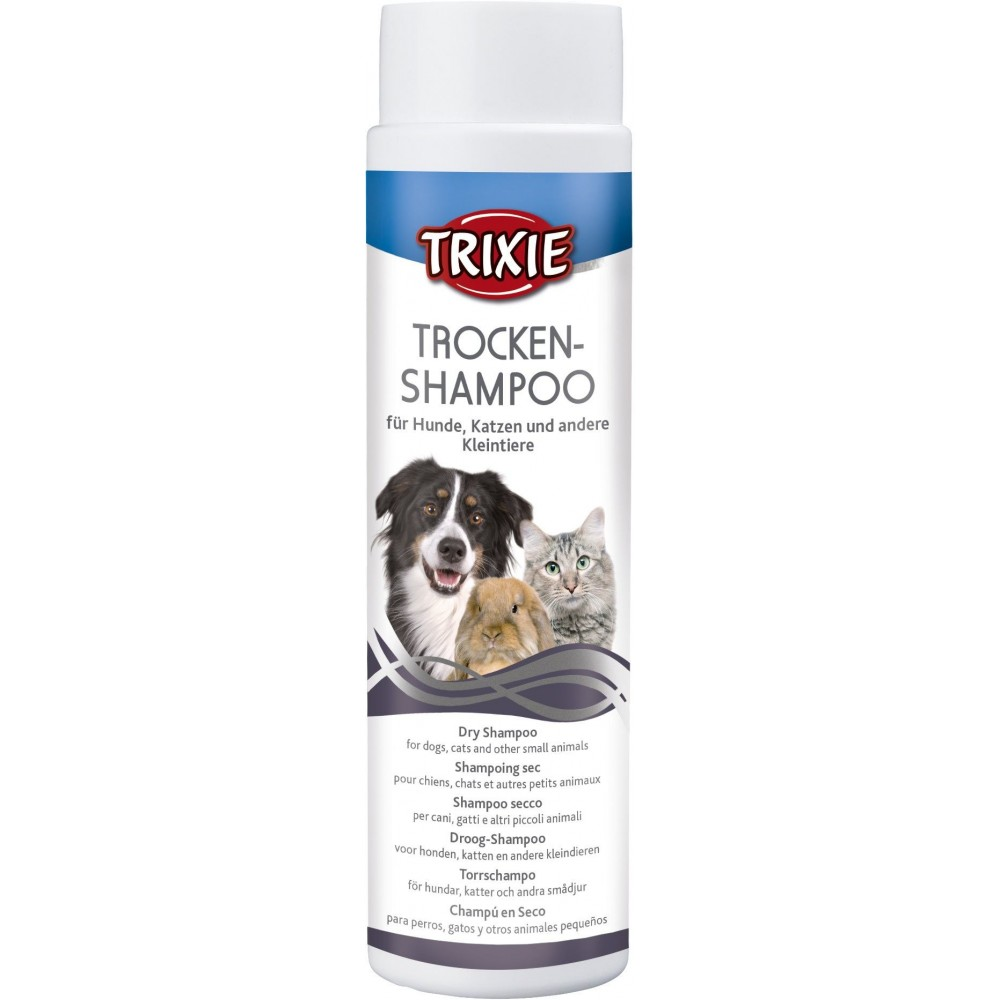
Trixie — dry shampoo for dogs' and cats' coats, 200 g
Buy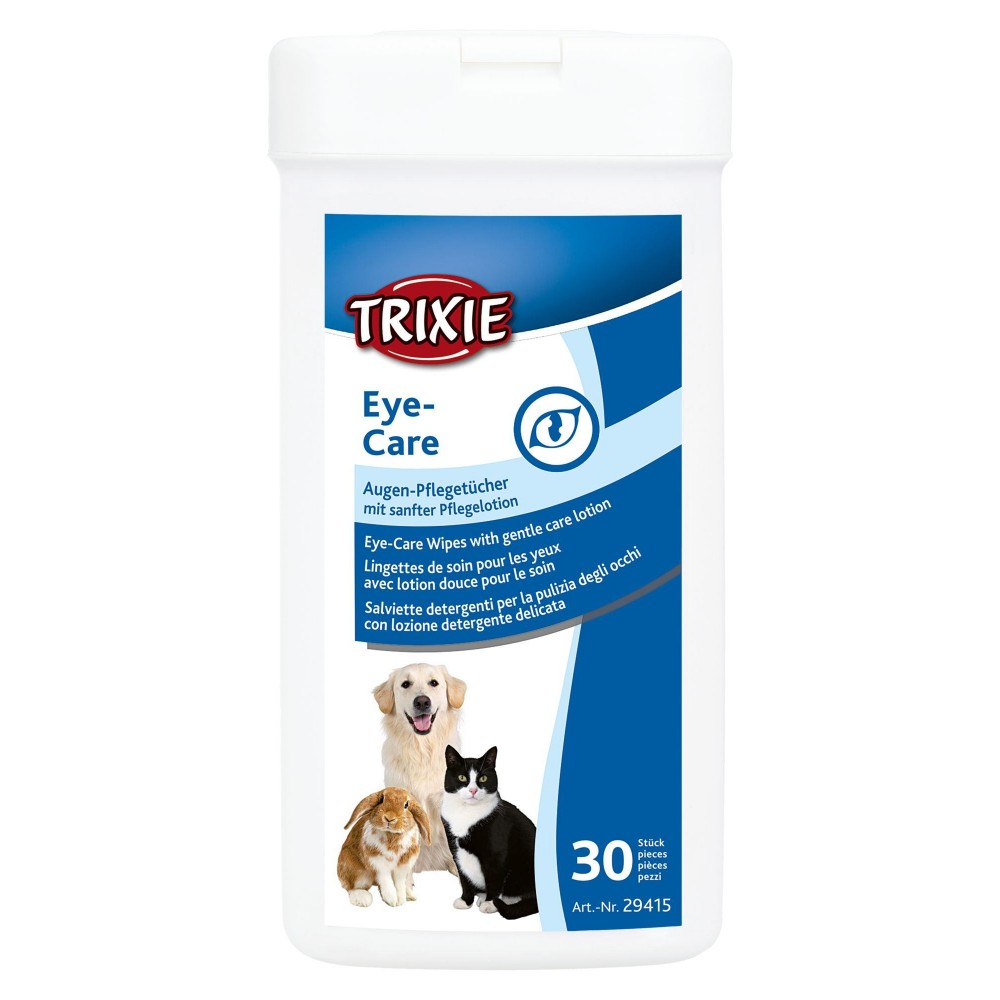
Trixie — wipes for eye care of dogs and cats, 30 pcs
Buy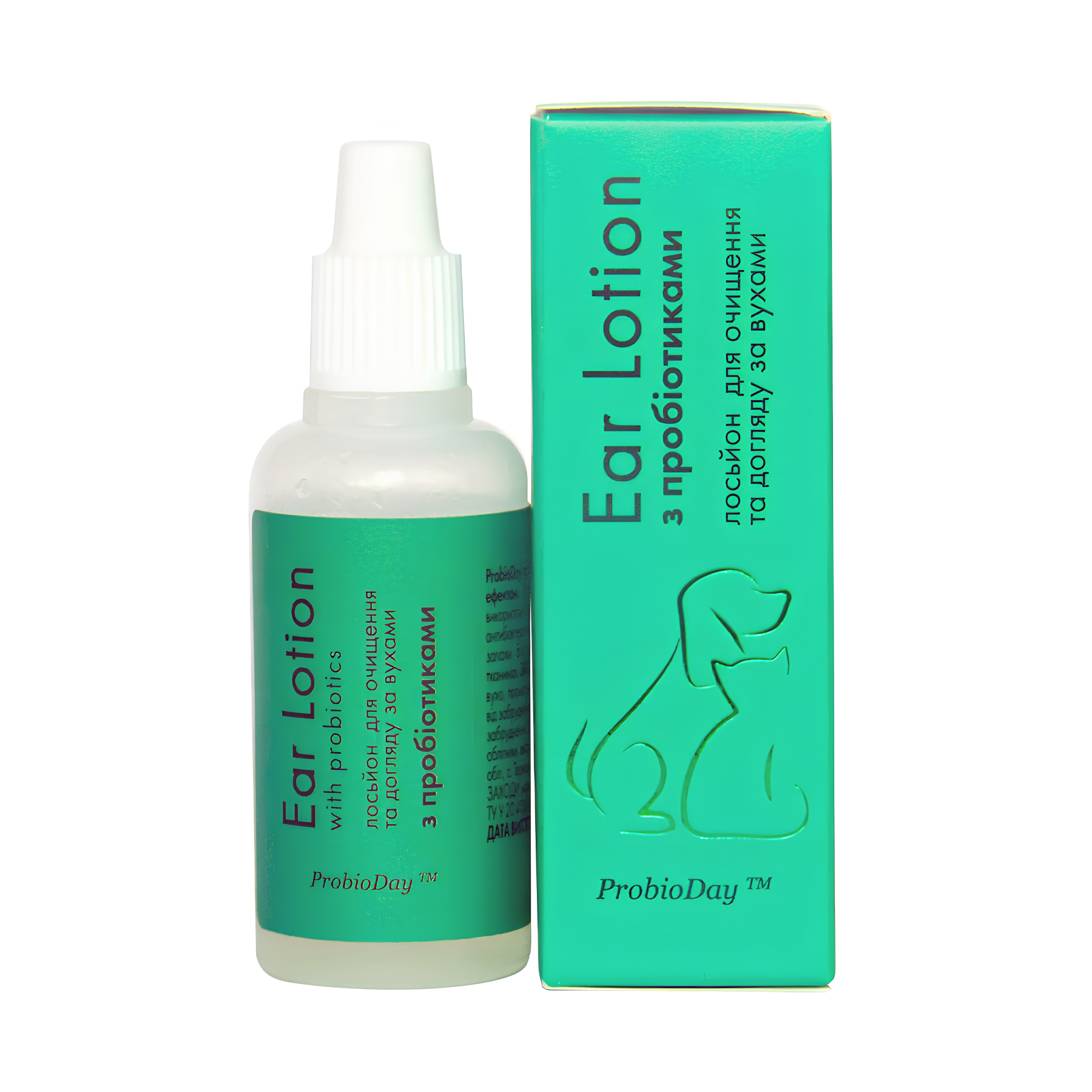
ProbioDay — ear drops for dogs and cats with probiotics, 30 ml
Buy
Conclusion
The Havana Brown is a breed that combines a rare appearance and a very warm character. It's beautiful, intelligent, loves to be nearby and at the same time fits well into a calm home rhythm if it receives enough attention and contact.
If you need a cat that will be not just striking, but truly close in character, the Havana Brown deserves attention. This is a breed for those who value delicacy, intelligence, affection and home comfort without unnecessary fuss.