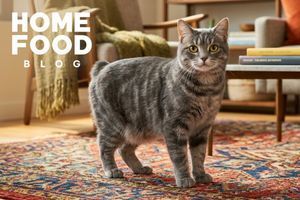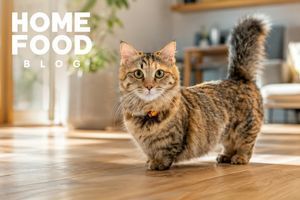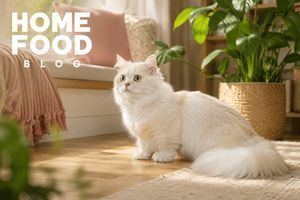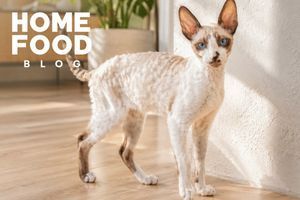
LaPerm immediately catches the eye with its coat, which looks as if a gentle breeze has just twisted it into soft waves. But this breed is remembered not only for its curls. It is a very gentle, attentive to people and at the same time calm cat that knows how to be nearby without being intrusive.
Behind the external artistry lies a pleasant home character. LaPerm loves sitting on laps, being held, quiet interaction and a calm home life, and also adapts well to the family's rhythm. That is why the breed is often liked by people who want to have a gentle companion rather than a demonstratively independent cat.
In this article, we will figure out where the LaPerm comes from, what it looks like, what character it has, how it behaves in the family, what is important to know about its coat, health and nutrition, and which families this breed suits best.
Brief breed characteristics
| Origin | USA, Oregon; the breed originated in 1982 |
| Alternative name | LaPerm |
| Breed type | Natural mutation; short-haired and long-haired varieties exist |
| Size and weight | Medium size, approximately 3–5 kg |
| Lifespan | On average 12–15 years, often longer with good care |
| Coloring | Virtually all coat colors and patterns are allowed |
| Coat type | Curly or wavy, light, springy, almost without undercoat |
| Character | Gentle, social, intelligent, calm, curious |
| Care | Moderate: careful brushing, skin, ear, nail and dental care |
| Suitable for | Calm families and people who want a soft, affectionate companion |
Breed origin
The history of LaPerm began in 1982 on Linda Koehl's farm in Oregon. According to TICA, a kitten was born to an ordinary domestic cat there, which at first was almost hairless, and later grew unusual curly fur. This cat, named Curly, became the foundation of the new breed.
The unusual coat turned out to be the result of a natural dominant mutation. Later, when curly kittens began to appear again, it became clear that the trait was stably passed on to offspring. This is how the breed was formed, which was later named LaPerm — an allusion to the perm and characteristic curls.
The breed is relatively young, but well-known among lovers of natural, not overly extreme types of cats. It is also important that LaPerm developed without excessive narrowing of the gene pool, which usually has a positive effect on the overall viability of the breed.
- LaPerm originated in the USA as a result of a natural dominant mutation.
- The cat Curly from Oregon is considered the founder of the breed.
- The name LaPerm refers to the characteristic 'perm' of the coat.
Appearance and coat features
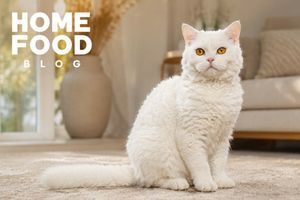
LaPerm looks refined but not fragile. It has an elongated flexible body, smooth lines, light gait and attentive facial expression. The head has a soft wedge-shaped contour, the ears are quite large, and the eyes are open and very expressive. It is precisely because of this combination that the breed seems both natural and somewhat artistic.
The most important thing in appearance is the coat. It can be shorter or longer, but in both cases it has a wavy or curly structure. According to TICA breed standards, the texture varies depending on age, season and even the animal's hormonal state: some kittens may temporarily lose their coat and regrow it, while adult LaPerms sometimes change the degree of curliness.
Unlike some other curly breeds, LaPerm usually has a lighter, airier type of coat. It should not look heavy or cotton-like. It is precisely this casually-elegant texture that creates that very effect of 'living curls' for which the breed is so loved.
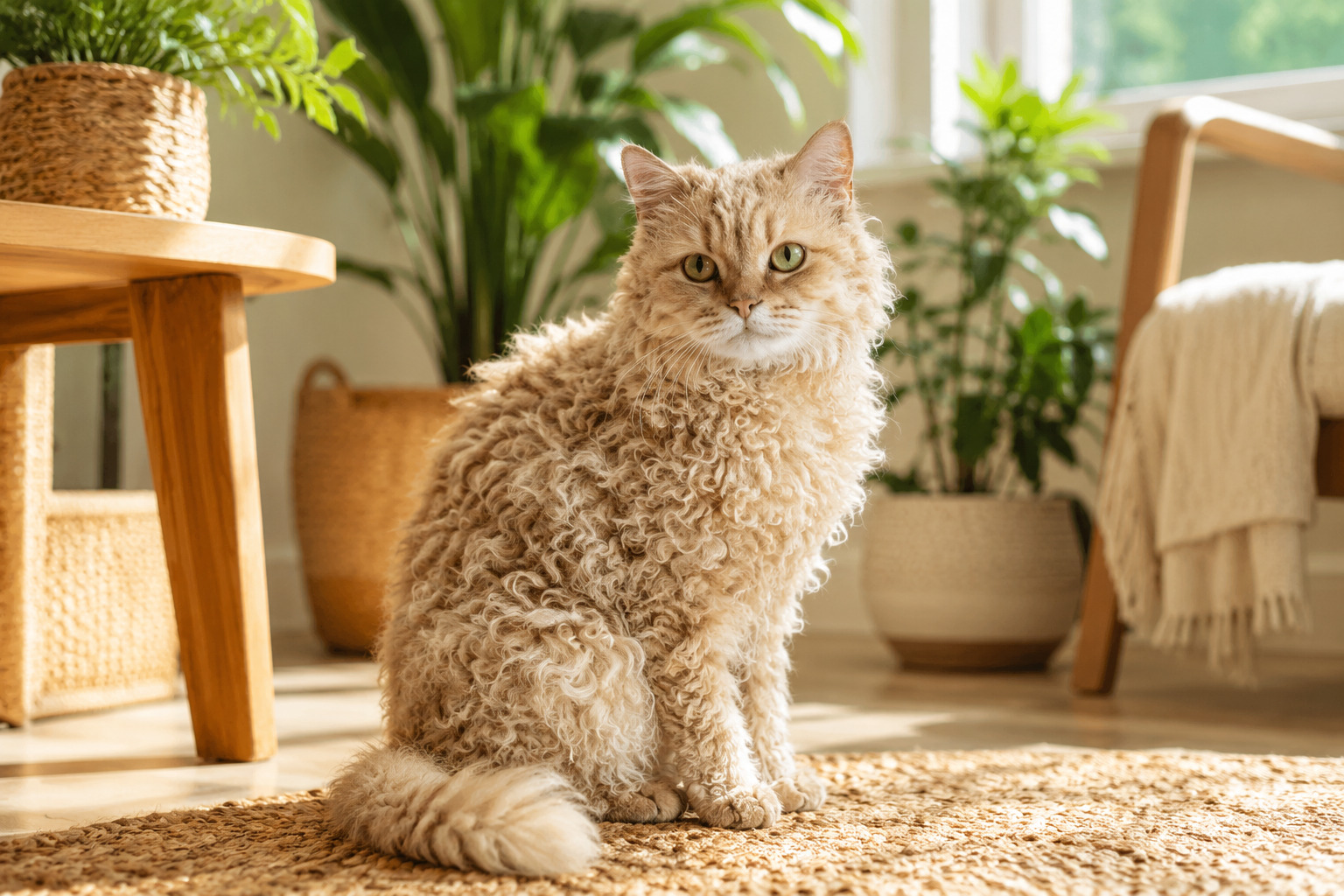

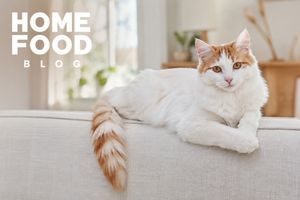
LaPerm is remembered for its light wavy coat, lively facial expressions and very soft home appearance
Character and behavior
LaPerm is a cat that loves people quietly but very sincerely. It does not constantly demand attention, but willingly comes into your arms, sits nearby, accompanies the owner in daily life and subtly reacts to the emotional state of the family. PetMD and TICA equally emphasize: this breed is social, gentle and very comfortable in everyday life together.
By temperament, LaPerm does not belong to overly hyperactive cats, but loves play, new experiences and space exploration. It willingly watches what a person does, can climb up high, observe events from a shelf or the back of a sofa and at the same time remain a soft, almost tactful companion.
These cats learn household rules well, usually easily fit into the home routine and rarely give the impression of being conflicted or nervous. That is why LaPerm often suits people who need a gentle but not overly intrusive animal.
Attitude towards children and other animals
LaPerm feels good in calm families with children who know how to handle a cat delicately. The breed does not like rough pressure, but is usually patient, friendly and willingly enters into contact if the interaction is gentle and predictable.
LaPerm also often gets along well with other animals. Due to the lack of dominance tendency and generally gentle character, it can live without problems with other cats or balanced dogs, especially if the introduction happens gradually.
- LaPerm is very people-oriented but rarely intrusive.
- The breed feels good in a calm family with a predictable rhythm of life.
- It is a gentle, attentive and social cat that values closeness and home comfort.
Apartment living
LaPerm is very suitable for apartment living. It does not need a giant space, but it is important to have several elevated zones, cozy resting places and a familiar order in the house. The breed values home comfort and usually quickly finds favorite spots by the window, on the sofa or on shelves.
Due to moderate activity, LaPerm feels good even in a not very large apartment if it has toys, a scratching post and the opportunity to play with a person periodically. This is not an athletic cat, but it is not a 'decorative pillow' either — it needs movement, contact and curiosity about the world.
A separate advantage of the breed is the ability to be nearby without creating chaos. It is precisely because of this that LaPerm often seems like a particularly convenient cat for everyday life.
Health
According to PetMD and TICA, LaPerm is generally considered a breed with good overall health, and no specific hereditary diseases that would be stably associated with this breed are currently described. This is one of the reasons why LaPerm has a reputation as a fairly resilient home companion.
At the same time, this does not mean that prevention is not needed. Like any cat, LaPerm needs vaccination, parasite prevention, prevention of dental problems and maintaining a normal body weight. If the coat begins to change dramatically, itching appears, unpleasant skin odor or the cat becomes lethargic, a standard veterinary examination is needed, not an attempt to explain everything as a 'peculiarity of curls'.
Separately, it is worth remembering that even in breeds without described hereditary problems, a responsible breeder is still important. The quality of early rearing, socialization, nutrition and preventive care during kittenhood directly affects health in the future.
- No stable set of breed-specific hereditary diseases has been described for the LaPerm.
- Regular check-ups, parasite prevention, and dental hygiene remain a mandatory foundation.
- Any sudden changes in skin, coat, appetite, or behavior require standard veterinary evaluation.
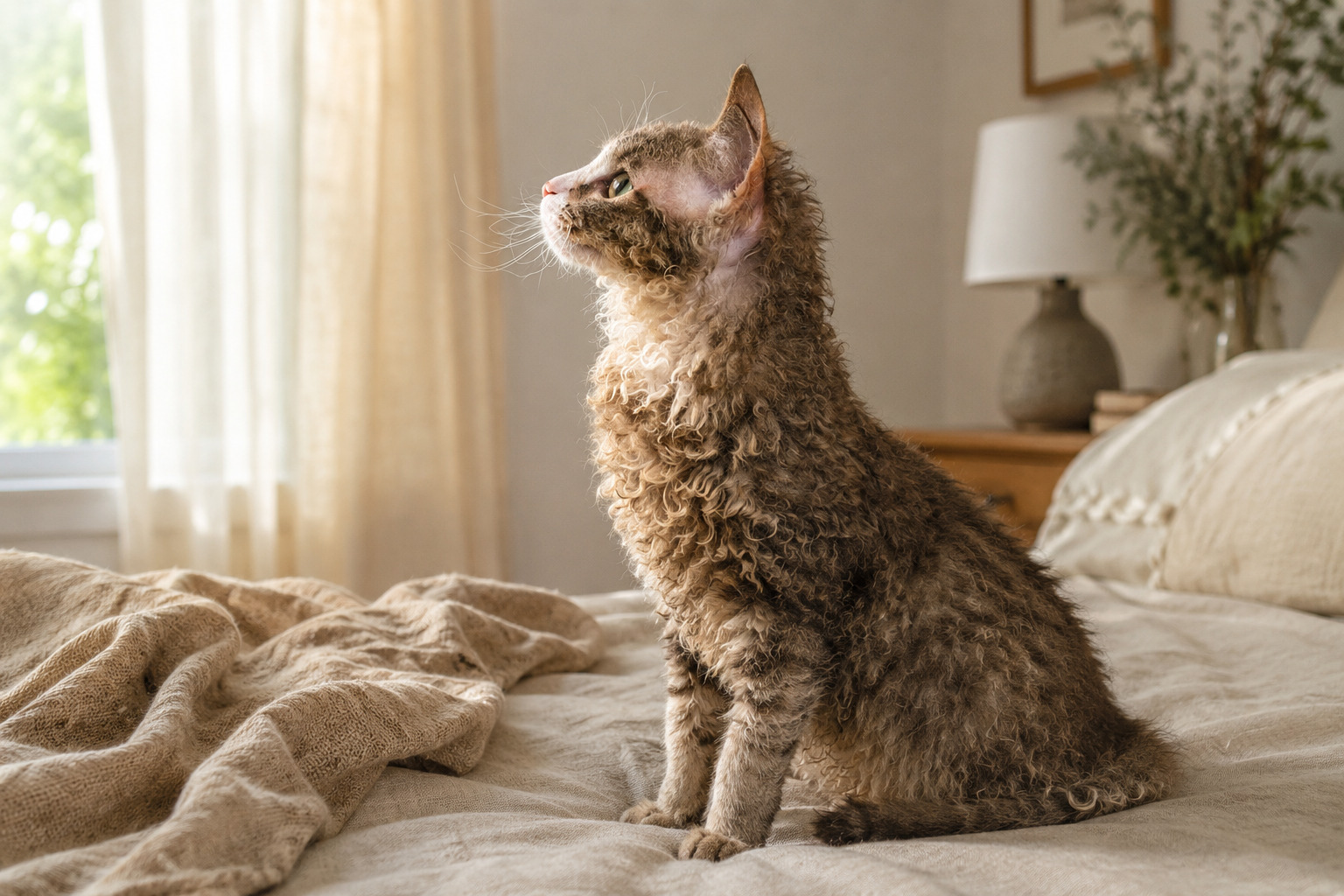
For a LaPerm, the most important things are a calm home environment, delicate coat care, and daily contact with people.
Coat care
Although the LaPerm looks striking, caring for it is not overly complicated. Its coat usually doesn't require daily brushing and, with proper care, rarely mats. Most often, light combing is enough to maintain the curl shape and remove dead hair.
After bathing, it's better not to over-dry the coat with a blow dryer unless medically necessary. In many LaPerms, the curls look better after natural drying. It's also important not to rub the coat roughly and not to use overly harsh tools that could damage the texture.


HOME FOOD Omega Balance — oil for cats, balance of Omega-3, -6, -9
Buy
HOME FOOD Beauty — set for dogs and cats: shampoo 'Perfect Care' 200 ml + conditioner 'Silky Touch' 200 ml
Buy
Steam massage brush 3 in 1 — 'Avocado' for coat care for dogs and cats
Buy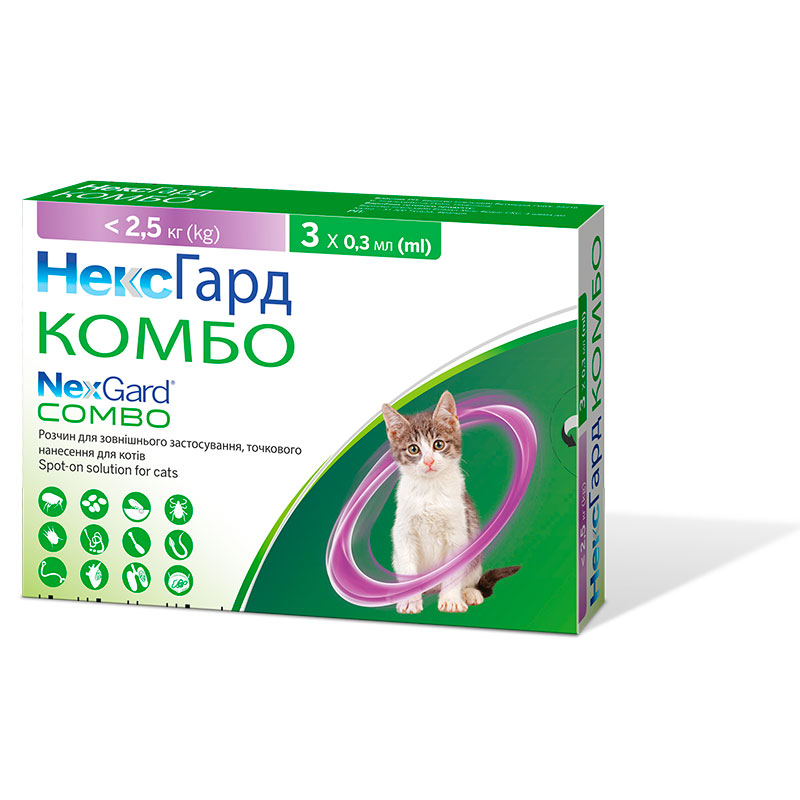
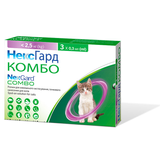
NexGard Combo — antiparasitic drops for the withers against fleas, ticks and worms for cats
Buy
Nutrition
A LaPerm requires complete nutrition with sufficient animal protein, essential fatty acids, vitamins and minerals. This is especially important for coat quality, as the condition of the curl, shine and overall softness of the coat respond very quickly to dietary mistakes.
More active young animals often need a bit more energy, while calmer adult cats benefit from portion control and stable body condition. That's why it's better not to feed 'by eye', but to take into account age, activity level, sterilization and the animal's overall condition.
It's also important to monitor water balance separately. If dry food is the basis of the diet, constant access to fresh drinking water is mandatory.

HOME FOOD Healthy skin and shiny coat — dry food for adult cats, turkey and salmon
Buy
HOME FOOD With sensitive digestion. For sterilised/neutered — dry food for sterilized/neutered adult cats with sensitive digestion, lamb and salmon
Buy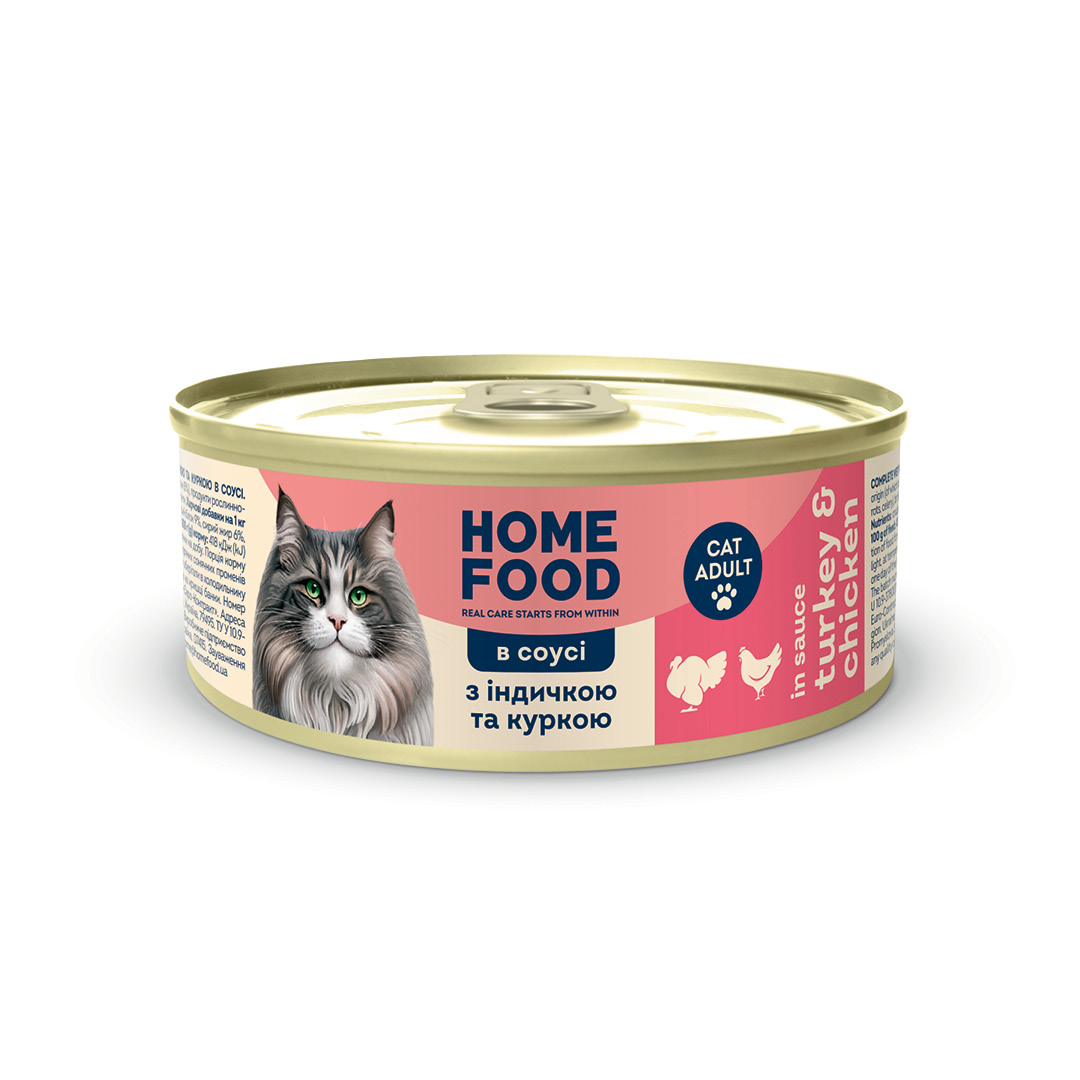
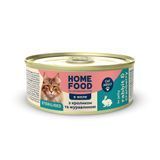
HOME FOOD — complete canned food for adult cats with turkey and chicken in sauce
Buy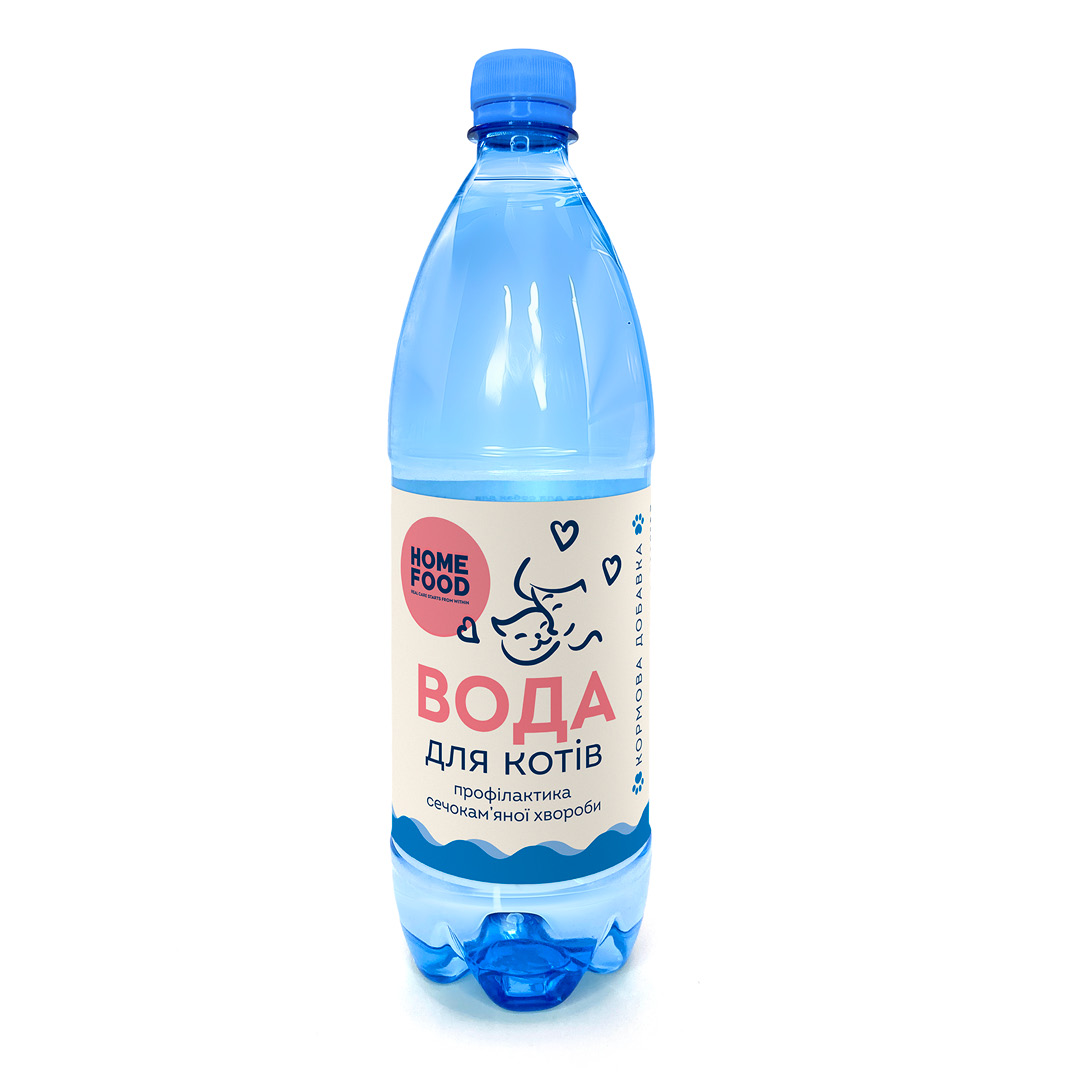
HOME FOOD — drinking water for cats for the prevention of urolithiasis, 1 l
Buy
Pros and cons of the breed
Before bringing a LaPerm home, it's useful to evaluate not only its charming curls, but also the everyday aspects of living with such a cat.
- The advantages include a gentle temperament, close contact with people, good compatibility with families, and relatively simple coat care.
- The LaPerm feels comfortable in an apartment, rarely appears confrontational, and usually adapts easily to the home routine.
- The disadvantages include the need for attention, coat sensitivity to rough handling, and the need to monitor weight.
- The breed is not the best choice for those looking for a maximally aloof and self-sufficient cat.
Who is the LaPerm right for
The LaPerm is well suited to people who love soft, attentive and non-aggressive cats. It's an excellent option for calm families, for people who work from home or simply spend a lot of time with the animal.
The breed truly shines in a home where there is warmth, comfort, contact and respect for the cat. However, if you need a maximally independent animal that will live 'nearby, but separately', the LaPerm may turn out to be too emotionally involved in human life.
Conclusion
The LaPerm is a breed in which natural uniqueness combines with a very gentle home temperament. Its wavy coat immediately catches the eye, but the true value of the breed lies in its gentleness, attentiveness to people, and pleasant ability to be nearby without being intrusive.
If you combine quality nutrition, gentle coat care, regular preventive care, and plenty of home contact, a LaPerm will remain beautiful, tender, and a very comfortable companion for many years to come.