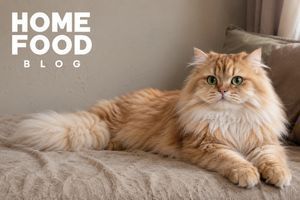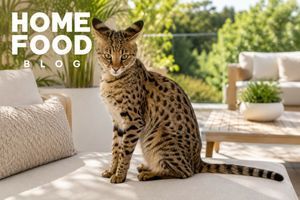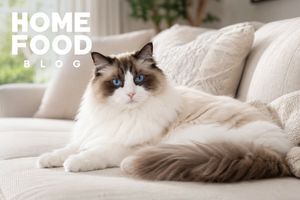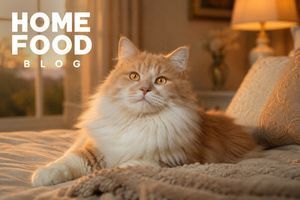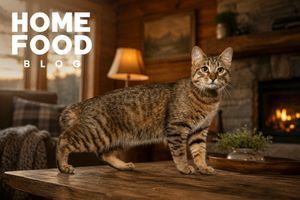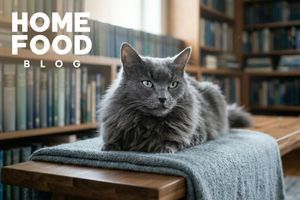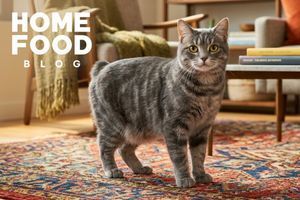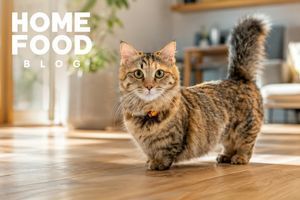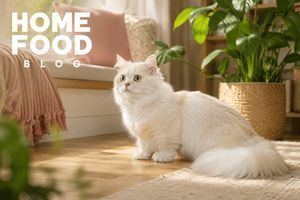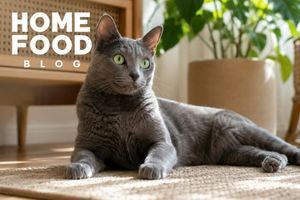
The British Shorthair cat is one of those breeds that almost everyone recognizes: a round face, dense plush coat, massive build and that same calm expression that makes British cats so beloved worldwide.
These cats easily become full-fledged family members, but at the same time maintain characteristic restraint and inner independence. It is precisely the combination of a cozy appearance and balanced temperament that made the breed a true classic.
In this article, we will look at how the British Shorthair differs from other breeds, what its temperament is like, how it behaves at home, what to pay attention to regarding health, what to feed it and how to care for it properly.
Brief breed characteristics
| Origin | Great Britain, 19th century |
| Other name | British Shorthair |
| Breed type | Shorthaired, naturally selected |
| Size and weight | Medium or large size, approximately 4–8 kg; males are usually larger than females |
| Lifespan | On average 12–18 years |
| Coat color | Over 200 variations: blue, lilac, cream, silver, tabby, bicolor and others |
| Coat type | Short, dense, plush, with thick undercoat |
| Character | Calm, restrained, devoted, not intrusive, values comfort and stability |
| Care | Moderate: regular brushing, weight control, hygiene and preventive check-ups |
| Suitable for | Families, calm owners and those who want a balanced home companion |
Breed characteristics: what makes the British cat different from others?
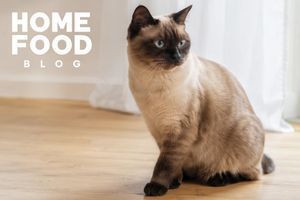
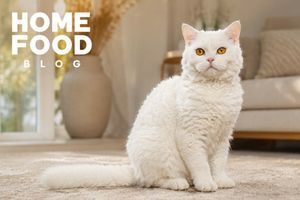
The British Shorthair cat is among the most popular breeds in the world for good reason. It is easily recognized by its sturdy muscular build, wide paws, massive chest and characteristic rounded silhouette, which many describe as a "stretched ball".
A special pride of the breed is its coat: short, very dense, plush to the touch, it doesn't require overly complex care, but creates that very visual effect of softness and volume. Coat colors are extraordinarily varied — from classic blue to cream, chocolate, silver, bicolors and tabbies.
The head of a British cat is round, the eyes are large and expressive, the cheeks are very characteristic, and the gaze almost always seems calm, confident and somewhat aristocratic. It is precisely this external restraint that makes the British Shorthair so recognizable.
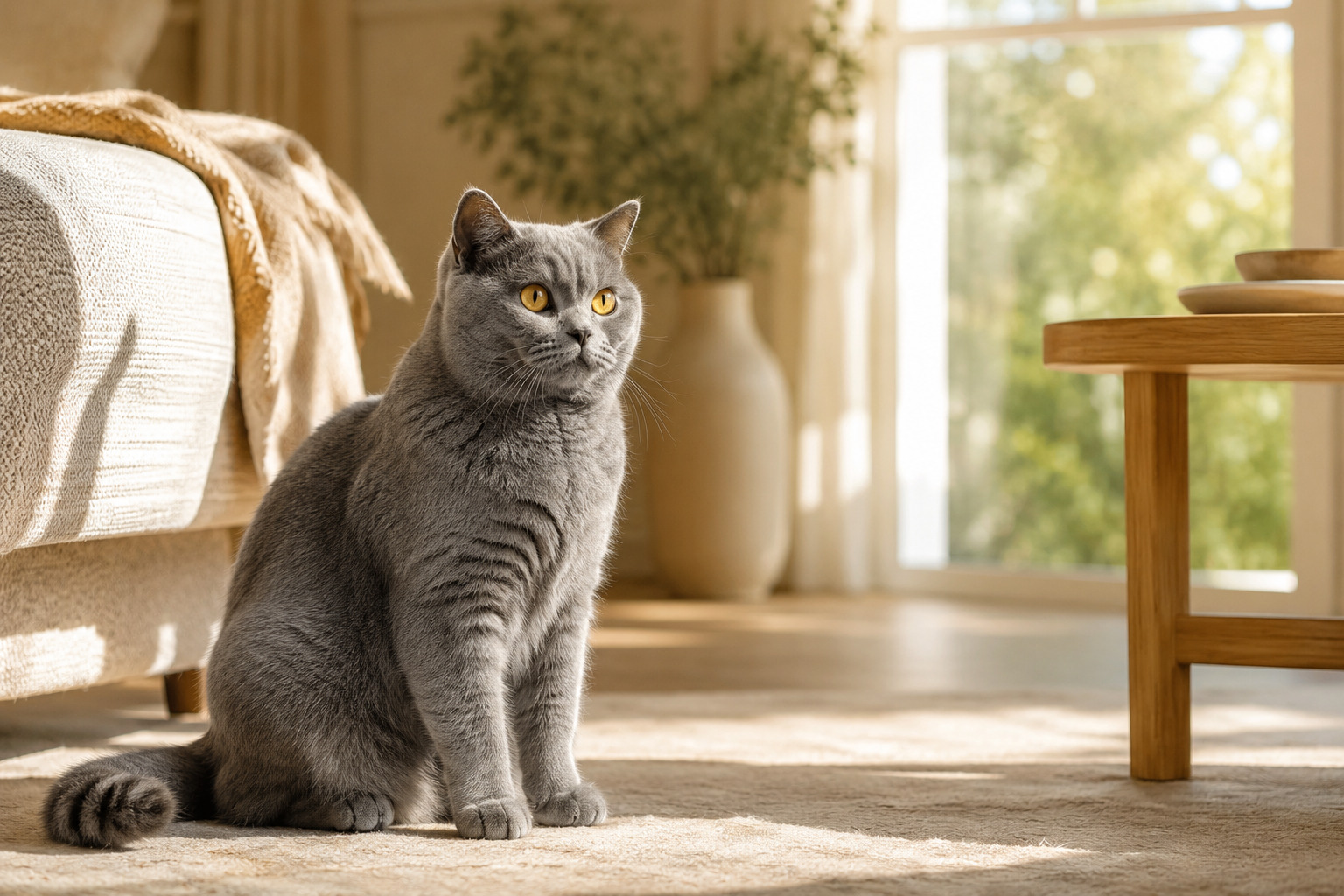

In the British Shorthair cat, it is difficult to separate appearance from character: its plush massiveness, calm gaze and balanced movements literally reflect the breed's inner stability
Character of the British Shorthair cat
Many people love British cats not only for their appearance, but also for their very convenient everyday temperament. These are cats that know how to be nearby without becoming overly demanding or chaotic pets.
They are characterized by independence: they can calmly stay alone for longer periods and don't require constant stimulation. At the same time, this doesn't make them indifferent — British cats become well attached to their owner, they just express it in a restrained and delicate way.
The breed is known for friendliness, tolerance towards children and other animals, but at the same time British cats value personal space. They don't like excessive intrusiveness, rough play or constant handling. This is not coldness, but rather a very characteristic respect for boundaries that is typical of the breed.
- The British Shorthair cat tolerates quiet solitude well.
- It is friendly, but does not like excessive pressure or undue attention.
- This is a breed for those who value restrained devotion and home comfort without dramatic changes in behavior.
Breed origin
The history of the British Shorthair cat has deep roots. Many feline experts believe that the ancestors of these animals were brought to Great Britain by Roman legionaries. Local residents used them as skilled rat catchers to protect their homes and food supplies.
Later, the breed went through a long process of formation, and after World War II its population was significantly reduced. Thanks to the work of breeders, the British Shorthair was successfully restored, and by the 1970s the breed received international recognition.
Behavior of the British cat
In everyday life, the British Shorthair cat often behaves very tactfully. It doesn't rush to be the center of all events and often chooses the role of observer rather than active participant. It is precisely this inner balance that creates the impression of a "feline gentleman".
Even if there are children or other animals in the house, British cats usually try to avoid conflict. If they don't like something, they are more likely to step aside than show aggression. This makes the breed very convenient for family life, if all household members respect its boundaries.
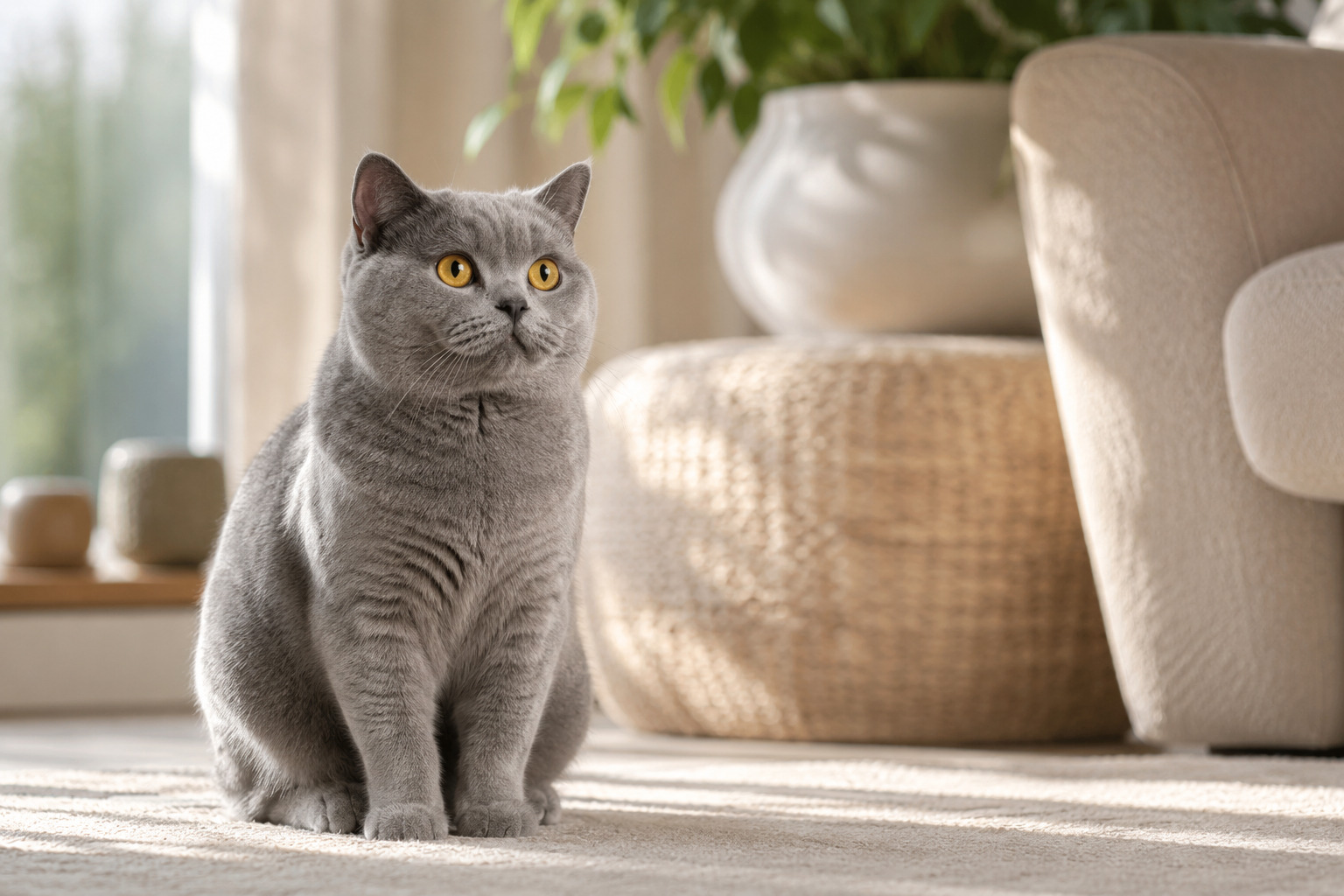
The British Shorthair cat rarely fusses or displays unnecessary emotions; instead, it creates a strong sense of stability, order and calm presence in the home
Health and breed problems
Overall, British Shorthair cats are considered a hardy breed, but certain risks do exist. The source separately mentions polycystic kidney disease, which is partly associated with the former use of Persian cat genes in the breed. That is why when choosing a kitten, it is worth paying attention to the results of genetic tests of the parents.
British cats can also suffer from heart disease, although this is not a widespread problem for every animal. Basic prevention here is standard: weight control, regular check-ups, attention to the pet's behavior and well-being.
To maintain the health of a British Shorthair cat, it is important to:
- Monitor kidney condition and, if possible, know the genetic status of the line.
- Don't skip preventive veterinary check-ups.
- Control body weight, as less active British cats can gain excess weight.
- Maintain a balanced diet and adequate water intake.

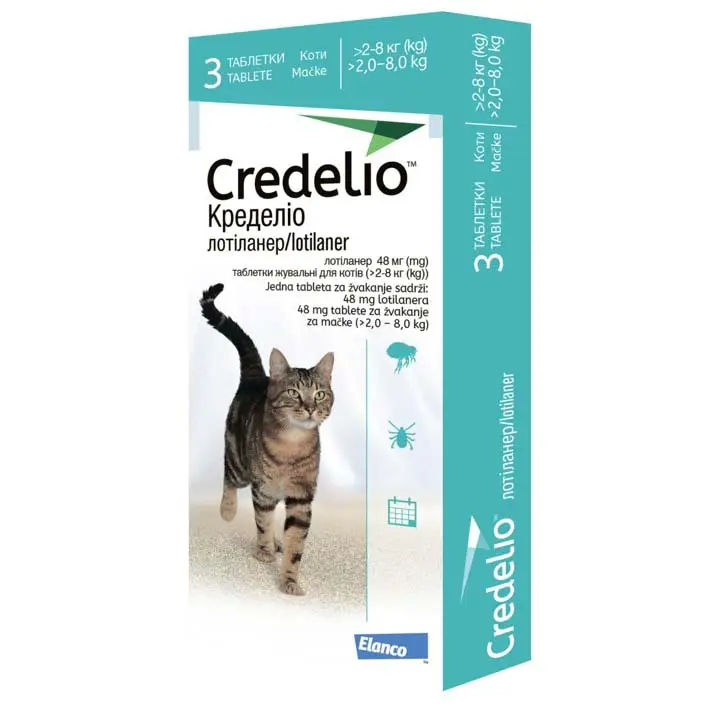
Credelio Elanco — antiparasitic tablets for fleas and ticks for cats
Buy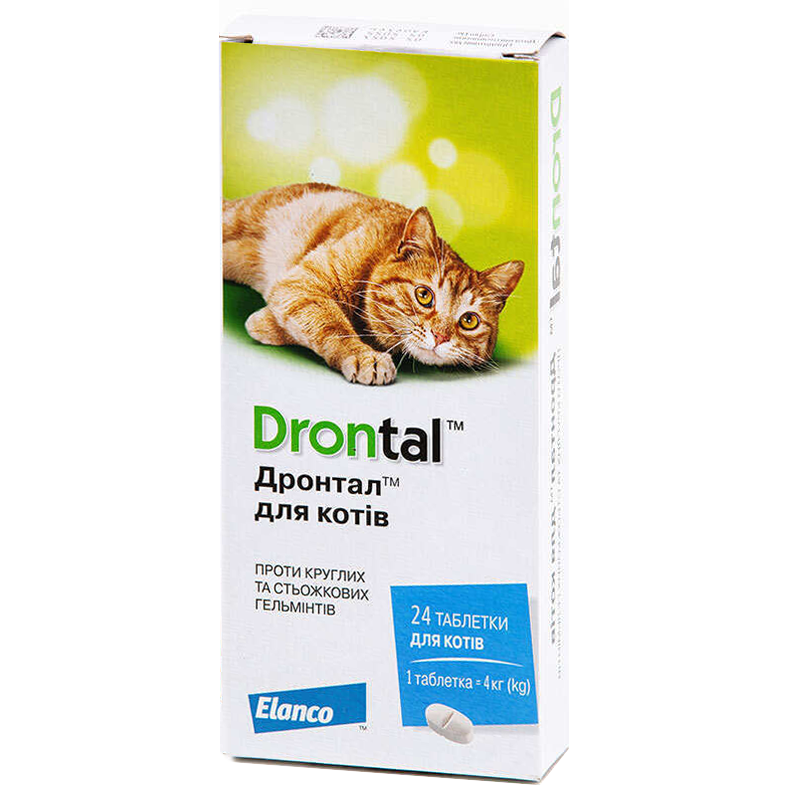
Drontal Elanco — tablet for treatment and prevention of helminthiasis in cats
Buy
Dolfos CardioDol — syrup for supporting heart function in dogs and cats
Buy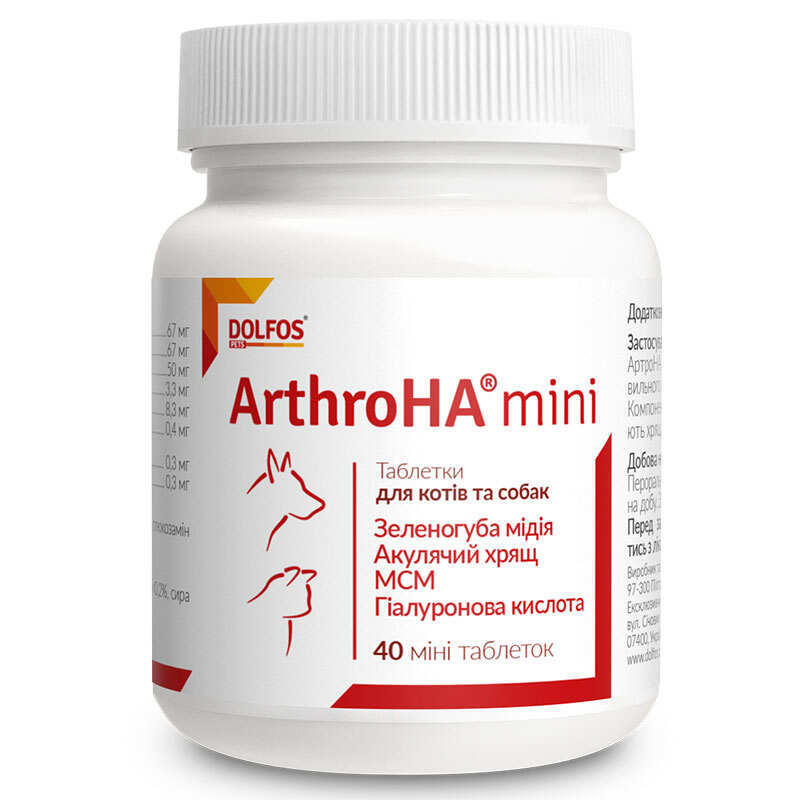
Dolfos ArthroHa mini — chondroprotector for cats and small breed dogs
Buy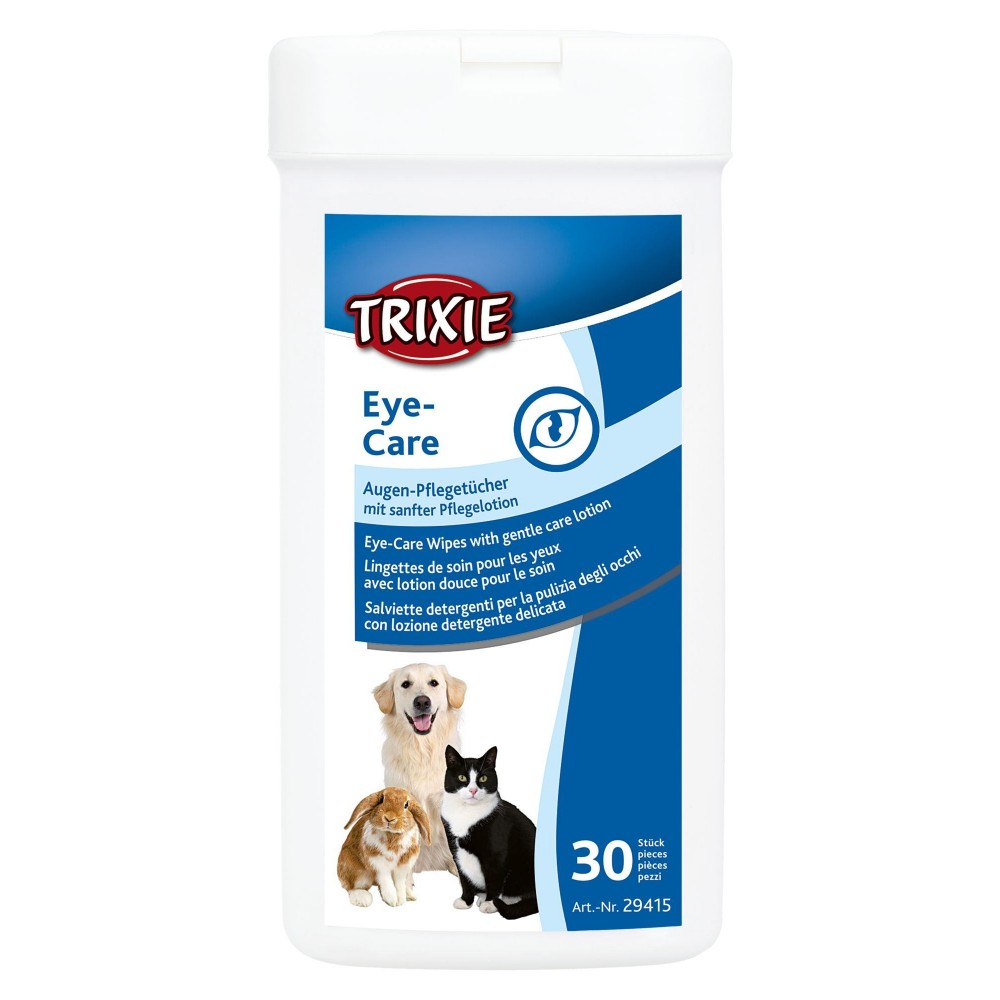
Trixie — wipes for eye care of dogs and cats, 30 pcs
Buy
Auricap — solution for rinsing ears of dogs and cats, 100 ml
Buy
What is important to consider when choosing nutrition?
British cats can be quite selective about food, so the diet should be not only balanced but also appealing to your specific pet. It is optimal to combine quality dry and wet food, adjusting the amount based on age, activity level, and health status.
Due to the breed's calmer temperament, it is especially important not to overfeed a British cat, even if it seems very convincing. Excess weight for a massive breed creates additional strain on the joints and overall metabolism.

HOME FOOD For British and Scottish breeds — dry food for British and Scottish breeds, turkey and duck
Buy
HOME FOOD For the support of the musculoskeletal system — food for large breeds, beef with salmon
Buy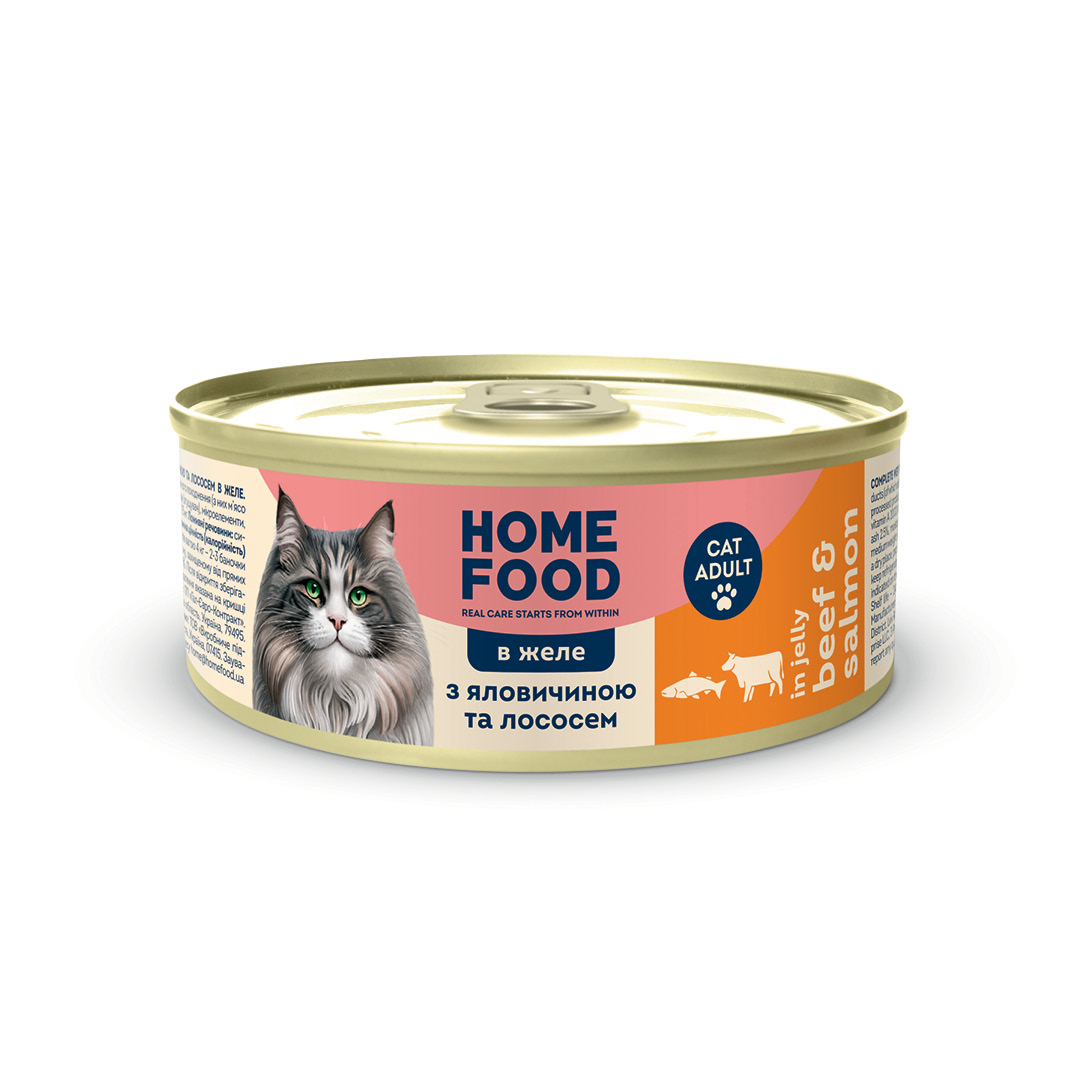
HOME FOOD — complete food for adult cats with beef and salmon in jelly
Buy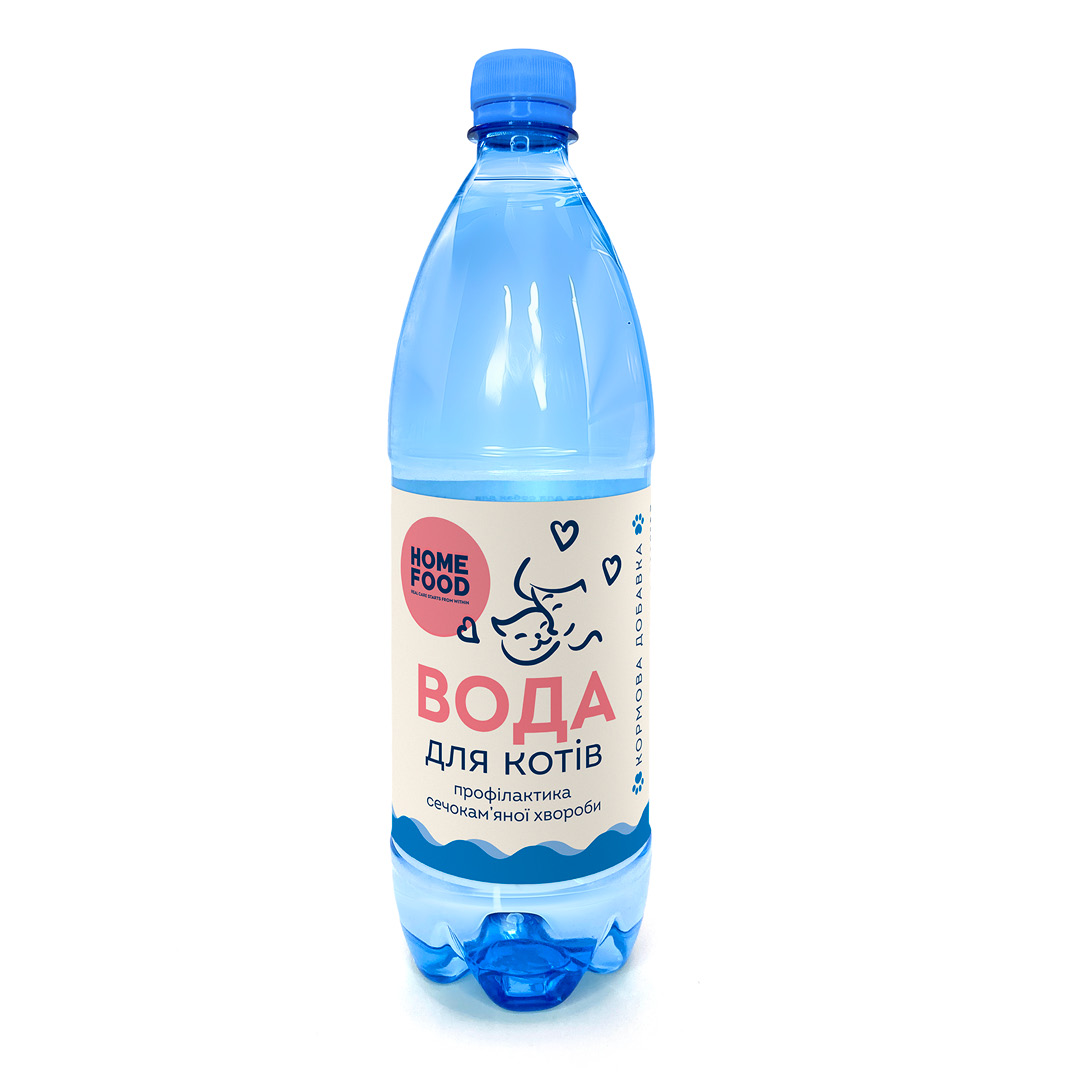
HOME FOOD — drinking water for cats for urolithiasis prevention in cats
Buy
Care for British Shorthair cats
The British Shorthair cat does not belong to breeds with complex grooming. Its coat usually does not mat, and in most cases it is enough to brush it with a special brush a few times a week.
In addition to coat care, it is important not to forget about regular veterinary check-ups, vaccinations, cleanliness of the home, and general hygiene of your pet. British cats value order, comfort, and predictability, so home stability is just as important to them as physical care.
Is a British cat suitable for children?
Yes, the British Shorthair cat is usually well-suited for families with children. It is calm, patient, and not prone to aggression, but it is important to teach the child to behave properly with the animal and not violate its boundaries with rough play or pushiness.
Conclusion
The British Shorthair cat is a breed that combines beauty, stability, and a very comfortable character for home life. It does not seek to be in the center of attention, but its calm presence often makes a home truly cozy.
If you need a balanced, neat, and devoted home companion who respects personal space but is genuinely attached to their family, the British Shorthair cat is truly worth your attention.