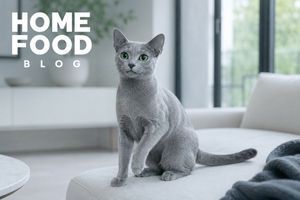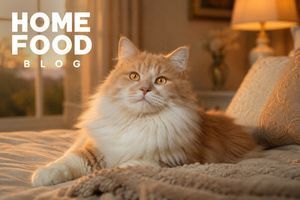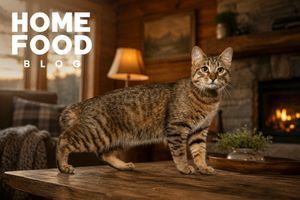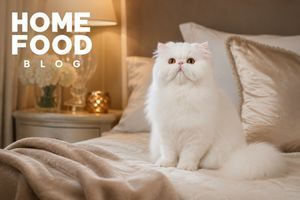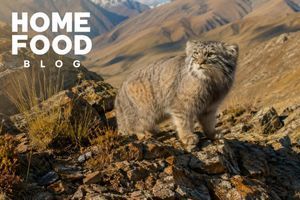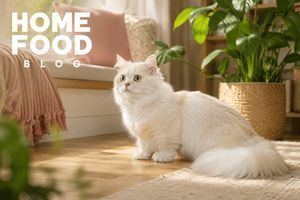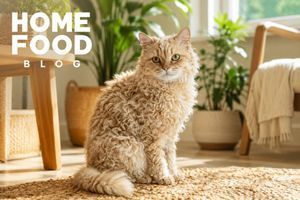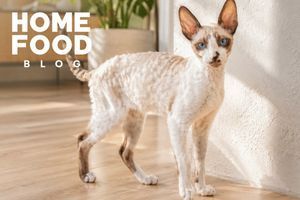
Among the many domestic cats, the Anatolian stands out not because of flashy exotic looks, but because it has hardly changed since ancient times. This breed is often called a living artifact of the feline world.
It is independent, intelligent, strong, attentive to the world around it and unlike a decorative house pet that has completely lost its connection with the natural type of cat.
Anatolians do not impose themselves, but they are always nearby. They do not demand attention at any cost, yet they are remembered for their gaze, observational nature and sense of inner strength.
Below, we will look at where the Anatolian cat comes from, what it looks like, what character it has, how to care for it properly, what to feed it and who this breed is best suited for.
Brief breed profile
| Origin | Turkey, the Anatolia region; a natural native breed |
| Other name | Anatolian Cat, Turkish Shorthair |
| Breed type | A natural short-haired cat with a strong constitution and pronounced native traits |
| Size and weight | Medium to large size, approximately 4–7 kg |
| Life expectancy | On average 12–17 years, sometimes longer with proper care |
| Coat colors | Varied: white, cream, red, tabby, tortoiseshell and others, except certain colors prohibited by the standard |
| Coat type | Short or semi-long, dense, springy, without a thick undercoat |
| Character | Independent, active, intelligent, confident, yet attached to its owner |
| Care | Easy: brushing once a week, basic hygiene of the eyes, ears, teeth and claws |
| Who it is suitable for | Active owners, families and those who value the natural type of cat, freedom of movement and lively intelligence |
History of origin
The Anatolian cat is a native breed that formed naturally in the Anatolia region, on the territory of modern Turkey. It is not the result of complex breeding, but a breed that lived alongside humans for centuries and preserved many original traits.
Its wild and semi-wild relatives were historically also found in Armenia, Iran and Iraq. That is why the Anatolian cat is often viewed not simply as a separate breed, but as a variant very close to the ancient type of domestic cat.
The first official recognition of Anatolians took place in 1995 at an exhibition in Berlin, and in 2001 the WCF included the breed in its official register. Genetic studies have also shown that the Anatolian cat, along with the Turkish Van and Angora, is one of the closest relatives of the common ancestor of many modern domestic cats.
In Ukraine, the Anatolian cat remains rare. Individual animals may be found, but there are virtually no specialized breeding programs for this breed here, so bringing one into a home is usually connected with a longer search and a serious choice.
- The Anatolian cat formed naturally and was not “constructed” by breeders from scratch.
- It is valued not only for its appearance, but also for its closeness to the ancient type of domestic cat.
- The rarity of the breed in Ukraine makes Anatolians special, but not the easiest breed to find.
Appearance
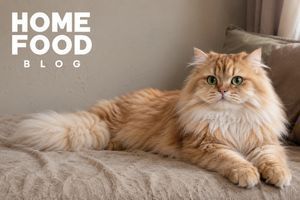
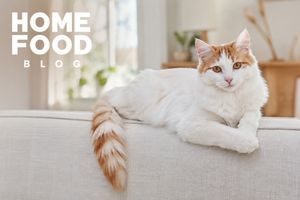
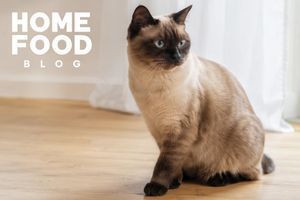
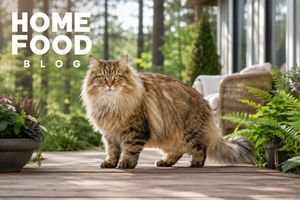
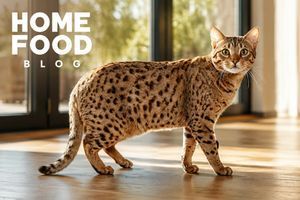
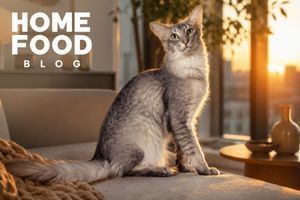
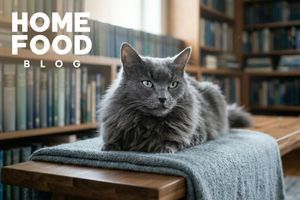
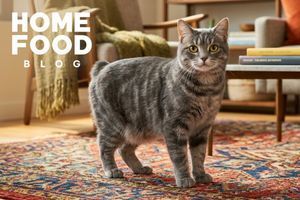
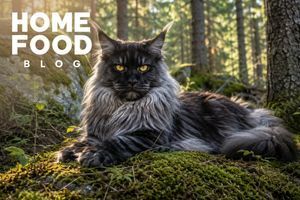
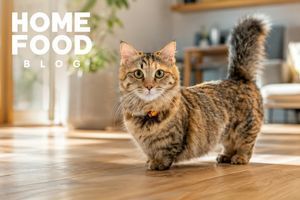
Anatolians are medium to large cats, muscular and compactly built, with well-developed bone structure. They do not look heavy or massive, but they appear strong, resilient and very natural.
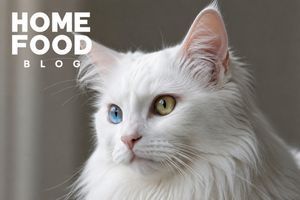
Their body is rectangular, with a broad chest. The head is wedge-shaped, with noticeable cheekbones, the eyes are almond-shaped and attentive, and heterochromia is sometimes seen. The ears are large, upright and rounded at the tips, while the limbs are strong and well adapted to active movement.
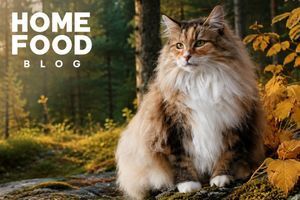
The breed’s coat is short and springy, without a thick undercoat. The source separately emphasizes its special texture: when stroked, it may feel “crisp” or springy-silky. This is why the Anatolian cat differs noticeably from many other short-haired breeds.
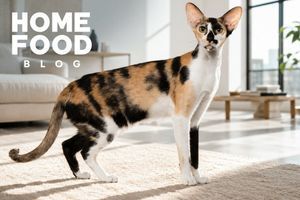
Almost all colors are considered acceptable, except chocolate, cinnamon, fawn, lilac and colorpoint. Other variations, including tricolor and tabby, are quite typical for this breed.
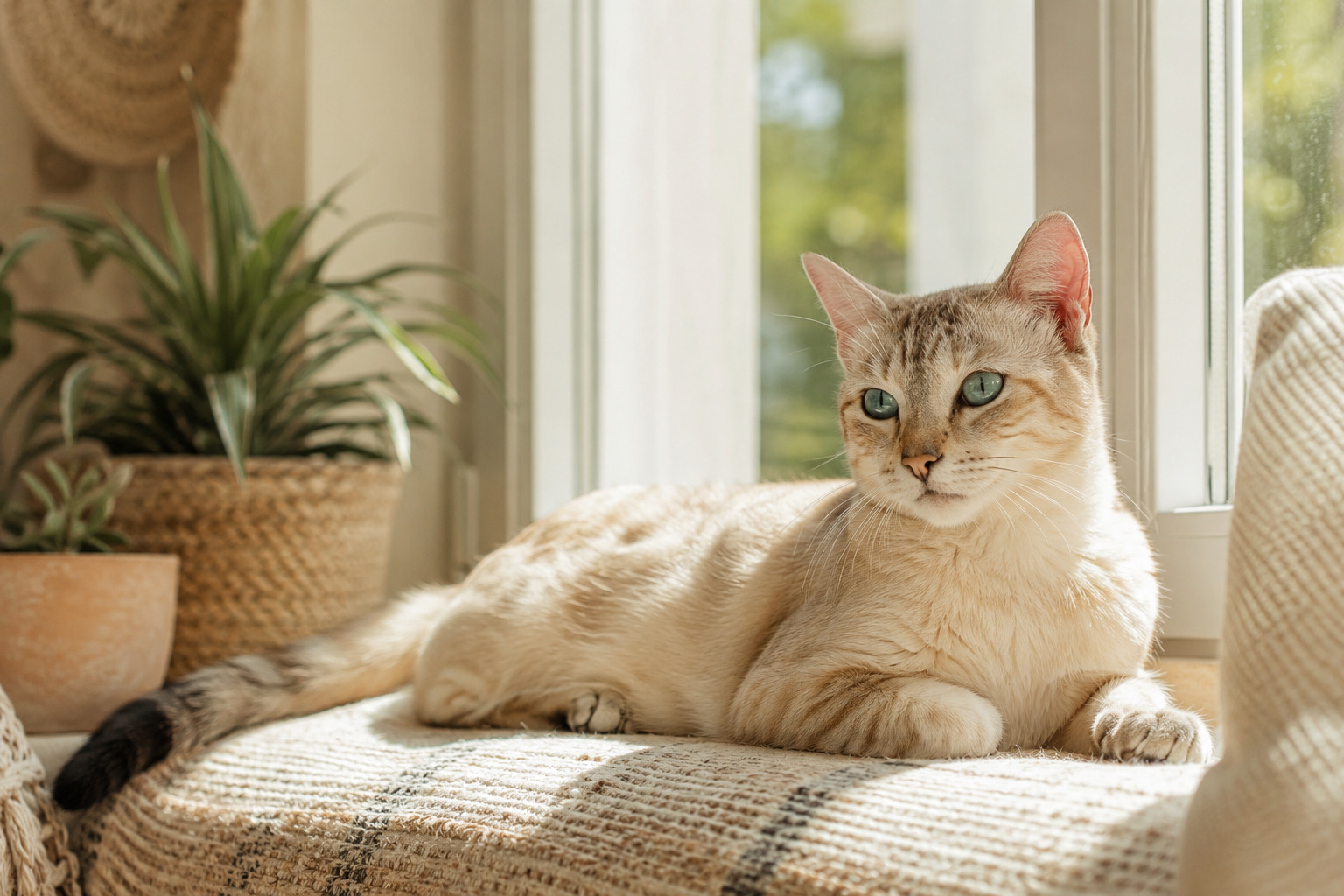

The Anatolian cat attracts not with decorative “cuteness”, but with natural strength, an attentive gaze and the feeling of a living wild breed that has learned to live well alongside humans
Character
The Anatolian cat is a wonderful companion for those who love active, intelligent and self-sufficient animals. It is affectionate but not intrusive, bonds well with its owner, yet does not need constant lap time or continuous care.
These cats are usually not afraid of being alone, are not prone to destructive behavior from stress and can find activities for themselves. At the same time, they enjoy contact, respond well to interaction and can join household life without unnecessary fuss.
Anatolians are playful, especially at a young age, are not afraid of water and often show curiosity toward it. They can get along well with children and other animals if those behave appropriately. However, because of their developed sense of territory, they may feel more comfortable where spatial boundaries are clear and not constantly violated.
This breed is highly intelligent: Anatolians learn quickly, remember commands and understand the logic of household rules well. This is not a “lap decorative” cat, but an active everyday partner that observes, analyzes and joins home life in its own way.
- The Anatolian cat is devoted to its owner, but does not demand constant attention.
- It combines independence, high intelligence and natural curiosity about everything happening around it.
- The breed is better suited to those who value a lively character and do not expect complete passivity from a cat.

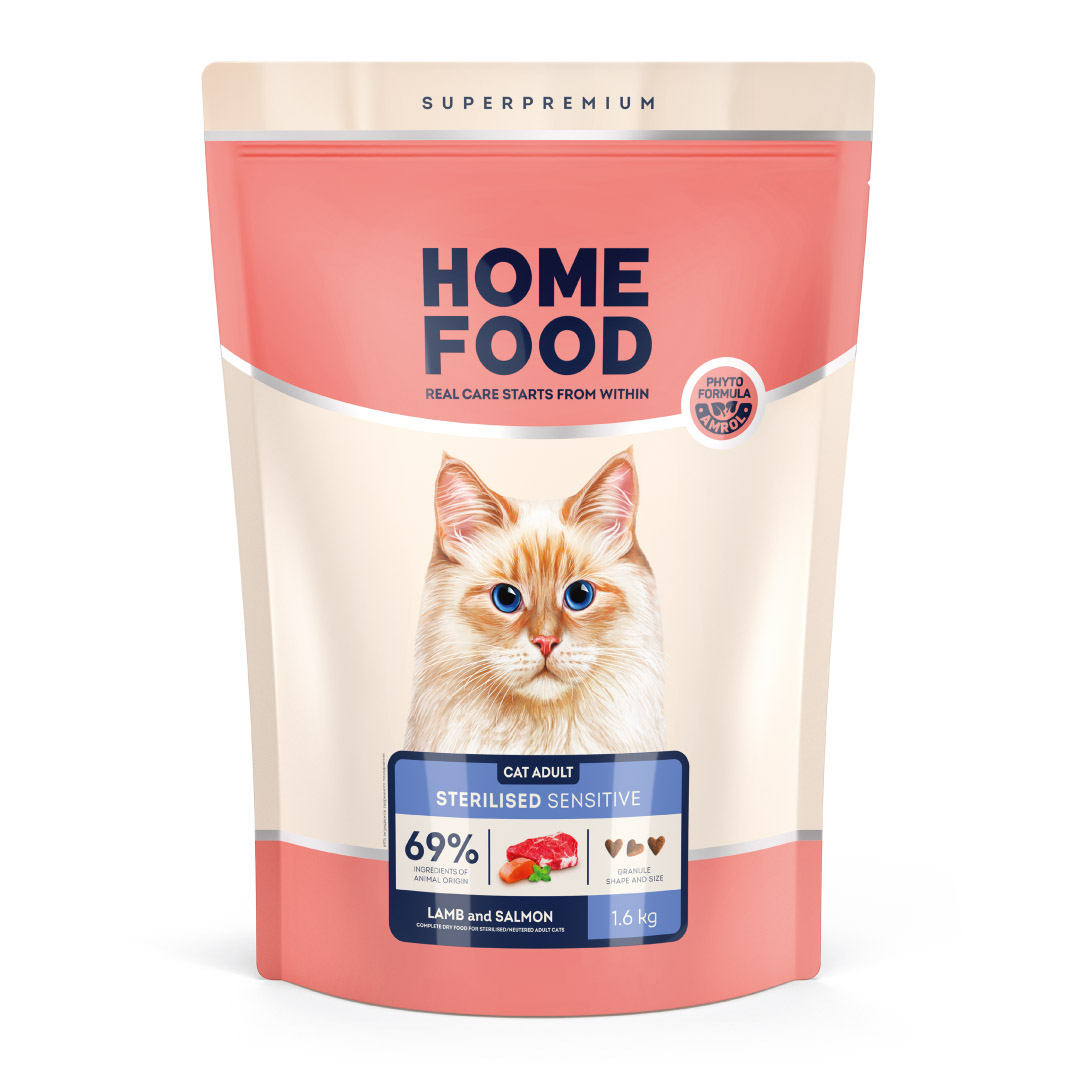
HOME FOOD With sensitive digestion — dry food for sterilized cats, lamb and salmon
Buy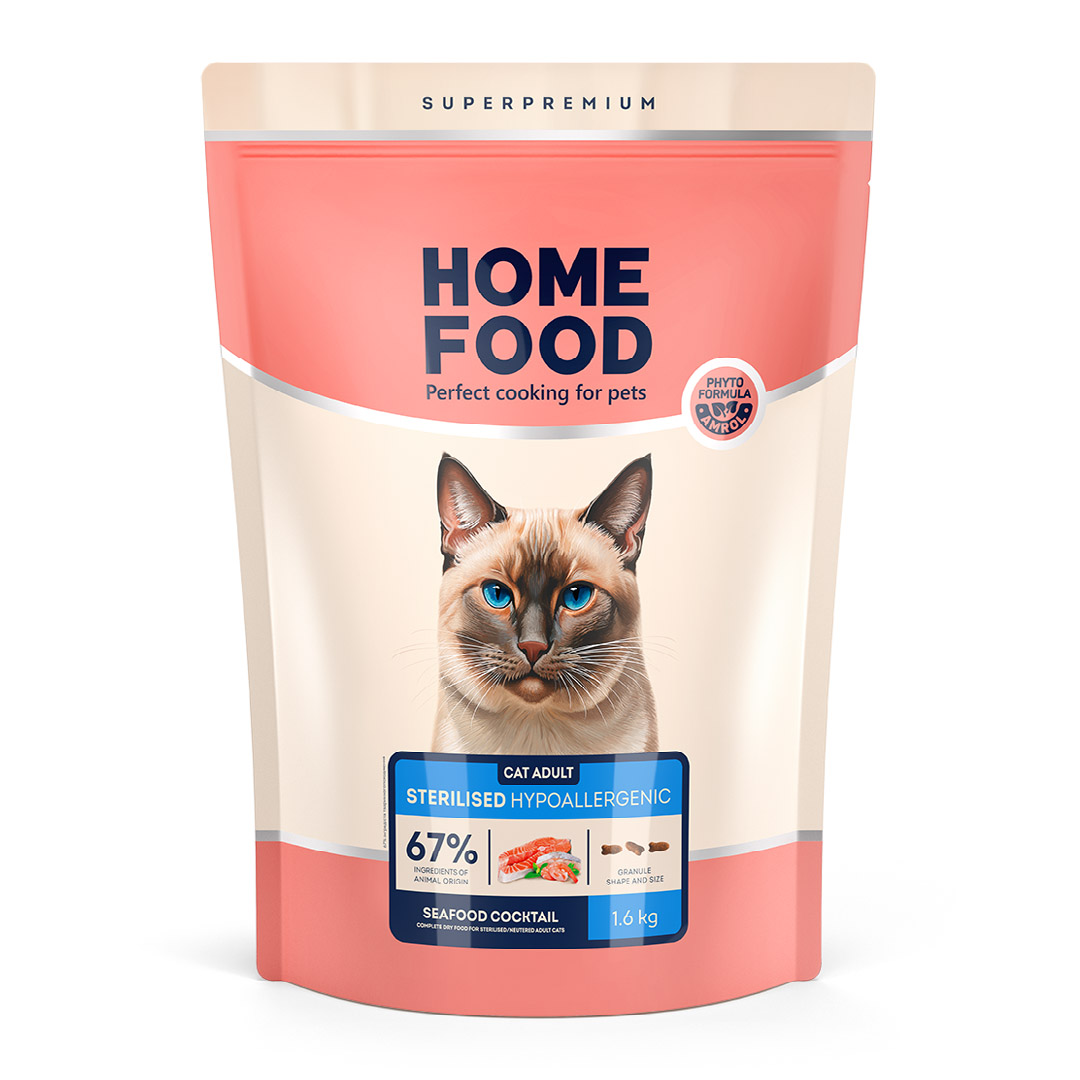
HOME FOOD Hypoallergenic — dry food for sterilized cats, seafood mix
Buy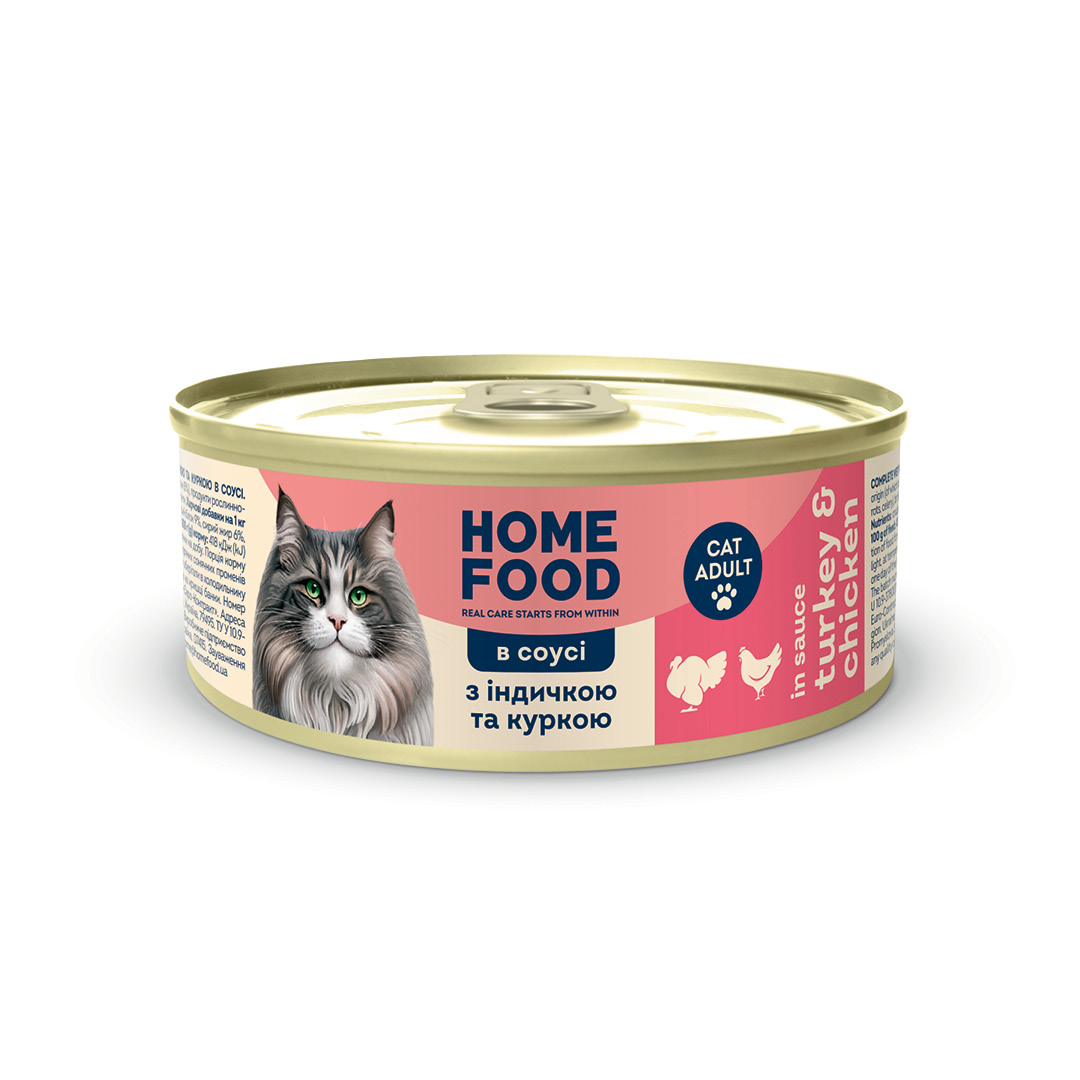
HOME FOOD — complete food for adult cats with turkey and chicken in sauce
Buy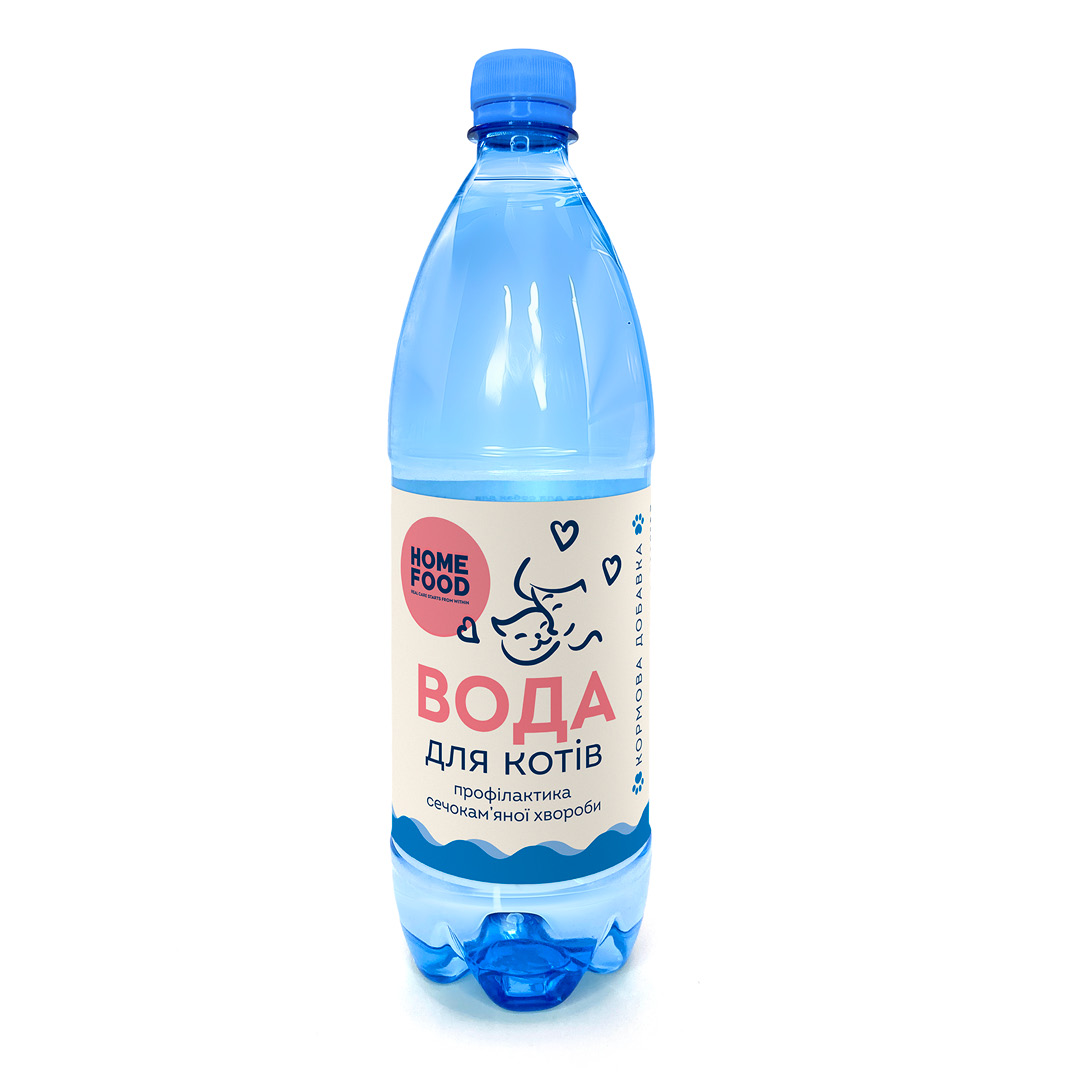
HOME FOOD — drinking water for cats to help prevent urinary stone disease
Buy
Care
This is one of those breeds that does not require complicated grooming. The Anatolian’s short coat is not prone to tangles, and the absence of a thick undercoat significantly simplifies regular care. That is why all necessary procedures are easy to include in the usual home routine.
The source separately emphasizes that to keep the coat in good condition, brushing the cat 1–2 times a week is enough. This is sufficient to remove dead hair, maintain a neat appearance and avoid overloading the skin with unnecessary manipulation.
Bathing is usually needed 2–3 times a year, and only with specialized cat shampoos. Basic care also includes weekly tooth brushing, daily eye wiping if needed and checking the ears and claws every 2–3 weeks.
Because the Anatolian cat loves movement and exploration, it is important for it to have enough space, safe areas for jumping and places where it can observe the home. The breed values freedom and feels good in a rhythm that includes both physical activity and calm.
Regular care includes the following procedures:
- Brushing 1–2 times a week to keep the coat clean.
- Bathing 2–3 times a year with specialized cat shampoos.
- Brushing the teeth about once a week to prevent plaque and oral diseases.
- Wiping the eyes and checking cleanliness around them as needed.
- Checking the ears and claws every 2–3 weeks.
Because of moderate shedding and the lack of abundant undercoat, Anatolians are generally convenient in everyday life, but this does not remove the need for regular attention. Consistency, not the complexity of procedures, gives the best result.
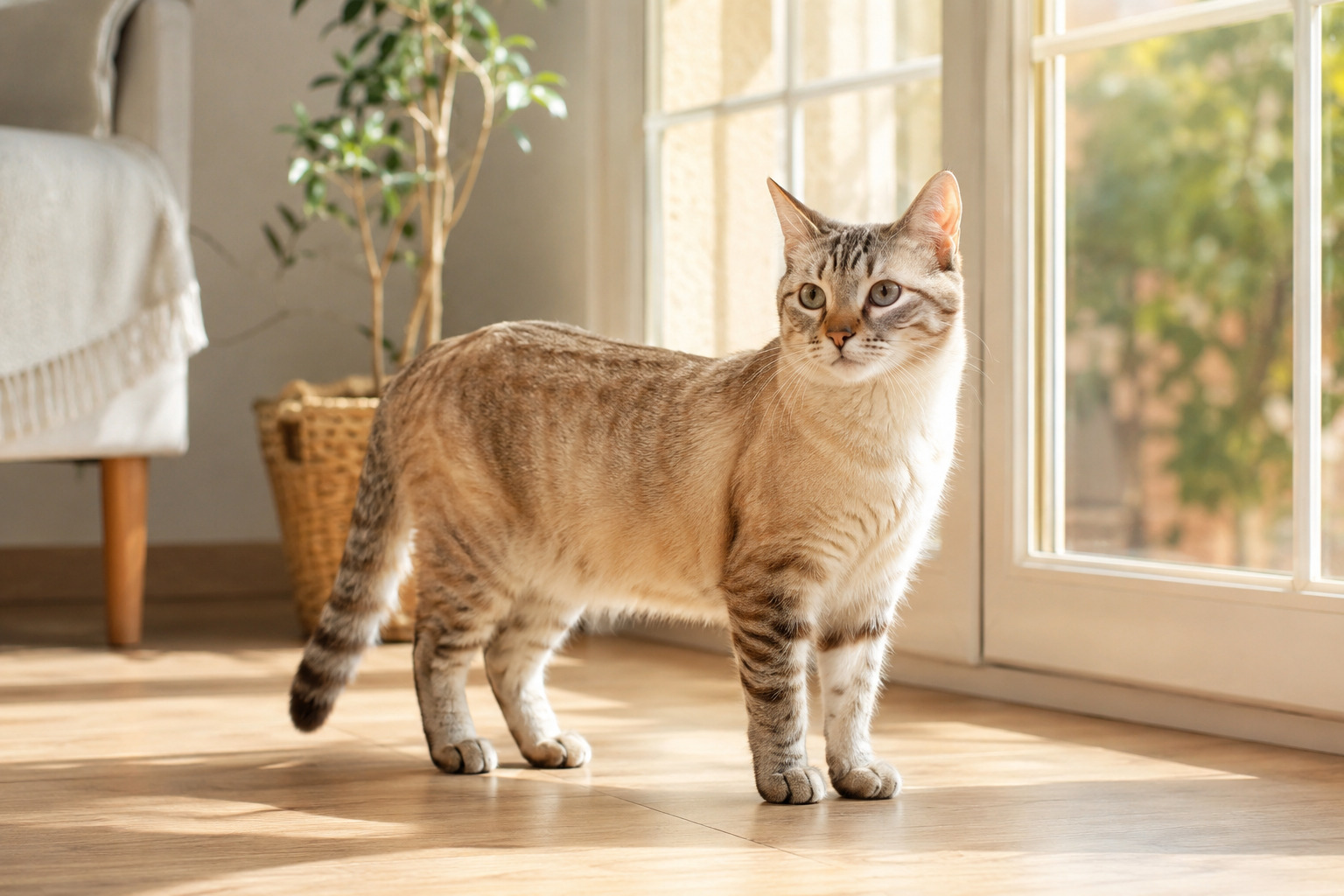
Care for the Anatolian cat is not complicated, but it shows its best qualities where moderate grooming, space for movement and calm daily attention without intrusiveness are combined

HOME FOOD Beauty — set: shampoo, conditioner and cosmetic bag
Buy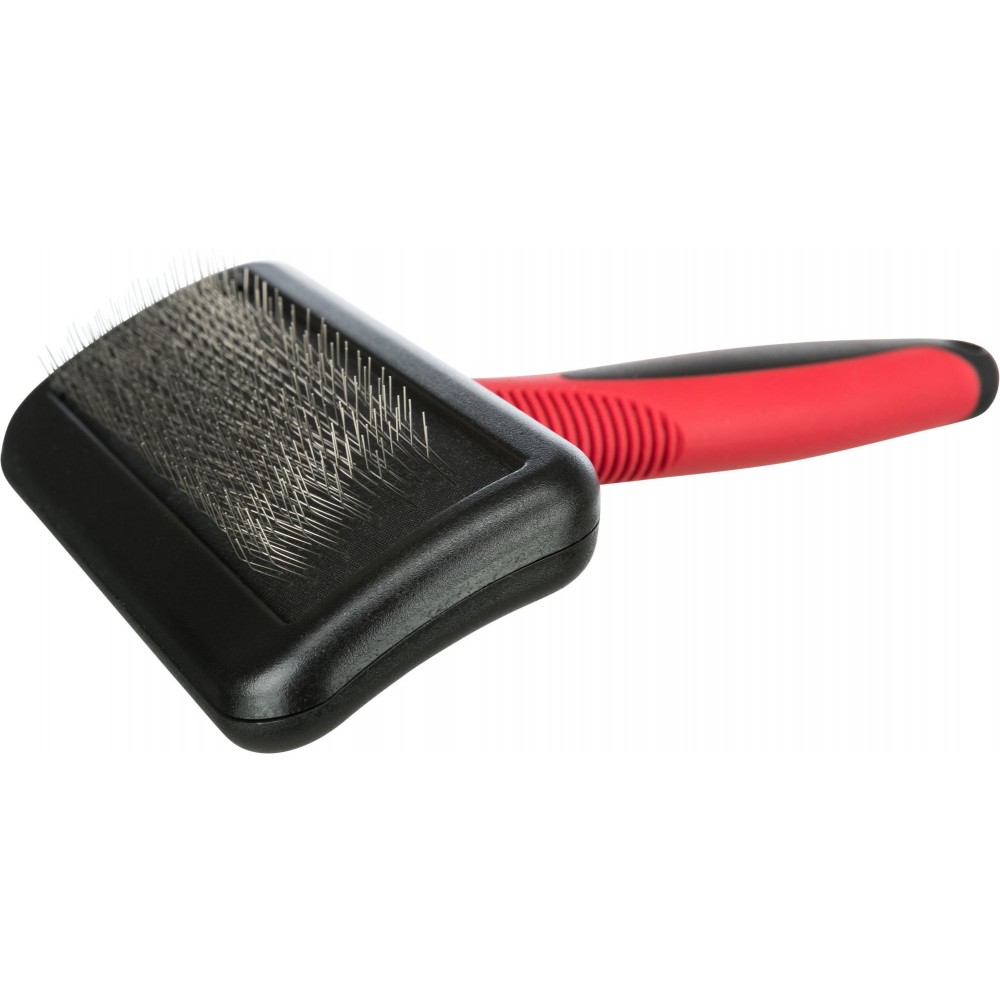
Trixie Soft Brush — soft slicker brush, 12x16 cm
Buy
Health and nutrition
The Anatolian cat is considered one of the strong and healthy natural breeds. The source directly states that it has no pronounced predisposition to genetic diseases and tolerates climate changes well if it receives proper basic care.
However, strong health does not mean prevention is unnecessary. To maintain good well-being, it is important to follow a standard veterinary schedule: vaccinate, treat regularly against parasites and have a veterinary check-up at least once a year.
Nutrition is no less important. Anatolians can receive either a properly formulated natural diet under specialist supervision or high-quality super-premium ready-made food. In both cases, the key task is to give the animal a balanced amount of protein, fats, micronutrients and water.
Because of its activity, love of movement and good muscle tone, the breed benefits from a stable feeding routine and a high-quality diet composition. If the cat is sterilized, lives in an apartment or has sensitive digestion, the diet should be selected even more carefully.
To support the breed’s good condition, it is worth following these rules:
- Vaccination according to schedule to protect against viral and bacterial diseases.
- Regular treatment against fleas, ticks and helminths.
- A scheduled veterinary check-up at least once a year.
- A high-quality balanced diet that considers age, activity and lifestyle.
- Constant access to clean water, especially if the diet includes dry food.

HOME FOOD Expert Detox Pro — feed supplement with humic acids, 30 ml
Buy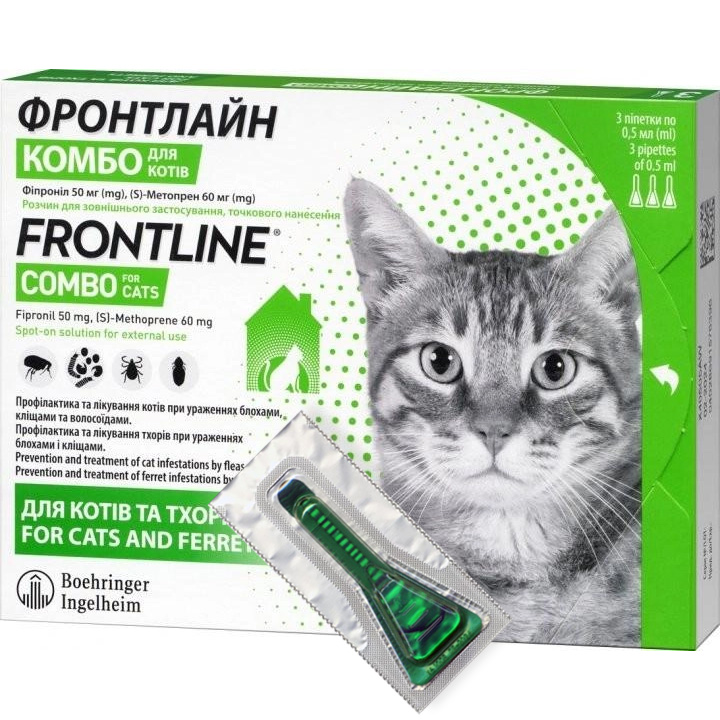
Frontline Combo Cat — spot-on drops against fleas and ticks for cats
Buy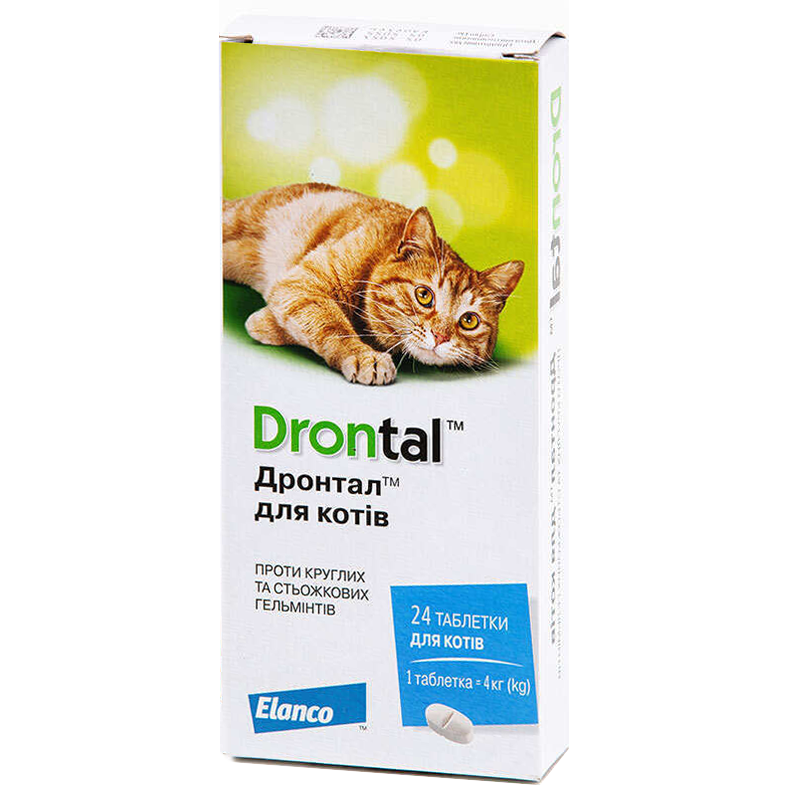
Drontal Elanco — tablet for the treatment and prevention of helminthiasis in cats
Buy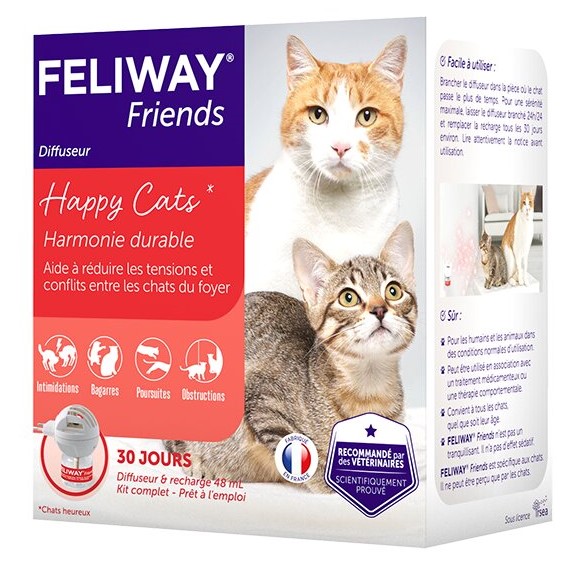
Ceva Feliway Friends — device for stress relief in cats
Buy
Frequently asked questions
How long do Anatolian cats live?
On average, Anatolian cats live 12–17 years, and with good care they may live even longer. This is one reason why the breed is considered very successful for long-term home companionship.
What is the weight of an adult Anatolian cat?
The source indicates an approximate range of 4–7 kg, but the actual weight depends on sex, activity level, nutrition and the specific line. Males are usually larger and heavier than females.
Can an Anatolian be left alone for a day?
Yes, Anatolian cats usually tolerate being alone more calmly than breeds that are overly dependent on humans. At the same time, this does not mean they do not need contact: regular interaction and the ability to move are still important.
Is the Anatolian cat suitable for a family with children?
Yes, if children behave calmly and respectfully. The breed responds well to correct treatment, but does not like rough forced contact.
Is it difficult to care for an Anatolian cat’s coat?
No, care is considered easy. Regular brushing once a week and basic hygiene without excessive grooming are usually enough.
Conclusion
The Anatolian cat is a breed for those who like intelligent, natural and inwardly strong animals. It does not try to attract attention constantly, but very easily becomes an important part of the home thanks to its devotion, observation and balanced character.
If you are looking for a cat with strong health, not overly complicated care and a lively temperament, the Anatolian breed is truly worth attention. It is rare, but this rarity is often combined with a very rewarding and interesting character that is remembered for a long time.