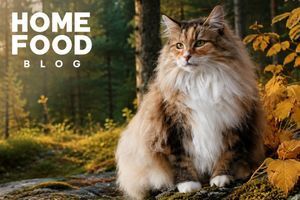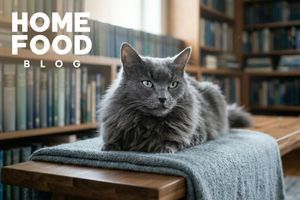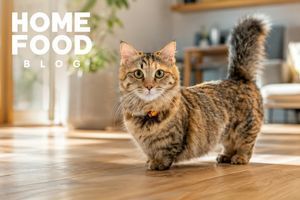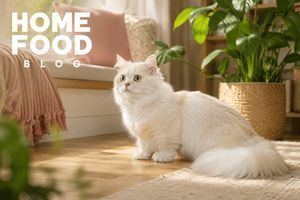
The Manx is one of those breeds that cannot be forgotten after the first meeting. A dense muscular body, rounded contours, calm temperament and the main feature that everyone notices — the absence of a tail or a very short tail. But behind this external peculiarity lies not only exoticism, but also an important genetic topic that cannot be ignored.
It is the combination of legendary origin, soft temperament and rare appearance that made the Manx a famous breed. At the same time, any proper discussion of the Manx should always include responsible breeding, attention to the spine and honest treatment of the animal's health.
In this article, we will figure out where the Manx comes from, what types of tails exist, what character this cat has, what to pay attention to regarding health and how to organize care and nutrition for a comfortable life at home.
Brief breed characteristics
| Origin | Isle of Man, Great Britain |
| Other name | Manx |
| Breed type | Short-haired or long-haired domestic breed with genetic taillessness |
| Size and weight | Males around 5–6 kg, females 3–4 kg; compact sturdy build |
| Lifespan | On average 12–15 years |
| Coloring | Almost any color, except the Siamese point type |
| Coat type | Double, springy, with dense undercoat; there are short-haired and long-haired lines |
| Temperament | Friendly, trusting, calm, adaptable |
| Care | Regular brushing, weight control, routine check-ups and monitoring of mobility |
| Suitable for | Families and people looking for a calm companion and ready to pay careful attention to the health of the breed |
History of origin
The Manx originates from the Isle of Man in the Irish Sea. This is one of those breeds where real history is closely intertwined with legends: from stories about Noah's Ark to romantic versions about ship cats that survived accidents and fixed an unusual mutation in an isolated population.
From a genetic point of view, everything is much simpler: a limited population of domestic cats on the island contributed to the spread of a mutation related to tail shortening. This is how the breed type was formed, which later became known in the feline world as Manx.
Today, the Manx is recognized by major feline organizations, and TICA considers Manx and Cymric as one breed group with short-haired and long-haired representatives. But the key to this breed is not only rare appearance, but also responsible treatment of the mutation that forms taillessness.
- The Manx originates from the Isle of Man and is one of the most famous tailless breeds.
- The breed's taillessness is associated with a natural mutation that became established in an isolated population.
- The history of the breed is inextricably linked with the topic of responsible breeding.
Appearance
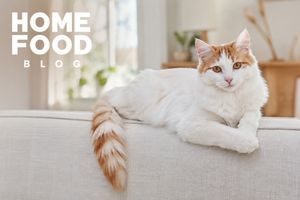
The Manx has a sturdy compact body, broad chest, short back and pronounced musculature. The hind legs are often slightly longer than the front legs, which gives the breed's posture a characteristic silhouette. The neck is strong, the head is round, and the gaze is usually very attentive and calm.
The most important feature of the breed is the tail or its absence. In Manx cats, several types are distinguished: `rumpy` — completely tailless, `stumpy` — with a short tail remnant, `longy` — with a shortened but noticeable tail. For show career purposes, complete taillessness is most often valued, but for life as a companion, the type of tail does not make a cat "better" or "worse".
The coat in a Manx is double, dense, springy, with pronounced undercoat. It protects the cat well from the cold and makes the breed visually even more rounded and dense. There are many colorings, except for the Siamese point type.
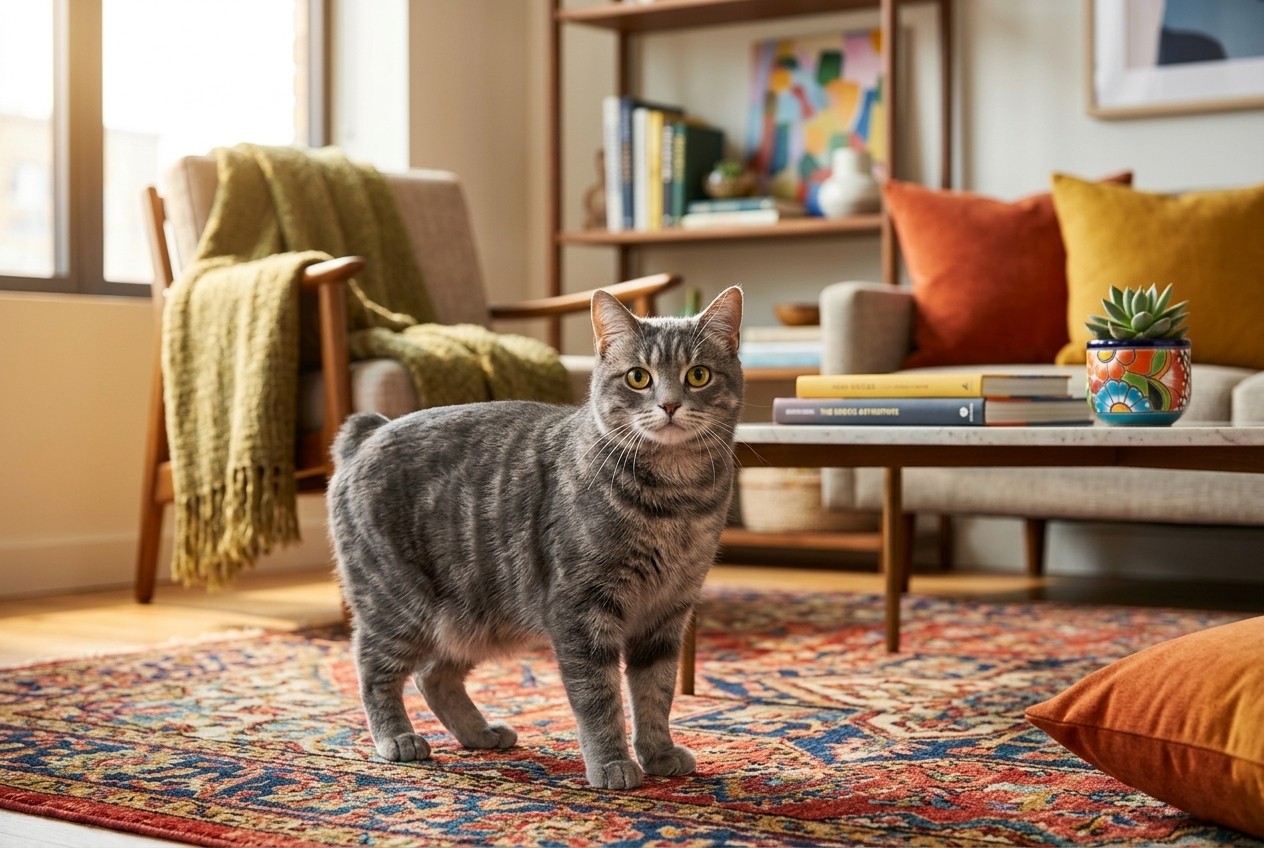

The Manx is easy to recognize by its dense build, rounded contours and complete or almost complete absence of a tail
Character and temperament
The Manx usually has a very pleasant home character. It is a friendly, trusting, calm cat that senses the atmosphere of the home well and integrates into the family's daily life without excessive drama.
Manx cats love games, attention and coziness. They can happily spend time next to a person, but are usually not intrusive. Such a cat does not need a huge space or a constantly noisy environment to feel happy.
It is this balance between tenderness, calm and the ability to adapt that makes the Manx a very comfortable home companion for many people.
Attitude towards children and other animals
The Manx usually gets along well with other animals and adapts quite easily to an already formed household collective. With children, it also often behaves gently if they do not force the cat into rough contact.
Like any cat, the Manx needs to have its own safe corner, but overall this breed is not prone to unprovoked aggression and often tolerates living together with other pets well.
- The Manx is usually calm, friendly and adapts well to home life.
- The breed loves attention, games and cozy safe places, preferably a little higher than floor level.
- This is a cat that often gets along well with both people and other animals.
Behavior in an apartment
The Manx is well suited for apartment living. It does not need excessively large space if there is a quiet corner in the home, a place for observation, toys and a stable rhythm of life. Many Manx cats like to sit higher — on a shelf, bed or house, from where they can control the situation.
At the same time, it is important to remember that some Manx cats may have a more sensitive lumbar region and tail area. Therefore, the environment should be not just comfortable, but also safe: without sharp jumping routes, slippery surfaces and situations where the cat constantly overloads the hindquarters.
The Manx feels best where there is peace, predictability and attention to small signals of discomfort.
Health and possible risks
The most important topic in discussing the Manx is the taillessness gene. It is this gene that forms the breed's special appearance, but can also be associated with disorders in the development of the spine, spinal cord, innervation of the hind limbs, bladder and intestines. In veterinary literature, this is summarized under the name `Manx syndrome`.
According to PetMD, manifestations can vary: from mild weakness in the hind legs to problems with control of defecation or urination. It is important that not every tailless Manx will necessarily have severe disorders, but it is precisely because of this risk that breeding of the breed requires a particularly responsible approach.
That is why the Manx cannot be chosen solely for its "cute tailless appearance". It is important to see the kitten in motion, ask questions about the health of the parents and not ignore any symptoms related to gait, coordination, pain, constipation or incontinence. Also, in adulthood, some cats may be threatened by early arthritis in the tail or lumbar area.
- The taillessness gene in Manx cats may be associated with developmental disorders of the spine and nervous system.
- A responsible breeder is critical for this breed.
- Changes in gait, litter box problems, weakness in the hind legs, or pain response require veterinary evaluation.
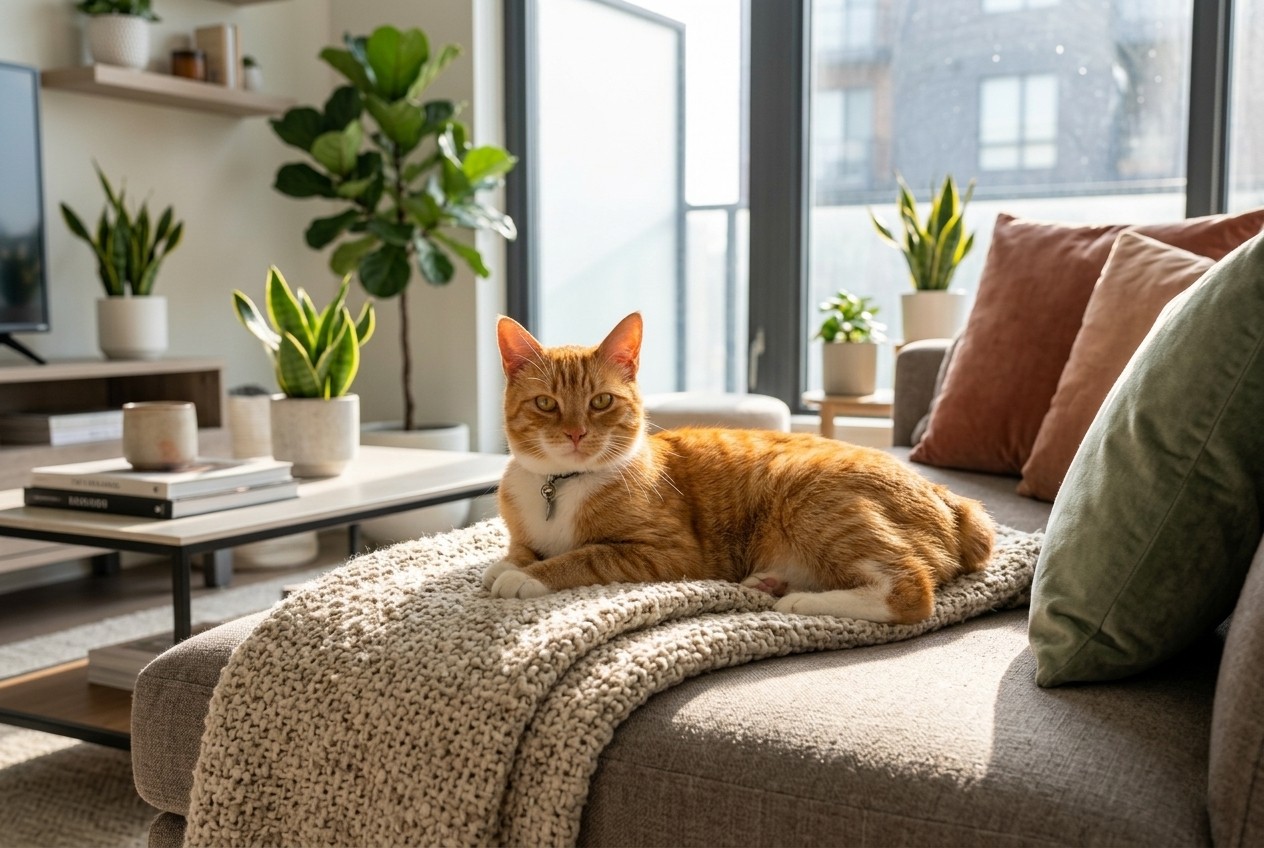
For a Manx, responsible breeding, mobility monitoring, and attention to spinal health are most important.
Care
Caring for a Manx is not overly complicated, but it should be regular. The coat should be brushed several times a week, and more frequently during shedding periods. If it's a long-haired line, a bit more attention to the coat is needed.
It's also important to regularly check the eyes, ears, nails, and teeth. For a Manx, what matters much more than 'cosmetic grooming' is monitoring the overall condition: how the cat walks, whether it jumps easily, and whether there is any discomfort in the hindquarters.
Routine veterinary check-ups, parasite control, and normal body weight for this breed are especially important. Excess weight creates additional stress on the back and joints, so prevention is just as important as grooming.

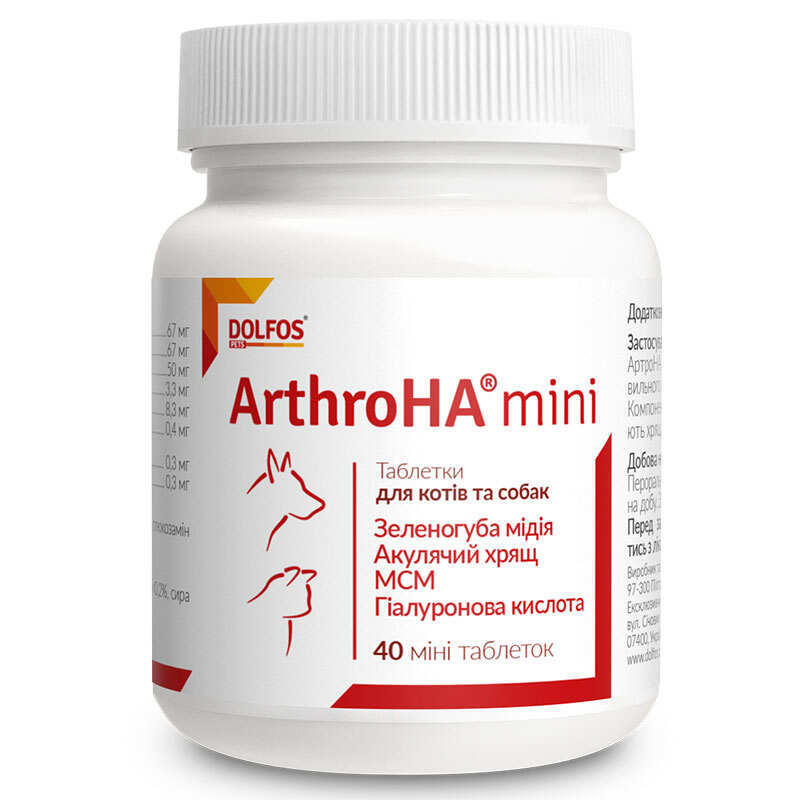
Dolfos ArthroHa mini — vitamins for treating joints in small breed dogs and cats, 40 tablets
Buy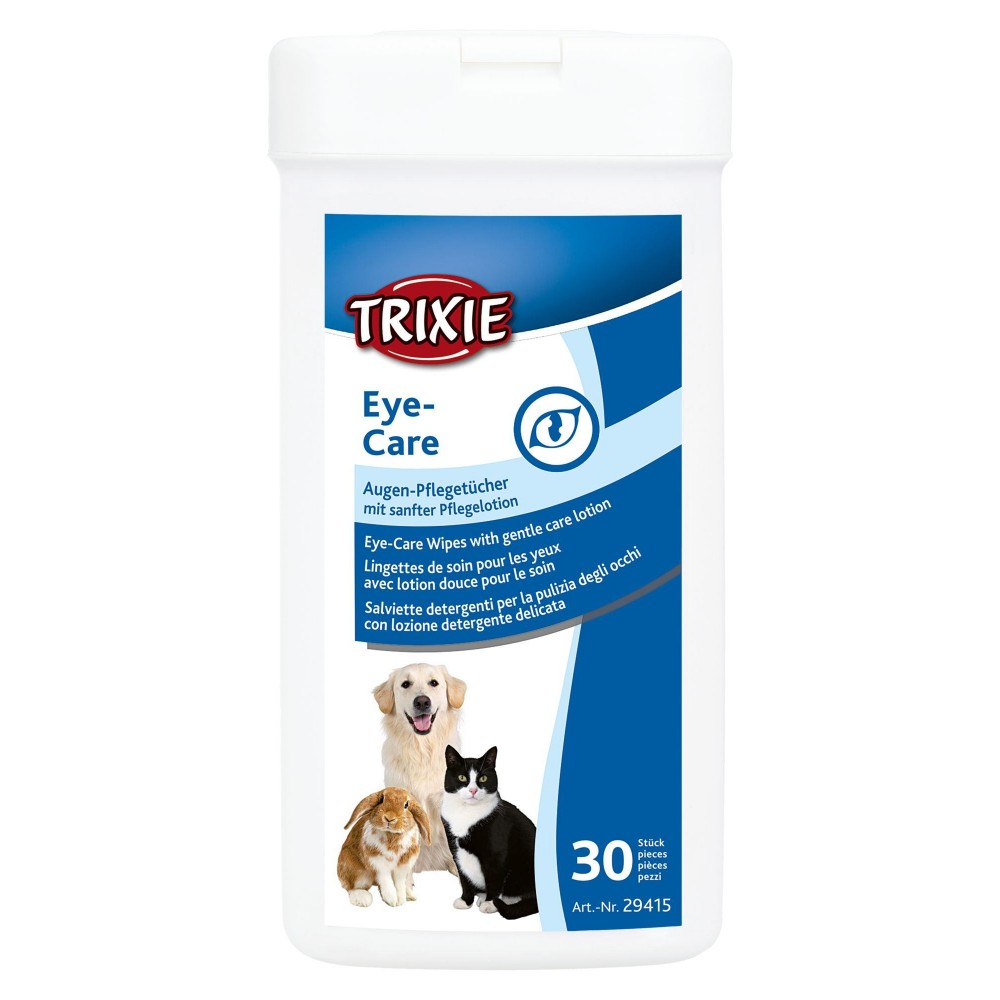
Trixie — eye care wipes for dogs and cats, 30 pcs
Buy
NexGard Combo — spot-on antiparasitic drops against fleas, ticks and worms for cats
Buy
Steam massage brush 3 in 1 — 'Avocado' for coat care for dogs and cats
Buy
Nutrition
A Manx's diet should be complete and balanced in proteins, fats, vitamins, and minerals. In practice, the most important thing is not to seek an 'exotic diet', but to provide a stable diet that matches the cat's age, activity level, and actual body condition.
Due to the peculiarities of the spine and hindquarters, excess weight is especially undesirable for a Manx. Therefore, portions should be controlled, and feeding should not be chaotic. A schedule with clear dosing and regular body weight assessment works well.
For most owners, a quality commercial food is a practical solution. If the owner chooses natural feeding, the diet should be agreed upon with a veterinarian to avoid deficiencies or unwanted imbalances in calories.

HOME FOOD For sterilised/neutered — dry food for sterilised/neutered adult cats, rabbit and cranberry
Buy
HOME FOOD With sensitive digestion. For sterilised/neutered — dry food for sterilised/neutered adult cats with sensitive digestion, lamb and salmon
Buy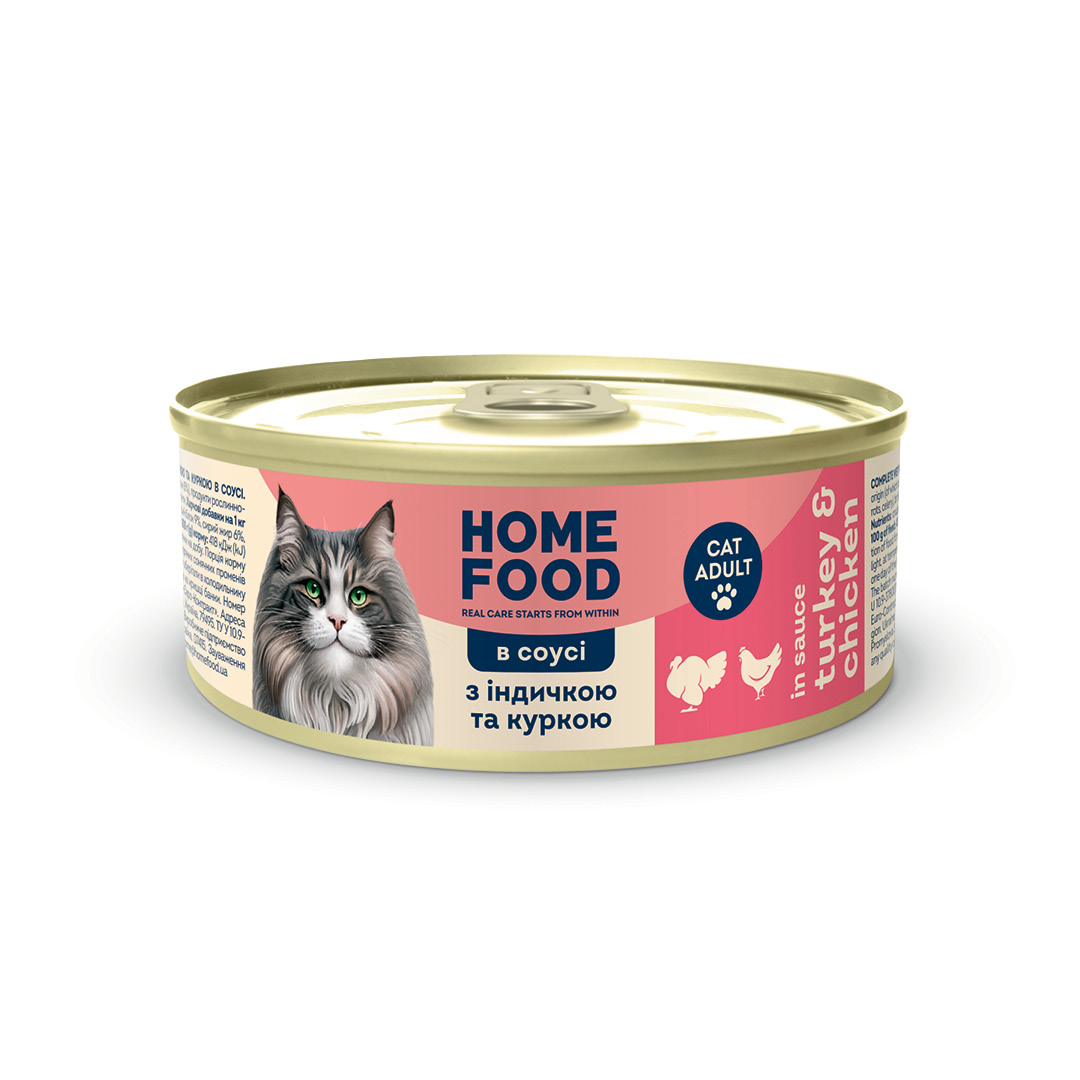
HOME FOOD — complete canned food for adult cats with turkey and chicken in sauce
Buy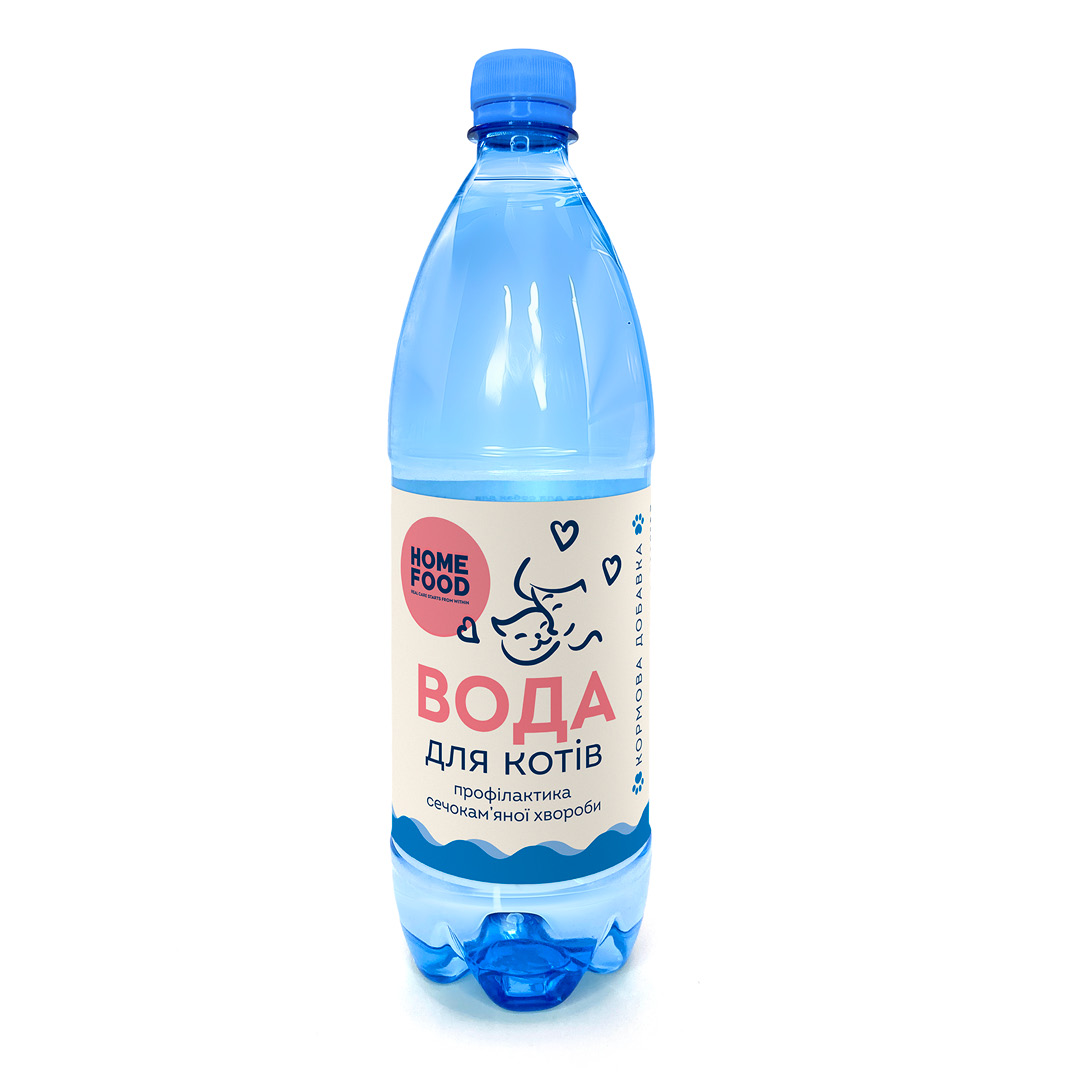
HOME FOOD — drinking water for cats for the prevention of urolithiasis, 1 l
Buy
Pros and cons of the breed
Before choosing a Manx, it's important to evaluate not only the rare appearance, but also the breed characteristics associated with the genetics of the tail and spine.
- The pros include a very pleasant temperament, adaptability, rare appearance, and comfortable coexistence with humans.
- Manx cats often get along well with other animals and family.
- The cons include the need for especially careful breeder selection and constant vigilance regarding spinal health.
- The breed is not suitable for people who want to see only a 'cute tailless cat' and are not prepared to understand the genetic risks.
How to choose a healthy Manx kitten
A kitten should be purchased only from a verified breeder where the breeder is willing to calmly discuss tail type, spinal health, mobility, and risks associated with the breed. For a Manx, this is not an additional question but a basic condition of responsible choice.
A healthy kitten should be active, move well, not show pronounced weakness in the hind legs, coordination problems, or soiling associated with litter box difficulties. If the breeder avoids this topic or reduces everything to beautiful photos, that's a bad sign.
Frequently asked questions
- Why does a Manx have no tail: it is a result of a natural genetic mutation that affects the development of the caudal region.
- Are all Manx cats completely tailless: no, there are different types of tails — from complete absence to a short noticeable tail.
- Does a Manx require special care: not so much complicated as attentive, with an emphasis on mobility and the condition of the hindquarters.
- Is a Manx suitable for an apartment: yes, if the home is calm, safe, and the owner carefully monitors the health of the breed.
Conclusion
The Manx is a breed that impresses not only with the absence of a tail, but also with a very pleasant temperament, calmness, and the ability to become a close home companion. This is why it attracts people who value not just an impressive appearance, but genuine and honest contact with an animal.
If you combine careful selection of a kitten, a responsible breeder, weight control, quality nutrition, and regular veterinary supervision, a Manx can live comfortably and long. But for this breed especially, it is important to remember: beauty without responsibility is unacceptable here.