📌 HOME FOOD Blog: Grain-Free Cat Food: Pros and Cons
Grain-Free Cat Food: Pros and Cons
Today, pet owners are increasingly carefully studying labels and trying to avoid ingredients that seem undesirable to them—for example, gluten, certain types of fats, or added sugar. Interest in food quality has grown significantly, so buyers are becoming more discerning in choosing diets for their pets, striving to provide them with a healthy and happy life for many years.
In recent years, many grain-free food options for cats have appeared. Some owners prefer grain-free food, believing that grains have no nutritional value or can cause allergic reactions in their pets. Before making a final decision, it is necessary to understand the issue in more detail.
Grain-Free Cat Food: What Is It?
Grain-free cat food is a type of nutrition in which alternative sources of carbohydrates, such as potatoes, sweet potatoes, or peas, are used instead of conventional grains (wheat, corn, rice, barley). Such foods are often positioned as more natural or hypoallergenic, but in reality, they are not automatically healthier than regular ones. The main difference is the absence of traditional grains, which can be important for animals with individual intolerance or allergy to specific components. However, not all furry friends need such food, and the decision to use it should be made together with a veterinarian, taking into account the needs and characteristics of a particular cat.

Grain-Free Hypoallergenic Dry Food HOME FOOD for Adult Sterilized/Neutered Cats Duck and Pear Grain-free hypoallergenic. Suitable for exotic breeds, 1.6 kg
Buy
How to Understand If a Cat Has an Allergy to Grains?
The main signs of food allergy in cats include manifestations on the skin and mucous membranes. The most common symptoms are excessive licking or biting itself, accompanied by nervous or sharp movements, skin redness, inflammation, scab formation and bald spots, as well as increased hair loss. Sometimes allergy can manifest systemically: weight loss, appetite disturbance, or behavioral changes are observed. It is important to remember that symptoms can appear separately or in combination, and similar signs can be symptoms of other diseases.
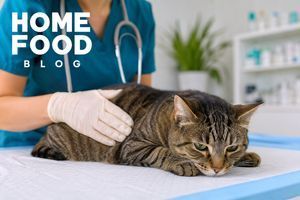
To find out the specific causes of allergy in your pet, it is recommended to consult a veterinarian and conduct a study using the elimination method, which is considered the gold standard for diagnosing food allergies. This method allows you to accurately determine the source of discomfort for your cat.
To eliminate the allergic reaction, in addition to changes in the diet, the doctor may prescribe antihistamines or detoxifying agents.

ItchStop Vitomax for Dogs and Cats, 10 ml
Buy
Enterosorbent for Body Detoxification Detox Pro HOME FOOD Expert, 30 ml
Buy
Basic Advantages of Grain-Free Food
- Grain-free food is better suited for animals with sensitive stomachs or digestive problems, as it is easier to digest and reduces the risk of flatulence and diarrhea.
- Grains contain phytic acid, which in turn can interfere with the absorption of some minerals, such as calcium and iron. Grain-free food contains less phytic acid, which can contribute to better mineral absorption.
- Such food is usually rich in high-quality protein sources—meat and fish, which helps maintain muscle mass and overall health.
Grain-Free and Gluten-Free: Are These the Same Concepts?
About 1% of people suffer from celiac disease—gluten intolerance, which is controlled with a gluten-free diet. However, for pet nutrition, it is important to understand that "grain-free" does not necessarily mean "gluten-free".

Carbohydrates in Grain-Free Food
The composition of grain-free cat foods often includes components such as potatoes, apples, and peas as a replacement for traditional grain components. In fact, some grain-free pet foods may contain no less, and sometimes even more, carbohydrates compared to grain-containing foods. These carbohydrates help provide complete and balanced nutrition, which is a key element for maintaining excellent health of our purring friend.
Can Cats Effectively Digest Grains?
Protein plays a key role in cats' diet, as it serves as the main source of energy. Interesting fact: many cat owners are unaware that, although cats need to consume animal protein in their diet, their digestive system is also adapted to assimilate high-quality plant ingredients.
In fact, in foods where meat is used exclusively as a protein source, there may be an excess of phosphorus. Despite its importance as a nutrient, there is a link between high-phosphorus foods and the development of kidney diseases in cats and dogs. For animals with such a diet, prevention of urolithiasis is mandatory.

Drinking Water for Cats for Prevention of Urolithiasis, 1 L
Buy
Urolik ZooHels - Nephroprotector for Cats and Dogs
Buy
Disadvantages of the Choice
Usually, grain-free foods are in a higher price segment, which can hit the owner's wallet.
Also, some cats can be picky or have specific dietary needs. Grain-free foods may offer a limited choice compared to traditional options.
Sometimes animals may take a long time to get used to changes in the diet. When switching to a new food, follow the rules with gradual addition of the new food to the previous one, and you can also use a lifehack with adding meat topping for greater appetite of the fluffy one.

Meat Topping for Cats, 100 g
Buy
In Summary:
Grain-free cat food can be a useful option for animals with individual intolerance or allergy to grains, but it is not necessary for all cats. The choice of food should always be made taking into account the animal's health condition, its needs, and the recommendations of a veterinarian. It is important to remember that balanced nutrition is the key to health, activity, and a long happy life for your furry friend.