If crusts, mucus, or tears build up in the corners of a kitten’s eyes, it is not always a reason to panic, but it should not be ignored either. A kitten’s eyes are very sensitive, so even simple hygiene should be gentle, safe, and clear.
Eye rinsing can be part of regular care as well as a supportive element of treatment. The main thing is to understand exactly what can be used, how to perform the procedure correctly, and when home care is no longer enough.
This article contains balanced veterinary guidance: why a kitten’s eyes may need cleaning, which solutions are acceptable, how to act step by step, and which symptoms require a doctor’s examination.
Why clean a kitten’s eyes at all
Eye cleaning can be part of everyday care as well as an element of treatment. This is especially relevant for small kittens that cannot yet wash themselves well, as well as for breeds with more pronounced tearing due to anatomical features of the muzzle.
| Situation | When rinsing is appropriate | What is important to remember |
|---|---|---|
| Regular hygiene | There are small dried crusts or mucus in the corners of the eyes without redness or pain | Cleaning should be gentle, without rubbing and without harsh products |
| Breed tendency to tearing | Persians, British Shorthairs, Scottish Folds, Maine Coons, and other kittens with facial features | Regular care reduces buildup of discharge and irritation of the skin around the eyes |
| Support during treatment | There is discharge or eyelid sticking, but a veterinarian has already prescribed therapy | Rinsing does not replace diagnosis and medication; it only complements treatment |
| Warning symptoms | Pus, severe redness, swelling, cloudiness, pain, or light sensitivity | In this situation, it is more important to show the kitten to a veterinarian quickly than to “rinse well” |
- A small amount of discharge in the corners of a kitten’s eyes can be normal.
- Abundant or purulent discharge is no longer a routine hygiene situation.
- The less self-treatment there is with eye inflammation, the lower the risk of vision complications.
If purulent discharge appears from the eyes, the eyelids stick together or swell, this may be related to conjunctivitis, keratitis, blepharitis, allergies, or even congenital abnormalities. In all these cases, eye rinsing is only part of therapy, not a standalone treatment.

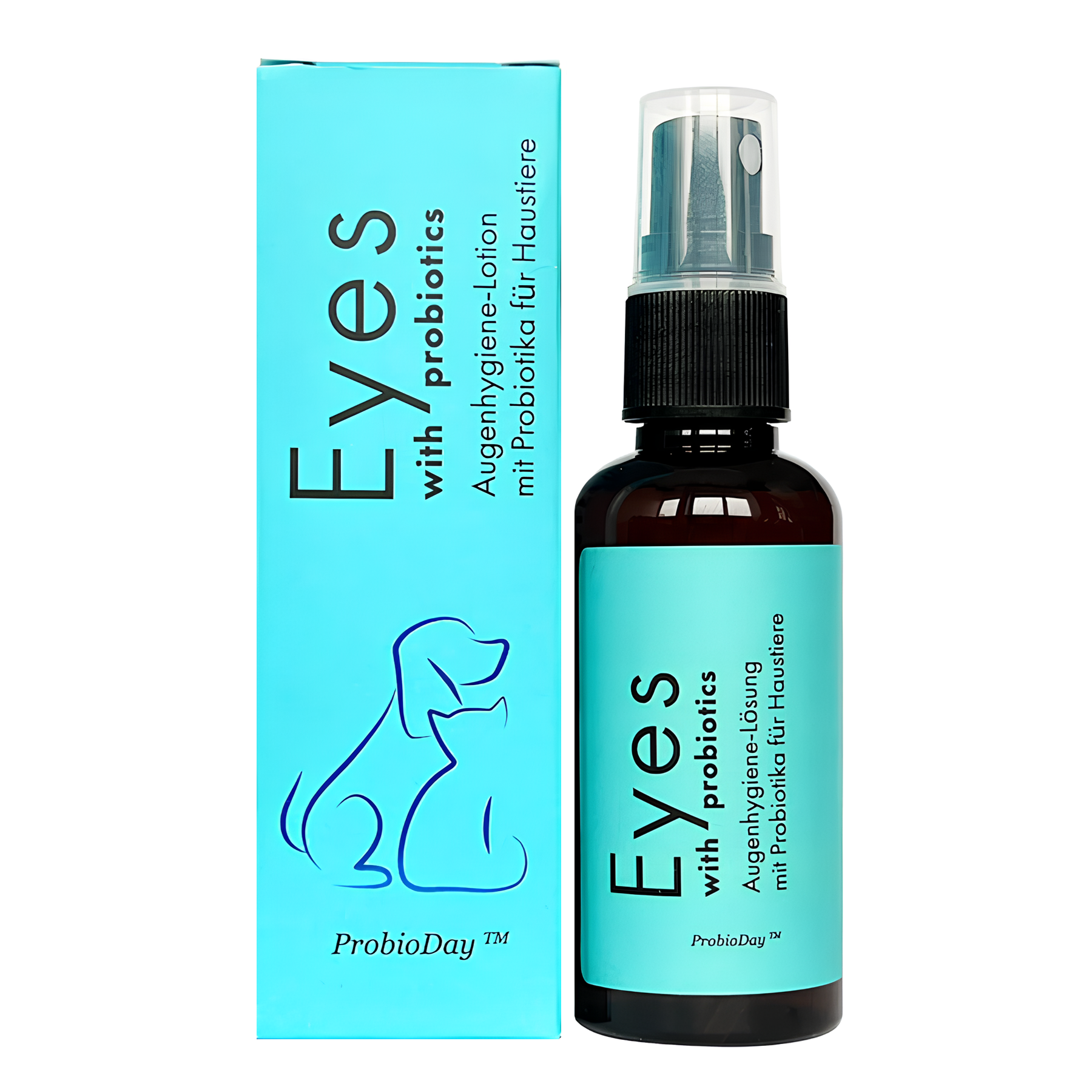
Eye hygiene lotion for dogs and cats with probiotics ProbioDay, 50 ml
Buy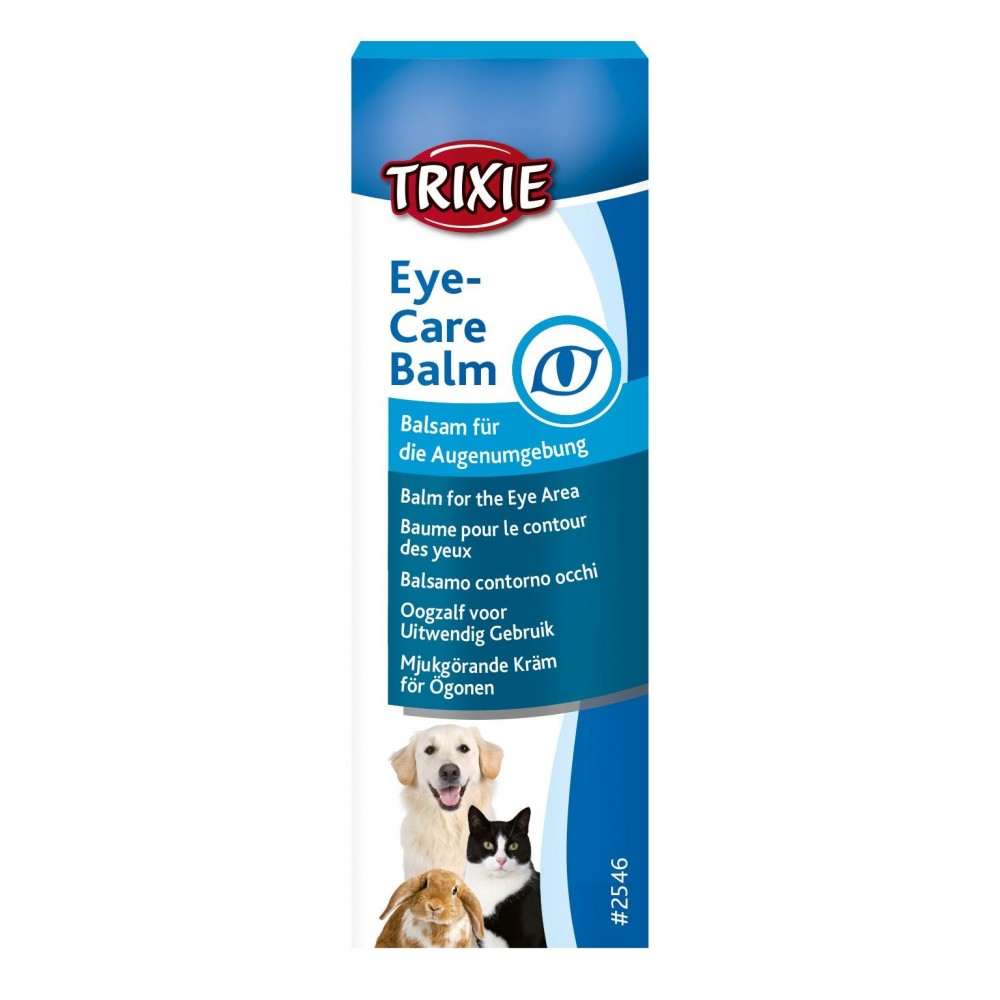
Lotion Trixie for eye care for dogs and cats, 50 ml
Buy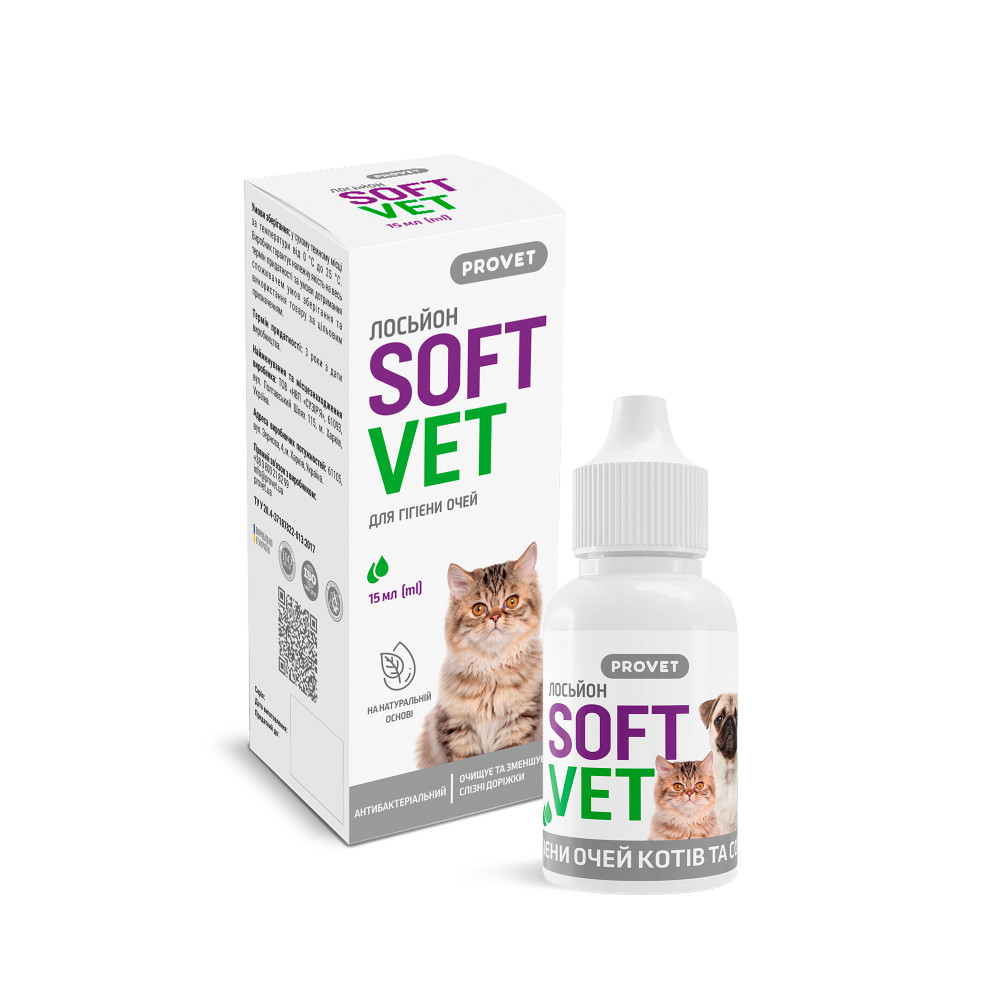
Lotion ProVET SOFTVET for eye hygiene for cats and dogs, 15 ml
Buy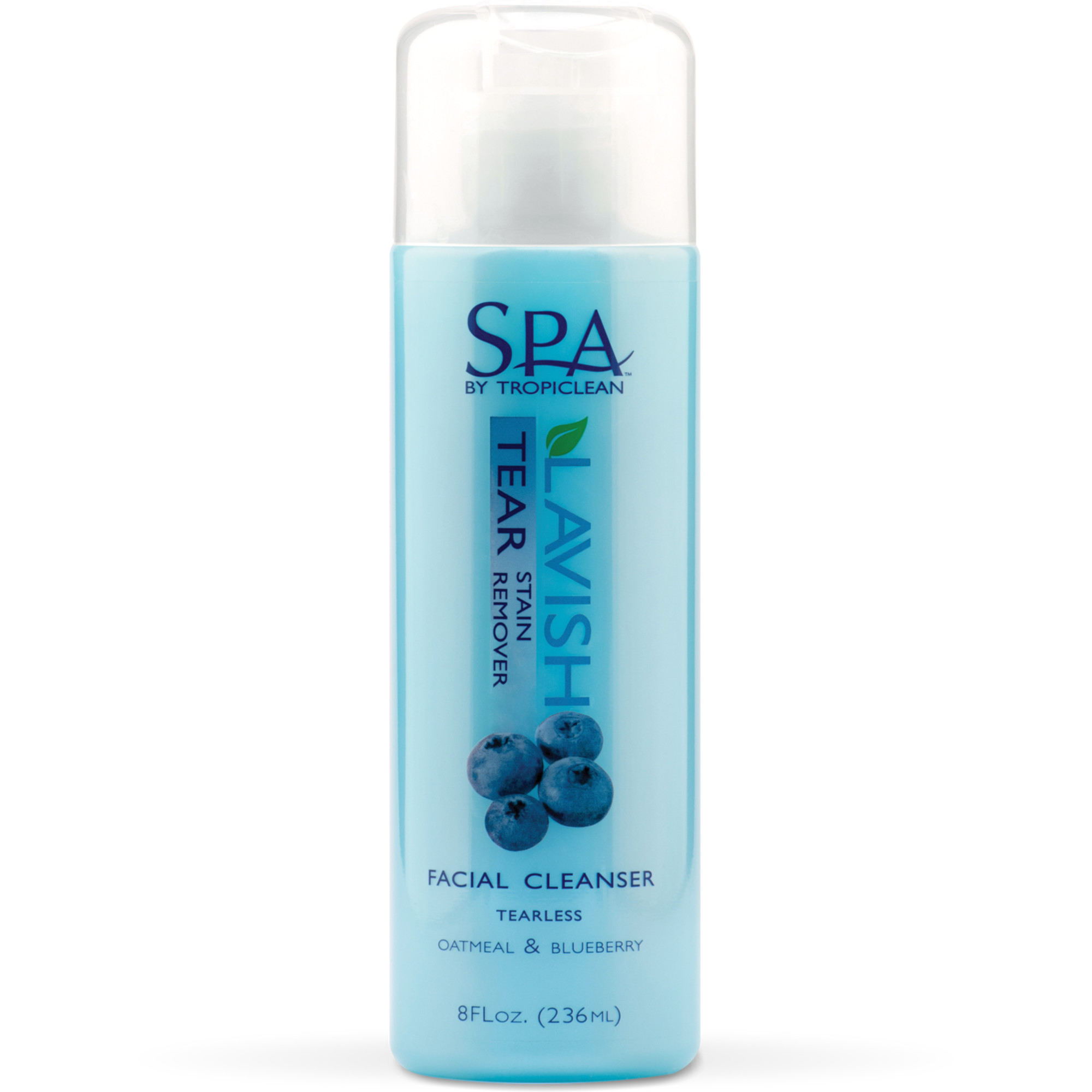
Facial cleanser for dogs and cats for tear stains Tropiclean Spa, 236 ml
Buy


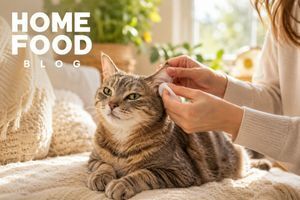
Proper cleaning of a kitten’s eyes should not be a painful or forceful procedure: the calmer you act, the lower the risk of stress, scratches, and even more irritation
What can and cannot be used to clean a kitten’s eyes
Not every liquid that seems safe is suitable for an animal’s eyes. Some products, if used carelessly, can damage the mucous membrane, cause a burn, or worsen inflammation.
| Product | Is it acceptable? | Comment |
|---|---|---|
| Sterile saline solution 0.9% NaCl | Yes | A universal and safe option that is often suitable even for newborn kittens |
| Special veterinary eye lotions | Yes | Convenient for everyday care if they are intended specifically for animals’ eyes |
| Weak furacilin solution, boric acid, chlorhexidine | Sometimes | Only with an understanding of concentration and preferably after a veterinarian’s recommendation |
| Tea, hydrogen peroxide, alcohol-containing solutions | No | They can irritate the mucous membrane, cause burns, and are not suitable for a kitten’s eyes |
| Herbal decoctions “by eye” | Not recommended | Allergic reactions, contamination of the solution, and unpredictable effects are possible |
For home care, it is safer to choose simple saline or a special veterinary eye product rather than random “folk” options. Human medications should not be used without a direct need and a doctor’s advice, and any solution must be clean, fresh, and not hot.
How to clean a kitten’s eyes correctly
The technique is simple, but it requires care and patience. It is best to turn the procedure into a calm ritual, not a struggle. In small kittens, any sudden movement can scare them more than the eye problem itself.
Prepare everything in advance
Wash your hands and place the solution, cotton pads or gauze, wipes, and, if needed, a pipette or a syringe without a needle nearby. It is better not to get distracted during the procedure itself.
Calmly secure the kitten
You can place the kitten on your lap or gently wrap it in a towel. The main thing is to avoid pressure, shouting, and sudden movements so as not to damage trust.
Soften the discharge
Moisten a pad with warm solution and hold it against the corner of the eye for a few seconds. This helps safely remove crusts without injuring the skin.
Gently wipe the eye
Move gently from the outer corner toward the inner corner. Use a separate clean pad for each eye so you do not spread a possible infection.
Apply prescribed drops if needed
If the veterinarian has prescribed specific medication, after cleaning, pull down the lower eyelid and apply the product exactly as recommended.
Blot excess moisture and praise the kitten
After the procedure, remove remaining moisture with a dry swab, pet the kitten, and give a small reward. This helps the care routine feel safe rather than stressful.
Do not use products for adult cats without checking whether they are suitable for kittens. If the eyelids are stuck together or there is severe pain, do not try to force the eyes open. It is most convenient to provide care when the kitten is sleepy or relaxed.
Self-treating animal eyes is also dangerous because very different causes can hide behind similar-looking symptoms: from mild irritation to deep corneal damage. So if the situation does not look like simple hygiene, it is better not to experiment.

A kitten’s eyes are especially sensitive to dehydration, dust, dirt, and drafts, so prevention starts not with medication, but with a clean environment, calmness, and attentive daily observation
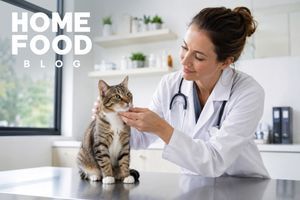
When it is time to see a veterinarian
Simply rinsing the eyes is not always enough. If you notice yellow or green discharge, squinting, light sensitivity, cloudiness of the cornea, protrusion of the third eyelid, or the kitten constantly scratches its eyes, do not waste time. Self-treatment in such cases can lead to complications or even loss of vision.
Purulent discharge, swollen eyelids, and a cloudy cornea are not “mild cases.” If a kitten’s eyes have not opened at the usual time, you must not open them yourself. One extra examination is better than a missed eye disease during active development.
Prevention and gentle support after care
To keep a kitten’s eyes healthy, it is important to keep the bedding clean, avoid dust, dirt, and drafts, ensure access to fresh water, and check the eyes regularly at least once every one to two days. A balanced diet and a calm association with care procedures also help.

HOME FOOD dry food for kittens Fresh Chicken For kittens 1-12 months, 10 kg
Buy
HOME FOOD treats for cats Chicken meat sticks, 40 g
Buy
HOME FOOD treats for cats Turkey and pumpkin meat sticks, 40 g
Buy
HOME FOOD treats for cats Turkey and catnip meat sticks, 40 g
Buy
Conclusion
A kitten’s eyes are a fragile and sensitive organ that requires a gentle approach. They can and should be cleaned when it is done thoughtfully, with the right products, and when there is a real need. Hygiene helps maintain comfort, but it should not replace diagnosis or treatment.
If you have doubts, it is better to clarify everything with a veterinarian. Gentle care, attention to symptoms, and safe, proven products will help keep a kitten’s eyes healthy and avoid unnecessary stress during procedures.