Shedding in cats is a natural and essential process that renews the coat and supports healthy skin.
Owners often notice that during certain periods a cat’s coat falls out more actively, and this can cause concern.
Understanding the characteristics of shedding, its causes and phases, as well as knowing how to care properly for the coat during this period, helps keep a cat’s coat healthy and shiny and leaves less hair around the home.
In this article, we will look at:
- the physiology of shedding;
- the causes of seasonal and excessive hair loss;
- professional and home care methods that make the process easier.
The Physiology of Shedding in Cats
Shedding is the natural process of coat renewal that takes place throughout a cat’s life. It helps maintain optimal coat density and structure and protects the skin from chilling, overheating, and damage. Understanding the physiology of shedding helps owners care for their pet properly and prevent skin problems and matting.
Hair Growth Cycles
Anagen (growth stage)
This is the active growth of the hair from the follicle. Its duration depends on the breed and the area of the body. In this phase, the hair is strong and firmly anchored in the follicle.
Catagen (transition stage)
Hair growth stops, and the follicle prepares for the shedding of the old hair. This phase is short and not noticeable externally.
Telogen (resting and shedding phase)
The hair dies and falls out, while a new one begins to form in its place. This is the period when owners notice more intensive shedding.
Seasonal and Ongoing Shedding
- Seasonal shedding occurs in spring and autumn: spring shedding prepares the cat for warmer months, while autumn shedding helps build a warmer coat.
- Ongoing or low-intensity shedding is typical for short-haired cats or animals living in a controlled indoor climate.
Factors That Affect Shedding Intensity
Breed and coat type
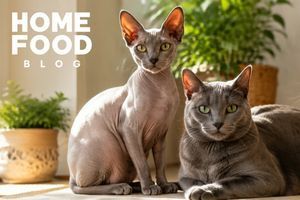
Long-haired and dense-coated breeds shed more actively, while cats without an undercoat lose hair more moderately.
Age and hormonal status
Kittens have a more delicate coat, older cats may shed more noticeably because hair regeneration slows down, and spaying or neutering may slightly change undercoat density.
External factors
Lighting and temperature, stress, illness, or improper nutrition can trigger heavy hair loss at any time of year.
Shedding in cats is a natural, controlled process that renews the coat and supports skin health. Understanding hair growth cycles and seasonal patterns helps owners plan grooming, choose the right tools and brushing methods, and recognize abnormal hair loss at an early stage.
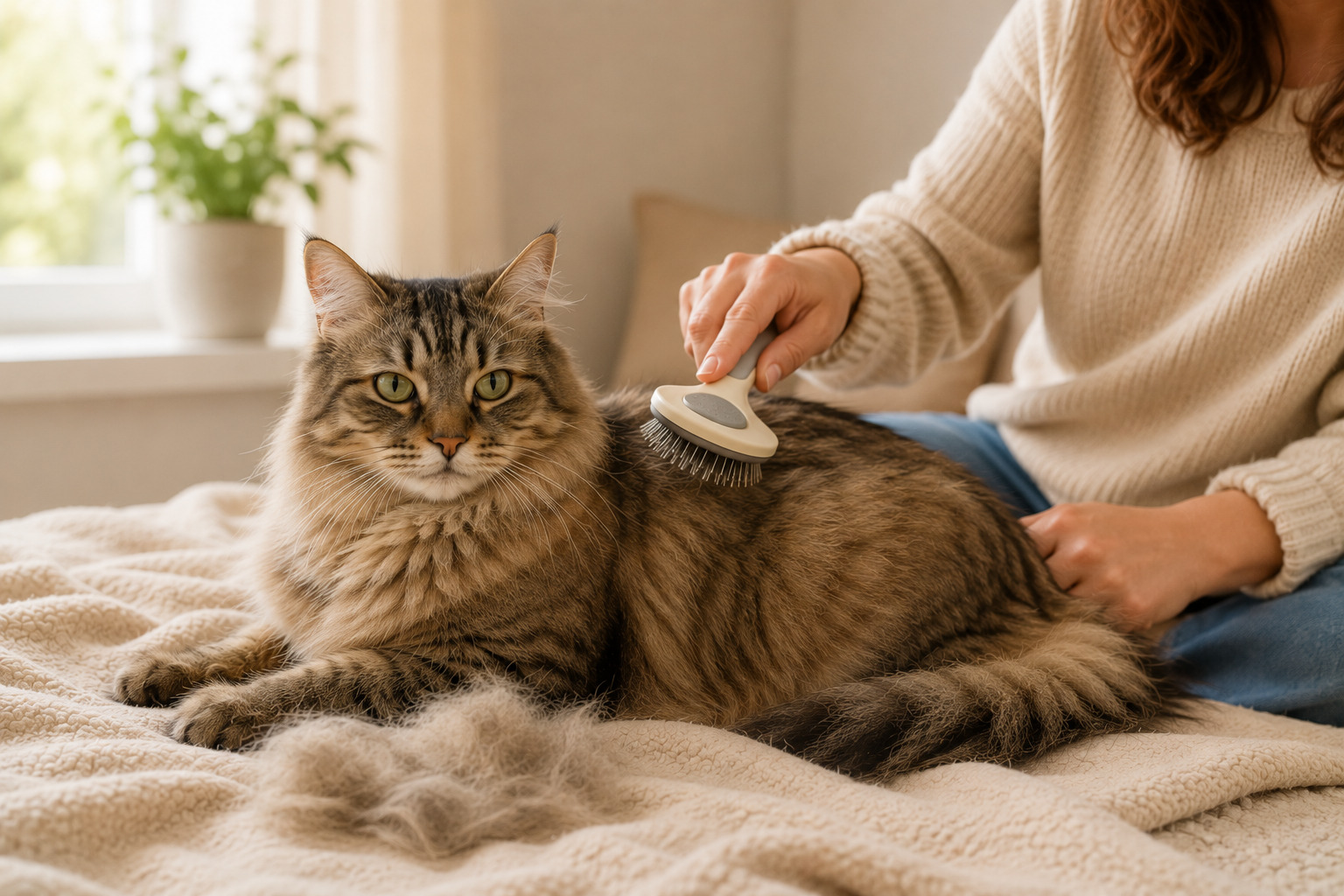

Understanding hair growth cycles helps distinguish natural shedding from conditions that already require attention
Intense Shedding in Cats: Causes and Warning Signs
Intense shedding is a sudden or excessive loss of coat that goes beyond a normal seasonal process. It may be physiological or may indicate illness or a stress-related condition in the cat. It is important to distinguish natural shedding from pathological shedding so the animal can be helped in time.
Main Causes of Intense Shedding
Stress and psychological factors
Moving house, renovation, changes in the family, conflicts with other animals, or loud noise. Excessive anxiety may trigger local or generalized hair loss.
Nutrition and nutrient deficiency
Low protein intake, lack of Omega-3 and Omega-6 fatty acids, vitamin and mineral deficiencies, as well as a sudden food change without adaptation.
Hormonal and internal diseases
Thyroid dysfunction, adrenal disorders, diabetes mellitus, or other metabolic disturbances. Spaying or neutering can also sometimes change undercoat density.
Skin problems and parasites
Fleas, mites, fungal infections, allergies, dermatitis, and seborrhea. Itching causes a cat to lick excessively, which accelerates coat loss.
Seasonal factors
Spring and autumn shedding may be more intense in cats with a dense undercoat, and indoor cats under artificial lighting may also show out-of-season shedding.
When You Should Be Concerned
The following signs may indicate a problem rather than simply normal shedding:
- Bald patches or large thinned areas of coat.
- Redness, flaking, or itching of the skin.
- Behavioral changes: apathy, anxiety, or excessive licking.
- Sudden weight loss or gain.
- The appearance of blisters, dandruff, or an unpleasant skin odor.
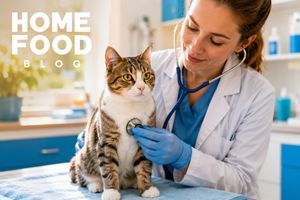
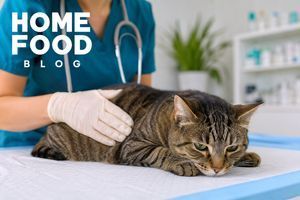
In such cases, early diagnosis helps detect disease at an early stage and prevent complications.

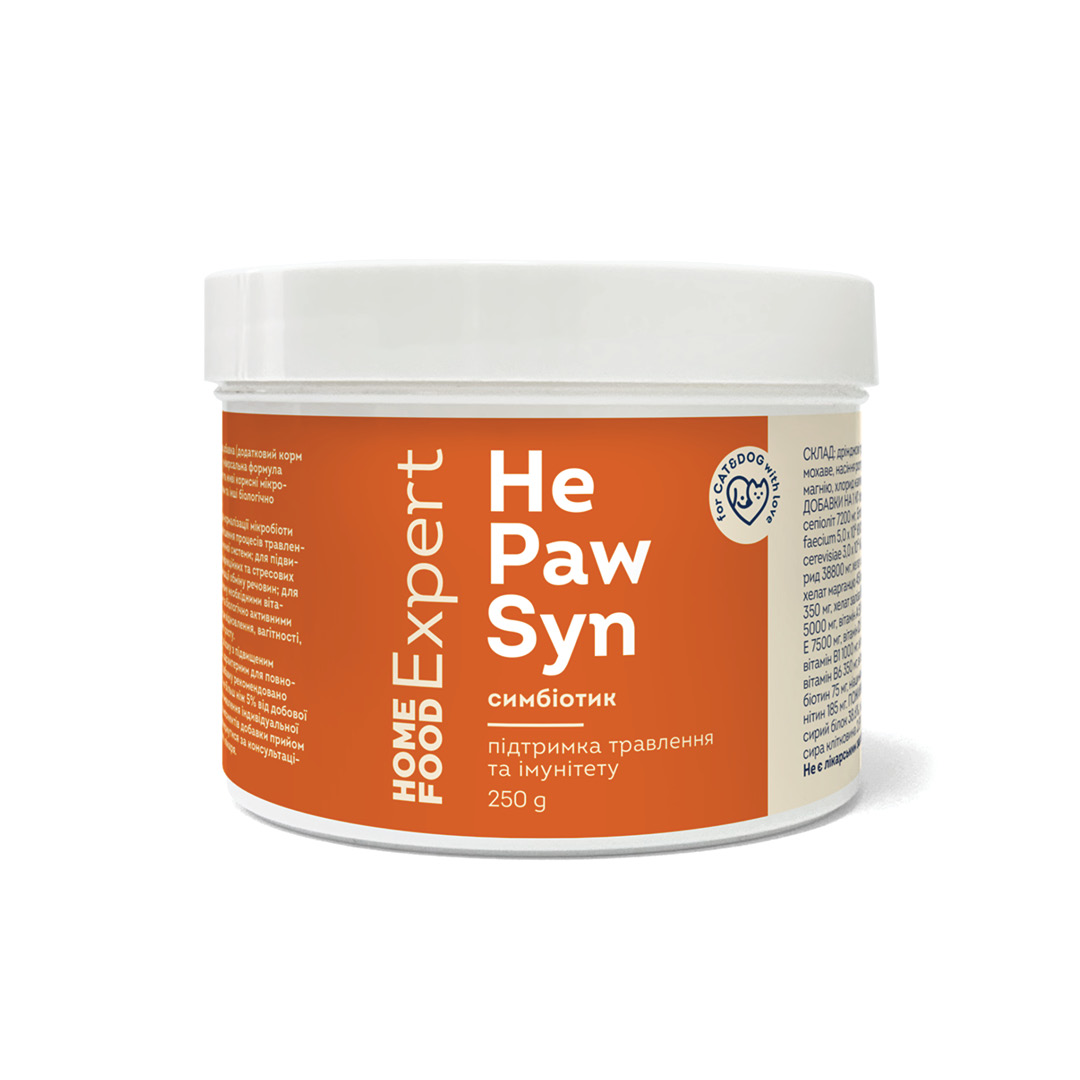
HePawSyn HOME FOOD Expert — symbiotic for digestive and immune support, 250 g
Buy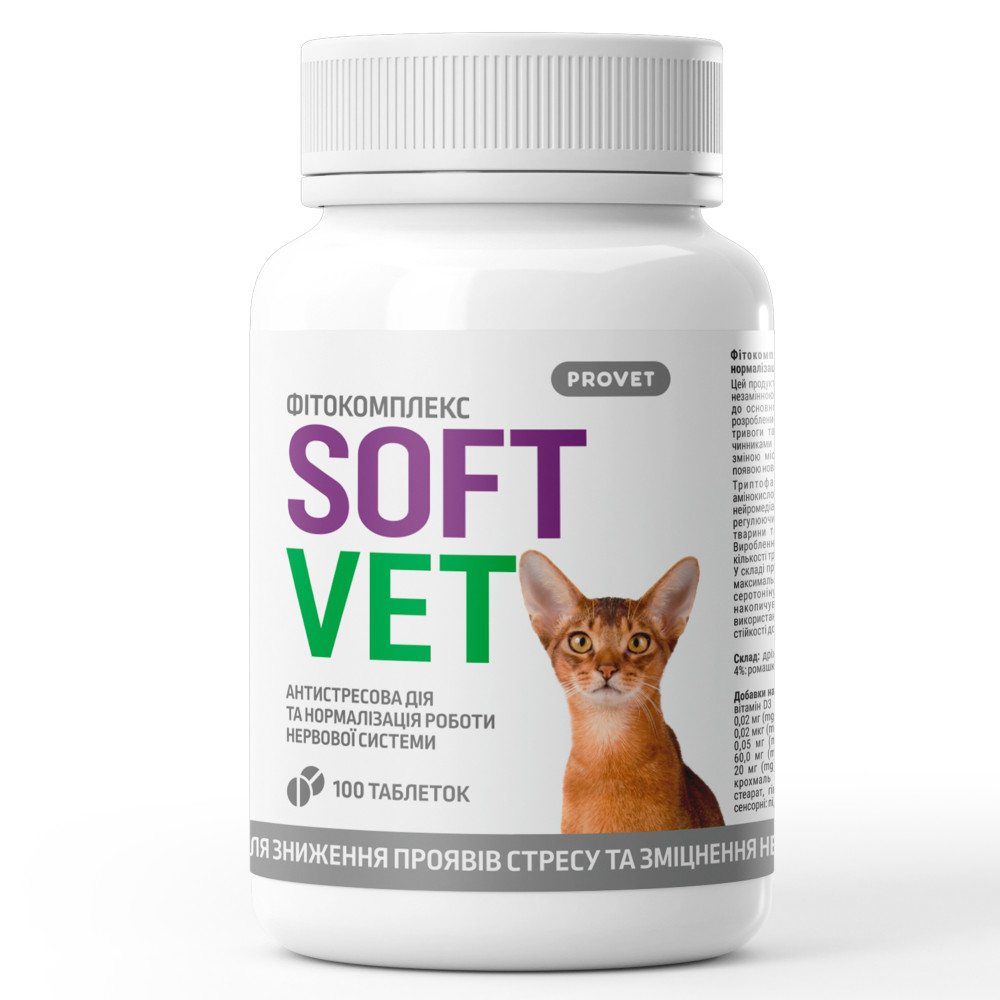
PROVET SOFTVET — herbal complex for anti-stress support and nervous system balance for cats, 100 tablets
Buy
Coat Support and Shedding Relief Plan Recommended by HOME FOOD Veterinarians
Cat owners should remember that intense shedding and coat health depend on a comprehensive approach: nutrition, grooming, stress prevention, and the use of specialized supplements. HOME FOOD offers a plan that helps ease the shedding process, support skin health, and give the coat shine and vitality.
Super-premium food for adult cats
The foundation of the plan is regular feeding with HOME FOOD super-premium food for adult cats. These formulas provide high-quality protein and amino acids, balanced omega fatty acids, antioxidants and vitamins, as well as an optimal level of trace elements to help prevent hair fragility.
Omega-3 sources
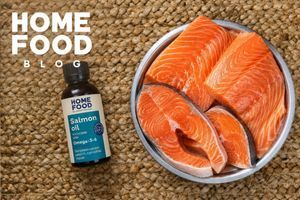
To support the skin and undercoat before and after the season of intensive shedding, it is recommended to add sources of Omega-3 fatty acids: salmon oil, krill oil, sesame oil, and omega-balance products. Recommendation: start the course 1–2 months before the expected intense shedding period and continue for about one more month after the shedding peak.
Prebiotics and probiotics
A balanced intestinal microbiota is important for skin and coat health. HePawSyn and other probiotics/prebiotics can be added to the diet during periods of intense shedding. They help reduce allergic reactions, improve nutrient absorption, and as a result reduce coat fragility.
Regular physical grooming
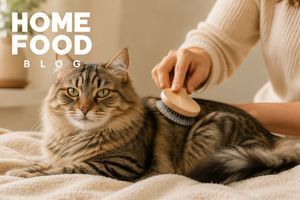
Brushing with a slicker brush — daily or every other day, depending on the density of the undercoat. Careful removal of mats with a mat splitter if they have formed, so the skin is not injured. Express shedding with an experienced groomer is a salon procedure for removing undercoat and dead hair quickly, especially before the peak of seasonal shedding.
Stress control
Stress increases hair loss. It is recommended to minimize stressors in the environment: keep a stable feeding schedule, provide calm play, and offer comfortable places for rest. If needed, dietary or supplemental products for natural nervous system support may also be used.
Eco-cosmetics for cats
Use specialized eco-cosmetics developed with the characteristics of cat skin and coat in mind: mild shampoos and conditioners without harsh surfactants, moisturizing and soothing skin sprays, and products that preserve shine and natural coat texture after brushing or bathing.
High-quality eco-cosmetics for cats help:
- Reduce the amount of shedding hair.
- Support skin health.
- Give the coat shine, tone, and silkiness.
- Make grooming effective and safe for the animal.
The comprehensive HOME FOOD plan includes optimized nutrition, Omega-3 support, probiotics, regular grooming, stress control, and safe cosmetics.

HOME FOOD dry food for sterilized/neutered adult cats with sensitive digestion “Lamb & Salmon”, 400 g
Buy
“Perfect Care” shampoo for dogs and cats, Total Care HOME FOOD Beauty, 200 ml
Buy
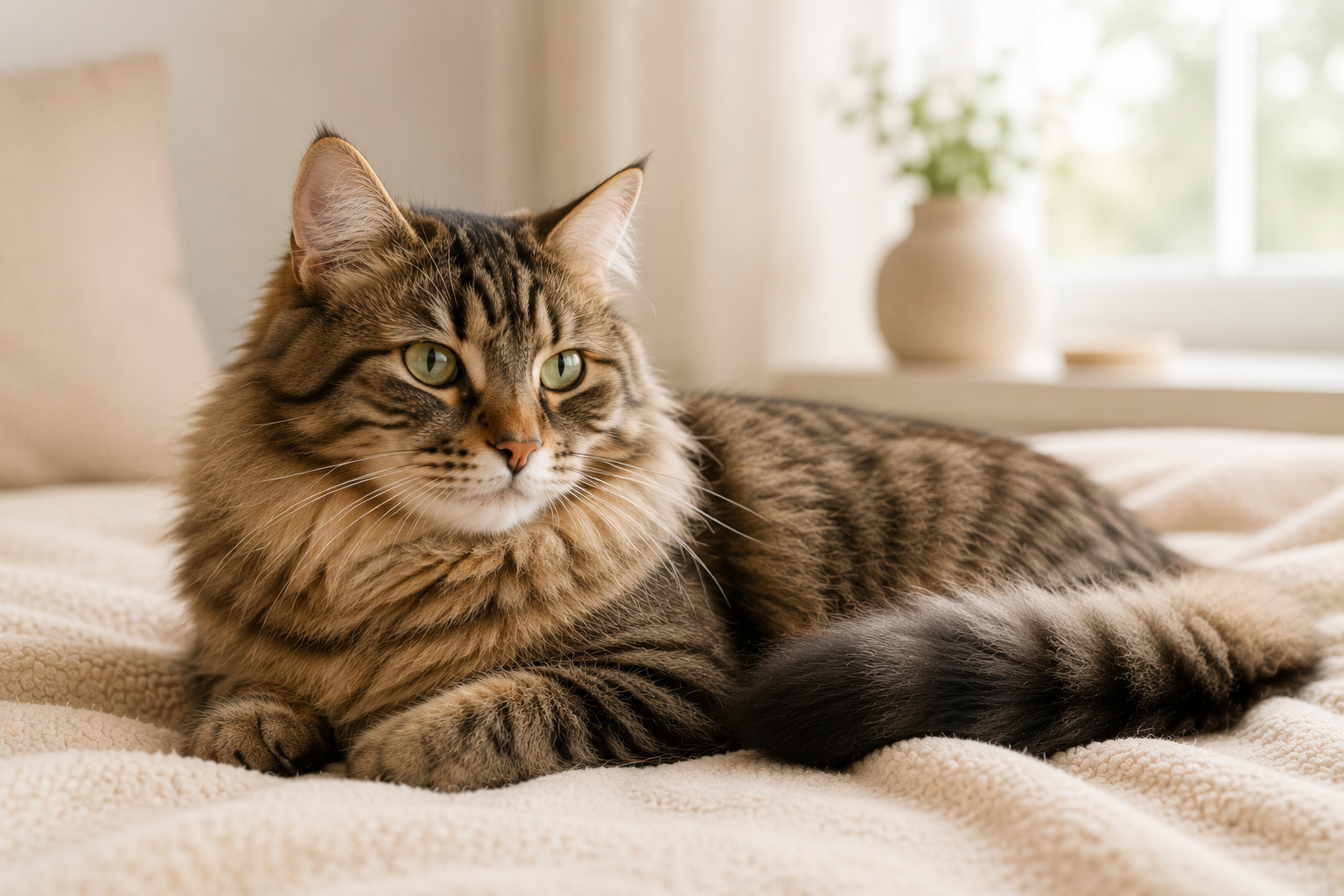
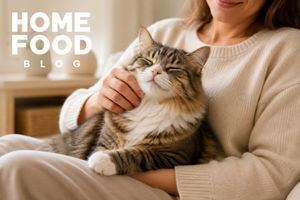
A comprehensive approach to nutrition, grooming, and stress control helps both the cat and the owner get through the shedding period more calmly
Conclusion
Shedding in a cat is a natural process, but its intensity and course depend on many factors: season, coat type, health status, diet, and stress level. If an owner understands the physiology of shedding and notices warning signs in time, coat care becomes much easier and more effective.
Regular brushing, balanced nutrition, support for the skin and microbiota, and a calm environment help reduce the amount of hair being shed and maintain a healthy appearance. If shedding is accompanied by bald patches, itching, or behavioral changes, it is important to consult a veterinarian in time.