📌 HOME FOOD Blog: tips on care, health, and nutrition for cats and dogs. 🩺 Helpful articles for caring pet owners ❤️
Rabies in cats: symptoms, routes of infection, virus progression, the point of no return, and step-by-step actions after a bite

Rabies is one of the most dangerous infectious diseases in the world. This viral disease affects the nervous system and almost always ends in death after the first symptoms appear — in both animals and people. That is why rabies must never be ignored, underestimated, or «waited out».
For cats, rabies is especially insidious: the disease may not show itself for a long time, and once signs appear, help is no longer possible. At that point, the cat becomes a source of deadly danger to other animals and people. The most frightening part is that rabies is incurable, but it can be controlled through prevention.
Important: if a person is bitten or scratched by an animal with unknown vaccination status, do not wait for symptoms. Wash the wound and seek medical care immediately.
In this article, we will look at how to recognize rabies symptoms in cats, why the disease is dangerous even for animals that «never go outside», and what to do to protect cats, dogs, and people from a deadly threat.
The History of Rabies Virus Discovery
Rabies is one of the oldest diseases known to humankind. Descriptions of aggressive, «possessed» animals appear even in ancient texts, but for centuries people did not understand what exactly was killing them or why it could not be stopped.
The situation began to change in the nineteenth century. The rabies virus as a distinct infectious agent was effectively identified in the 1880s thanks to the work of Louis Pasteur and his colleagues. At that time, viruses still could not be seen under a microscope: their existence was proven indirectly through experiments, infection, and filtration.
Pasteur worked with infected animals and dried the spinal cords of infected rabbits, gradually reducing the virulence of the pathogen. In this way, he created the first effective rabies vaccine before humanity had even seen the virus itself.
In 1885, 9-year-old Joseph Meister was brought to Pasteur after being bitten many times by a rabid dog. The child was expected to die. Pasteur risked using his vaccine, and the boy survived. This case changed the world: for the first time, rabies stopped being an absolute sentence if prevention was given in time.
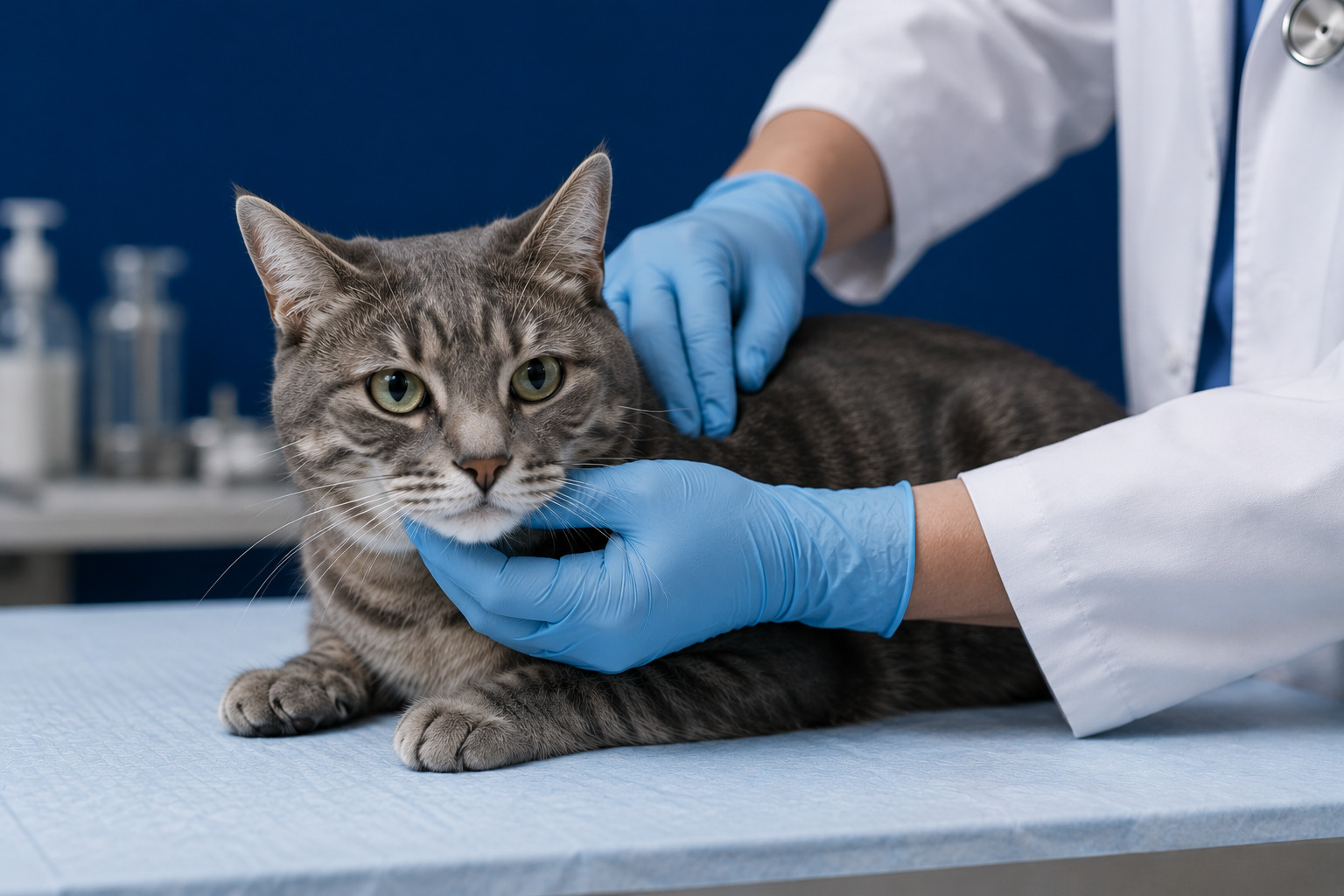

Knowledge and prevention are the only true tools for protection against rabies
Rabies: Routes of Infection, Virus Progression, and the Point of No Return
Rabies is an acute viral zoonotic disease that affects the central nervous system. Its course in humans and animals follows similar patterns: after symptoms appear, the disease becomes irreversible and fatal.
Routes of Infection
The main route of transmission is through the saliva of an infected animal, which contains high concentrations of the virus. Infection most often occurs through a bite.
- Bite — the most common and most dangerous route of infection.
- Scratch can be dangerous if saliva is on the claws or near the wound.
- Saliva entering damaged skin or the mucous membranes of the eyes, mouth, or nose also creates risk.
- Contact with blood, fur, or urine without saliva is not considered a typical route of infection.
How the Virus Develops in the Body
After a bite, the virus enters the tissues, multiplies locally for some time, and then penetrates the peripheral nerves. It then slowly travels along nerve fibers to the spinal cord and brain. When the central nervous system is affected, clinical symptoms appear. Later, the virus spreads to the salivary glands, and the animal becomes dangerous to others.
Incubation Period
- In people the incubation period usually lasts from 20 to 90 days, but it may be shorter or much longer.
- In cats it most often lasts several weeks, sometimes up to several months.
- Risk factors: bites to the head, neck, or hands, deep or multiple wounds, a high viral dose, and lack of wound cleaning.
A cat may look completely healthy, but near the end of the incubation period it may already pose a danger.
Early Symptoms
In people, the prodromal stage may include weakness, low-grade fever, headache, anxiety, sleep disturbance, and pain or tingling at the bite site. In cats, warning signs include behavior changes, reduced appetite, hiding or restlessness, dilated pupils, and an «unfocused» gaze.
Dangerous Symptoms in Cats
- Furious form: aggression, attacks, biting, and loss of fear of people or other animals.
- Silent, or paralytic form: jaw paralysis, drooling, swallowing problems, and refusal to eat.
- Danger signs: heavy salivation, unsteady gait, seizures, rapid exhaustion, and paralysis.
The Point of No Return
The point of no return is the appearance of the first clinical symptoms of rabies. After that, there is no treatment, and preventive measures can no longer stop the disease. The only things that save lives are animal vaccination before infection and emergency medical prevention for people before symptoms appear.
Rabies is a disease where time decides everything. Before symptoms, it is a controllable risk. After symptoms, it is a sentence.
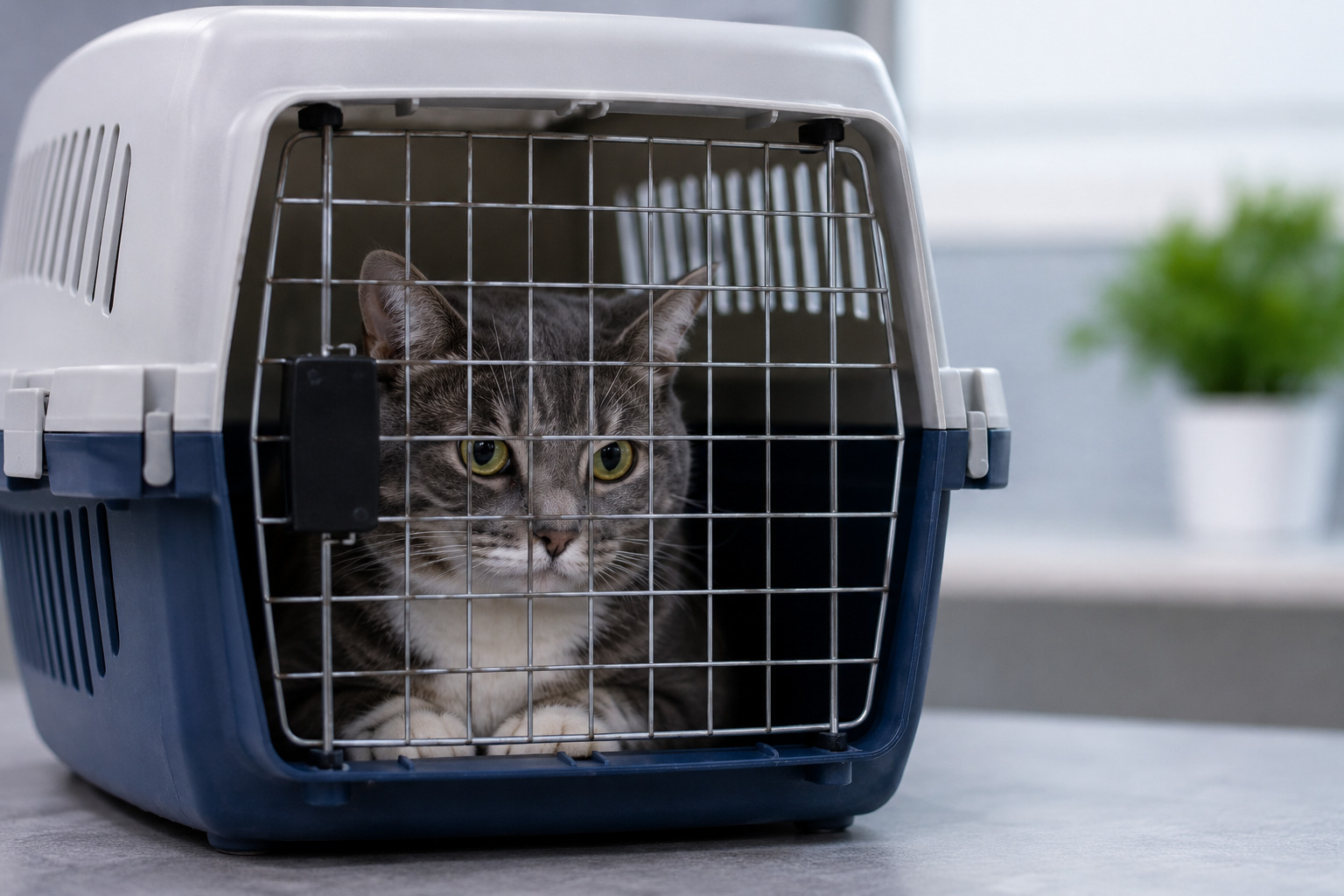
When rabies is suspected, there is no «wait and see»: action must be immediate
What to Do if an Unvaccinated Cat Has Been Bitten
This situation is extremely serious. With rabies, there is no safe waiting period. Below is an action plan that helps reduce risks to people and animals before a specialist examines the cat.
Protect Yourself
Do not touch the wound with bare hands. If the cat is aggressive or frightened, do not try to calm it by force. Wear thick gloves and avoid bites and scratches.
Isolate the Cat
Place the cat in a separate closed room or carrier. Prevent contact with children, other animals, and strangers. Do not let the cat outside, even if it looks normal.
Clean the Wound if It Is Safe
Only if the cat is calm and it does not put you at risk, rinse the wound with plenty of running water for 5–10 minutes. You may use laundry soap or chlorhexidine. Do not stitch the wound and do not apply a tight bandage.
Do Not Vaccinate the Cat Yourself
Do not vaccinate the cat «just in case» after a bite without a decision from a veterinarian or the state veterinary service. The next steps must be determined by a specialist.
Contact a Veterinarian or State Veterinary Service
Do this the same day. Report that the cat is unvaccinated, when and by whom the bite occurred, and where it happened. The veterinary service determines the official course of action.
Be Prepared for Quarantine
Official observation, strict isolation, and laboratory steps may be required by decision of the veterinary service. In high-risk cases, decisions may be very difficult, but they are made to protect human life.
Track Any Changes
Immediately tell the veterinarian about aggression or sudden affection, heavy drooling, swallowing problems, unsteady gait, seizures, hiding, apathy, or a strange gaze.
If the Cat Bit a Person
Immediately wash the wound with soap and water for 10–15 minutes and seek medical care urgently. Report that the cat is unvaccinated and was bitten itself. Even a minimal scratch requires medical evaluation.
The Main Things an Owner Should Remember
- Rabies cannot be treated after symptoms appear.
- Decisions are made not from emotion, but from safety considerations.
- Vaccinating animals before contact with the virus is the key way to avoid a dangerous scenario.
- After a human bite or risky contact, immediate medical assessment is necessary.
The discomfort of preventive vaccination is tiny. The pain of losing a cat and risking loved ones is irreparable. That is why vaccination is not a formality, but an act of responsibility and love.