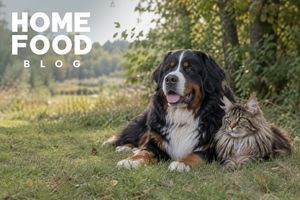
Kennel cough, or infectious tracheobronchitis of dogs, is one of the most common respiratory diseases in dogs, especially in those that often spend time in group settings such as kennel clubs, shelters, exhibitions, or kennels.
The disease is highly contagious and affects the respiratory tract, and although it usually runs without serious complications, it can cause significant discomfort to the animal and create a risk for other dogs nearby.
Timely diagnosis and proper treatment help shorten the duration of the illness, prevent complications, and limit the spread of infection. In this article, we look at the key symptoms of kennel cough, diagnostic methods, and modern approaches to treatment.
History of Discovery, Causative Agents, and Scientific Evidence of Kennel Cough in Dogs
Kennel cough in dogs, known in the scientific literature as canine infectious respiratory disease (CIRD) or kennel cough, has a long history of research. It was first clearly linked to the bacterium Bordetella bronchiseptica at the beginning of the twentieth century.
- Bordetella bronchiseptica — the main bacterial cause of infectious tracheobronchitis in dogs.
- Canine parainfluenza virus (CPIV) — one of the main viral agents often found in dogs with kennel cough symptoms.
- Other viral pathogens, including adenovirus type 2, canine coronavirus, herpesvirus, and others, may also be part of this respiratory complex.
Clinical and microbiological studies show that in most dogs with characteristic symptoms of infectious tracheobronchitis, Bordetella bronchiseptica and viral agents are identified, with co-infections being common.
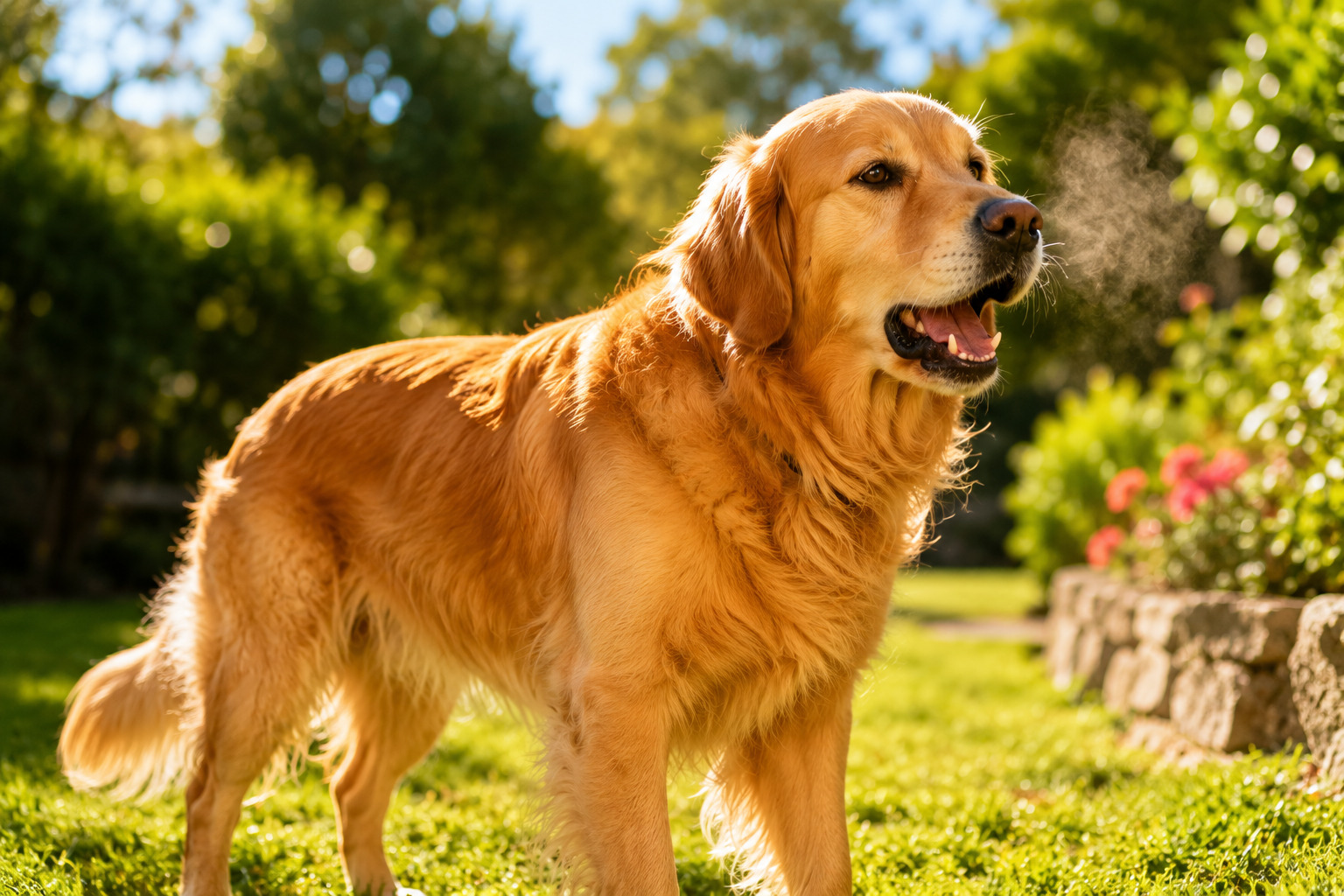

Kennel cough is often associated not with one pathogen, but with an entire complex of bacterial and viral agents
Main Symptoms of Kennel Cough in Dogs: Signs, Risks, and What to Do
Kennel cough presents with a combination of respiratory symptoms that usually appear 3–10 days after infection. In most dogs, the illness lasts 7–14 days, but in some cases it can continue for 3–4 weeks.
Dry, barking cough
This is the most common and characteristic symptom. The cough often worsens after physical activity or during excitement.
Symptoms of general intoxication
Elevated temperature, reduced appetite, lethargy, and weakness.
Runny nose, nasal discharge, tearing
Clear or mucous discharge may occur, as well as mild eye inflammation, especially in cases of viral co-infection.
Who Is Affected More Often
The following groups of dogs are usually the most vulnerable to kennel cough:
- Dogs in group environments: shelters, kennels, exhibitions, or kennel clubs.
- Puppies and young dogs because of an immature immune system.
- Weakened or sick adult animals.
When the threat becomes serious: difficult or wheezing breathing, severe coughing with vomiting, temperature above 40°C, symptoms of pneumonia, bluish mucous membranes, and marked weakness. In such cases, urgent veterinary consultation is required.
What to Do If You Suspect Kennel Cough
Limit contact with other dogs
Isolate the sick animal to avoid spreading the infection.
Contact a veterinarian
The doctor will perform an examination, order diagnostics, and determine whether antibiotics or anti-inflammatory therapy are needed.
Supportive home care
Provide rest, access to water and light food, and use a humidifier to make breathing easier.
Vaccination and prevention
Regular vaccination against Bordetella bronchiseptica and viruses that cause respiratory infections significantly reduces the risk of disease.
Diagnosis and Treatment of Kennel Cough in a Veterinary Clinic
Accurate diagnosis and timely treatment in a veterinary clinic are key to rapid recovery and prevention of complications.
Clinical examination
The veterinarian evaluates the animal’s general condition, temperature, respiratory rate, and the presence of cough and nasal discharge.
Medical history and epidemiological information
It is important to know whether the dog has been in group settings, at exhibitions, or in shelters, as well as its vaccination history and contacts.
Laboratory methods
Throat and nasal swabs, PCR, and in difficult cases chest radiography to rule out pneumonia or complications.
Treatment
Symptomatic support, antibacterial therapy as prescribed by a doctor, anti-inflammatory agents, mucolytics, and control of co-infections.
- Humidified air, rest, a light diet, and access to fresh water.
- Antibacterial therapy is prescribed only by a veterinarian in cases of bacterial infection or risk of complications.
- When viral agents are involved, treatment is usually supportive.
- Isolation of the sick dog and prevention of further outbreaks are crucial.
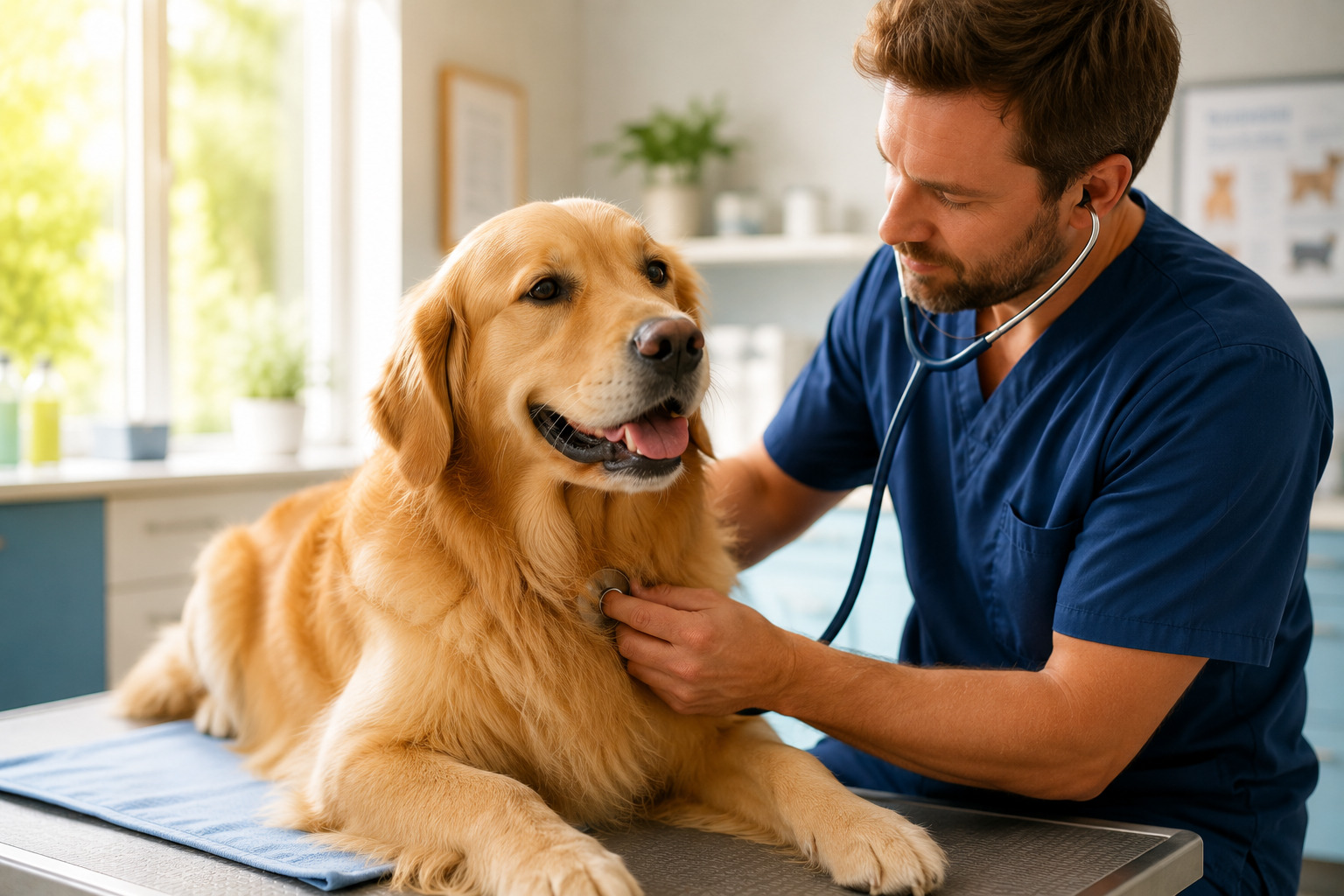
A comprehensive clinic-based approach combines examination, laboratory testing, and supportive treatment to shorten the duration of illness
The Role of Proper Nutrition in Respiratory Diseases in Dogs
Nutrition plays a key role in supporting the immune system of dogs, especially when it comes to protection against respiratory infections such as kennel cough. The right diet helps strengthen the mucous membranes of the respiratory tract, increases the body’s resistance to bacterial and viral agents, and also speeds recovery after illness.
- Salmon oil — a source of omega-3 fatty acids with anti-inflammatory effects.
- A pre- and probiotic complex — supports healthy intestinal microflora, which affects immunity.
- The phytoformula «Amrol» — natural plant ingredients with antioxidant and immune-stimulating properties.
- A complex of essential amino acids — supports tissue repair and maintenance of muscle mass.
- Plant-based ingredients — support the immune system, respiratory system, and digestion.
Regular use of such foods in the diet not only reduces the risk of complications in respiratory infections, but also helps maintain energy, appetite, and the dog’s overall tone. This is especially important for young dogs, as well as for those that frequently contact other animals in kennels, clubs, or at exhibitions.

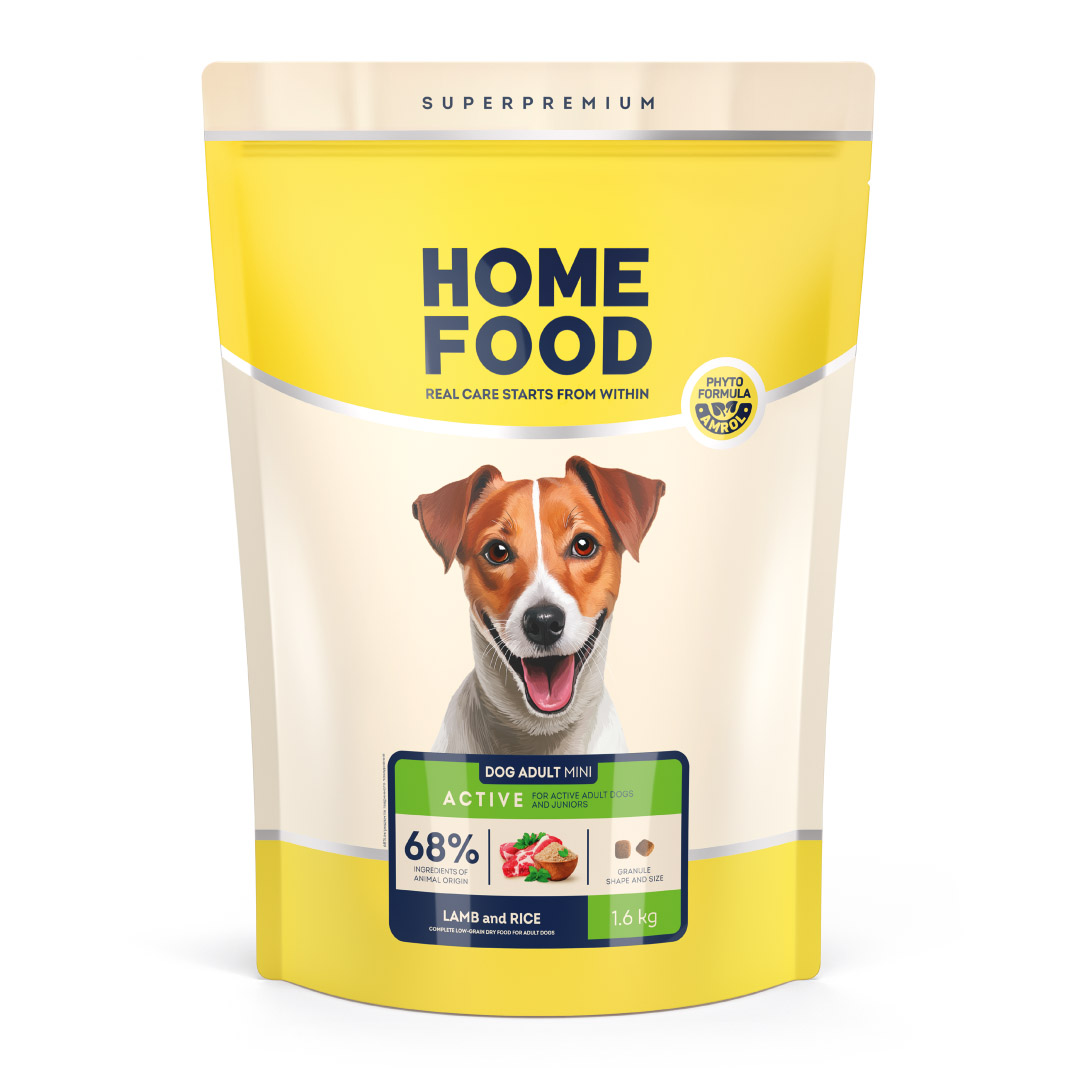
HOME FOOD dry food for active adult dogs and juniors of small breeds «Lamb with Rice», 1.6 kg
Buy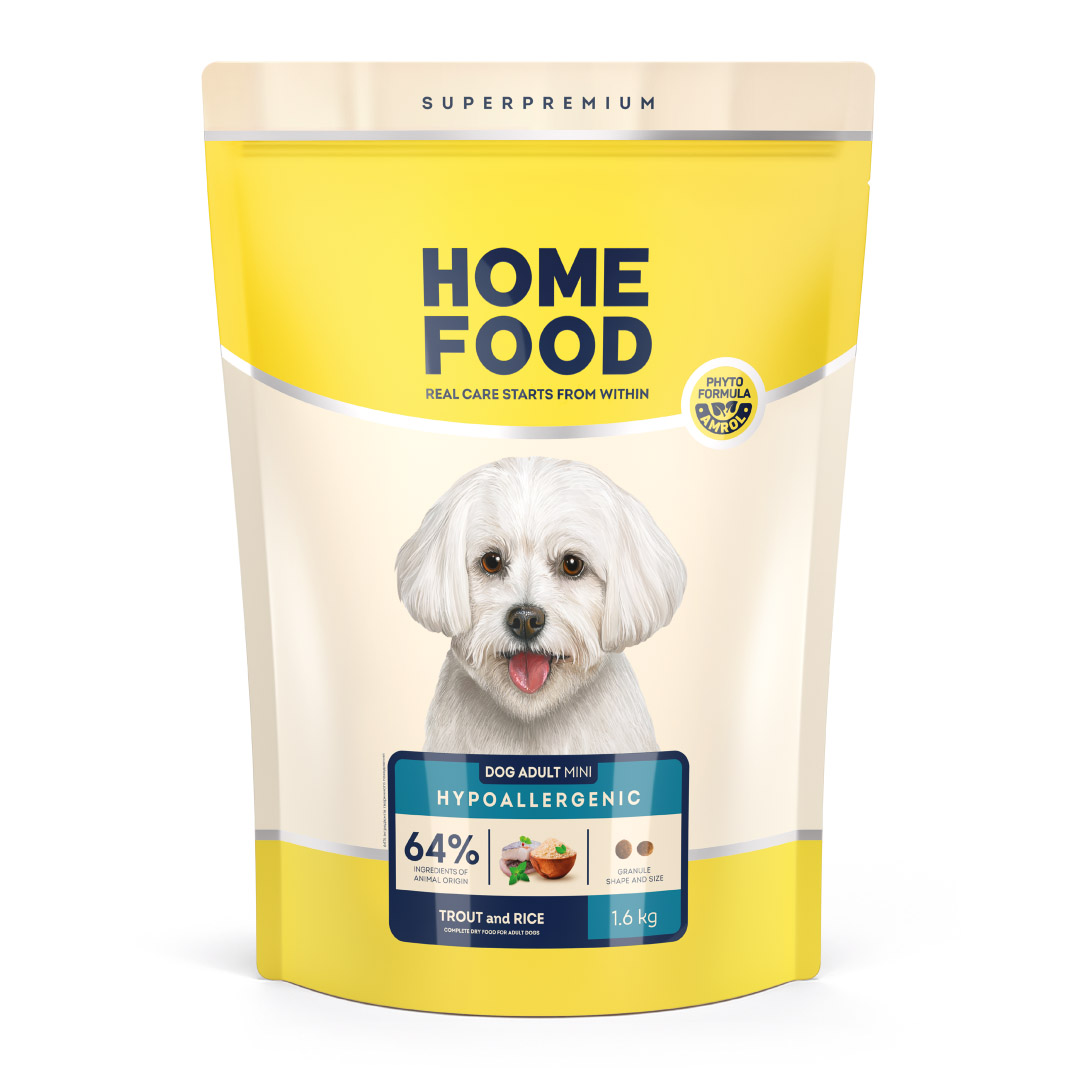
Hypoallergenic HOME FOOD dry food for adult small-breed dogs «Trout and Rice», 1.6 kg
Buy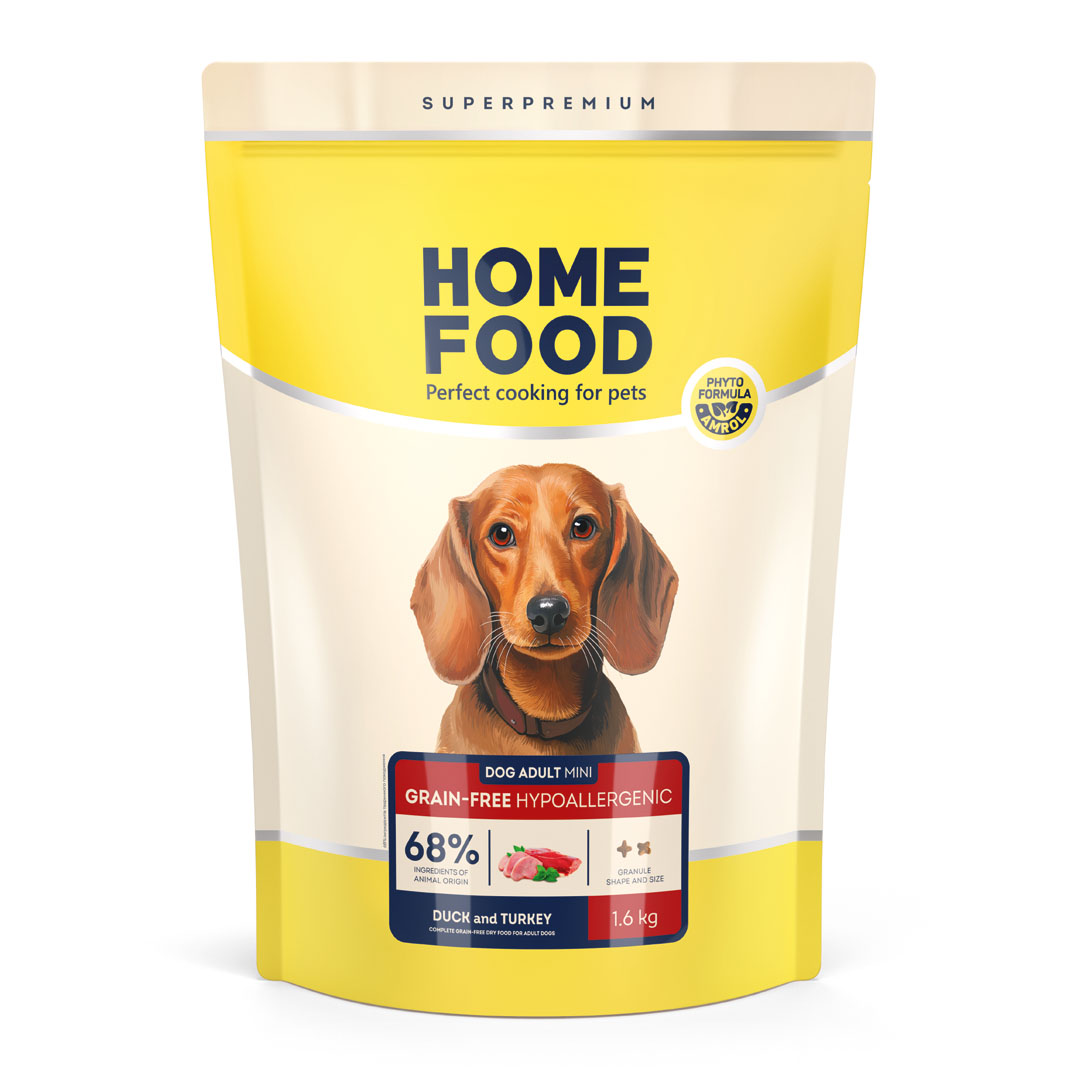
Grain-free hypoallergenic HOME FOOD dry food for adult small-breed dogs «Duck and Turkey», 1.6 kg
Buy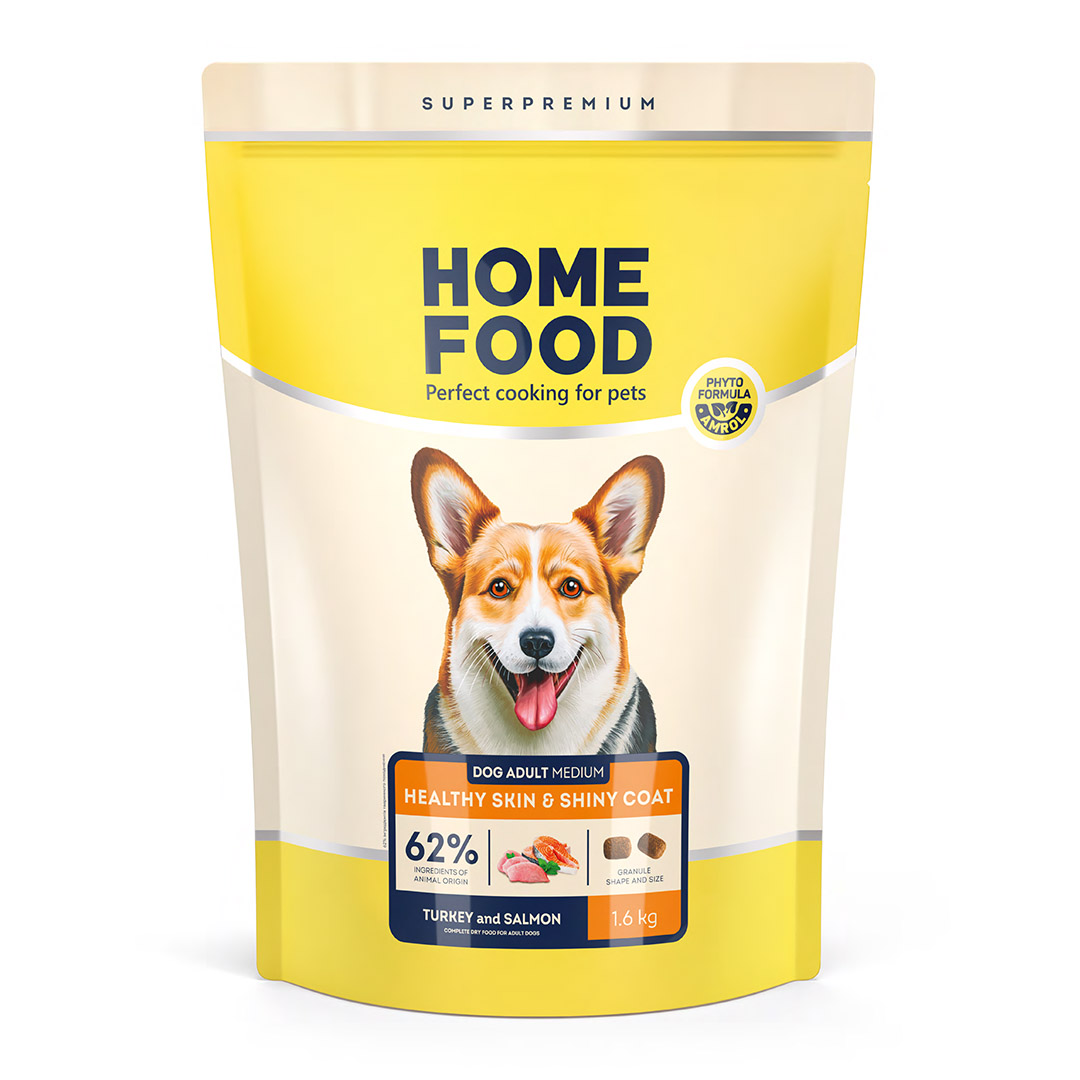
HOME FOOD dry food for healthy skin and shiny coat for adult medium-breed dogs «Turkey and Salmon», 1.6 kg
Buy