Cats are sensitive creatures with an exceptionally delicate perception of the world. For us, home is filled with familiar scents we often barely notice, while for a cat every smell is a signal, an emotion, and a way to understand whether the surroundings are safe.
A cat’s small but surprisingly powerful nose detects far more nuances than ours, so what seems pleasant or neutral to a person may feel sharp, alarming, or even harmful to a cat. To create a truly comfortable space for your tailed friend, it is worth knowing which aromas cats dislike and which ones are better avoided at home.
A Historical and Evolutionary Note on Cats’ Sense of Smell
For cats, smell is one of the main survival tools shaped by millions of years of evolution. The first small predatory mammals, from which modern cats descended, were nocturnal hunters. Darkness required not only sharp vision, but also the ability to find prey and navigate by scent. That is why their olfactory system is far more developed than ours.
Why Do Cats Sense Smells So Sharply?
On average, cats have about 45–80 million olfactory receptors, while humans have only 5–6 million. These receptors are located in the nasal mucosa, and the large olfactory bulb in the brain processes information much more efficiently than in most other mammals. This allows cats to distinguish the finest scent notes and react to aroma concentrations that are completely imperceptible to us.
Jacobson’s Organ: The Secret “Second Smell”
In addition to the main nose, cats have another specialized structure: the vomeronasal organ, or Jacobson’s organ, located in the palate. It is responsible for detecting pheromones and special chemical signals.
When a cat lifts its upper lip and slightly draws in air, it activates this organ. For a cat, this is a way to “read” the scent to the end and receive hidden information about another animal, danger, or territory.
- Strong smells in nature were often associated with danger: rot, toxic plants, predator markings, or chemicals released under stress.
- Avoiding certain aromas is a natural safety mechanism that has worked in cats for thousands of years.
- Domestic cats have kept the same instincts: they assess territory by scent, recognize the emotions of other cats, and avoid aromas that seem aggressive or unnatural.
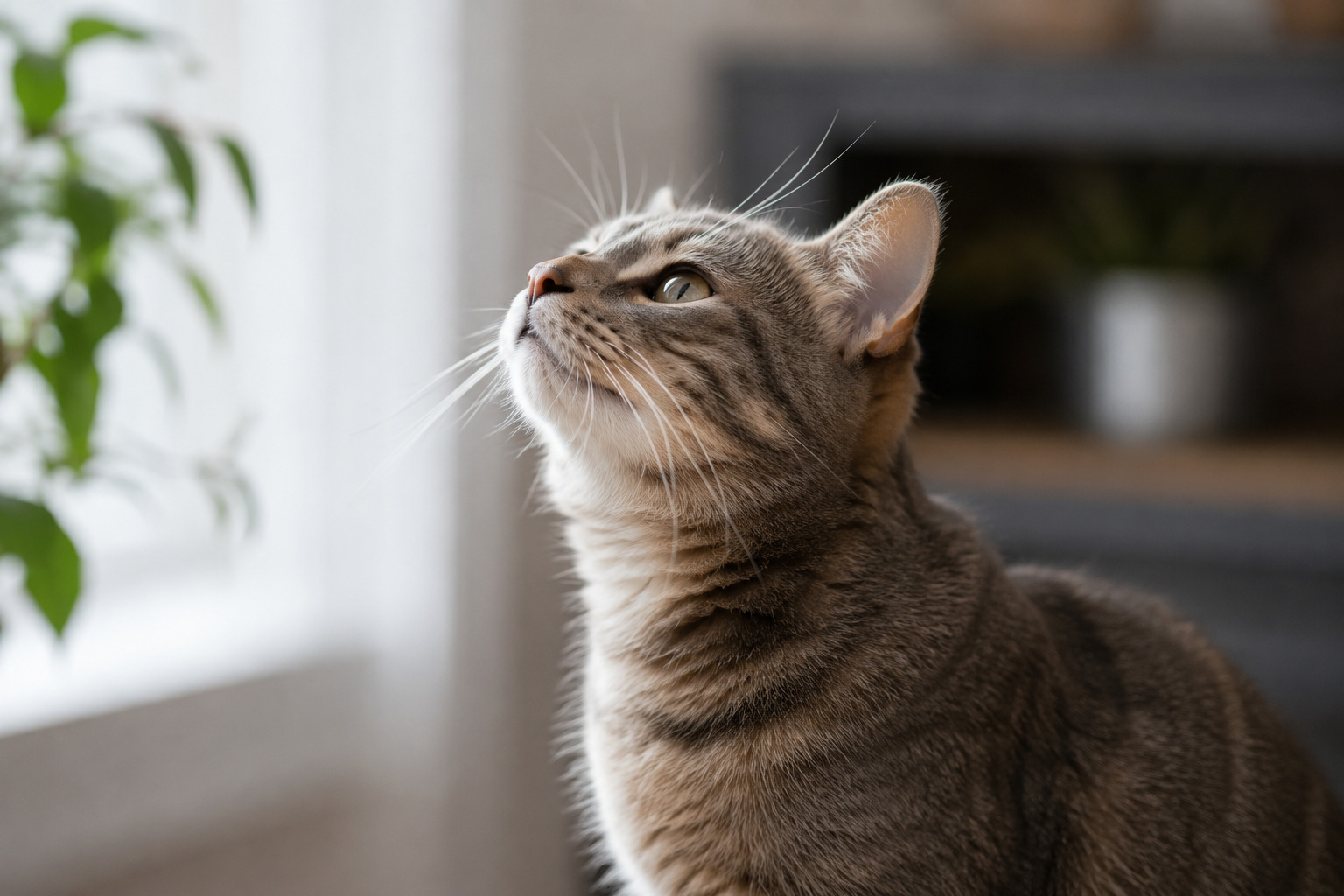

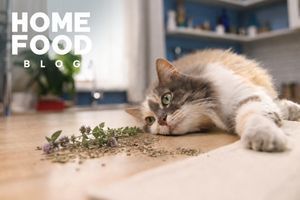
Some smells that seem pleasant to people may feel unfamiliar and irritating to cats
What Smells Cats Dislike: External and Internal Factors
A cat’s sense of smell is shaped not only by genetics, but also by the environment it lives in. Cats that regularly go outside encounter a wider range of natural aromas than their indoor companions, and their sensitivity to certain smells can differ.
Smells Often Disliked by Cats That Go Outside
Cats with access to a yard or those that spend a lot of time outdoors are used to many natural aromas, but some of those scents become signals of danger or discomfort.
- Sharp and toxic plant smells. Tansy, wormwood, rue, and peppermint contain essential oils that cats perceive as irritants.
- Predator smells. Traces of foxes, martens, badgers, or dogs signal to a cat: «this place is dangerous».
- Fuel and technical smells. Gasoline, diesel, grease, engine oil, and smoke from motorcycles or generators are associated with noise, moving machinery, and danger.
- Strong smells of rot and decomposition. The smell of rotting meat or trash containers may point to bacteria, poisoning risk, or competition with other predators.
- Sharp spices and pepper mixtures. Pepper or spicy powders irritate the mucous membranes and make cats keep their distance.
Smells Indoor Cats Dislike
Indoor cats live in an environment where smells are often much more concentrated: household chemicals, scented products, candles, perfumes, and kitchen spices. For a person this is background scent, but for a cat it can be a strong irritant.
- Scented household chemicals. Products scented with berries, citrus, or «freshness», air fresheners, scented candles, and perfumed laundry products may cause discomfort.
- Essential oils. Lavender, eucalyptus, tea tree, cinnamon, mint, and menthol are not just sharp for cats: in pure form, essential oils can be toxic.
- Tobacco smoke and the smell of burning. These irritate the mucous membranes and may increase stress and the desire to hide.
- Plastic, rubber, and synthetic smells. New mats, rubber items, packaging, or cheap plastic can sometimes smell too sharp for a cat.
- Kitchen spices. Pepper, mustard, curry, garlic, and onion can cause discomfort and the urge to leave the kitchen.
Indoor cats may also react sharply to the scent of certain houseplants. Most often, they dislike geranium, kalanchoe, some succulents with a characteristic «bitter» sap smell, crinum, amaryllis, hippeastrum, indoor mint, lemon balm, rosemary, dieffenbachia, and monstera.
For an indoor cat without alternative sources of scent, such aromas may feel too concentrated or unnatural, so it is worth watching whether the cat avoids certain areas of the home because of «aromatic» plants.
Smells in Training and Repellent Products
Cats navigate the world mostly through scent, so the pet-care industry often uses their olfactory sensitivity to shape desired behavior. Modern litter-box training products and repellents for unwanted surfaces or areas are not created randomly: their scent components are selected to give a cat either a sense of safety or a desire to avoid a place.
Smells Used in Products for Litter Box Training
The goal of such products is to make the litter box as attractive as possible for the cat and create the feeling of a «proper territory». This is where soft, familiar, or naturally calming aromas work best.
- Pheromone-like ingredients imitate the scent of the mother cat, calm territory markings, or «safe» social signals.
- Natural calming aromas may be used in very low concentrations that should not irritate the sense of smell.
- Soft mineral and earthy notes remind the cat of a natural digging and covering environment.
Important: manufacturers use safe, controlled doses, so these experiments should not be done at home on your own.

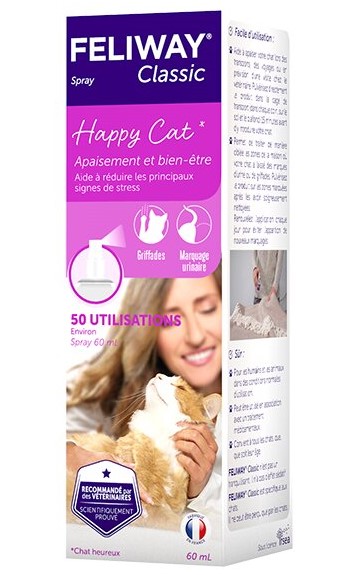
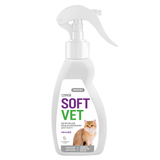
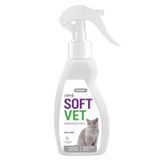
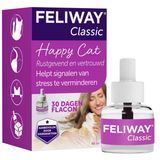
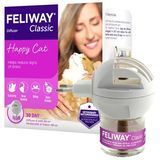
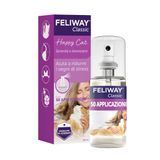
Ceva Feliway Classic — stress-reducing spray for cats, 60 ml
Buy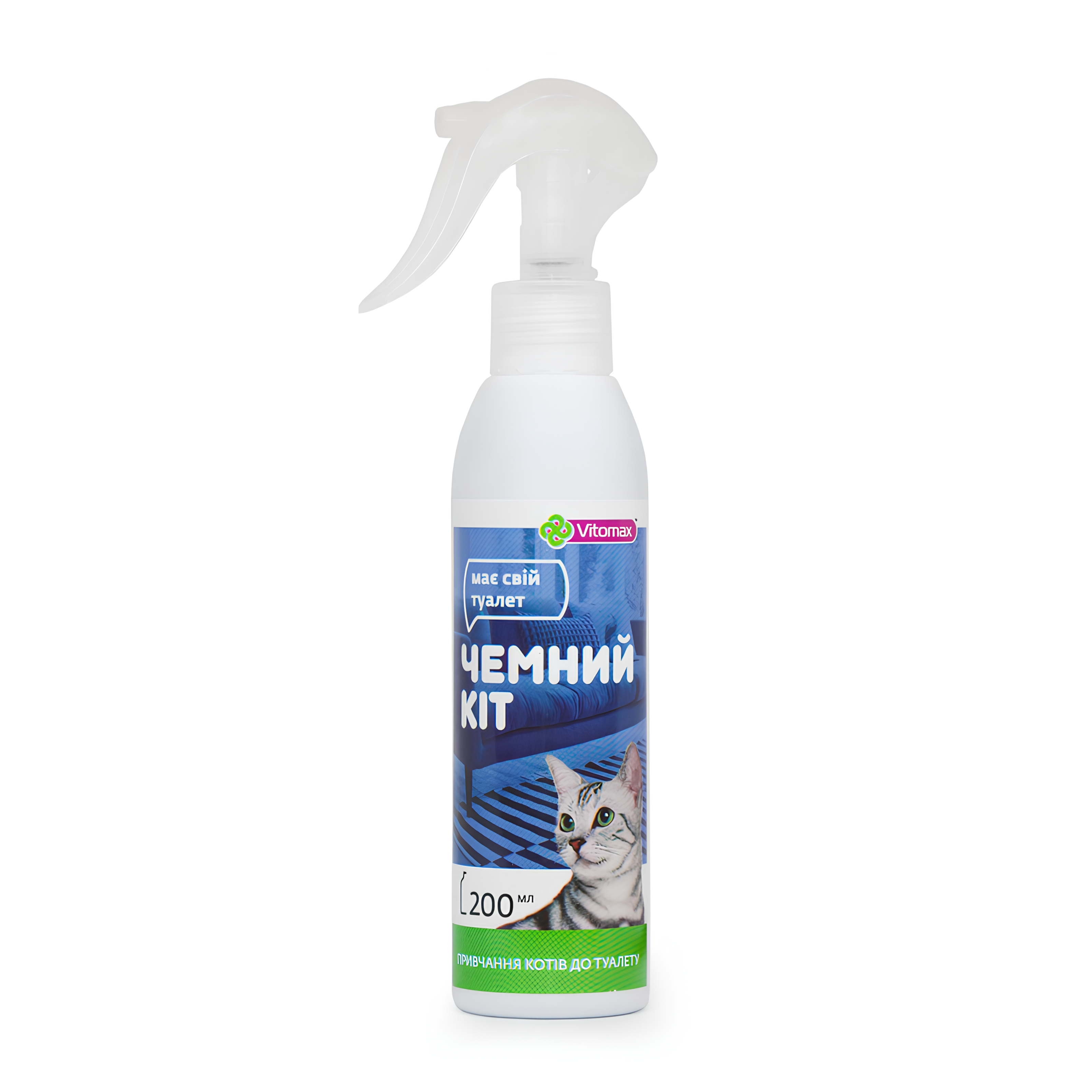
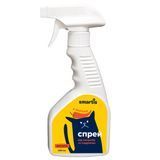
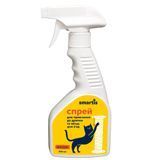
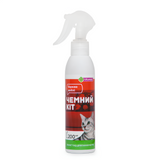
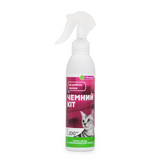
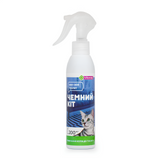
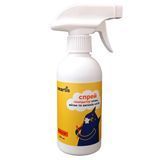
Spray Chemnyi Kit — toilet training spray for cats, 200 ml
Buy
Smells Used to Keep Cats Away from Unwanted Places
These products are designed to encourage a cat to avoid a specific zone: furniture, rugs, flowerpots, or certain rooms. They are based on smells cats perceive as irritants, while still being safe for the animal in approved concentrations.
- Citrus aromas. Lemon, orange, lime, and grapefruit are often used in repellents because these smells are sharp and unpleasant for cats.
- Menthol and eucalyptus notes. Mint, eucalyptus, and menthol are used in very diluted, safe concentrations.
- Bitter and spicy smells. Clove, cinnamon, or special bitter mixtures are perceived by cats as foreign.
- Synthetic analogues of marking signals. Some modern repellents use scent signals that warn a cat about an undesirable territory.
Pure essential oils are toxic to cats, but factory-made products replace them with safe synthetic analogues or use controlled concentrations.
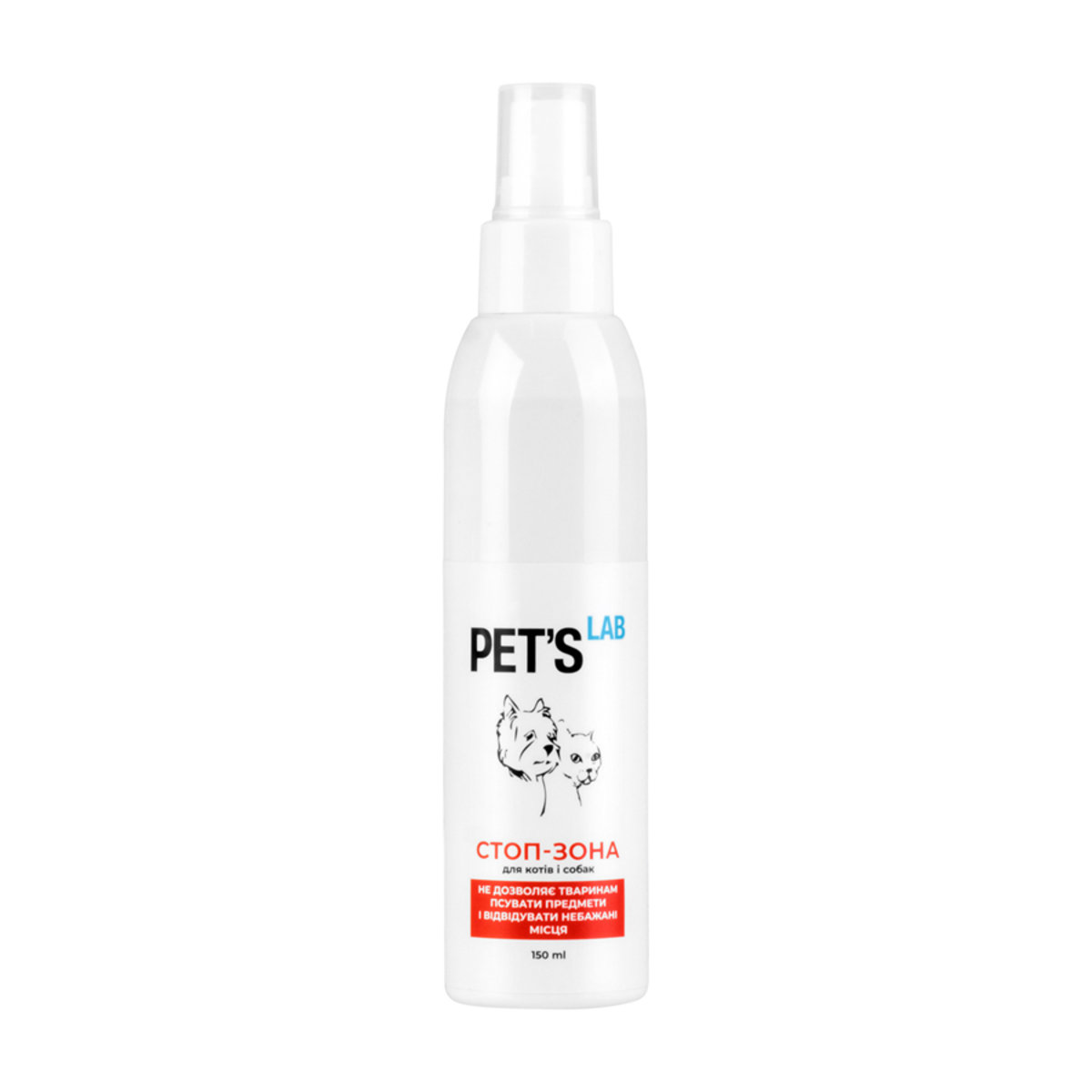
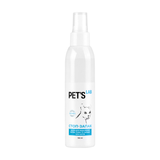
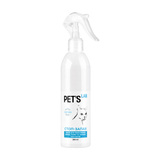
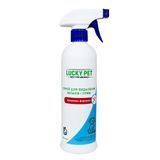
Pet’s Lab STOP-ZONE — repellent for dogs and cats, 150 ml
Buy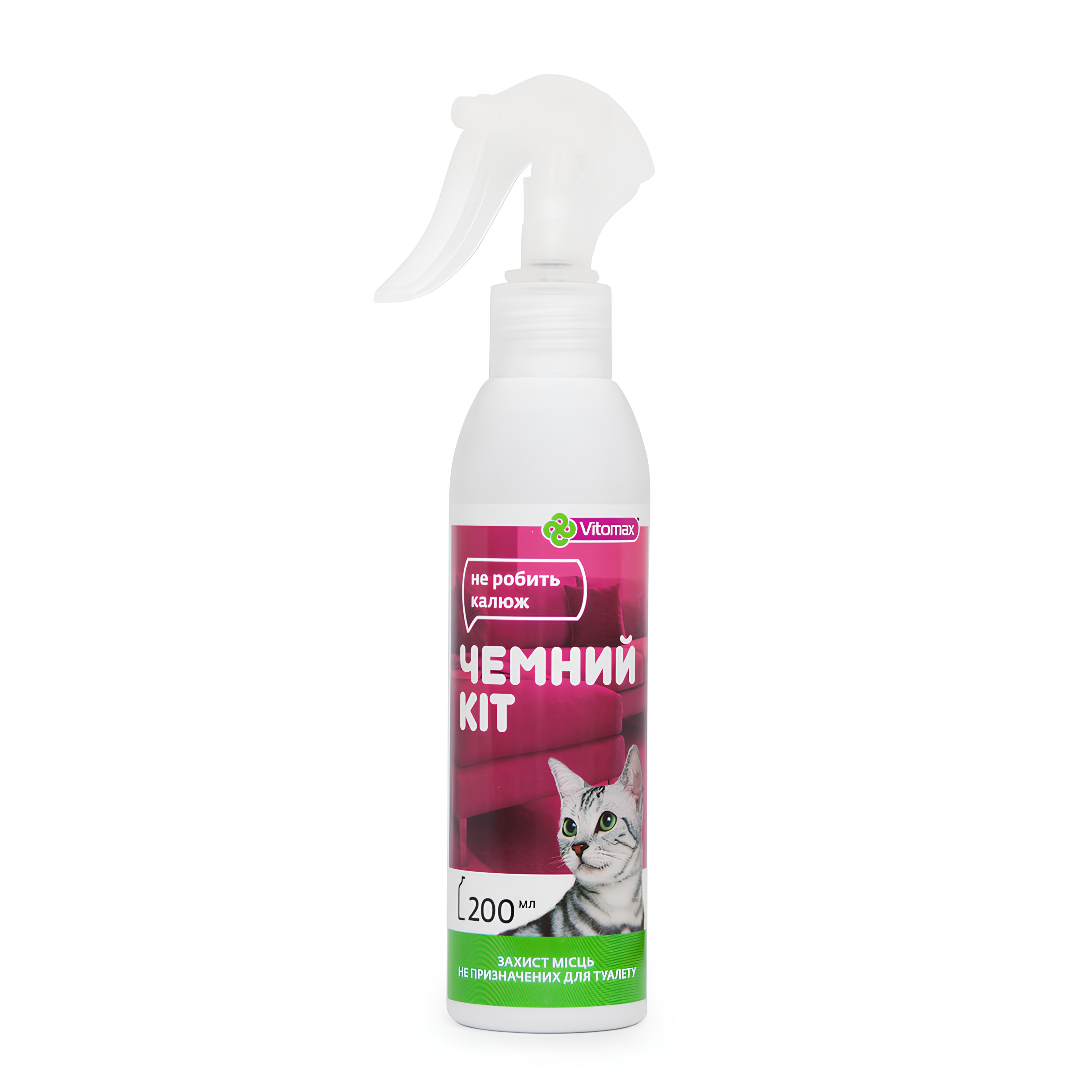
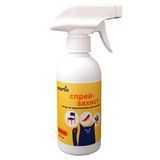
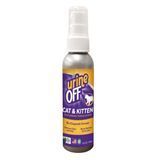
Spray Chemnyi Kit — protection for areas not intended for toilet use, 200 ml
Buy
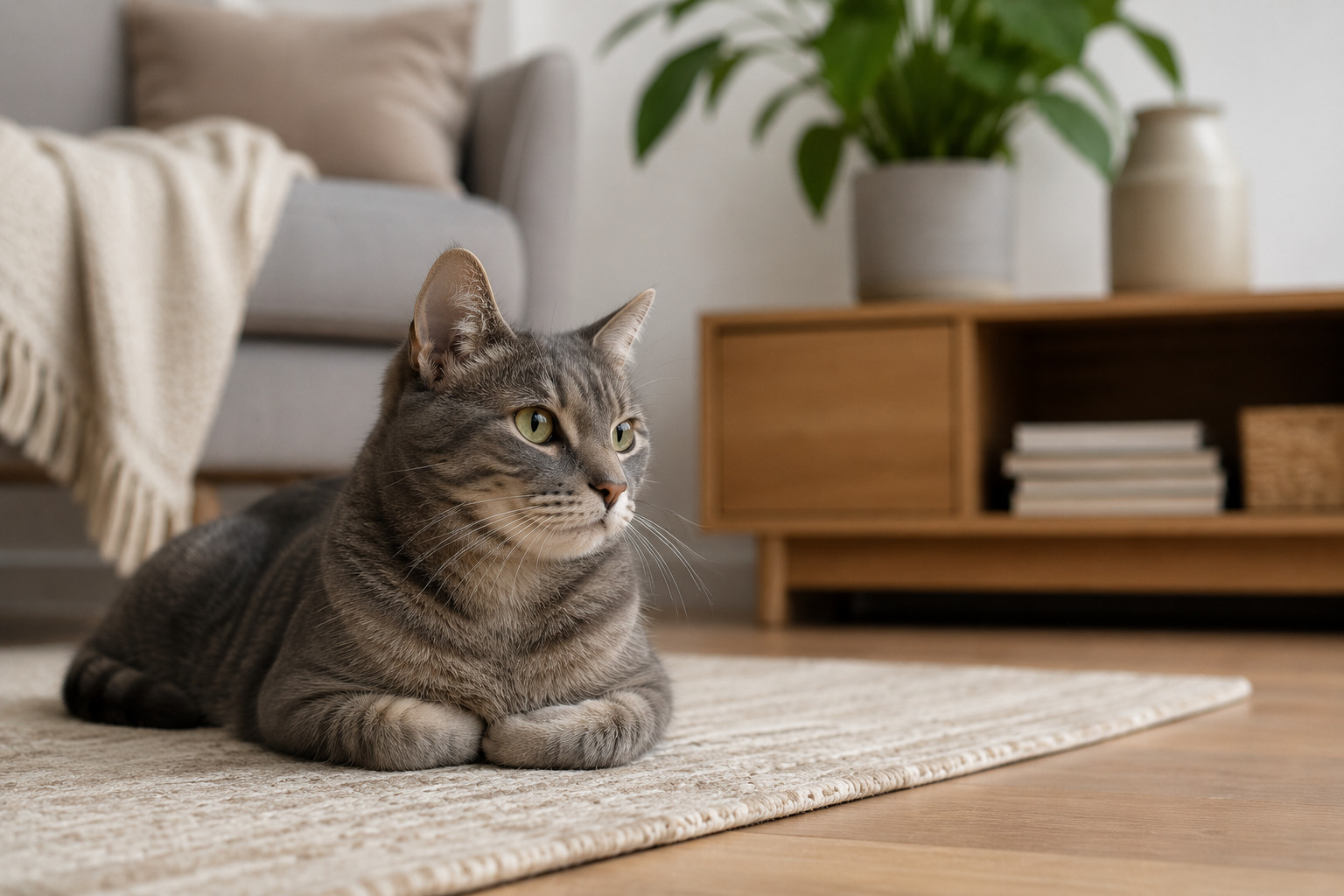
A litter box with soft pheromone-like smells becomes the «right» territory, while an unwanted place with repellent becomes an unpleasant zone
Conclusion
Cats live in a world full of smells that we often do not even notice. For them, smell is a wordless language, a way to feel safety, comfort, and love. Understanding what feels pleasant to them and what should be avoided helps us create a home where a tailed friend feels calm, happy, and protected.
Caring about smells is a small but very important way to show a cat our love and respect for its delicate world.