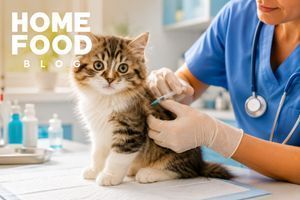
Cats are our loyal and charming companions, but like all living beings, they are at risk of serious disease. Some illnesses progress quickly and can threaten life, while others are chronic and gradually reduce an animal's quality of life.
Understanding the most dangerous conditions helps owners take preventive measures in time, plan vaccinations, and schedule regular veterinary checkups.
Before moving to the list of the ten most dangerous diseases in cats, it is important to understand the basic classification of feline illnesses. Broadly, they can be divided into infectious and non-infectious, and also grouped by organ systems: respiratory, immune, urinary, endocrine, oral, musculoskeletal, and others.
- Infectious diseases are caused by viruses, bacteria, or parasites and are often transmitted between animals or through the environment.
- Non-infectious diseases are associated with age, genetics, metabolic disorders, or lifestyle.
- The epidemiology of feline diseases differs depending on the region, access to vaccination, veterinary care, and control of stray animal populations.
10 most dangerous cat diseases: a modern view
Not all cat diseases are equally dangerous. Some may pass almost unnoticed, while others quickly lead to severe complications or even death. Below are ten of the most important conditions every owner should know about.
Feline infectious peritonitis (FIP)
It is caused by a mutation of the feline coronavirus. It may have a wet or dry form. Typical symptoms include weakness, weight loss, fever, and loss of appetite. Mortality is very high without effective help.
Rabies
An acute viral disease that affects the nervous system and is fatal. There is one form of prevention: timely vaccination and control of contact with potentially infected animals.
Chronic kidney disease
A gradual and irreversible decline in kidney function, more common in older cats. Symptoms include thirst, frequent urination, vomiting, weight loss, and a dull coat. Early monitoring can significantly slow progression.
Diabetes
A disorder of insulin production or utilization. Typical signs include thirst, polyuria, weight loss despite increased appetite, and lethargy. Weight control and the right diet are important for prevention.
Hyperthyroidism
Excess production of thyroid hormones in older cats. It is often accompanied by weight loss, hyperactivity, thirst, diarrhea, and coat changes.
Infectious anemia
A disease associated with bacteria that destroy red blood cells. It is transmitted through fleas, insects, or blood. Symptoms include weakness, pale mucous membranes, weight loss, and rapid breathing.
Urinary tract diseases
These include cystitis, urethral obstructions, and urolithiasis. They are accompanied by painful urination, blood in the urine, behavioral changes, and can worsen quickly.
Feline leukemia virus (FeLV)
A retroviral disease that weakens immunity and raises the risk of cancer and chronic infections. It is transmitted through saliva, blood, shared bowls, and litter boxes.
Feline immunodeficiency virus (FIV)
It causes a gradual decline in immunity. Cats can live for years with good care, but without monitoring the risk of secondary infections rises significantly.
Feline calicivirus infection
A viral respiratory disease often accompanied by stomatitis, mouth ulcers, nasal and eye discharge, poor appetite, and fever. It spreads especially easily in group housing.
Thus, the list of the most dangerous diseases includes both infectious and non-infectious conditions. Some can be significantly prevented by vaccination, while others require regular monitoring, dietary support, and careful observation of the cat's well-being.
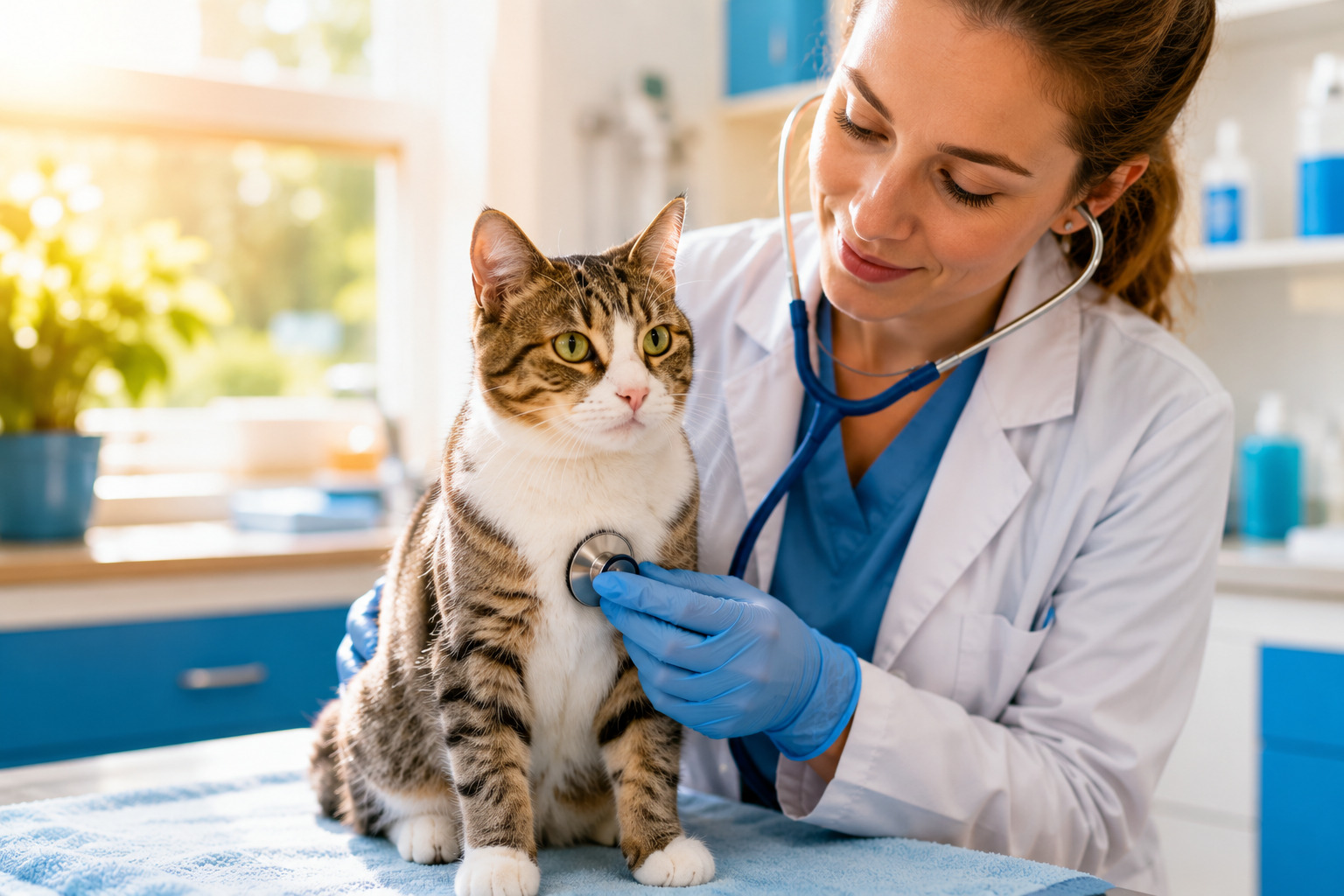

Most severe feline diseases are easier to control when the owner notices changes in behavior, appetite, and everyday habits in time
Infection prevention and parasite control
One of the key directions of prevention is controlling infectious risks and parasites. They are directly linked to some of the diseases that progress quickly or seriously damage a cat's immune system.
- Vaccination helps prevent severe forms of certain infectious diseases and significantly reduces mortality.
- Controlling contact with stray or unknown animals reduces the risks of FeLV, FIV, rabies, and parasitic problems.
- Treatment against fleas, ticks, and worms is important for preventing infectious anemia, secondary infections, and general exhaustion.

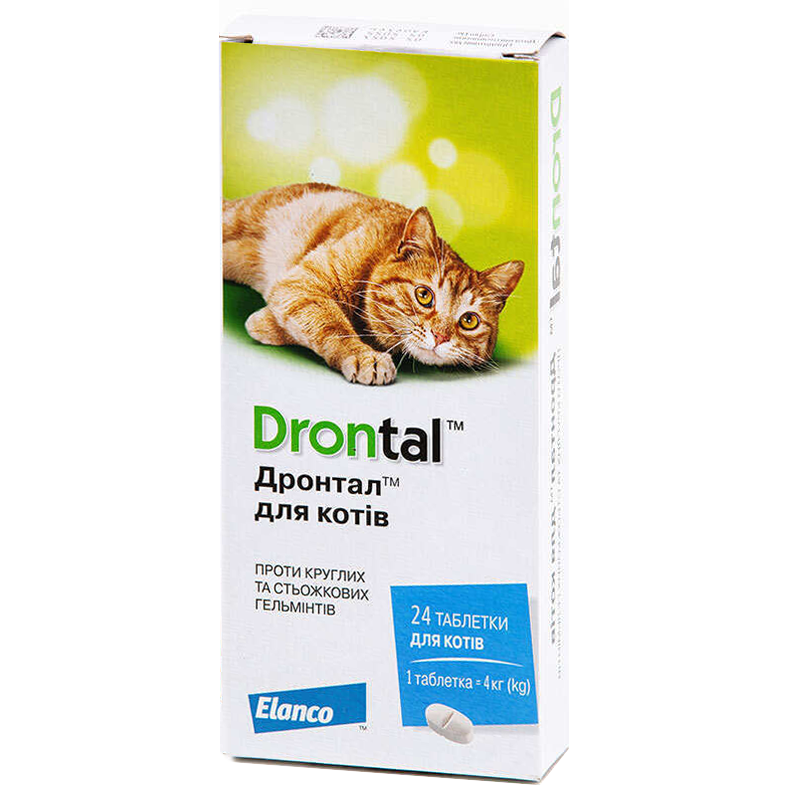
Drontal Elanco — a tablet for the treatment and prevention of helminth infections in cats
Buy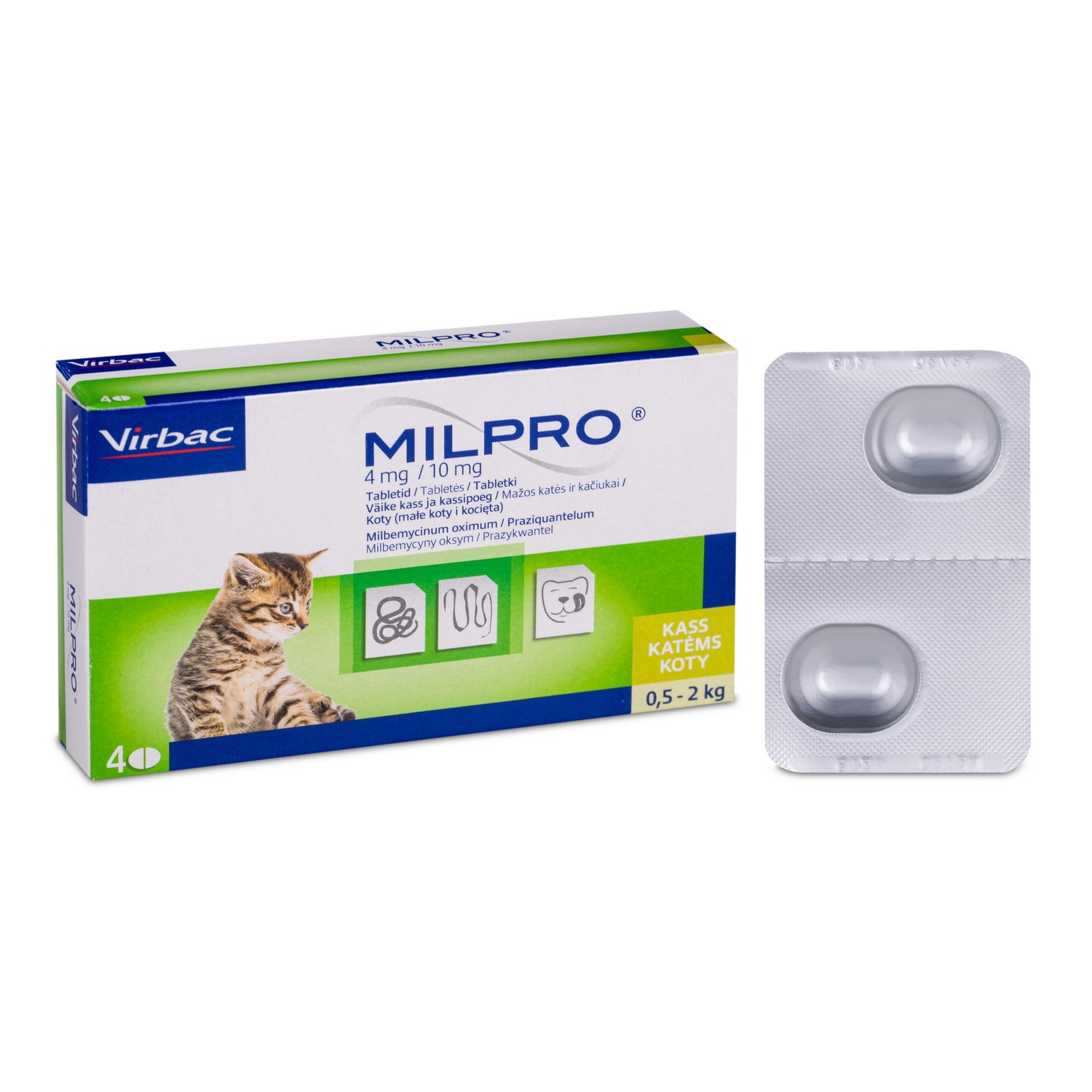
Virbac Milpro — antiparasitic tablets for kittens 4 mg/10 mg, 1 tablet
Buy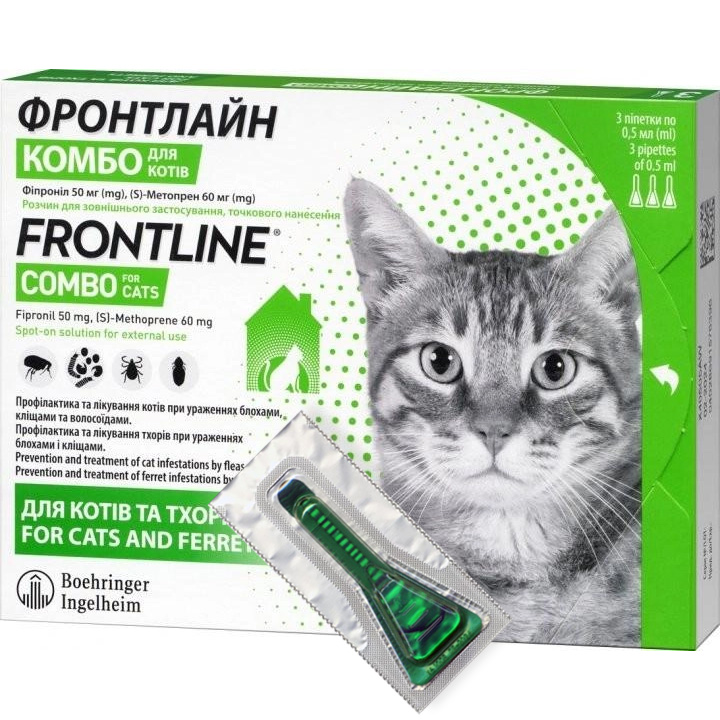
Boehringer Ingelheim Frontline Combo drops against fleas and ticks for cats, 1 pipette
Buy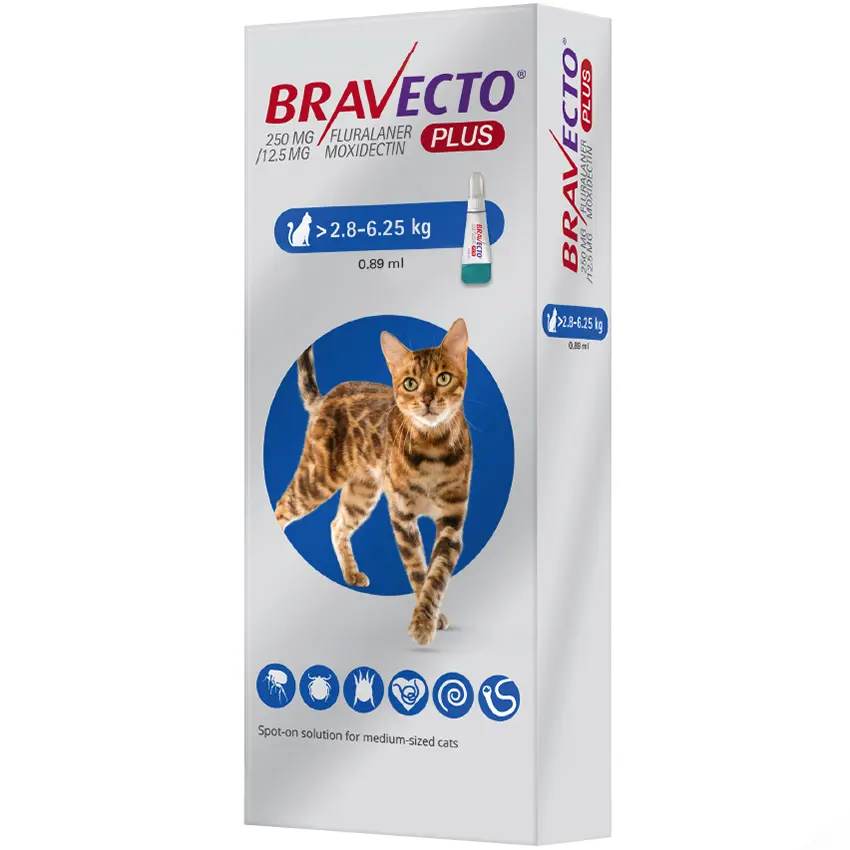
Bravecto Plus — spot-on antiparasitic drops for cats 2.8–6.25 kg
Buy
Hygiene, water, and everyday habits
Some dangerous cat diseases are linked not only to infections but also to everyday living conditions. Clean bowls, access to water, a tidy litter area, and odor control help maintain a healthy environment for the animal.
Clean water every day
Constant access to fresh water is especially important for preventing urinary system problems and supporting the kidneys.
Separate clean bowls
Regular washing of food and water bowls reduces the risk of bacterial contamination and makes feeding safer.
A clean litter box and surrounding space
Sanitation in the toilet area, odor control, and prompt cleaning help reduce contact with pathogens and lower stress in the cat.

Handmade ceramic bowl for dogs and cats, beige
Buy
Drinking water for cats for the prevention of urinary stone disease, 1 L
Buy
WAUDOG — automatic illuminated drinking fountain for dogs and cats, 2.5 L
Buy
Urine Off Cat & Kitten — odor and urine stain remover for cats and kittens, 500 ml
Buy
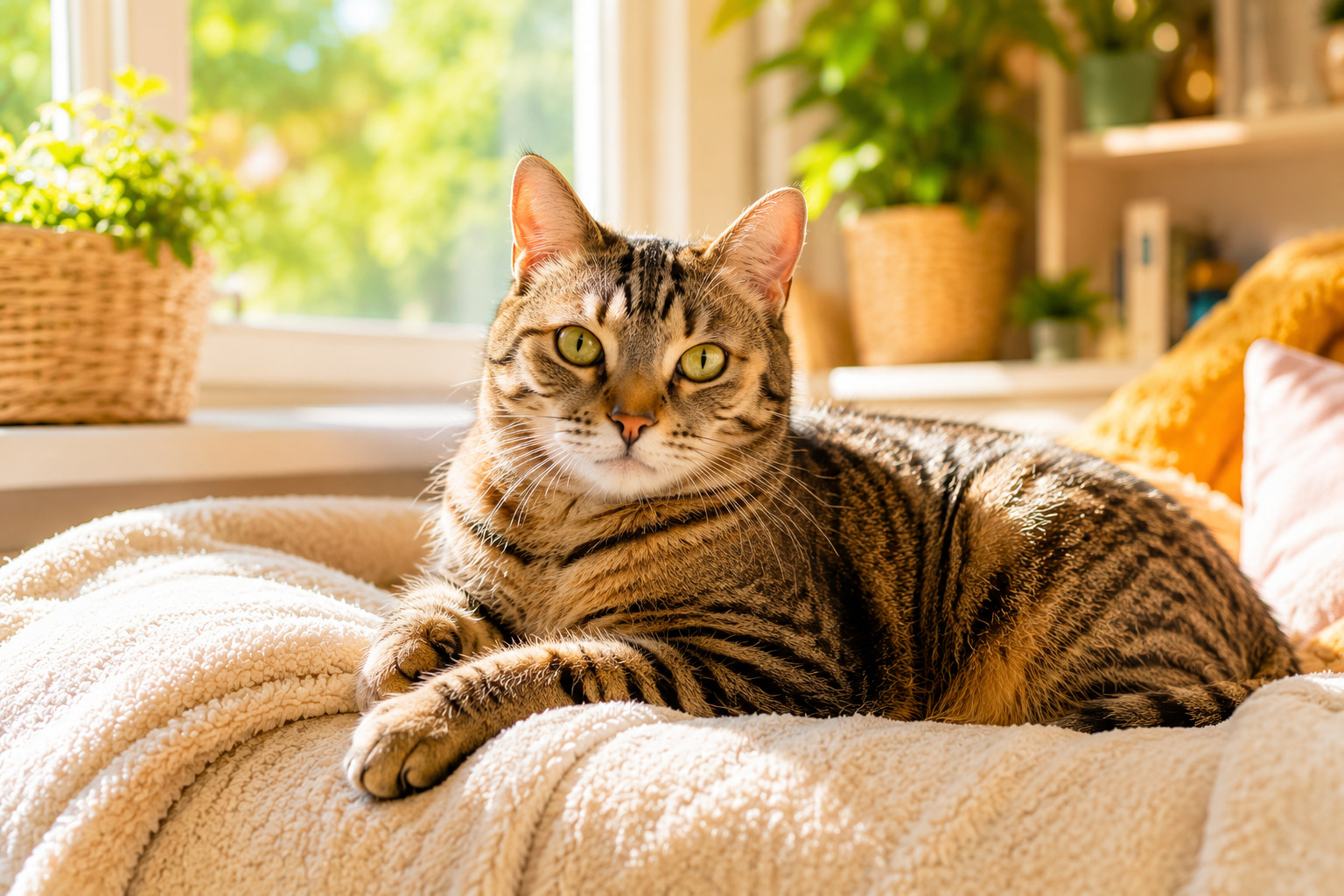
Prevention of dangerous diseases in cats begins with simple things: a stable diet, clean water, a safe environment, parasite control, and stress reduction
Balanced nutrition and stress management
Routine checkups, vaccination, and parasite control remain the foundation, but a cat's everyday health also depends greatly on diet and stress level. These two factors often affect the course of chronic diseases, the condition of the urinary system, and overall resilience.
- Balanced nutrition supports immunity, kidney function, weight, and metabolism.
- Body weight control reduces the risks of diabetes and some urological problems.
- A comfortable environment, toys, and anti-stress support help reduce triggers for urinary disorders and behavioral flare-ups.

HOME FOOD dry food for kittens Fresh Chicken For kittens 1-12 months, 400 g
Buy
Hypoallergenic HOME FOOD dry food for sterilized/neutered adult cats «Sea Cocktail», 400 g
Buy
Relax Pro HOME FOOD Expert — dietary supplement CBD oil 2%, 10 ml
Buy
Harmony Pro HOME FOOD Expert — anti-stress feed supplement, 20 g
Buy
Conclusion
The most dangerous diseases in cats do not always begin dramatically. Often, the first signals look like small changes: a different appetite, weight loss, lethargy, strange behavior near the litter box, or unwillingness to play. That is why regular checkups, vaccination, parasite control, a clean environment, and a quality diet remain the best investment in a pet's long and stable life.
The earlier an owner notices a problem and seeks help, the greater the chance of stopping disease progression or significantly easing its course.