If a cat is losing whiskers, it doesn't always mean a serious problem, but it's not wise to completely ignore such a symptom either. Occasional natural renewal of whiskers is normal, while mass shedding, brittleness or breakage often indicate care mistakes, stress, parasites, skin diseases or unbalanced nutrition.
Whiskers, or vibrissae, help a cat orient itself in space, assess distance, feel air currents and even partially convey emotional state. That's why their loss affects not only appearance but also the animal's comfort and behavior.
In this material, we'll figure out why a cat may lose whiskers, when they regrow on their own, what the owner can do at home and in which cases a veterinary examination is already needed.
Why a cat loses whiskers: main causes
First, it's important to understand what exactly caused the problem. Some causes are relatively harmless, but sometimes whisker loss is just one manifestation of a disease.
| Cause | What happens | What to pay attention to |
|---|---|---|
| Genetic predisposition | In some breeds, whiskers are thinner, more brittle or shorter due to connective tissue structure features | More common in Sphynx, Scottish Fold and certain lines of breeds |
| Diseases and infections | Skin and hair follicles suffer from allergies, acne, fungal or bacterial infections, endocrine or metabolic disorders | Redness, itching, flaking, hair loss, behavioral changes, lethargy |
| Parasites | Fleas, mites or worms can indirectly affect skin condition, coat and overall well-being | Itching, scratches, dull coat, weight loss, anxiety |
| Mechanical injuries | Whiskers break during fights, active play, falls or from constant rubbing | Broken tips, asymmetry, localized damage on one side of the face |
| Care mistakes | Aggressive bathing, inappropriate products or attempts to trim whiskers damage them mechanically | The problem appears after bathing or home procedures |
| Stress and nutritional deficiencies | Against the background of chronic stress and lack of nutrients, the condition of coat and follicles worsens | Poor appetite, nervousness, dull coat, brittle hair |
Most often, you should pay attention to these possible causes:
- Genetic predisposition sometimes explains whisker brittleness, but shouldn't mask other problems.
- Skin diseases, parasites and metabolic disorders remain among the most common causes of mass shedding.
- Unbalanced nutrition weakens hair follicles and can make whiskers brittle and fragile.
Be especially attentive if the coat condition has worsened along with whisker loss, or if bald patches, itching, unpleasant skin odor, or appetite changes have appeared. In this situation, whisker loss is unlikely to be an isolated problem.


Dry food HOME FOOD for adult cats «Turkey and salmon» Healthy skin and shiny coat, 1.6 kg
Buy
Hypoallergenic dry food HOME FOOD for spayed/neutered adult cats «Sea Cocktail», 1.6 kg
Buy
Dry food HOME FOOD for picky spayed/neutered adult cats Chicken & Liver, 1.6 kg
Buy
Grain-free hypoallergenic food HOME FOOD for adult spayed/neutered cats «Duck and pear», 1.6 kg
Buy
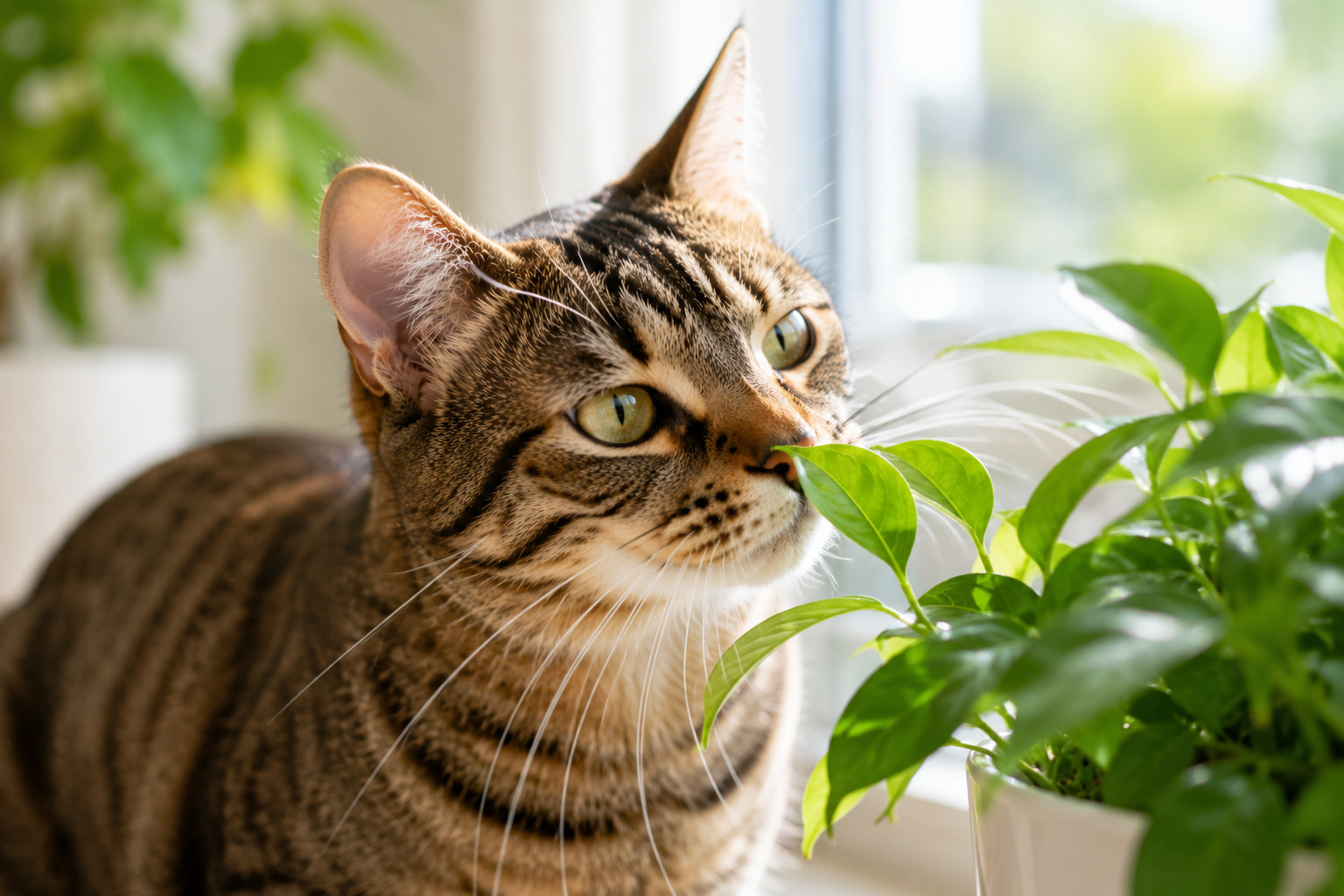

Whiskers are not just for beauty: they help cats navigate space, sense obstacles, read their environment, and feel confident even in the dark
Why whisker loss is dangerous
Ignoring massive whisker loss is not advisable, as it is not just a cosmetic defect for a cat. When whiskers become fewer or break, it becomes harder for the animal to use its natural sensory abilities.
Coordination is disrupted
A cat may have difficulty judging distance, move less confidently through narrow spaces, and bump into objects more often, especially in the dark or in unfamiliar surroundings.
Navigation and play become more difficult
During hunting and even regular play, whiskers help detect subtle air movements and more accurately determine the location of an object.
Communication changes
The position of whiskers is part of feline facial expression: spread whiskers often signal interest, while whiskers pressed against the cheeks can accompany fear or tension.
Anxiety increases
When a cat loses an important sensory tool, it may become more cautious, skittish, withdrawn, or irritable.
- Whiskers help a cat feel the boundaries of space and move more precisely.
- Massive whisker loss can affect an animal's behavior, activity, and confidence.
- If the condition of the coat or skin has worsened along with whisker loss, you should look for the root cause rather than just wait for regrowth.
Do cat whiskers grow back
In most cases, yes. Whiskers, like fur, go through a natural growth cycle: an active phase, a transition phase, and a resting phase. After the cycle is complete, the old whisker may fall out and a new one begins to grow in its place.
If the cause of shedding is not related to constant injury or disease, full regrowth often takes from several weeks to one to three months. In young and generally healthy cats, recovery usually goes faster.
However, when whiskers constantly break, fall out along with fur, are accompanied by itching, or do not regrow for a long time, this is a reason not to wait but to seek the cause together with a veterinarian.

Relax Pro HOME FOOD Expert — dietary supplement CBD oil 2%, 10 ml
Buy
Harmony Pro HOME FOOD Expert — feed additive anti-stress, 20 g
Buy
HePawSyn HOME FOOD Expert — symbiotic for digestive and immune support, 250 g
Buy
Phytomin for cats HOME FOOD oil «Omega Balance» Balance of Omega-3, -6, -9, 100 ml
Buy

For healthy whiskers, not only gentle care is important, but also a calm environment, protection from parasites, and a complete diet with sufficient nutrients
How to care for your cat's whiskers and what to do at home
If your cat feels generally well and you don't see obvious signs of illness, it's worth starting with basic but proper home care.
Gently clean the face and whiskers
After eating or walks, the whiskers can be gently wiped with clean water or a soft wipe without alcohol or strong fragrances. If the muzzle area tends to get dirty, use only products intended for cats and dogs.
Do not cut or trim whiskers
Even if individual hairs seem too long or broken, you cannot correct them on your own. If there is doubt about whether intervention is needed, the decision should be made by a veterinarian.
Protect your cat from injuries and stress
Make sure children don't pull your cat's whiskers and other animals don't provoke fights. Moving, loud noises, conflicts in the home, or sudden changes in diet can also worsen the condition of fur and whiskers.
Review the diet
Lack of quality protein, fatty acids, vitamins, and minerals can weaken hair follicles. Balanced food and appropriate supportive supplements sometimes help eliminate the problem if its root is in nutrition.
The most important thing in home care is to act gently: do not trim the whiskers, do not use aggressive cleansers, and, whenever possible, reduce stress factors that may worsen the condition of the coat and whiskers.
When it is necessary to contact a veterinarian
Home care is not always enough. If whisker loss is not isolated but pronounced or recurring, it's better not to delay a consultation.
- Whiskers are falling out in large numbers or from one side of the face along with fur.
- There is itching, redness, scabs, acne, unpleasant skin odor, or scratches.
- The cat has become lethargic, nervous, started eating less, or is losing weight.
- There is suspicion of parasites, allergies, fungal or bacterial infection.
- New whiskers take a long time to grow back or break off again immediately.
The veterinarian will be able to assess the skin condition, rule out dermatological or systemic diseases, check the animal for parasites, and if necessary, recommend dietary adjustments or treatment.

Facial cleanser for dogs and cats to remove tear stains Tropiclean Spa, 236 ml
Buy
Milprazon KRKA — anthelmintic tablets for cats weighing over 2 kg, 1 tablet
Buy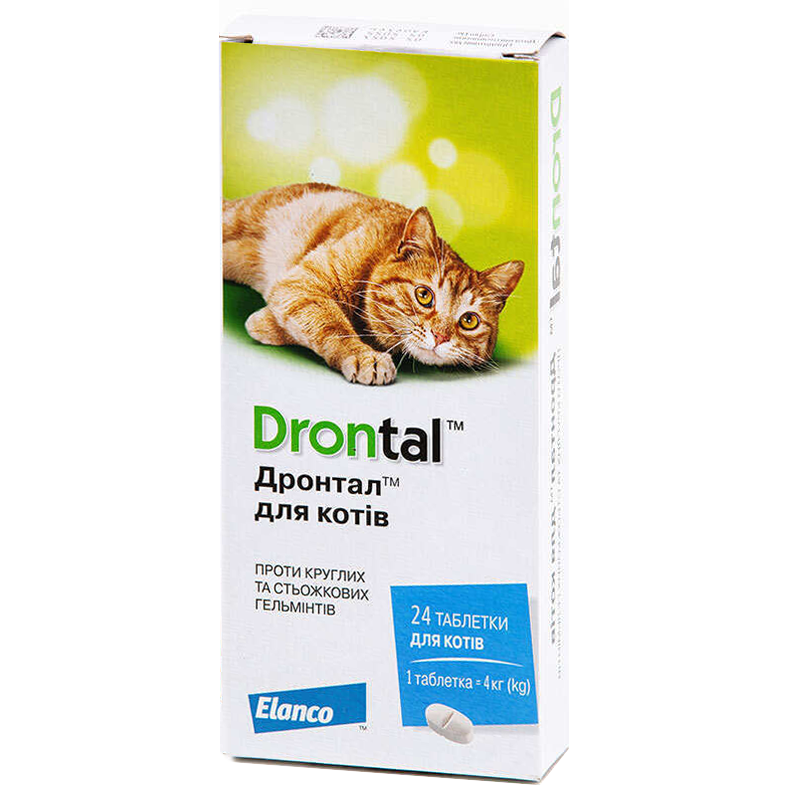
Drontal Elanco — tablet for treatment and prevention of helminthiasis in cats, 1 pc
Buy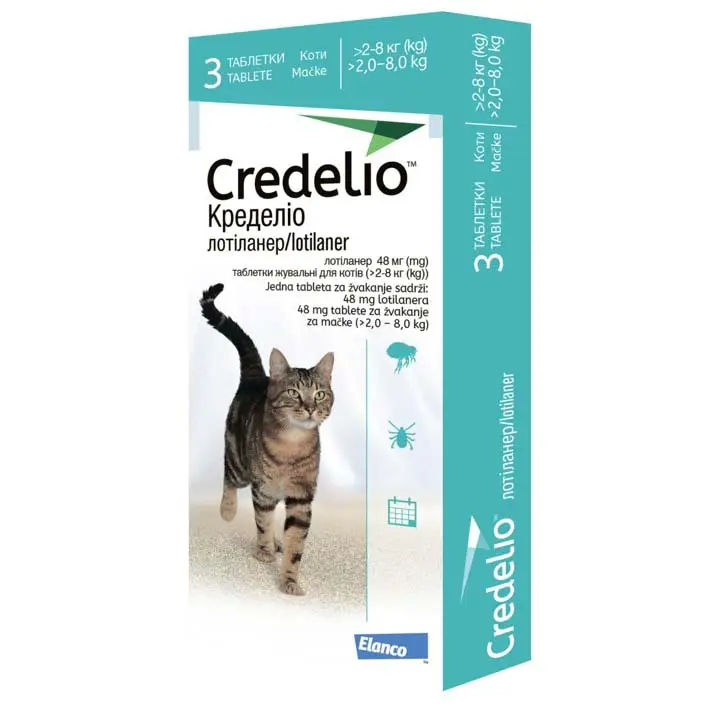
Credelio Elanco — antiparasitic chewable tablets against fleas and ticks for cats
Buy
Conclusion
If a cat is losing whiskers, the cause may be relatively simple or related to skin health, metabolism, stress, or parasites. Occasional renewal of vibrissae can be normal, but mass shedding, brittleness, or a combination with other symptoms already requires attention.
The best strategy for an owner is not to panic, but also not to delay observation: provide gentle care, review the diet, reduce stress, and if necessary, consult a veterinarian. This is how you can help your cat quickly restore healthy whiskers and feel confident again.