📌 HOME FOOD Blog: Scottish Cat
Scottish Cat
The Scottish cat is one of the most popular breeds, which attracts attention with its charming appearance and soft, friendly character. Cat lovers all over the world choose them not only for their unique external features, but also for their excellent behavioral traits. If this breed has interested you, it is worth familiarizing yourself in detail with its history and the specifics of care.
History of the origin of Scottish cats
The history of the breed began in 1961 on a farm in Scotland, where an unusual cat named Susie was born. Her uniqueness lay in her folded ears, which were the result of a spontaneous genetic mutation. It is from this cat that the history of the development of the Scottish Fold breed originates.
Professional breeders took up the breeding, crossing Susie with British Shorthairs and domestic cats to preserve and strengthen the folded-ear gene. However, it soon became clear that the gene, in addition to the cute position of the ears, could cause serious health problems, in particular osteochondrodysplasia — a disease of cartilage and bones, if two folded-eared individuals are crossed. This required careful and strict control in breeding.
Today, Scottish Fold cats are registered in most major felinological associations, although breeding is strictly regulated due to potential genetic risks.
Appearance and unique features
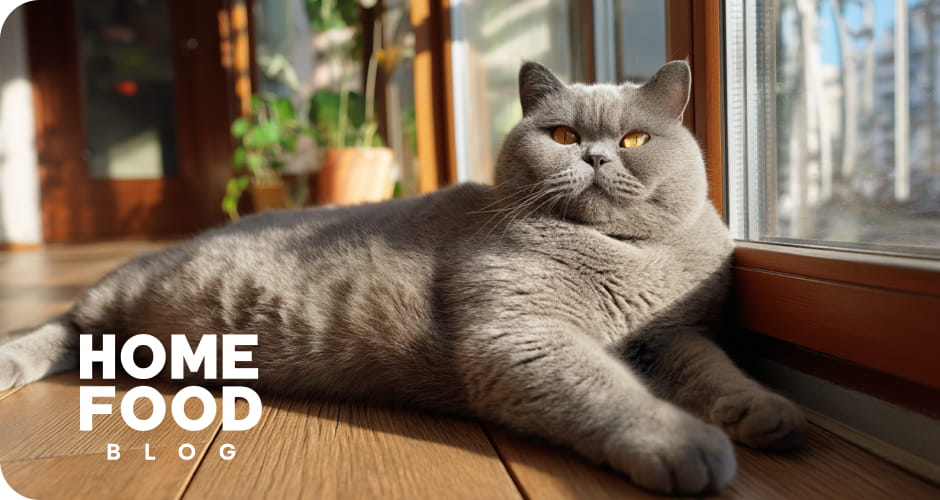
Scottish cats are distinguished by a compact and harmonious build, rounded shapes, and soft outlines. They are medium-sized, with a weight usually ranging from 3 to 6 kilograms. The head is round with large eyes, giving them a cute and friendly appearance. One of the main features of the breed is the ears — they can be either folded (Scottish Fold) or straight (Scottish Straight).
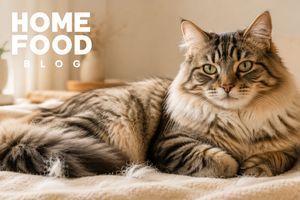
The coat can be short or semi-long, depending on the variety. The coat is dense and soft to the touch, and the colors can be very diverse: from classic gray and black to rare colors with spots and stripes.
Types of colors
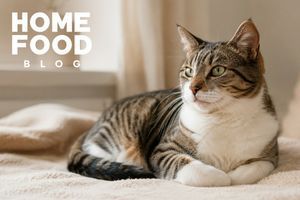
Scottish cats have many color variations, and one of the most popular among them is tabby. It is these cats that are often seen in advertising images. The tabby color can appear in several variants: tiger, spotted, marbled, and Scottish Fold cats also have solid colors that have no pattern.
Character and behavior
Scottish cats are known for their calm and friendly character. They get along well with people, quickly find common ground with other pets and children.
These cats are characterized by moderate activity — they will not run around the house in search of entertainment, but will gladly join in play with their owner. In addition, Scottish cats do not require constant attention; they can calmly spend time alone if the owners are busy. Their high intelligence allows them to quickly master the rules of behavior in the house. They are easily litter-trained, rarely show aggression, and prefer peaceful interaction.
High intelligence allows pets to quickly master the rules of behavior in the house. They are easily litter-trained, rarely show aggression, and prefer peaceful interaction. At the same time, they can be somewhat stubborn, especially when it comes to their personal preferences.
Features of keeping
Keeping a Scottish cat does not require special conditions, but there are several nuances of care that must be taken into account so that the pet feels comfortable and remains healthy.
Coat care
The coat of Scottish cats requires regular care, especially if it is the long-haired variety.
Short-haired Scottish cats are recommended to be brushed once a week, while long-haired ones — 2–3 times a week to avoid the formation of mats. Special attention should be paid to the shedding season.
Regular brushing helps prevent coat problems and reduces the amount of hair in the house. To enhance the effect and maintain the health and shine of the coat, you can use specialized grooming cosmetics (shampoos and conditioners), especially for the long-haired variety.

Shampoo "Perfect Care" for dogs and cats Total Care HOME FOOD Beauty, 200 ml
Buy
Conditioner "Silky Touch" for dogs and cats Silky Touch HOME FOOD Beauty, 200 ml
Buy
Trixie Soft Brush - slicker brush with soft bristles and rubber handle plastic/metal 12x16 cm
Buy
Trixie - glove for grooming 16x24 cm
Buy
Eye, ear, and claw care
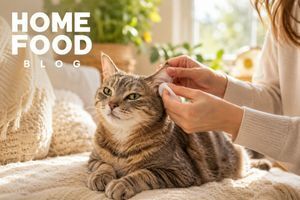
The ears of these animals require careful attention. Their folded shape promotes the accumulation of dirt, which increases the risk of infection. Therefore, it is recommended to inspect and clean the ears at least once a week using special care products.
The eyes also need regular examination; if you see clear discharge, they can be gently cleaned using special veterinary lotions.
It is also necessary to regularly trim the claws to prevent excessive growth and possible injuries. Using a scratching post helps keep the claws in order and satisfies the cat's natural needs.

Ear cleaning solution for dogs and cats Auricap, 100 ml
Buy
Lotion ProVET SOFTVET for eye hygiene of cats and dogs, 15 ml
Buy
Proper nutrition
Proper nutrition is the key to the health of a Scottish cat. Since these pets are prone to gaining excess weight, it is critically important to strictly control portion sizes and follow a feeding schedule (an adult cat is recommended to be fed 2–3 times a day).
The diet should be balanced. It is recommended to choose high-quality, complete foods that contain the necessary nutrients and a lot of meat or fish. Make sure there is no harmful food in the diet. The cat should always have access to clean drinking water.
Considering the breed's predisposition to joint problems (osteochondrodysplasia), it is advisable to choose diets that have an increased content of components for joint support, such as glucosamine and chondroitin. If this is not enough, veterinarians may recommend additional special supplements.

Dry food HOME FOOD for adult British and Scottish breed cats Turkey and Duck For British and Scottish breeds. Suitable for large breeds, 1.6 kg
Buy
Vitamins for the treatment of joints in small breed dogs and cats (chondroprotector) Dolfos ArthroHa mini, 40 tablets
Buy
Health of the Scottish cat
Pets of this breed generally have good health, but they have a predisposition to certain genetic diseases. The most common problem is osteochondrodysplasia. Scottish cats may also face diseases of the urinary tract and heart problems. Therefore, it is important to regularly visit the veterinarian and undergo preventive examinations.

Drinking water for cats for the prevention of urolithiasis, 1 l
Buy
How long do Scottish cats live?
The average lifespan of Scottish breed cats is from 10 to 15 years with proper care and timely treatment. With good genetic health, careful care, and a balanced diet, these cats can live longer. It is important to monitor their health, regularly undergo veterinary check-ups, and maintain their physical activity at the proper level.
Conclusion:
The Scottish cat is an ideal choice for those looking for a calm and affectionate pet with a unique appearance. They are distinguished by a friendly and balanced character, which makes them excellent companions for people of all ages. It is important to remember that Scottish cats require special ear care, as well as breed-appropriate balanced nutrition. With proper care and attention to their health, these cats can delight their owners for many years.