Urinary incontinence in dogs is a delicate problem that often worries owners and causes concern for their pet’s health.
This is a condition in which a dog cannot fully control urination, and it can manifest at different ages and for various reasons.
It is important to remember: incontinence does not always mean “bad behaviour” or “disobedience” — it is usually the body’s signal of an imbalance or medical problem.
In this article, we will calmly and professionally examine why urinary incontinence occurs in dogs, how to recognise it, when you should immediately contact a veterinarian, and what treatment and support methods can be used at home.
Urinary incontinence in puppies: when it is normal
In the first weeks and months of life, urinary incontinence in puppies is an absolutely physiological and normal phenomenon. The small body does not yet have sufficiently developed nerve connections to control the bladder, and the process of urination is often stimulated by the mother or caregiver.
| Age | Frequency | Control | What is important to know | Owner's actions |
|---|---|---|---|---|
| 0–3 weeks | After each feeding, 6–10 times per day | No control yet | Urination is stimulated by the mother or caregiver | Maintain warmth, cleanliness and monitor condition |
| 3–6 weeks | 4–6 times per day | Begins to form | The routine is not yet stable, frequent accidents are possible | Gradually introduce the toilet area |
| 6–12 weeks | As needed, often after sleep, meals, and play | Can hold urine for 1–2 hours | Fear or excitement can trigger frequent urination | Use consistency, praise, and calmness |
| After 3 months | Gradually approaches the adult routine | Most puppies are already able to wait for a walk outside or a pee pad | Small breeds may urinate more frequently due to small bladder capacity | Establish walks without pressure or punishment |
Pee pad training
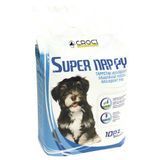
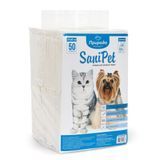
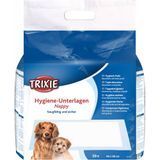
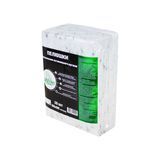
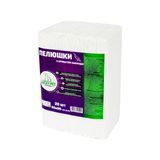
Пелюшки — чудовий тимчасовий засіб для дуже маленьких цуценят. Використовуйте чисту, легко впізнавану поверхню, підкладайте цуценя на пелюшку після сну та годування, а якщо малюк «промахнувся», не сваріть його. Для такого етапу зручно мати запас training pads, але використовувати їх варто недовго, доки цуценя не досягне віку переходу на вулицю.
Outdoor training
They usually start at 8–12 weeks, taking the puppy out regularly after sleep, feeding, and play. Use praise and treats for proper elimination outside: the less stress and pressure, the faster good habits are formed.
Why you shouldn’t scold a puppy
- scolding does not help teach bladder control;
- punishment causes stress, which can worsen incontinence;
- fear damages the trust and security that are so important in forming attachment.
The most effective approach is calmness, praise for correct actions, and regular walks, which allows a small dog to develop healthy habits without stress.

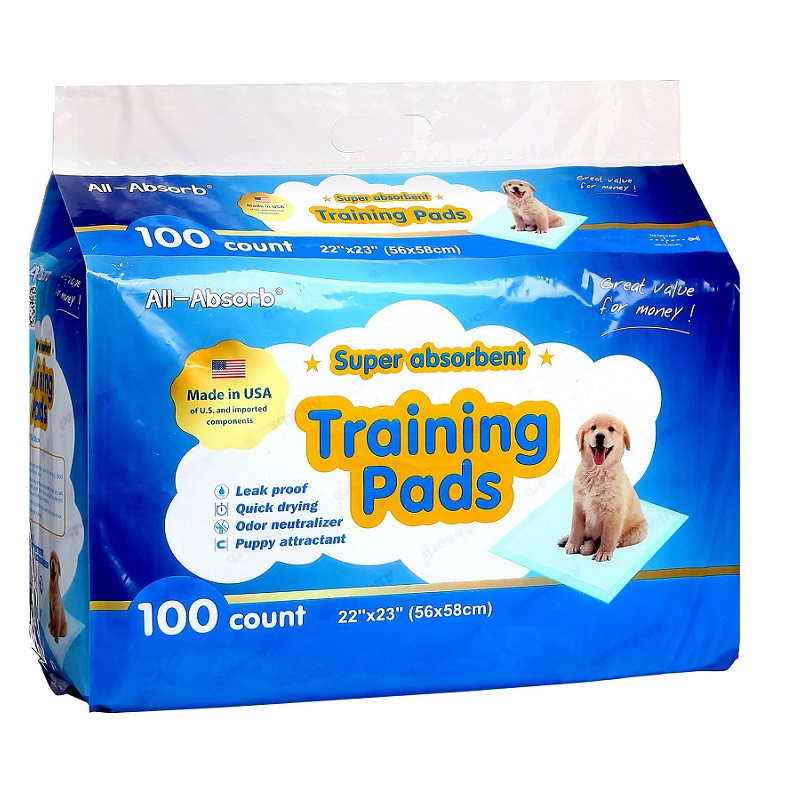
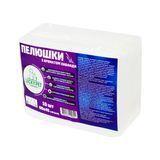
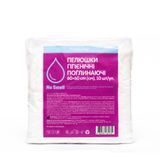
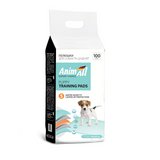
All-Absorb Small Training Pads Regular — training pads for dogs and puppies, 56х58 cm, 100 pcs
Buy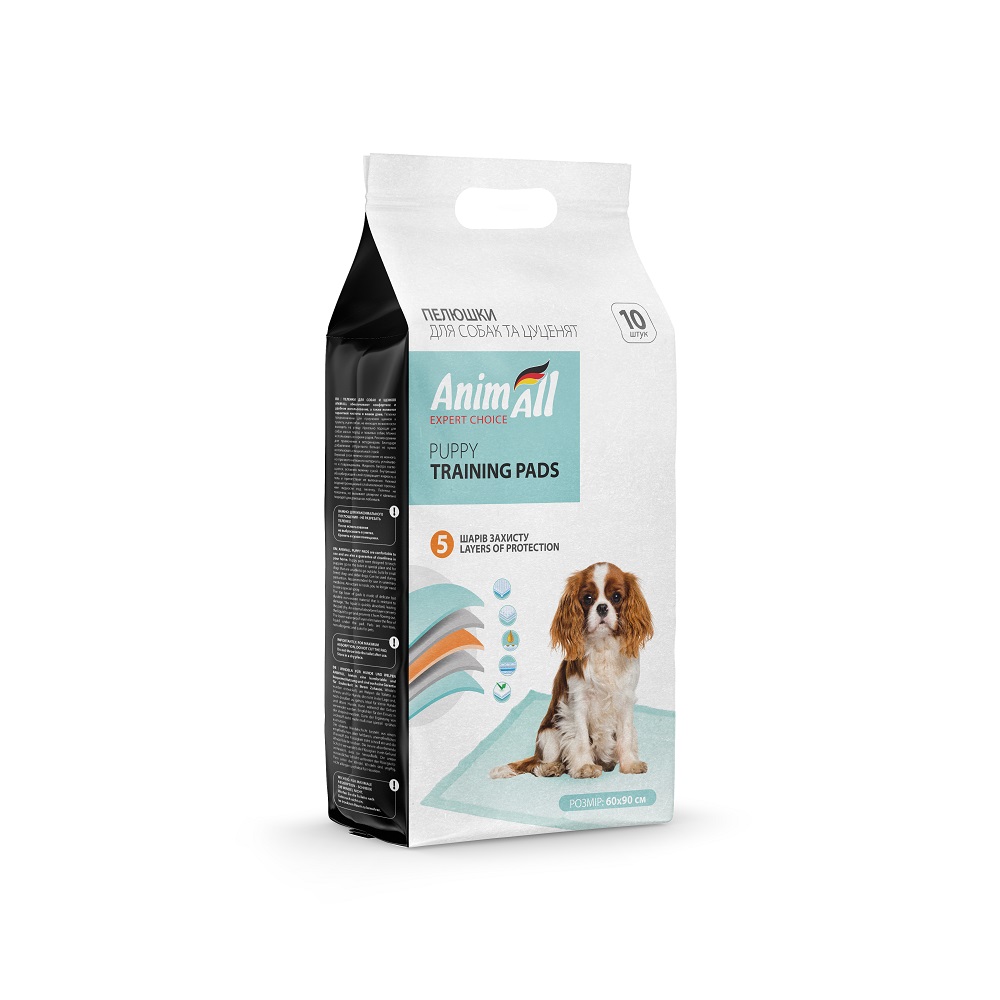
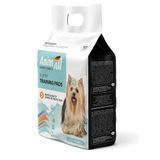
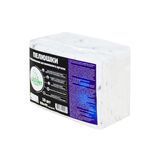
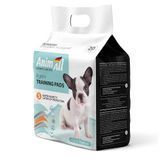
AnimAll Puppy Training Pads — training pads for puppies and dogs, 60х90 cm, 10 pcs
Buy
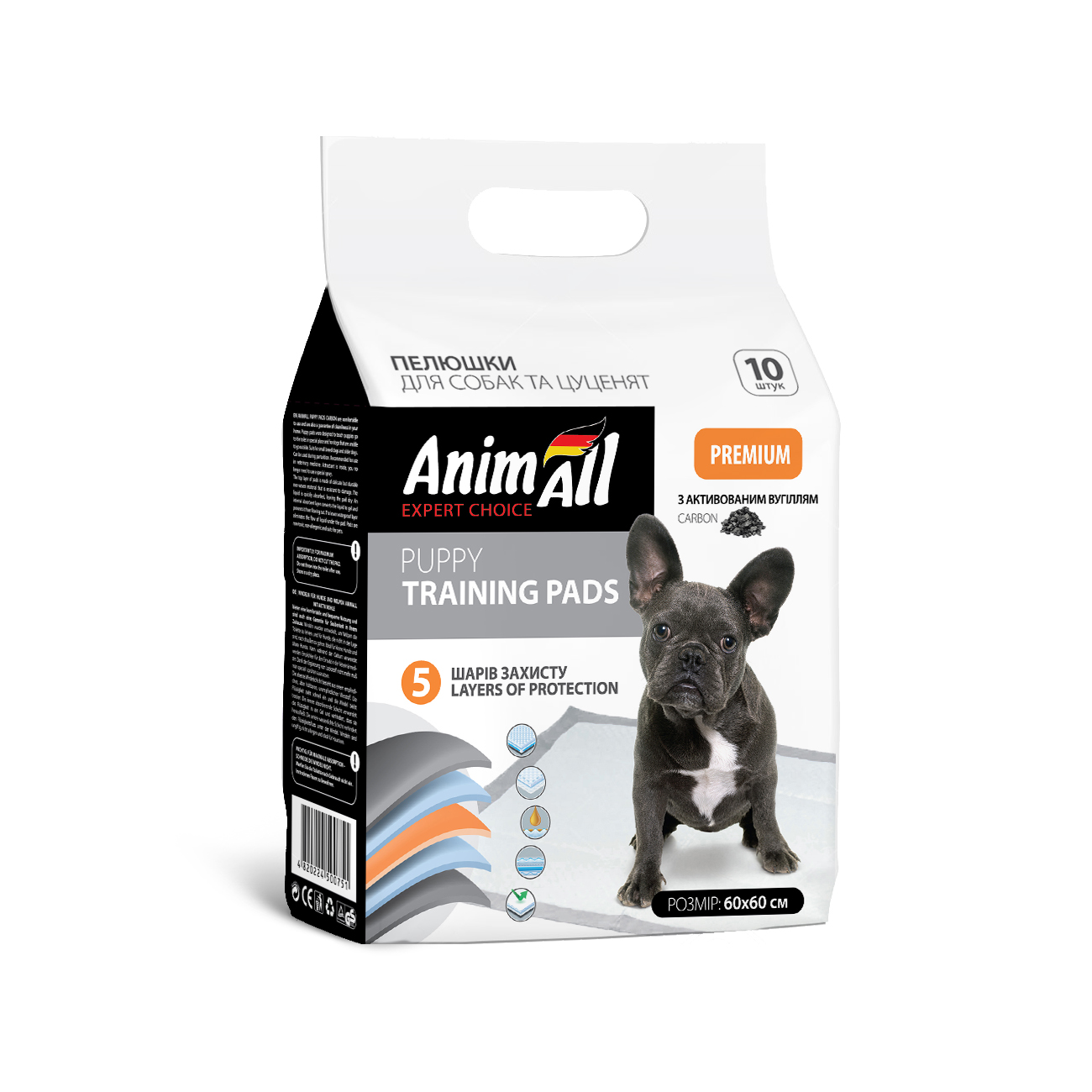
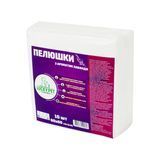
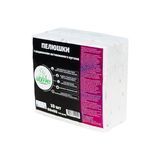
AnimAll Puppy Training Pads — training pads with activated carbon for puppies and dogs, 60×60 cm, 10 pcs
Buy
Urinary incontinence in adult dogs
Urinary incontinence in adult dogs is not as rare a phenomenon as it may seem at first glance. There can be many causes, and they include both physiological and pathological factors.
Cystitis
Bladder inflammation is one of the most common causes of incontinence, especially in female dogs. Cystitis can be bacterial, traumatic, or chronic, and is accompanied by frequent urges to urinate, pain, and sometimes blood in the urine.
Acute renal failure
Renal dysfunction in dogs of either sex can lead to an inability to retain urine due to excessive urine production and bladder weakness. In cases of acute renal failure, urgent veterinary diagnosis and treatment are important.
Prostatitis and prostate adenoma
In male dogs, inflammatory processes of the prostate or benign tissue overgrowth can cause incontinence due to pressure on the bladder or disruption of nerve regulation.
Uterine inflammation
In female dogs, pathologies of the reproductive system, including pyometra and endometritis, can lead to urinary incontinence due to pressure on the bladder or inflammatory swelling. Such conditions always require urgent examination by a veterinarian.
Incontinence after sterilization
In female dogs, incontinence after sterilization occurs quite frequently, especially in those who were spayed at a mature age. The causes are related to decreased estrogen levels, which leads to weakening of the bladder sphincter.
Diabetes
Diabetes mellitus provokes increased urine production and, accordingly, incontinence. Diabetes insipidus can also cause excessive fluid discharge and frequent leakage.
Cushing’s Syndrome
Hypercortisolism can cause incontinence due to increased urine production and impaired bladder tone. It is often combined with increased thirst, increased appetite, and changes in the coat and skin.
Urinary incontinence in an adult dog is a signal that cannot be ignored. Often it is a manifestation of serious diseases that require diagnosis and treatment.
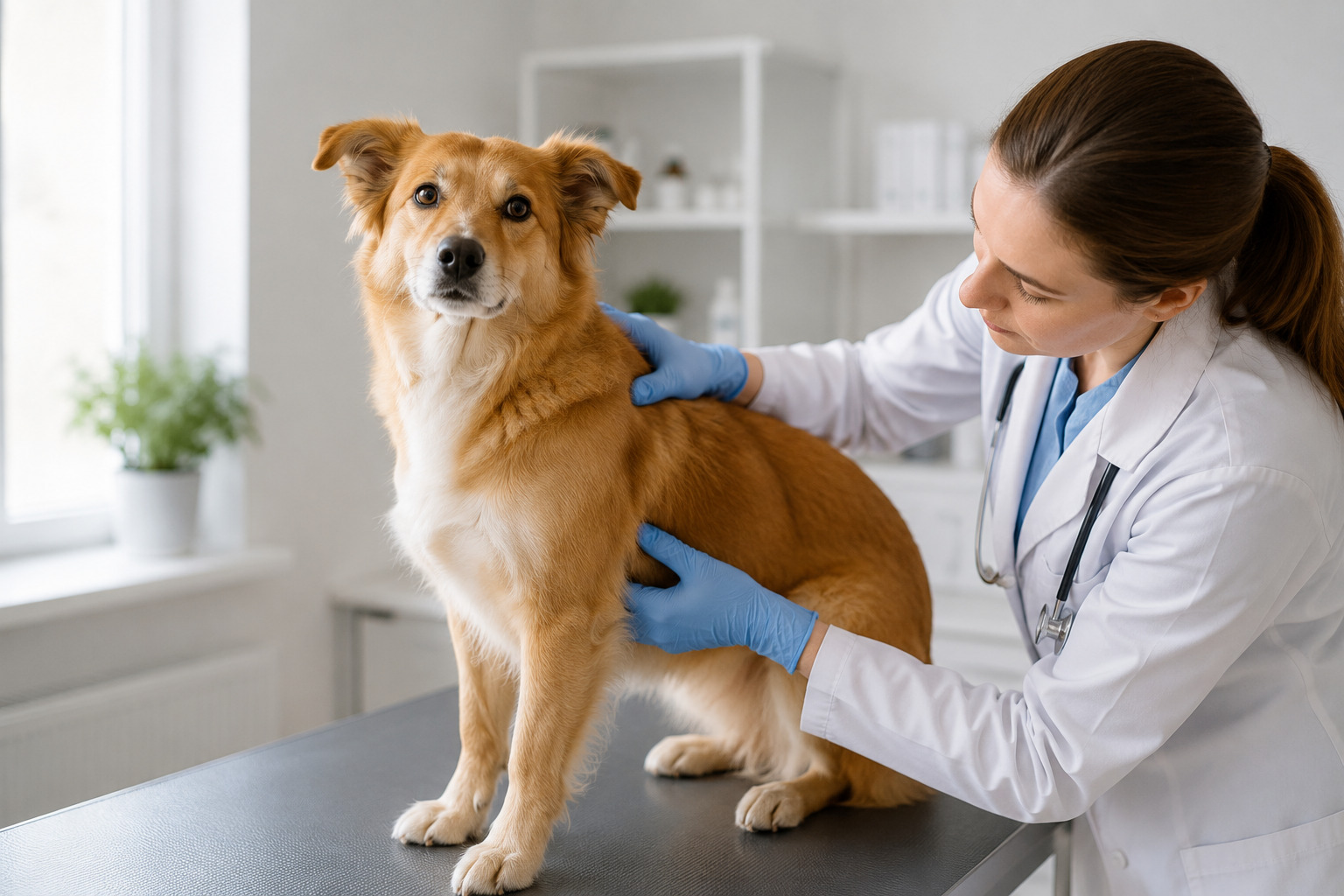

Urinary incontinence is not a behavioral whim, but a reason to carefully check the dog’s health
Urinary incontinence in senior dogs
In senior dogs, urinary incontinence is quite common, and it often combines age-related changes in the body with chronic diseases. With age, the nervous system, bladder muscles, and sphincters lose tone, making urinary control less effective.
For a senior dog, regular check-ups, monitoring of test results, a calm daily routine, and hygiene support are especially important. If leakage has appeared suddenly or worsened, it is not worth attributing everything solely to age.
What to do about urinary incontinence in dogs
Urinary incontinence in dogs is a complex phenomenon that can be caused by both physiological and psychosomatic factors. Successful management of the problem requires calmness, attentiveness, and a combination of medical supervision, home support, and the animal’s psychological comfort.
Observation and diary
Record the frequency, volume, and timing of urination, as well as accompanying symptoms: pain, blood in the urine, apathy, or changes in appetite. For psychosomatic cases, it is useful to note events that triggered stress.
Veterinary consultation
For cystitis, prostatitis, adenoma, diabetes, Cushing’s syndrome, kidney failure, or post-sterilization incontinence, diagnostics are required: urine and blood tests, ultrasound, X-ray, medication or surgical therapy.
Home support and hygiene
Використовуйте легко мийні підстилки, пелюшки або спеціальні підгузки для собак. М’який shampoo for care допоможе підтримувати чистоту шерсті та шкіри, а spray against odor, stains, and markings полегшить прибирання вдома.
Psychological support
Спокій і похвала важливіші за покарання. У стресових ситуаціях можна обговорити з ветеринаром феромони, CBD supplements або anti-stress complexes.
Prevention and long-term support
Регулярні ветеринарні огляди, лабораторні аналізи, підтримка фізичної активності та збалансоване харчування допомагають зменшити ризики. Для собак із харчовою чутливістю можна розглядати hypoallergenic diet, але підбирати його краще індивідуально.

Shampoo «Perfect Care» for dogs and cats Total Care HOME FOOD Beauty, 200 ml
Buy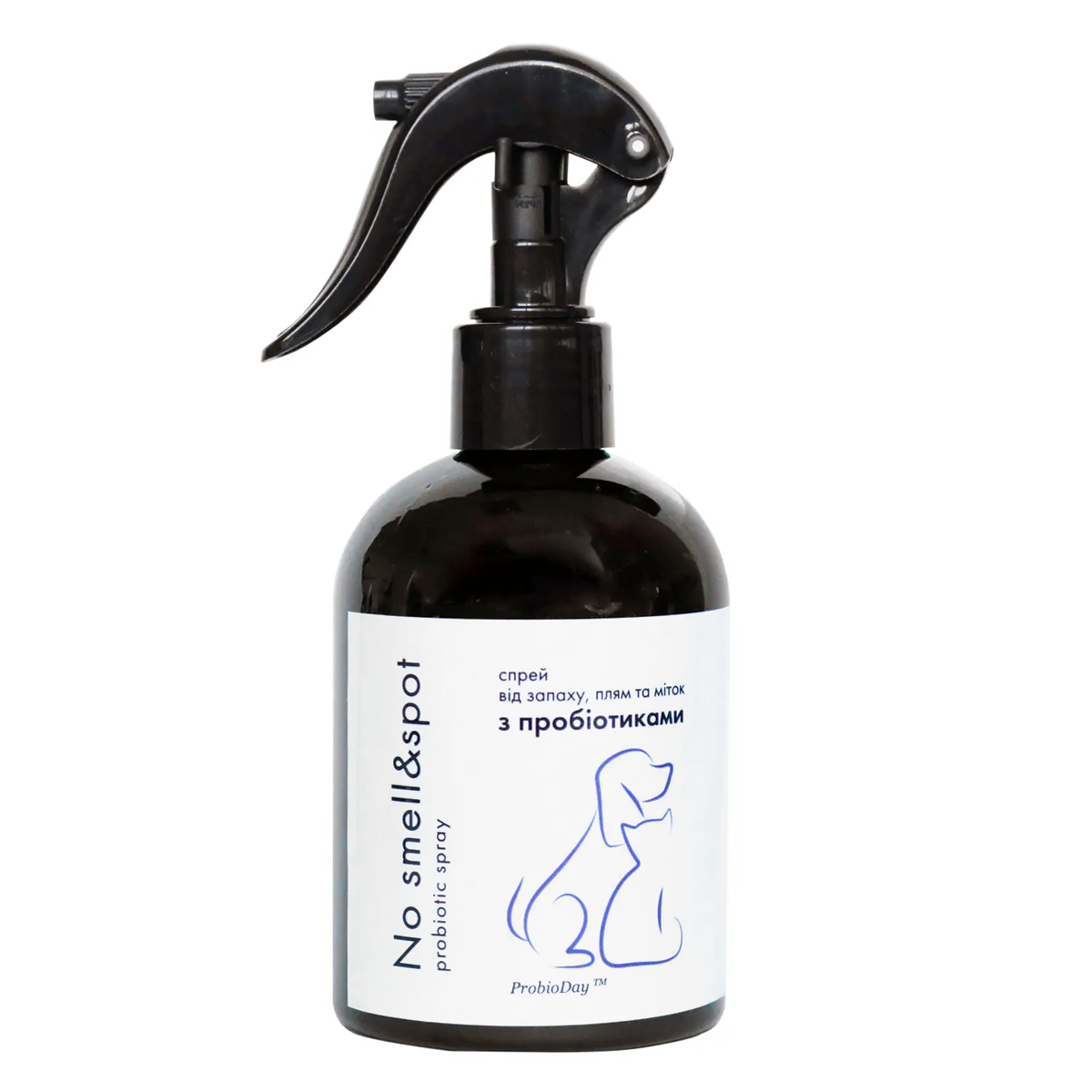
ProbioDay «No smell & spot» — spray against odour, stains and marks, 250 ml
Buy

Dietary supplement CBD oil 2% Relax Pro HOME FOOD Expert, 10 ml
Buy
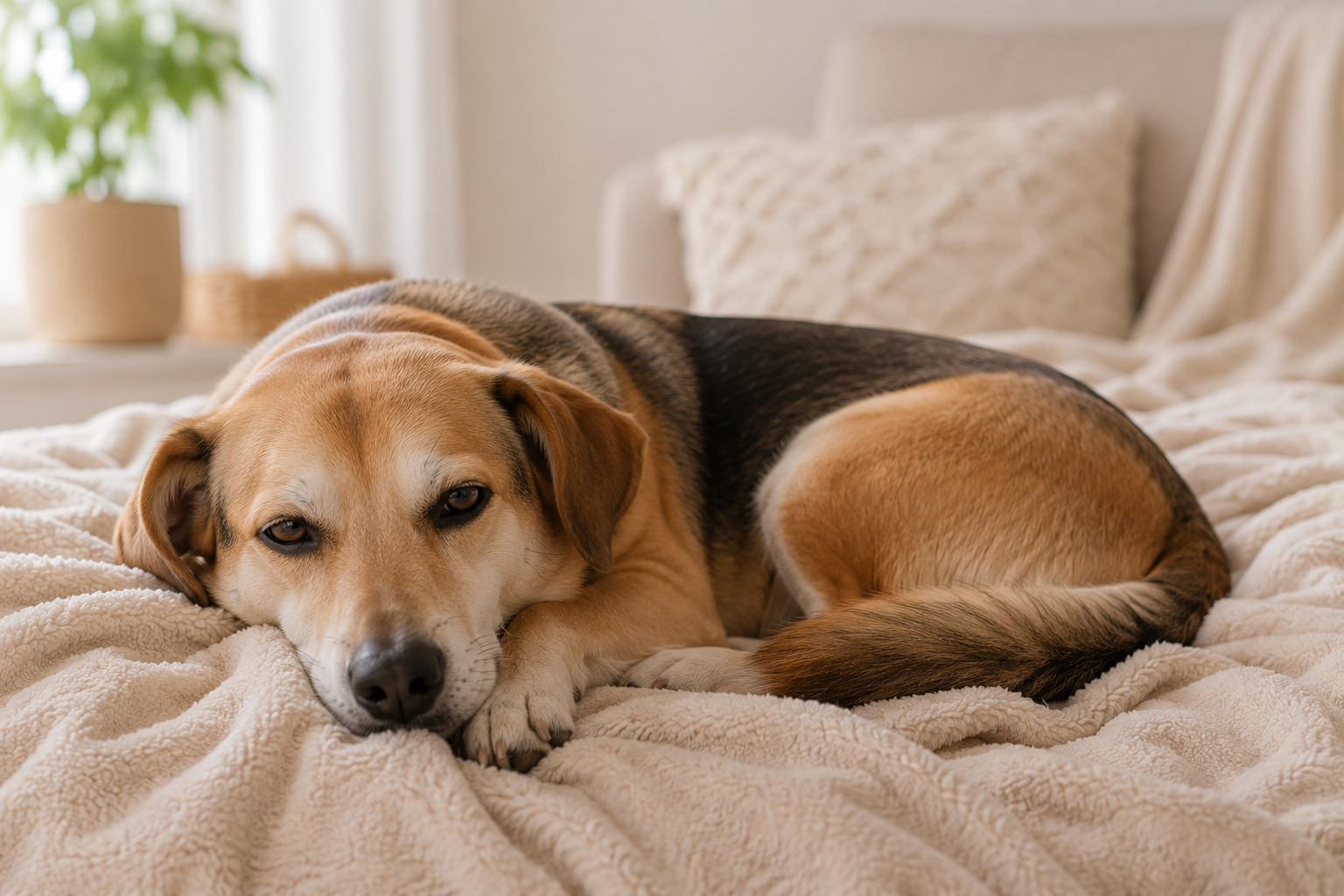
Home support should reduce stress, not punish the dog for a symptom it cannot control
Psychosomatic aspect
Stress, change of home, guests, loud noises, conflicts with other animals, or prolonged separation from the owner can worsen urinary leakage. This does not cancel veterinary diagnostics, but helps to see the full picture.
- не карайте собаку за підтікання;
- keep a predictable daily routine;
- take your dog for more frequent short, calm walks;
- use games, treats and mild calming remedies only as support, not as a replacement for treatment.

Anti-stress feed supplement Harmony Pro HOME FOOD Expert, 20 g
Buy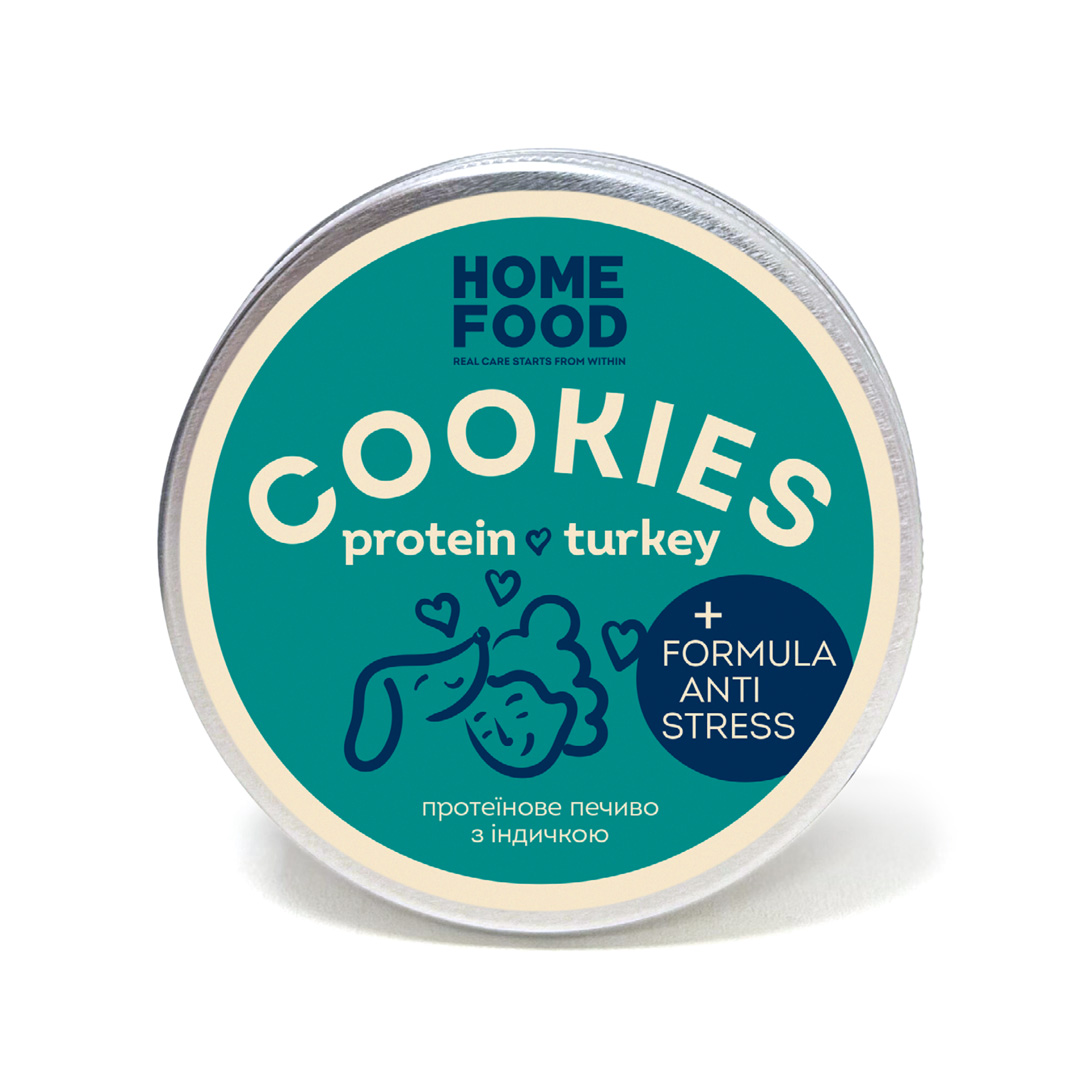
Protein cookies with turkey and anti-stress formula for dogs HOME FOOD, 80 g
Buy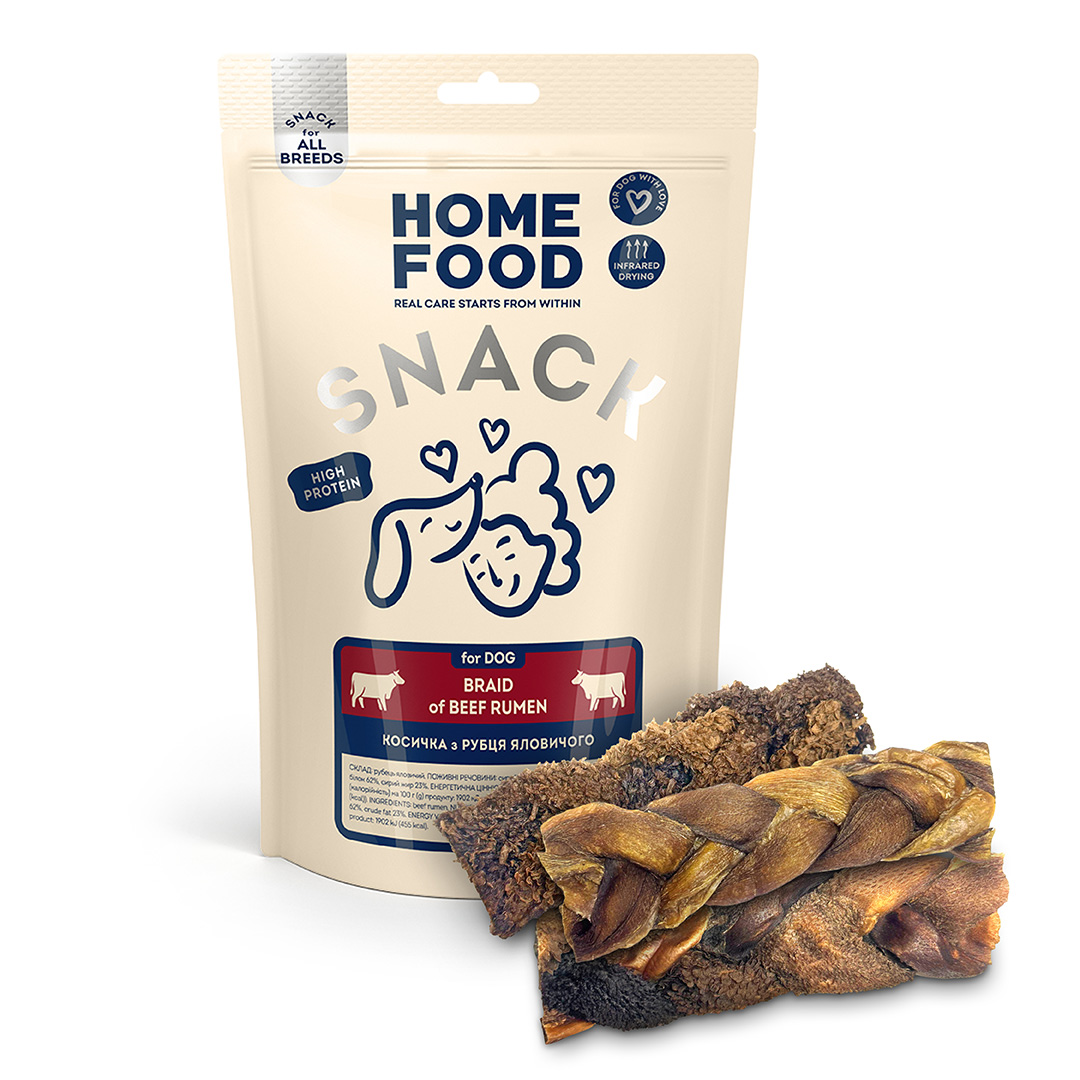
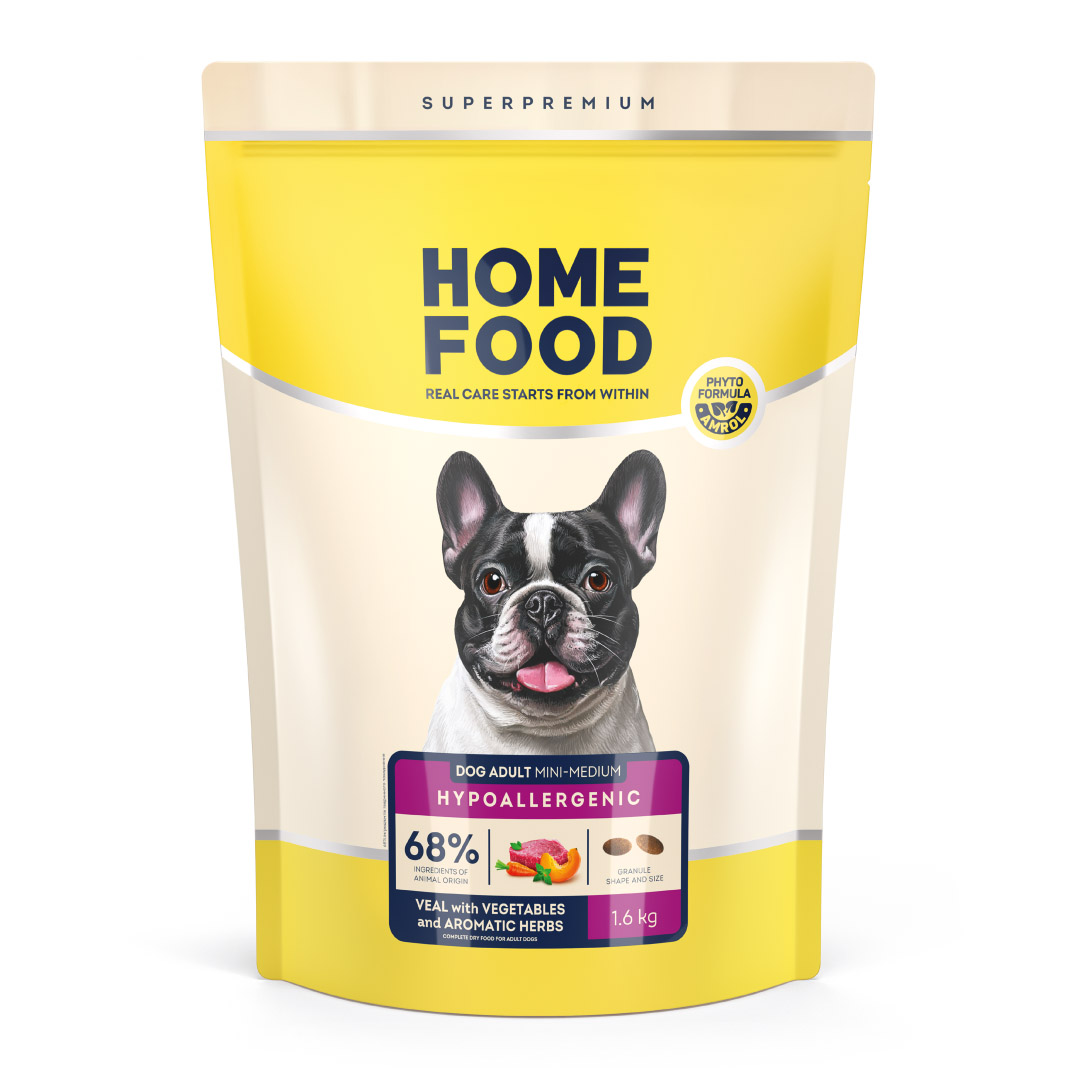
Hypoallergenic dry food HOME FOOD for adult dogs Veal with vegetables, 1.6 kg
Buy
Conclusion
Urinary incontinence is not a sign of “bad behavior” or disobedience. It is the body’s signal about physical or psycho-emotional changes.
Love, attention, and a systematic approach help a dog regain control of the bladder, maintain comfort, and live a happy life. And if incontinence recurs, worsens, or is accompanied by pain, blood, thirst, lethargy, or changes in appetite, the best solution is to consult a veterinarian.