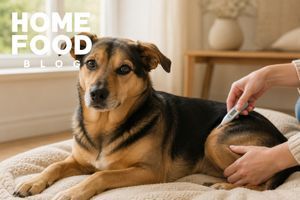
When a dog starts to frequently lick or chew its paws, the owner usually notices it quickly. Sometimes such behavior turns out to be normal hygiene after a walk, but if it repeats persistently, accompanied by anxiety or discomfort, it can already be a signal of a problem.
Most often a dog chews its paws due to itching, pain, skin irritation, foreign objects between the toes, allergies, parasites or even stress. That's why it's important not just to distract your pet, but to understand why exactly it's doing this.
In this article, we'll figure out when such behavior is normal, what causes occur most often, what you can check at home yourself, and in which cases it's better not to delay a visit to the veterinarian.
When a dog chews its paws, but there's no need to worry
After a walk, many dogs carefully lick or gently chew their paws. This is a natural way to clean the fur and pads from dust, sand, dirt, small thorns or moisture residue. If the dog is calm during this, easily distracted and doesn't injure the skin, such behavior is usually not a problem.
- The dog calmly licks its paws briefly and mainly after a walk.
- There is no redness, swelling, wounds or unpleasant odor on the pads.
- The dog doesn't become irritable, doesn't growl during examination and doesn't constantly return to the paws throughout the day.
But if the chewing becomes persistent, repeats frequently, and the dog looks worried or even reacts painfully to touch, it's no longer just a hygiene ritual.

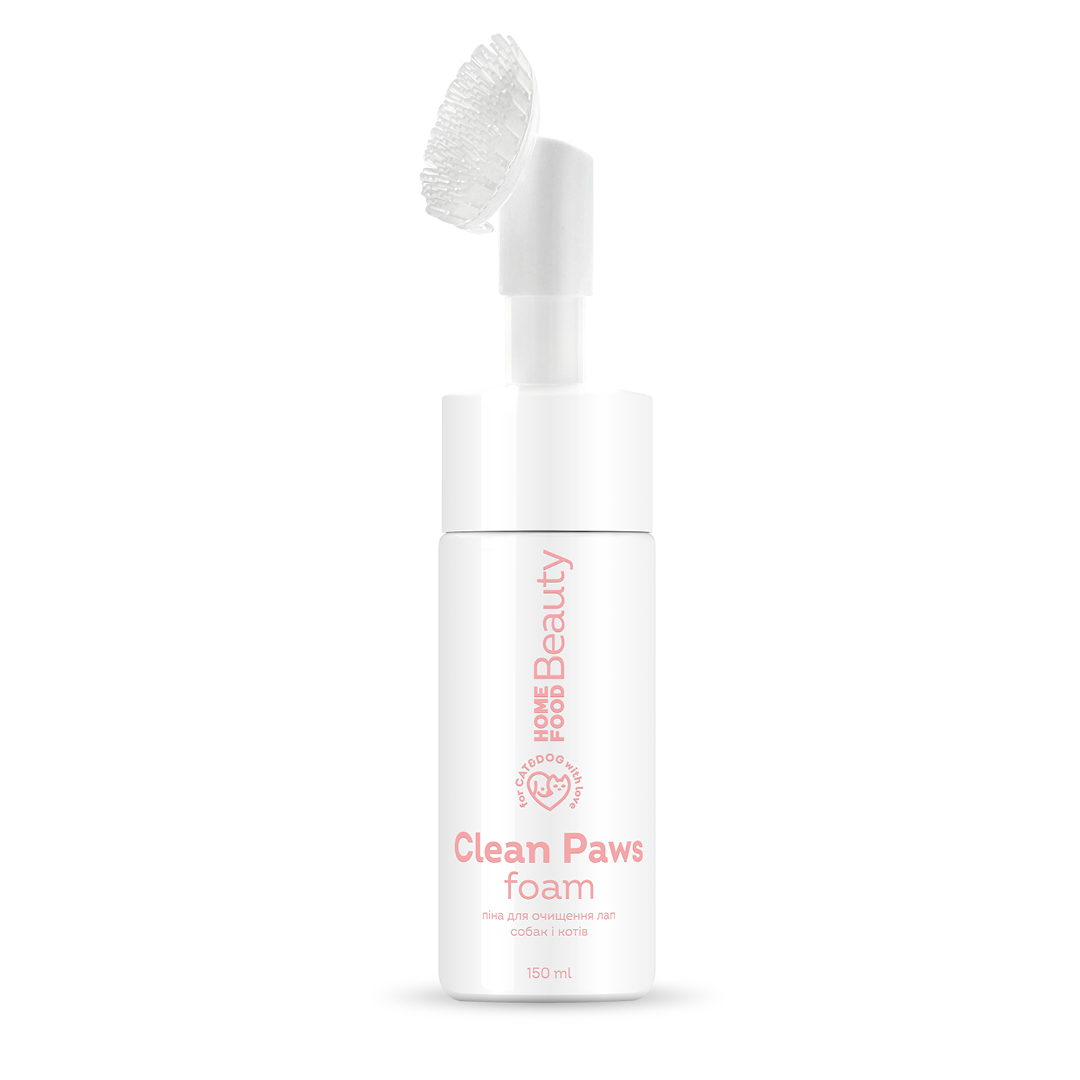
Paw cleansing foam for dogs and cats Clean Paws HOME FOOD Beauty, 150 ml
Buy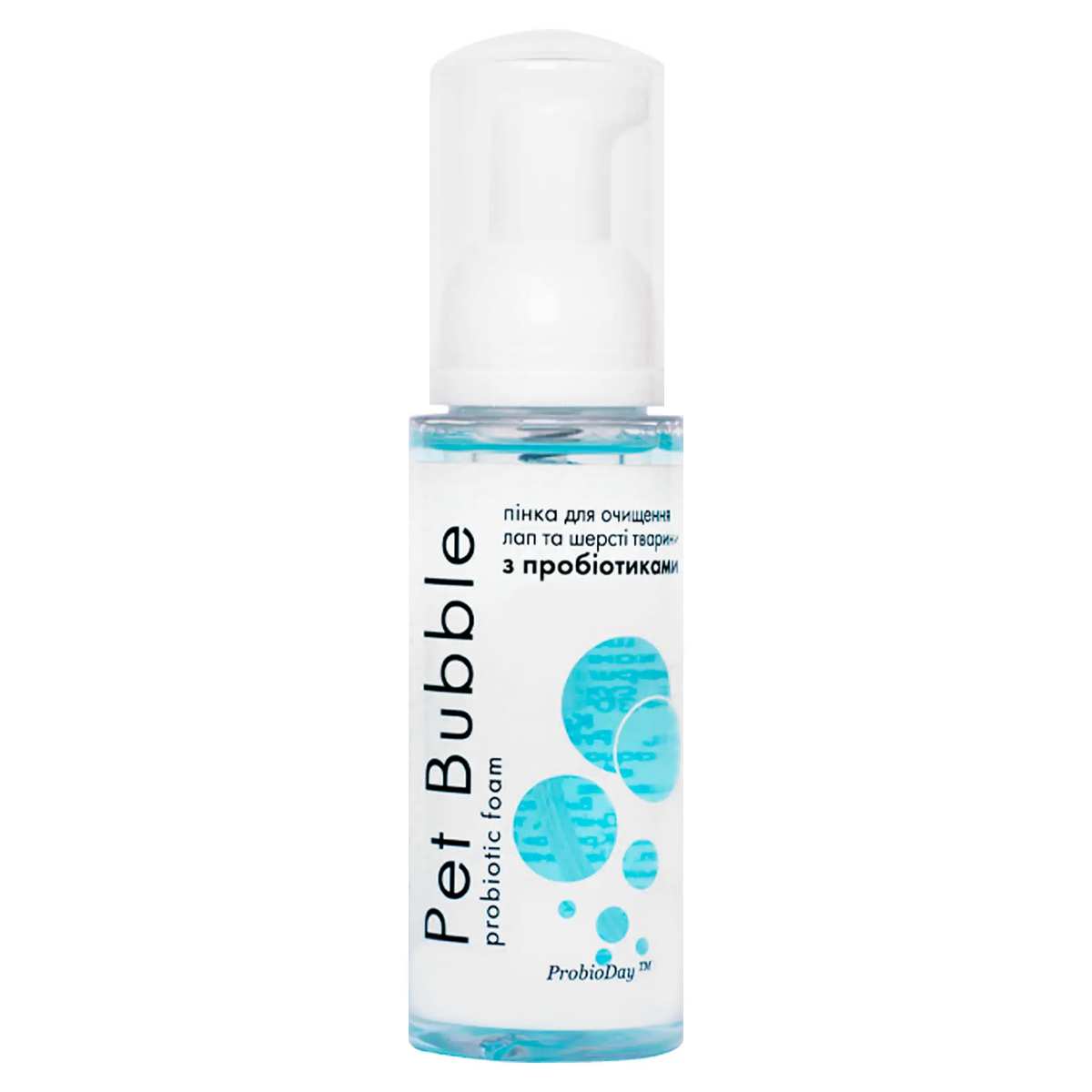
Foam for paw and coat cleansing for dogs and cats with probiotics ProbioDay, 80 ml
Buy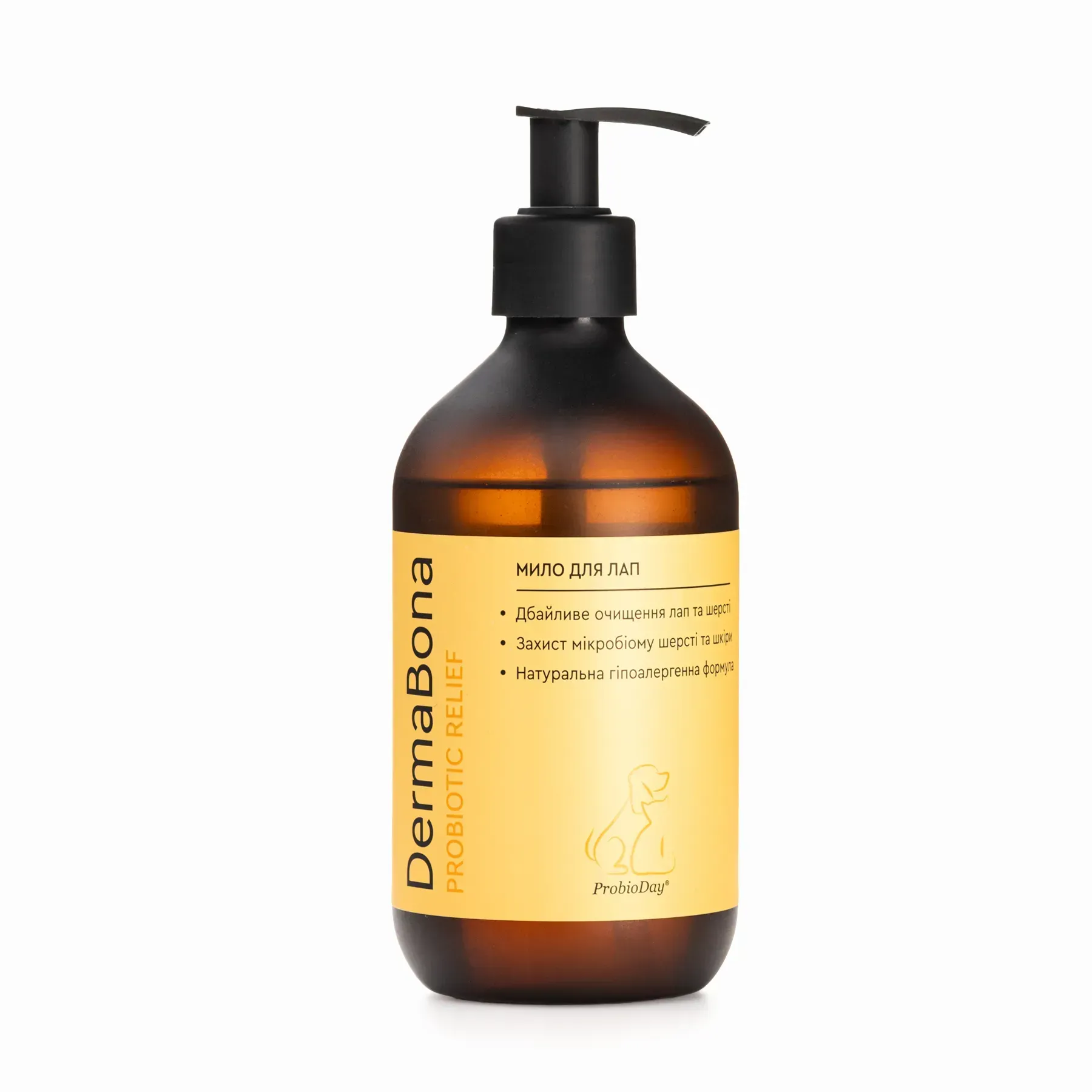
Liquid soap for paw hygiene for dogs and cats with probiotics DermaBona ProbioDay, 500 ml
Buy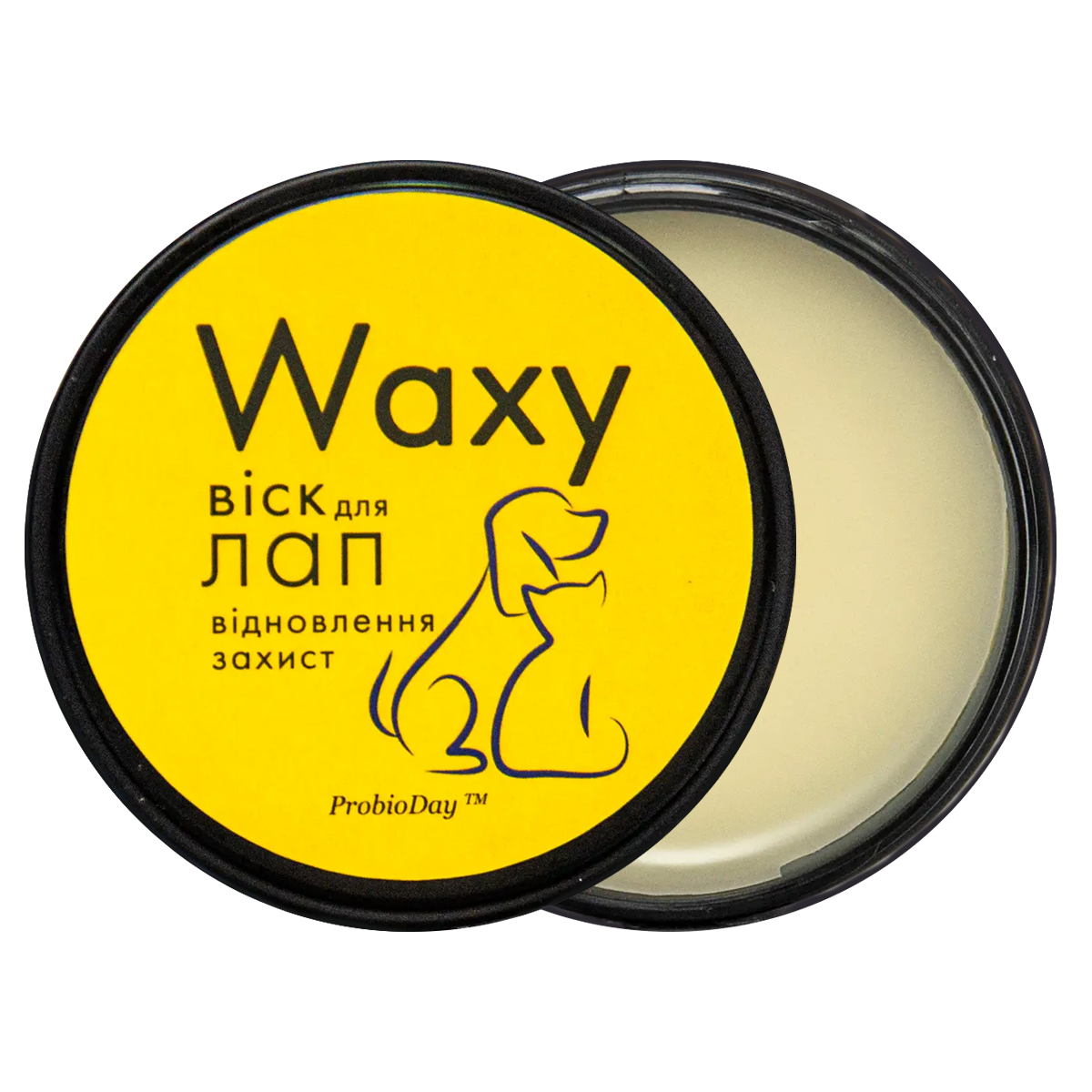
Paw wax for dogs and cats ProbioDay from cracks and dryness, 50 ml
Buy


Most often it all starts with minor irritation: dirt, reagents, moisture, a crack on the pad or a pebble between the toes can make a dog return to its paws again and again
Main reasons why a dog constantly chews its paws
When behavior becomes persistent, it's worth considering not one, but several possible causes. Some of them are related to care, some are related to skin diseases, pain or internal discomfort.
| Group of causes | What it could be | What to pay attention to |
|---|---|---|
| External irritation | Reagents, dirt, ice, snow, sand, thorns, hot asphalt, moisture between toes | The problem worsens after walks, there is dryness, cracks, redness |
| Mechanical injuries | Cuts, scrapes, splinters, foreign objects, overly long or ingrown nails | The dog limps, doesn't allow touching the paw, a painful area is visible |
| Skin and infectious problems | Fungal infections, bacterial infection, skin irritation between toes | Unpleasant odor, weeping, peeling, crusts, hair loss |
| Parasites and bites | Fleas, ticks, mites, insect bites | Itching is pronounced, there are scratches, the dog is anxious, often scratches in other places too |
| Allergy or dietary deficiencies | Sensitivity to household chemicals, pollen, feed components, deficiency of fatty acids and nutrients | Dry skin, dull coat, seasonality or connection with new food or products |
| Pain and stress | Joint problems, circulatory disorders, anxiety, boredom, compulsive habit | Chewing continues even without visible wounds; the dog is tense or overly excited |
- Dogs may chew their paws not only due to itching, but also due to pain or unpleasant tingling.
- The problem is often combined with other signs: odor, redness, swelling, limping, or scratches.
- If a dog is particularly persistent in chewing its hind paws and at the same time its gait changes, quick consultation with a specialist is needed.
It's particularly concerning when the dog refuses food, doesn't respond to toys, growls during examination, or won't let you touch its paw. This looks more like severe pain or strong discomfort rather than normal self-grooming.
What to check at home first
Before panicking, you can conduct a calm home examination. The main thing is not to do it by force if the dog is clearly in pain.
Examine the pads and skin between the toes
Look for cracks, wounds, redness, swelling, weeping, splinters, thorns, ice clumps, or dirt. The source of the problem often hides between the toes.
Check the nails
Overly long, broken, or ingrown nails can cause severe pain. If a nail is pressing or injuring the pad, the dog may constantly return to the paw.
Remember what has changed recently
New floor cleaning products, seasonal de-icing agents, different food, walks on hot asphalt, stress, or boredom can trigger such behavior.
Assess the overall condition
If there is lethargy, limping, odor from the paws, severe itching, hair loss, or constant return to one paw, it's better not to delay addressing the problem.
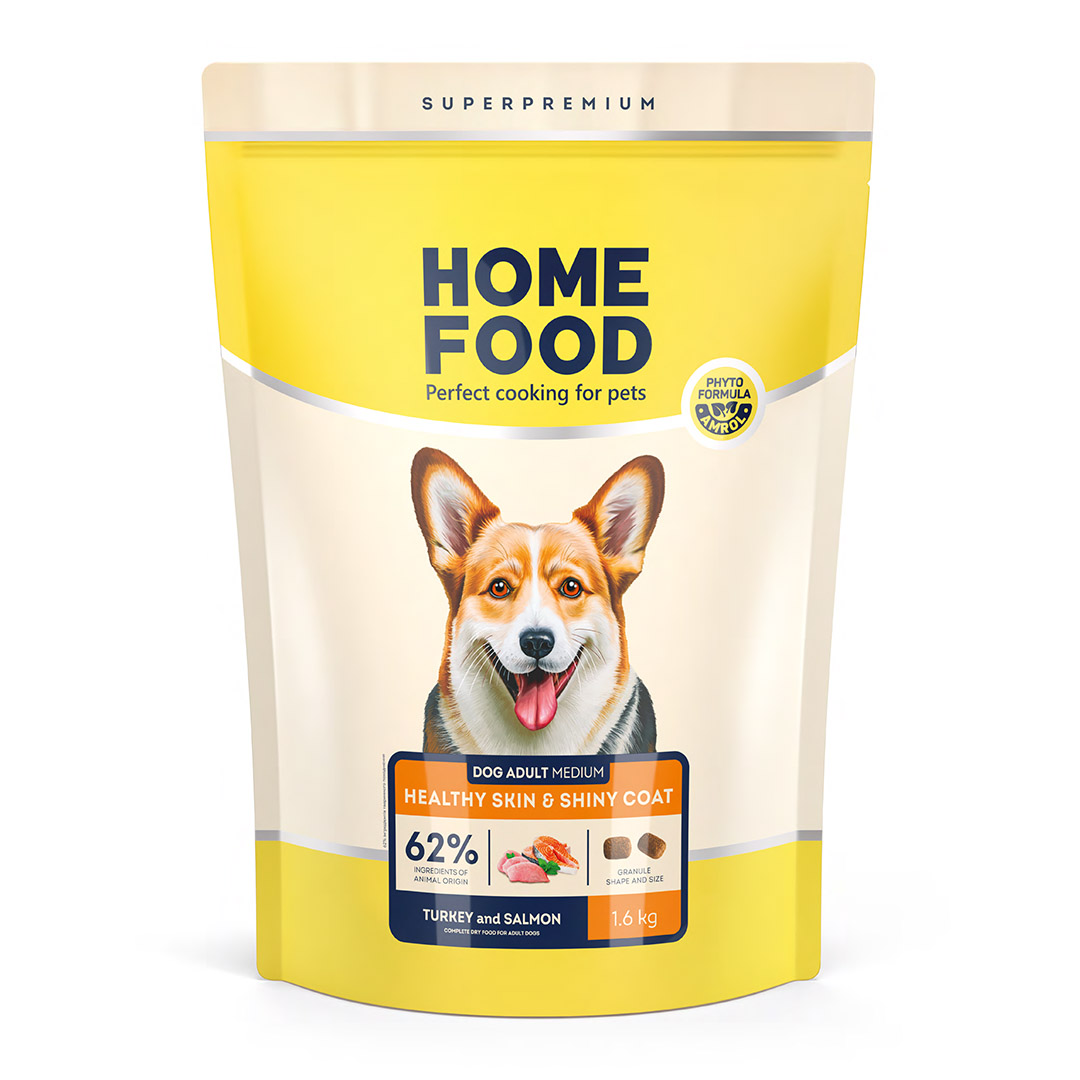
Dry food HOME FOOD for adult medium-breed dogs Turkey and salmon Healthy skin and shiny coat, 1.6 kg
Buy
Relax Pro HOME FOOD Expert — dietary supplement CBD oil 2%, 10 ml
Buy
Harmony Pro HOME FOOD Expert — anti-stress feed supplement, 20 g
Buy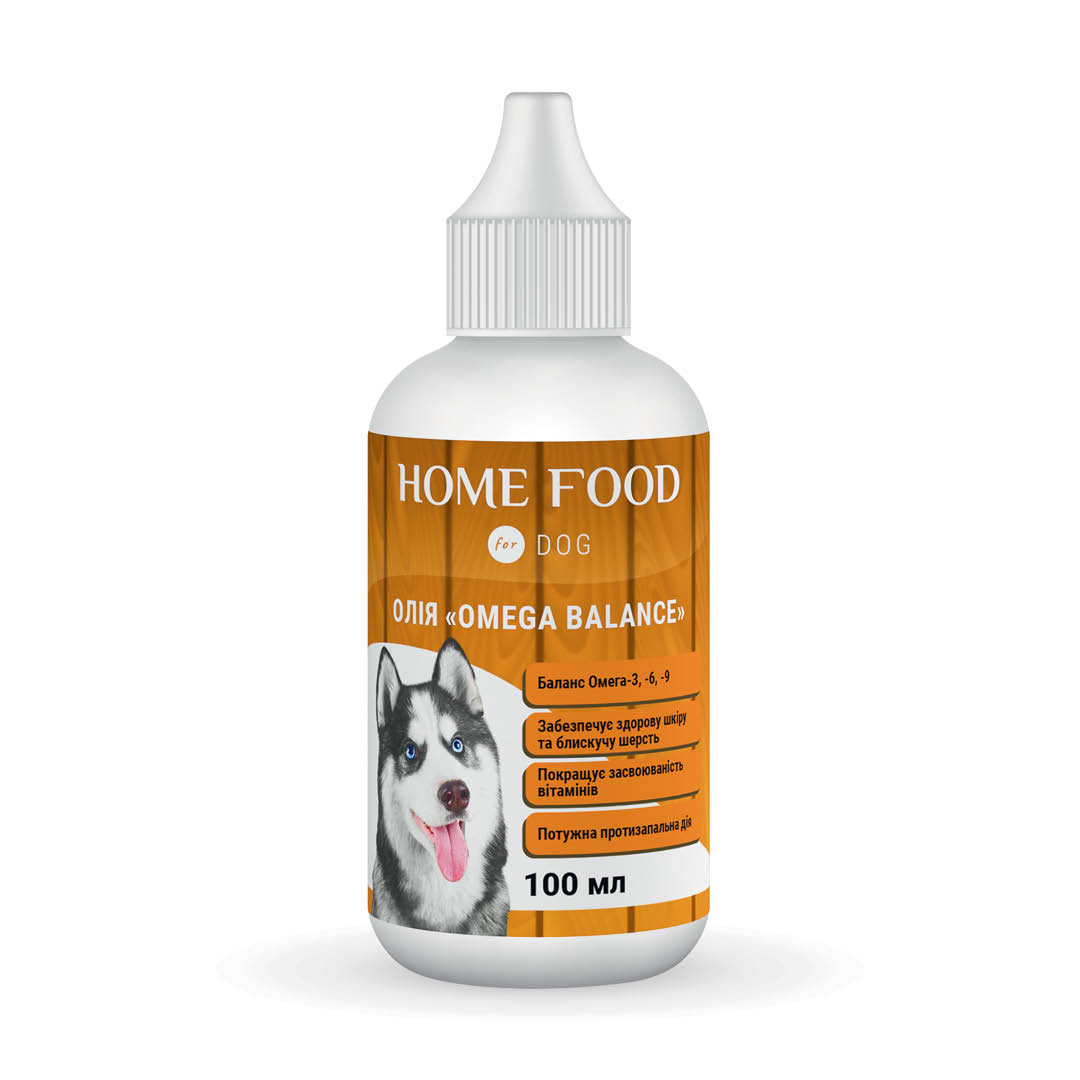
Phytomin for dogs HOME FOOD oil Omega Balance Balance of Omega-3, -6, -9, 100 ml
Buy

If a dog chews its paws for a long time and persistently, the worst decision is to simply wait: constant irritation quickly leads to skin damage, and then secondary infection joins in
What to do if a dog constantly chews its paws
If the cause is obvious, such as dirt, a grass blade, or a small splinter, it can be carefully removed on your own: rinse the paw, gently remove the foreign object, treat with a safe product, and continue to monitor. But if the dog continues to chew its paws, the area swells, or new symptoms appear, a different approach is needed.
Stop contact with the irritant
After walks, rinse the paws, especially in winter or after contact with city de-icing agents. For dogs with sensitive skin, regular cleaning really does reduce the risk of irritation.
Don't let the dog chew the skin further
The longer a dog licks or bites its paw, the more it damages the tissues and the easier it is for bacterial or fungal infection to develop. This is why delays often make the situation worse.
Support the skin and paw barrier
If the pads are overly dry, cracked, or frequently in contact with wet or harsh environments, it's worth adding care products that help reduce dryness and micro-damage.
See a veterinarian if there's no quick relief
The doctor will help rule out parasites, fungal and bacterial infections, allergies, joint pain, or other causes that are difficult to identify at home.
- Prolonged paw chewing can lead to hair loss, wounds, purulent inflammation, and chronic habit.
- The sooner you eliminate the cause, the lower the risk of secondary infection.
- If the dog appears to be in pain or distress, a veterinary consultation is the most correct step.
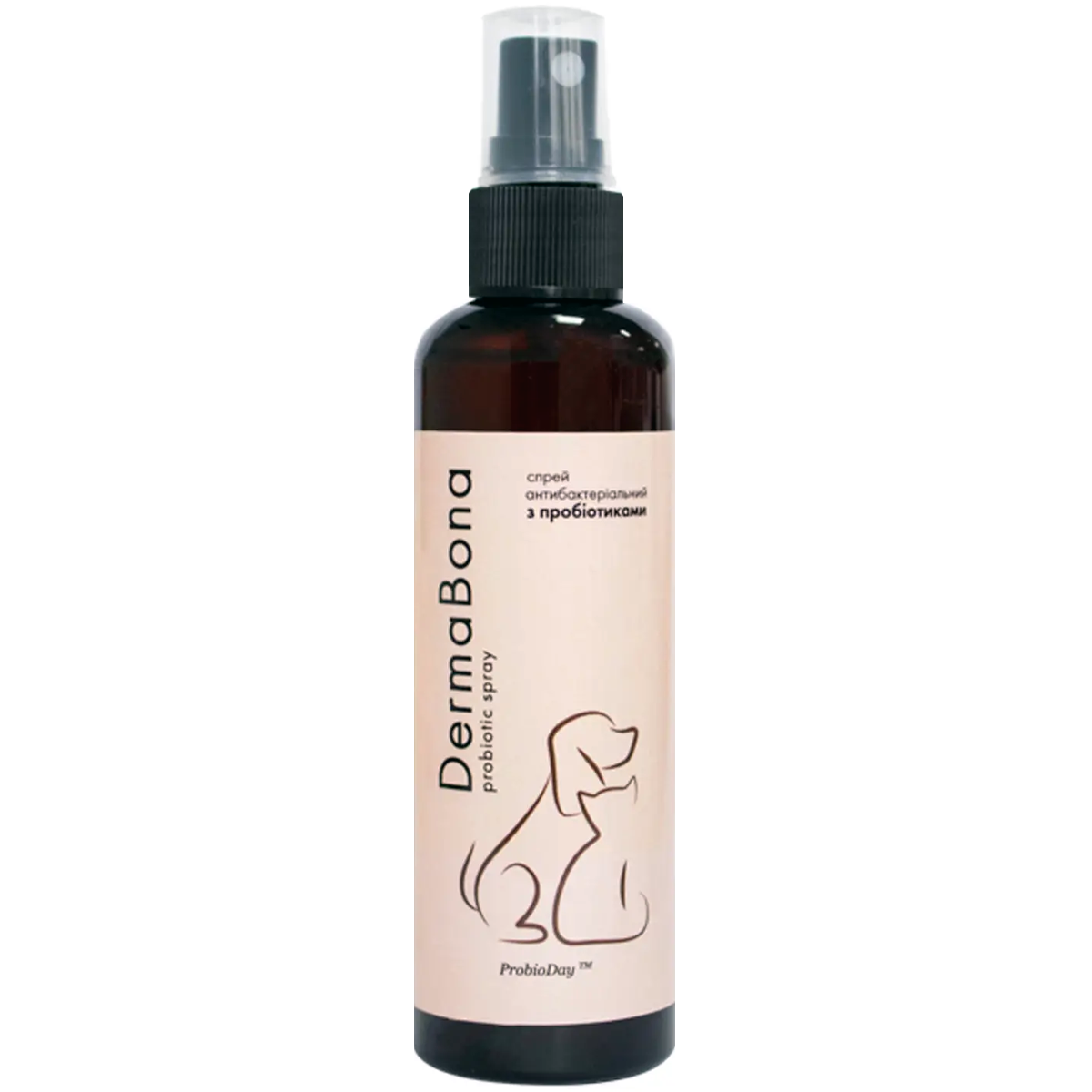
Antibacterial spray for dogs and cats with probiotics for wound healing DermaBona, 100 ml
Buy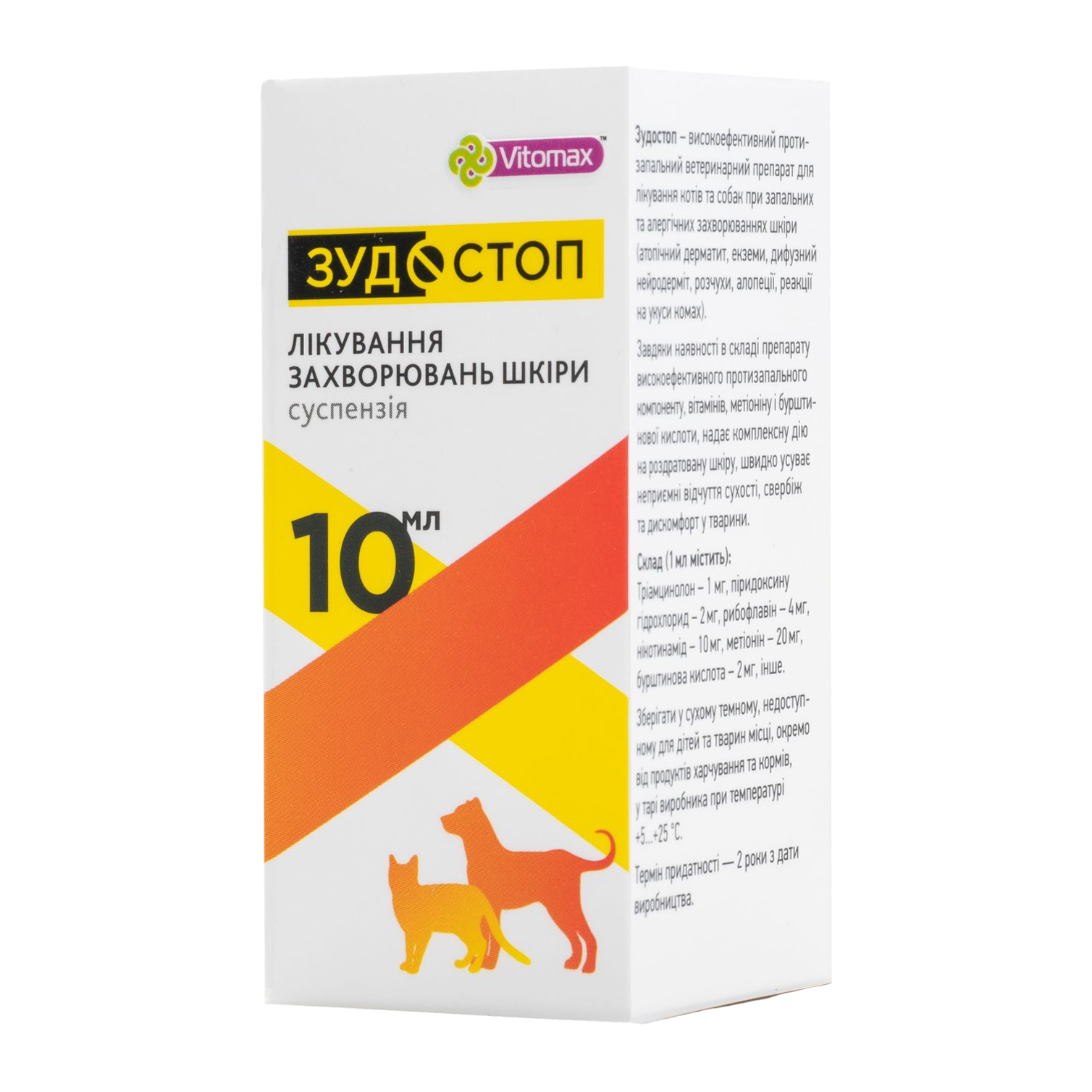
Itchstop Vitomax for dogs and cats, 10 ml
Buy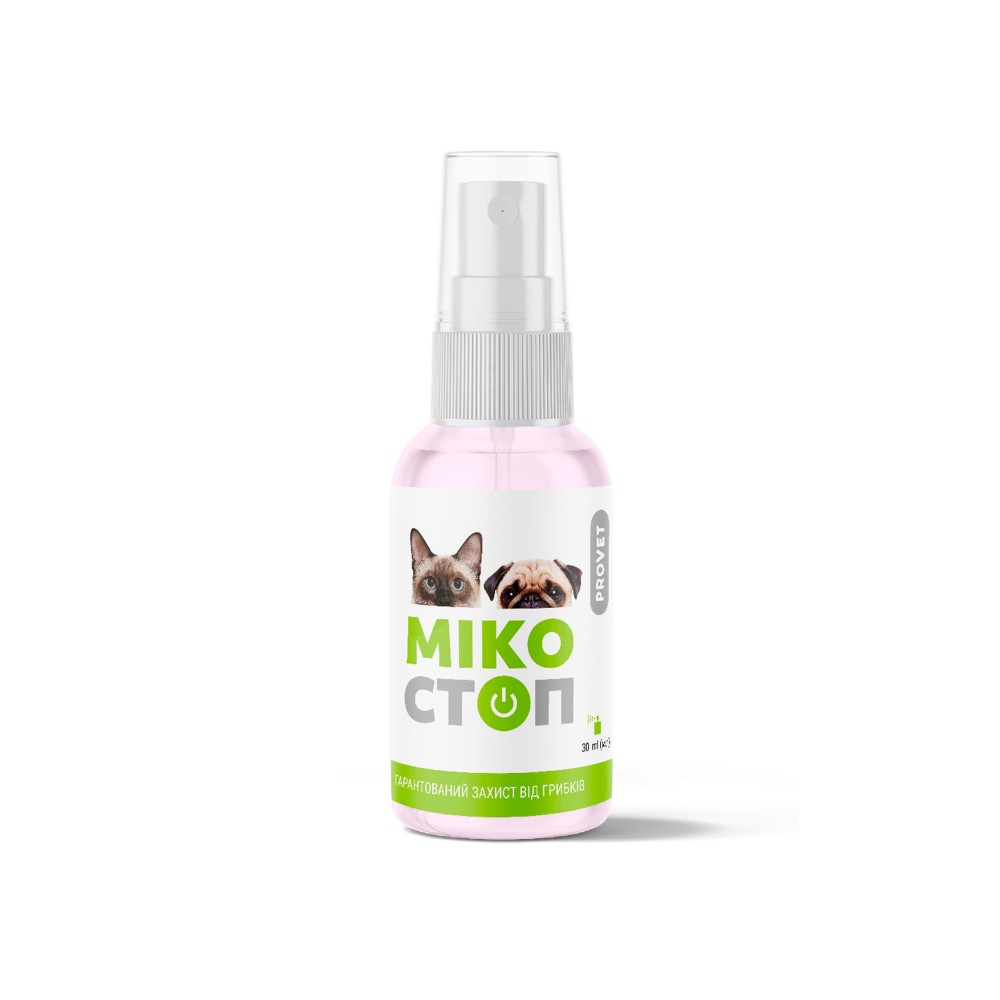
Antifungal spray ProVET «Micostop» for dogs and cats, 30 ml
Buy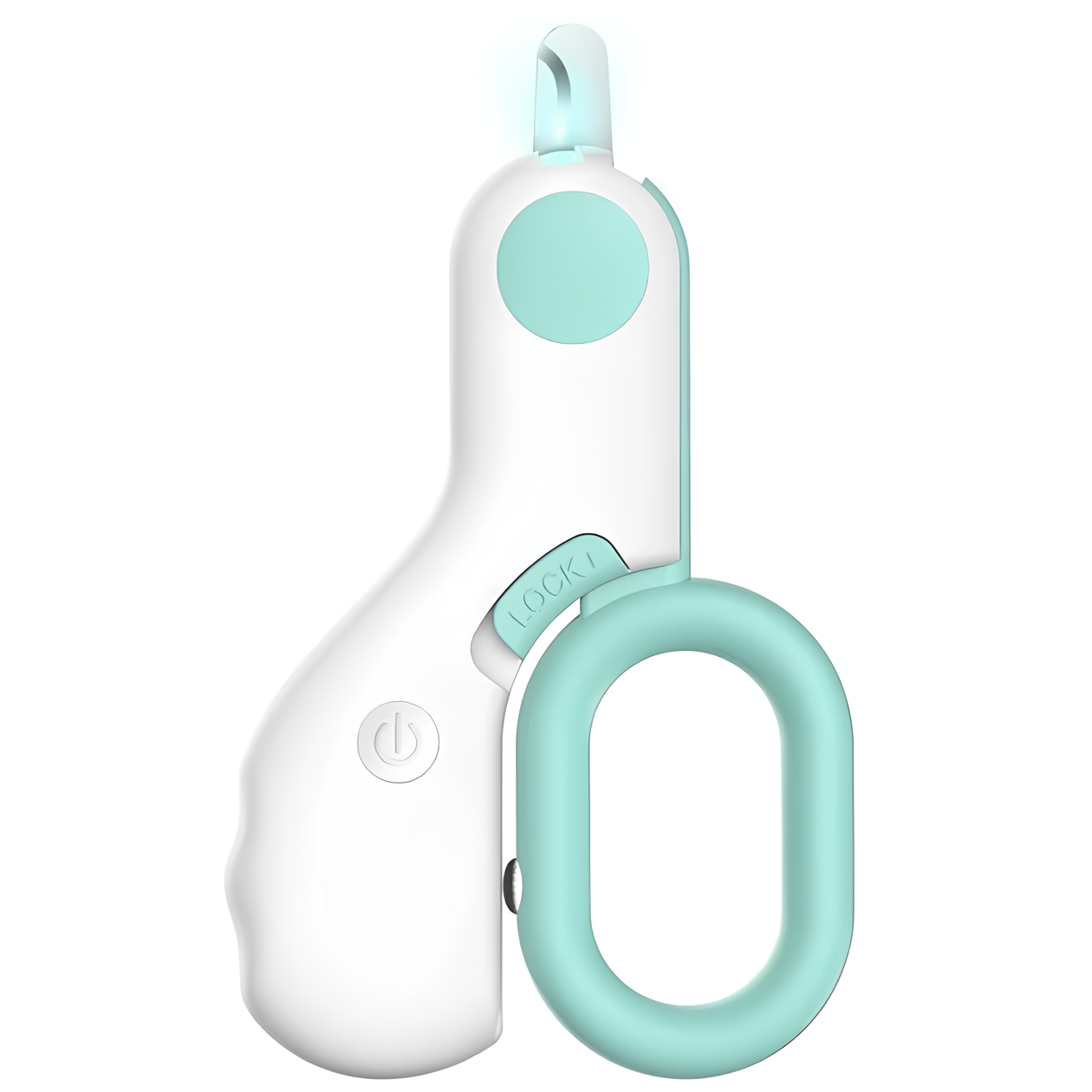
Professional nail clipper with LED illumination for trimming nails of dogs and cats
Buy
When you definitely need a veterinarian
Don't delay a visit if your dog persistently chews its paws and this doesn't stop after cleaning or brief observation at home.
- There is swelling, blood, oozing, pronounced redness, or a sharp odor.
- The dog limps, won't let you touch its paw, or behaves aggressively due to pain.
- The problem recurs regularly and becomes a persistent habit.
- At the same time, itching appeared in other areas, rash, dull coat, lethargy, or changes in appetite.
- The situation with the hind legs is especially concerning if gait or coordination of movements changes.
In such cases, home remedies are often no longer sufficient. You need to determine whether a dermatological problem, parasites, fungal infection, allergy, joint pain, or neurological discomfort is behind the symptom.
Conclusion
If your dog constantly chews its paws, don't dismiss it as just a habit. Sometimes it really comes down to dirt after a walk or dry paw pads, but persistent chewing is often associated with itching, pain, irritation, parasites, allergies, or stress.
The best thing an owner can do is carefully examine the paws, remove obvious irritants, ensure gentle hygiene, and not delay contacting a veterinarian if the problem doesn't go away. Early action helps avoid complications and quickly restore comfort to your dog.