Owners of four-legged pets sometimes face various health-related problems in animals. One acute issue can be enteritis in dogs.
Enteritis is inflammation of the mucous membrane of the small intestine. It usually has an acute course and is accompanied by symptoms of intoxication. In severe cases, the disease can affect not only the gastrointestinal tract, but also the heart muscle.
Enteritis most often occurs in puppies, and without timely treatment it can quickly lead to critical dehydration, exhaustion, and even the death of the animal. That is why it is important to know how the disease manifests, what causes it, and what the owner should do at the first symptoms.
Causes and features of the disease
The main causative agents of enteritis are viruses — parvovirus and coronavirus. Accordingly, the disease is divided into parvoviral and coronavirus enteritis. There are also mixed types of the disease, when viruses together with bacteria are the cause, as well as non-viral forms associated with poisoning, poor-quality food, or mechanical damage to the mucous membrane.
Parvoviral enteritis is considered the most dangerous because it rapidly destroys the intestinal mucosa and, in severe cases, can reach the heart and damage the myocardium. Its main feature is very rapid spread and severe intoxication already in the early stages.
| Form of enteritis | What causes it | Course features |
|---|---|---|
| Non-viral | Poisoning, poor-quality food, mechanical damage | May develop gradually, but also requires quick diet correction and treatment |
| Parvoviral | Canine parvovirus | The most aggressive form; rapidly damages the intestines and sometimes the heart muscle |
| Coronavirus | Canine coronavirus | At first it may have vague symptoms, but without treatment it is also dangerous because of dehydration |
| Rotaviral | Rotavirus infection | Similar to coronavirus enteritis, but the course is usually less hidden |
| Gastroenteritis | Extensive involvement of the entire gastrointestinal tract | Accompanied by severe intoxication, dehydration, and rapid weight loss |
Coronavirus and rotaviral enteritis are less aggressive, but without treatment they can also lead to the death of the animal, especially due to fluid loss and exhaustion.
- Enteritis is often compared with distemper, but with enteritis there are usually no purulent eye discharges, severe lung involvement, or typical neurological symptoms.
- Even so, enteritis is no less dangerous because it affects the gastrointestinal tract, can affect the heart, and very quickly exhausts the dog.
- The younger the animal and the weaker the immune system, the higher the risk of a fulminant course of the disease.
How infection develops in a dog’s body
Parvovirus and coronavirus can survive in the environment for several months, remaining on objects, grass, in water, and even on a person’s shoes or clothing. That is why infection is possible not only through direct contact with a sick animal, but also through its biological secretions or contaminated surfaces.
The incubation period of enteritis averages from 2 to 10 days. During this time, the dog may already be infected but may not yet look sick. Puppies under one year of age, unvaccinated animals, dogs with reduced immunity, and those that often visit places where other animals gather are at greatest risk.
- Puppies under one year: their immune defense is not yet mature enough, so the disease often has a more severe course.
- Unvaccinated dogs: the lack of scheduled vaccinations sharply increases the risk of a severe course.
- Dogs with weak immunity: after other diseases, parasitic infestations, stress, or poor nutrition, they become infected more easily.
- Animals that visit shelters, dog parks, or dog hotels: contact with potential sources of infection is higher there.
Among the factors that contribute to the development of enteritis, the most important are lack of vaccination, weakened immunity, helminth infestation, poor or abruptly changed diet, and direct contact with infected animals or objects.

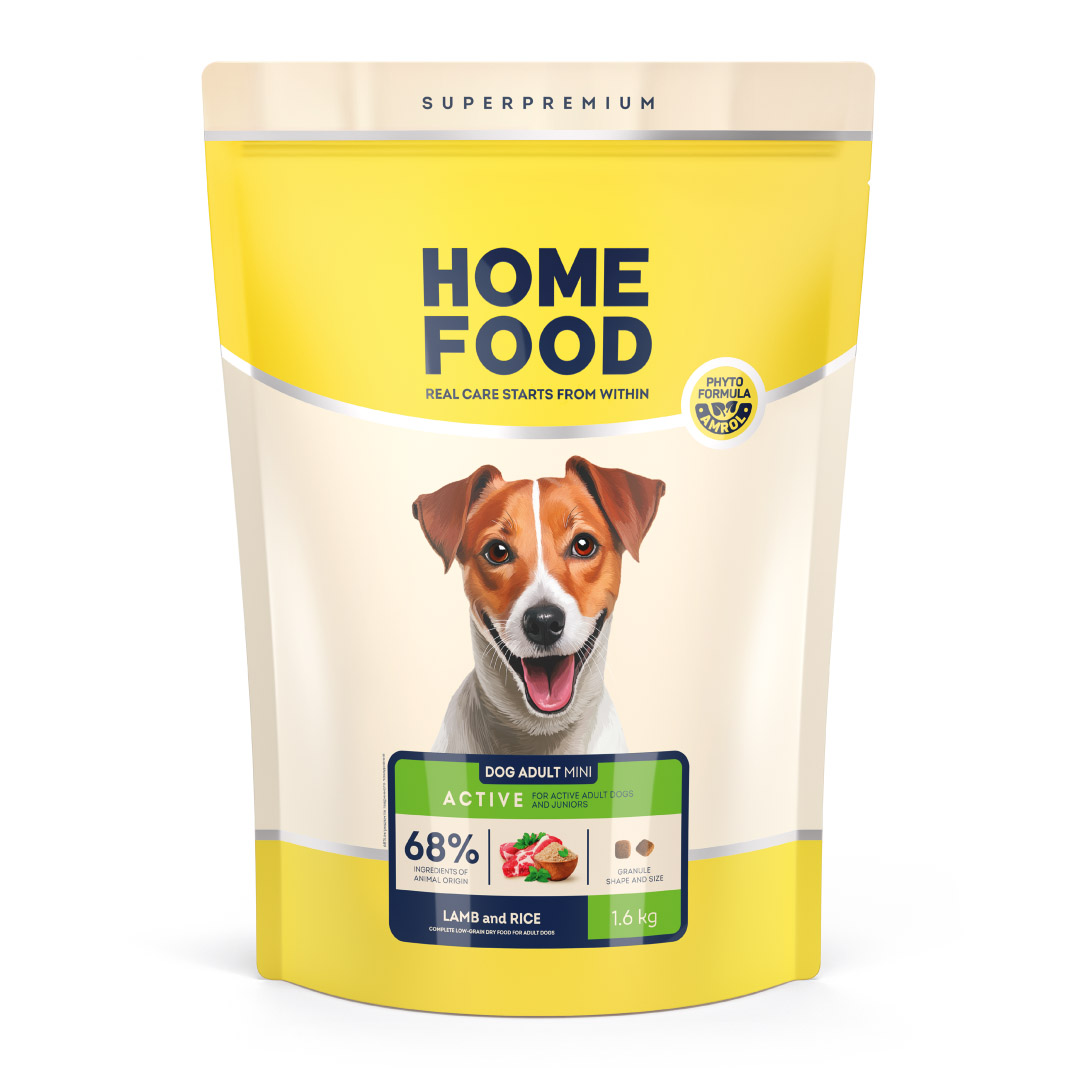
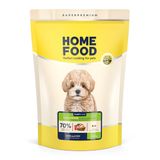
Low-grain dry HOME FOOD food for active adult dogs and junior small breeds «Lamb and rice», 1.6 kg
Buy
Dry HOME FOOD food for active adult dogs and junior medium and large breeds «Lamb and rice», 1.6 kg
Buy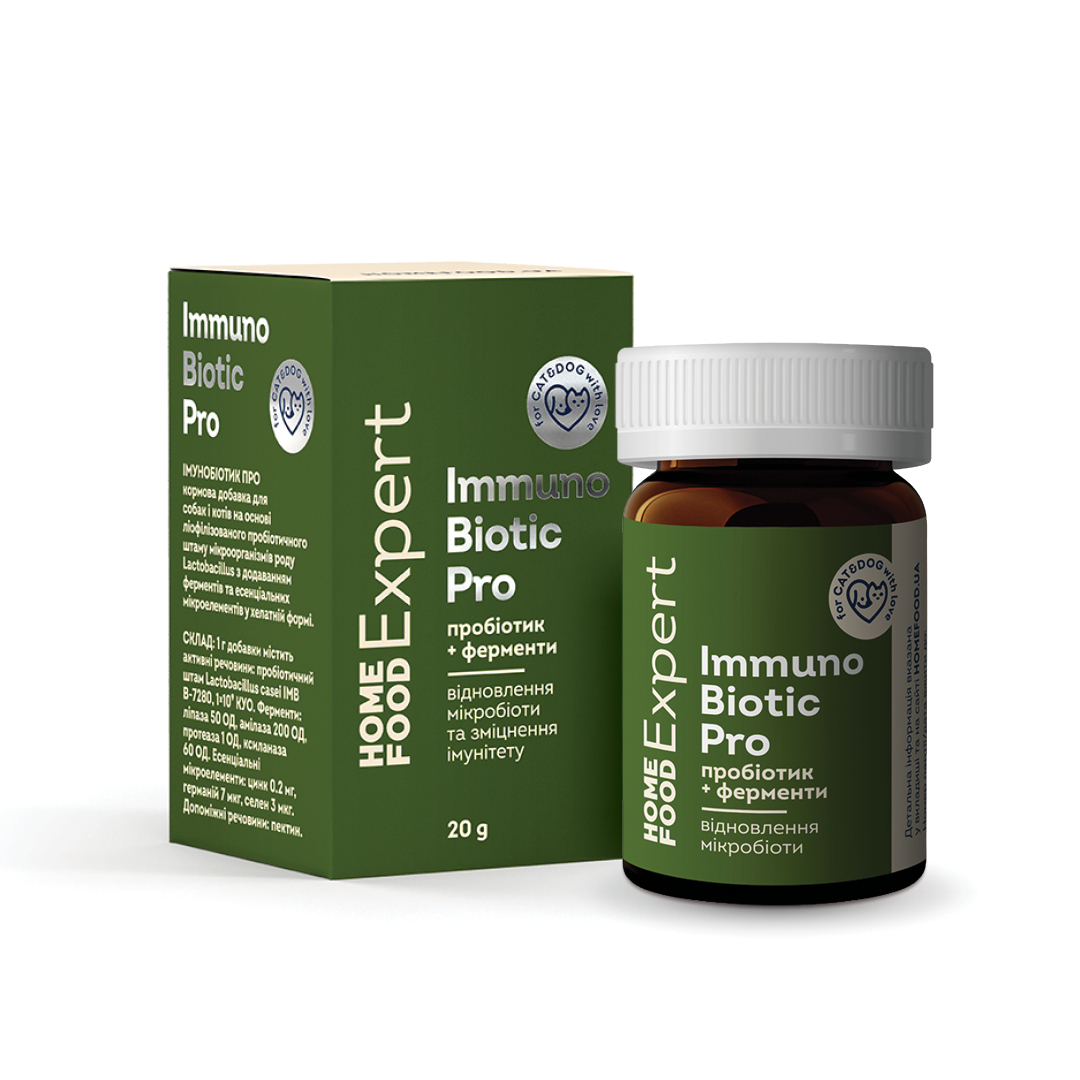
Probiotic and enzyme feed supplement ImmunoBiotic Pro HOME FOOD Expert, 20 g
Buy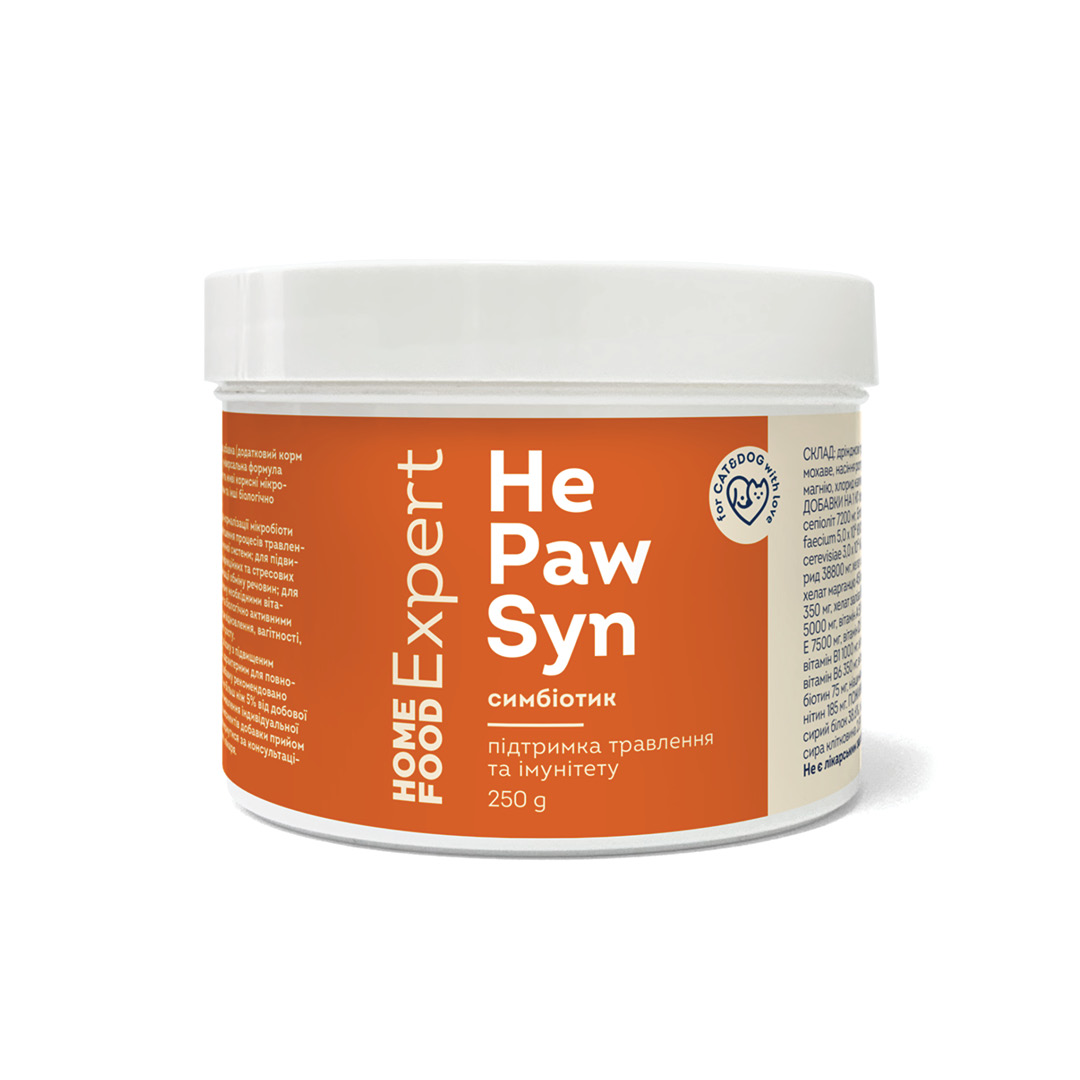
Symbiotic for digestive and immune support HePawSyn HOME FOOD Expert, 250 g
Buy
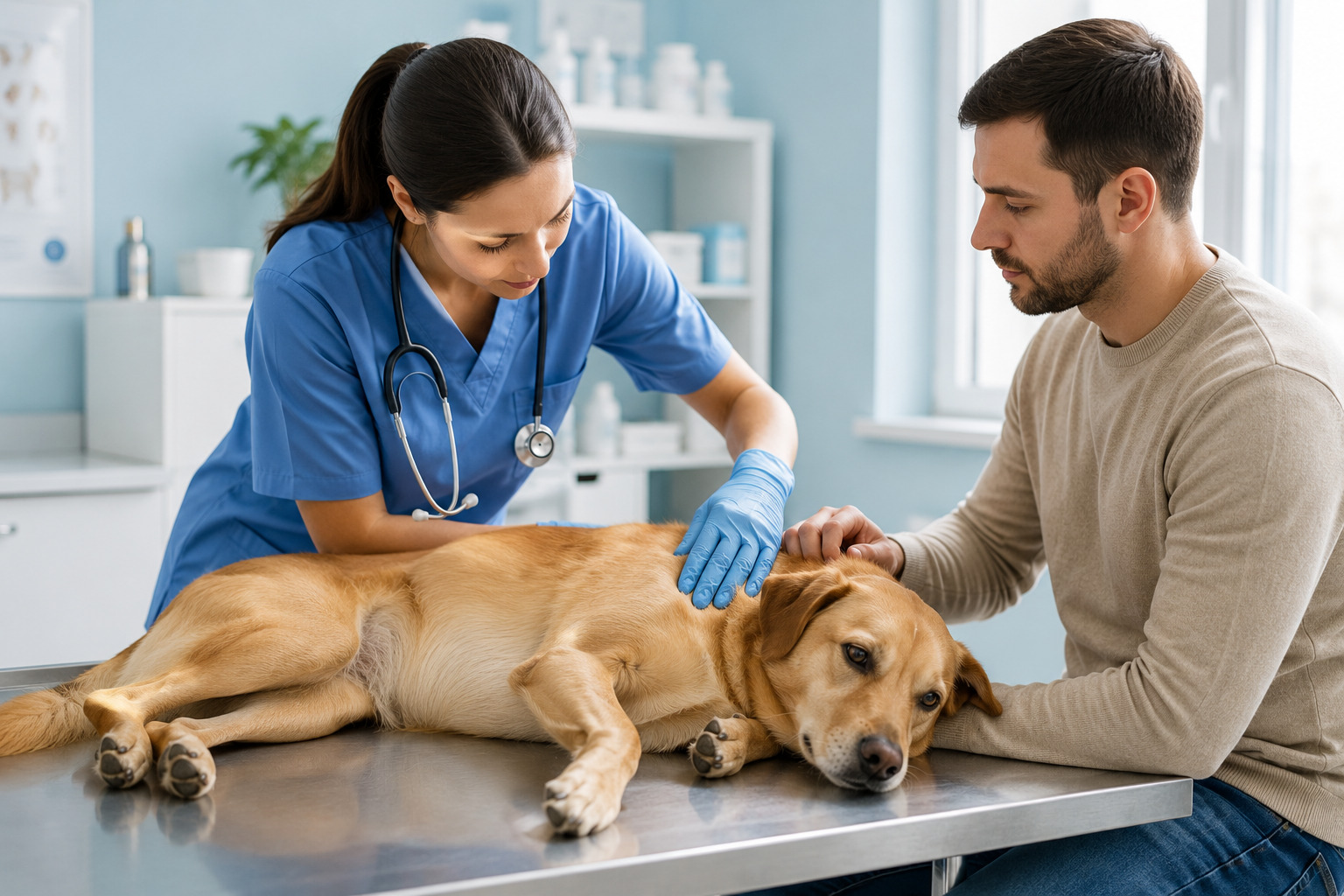

Enteritis is dangerous not only because of diarrhea and vomiting: in puppies and weakened dogs, it can very quickly lead to dehydration, intoxication, and serious complications
Symptoms of enteritis and first aid
During the disease, food is not fully digested in the animal’s body because the gastrointestinal tract is sharply disrupted. Most often this appears as diarrhea with mucus, and later the owner may notice foam or blood in the stool. Intoxication causes nausea and vomiting, at first with light mucus-like masses and later — sometimes even with bile or blood.
- Diarrhea with mucus or blood.
- Vomiting with mucus, bile, or blood.
- Refusal to eat, lethargy, depressed state.
- Pale mucous membranes.
- Abdominal pain, restlessness, or unwillingness to have the abdomen touched.
- Fever, weak thread-like pulse, signs of dehydration.
At the first symptoms, you should contact a veterinarian. But if the signs appeared late in the evening or veterinary help cannot be obtained quickly, the owner should limit themselves only to safe first-aid actions.
Measure the temperature and monitor it
Record the animal’s general condition and temperature changes so you can later give the veterinarian accurate observations.
Isolate the dog
Place the dog in a clean, calm, and darkened room, away from other animals, to reduce stress and the risk of spreading infection.
Provide access to warm boiled water
If the dog cannot drink on its own, water can sometimes be given in small portions from a syringe without a needle, but without force and only carefully.
Clean up feces and vomit
This is important for hygiene, prevention of repeated contact with the virus, and reducing the risk of infecting other animals in the home.
Do not self-medicate
Do not give antibiotics, antiemetics, or painkillers without a doctor’s prescription. Only a veterinarian can confirm enteritis and choose therapy.
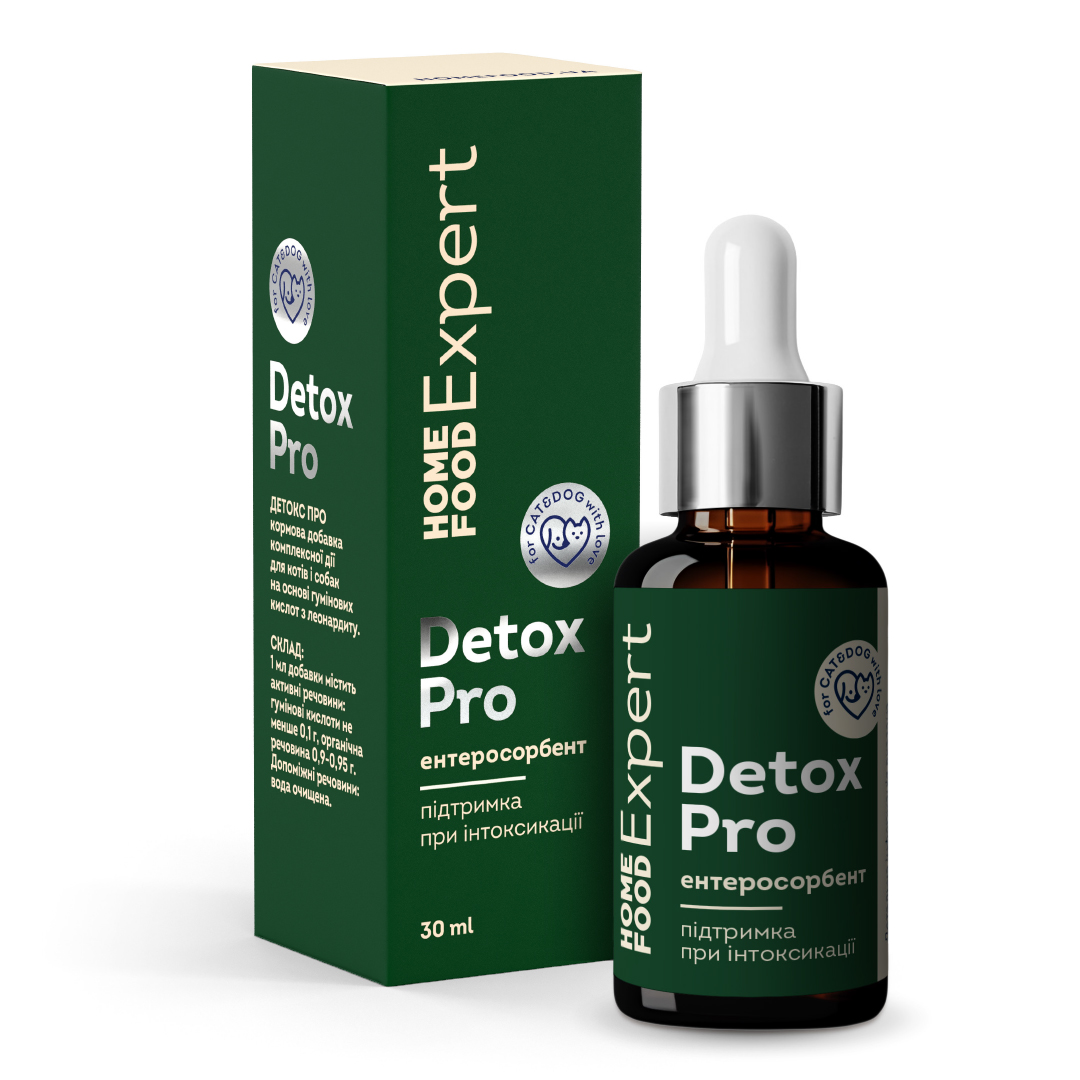
Feed supplement with humic acids Detox Pro HOME FOOD Expert, 30 ml
Buy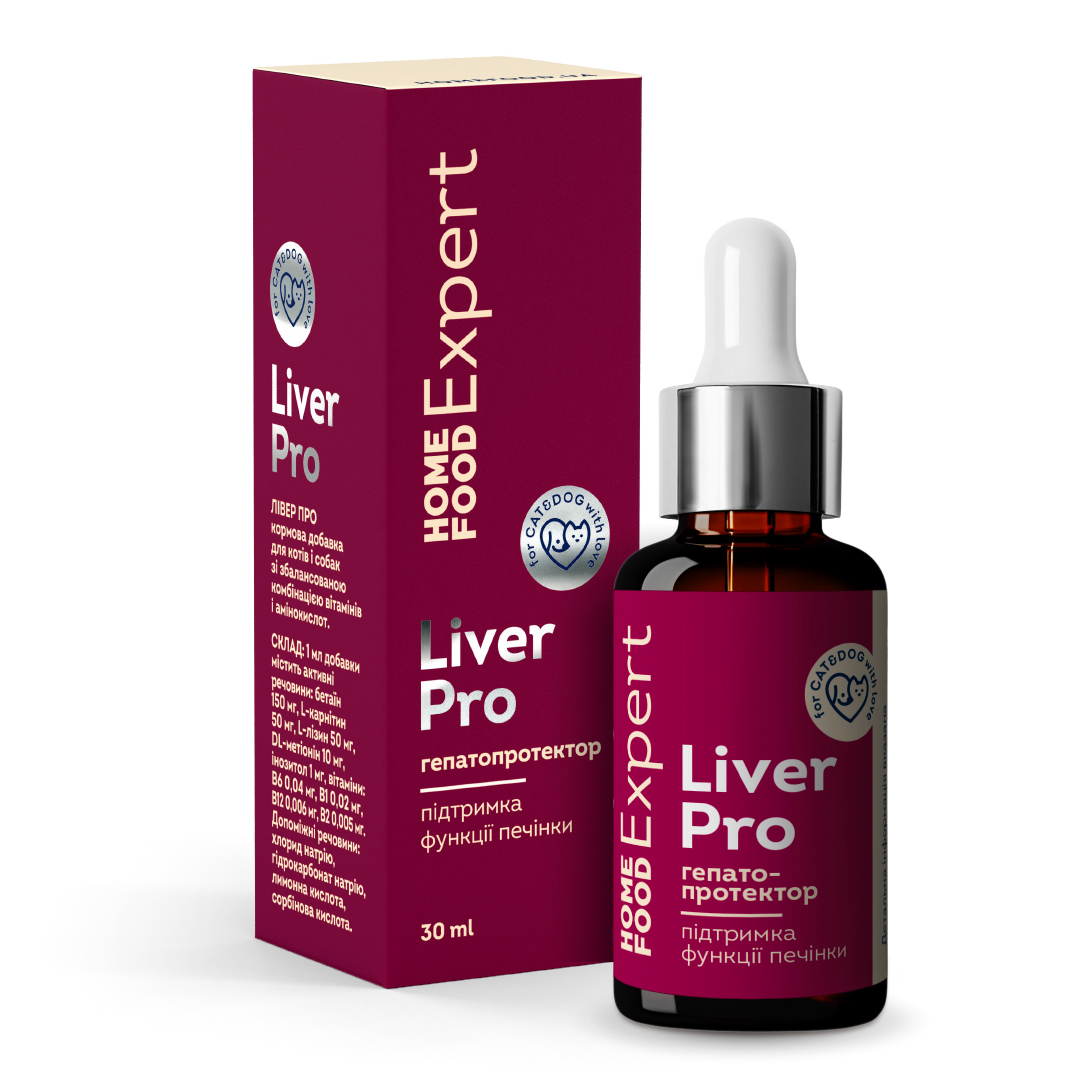
Feed supplement with vitamins and amino acids Liver Pro HOME FOOD Expert, 30 ml
Buy
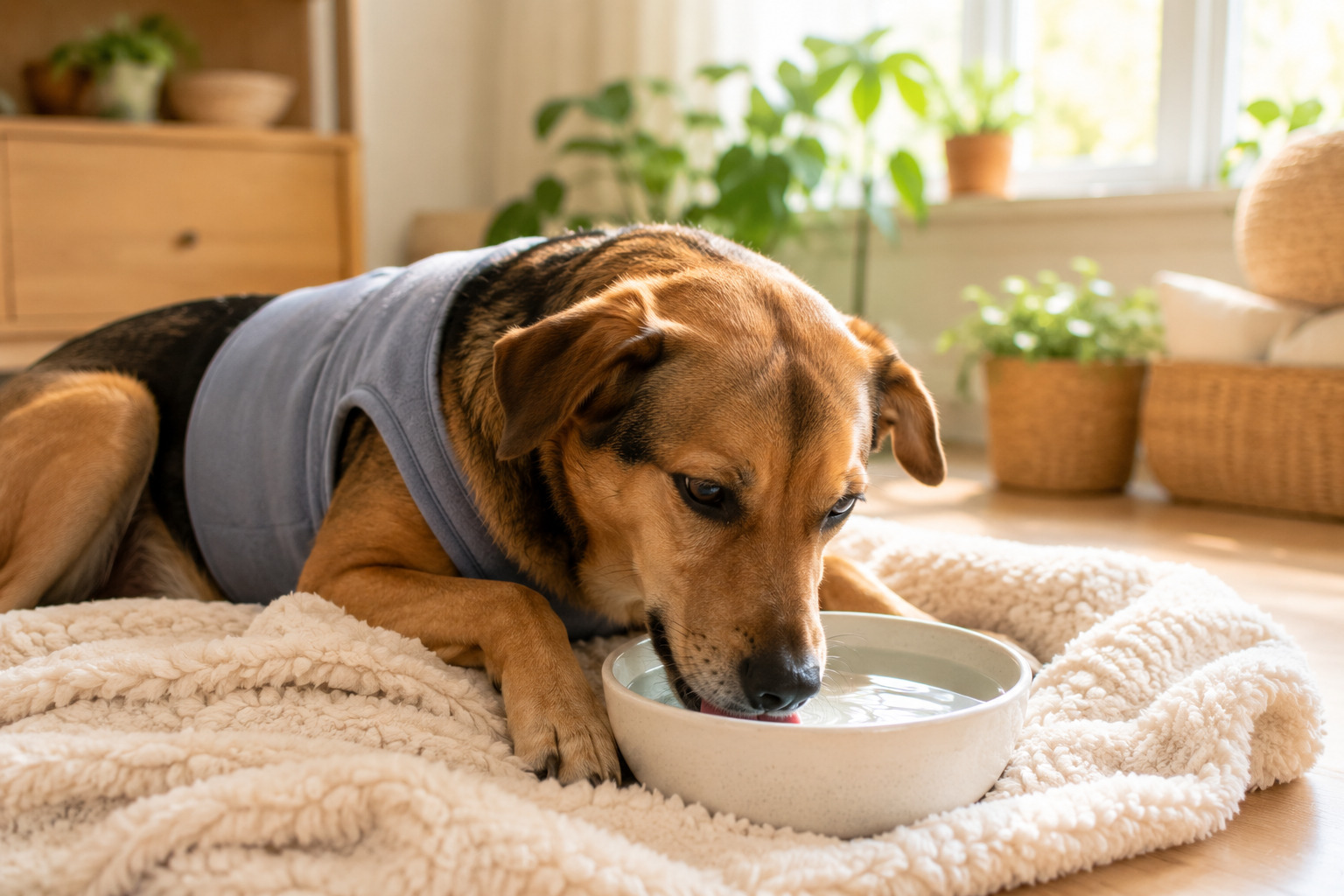
During enteritis treatment, the owner’s main task is not to “feed at any cost,” but to help the doctor stabilize the dog’s condition, reduce fluid loss, and follow the diet
Diagnosis, treatment, and diet
To confirm enteritis, the veterinarian must identify the causative agent and rule out other conditions, such as distemper or hepatitis. This involves taking the history, examination, palpation, and laboratory blood and stool tests.
After confirming the diagnosis, the doctor selects a treatment plan depending on the dog’s condition, the stage of the disease, and the presence of complications. Treatment may take place at home or in a hospital if the animal needs IV fluids, constant monitoring, or heart support.
Suppressing the activity of the pathogen
Antiviral sera and medications may be used for this; they help reduce the spread of infection and support the immune response.
Fighting dehydration
Rehydration solutions and IV fluids are needed to prevent critical fluid loss, which is often the main life-threatening factor in enteritis.
Reducing intoxication, vomiting, and diarrhea
The doctor may prescribe detoxifying, antiemetic, hemostatic, and pain-relieving medications, as well as drugs to support heart function.
Restoring intestinal microflora
After the acute phase, probiotics or symbiotics are carefully selected to help stabilize the intestine and gradually restore normal digestion.
Diet therapy
During the first days, the dog must not be forced to eat. Later, food is introduced gradually: light porridges, low-fat broths, boiled white meat, and small portions 5–7 times a day.
- In the first few days of acute enteritis, food can only worsen the condition, so the decision to start feeding is made according to symptom dynamics and the doctor’s recommendation.
- Water should be available to the dog constantly, but it must be clean and preferably boiled.
- Milk, cottage cheese, fatty meat, and other heavy foods are strictly unsuitable during recovery.
During home treatment, it is important to disinfect the room, bowls, bedding, and the animal’s belongings. If there are other pets in the home, the sick dog should be isolated as much as possible, because enteritis pathogens can remain in the environment for a long time.
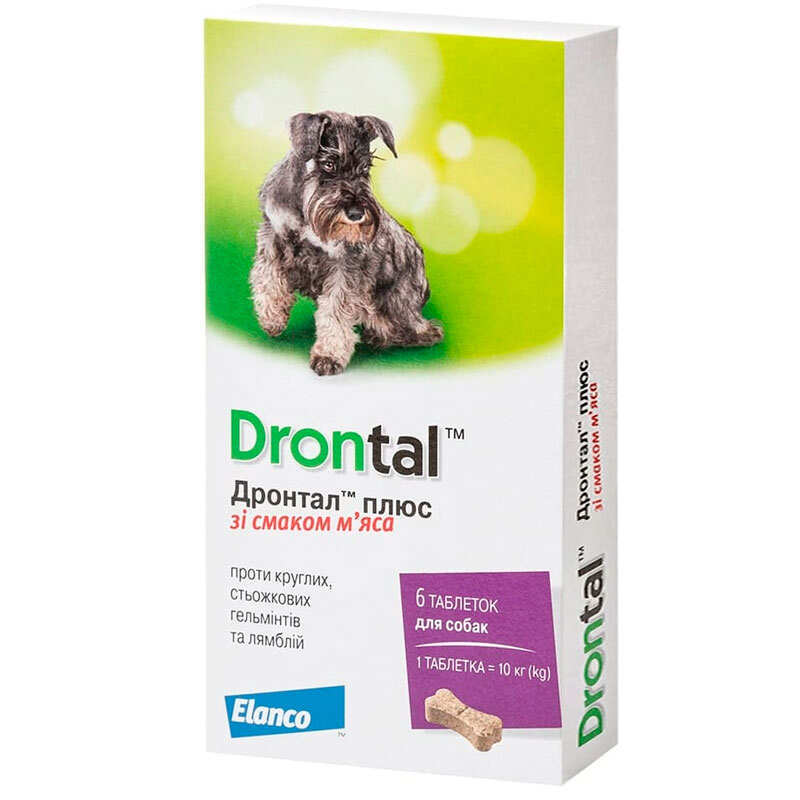
Elanco Drontal — Drontal anthelmintic tablet for treatment and prevention of helminth infections in dogs
Buy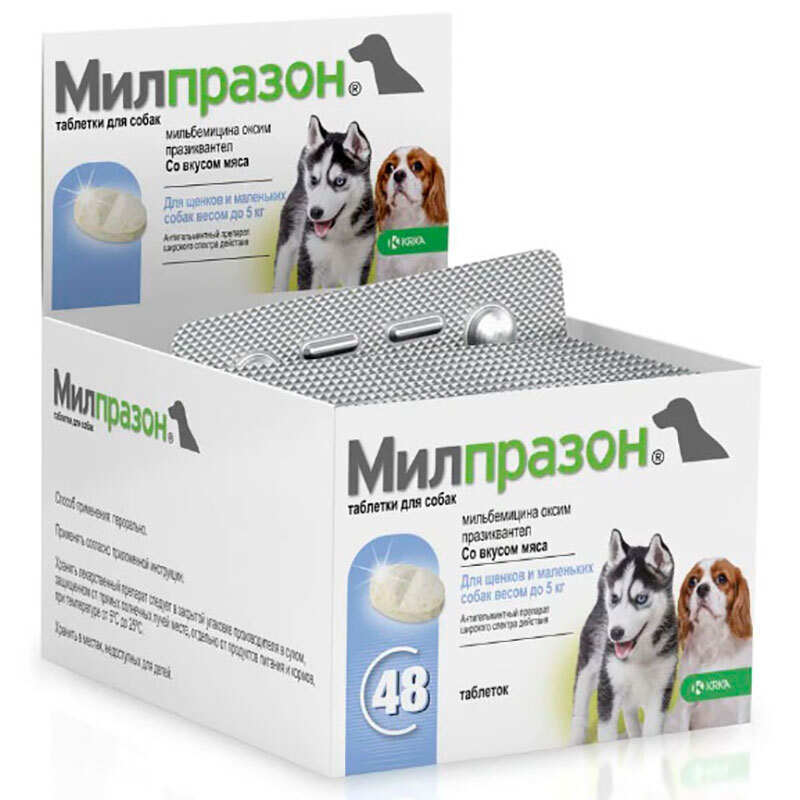
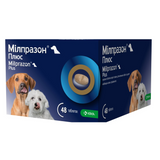
KRKA Milprazon — Milprazon anthelmintic tablets for dogs weighing up to 5 kg
Buy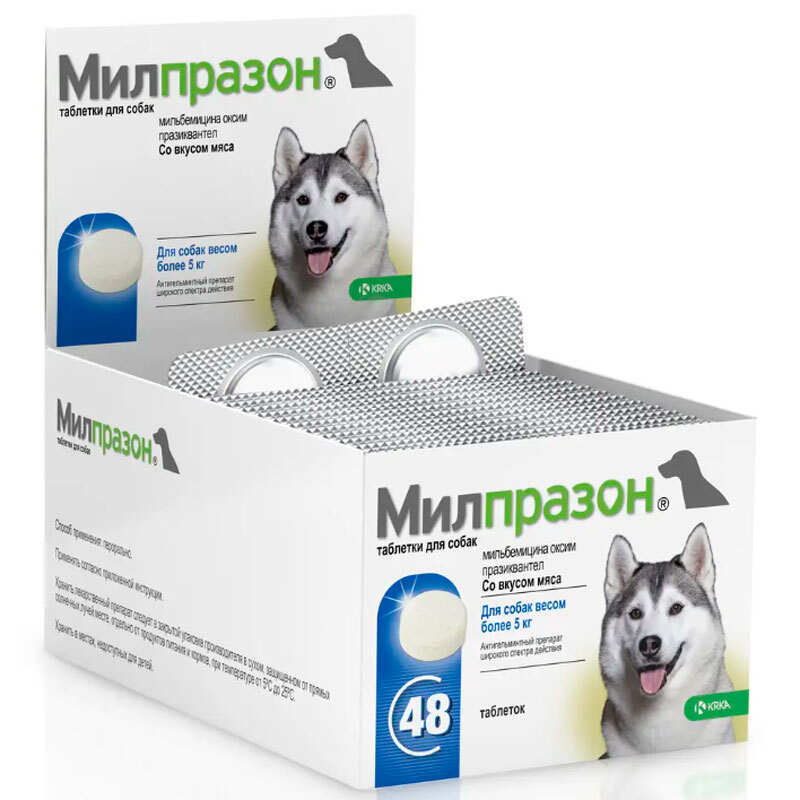
KRKA Milprazon — Milprazon anthelmintic tablets for dogs weighing over 5 kg
Buy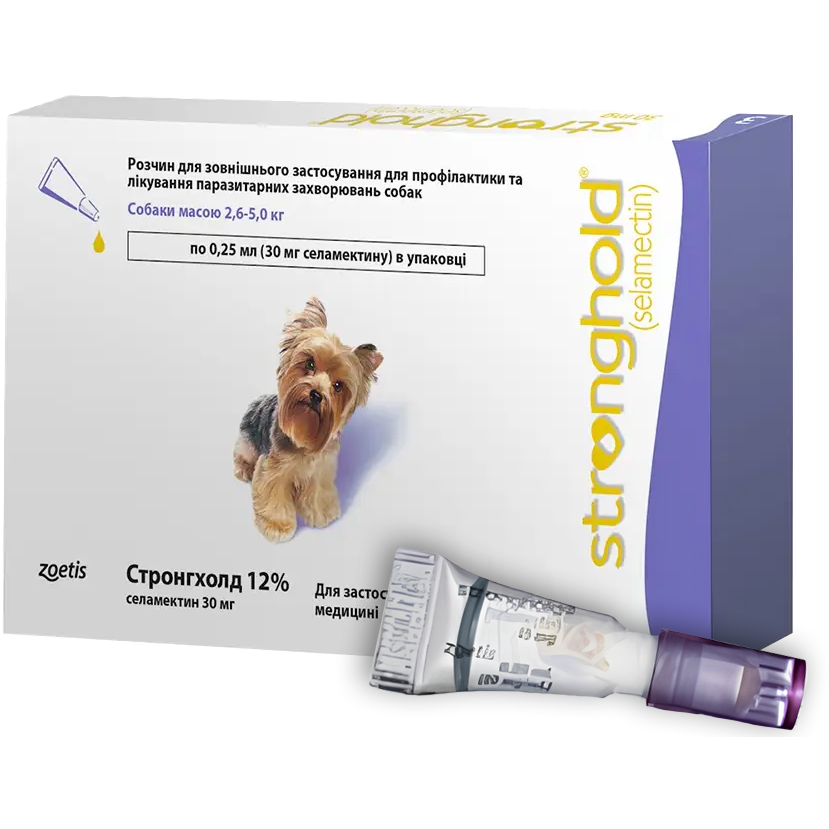
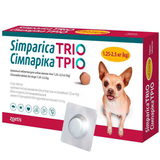
Zoetis Stronghold — Stronghold antiparasitic drops for dogs 2.6–5 kg
Buy
Possible complications, vaccination, and prevention
Enteritis can be overcome, but in a very aggressive course individual organs of the dog can be seriously affected. Complications may include heart failure, rupture of the small intestinal wall, inflammatory processes in the abdominal cavity, pancreatitis, peritonitis, liver damage, and impaired passage of food through the gastrointestinal tract.
Vaccination remains the best way to reduce the risk of a severe course. Vaccinated animals can still become infected, but they usually tolerate the disease much more easily, and the risk of death becomes lower.
Follow the vaccination schedule
The first vaccination for puppies is usually given at two months of age, followed by revaccination in 10–14 days, then another one a month later and the next after the change of teeth. After that, vaccination is repeated annually.
Deworm before vaccination
Ten to fourteen days before vaccination, it is important to treat the dog for helminths because parasites significantly weaken the immune response.
Maintain sanitary conditions
Regularly clean the dog’s bed, bowls, and living area, control contact with stray animals, and carefully monitor changes in wellbeing.
Do not ignore preventive checkups
Veterinary checkups every few months and scheduled parasite treatment every 2–3 months help notice risks in time and avoid missing related problems.
- Vaccination does not guarantee absolute protection against all forms of enteritis, but it significantly reduces the likelihood of a severe course.
- Vaccination is not given to sick dogs, animals in heat, pregnancy, or lactation.
- Before and after vaccination, it is important to follow quarantine rules and limit unnecessary contacts.
Frequently asked questions
Can a dog get enteritis after vaccination?
Yes, this is possible, but vaccination helps avoid the most dangerous forms or significantly eases the course of the disease. That is why vaccination is considered a key preventive measure.
Is relapse of enteritis possible?
Yes, in some cases relapse is possible. A full course of treatment, monitoring the dog’s condition, and following all veterinarian recommendations significantly reduce this risk.
Is enteritis contagious to people and other animals?
Canine enteritis is not contagious to people. For cats, rodents, and birds, a dog with enteritis also usually does not pose a direct threat, but for other dogs the virus can be very dangerous.
Conclusion
Enteritis in dogs is a disease that does not tolerate delay. It quickly disrupts the gastrointestinal tract and can lead to severe dehydration, intoxication, and heart damage, especially in puppies and weakened animals.
The earlier the owner notices vomiting, diarrhea, lethargy, and refusal to eat and contacts a veterinarian, the higher the chances of recovery without serious consequences. The best prevention remains vaccination, hygiene control, parasite protection, and attentive care for the pet’s health.