If your cat seems too thin or is losing weight, this is not always just a cosmetic issue. Being underweight may indicate underfeeding, an increased metabolism, or hidden health problems.
At the same time, trying to quickly “stuff” a cat with low-quality food can be harmful and may lead to digestive, liver, or pancreatic problems.
In this article, we look at how to properly balance a cat’s diet for weight gain, which foods and diets to choose, and how to combine nutrition with health monitoring so your cat can gain weight gradually and safely.
Why a Cat May Be Thin: Physiological and Pathological Causes
To help a cat gain weight properly, you first need to understand why it is thin. The causes can generally be divided into physiological and pathological ones.
Physiological Causes
- Underfeeding: a cat may simply be getting too few calories for its weight and activity level. This often happens when portions are miscalculated or the animal gets less food because of competition with other pets.
- Unbalanced food: diets low in protein or fat do not provide the cat with enough energy. Even with a sufficient food volume, the cat may remain thin if the diet is poor in nutrients.
- Stress and changes in the environment: moving, new people or animals in the house, and loud noises can reduce appetite. Stress increases energy expenditure and may lead to slow but persistent weight loss.
- Picky eating and individual food preferences: some cats refuse certain foods, especially if the taste or texture has changed. As a result, the cat gets fewer calories and gradually loses weight.
Pathological Causes
If a cat stays thin regardless of its diet, this may point to diseases that affect digestion, nutrient absorption, or metabolism.
- Gastrointestinal problems: chronic enteritis, pancreatitis, or parasites may reduce calorie absorption.
- Endocrine diseases: hyperthyroidism in older cats speeds up metabolism, and the cat may lose weight quickly even with a normal appetite.
- Chronic kidney, liver, or heart disease: these conditions increase energy needs or reduce appetite, leading to weight loss.
- Oncological diseases, parasitoses, and infections: tumors, worms, viral or bacterial diseases may cause sudden or persistent weight loss.
To help a cat gain weight effectively, it is important to first understand whether the cause is physiological or pathological. If the cat is healthy, weight gain requires a balanced, calorie-dense diet and proper feeding. If there is suspicion of illness or parasites, a veterinary consultation and additional examination are needed.
What to Feed a Cat to Help It Gain Weight: Diets and Balanced Nutrition
For a cat to gain weight in a healthy way, you need to choose the right food, calculate calorie intake, and, if necessary, diversify the diet. According to AAFCO and FEDIAF standards, dry cat food usually contains 300–450 kcal per 100 g, while wet food contains 70–120 kcal per 100 g depending on its protein and fat content.
Daily energy requirements depend on the animal’s physiological status. Below are basic reference values that may vary depending on activity, age, and overall health.
| Cat Type | Average Daily Energy Requirement | Comment |
|---|---|---|
| Adult, intact | 50–70 kcal per 1 kg of body weight | The requirement depends on activity, age, and overall health status |
| Adult, neutered/spayed | 40–50 kcal per 1 kg of body weight | It is important to monitor not only the amount of food but also nutrient density |
Example: a 4 kg intact cat needs about 200–280 kcal per day; a neutered/spayed cat needs 160–200 kcal. These figures are basic guidelines and should be adjusted according to the animal’s actual activity level.
Choose premium or super-premium food
For thin cats, a high biological value of protein, enough fat, and balanced vitamins are important. Economy-class foods often contain many fillers that add bulk but do not support muscle gain.
Look for high protein and fat content
For weight gain, protein levels of 30–40% in dry food and fat levels of 15–20% are important. Wet food with a high meat content can also help increase dietary calorie density.
Combine textures and flavors
A combination of dry and wet food works well, and for picky cats, foods with several protein sources may help. Mixing different flavors and textures can stimulate appetite.
Use toppers when needed
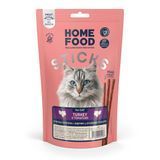
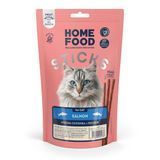
Adding a small amount of boiled chicken fillet, turkey, beef, or a meat topper can stimulate appetite and increase the calorie content of the meal without sharply overloading the gastrointestinal tract.

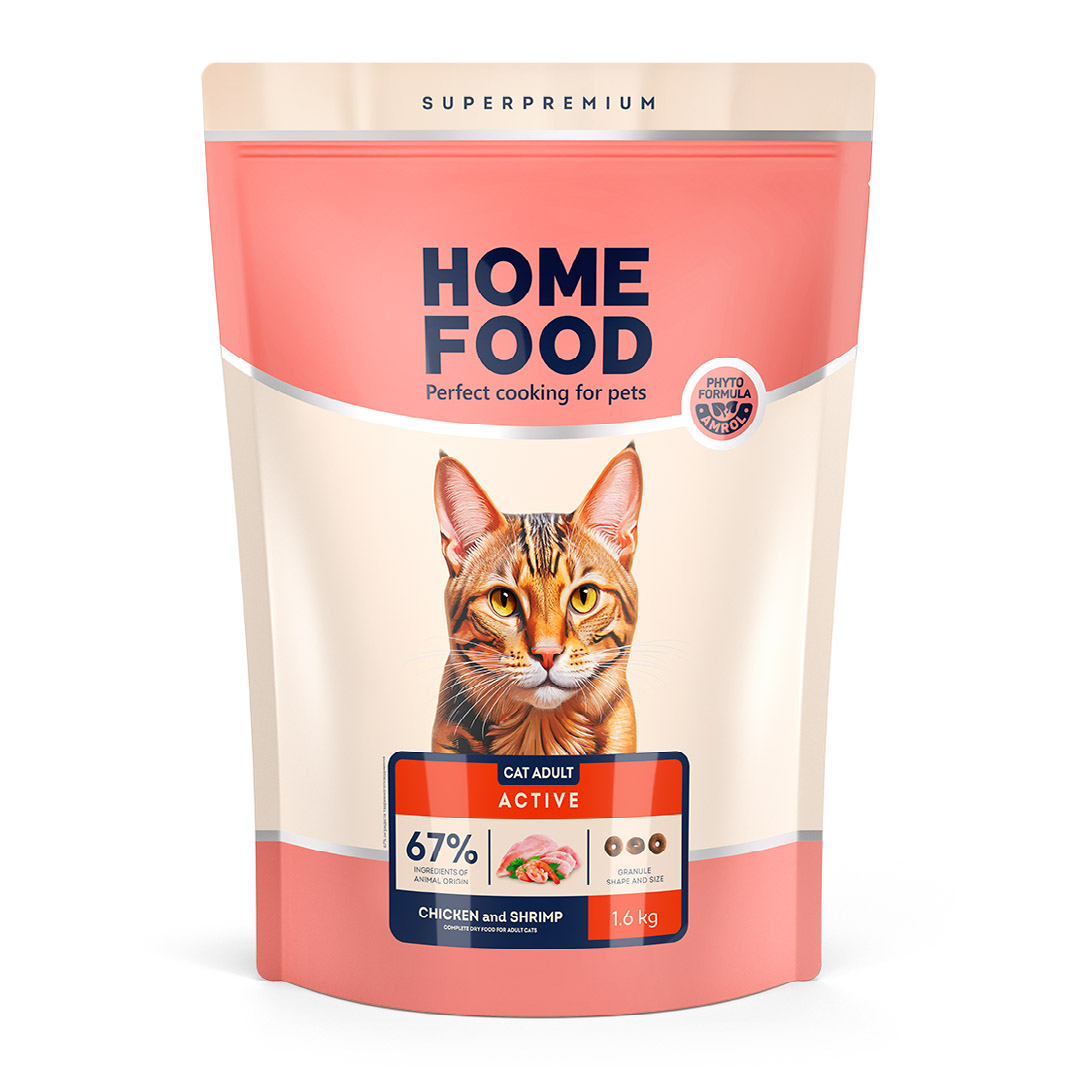
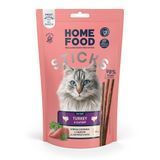
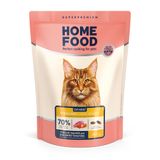
HOME FOOD dry food for active adult cats “Chicken & Shrimp”, 1.6 kg
Buy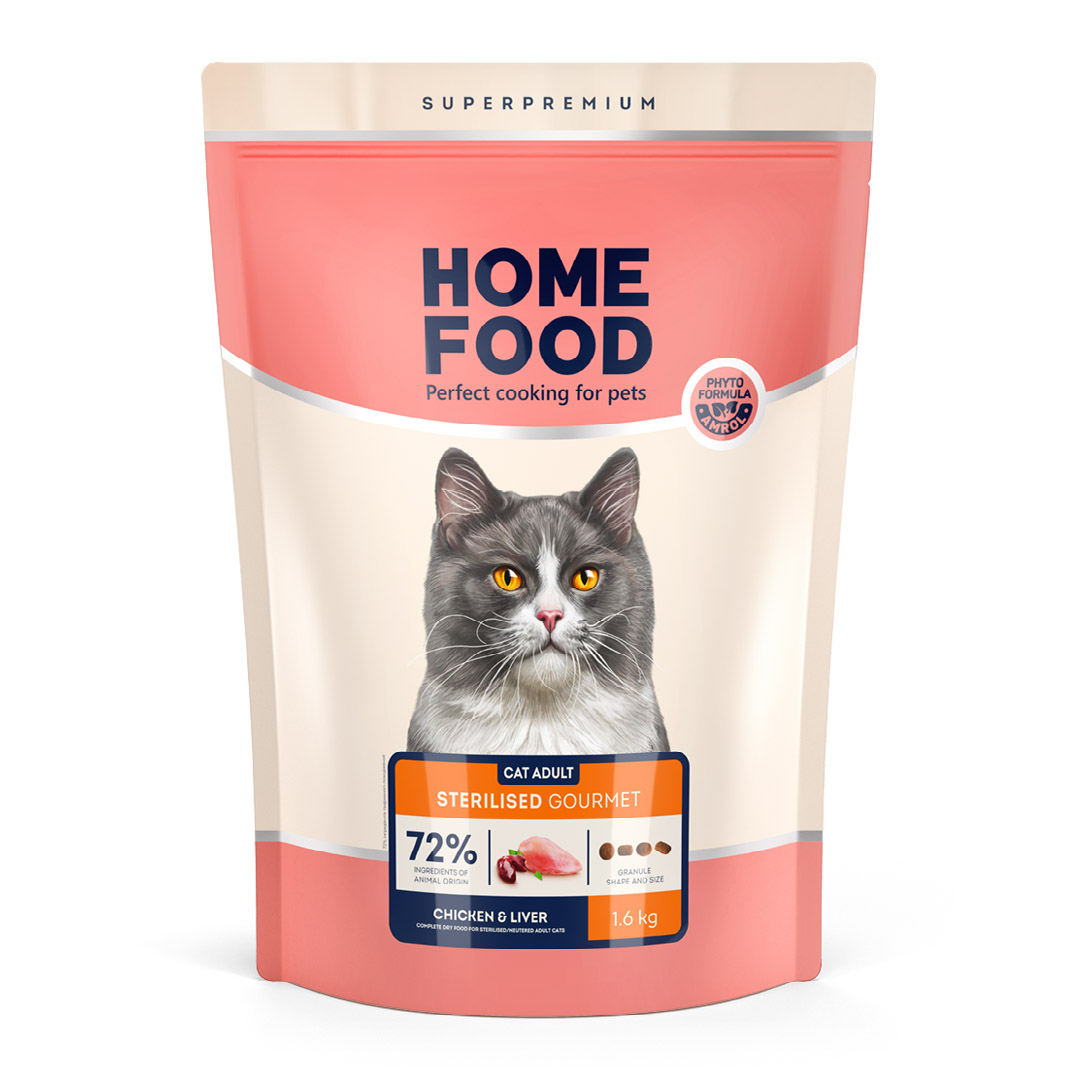
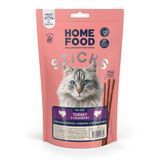
HOME FOOD dry food for picky sterilized/neutered adult cats Chicken & Liver, 1.6 kg
Buy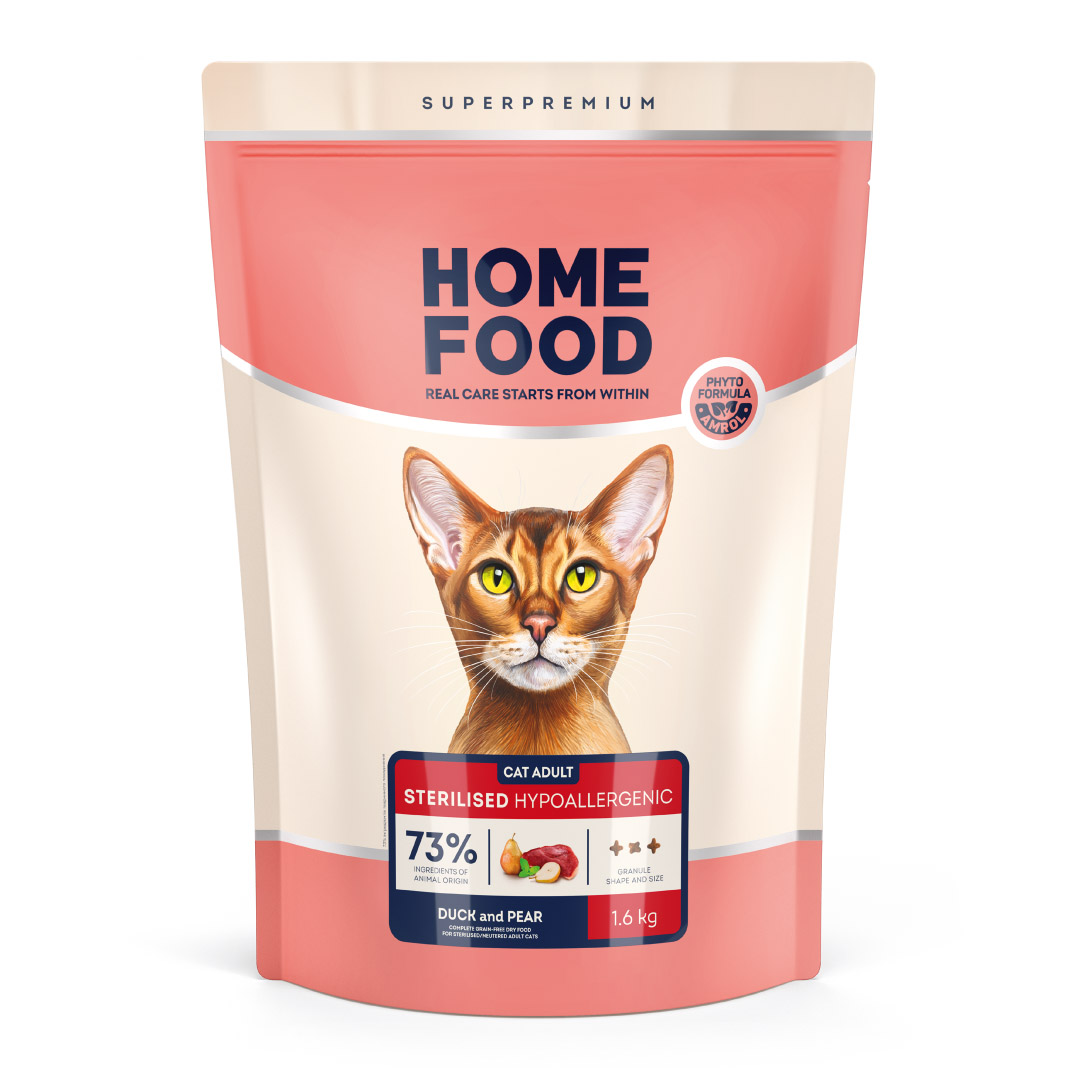
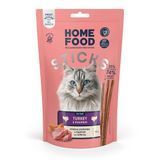
HOME FOOD grain-free hypoallergenic food for adult sterilized/neutered cats “Duck & Pear”, 1.6 kg
Buy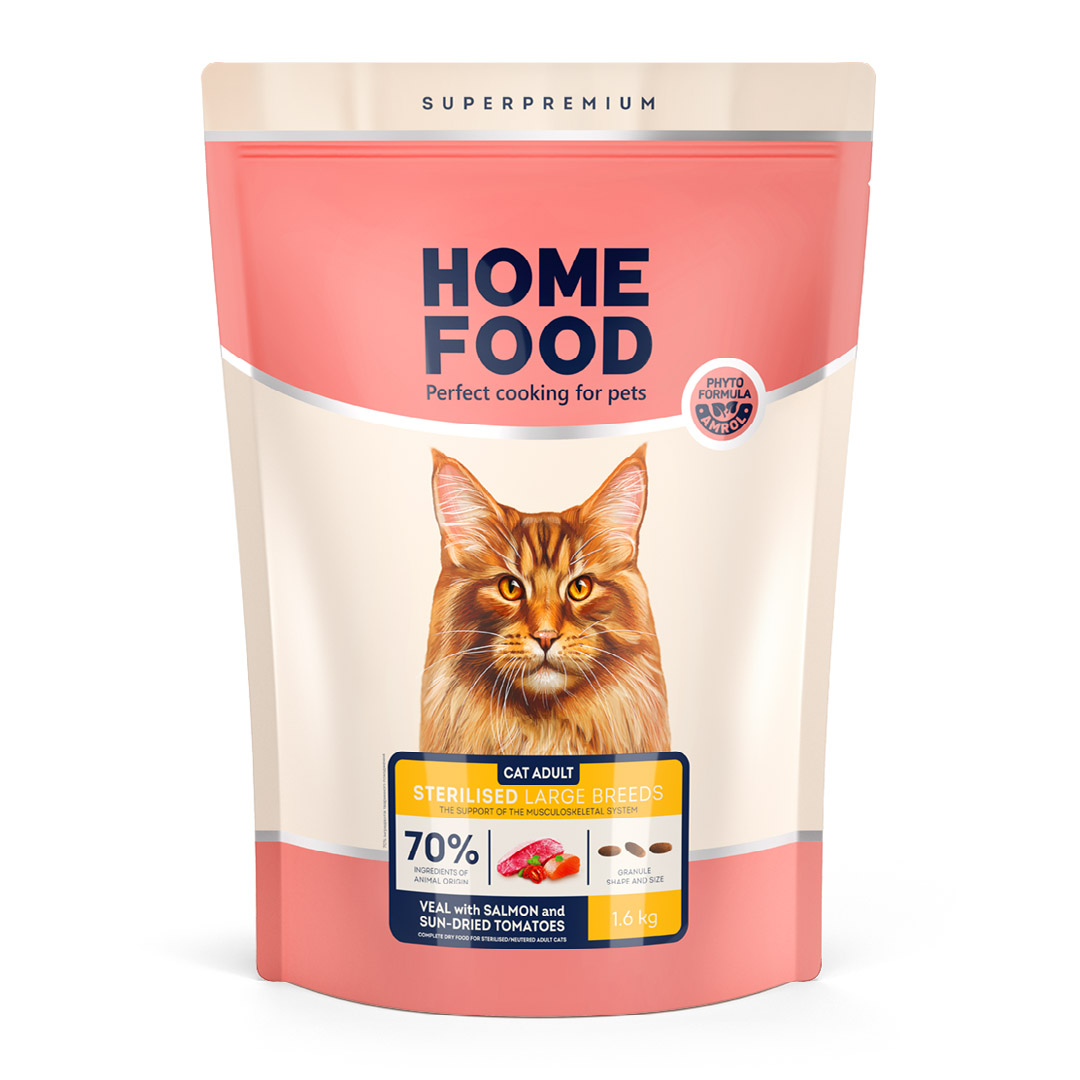
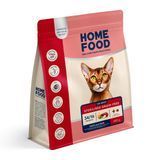
HOME FOOD dry food to support the musculoskeletal system of sterilized/neutered adult cats of large breeds “Veal with Salmon and Sun-Dried Tomatoes”, 1.6 kg
Buy
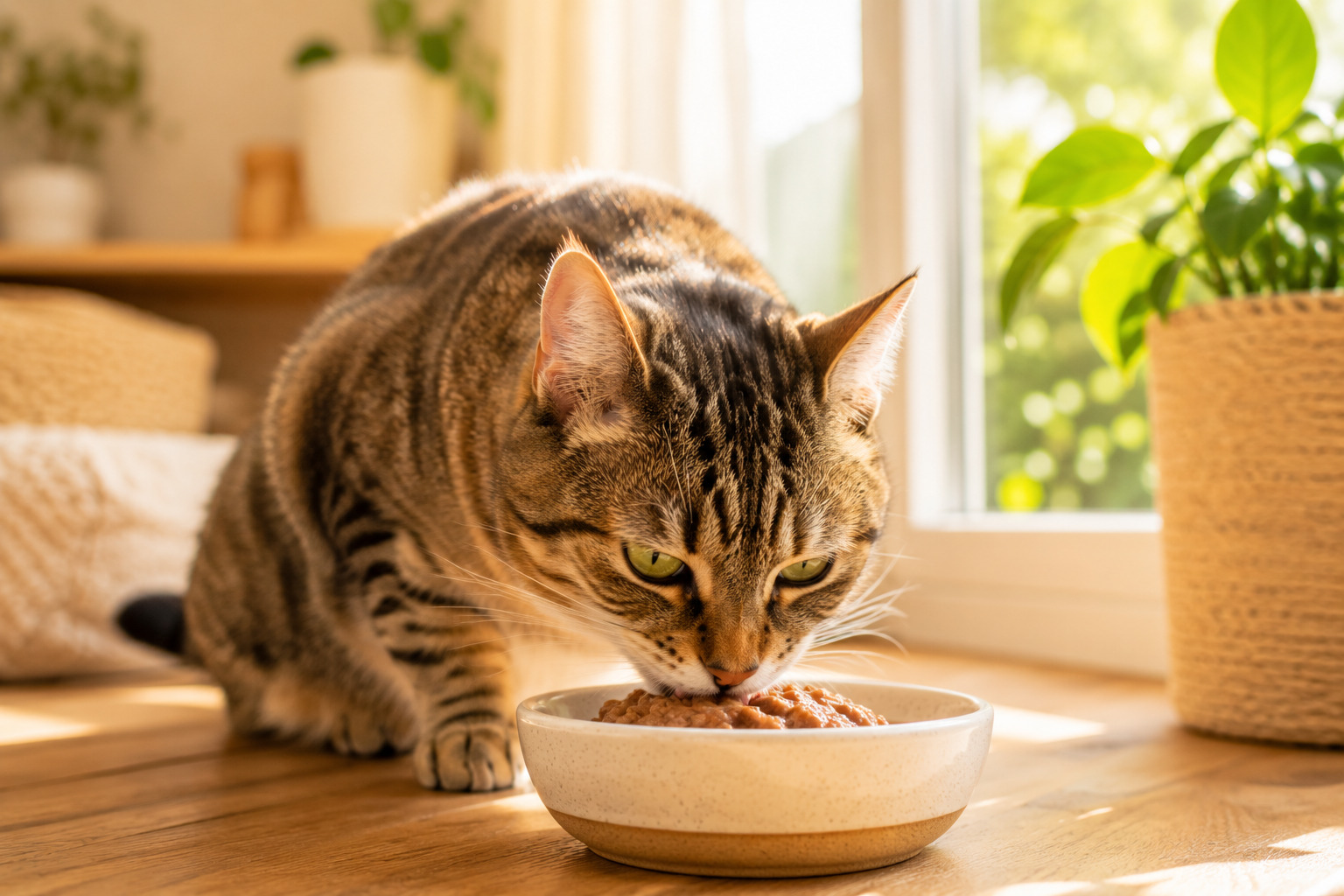

For a cat to gain weight safely, it is important not just to increase food volume, but to make the diet more nutritious, tasty, and comfortable for daily feeding
A Cat Should Not Go Hungry: How to Increase Calorie Intake Properly
When a cat is thin, owners are often tempted to shorten the intervals between feedings or offer large portions so the cat gains weight quickly. However, this is not always the right approach.
Avoid prolonged fasting
Hunger slows metabolism, and long gaps between meals may cause stomach irritation, vomiting, or diarrhea. In addition, a hungry cat becomes irritable, which can further reduce appetite.
Do not increase portions too abruptly
A cat’s stomach is limited in capacity, so overloading it with a large amount of food at once may cause nausea, vomiting, or refusal to eat at the next feeding.
Increase calories through food quality
If the food is low in protein and fat, even a large portion will not provide enough energy for weight gain. That is why it is better to rely on tasty, calorie-dense premium and super-premium diets.
Feed more often but in smaller portions
Combining dry and wet food, meat toppers, and 3–5 meals a day helps gradually increase the energy density of the diet without overloading the stomach.
- Combine dry and wet food or add meat toppers: this can increase calories without overloading the stomach.
- For picky cats, use different flavor options and textures — this stimulates appetite and helps them get the calories they need.
- Weight gain in a cat is not about increasing the volume of food, but about increasing its calorie density and palatability.
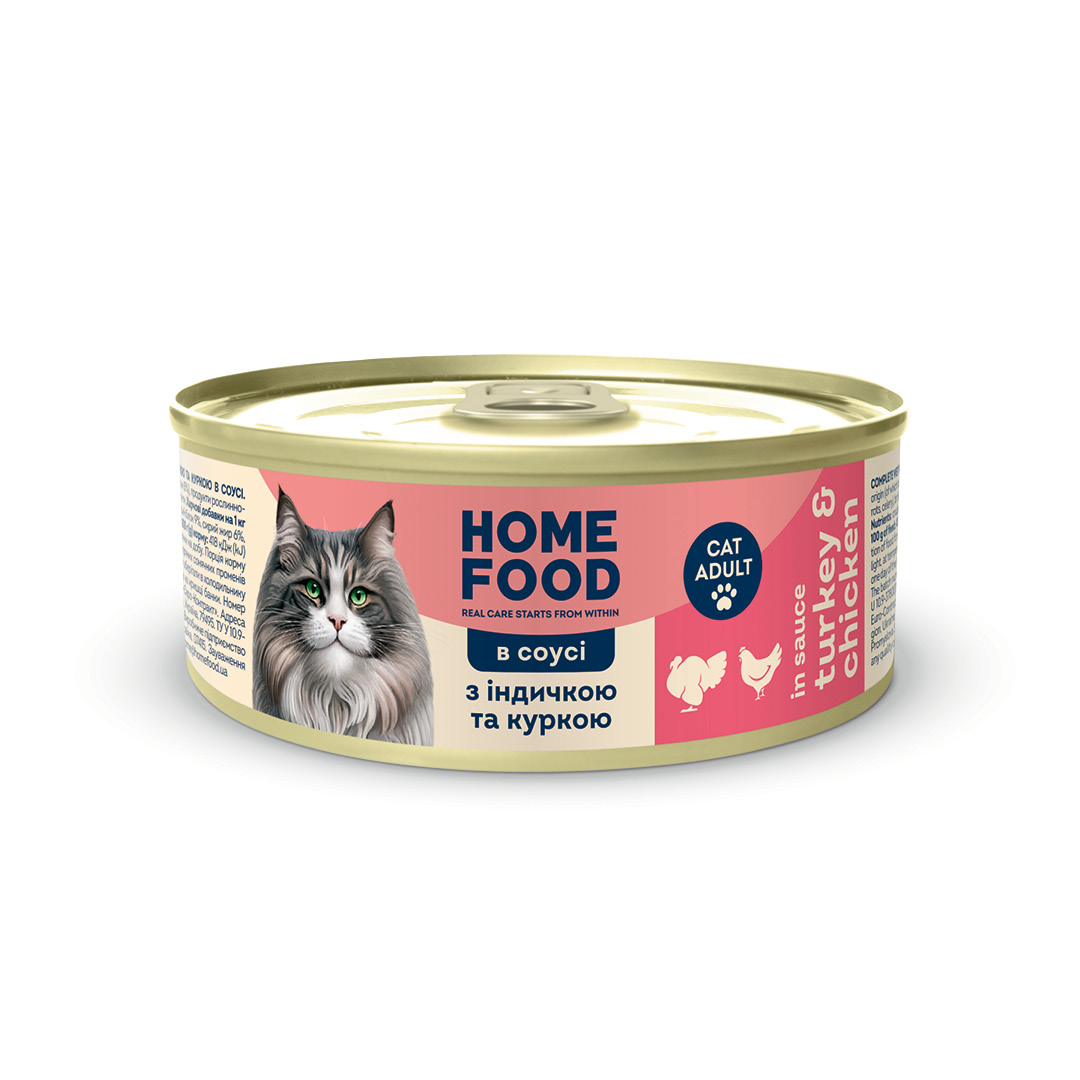
HOME FOOD complete wet food for adult cats with turkey and chicken in sauce, 85 g
Buy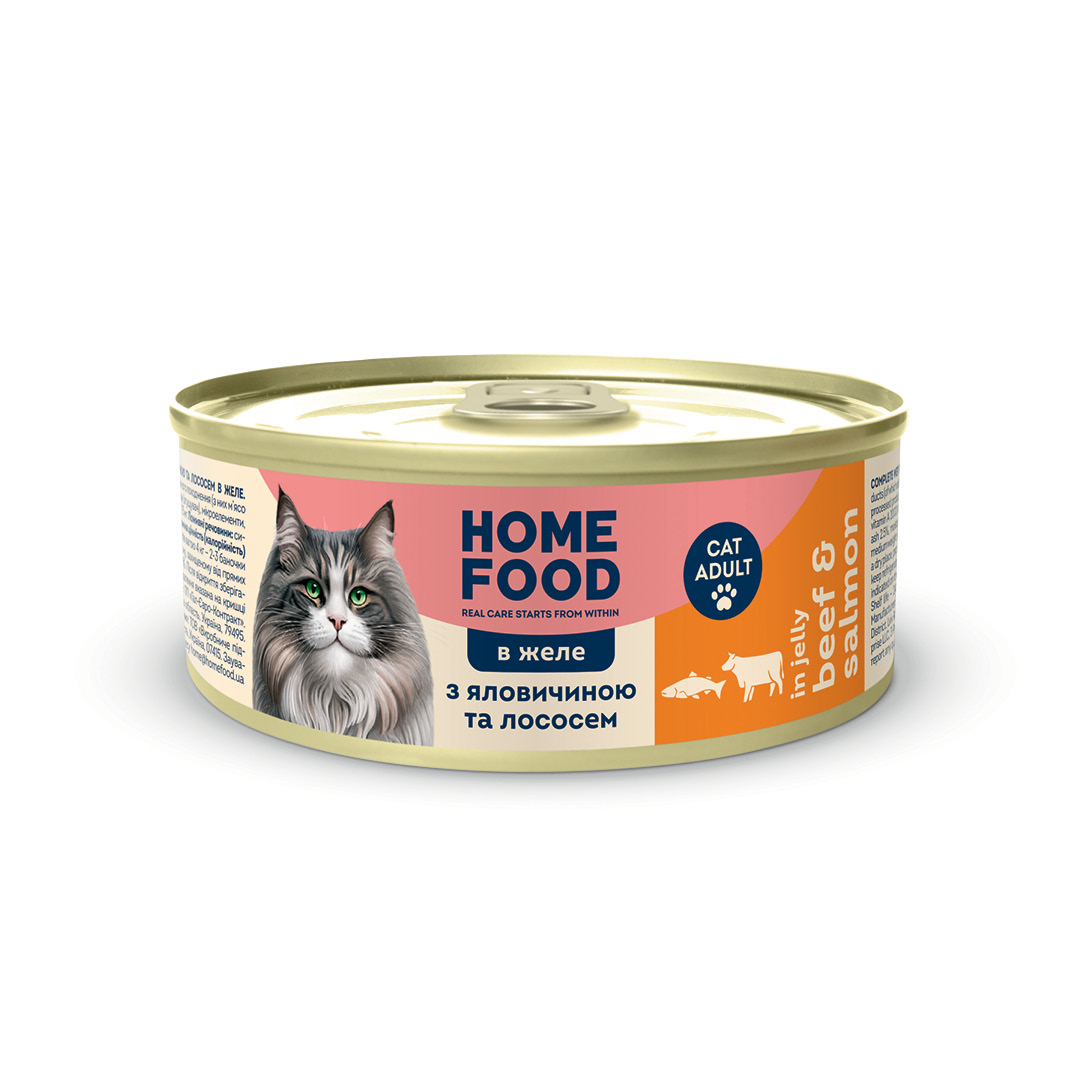
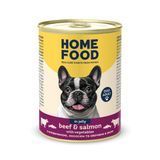
HOME FOOD complete wet food for adult cats with beef and salmon in jelly, 85 g
Buy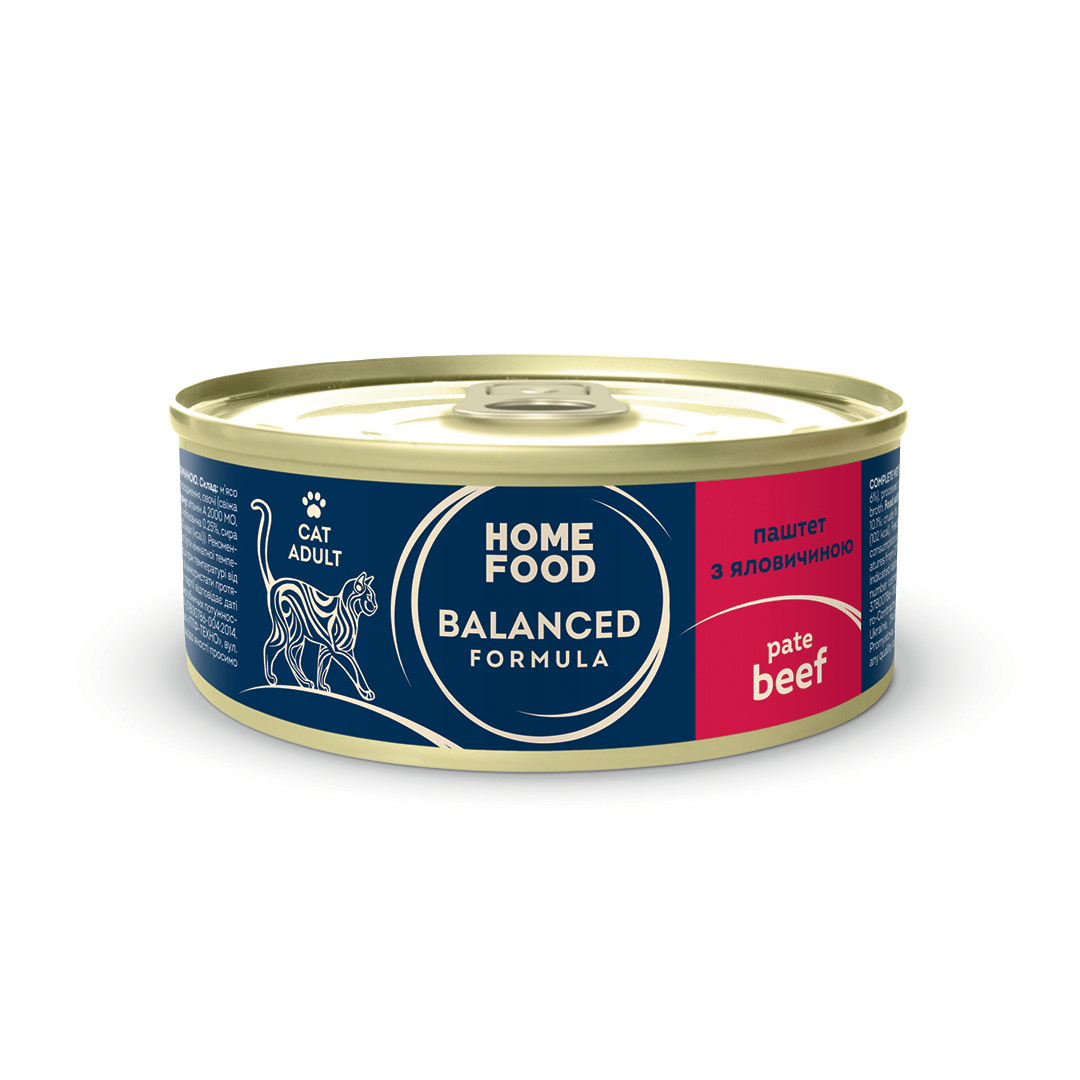
HOME FOOD complete wet food for adult cats Beef Pate, 85 g
Buy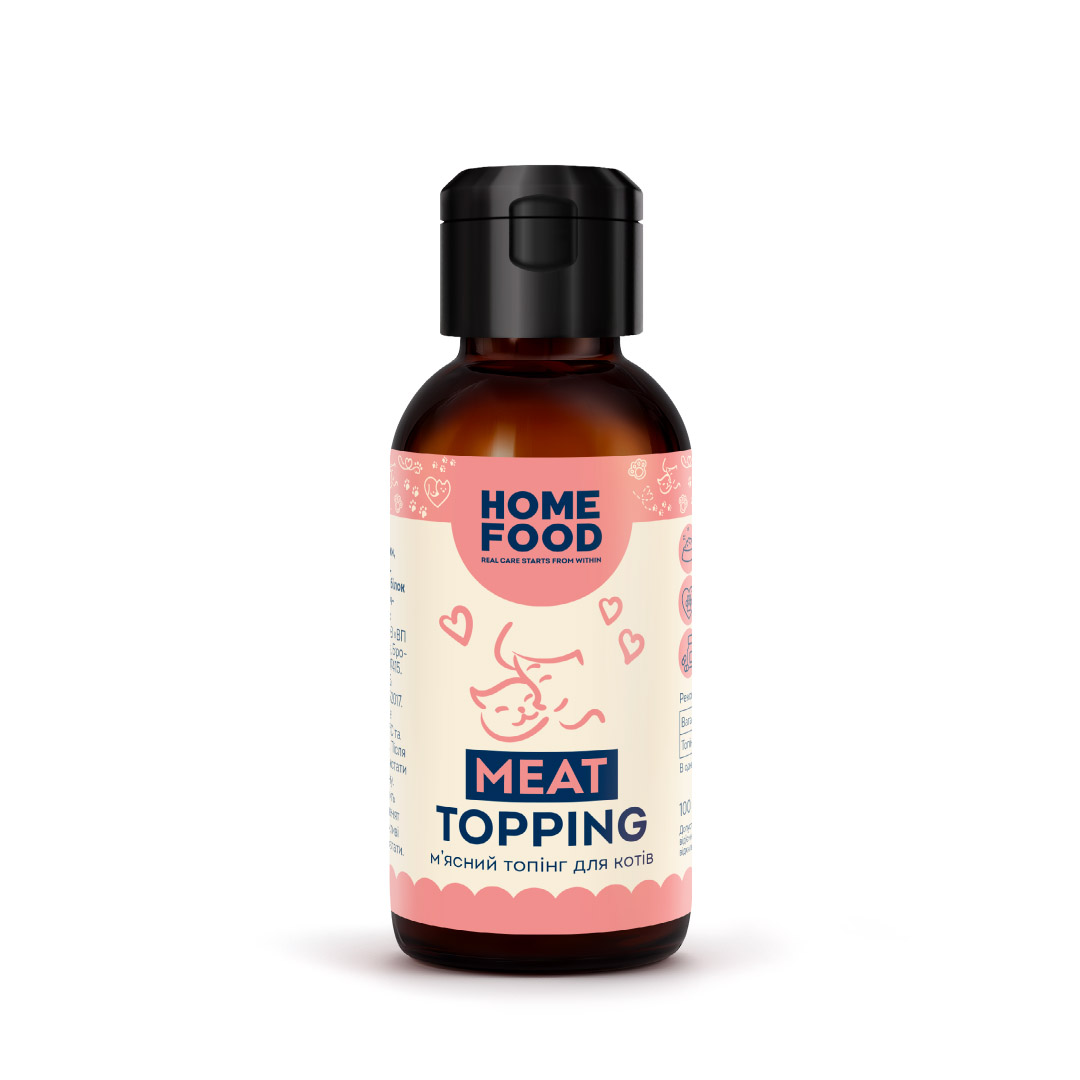
Meat topper for cats, 100 g
Buy
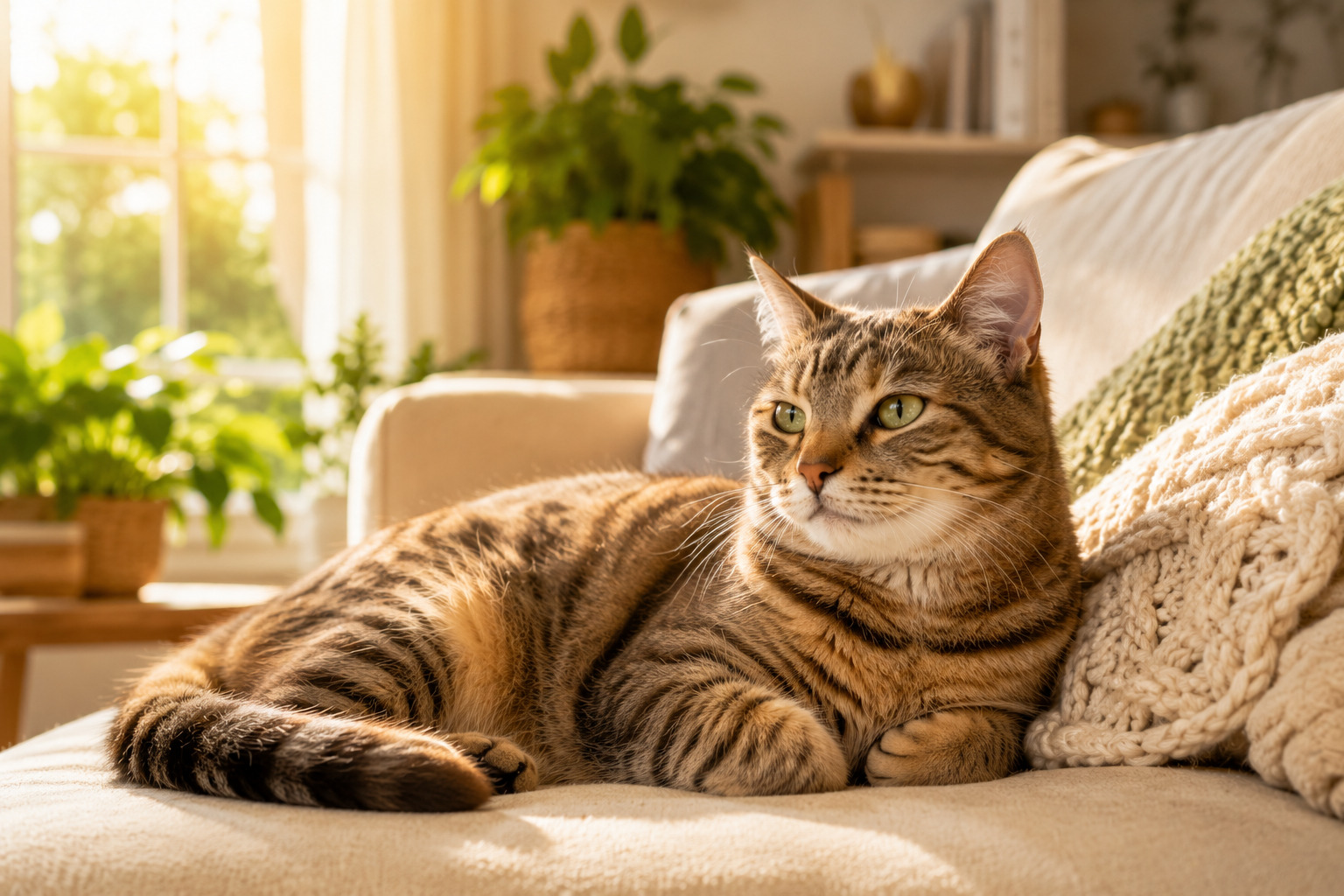
In some cats, being underweight is not related only to food: stress, anxiety, or a homemade diet without a precise nutrient balance can also interfere with a stable appetite
Managing Stress and Supporting Appetite
In some cats, low body weight is caused by stress, anxiety, or changes in the environment that reduce appetite. In such cases, it is important to combine feeding strategies with support for the cat’s emotional well-being.
CBD may help reduce anxiety levels
Research suggests that CBD may help improve mood and stimulate appetite in cats. Special veterinary formulas designed specifically for animals should be used.
5-HTP supports emotional balance
5-hydroxytryptophan is a precursor of serotonin that may help improve mood and reduce anxiety. For cats, this kind of support should be selected carefully and appropriately.
Reducing stress helps maintain a steadier appetite
When a cat feels calmer, it is easier for it to maintain a regular appetite and therefore consume enough calories for healthy weight gain.
- To manage stress in cats, it is important to combine an appealing diet with gentle support for the nervous system.
- Anti-stress supplements should be part of a thoughtful plan, not an attempt to replace quality food.
- If a cat continues to lose weight even with a good appetite, health monitoring is needed in addition to dietary correction.

Relax Pro HOME FOOD Expert — dietary supplement, CBD oil 2%, 10 ml
Buy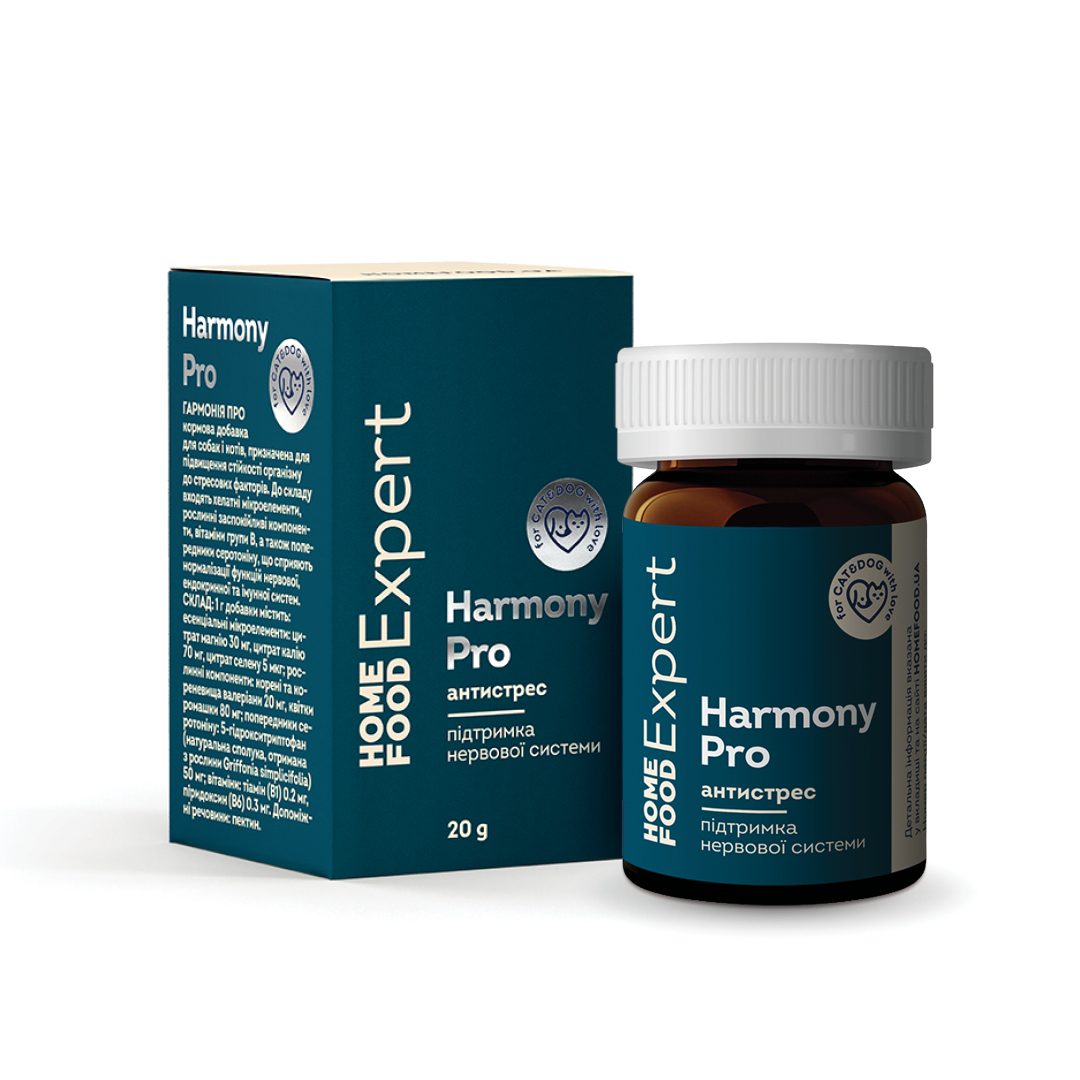
Harmony Pro HOME FOOD Expert — anti-stress feed supplement, 20 g
Buy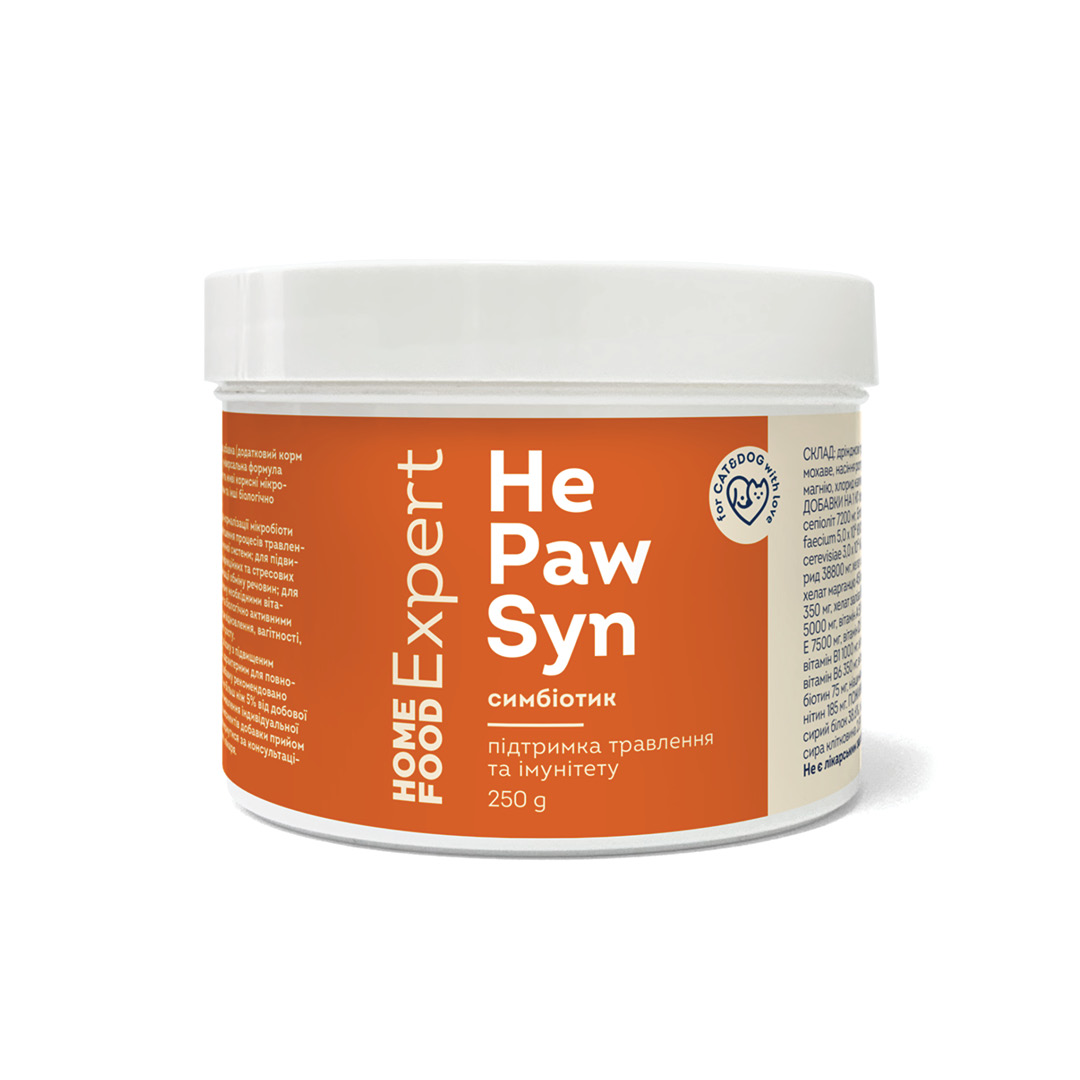
HePawSyn HOME FOOD Expert — symbiotic for digestive and immune support, 250 g
Buy
HOME FOOD phytomin oil for cats “Omega Balance” Omega-3, -6, -9 balance, 100 ml
Buy
If a Cat Eats Homemade Food: Risks and the Importance of Supplements
Some owners prefer homemade food for their cat — boiled meat, fish, grains, or vegetables. Although this may seem natural and safe, such a diet has serious drawbacks, especially if the goal is weight gain.
- Nutrient deficiency: cats are obligate carnivores, so they need high-quality proteins, taurine, arginine, fatty acids, and vitamins that are difficult to balance in homemade food without precise calculations.
- Incorrect macronutrient balance: homemade food often contains either too much protein or fat, or too many carbohydrates, which can disrupt metabolism and fail to support healthy muscle gain.
- Risk of vitamin and mineral deficiency: without calcium, phosphorus, and vitamins B and D, the body cannot effectively utilize proteins and fats.
For a homemade diet to be safe and support weight gain, special vitamin-mineral-amino acid complexes are needed, along with control over calorie intake and nutrient balance. Homemade food can be part of the diet, but by itself it does not guarantee healthy weight gain.
Conclusion
Helping a cat gain weight is not just a matter of food or calories. The best results come from combining a quality diet, properly calculated calorie intake, palatability, smaller and more frequent meals, and careful attention to the cat’s appetite and behavior.
When the diet is chosen correctly and the owner notices not only how much the cat eats, but also how it feels, weight gain happens gradually, without unnecessary strain on digestion and without stress. This kind of consistent care helps a cat gain healthy weight safely and over the long term.