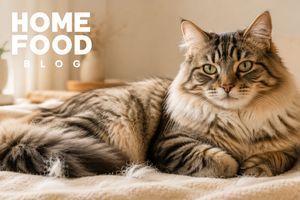
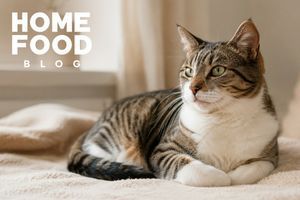
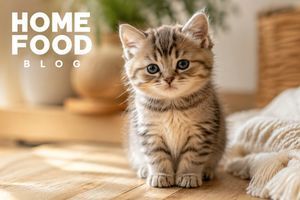
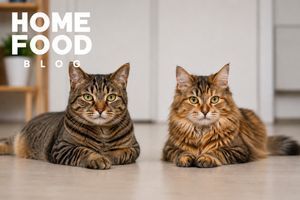
📌 HOME FOOD Blog: tips on care, health, and nutrition for cats and dogs. 🩺 Up-to-date articles for caring pet owners ❤️
The most affectionate cat breeds: TOP-15 ranking, personality traits, selection tips, and why genetics also matters

Cats are more than just pets. They can give warmth, sense their owner’s mood, and even soothe the soul with their presence.
But among all feline personalities, there are those that stand out especially for their affection, gentle temperament, and readiness to give love without conditions.
In this ranking, we have gathered the TOP-15 cat breeds known for their tenderness and friendliness. Each breed has its own special traits — from gentle purring companions who never refuse cuddles to active yet incredibly devoted pets.
The Origin of Cats: Evolution and Breed Formation
The domestic cat we know today is the result of thousands of years of evolution and domestication. Its ancestors came from the African wildcat (Felis silvestris lybica), which lived in North Africa about 9–10 thousand years ago. It was with this animal that humans began their first attempts at coexistence: cats hunted rodents that threatened grain stores, while people gradually got them used to living nearby.
The formation of modern cat breeds happened much later — over the last 150–200 years. At this stage, purposeful selective breeding came into play: people chose animals with certain physical features and behavioral traits, breeding them to strengthen desirable characteristics.
- Gentle breeds such as the British Shorthair or Ragdoll are known for a lower level of aggression and a high degree of social attachment.
- Active breeds such as the Bengal or Abyssinian have higher energy levels and strong curiosity.
- Intelligent breeds such as the Siamese show strong learning ability and adaptability to different living conditions.
Thus, each breed is a unique combination of evolutionary history, genetics, and human breeding preferences.
Why Does a Cat’s Affection Still Matter?
Many people choose cats based on appearance, but personality plays no less important a role. An affectionate cat will delight the whole family, get along easily with children and other animals, and create a harmonious atmosphere.
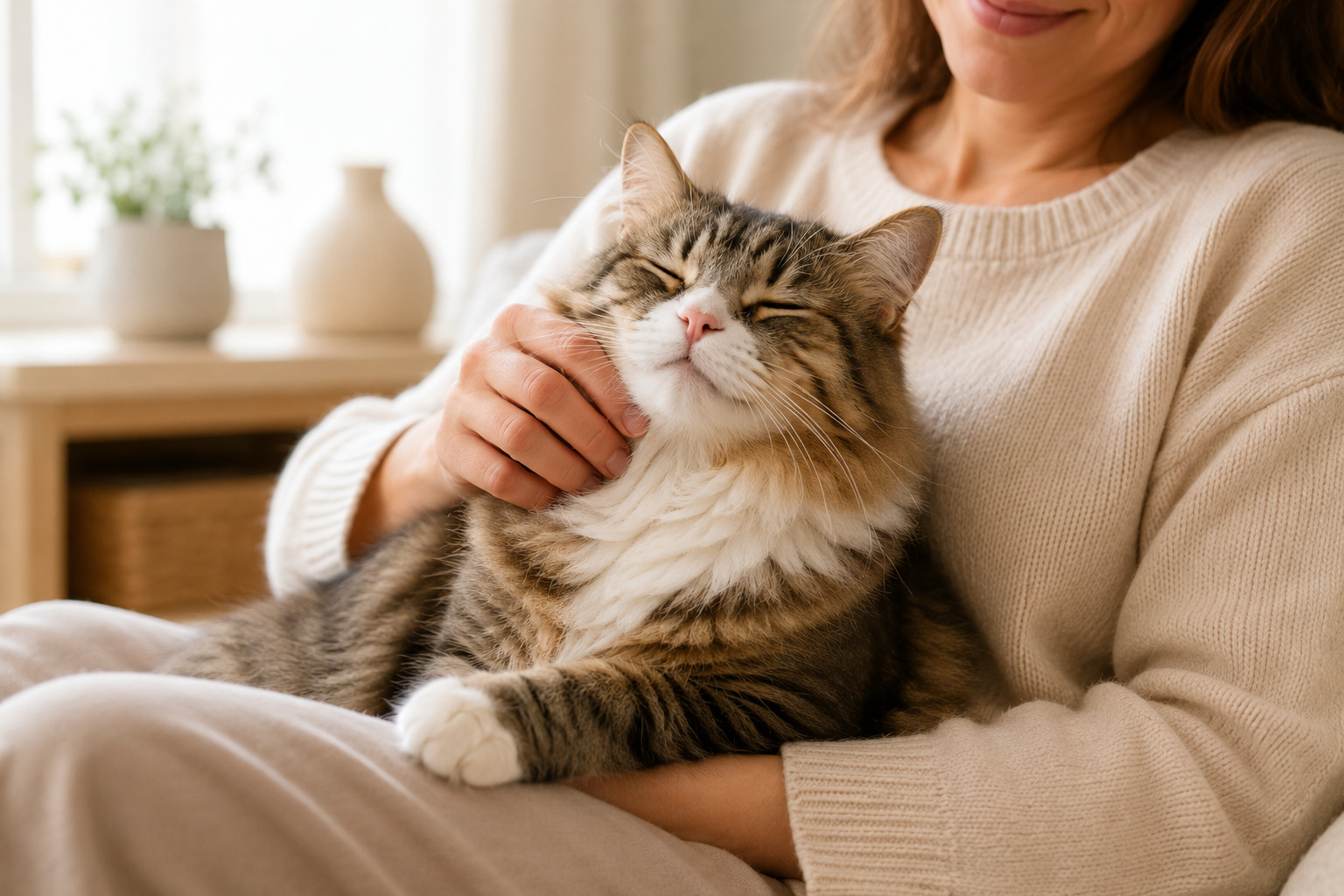

Affectionate breeds especially value human contact and often become true companions for the whole family
TOP-15 Most Affectionate Breeds
Affectionate breeds have a special talent for turning an ordinary day into something warm and joyful through their tenderness and friendliness. So here is our TOP-15 list of the most affectionate breeds.
1. Persian cat
True homebodies that prefer coziness and comfort. Their favorite pastime is lying on their owner’s lap or resting on the sofa.
2. Ragdoll
Large, kind, and peaceful cats that love relaxing in their owners’ arms and are excellent for families with children.
3. Pixie-bob
Cats with the look of a little lynx that are always near their owner, take part in all household activities, and are known for their friendliness.
4. Birman cat
The perfect balance between calmness and activity. Birmans love being nearby but are not intrusive.
5. Ragamuffin
Affectionate, obedient, and very patient cats that adapt quickly to changes in the home and get along well with other pets.
6. Selkirk Rex
The teddy bears of the cat world, with soft coats and a kind disposition. They love attention and fit well into family life.
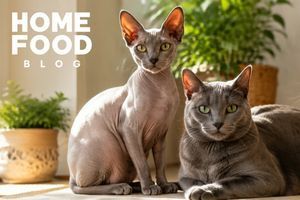
7. Donskoy Sphynx
Companion cats that literally need communication and affection, with a friendly and compliant temperament.
8. British Shorthair
The aristocrats among cats: calm about being alone, yet strongly attached to their owner.
9. Exotic cat
Close relatives of Persians, but more active and curious. They adapt easily to change and love attention.
10. Maine Coon
The largest breed of domestic cat, surprising owners with friendliness, patience, and an absence of aggression.
11. Siberian cat
Known for empathy: it subtly senses the owner’s mood, remaining independent while still strongly attached to the family.
12. Tonkinese
Friendly and attached to its owners, always ready to be close, yet not overbearing.
13. Canadian Sphynx
Socially active, very affectionate, and patient cats that value communication and do not like being left alone for long.
14. Scottish Fold
Cats with a gentle personality and adorable appearance that get along well with children and adapt quickly to their surroundings.
15. Abyssinian cat
Active, lively, and playful cats that become very attached to their owners and do not hide their tenderness.

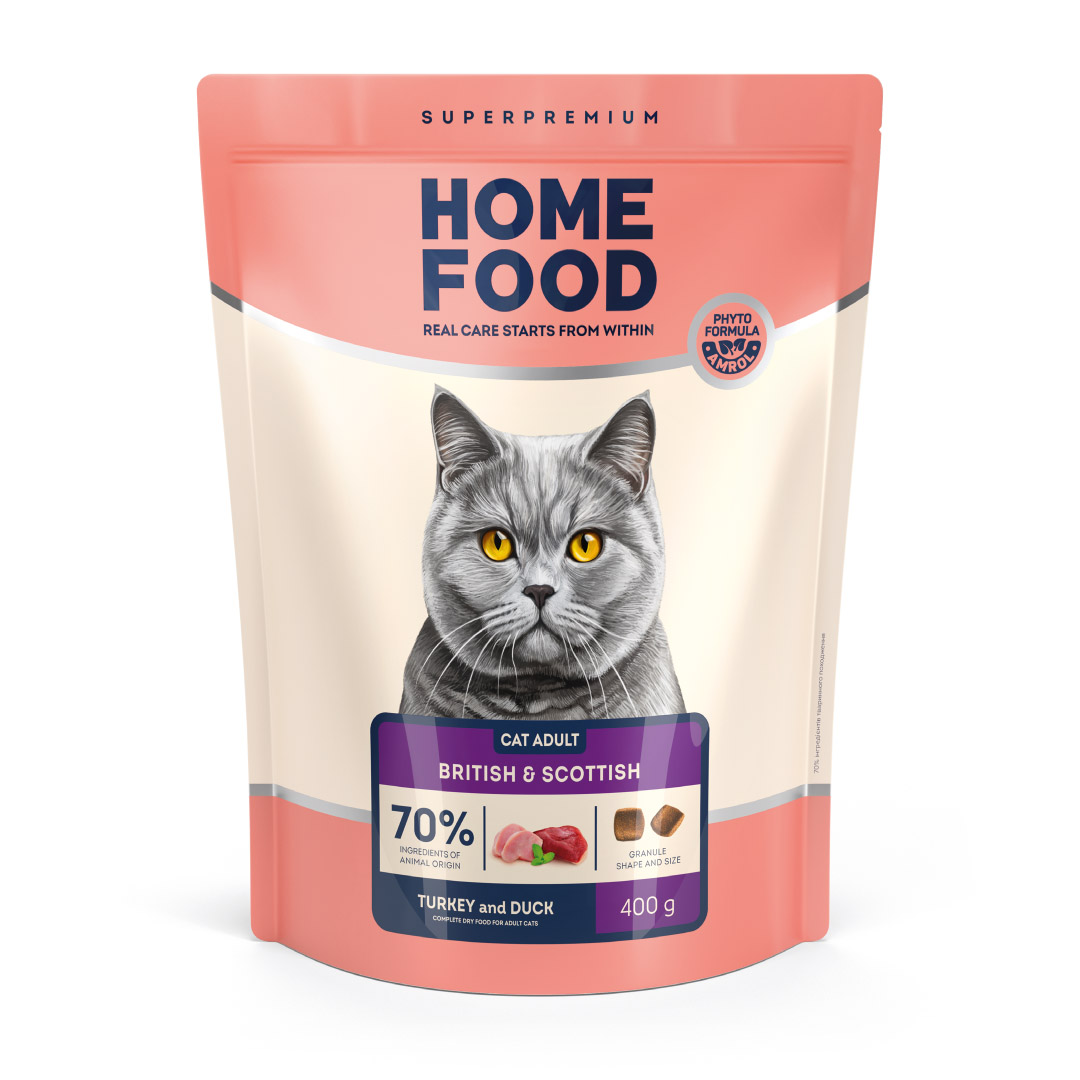
HOME FOOD dry food for adult British and Scottish breed cats “Turkey & Duck”, 400 g
Buy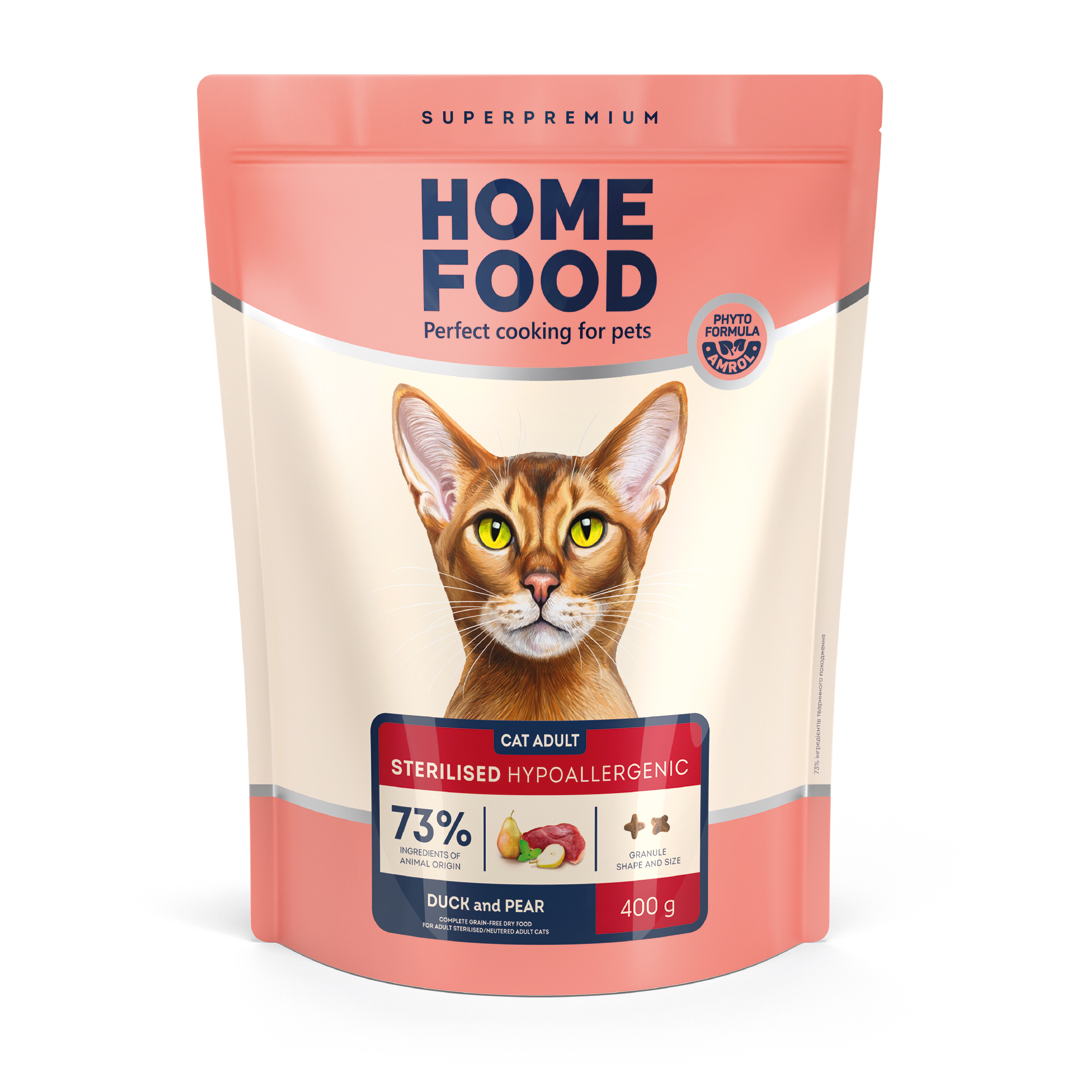
Grain-free hypoallergenic HOME FOOD food for sterilized/neutered cats “Duck & Pear”, 400 g
Buy
How Are Affectionate Cats Different from Others?
These cats most often share the following behavioral traits:
- They become attached to people and prefer spending a lot of time with them.
- They have a calm and balanced temperament.
- They do not show aggression toward people or other animals.
- They can adapt to their owner’s mood.
These qualities make them ideal for apartment living and for families with small children.
How to Choose an Affectionate Breed for Yourself
Lifestyle and time for interaction
Some breeds require more attention and activity, while others prefer calm and solitude. Think about how much time you are ready to devote to your pet.
Children or other animals in the home
If there are small children or other pets in the home, choose breeds that get along well in a lively environment and have patience.
Available living space
A spacious apartment or a small house also matters when choosing a breed. Some cats need more room for active play, while others are satisfied with a cozy corner.
How to Live with Affectionate Cats and What Modern Genetics Suggests
To live comfortably with an affectionate cat and not damage its trust, it is important to remember the following:
- Respect for individuality: even the most affectionate cat has its own boundaries.
- Regular interaction: affectionate breeds need constant contact with people.
- Activity and stimulation: interactive games, puzzles, and training help maintain mental and physical health.
- Stable routine: predictable feeding, play, and sleep schedules help a cat feel safe.
- Genetic aspects: temperament and some character traits are laid down at the genetic level.
Genetic testing and responsible breeding help prevent hereditary diseases and make it easier to choose a breed that best matches your lifestyle.
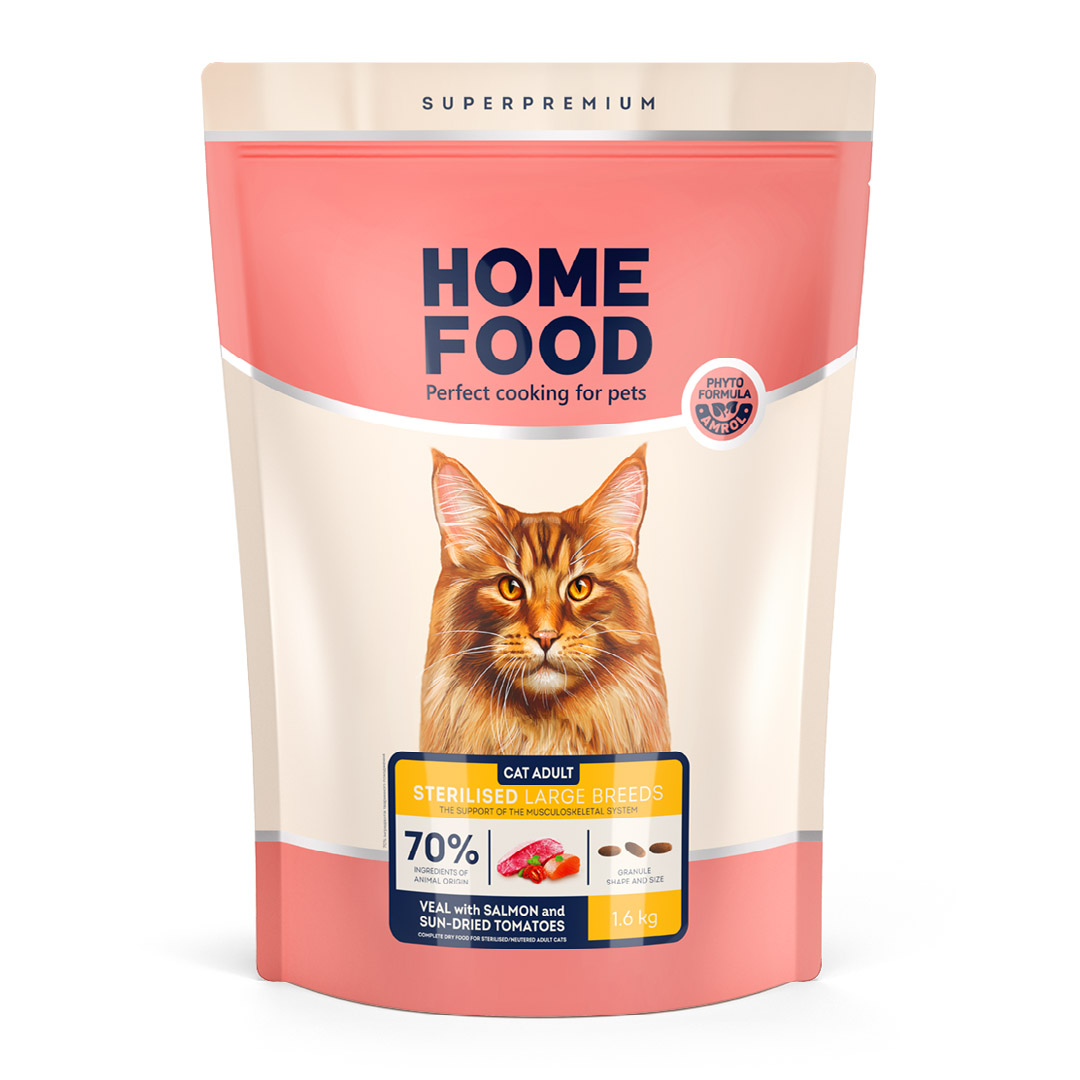
HOME FOOD dry food for musculoskeletal support in sterilized/neutered adult large-breed cats “Veal with Salmon and Sun-Dried Tomatoes”, 1.6 kg
Buy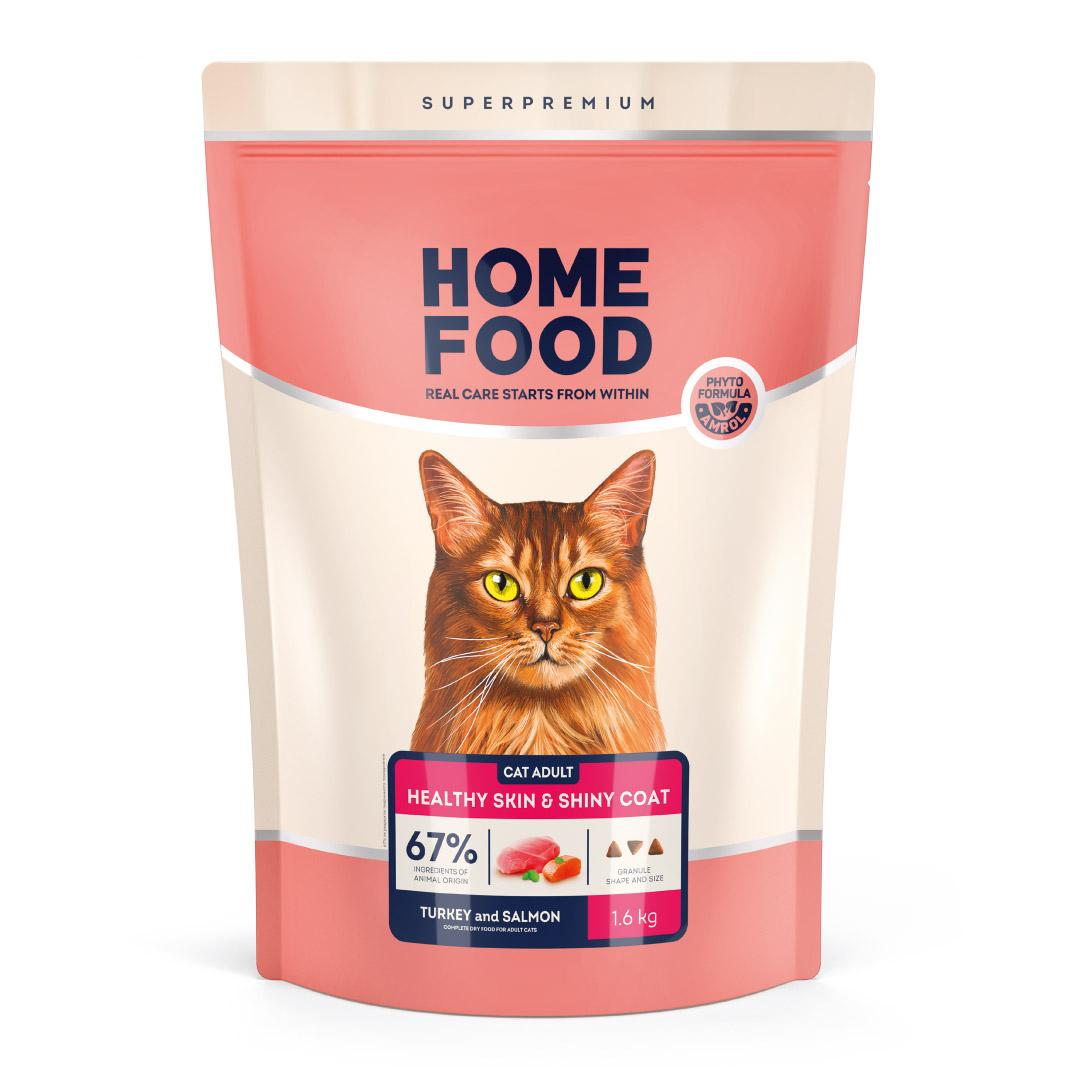
HOME FOOD dry food for healthy skin and a shiny coat for adult cats “Turkey & Salmon”, 1.6 kg
Buy
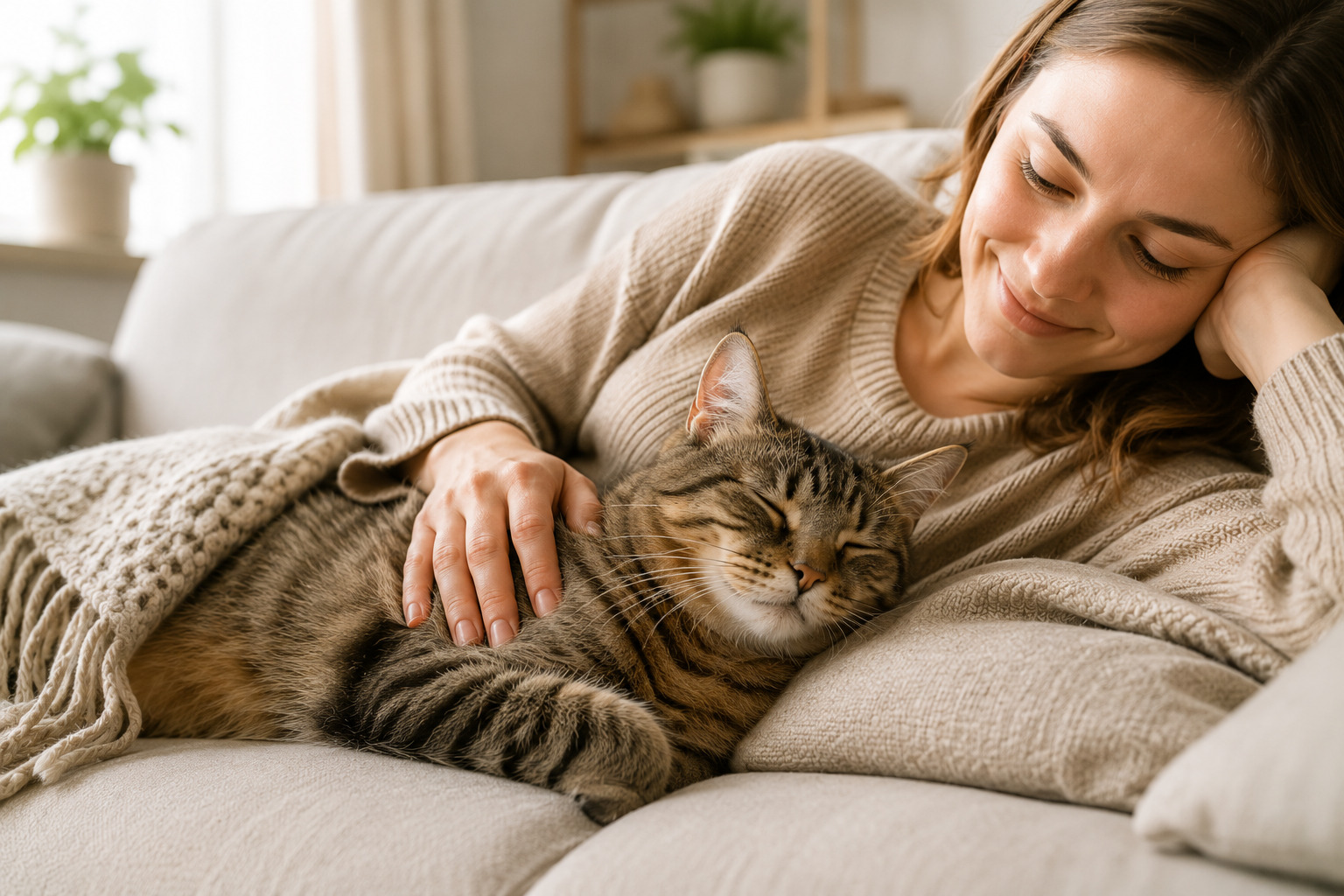
The right breed, a comfortable home environment, and attention to personality make life with a cat harmonious and warm
How to Preserve the Population and Genetics of Rare Cat Breeds and Why It Matters
Affectionate cat breeds, especially rare ones, not only give us warmth and companionship but are also part of the biodiversity of domestic animals. Their unique genetics are the result of thousands of years of evolution, selection, and natural breeding processes.
Why genetic diversity matters
Genetic diversity helps ensure breed health. Cats with a limited genetic base are more prone to hereditary diseases, immune problems, and shorter lifespans.
How we can preserve rare breeds
Responsible breeding, genetic testing, avoiding inbreeding, the work of breeder clubs, and owner education all help maintain a healthy population.
Why this matters for the world
Each breed carries unique genetic information that is valuable for science, veterinary medicine, and the cultural value of domestic animals.
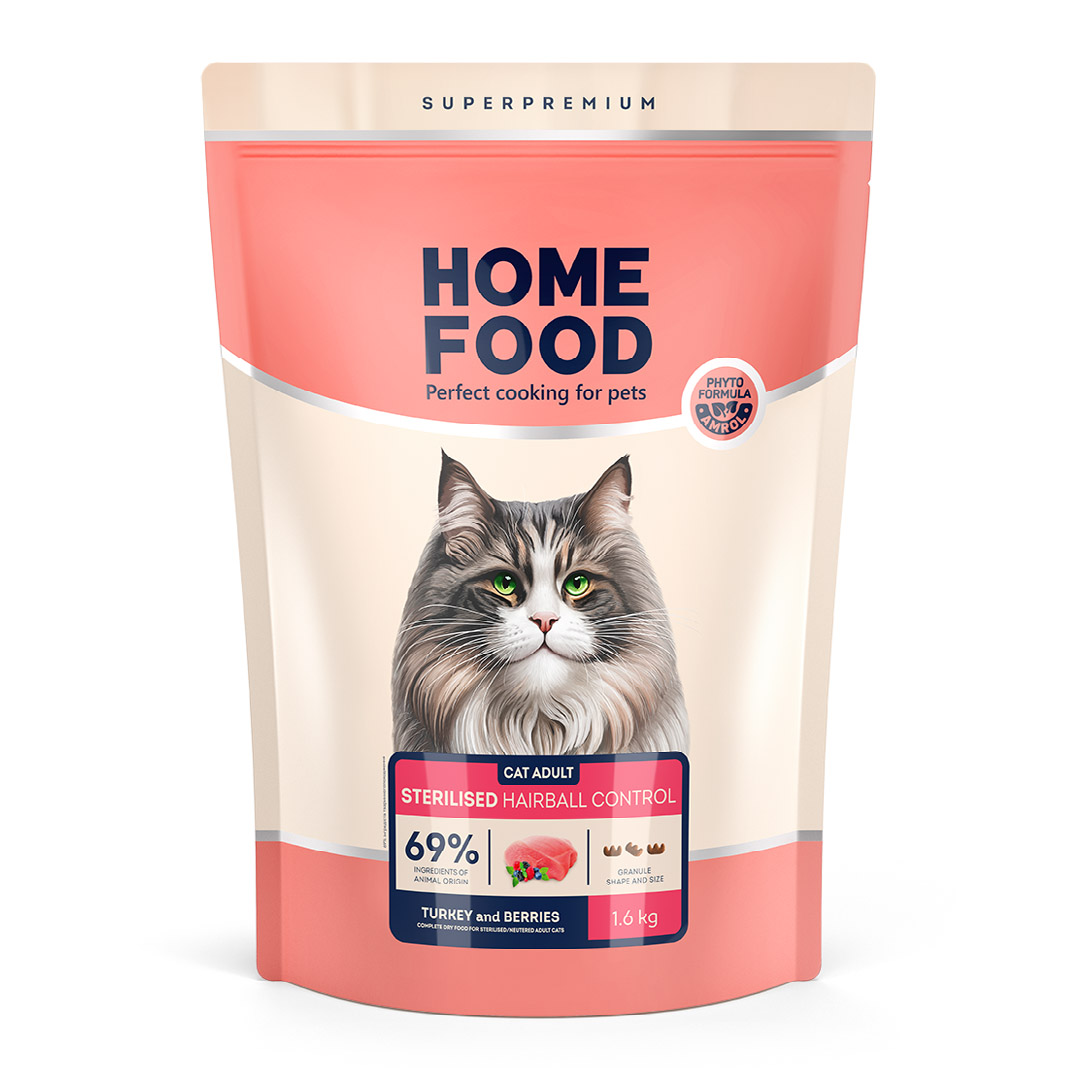
HOME FOOD dry food for hairball elimination for sterilized/neutered adult cats “Turkey & Berries”, 1.6 kg
Buy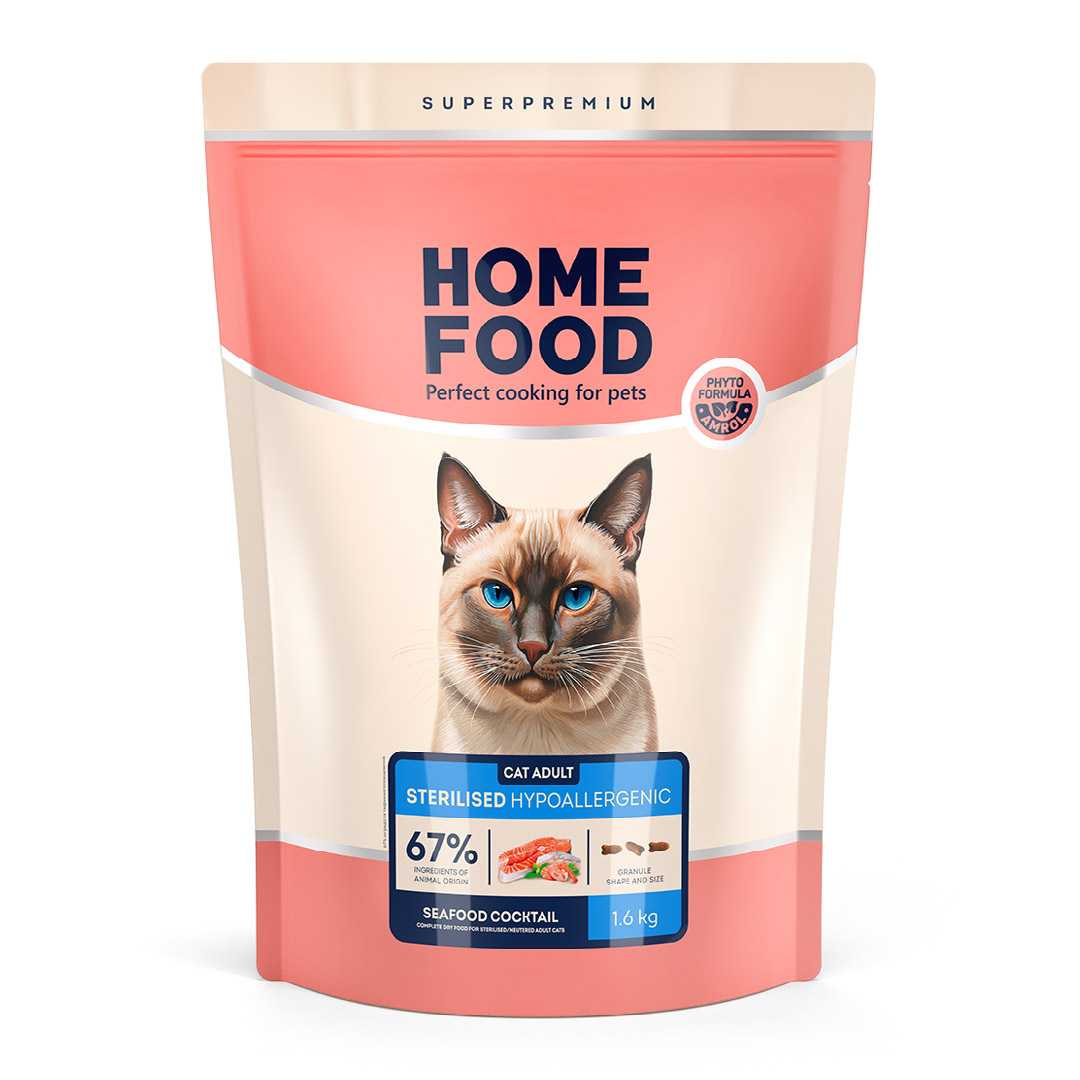
Hypoallergenic HOME FOOD dry food for sterilized/neutered adult cats “Seafood Cocktail”, 1.6 kg
BuyPreserving the population and genetics of rare affectionate cats is the responsibility not only of breeders, but of all animal lovers. Every responsible owner becomes part of the wider domestic cat ecosystem, helping ensure health, well-being, and uniqueness for future generations.