📌 HOME FOOD Blog: tips on care, health, and nutrition for cats and dogs. 🩺 Up-to-date articles for caring pet owners ❤️
Kitten vaccination: vaccination schedule, preparation for vaccination, care after shots, and what else is important for an owner to know

Vaccinating kittens is one of the most important steps in caring for the health of your fluffy pet. In the first months of life, a kitten’s immune system is still developing, which makes it especially vulnerable to dangerous viral and infectious diseases.
Vaccinations given on time help protect the little one from serious diseases, avoid complications, and lay a strong foundation for a long and active life.
In this article, we review the vaccination schedule for kittens, explain which shots are mandatory and which are recommended, and answer the most common owner questions.
Why and When the Need for Kitten Vaccination Arose
The need for kitten vaccination in veterinary medicine arose as a response to the widespread spread of deadly infectious diseases among cats. By the middle of the twentieth century, viral illnesses such as feline panleukopenia, calicivirus infection, and viral rhinotracheitis often caused outbreaks with high mortality, especially among kittens.
Later, protection against respiratory infections was added to vaccines, and as science developed, veterinary medicine moved to staged vaccination that takes maternal antibodies, housing conditions, and the animal’s individual characteristics into account.
Main Principles of the Modern Vaccination Schedule
- Core vaccines are recommended for all kittens: panleukopenia, viral rhinotracheitis, calicivirus, and rabies in accordance with the law.
- Additional (non-core) vaccines are prescribed depending on the risk: FeLV, Chlamydophila felis, Bordetella bronchiseptica, and others.
- The modern vaccination schedule is based on international recommendations and takes into account the characteristics of immune development in a kitten.
| Kitten age | Vaccination | Note |
|---|---|---|
| 6–8 weeks | Initial vaccination: panleukopenia, calicivirus, feline herpesvirus | First core series |
| 8–12 weeks | FeLV | Recommended when there is a risk of contact with other cats |
| 10–12 weeks | Revaccination of the same series | Strengthening the immune response |
| 12–16 weeks | First rabies vaccination | As needed or according to local legislation |
| 14–16 weeks | Final dose of the core series | Completion of the primary series |
After completion of the initial course, a booster vaccination is given one year later, and after that the revaccination schedule is determined by the veterinarian depending on the vaccine and the epidemiological situation.
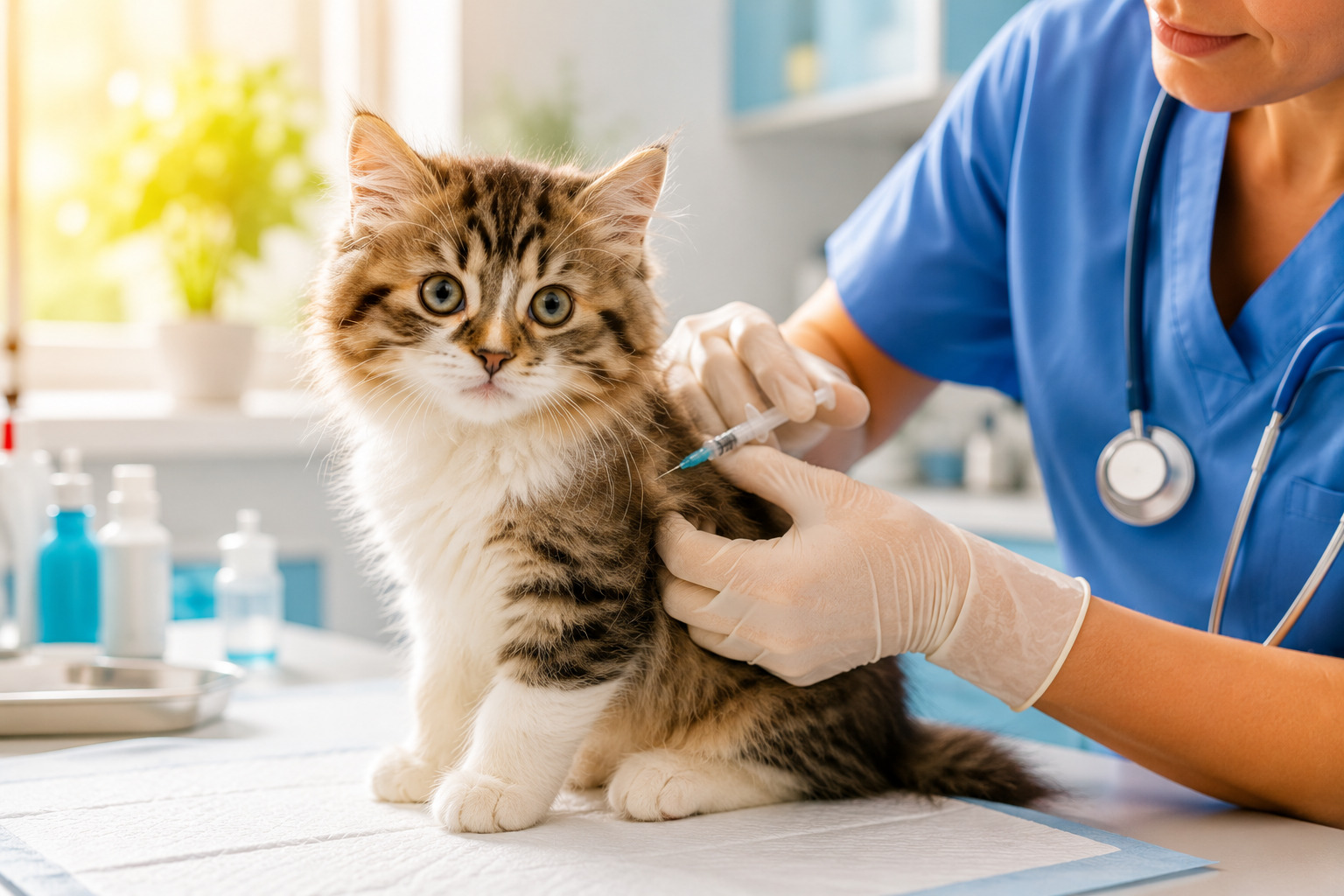

The vaccination schedule is formed with regard to age, maternal antibodies, housing conditions, and the kitten’s individual risks
How to Prepare a Kitten for Vaccination: Care Step by Step
Vaccination will be most effective only when the kitten’s body is ready to form the immune response properly. That is why preparation for vaccination is an important part of prevention.
Deworming
Deworming is carried out 7–10 days before vaccination. The product is selected according to the kitten’s age and weight.
Protection against external parasites
Fleas, ticks, and other ectoparasites place additional stress on the immune system, so it is better to treat them a few days before vaccination.
Temporary isolation
Before vaccination, it is important to minimize contact with other cats and avoid outdoor roaming.
Complete nutrition and a calm routine
Quality food, access to water, sleep, and the absence of abrupt environmental changes help the body prepare better for vaccination.

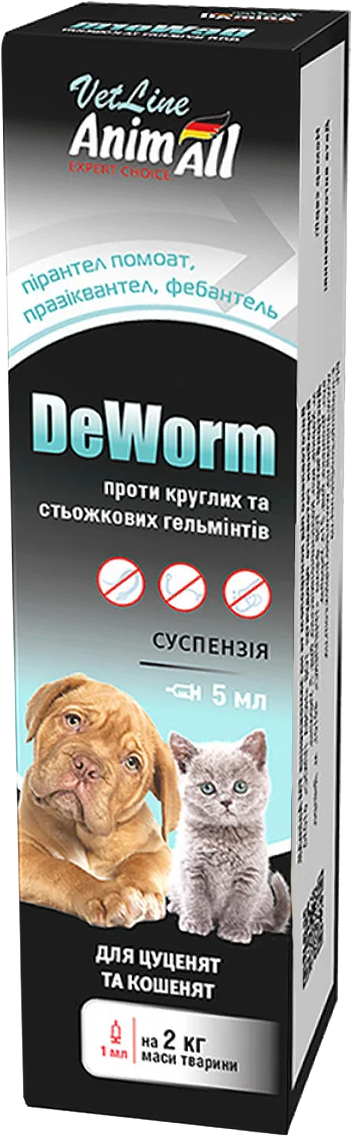
AnimAll VetLine DeWorm — an anthelmintic product for puppies and kittens, suspension
Buy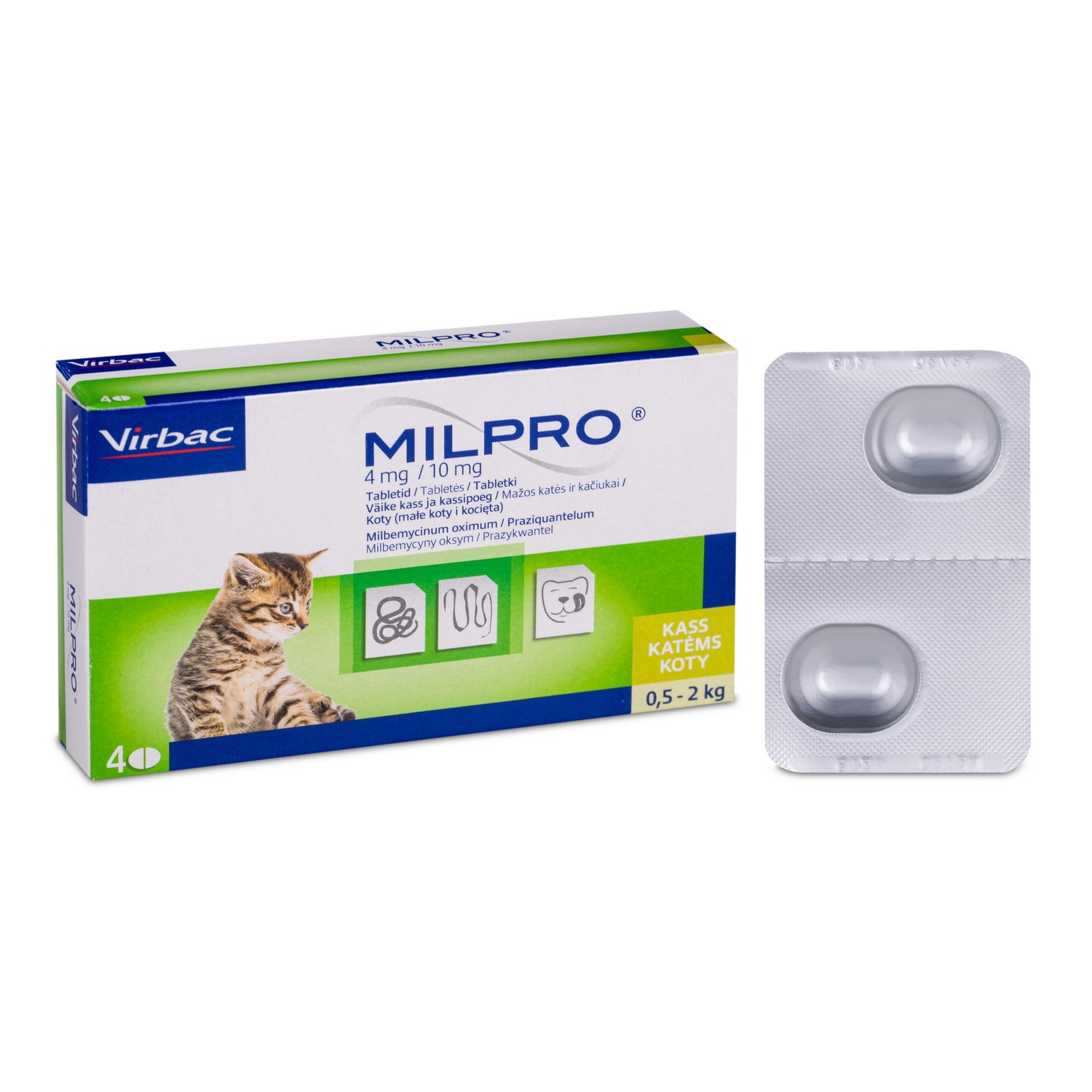
Virbac Milpro — antiparasitic product for kittens 4 mg/10 mg, 1 tablet
Buy
Teething and Vaccination: Why It Is Important to Consider This Period
The period when milk teeth are replaced by permanent teeth is an additional burden on the body and can affect overall well-being and the immune response. In most kittens, teething begins at 3–4 months of age and ends at about 6–8 months.
- Moderate discomfort or itching of the gums.
- Increased salivation.
- Reduced appetite.
- A desire to chew on things.
That is why many veterinarians recommend, if possible, avoiding planned vaccination during active teething or postponing it on a veterinarian’s advice.
Caring for Kittens After Vaccination
After vaccination, the kitten’s body begins to actively build immune protection. In most cases this process goes smoothly, but the first days after a shot require attentive and gentle care.
Calm and a safe environment
On the day of vaccination and for the next 2–3 days, it is advisable to provide the kitten with a calm routine without active games, loud noises, or stressful procedures.
Food and water
Food should be familiar and easy to digest, and access to fresh water should be constant.
Monitoring the condition
Допустимі легка млявість, сонливість або невелика припухлість у місці ін’єкції, але нетипові реакції потребують звернення до ветеринара.
Limiting contact and walks
For 10–14 days after vaccination, it is better not to introduce the kitten to other cats or allow outdoor roaming.
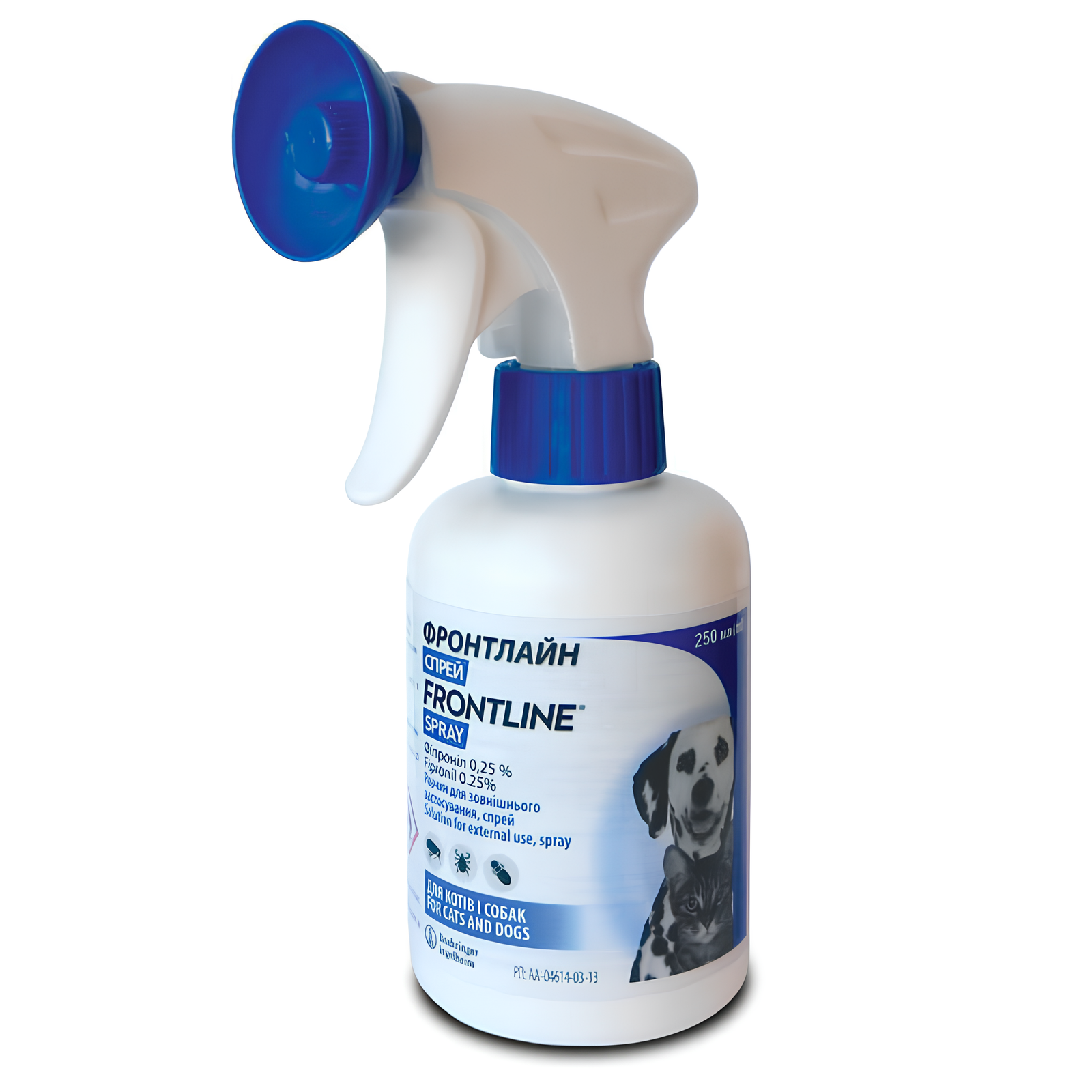
Boehringer Ingelheim Frontline — спрей від бліх і кліщів для собак і котів, 100 мл
Buy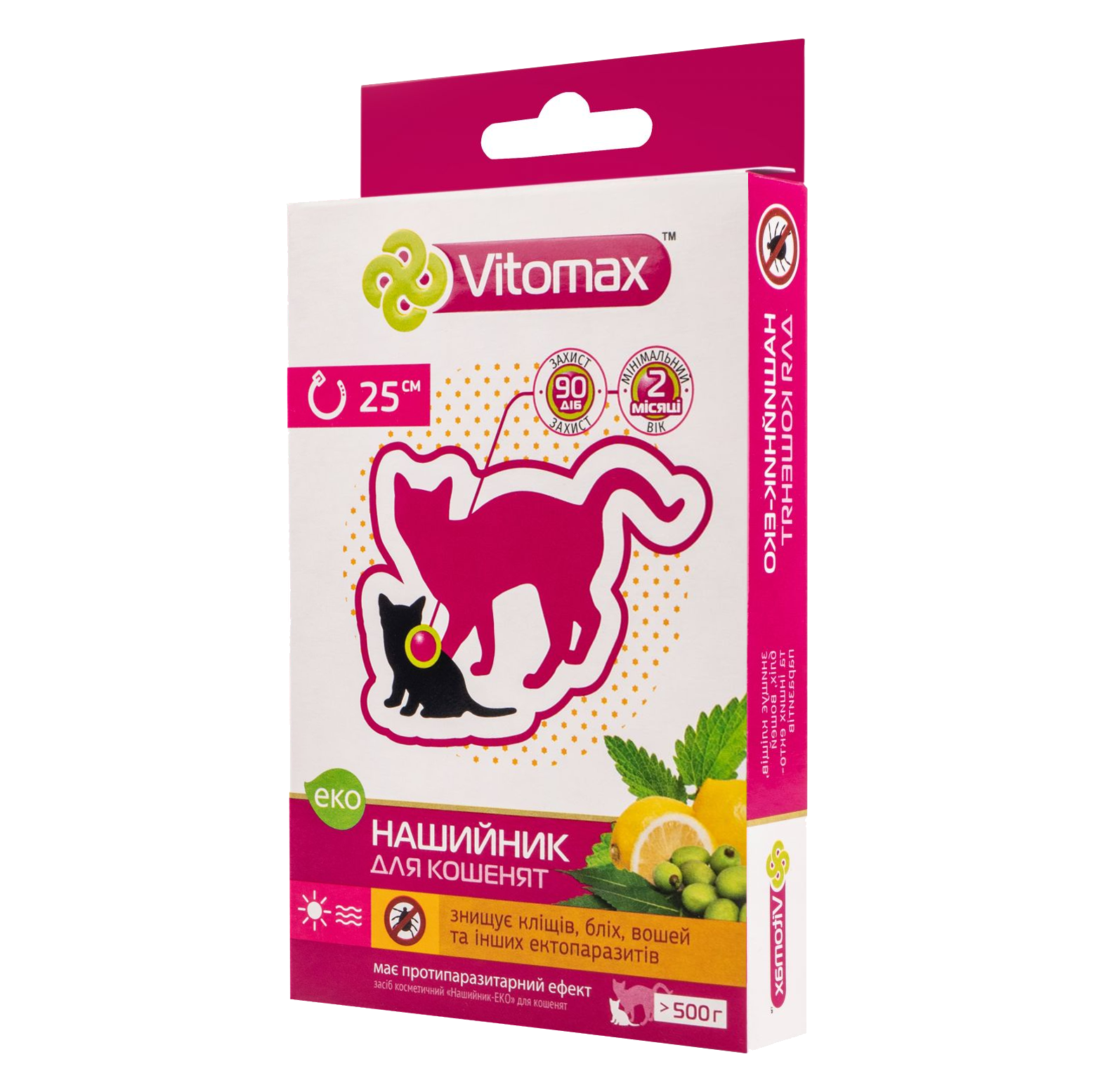
Vitomax — ECO collar against fleas and ticks for kittens, 25 cm
Buy
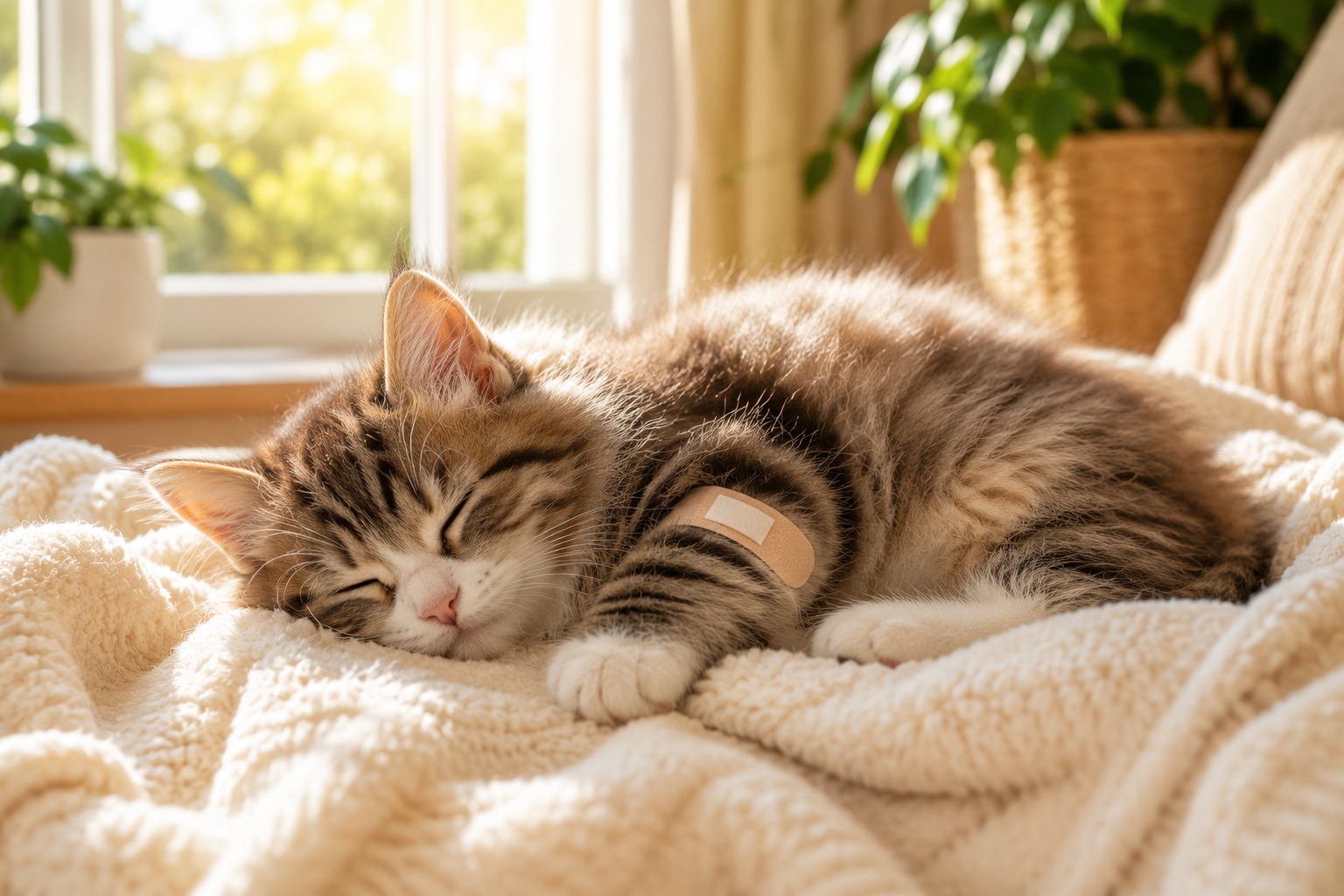
Vaccination works best when combined with proper care, calm conditions, parasite protection, and quality nutrition
In Closing: Vaccination Is the Foundation of Protection, But Not the Only One
Vaccinating kittens is a powerful and scientifically proven preventive tool that protects against the most dangerous and potentially deadly infectious diseases. However, it is important to understand that vaccination does not make a cat completely invulnerable to all illnesses.
- Control the contact of the kitten and adult cat with unfamiliar or suspicious animals.
- Approach cat breeding responsibly by carrying out the necessary examinations and testing.
- Avoid free roaming if there is no full control over the environment.
- Maintain proper housing conditions, hygiene, and regular veterinary checkups.