📌 HOME FOOD Blog: tips on care, health and nutrition for cats and dogs. 🩺 Relevant articles for caring pet owners ❤️
Constipation in a kitten: causes, symptoms, gentle home support and situations when a vet is needed
«A kitten is a little heart on four paws that can heal with laughter, warm with its presence and remind us: even the smallest creature is capable of making the world a gentler place.»

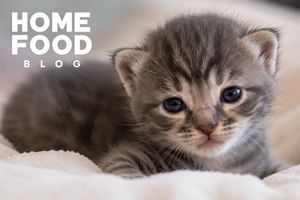
Constipation in a kitten is a delicate but quite common problem that even very attentive owners may encounter.
A little body is only just adapting to new food, routines and the world around it, so the digestive system doesn’t always work in a stable way yet.
It is important to remember: in most cases, constipation is not a reason to panic, but it is always a signal that the kitten needs our attention and care.
In this article we will calmly and professionally examine why kittens develop constipation, which symptoms are worth paying attention to and what can be done at home without harming the little one. We will also explain when there is no time to delay and consulting a veterinarian is the best decision.
Constipation in the youngest nursing kittens
In newborn kittens that feed exclusively on their mother’s milk, bowel movements are closely linked to the composition of the cat’s milk and the health of the mother herself.
Normally, during the first weeks of life a kitten does not defecate on its own — this process is stimulated by the mother cat, who licks the kitten’s belly and perineum. That is why owners often confuse constipation with simply not seeing the kittens’ stool, as the mother cat may eat it and this is considered normal. But even with proper care, situations can arise where the stool becomes too dense or defecation becomes difficult.
Excessive fat content in the milk
Cat’s milk is very nutritious and concentrated — this is a natural adaptation to the rapid growth of kittens. On average, the fat content of a cat’s milk is around 4–6%, but this figure can increase depending on diet, age, breed and the individual characteristics of the animal.
- cow's milk contains approximately 3–3.5% fat;
- goat's milk — about 3.5–4.5%;
- dog's milk is significantly fattier — 8–10% and more.
If a cat's milk becomes too fatty, the kitten's digestive system may not be able to fully digest it. As a result, the stool becomes denser, and bowel movements become less frequent and painful. This most often occurs when the cat receives an excess of fatty or inappropriate food, is dehydrated, or has metabolic problems.
In such cases, it is important to pay attention not only to the condition of the kitten, but also to the diet and well-being of the mother: if necessary, switch the kittens to a milk replacer, and provide the mother with premium or super-premium food intended for kittens, pregnant, or nursing cats.
Constipation associated with helminths
Another possible, though not always obvious, cause of constipation in very young kittens is helminths. Infection often occurs in utero or through the mother's milk, if the cat has not undergone regular deworming.
Parasites can mechanically irritate or partially block the intestinal lumen, disrupt its peristalsis and the overall function of the digestive system. In such cases, constipation may alternate with other symptoms: bloating, restlessness, and poor weight gain.
- giving kittens antiparasitic medications on your own is strictly prohibited;
- the dosage and choice of treatment must be determined only by a veterinary doctor;
- for the youngest animals, age, body weight, and general condition are taken into account.
At this stage, the most important things are careful observation, gentle care, and timely consultation with a specialist. It is this that helps avoid complications and ensure the kitten a healthy start in life.

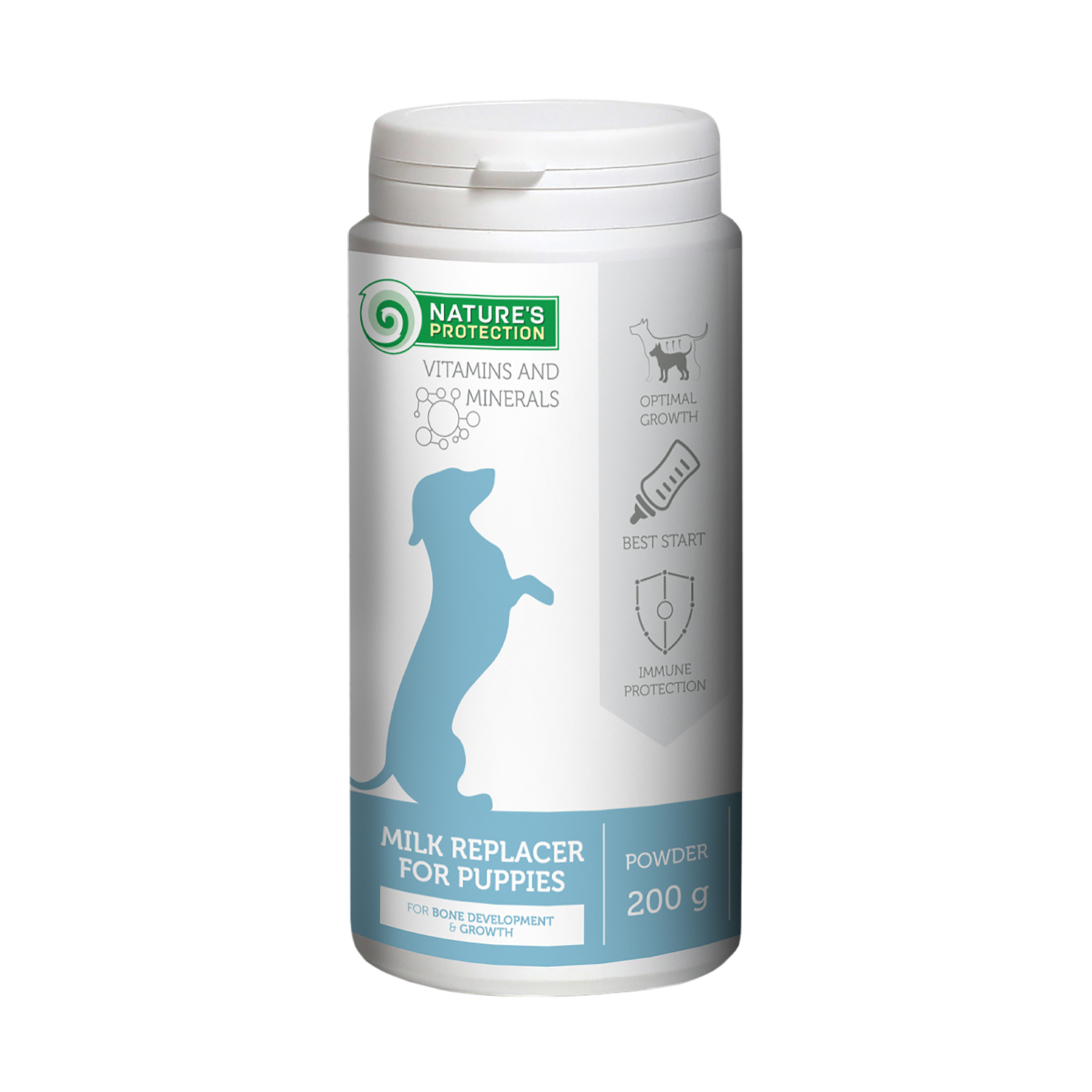
Milk replacer for puppies Nature's Protection Puppy-milk, 200 g
Buy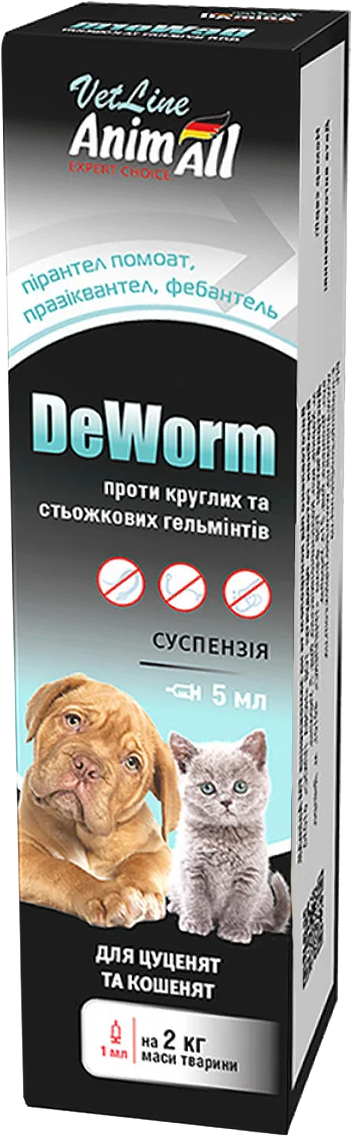
AnimAll VetLine DeWorm — anthelmintic preparation for puppies and kittens, suspension
Buy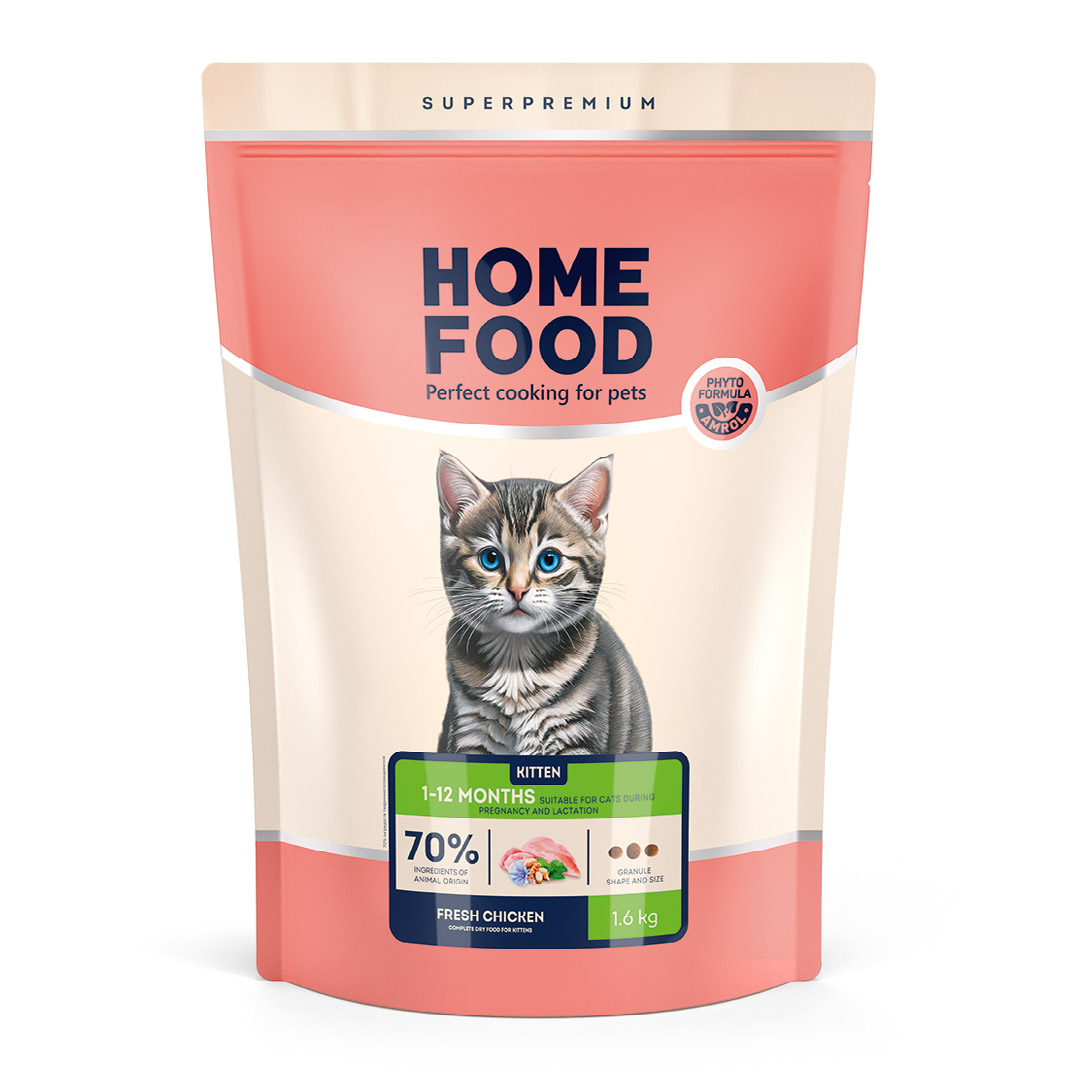
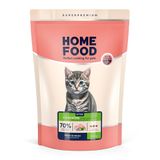
Dry food HOME FOOD for kittens Fresh Chicken For kittens, 1.6 kg
Buy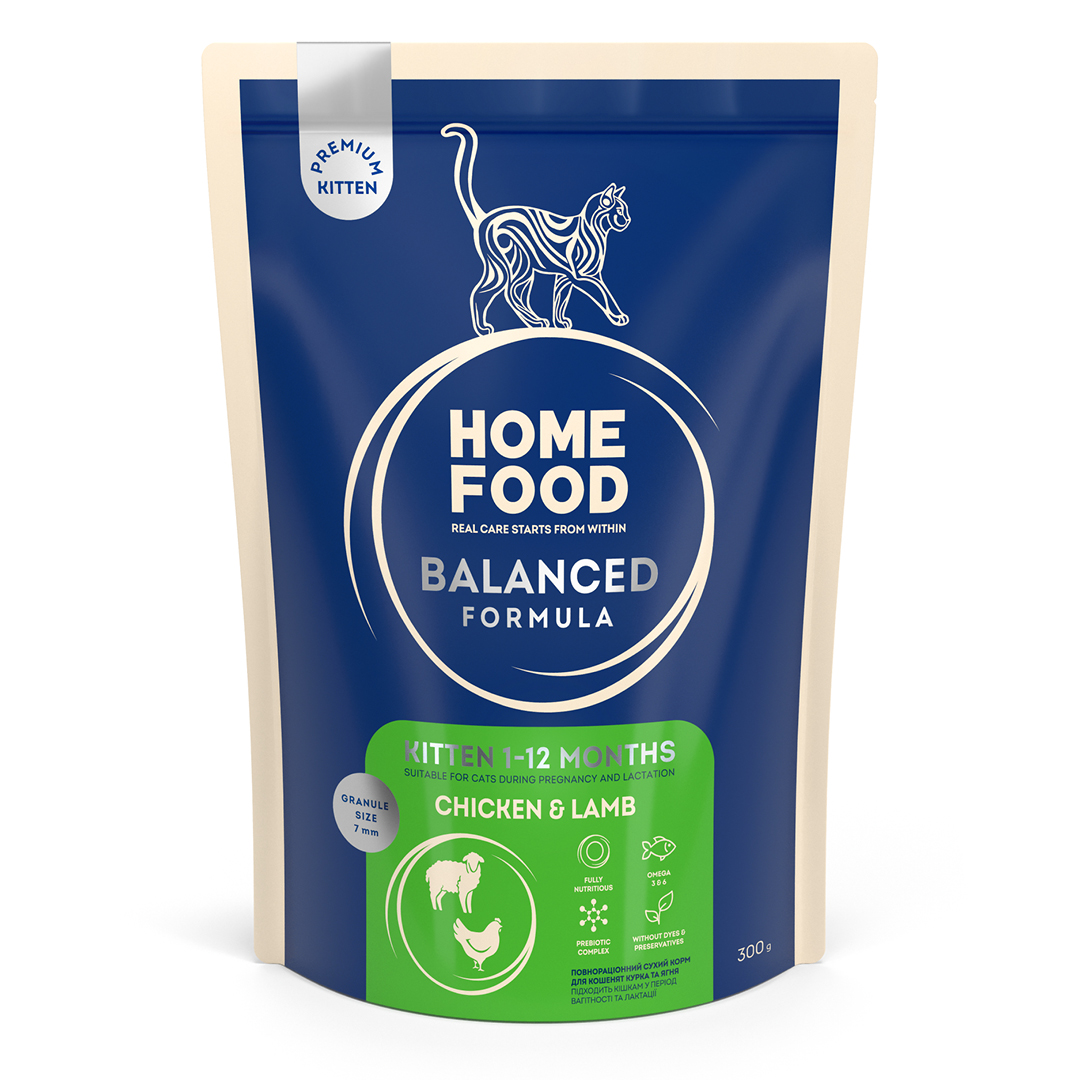
Dry food HOME FOOD for kittens Chicken and lamb Kittens Balanced Formula, 300 g
Buy
Constipation in older kittens
As a kitten grows up, starts eating independently and actively exploring the world, there are more reasons for constipation. At this age, the digestive system is no longer as vulnerable as in newborns, but still needs support, a stable routine, and quality nutrition.
The most important rule is that a kitten must not go hungry, and any changes in bowel movements should be seen as a sign that the body needs help.
Insufficient feeding
Іноді власники, з найкращих намірів, обмежують кількість їжі, боячись перегодовування. Проте для кошеняти регулярне надходження поживних речовин є критично важливим. Коли їжі замало, кишечник уповільнює роботу, калові маси стають сухими й твердими — і виникає закреп. Sometimes owners, with the best intentions, restrict the amount of food, fearing overfeeding. However, for a kitten, a regular supply of nutrients is critically important. When there is not enough food, the intestines slow down, the stool becomes dry and hard — and constipation occurs.
Кошеня має їсти часто, невеликими порціями, відповідно до віку та ваги. Регулярне харчування — це не лише про зростання, а й про здорову моторику кишківника. A kitten should eat frequently, in small portions, according to its age and weight. Regular feeding is not only about growth, but also about healthy intestinal motility.
Незбалансоване харчування Unbalanced nutrition
Домашня, власноприготовлена їжа може бути чудовим варіантом, але лише за умови правильного балансу білків, жирів, мінералів і клітковини. Без цього травна система швидко реагує розладами, зокрема й закрепами. Home-cooked food can be an excellent option, but only with the right balance of proteins, fats, minerals, and fiber. Without this, the digestive system quickly responds with disorders, including constipation.
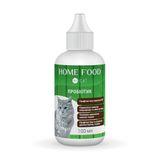
Щоб підтримати мікрофлору кишківника та процеси травлення, до такого раціону доцільно додавати симбіотики — поєднання пробіотиків і пребіотиків, які допомагають кишечнику працювати м’яко та фізіологічно. Це особливо корисно в період росту, зміни корму або після стресів. To support the intestinal microflora and digestive processes, it is advisable to add symbiotics to such a diet — a combination of probiotics and prebiotics that help the intestines work gently and physiologically. This is especially beneficial during periods of growth, diet changes, or after stress.
Трихобезоари Trichobezoars
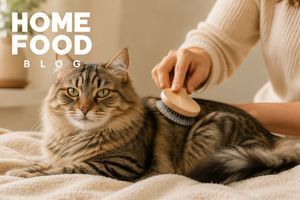
Кошенята активно вилизуються, а під час линьки заковтують значну кількість шерсті. Якщо вона не виводиться природним шляхом, у шлунково-кишковому тракті формуються трихобезоари, які можуть ускладнювати проходження калових мас і викликати закреп. Kittens groom themselves actively and swallow a significant amount of fur during shedding. If it is not expelled naturally, trichobezoars form in the gastrointestinal tract, which can impede the passage of stool and cause constipation.
- регулярне вичісування; regular brushing;
- спеціальні корми для виведення шерсті за рекомендацією фахівця; special foods for hairball removal as recommended by a specialist;
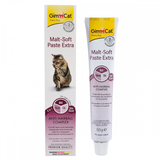
- добавки або пасти, що сприяють м’якому проходженню шерсті через кишечник. supplements or pastes that promote gentle passage of fur through the intestines.
Це не дрібниця, а справжня турбота про комфорт маленького хижака. This is not a minor matter, but genuine care for the comfort of a little predator.
Недостатня ферментативна активність підшлункової залози Insufficient enzymatic activity of the pancreas
For some kittens, digestion can be complicated by a lack of enzymes or chronic inflammatory processes of the pancreas. In such cases, food is digested incompletely, intestinal motility is disrupted, which can manifest as both constipation and unstable stools.
To support digestion, it is advisable to use complexes that combine enzymes and probiotic cultures. They help reduce the load on the pancreas, improve the absorption of nutrients and maintain healthy intestinal microflora.
Foreign bodies in the gastrointestinal tract
Kittens explore the world with their mouths, and threads, rubber bands, pieces of toys or packaging can end up in the gastrointestinal tract. Constipation in such cases is often combined with vomiting, apathy, abdominal pain, and refusal to eat.
Here you need to act quickly and without experimentation: immediately consult a veterinarian for X-ray and ultrasound examination. Foreign bodies are not a case where you can wait or treat at home.
Constipation in an older kitten is always a story about attentiveness, regularity and love. The earlier we notice changes and gently support digestion, the calmer and healthier the little life growing beside us will be.
Symbiotic for digestive and immune support HePawSyn HOME FOOD Expert, 250 g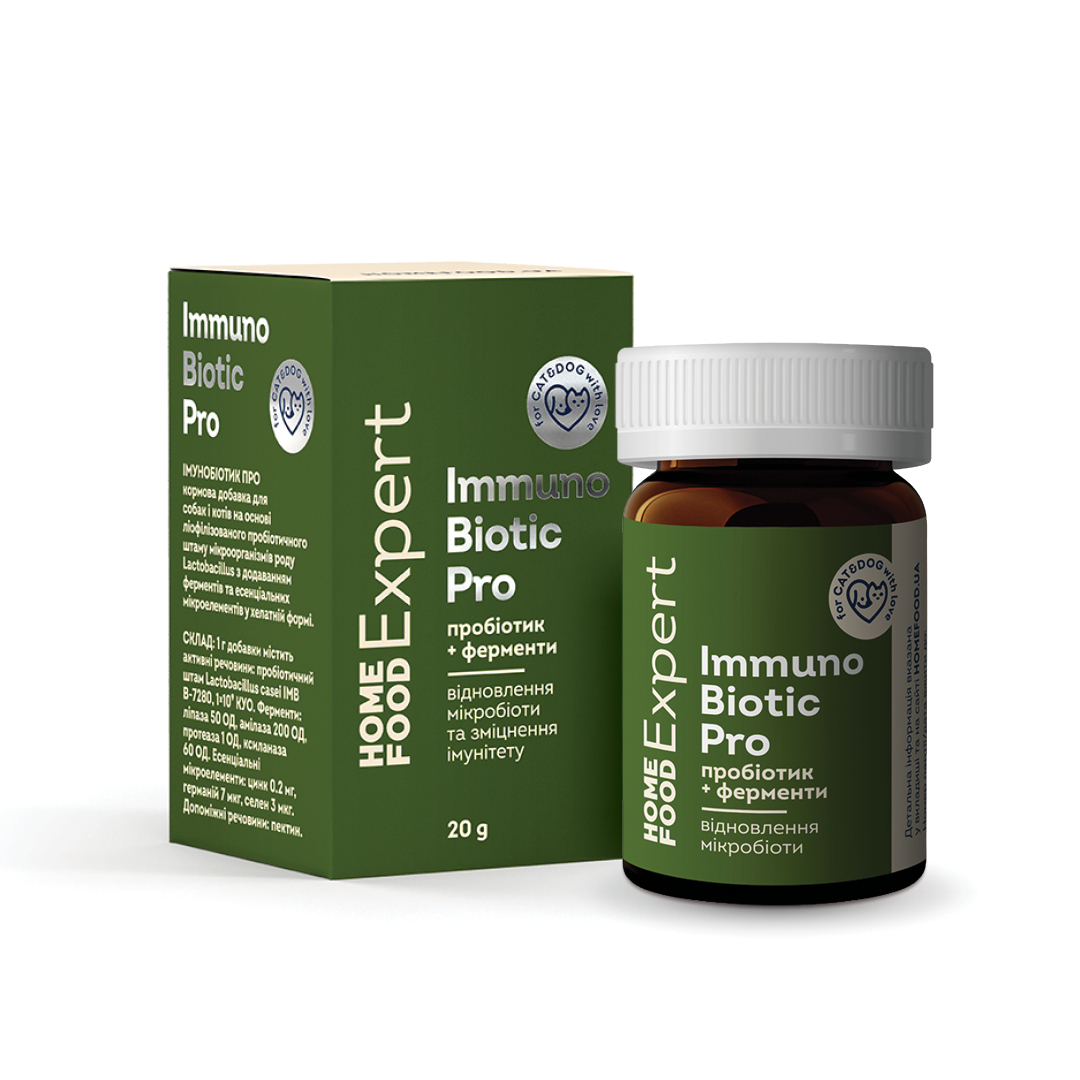
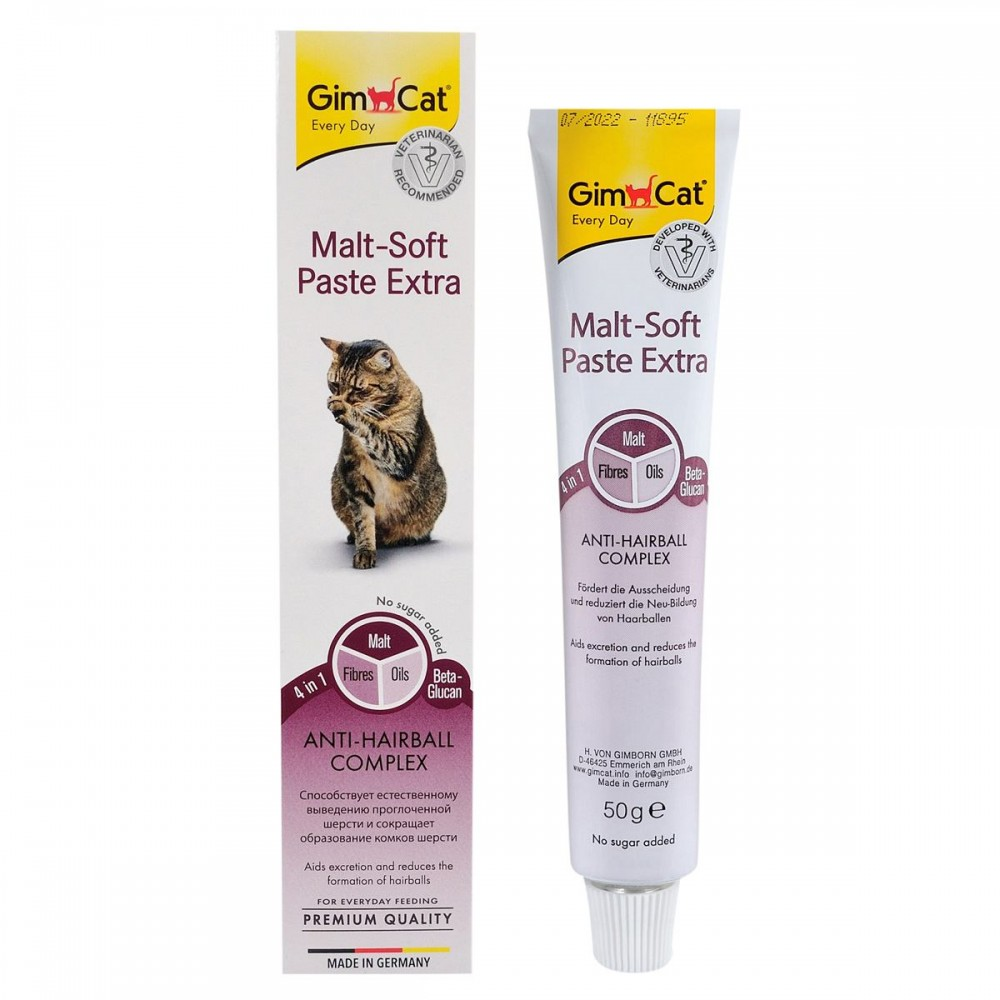
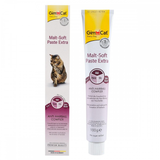
GimCat Every Day Malt-Soft Paste Extra paste for cats, 50 g
Buy
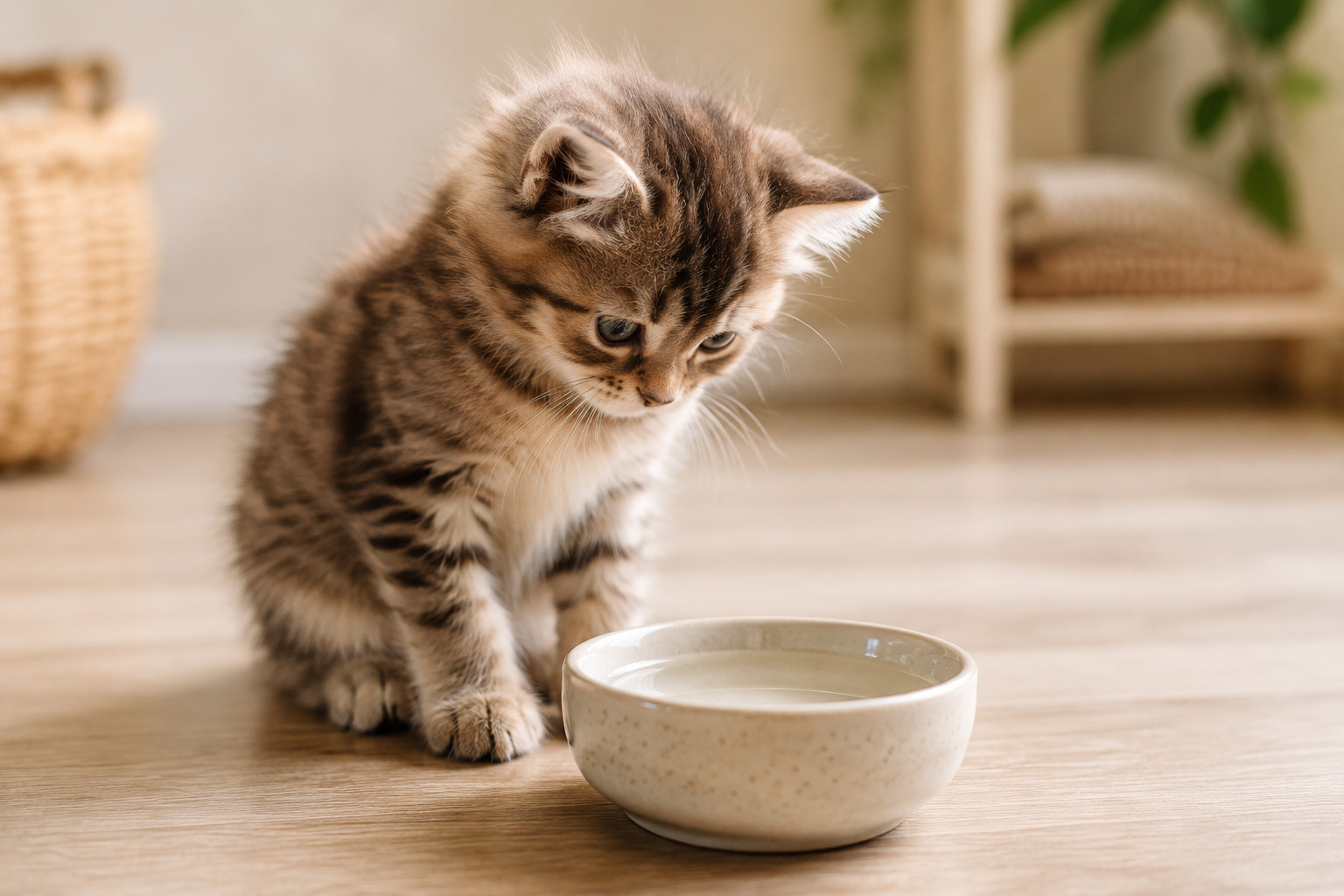

Constipation in a kitten is often not related to a single cause, but to a combination of diet, water, stress, and age
Psychosomatic causes of constipation in kittens
Kittens are extremely sensitive creatures, and their digestive system responds not only to food but also to emotions. Stress, even short-term, can slow down intestinal peristalsis and trigger constipation.
Change of home or moving
A new environment, smells, sounds, and unfamiliar corners can frighten the little one.
New litter box or filler
Even a small change to a familiar object can cause refusal to use the toilet or delayed defecation.
Other animals in the house
New cats, dogs, or even small animals cause tension and a sense of danger.
Loud sounds
Fireworks, construction noise, thunder, or loud human voices can cause severe stress.
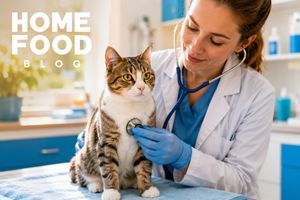
Veterinary visit
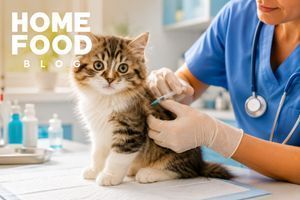
An unfamiliar environment, smells, and handling can temporarily disrupt normal bowel function.
How to reduce stress
The psycho-emotional comfort of a kitten is just as important as proper nutrition. For gentle support of the nervous system and digestion, supplements containing cannabidiol, 5-hydroxytryptophan, as well as toys and treats that help redirect attention, can be used.
Even small steps — gentle communication, familiar scents, and a comfortable environment — significantly reduce the risk of constipation, allowing the kitten to grow up calm and healthy.

Dietary supplement CBD oil 2% Relax Pro HOME FOOD Expert, 10 ml
Buy
Anti-stress feed supplement Harmony Pro HOME FOOD Expert, 20 g
Buy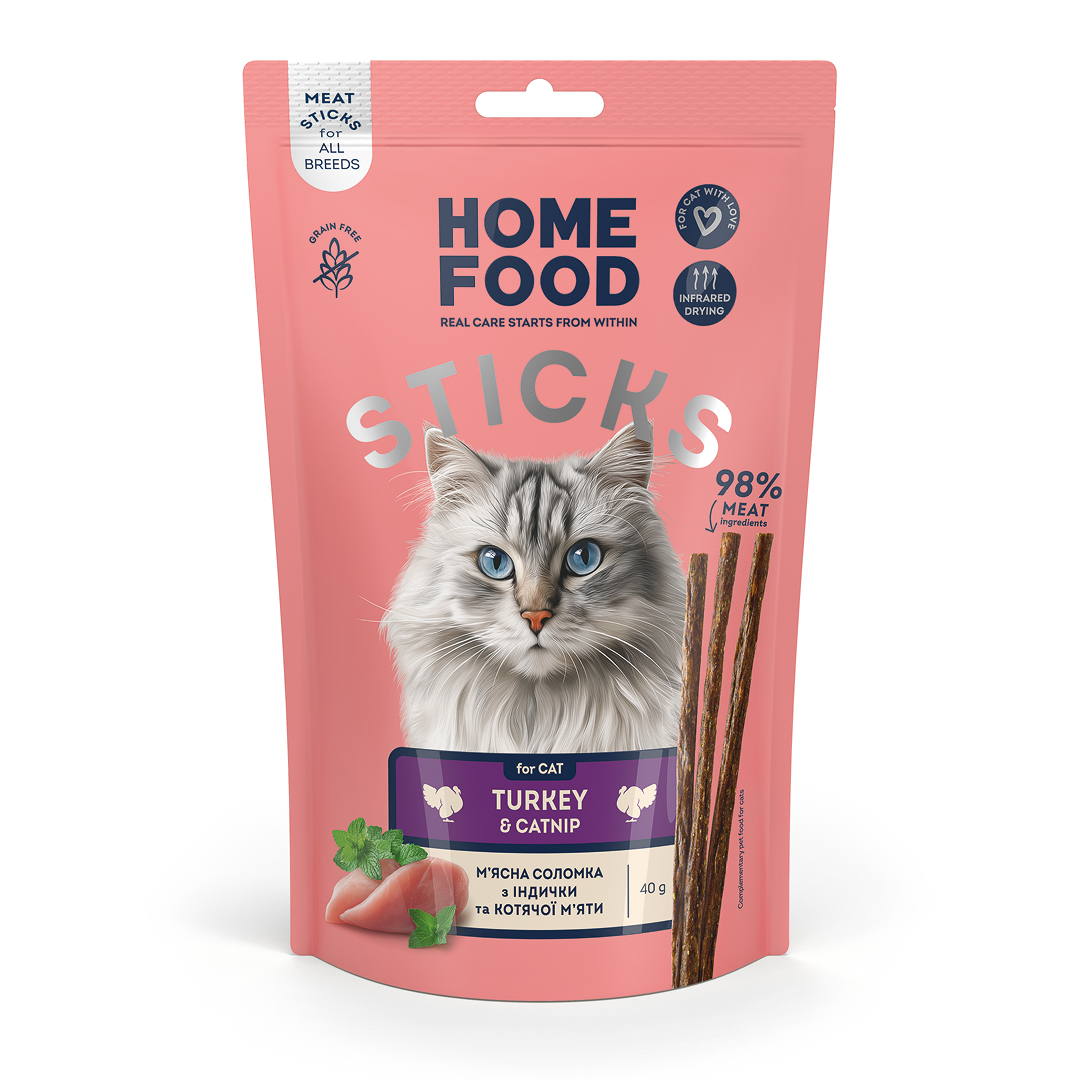
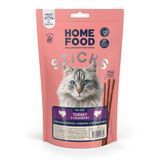
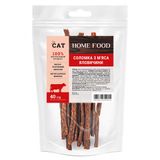
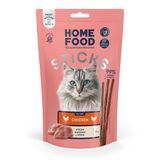
Treats for cats HOME FOOD meat straws with turkey and catnip, 40 g
Buy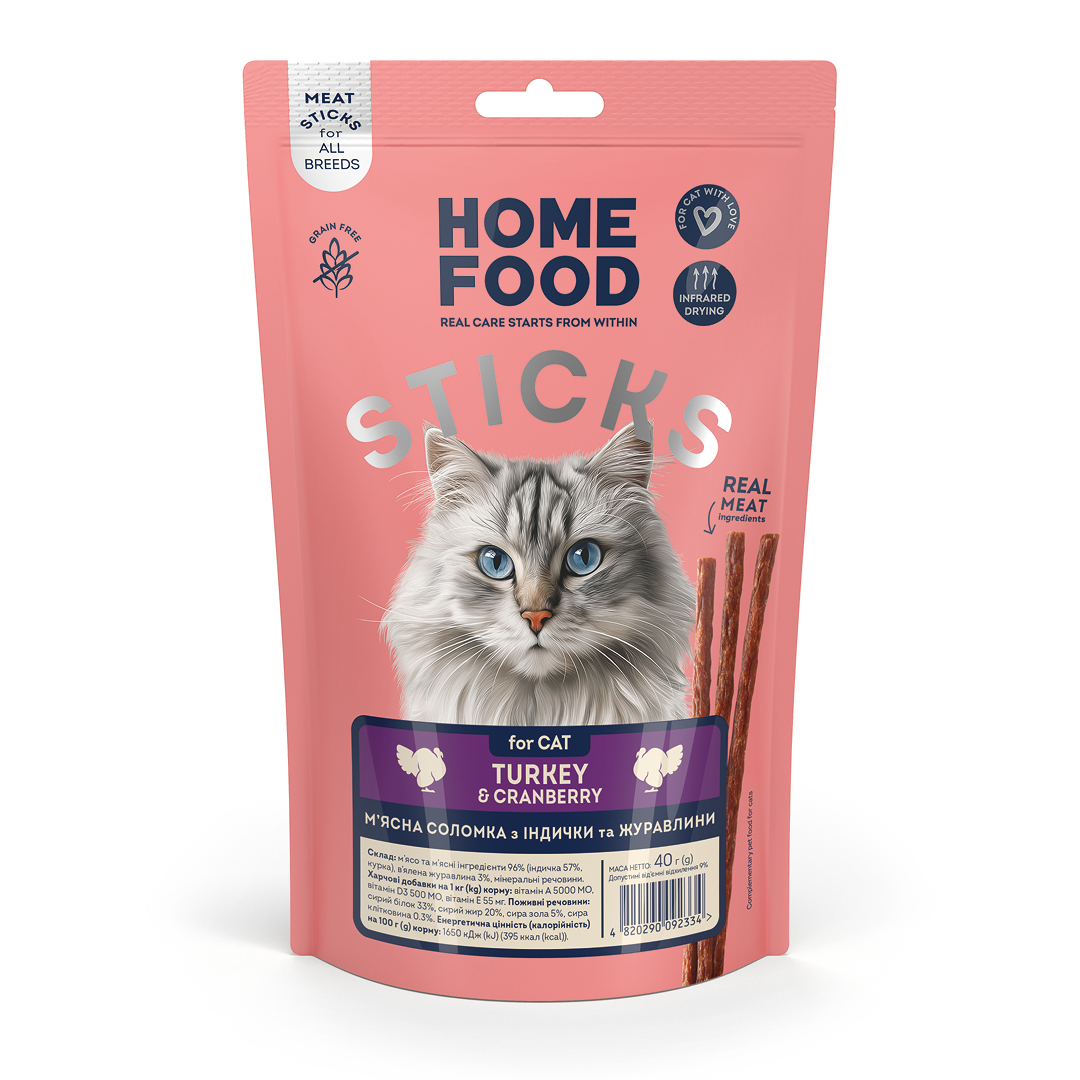
Treats for cats HOME FOOD meat straw with turkey and cranberry, 40 g
Buy
When constipation in a kitten becomes dangerous
The duration of constipation considered normal or dangerous depends on the kitten’s age and its physiological characteristics. Small organisms react very quickly to digestive disorders, so it is important to know the limits and take action in time.
| Age | Normal | When to be alert | What can be done | When to see a vet |
|---|---|---|---|---|
| 0–4 weeks | Bowel movement after feeding, usually 2–4 times a day | No bowel movements for more than 24 hours | Abdominal massage and stimulation with a warm damp cloth, very carefully only | Immediately if there is pain, bloating, lethargy or refusal to eat |
| 1–2 months | 1–2 times a day | Constipation for more than 36–48 hours | A few drops of safe oil added to a portion of food, pumpkin or boiled carrots | If the stool is dry, hard, there is discomfort or the condition worsens |
| 2–6 months | Once a day | Constipation for more than 48–72 hours | Natural fiber, probiotics, lactulose only with dosage from a veterinarian | If there is vomiting, pain, apathy, refusal to eat or suspicion of a foreign body |
- do not give kittens human medications without veterinary supervision;
- if mechanical obstruction is suspected, laxatives are contraindicated;
- all home methods should be gentle, gradual, and observational.
A kitten’s digestive system is very sensitive, and even a small mistake can quickly lead to complications. Therefore, it is better to act calmly but not to delay if symptoms go beyond mild, short-term discomfort.
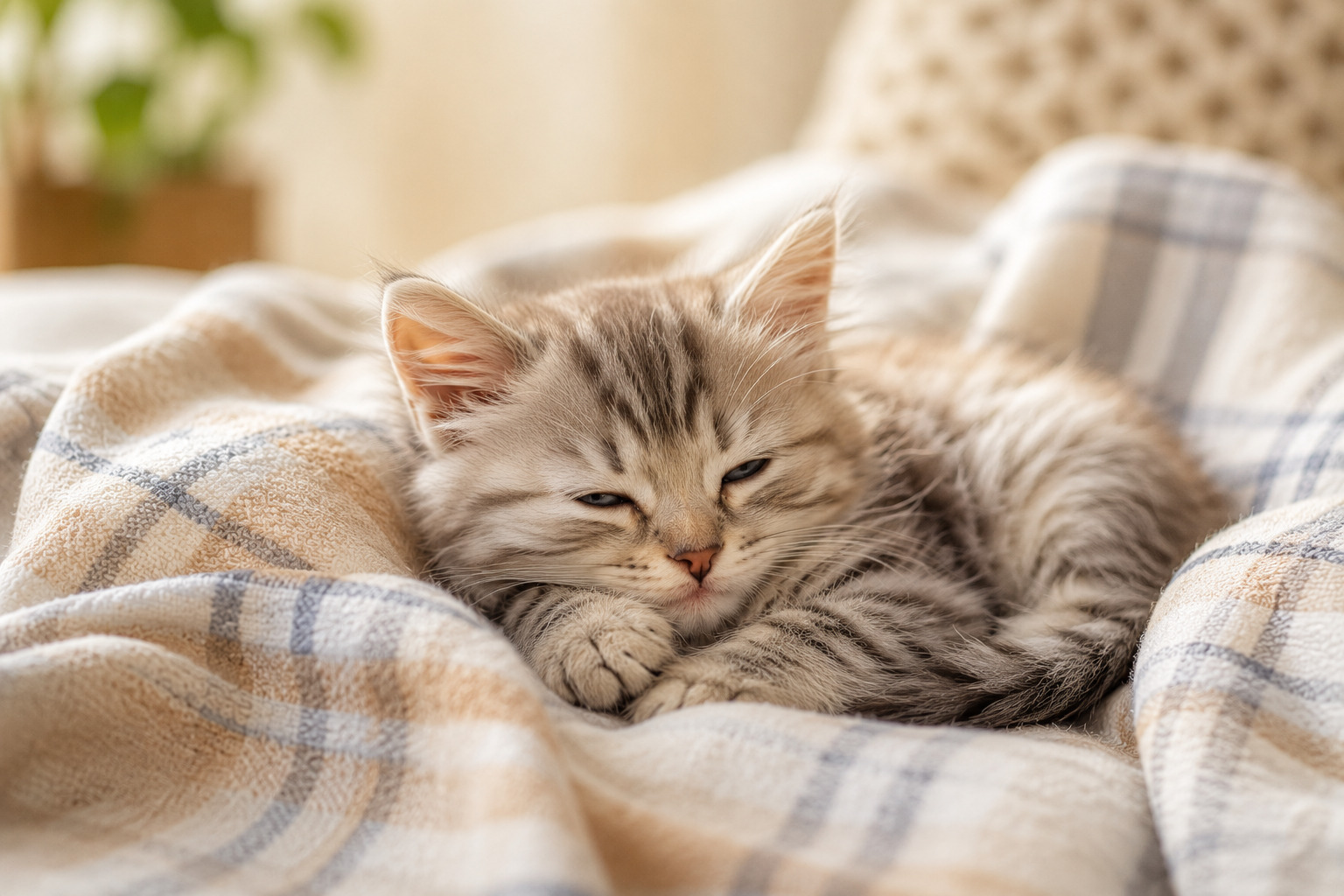
The best help for constipation is attentiveness, water, regular feeding, and timely veterinary consultation
Conclusion
Constipation in a kitten is not a reason to panic, but it is also not a symptom to be ignored. In newborn, weakened, or very small kittens, even a brief delay in bowel movements can quickly become dangerous.
Gentle care, regular feeding, adequate water intake, a calm environment, and careful observation help support digestion without unnecessary experimentation. And if constipation persists, or is accompanied by pain, vomiting, apathy, or refusal to eat, the best solution is to consult a veterinarian.