
Ticks become active from the first warm days of March, especially when the weather starts to heat up. One walk in a park or forest can end with an unpleasant discovery on your dog’s body.
Knowing how to act quickly and correctly in such a situation helps reduce health risks and keeps you from losing valuable time if alarming symptoms appear after a tick bite.
In this article, we will look at why ticks are dangerous for dogs, what a tick looks like, where to check after a walk, how to remove it properly, and how to protect your dog from repeated bites.
Why ticks are dangerous for dogs
The real danger lies in the fact that ixodid and argasid ticks can carry pathogens of serious diseases that may lead to severe consequences within just a few days if treatment is delayed.
The most dangerous of these diseases is piroplasmosis, or babesiosis. The pathogen enters the dog’s bloodstream together with the tick’s saliva and starts destroying red blood cells. Without treatment, the disease progresses quickly, and the first symptoms may appear as early as 2–3 days after the bite.
Besides infections, heavy tick infestation, especially in puppies and small-breed dogs, may lead to anemia due to blood loss. Some tick species also release toxins that can cause so-called tick paralysis.
- A tick is dangerous not so much because of the bite itself, but because of the infections it may transmit through saliva.
- Piroplasmosis in dogs develops quickly, so delaying action after symptoms appear is especially risky.
- Even after proper tick removal, the dog should still be observed for at least 7–10 days.
| Disease | When symptoms may appear | What to watch for |
|---|---|---|
| Piroplasmosis | 2–7 days | Apathy, refusal to eat, high temperature, dark urine, jaundice. |
| Borreliosis | Weeks or months | Lameness, swollen joints, fever, general weakness. |
| Ehrlichiosis | 1–3 weeks | Weight loss, weakness, depression, possible bleeding from mucous membranes. |
| Anaplasmosis | 1–2 weeks | Lethargy, fever, joint pain, reluctance to move. |
| Tick paralysis | Gradually after attachment | Coordination problems, weakness in the limbs, and in severe cases paralysis. |
What a tick looks like and where to look for it
A tick is a small parasite with a rounded body, eight legs, and a tiny head with a mouthpart. Before it has fed on blood, it often looks about the size of a poppy seed or a sesame seed. After feeding, the body swells and becomes much easier to notice.
It is the mouthpart that anchors the parasite to the skin and through which it transmits pathogens, so a tick should never be jerked out abruptly. Once it has taken in blood, it may resemble a small gray-beige or brown pea, which is why it becomes easier to spot at that stage.
You should check for ticks after every walk. The easiest way is to run your hands against the direction of the coat and feel for any tiny bumps in the skin. In long-haired dogs, using a dense comb makes the inspection more effective.
The first areas to inspect are:
- Behind the ears and inside the ear flaps.
- The armpits and groin folds.
- The spaces between the toes.
- The belly and inner thighs.
- The neck, especially under the collar.
- The area around and under the tail.
- The eyelids and the area around the eyes, although ticks are found there less often.
If the parasite has already fallen off or has been removed, a small red spot, mild swelling, or a firm bump is usually left behind. This may be a normal local skin reaction. Warning signs include expanding redness, pus, or a ring-shaped rash sometimes described with borreliosis.




Checking your dog after every walk does not replace parasite protection, but it can help you find a tick before it has enough time to transmit an infection.
What to do if your dog has been bitten by a tick
If you find a tick, the most important thing is not to panic. The longer the parasite stays attached, the higher the risk of transmitting pathogens. Most infections do not enter the bloodstream instantly, so proper and careful removal matters.
Keep the dog calm and steady
Seat or lay your dog down so you can comfortably reach the bite site. If your dog is restless, ask someone to help hold them still.
Remove the tick with a proper tool
A tick hook or fine tweezers work best. Grasp the parasite as close to the skin as possible and slowly twist or gently pull upward without jerking.
Do not squeeze the tick’s body
Squeezing may push the parasite’s contents into the wound. It is also not recommended to smear the tick with oil, alcohol, or other liquids before removal.
Treat the bite site
After removal, wash the skin with warm water and soap and apply an antiseptic such as chlorhexidine. If part of the mouthpart remains in the skin, it is better to consult a veterinarian.
Monitor your dog closely
Over the next 7–10 days, check your dog’s temperature, appetite, activity level, urine color, and general condition every day. If anything suspicious appears, do not wait—go to the clinic.
If possible, place the removed tick in a tightly closed container and keep it for lab testing. This is not always essential, but in some cases it helps a veterinarian assess the risks more quickly.
After a tick bite, you should never:
- Pull the tick out with a sharp sudden motion.
- Cover it with oil, gasoline, or alcohol.
- Burn the tick while it is still on the dog.
- Skip proper skin treatment after removal.
- Wait too long if the dog becomes lethargic or refuses food.
Symptoms after a tick bite that should never be ignored
Each tick-borne disease has its own signs, but there are several general symptoms that often appear during the first days after a bite and require the owner’s attention.
- Sudden apathy or refusal to eat.
- Temperature above 39 °C.
- Dark urine ranging from brownish-red to almost black.
- A yellowish tint to the mucous membranes or the whites of the eyes.
- Weakness in the hind limbs or an unsteady gait.
- Vomiting, diarrhea, or labored breathing.
Symptoms tend to appear most quickly with piroplasmosis, sometimes within 2–5 days. Borreliosis may show up much later, weeks or even months afterward. That is why monitoring after a tick bite should not stop after just a few days.
After a tick bite, veterinarians often recommend watching the dog carefully for at least a month. If suspicious changes appear, it is better not to simply wait, but to visit a clinic and have blood tests done.


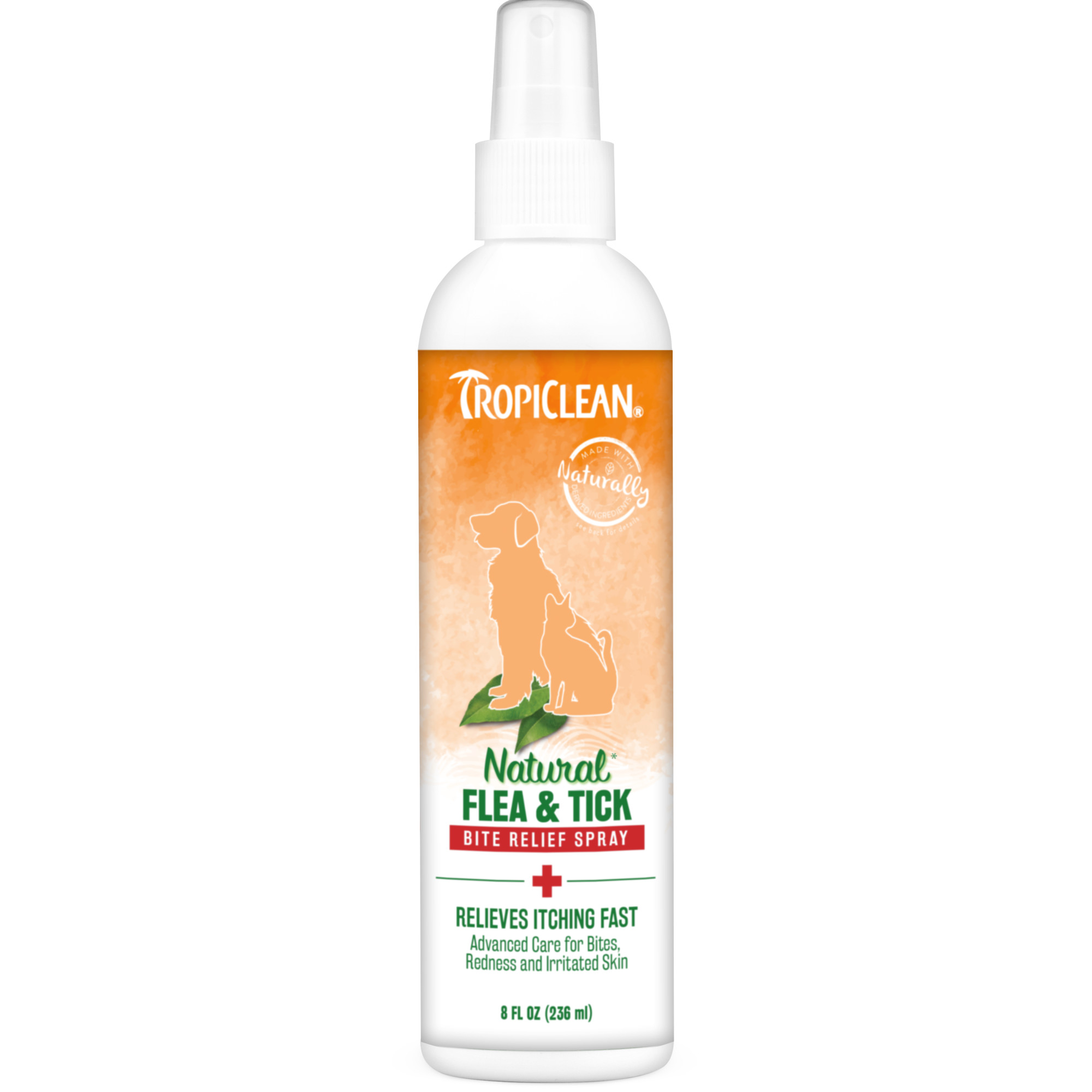
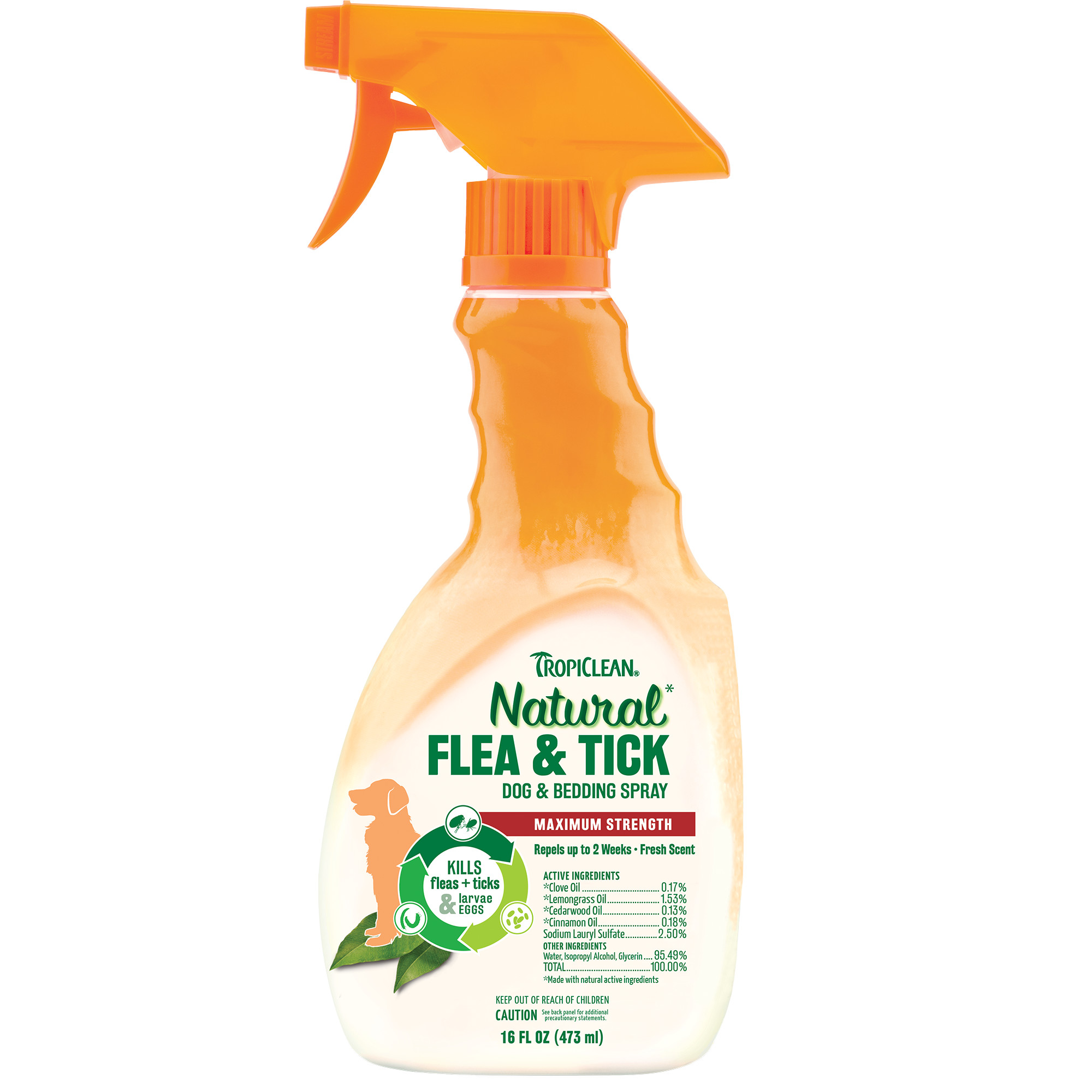

The best outcome after a tick bite is not dealing with the consequences, but having regular prevention in place that lowers the risk of dangerous diseases during tick season.
How to protect your dog from ticks
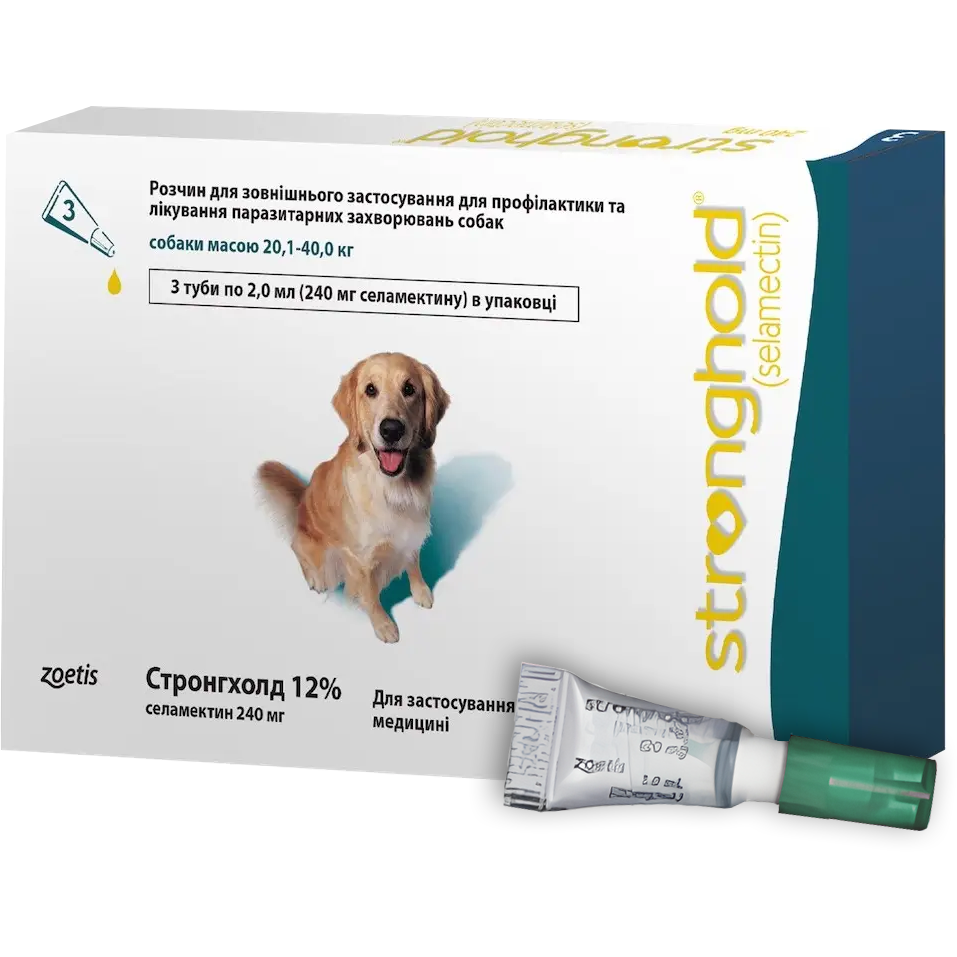
Prevention remains the best way to keep your dog safe. Protection may include spot-on drops, tablets, collars, and sprays. The right option depends on the dog’s weight, lifestyle, how often they go outdoors, and how well they tolerate a certain format.
Beyond the product itself, general rules matter as well. Check your dog after every walk, even in the city, avoid tall grass and dense brush during peak tick activity, and do not miss re-treatment dates. For dogs that often visit forests, lakesides, or country houses, consistency with prevention is especially important.
A basic protection plan usually includes:
- A main systemic or contact treatment applied on schedule.
- Checking the coat and skin after every walk.
- An extra spray before trips to the forest, park, or countryside.
- Keeping the dog’s sleeping and resting areas under control during tick season.



Frequently asked questions from dog owners
Can a dog die from a tick bite?
Yes. In most cases, the real threat is not the bite itself, but the diseases transmitted by the tick, especially piroplasmosis. That is why early symptoms should never be ignored.
When should I rush to the vet immediately after a tick bite?
If your dog becomes lethargic, refuses food, has a high temperature, vomits, appears weak, or develops dark urine, do not wait. These signs require urgent examination and testing.
Should the tick be tested in a lab?
It is advisable if possible and if the parasite was removed intact. This can help the veterinarian assess potential risks more quickly, although it does not replace monitoring the dog.
Can a tick pass from one dog to another?
A tick does not usually “jump” from one animal to another as a primary route of spread, but a parasite that has not yet attached properly may theoretically move during close contact. That is why it is best to inspect all pets in the household after walks.
What season is the most dangerous for ticks?
In Ukraine, ticks are most active from March to November, with peaks in spring and autumn. During warm winters they may even be found in February, so in many regions year-round prevention makes sense.
Is there a vaccine that protects dogs from ticks?
There is no single vaccine that protects against all tick-borne diseases. That is why regular parasite prevention, checking your dog after walks, and reacting quickly if symptoms appear remain the foundation of safety.