
Most pet owners know about ticks and fleas, but far fewer think about the danger ordinary mosquitoes can pose to dogs. Yet mosquitoes are exactly how heartworm disease is transmitted, and this serious parasitic infection can develop almost unnoticed for years.
By the time obvious symptoms appear, the disease may already have caused significant damage to the heart, lungs, and blood vessels. That is why every dog owner should understand what heartworm disease is and how to prevent it.
In this article, we will look at what heartworm disease in dogs actually is, how infection happens, which warning signs deserve attention, when a dog needs urgent veterinary care, and how to build effective prevention.
What is heartworm disease in dogs
Heartworm disease is a parasitic illness caused by roundworms of the Dirofilaria genus. In dogs, the two most clinically important species are Dirofilaria immitis and Dirofilaria repens.
Dirofilaria immitis is commonly referred to as the heartworm. These parasites settle in the right ventricle of the heart, the pulmonary artery, and major blood vessels. Over time, this leads to pulmonary hypertension, heart failure, and irreversible vascular damage.
Dirofilaria repens usually lives in the subcutaneous tissues and muscles. In dogs, this form is often milder, but it is more commonly associated with transmission to humans through the bite of an infected mosquito.
- Heartworm disease is not spread directly from dog to dog.
- The mosquito is the main carrier of the parasite.
- The most dangerous form affects the heart and pulmonary vessels.
How dogs get infected with heartworm disease
The disease is transmitted only through a mosquito bite. Direct transmission between animals does not occur. The parasite has a fairly complex life cycle, which is one of the reasons heartworm disease can remain unnoticed for so long.
A mosquito bites an infected animal
Along with the blood meal, it takes in first-stage heartworm larvae.
The larvae mature inside the mosquito
Over roughly 10–14 days, they develop into the infective third stage.
During the next bite, the mosquito passes the larvae to a dog
From there, the larvae migrate through the tissues, mature, and over the next several months reach their final location in the body.
The disease develops silently
It usually takes about 6–7 months from infection to the appearance of adult parasites, so owners often do not notice any problem for a long time.
The risk of infection is higher in regions with a warm, humid climate, near bodies of water, and during mosquito season. In Ukraine, heartworm disease is recorded in all regions, and climate change is gradually shifting its spread farther north.




Symptoms of heartworm disease in dogs
What makes this disease so deceptive is that it often causes no obvious signs in the early stages. For some time, the dog’s body can compensate for the presence of the parasites, so the problem may go unnoticed until it progresses to a moderate or advanced stage.
In the early stage, symptoms may be completely absent or limited to mild tiredness after normal activity and an occasional light cough. That is exactly why heartworm disease can remain unnoticed for years. By the middle stage, dogs more often show reduced stamina, reluctance to run for long, faster breathing even at rest, and gradual weight loss.
| Stage | What happens | Typical signs |
|---|---|---|
| Early | The first months or up to a year after infection. | Symptoms may be absent; sometimes there is mild fatigue and a slight cough. |
| Moderate | The parasites are already affecting the heart and pulmonary vessels. | Fatigue, reluctance to run for long, coughing, rapid breathing, gradual weight loss. |
| Advanced | Serious complications begin to develop. | Shortness of breath at rest, ascites, fainting, limb swelling, coughing blood, bluish mucous membranes. |
| Subcutaneous form | More commonly associated with Dirofilaria repens. | Lumps under the skin, itching, and local inflammation while the general condition may remain fairly stable. |
You should seek urgent veterinary care if your dog:
- Suddenly faints or seems disoriented.
- Has labored breathing with an open mouth while resting.
- Coughs up blood or foamy discharge.
- Develops a rapidly enlarged abdomen.
- Has pale or bluish mucous membranes.
- Refuses to move and barely responds when spoken to.
These signs may point to acute heart or lung failure caused by severe heartworm damage. Even without emergency symptoms, a dog should be checked if it lives in a risk area or has never been screened for heartworm disease.
Extra caution is warranted if a dog lives near water, spends a lot of time outdoors, or has never had annual screening. In such dogs, even subtle symptoms deserve closer attention.


The hardest part about heartworm disease is that it can stay quiet for a long time. That is why annual screening and regular prevention matter far more than waiting for symptoms to appear.
Preventing heartworm disease in dogs
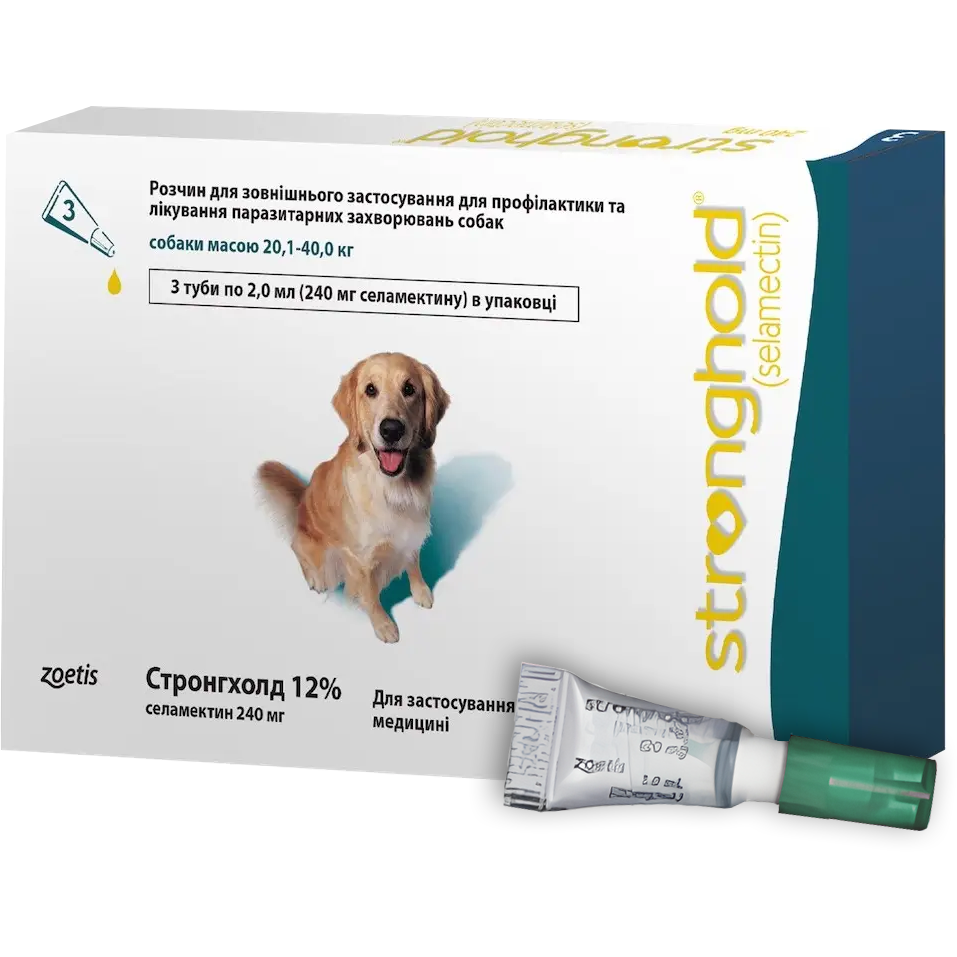
The good news is that heartworm disease is preventable. Preventive medications do not target adult worms, but the larvae, eliminating them in the early stages of development. That is why missed doses are especially undesirable.
The main prevention formats include monthly tablets or chews, spot-on drops, and injectable medications administered by a veterinarian. Before starting a preventive course, especially after a long break, a blood test is usually recommended first.
In regions where mosquitoes stay active for most of the year, prevention is often given continuously. In temperate climates, the minimum period is usually considered to be from April to November, although in practice many veterinarians also advise against long pauses.
For prevention to work reliably, it is important to:
- Follow a consistent schedule without gaps.
- Choose the product based on the dog’s weight and a veterinarian’s advice.
- Avoid starting a course blindly if existing infection is already suspected.
- Combine medical prevention with measures that reduce mosquito bites.



Consequences and possible complications of heartworm disease
If the disease is not detected in time, the consequences can be very serious. Adult worms physically interfere with normal blood flow and damage the valves and vessel walls, which gradually leads to chronic heart failure.
On the respiratory side, inflammation, scarring of lung tissue, fluid buildup in the chest cavity, and severe breathing failure may develop. One of the most dangerous complications is vena cava syndrome, when a large number of parasites effectively block the major vessels and the right side of the heart.
Because of prolonged intoxication and poor circulation, the kidneys may suffer as well. Even after successful treatment, some changes in the heart, blood vessels, lungs, and kidneys can remain permanent. That is why early diagnosis and regular prevention matter much more than trying to treat a late-stage case.



Protection against heartworm disease works best when two things are combined: regular prevention against the parasite’s larvae and fewer mosquito bites during the active season.
Is canine heartworm disease dangerous for humans
Yes, heartworm disease is a zoonosis, but people do not catch it directly from dogs. Infection occurs the same way, through the bite of an infected mosquito. For humans, the species most often involved is Dirofilaria repens, which can cause painful nodules under the skin or around the eye.
Dirofilaria immitis is reported less often in people and usually does not produce the same clinical picture seen in dogs, although cases involving the lungs have been described. So if a dog is infected with heartworms, it does not mean the owner is directly contagious, but it does show that there is already a shared environmental risk. That is why regular prevention for the pet and protection from mosquito bites matter for the whole family.
Common questions about heartworm disease in dogs
Can heartworm disease in a dog be treated?
Yes, but how difficult treatment will be depends on the stage of the disease and how severely the organs are affected. The earlier the disease is found, the better the outlook. In advanced cases, chronic damage may remain even after the parasites are removed.
Can an indoor dog get heartworm disease?
Yes. Mosquitoes easily get indoors, especially in the warm season. Just one bite from an infected insect is enough to transmit the larvae.
How can you test a dog for heartworm disease?
The main diagnostic method is a blood test. Depending on the case, the veterinarian may also recommend blood smear microscopy, antigen testing, PCR, cardiac ultrasound, and chest X-rays.
How often should prevention be given?
Most preventive tablets are given once a month. In regions with a long warm season, veterinarians often recommend year-round continuous protection.
Should a dog be checked every year if it looks healthy?
Yes, especially if the dog lives in a risk area. Heartworm disease can stay silent for a long time, and an annual blood test often helps detect the problem before irreversible changes develop.