Shedding is a natural coat-renewal process that occurs in most dogs regardless of breed, age, or lifestyle. It gradually replaces old hairs with new ones and helps the coat retain its protective properties, shine, and density. However, not every owner knows where the line lies between normal seasonal shedding and excessive hair loss that may indicate a problem in the body.
Coat condition is influenced by more than the season. Complete nutrition, grooming, living conditions, and the dog’s overall health all play an important role. In some cases, special vitamins for dogs may be needed if the body lacks nutrients required to maintain healthy skin and coat.
In this article, we will look at why dogs shed, when the process is normal, how long it usually lasts, and which factors can make it too intense. We will also discuss the characteristics of different coat types, proper care during shedding, and situations when a visit to a veterinarian should not be postponed.
What is shedding in dogs and why does it happen?
Shedding is the natural process of coat renewal. Each hair has its own life cycle: it grows, performs its functions for a certain period, and then gradually dies and falls out, making room for a new one. This process occurs continuously, but during certain times of the year it becomes much more noticeable.
A dog’s coat performs far more functions than may seem obvious at first. It protects the skin from ultraviolet radiation, mechanical damage, moisture, cold, and overheating. That is why the body regularly renews the coat and keeps it in proper condition.
In most breeds, the coat consists of two main types of hair. Guard hairs form the outer layer and protect against rain, dirt, and sunlight, while the soft undercoat provides thermal insulation. It is the undercoat that most often sheds in spring and autumn, making owners feel that their dog is shedding excessively.
At the same time, shedding cannot be avoided completely. Even breeds considered low-shedding gradually lose old hairs. The only difference is how intensive the process is and how noticeable it is to the owner.
- Shedding is a natural renewal of the coat, not a separate problem in itself.
- Most actively it is usually the undercoat, which provides thermal insulation, that falls out.
- Shedding cannot be avoided completely, but its intensity varies from dog to dog.
Do all dogs shed the same way?
The intensity of shedding depends largely on genetics. That is why different breeds can lose coat very differently even under the same living conditions. Labradors, Huskies, Samoyeds, German Shepherds, and other breeds with a dense undercoat, for example, usually go through very pronounced seasonal shedding. During this period, coat may come out in clumps, which is a completely natural phenomenon.
Short-haired dogs shed as well, although many owners mistakenly believe otherwise. Their hairs are simply shorter and therefore easier to overlook. Some breeds, on the other hand, have coats that keep growing, much like human hair. These include Poodles, Bichons, and several other companion breeds. They require regular grooming but leave significantly less hair on furniture and clothing.
| Factor | How it affects shedding | What the owner notices |
|---|---|---|
| Breed and coat type | Dogs with a dense undercoat shed more heavily than low-shedding breeds | Huskies, Labradors, Samoyeds, and Shepherds usually leave significantly more hair |
| Coat length | Short hair also sheds, but it is less noticeable around the home | It may seem that the dog sheds very little even though loose hair is always present |
| Presence of an undercoat | The undercoat most often sheds in spring and autumn | During seasonal shedding, coat may come out in clumps |
| Continuously growing coat | In Poodles, Bichons, and similar breeds, the coat grows for longer and requires grooming | There is less hair on clothing and furniture, but regular care is still necessary |
What determines shedding intensity?
The amount of hair lost during shedding is determined by several factors at once. These include:
- breed and coat type;
- presence of a dense undercoat;
- season;
- length of daylight;
- living conditions;
- nutritional adequacy;
- the dog’s age;
- level of physical activity;
- overall health.
This is why two dogs of the same breed may shed differently. If one regularly spends time outdoors, eats a balanced diet, and gets enough exercise while the other spends most of its time indoors, their seasonal coat renewal may look very different.
When do dogs shed most often?
Active shedding most often occurs twice a year: in spring and autumn. In spring, the body sheds the dense winter undercoat to cope with warmer weather more easily, while in autumn it begins to form a new insulating layer before the cold season.
The main natural trigger for shedding is not air temperature but a change in daylight length. This is why dogs that spend a lot of time outdoors usually have more clearly defined periods of seasonal coat renewal.
The situation is somewhat different for indoor dogs. Constant warmth, air conditioning, central heating, and artificial lighting alter natural biological rhythms. As a result, hair may fall out gradually throughout the year without pronounced seasonal peaks. This is not always a sign of a health problem if the dog’s overall condition remains good.
At the same time, shedding may temporarily intensify outside the typical season after pregnancy, lactation, stress, or a change of residence.
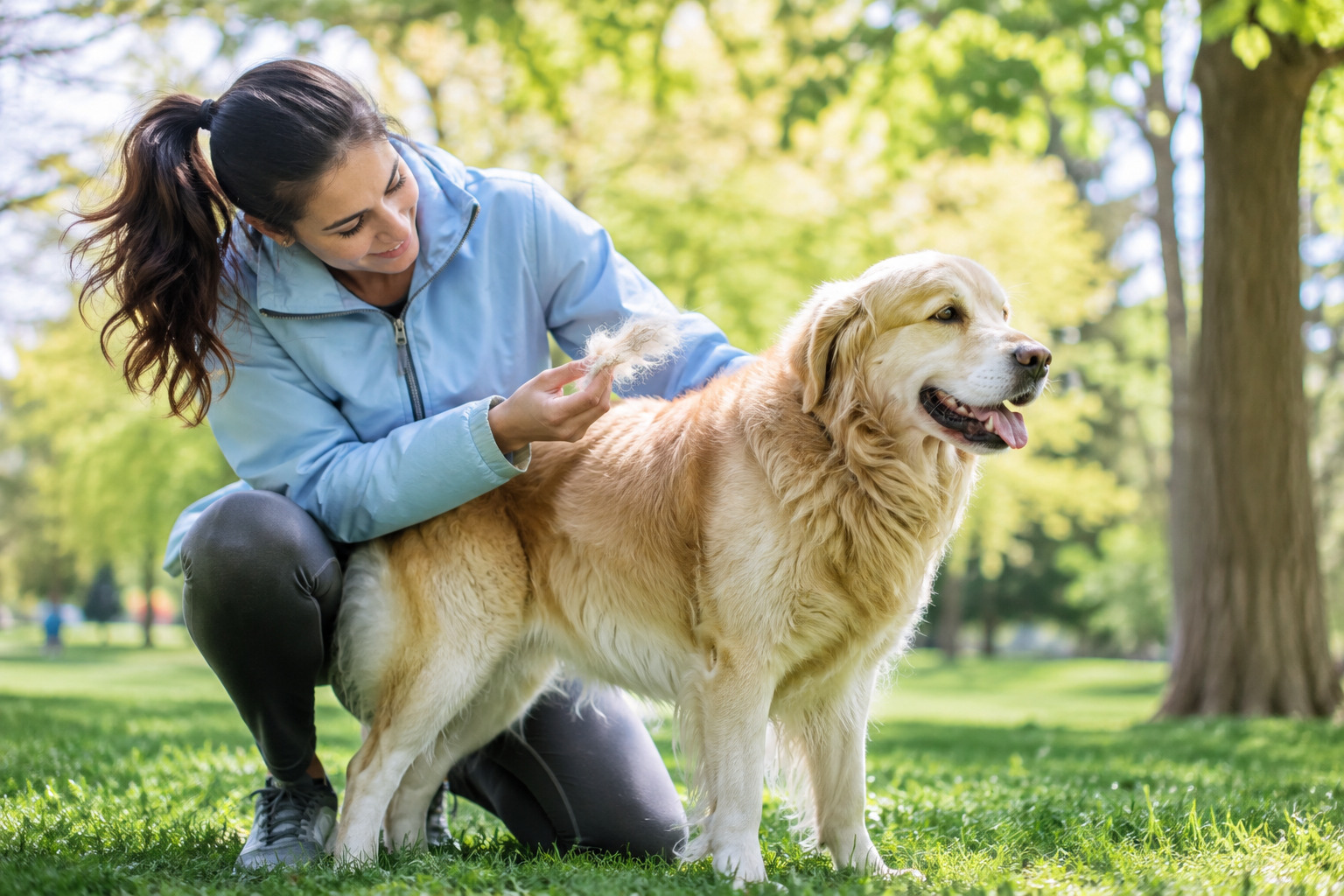

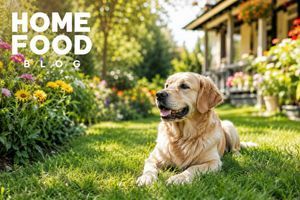
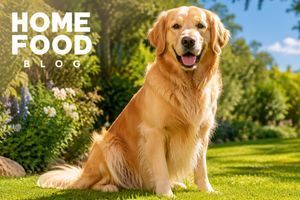
Dogs that spend a lot of time outdoors usually have more clearly defined seasonal shedding periods than indoor pets
How long does shedding last in dogs?
On average, seasonal shedding lasts from two to six weeks. However, this is only an approximate timeframe because the speed of coat renewal depends on many individual factors.
Young, healthy dogs usually go through this period faster, while the process may take longer in older animals. Complete nutrition, sufficient physical activity, regular brushing, and the dog’s overall condition also play an important role.
During seasonal shedding, hair loss gradually increases, reaches a peak, and then naturally decreases. If the coat continues to fall out heavily for several months without an obvious reason, or if bald patches, skin redness, or severe itching appear, this can no longer be considered a normal physiological process.
Main causes of heavy shedding in dogs
Heavy hair loss is not always related to the seasonal shedding of the undercoat. Sometimes the body uses it to signal the effects of external or internal factors.
Unbalanced diet
To form a healthy coat, the body needs high-quality protein, essential fatty acids, vitamins, and minerals. If a dog does not receive enough of these nutrients for a prolonged period, the coat may lose its shine, become brittle, and shed more intensely.
Stress
Moving house, the arrival of a new family member, a change in routine, renovation work, or even prolonged separation from the owner can affect the body’s hormonal balance. As a result, temporary increases in shedding may sometimes be a response to emotional stress.
Living conditions
Constant warmth, dry indoor air, and artificial lighting can alter natural coat-renewal rhythms and make shedding last longer.
Skin or general health problems
If shedding is accompanied by itching, bald patches, redness, flaking, or changes in behavior, it is important to consider not only seasonal coat renewal but also possible dermatological, parasitic, or endocrine disorders.


HOME FOOD dry food for adult small-breed dogs “Turkey and salmon” Healthy skin and shiny coat, 1.6 kg
Buy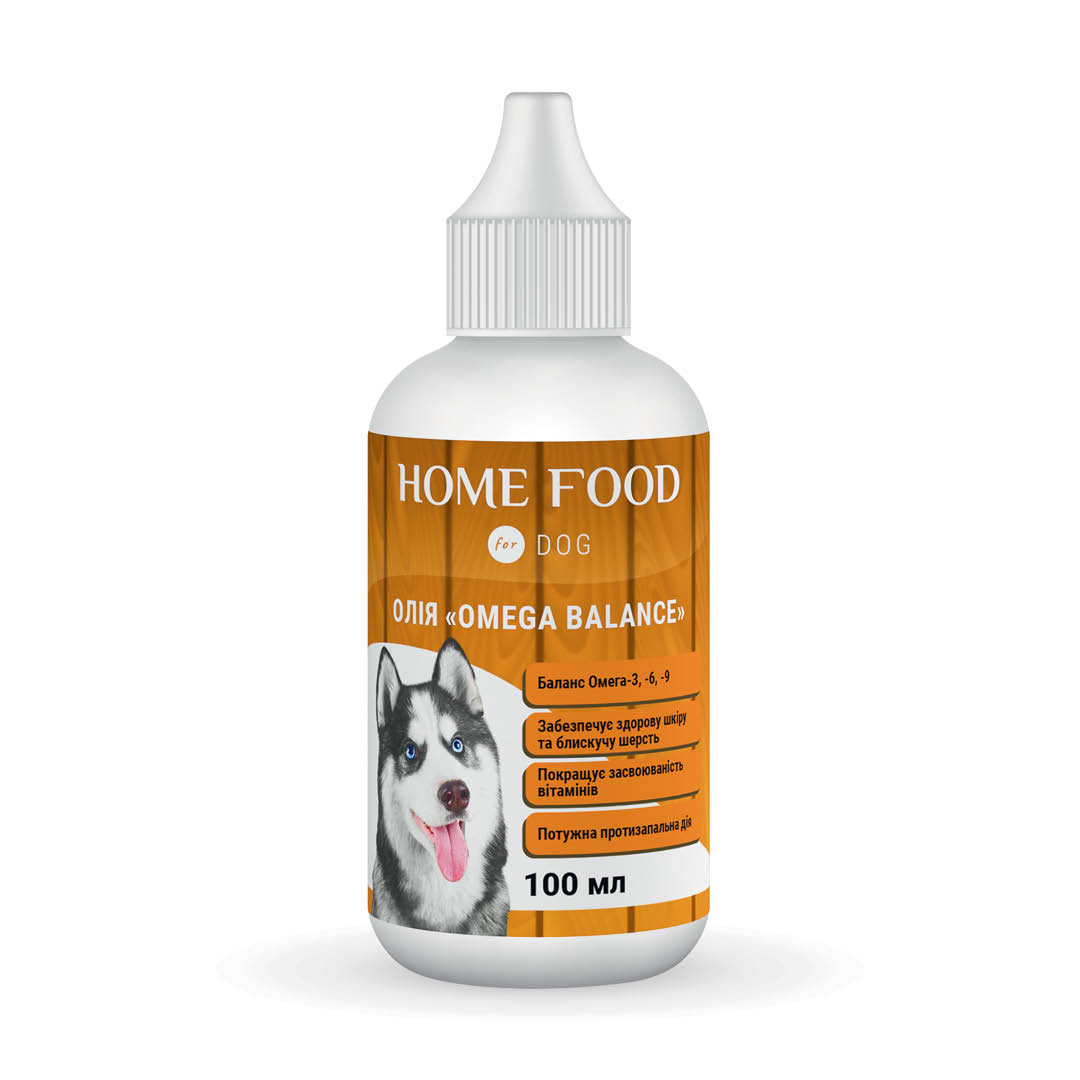
HOME FOOD phytomin oil for dogs “Omega Balance” Omega-3, -6, -9 Balance, 100 ml
Buy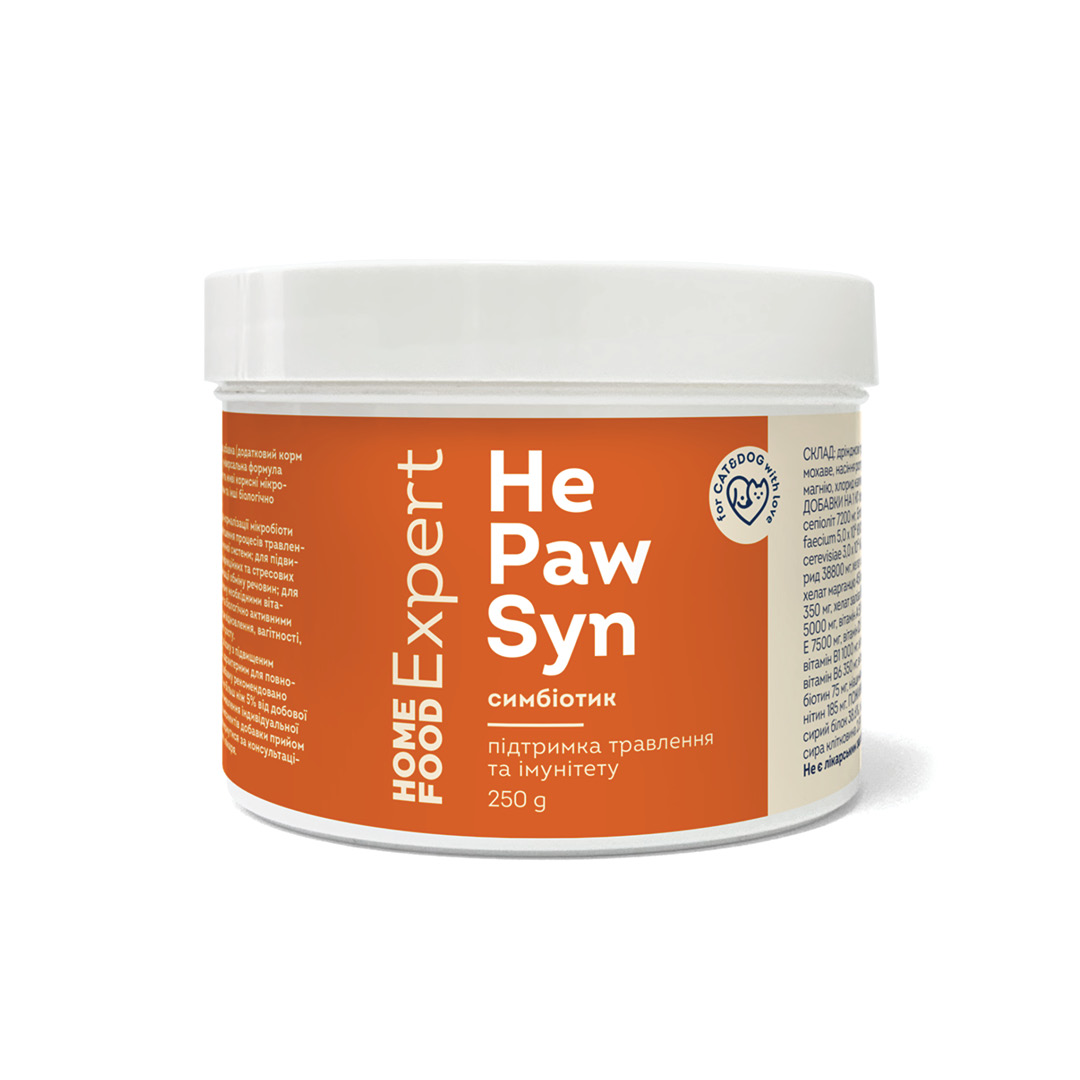
Synbiotic for digestive and immune support HePawSyn HOME FOOD Expert, 250 g
Buy
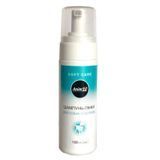
Shampoo “Perfect Care” for dogs and cats Total Care HOME FOOD Beauty, 200 ml
Buy
What should you do if your dog sheds heavily?
Heavy shedding is not always abnormal in itself. In most cases, it is a natural seasonal process that simply appears more pronounced in certain breeds or living conditions. Rather than focusing only on the amount of loose hair, it is important to assess the animal’s overall condition: activity level, appetite, skin condition, and behavior.
If the dog feels well and shedding coincides with seasonal coat renewal, the owner’s main task is to support the natural renewal process. This includes several basic steps:
Regular brushing
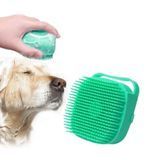
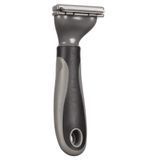
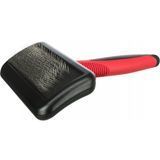
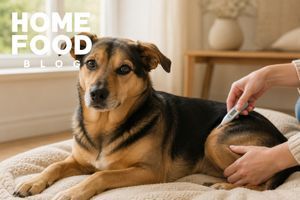
This is especially important for breeds with a dense undercoat. Mechanical removal of dead undercoat is a key factor during shedding. If it is not brushed out, loose coat remains trapped, which can place additional strain on the skin and slow down coat renewal.
Monitoring diet quality
The dog should receive enough protein, fatty acids, and other nutrients needed for healthy skin and coat.
Consistent hydration
Adequate water intake helps maintain the body’s overall condition and skin health, which also affects coat quality.
Preventive ectoparasite treatments
Even mild skin irritation or a parasitic burden can increase hair loss, so preventive treatment should be regular.
Maintaining the usual level of physical activity
Sudden changes in exercise are undesirable, but a stable routine of walks and movement supports overall health and normal physiological processes.
What should you avoid during shedding?
A common mistake is excessive interference with a natural process. One example is washing the dog too often with harsh or unsuitable shampoos. This can disrupt the skin’s protective lipid layer and, in some cases, actually increase hair loss.
It is also undesirable to give vitamin or mineral supplements without understanding the cause of the problem. Excess amounts of certain micronutrients can be just as harmful as deficiencies. If a nutritional issue or coat problem is suspected, a veterinarian should determine whether supplements are appropriate after examining the animal.
Shaving double-coated breeds down to the skin also deserves separate mention. This approach does not solve shedding and, in some cases, may affect natural thermoregulation and the structure of the new coat.
- do not wash the dog too often with harsh or unsuitable shampoos;
- do not give vitamins or mineral supplements on your own without understanding the cause of the problem;
- do not shave double-coated dogs in the hope of stopping shedding.
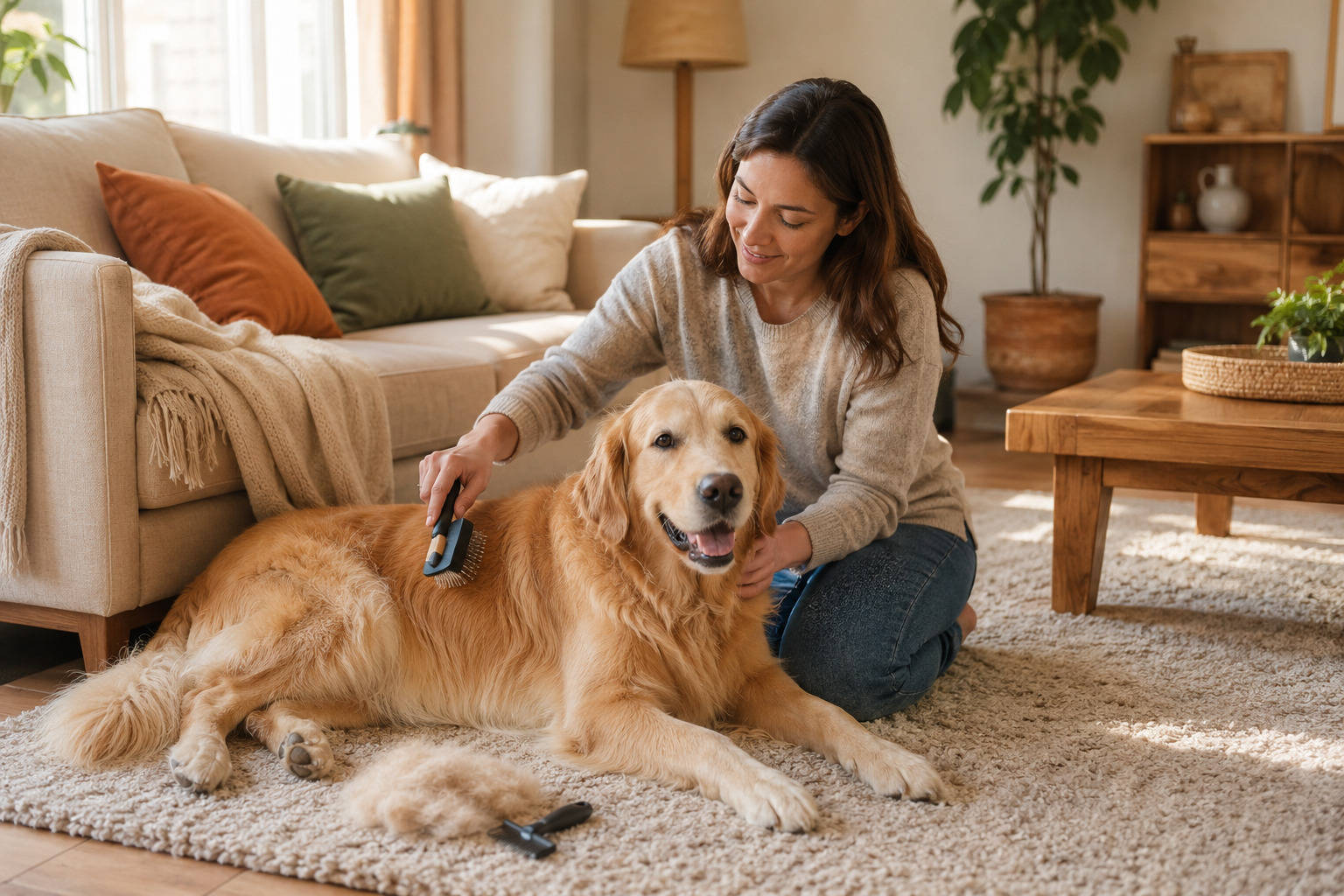
During shedding, systematic care works better than aggressive intervention: brushing, a balanced diet, and monitoring skin condition
When is a dog’s shedding a reason to see a veterinarian?
There are situations when hair loss goes beyond the physiological norm. In such cases, it is important not to postpone a consultation because coat changes are often only an external marker of deeper processes in the body.
Reasons to seek veterinary advice include localized bald patches, inflamed areas, persistent itching, or pronounced skin flaking. A sudden change in coat texture is also a warning sign, especially if the coat becomes brittle, dull, or loses density.
In more complex cases, additional symptoms may appear: changes in appetite, reduced activity, an unpleasant skin odor, or a general deterioration in the animal’s condition. These signs may indicate dermatological, parasitic, or endocrine disorders.
It is practically impossible to determine the cause independently in such situations. Even similar outward signs can have different origins, so diagnosis should be carried out by a veterinary professional.
- localized bald patches or inflamed areas;
- persistent itching, pronounced flaking, or an unpleasant skin odor;
- a sudden change in coat texture, brittleness, dullness, or loss of density;
- changes in appetite, lethargy, or other accompanying symptoms.
How can you reduce dog hair in the home during shedding?
It is impossible to prevent loose hair from appearing in the home completely, but its amount can be reduced significantly. The main principle is to control the source rather than the consequence by regularly removing dead hair from the dog.
Systematic brushing remains the most effective tool. During active shedding, it may need to be done daily, especially for dogs with a dense undercoat.
How the space is organized also matters: the dog’s resting areas should be cleaned regularly because this is where the greatest amount of hair accumulates before being carried around the home.
It is also worth keeping in mind that damp cleaning is more effective than dry cleaning during this period because fine hairs are easier to remove from surfaces and textiles.
Preventing excessive shedding in dogs
Stable coat condition depends directly on long-term living conditions. A diet with sufficient protein, fatty acids, and micronutrients provides the foundation for normal coat renewal.
Regular veterinary check-ups and parasite control are equally important. Even minor skin irritation can affect the intensity of hair loss.
In most clinically healthy dogs that receive balanced nutrition and basic care, seasonal shedding follows a predictable pattern and does not cause complications.
Frequently asked questions
Why does my dog shed heavily in winter?
In indoor conditions, seasonal rhythms may change because of stable temperatures and artificial lighting. This affects the coat-renewal cycle.
Is it normal for a dog to shed all year round?
For many indoor dogs, this is completely normal, especially if there are no accompanying skin or behavioral symptoms.
Which dog breeds shed the most?
The most pronounced shedding is typical of breeds with a dense undercoat, particularly working and northern breeds.
Can you trim a dog during shedding?
Yes, but it is important to understand that trimming does not affect the shedding process itself and is not always necessary from the standpoint of coat physiology.
Can stress cause a dog to shed?
Yes. Stress factors can affect hormonal balance and, as a result, coat condition.
Conclusion
Shedding is a completely normal physiological process that does not require intervention in most cases. Its intensity can vary depending on breed, living conditions, and the dog’s overall health.
The key criterion is not the amount of loose hair itself but the presence of accompanying symptoms. If there are none, the process is considered normal and manageable. If additional signs appear, veterinary diagnostics are advisable to clarify the cause.