📌 HOME FOOD Blog: advice on pet care, health and nutrition for cats and dogs. 🩺 Useful articles for caring pet parents ❤️
When kittens open their eyes: development norms, important signs, care for babies and the transition to first complementary feeding

There are moments in life that are impossible to forget: a child’s first step, the first spring flower… and that magical moment when a tiny kitten opens its eyes for the first time. This little miracle always brings a little more warmth, light and tenderness into the home.
Watching a baby take its first look at the world feels like touching a true wonder of nature. During this period, every change, every glance and every movement matters, because this is when its great journey through life begins.
Why the eyes do not open immediately
In different mammal species, the moment when newborns first open their eyes depends on evolution, body structure and level of development at birth. Human babies are born relatively mature, while cats, dogs and many small mammals are altricial: their offspring are born immature.
Kittens are born with their eyes closed by fused eyelids. This is a natural mechanism that protects the retina, which is not yet mature and is extremely sensitive to light.
- Immature retina and nerve connections. Kittens are still developing photoreceptors and forming visual pathways between the eye and the brain.
- Incomplete eyelid formation. The eyelids are joined by a thin membrane, and its gradual separation is a natural part of maturation.
- Protection from the external environment. Closed eyes reduce the risk of dust, bacteria and injuries while the immune system is still weak.
Related maturation mechanisms
The process of eye opening in kittens is closely connected with the overall maturation of their body. Other changes happen in parallel.
- Opening of the ear canal. Newborn kittens’ ears are also “sealed,” and the hearing system is still forming.
- Development of the nervous system and motor skills. Touch and smell work first: they help the kitten find its mother and milk.
- A coordinated pace of development. Eye opening, ear opening, stronger paws and first steps happen gradually and harmoniously.
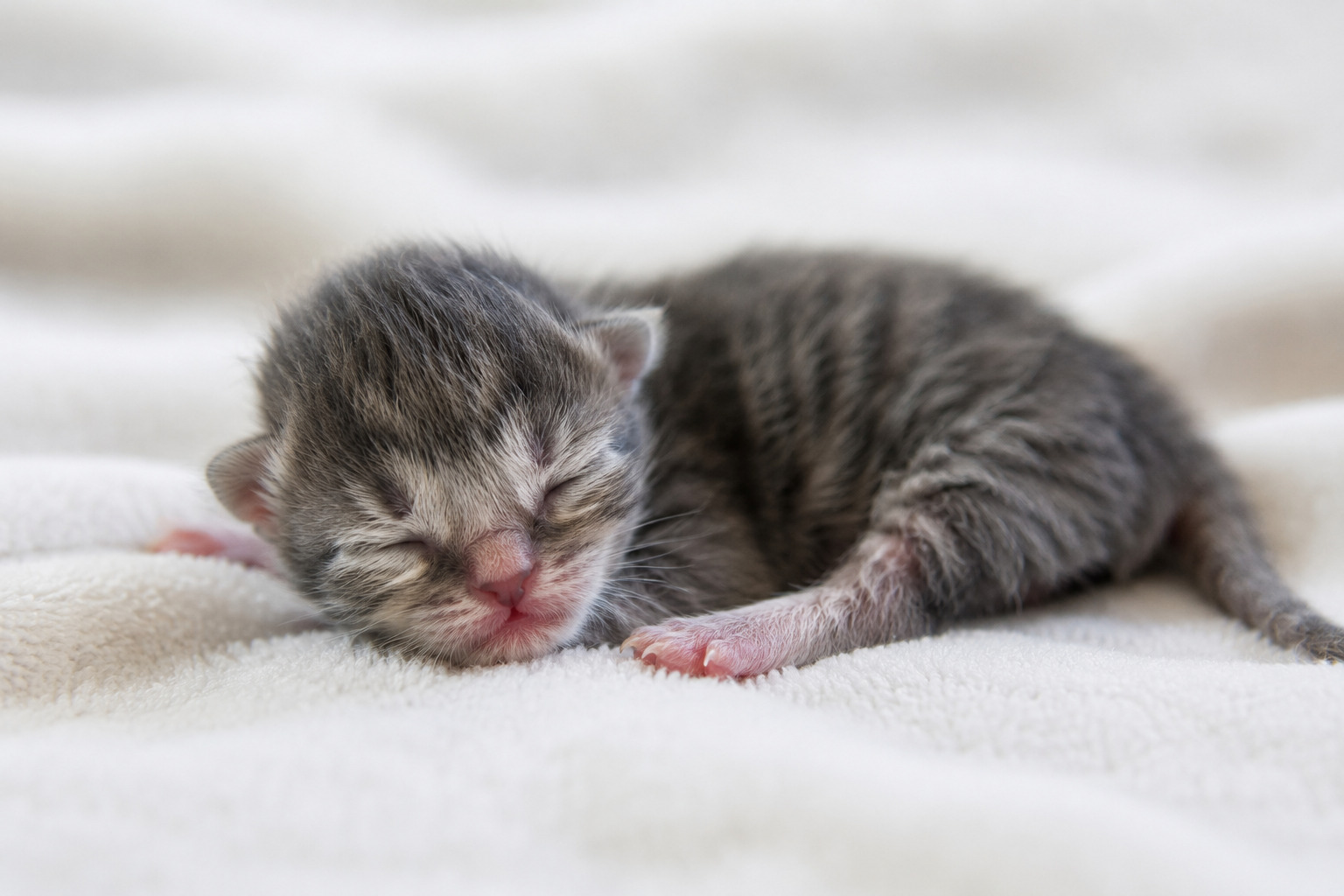

Most kittens begin to open their eyes between 7 and 14 days of age
When exactly the eyes open
Most kittens begin to open their eyes between 7 and 14 days of age. This process is not sudden: the eyelids gradually separate from the inner corner of the eye to the outer corner, and the eyes fully appear within a few days.
- 7–10 days: most kittens develop a narrow slit in the eyelids, through which the dark shine of the eye can be seen.
- 10–14 days: the eyes open fully, although sometimes one may open faster than the other.
- Up to 3 weeks: vision remains blurry; kittens react to light but do not yet focus their gaze.
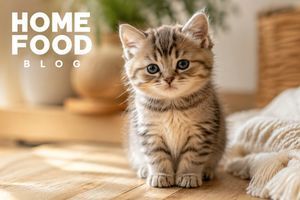
At this time, all kittens have the same eye color — blue. The permanent shade forms at around 6–12 weeks.
What happens in parallel
- Ear opening (10–16 days). The baby starts reacting to sounds, lifting its head and later trying to stand on its paws.
- Improved coordination. At around 2–3 weeks, kittens take their first uncertain steps.
- More active communication. The first signs of play behavior, purring and funny little “conversations” between babies begin to appear.
Signs that may indicate a problem
Although most kittens develop without complications, there are symptoms that should not be ignored.
- An eye does not open after 14–16 days, or one eye is noticeably swollen.
- Yellowish or greenish discharge, or eyelids that are “stuck together” after opening.
- Strong light sensitivity or frequent squinting.
- Clouding of the cornea, red spots or ulcers.
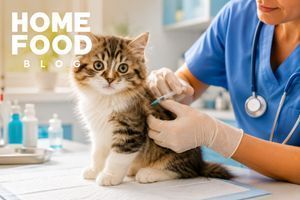
In such cases, it is important not to try to open the eyes yourself and to contact a veterinarian. Early intervention helps avoid serious complications and preserve vision.
Care during the eye-opening period
When the babies’ eyes begin to open, it is especially important to provide the softest, safest and calmest environment possible. During this time, kittens need minimal intervention and maximum care.
- Cleanliness of the nest. A soft, dry bedding area protected from drafts. Replacing it every 1–2 days helps prevent moisture and bacteria.
- Warmth. The optimal temperature for babies is about 27–30°C. It is important to leave a place where kittens can move away from the heat.
- Gentle interaction. You may pick the babies up, but gently and briefly, because their nervous system is still very sensitive.
When the eyelids begin to open, do not help the process manually. If there are small dried crusts, they can be gently wiped with a cotton pad moistened with warm boiled water or neutral herbal solutions. Any signs of inflammation are a reason to contact a veterinarian.


Branded embroidered blanket, 140x200 cm
Buy
Pryroda SaniPet — absorbent pads for dogs and cats, 45x60 cm, 50 pcs
Buy
Espree Optisoothe Eye Wash — eye wash and rinse for dogs and cats, 118 ml
Buy
TropiClean Tear Stain Remover — tear stain remover for dogs and cats, 236 ml
Buy
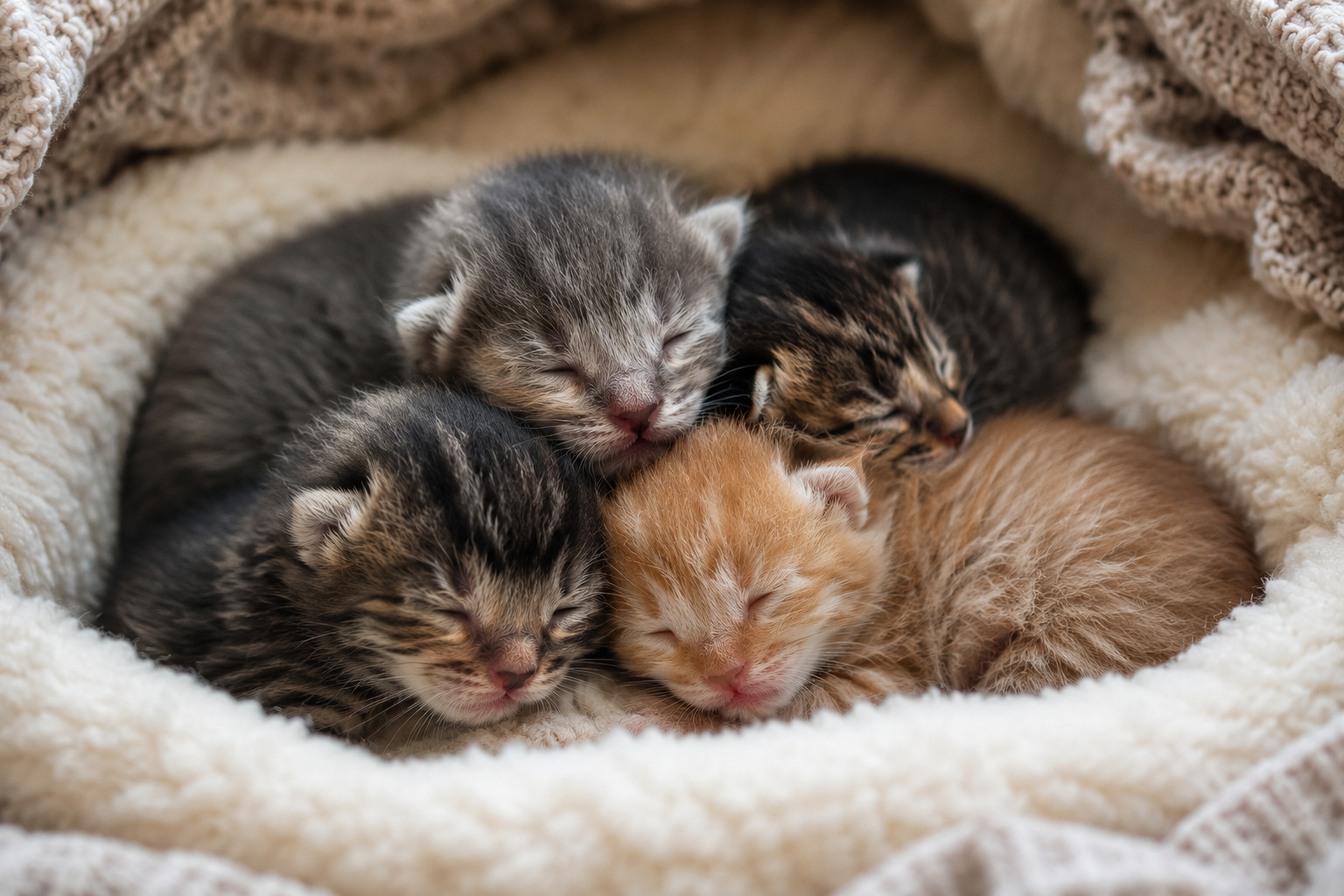
During the eye-opening period, the main things are cleanliness, warmth, calm and no attempts to open the eyelids manually
Transition to feeding
As the eyes open and hearing and coordination develop, kittens prepare for the next stage — a change in diet. Mother’s milk remains the basis of nutrition until about three weeks of age, but from this time you can begin introducing babies to complementary food.
At three weeks, kittens usually become steadier on their paws and show interest in a bowl. Start with soft pates or special canned food for kittens. The food should be light, smooth and aromatic; it is often useful to dilute the pate with warm water or kitten milk replacer.
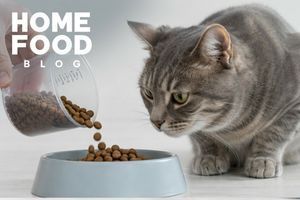
At around 4–5 weeks, kittens can be introduced to dry food: at first, the kibble is soaked in warm water or milk replacer, and as the teeth strengthen, the amount of liquid is gradually reduced. By 6 weeks, most kittens confidently eat dry food in almost its usual form.
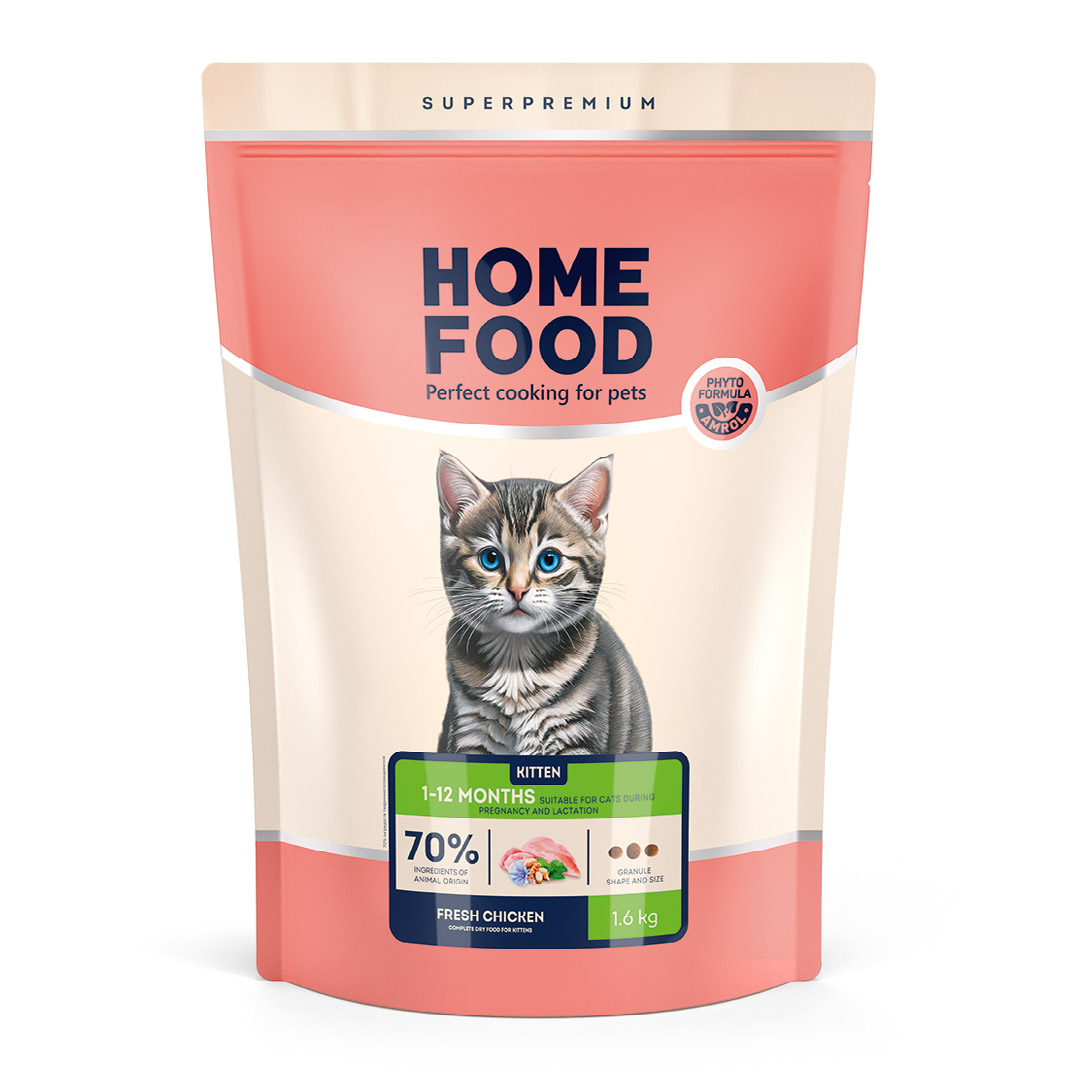
HOME FOOD dry food for kittens Fresh Chicken For kittens 1-12 months, 1.6 kg
Buy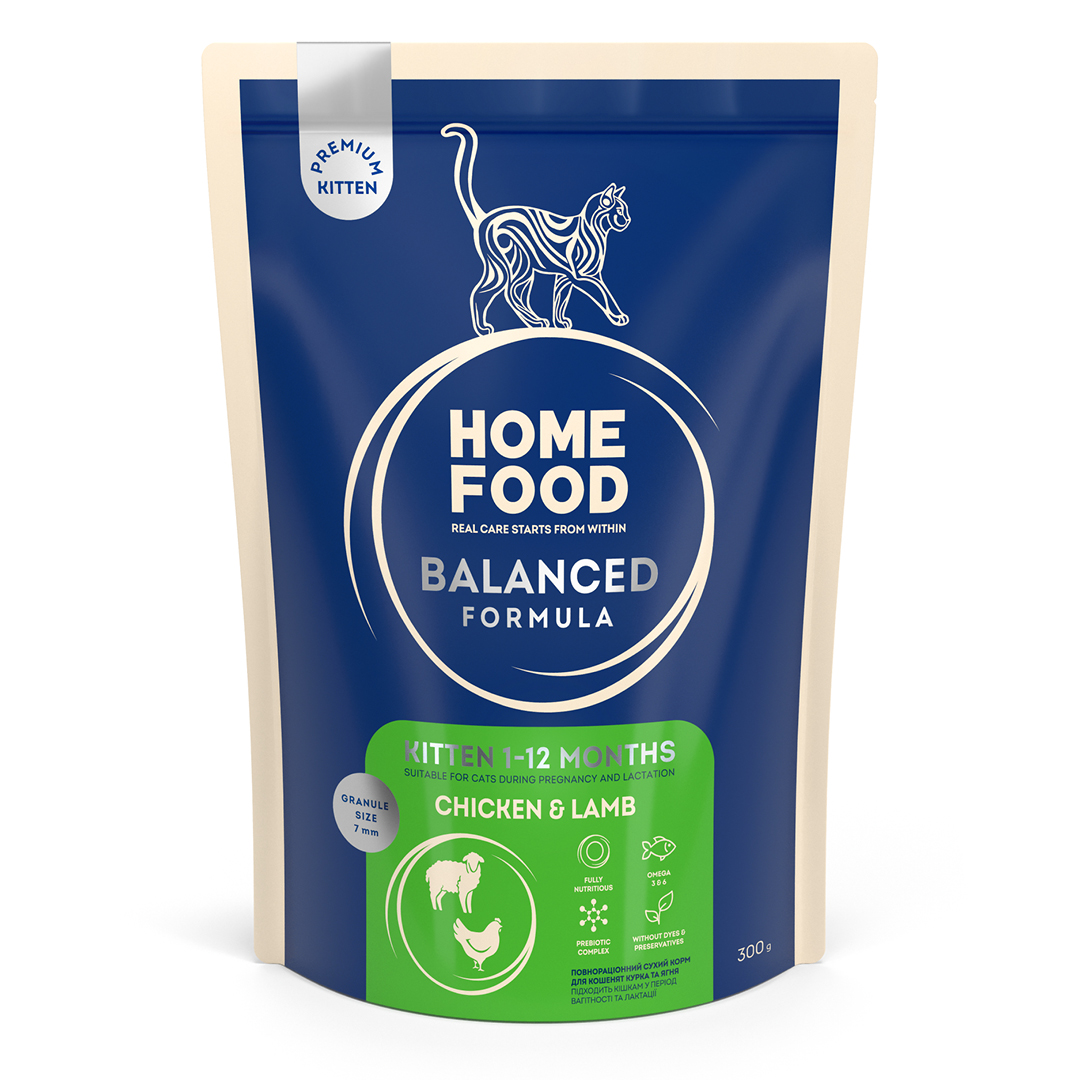
HOME FOOD dry food for kittens Chicken and lamb Kittens Balanced Formula, 300 g
Buy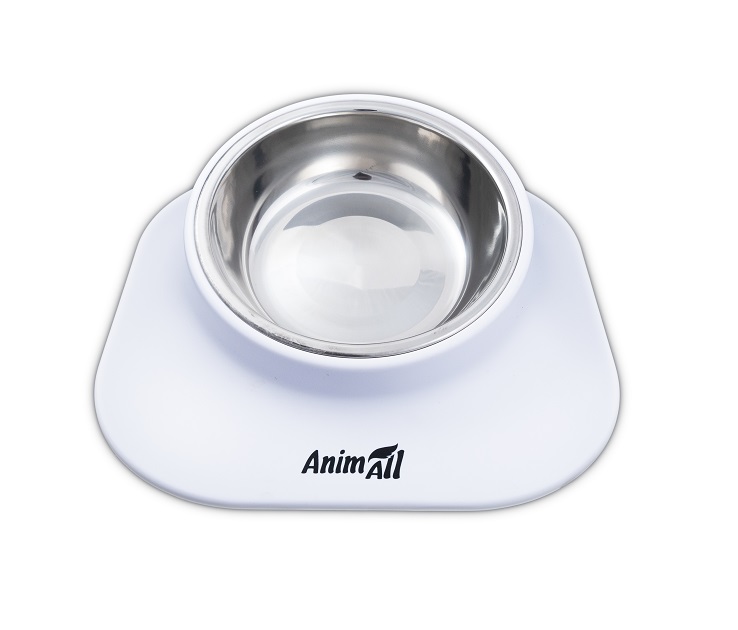
AnimAll — metal bowl on a plastic stand for dogs and cats, 420 ml
Buy
Handmade ceramic bowl for dogs and cats (pink)
Buy
Conclusion
All of this is the path from a tiny blind bundle to a curious, independent, playful kitten. Eye opening, hearing development, first steps and the transition to complementary feeding happen gradually, so the best thing a person can do is provide warmth, cleanliness, calm and timely veterinary help if something goes wrong.