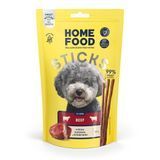
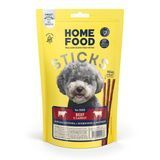
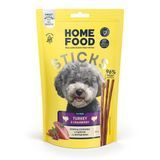
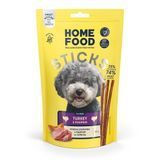
📌 HOME FOOD Blog: Healthy Treats for Dogs: More Than Just a Treat, It’s Care with Meaning
Healthy Treats for Dogs: More Than Just a Treat, It’s Care with Meaning
The first documented "treats" for dogs appeared in Ancient Egypt. Archaeologists found frescoes depicting scenes where the pharaohs' beloved dogs were fed pieces of dried meat—used as a reward or a sign of affection. In Ancient Greece, shepherds prepared special barley and goat fat cakes for their dogs—not just as food, but as a gift for their loyal service.
Treats have been more than just food since ancient times; they were a way to say "thank you" to an animal serving alongside humans in labor, hunting, or protection.
A dog is more than just a pet. It’s a loyal friend, guardian, companion, and a full-fledged family member. Just like every family member, it deserves not only basic care but also small joys—such as treats. But are all treats equally beneficial? And how can you distinguish a healthy treat from a hidden danger?
In this blog, we will explore:
- which treats are truly beneficial for a dog;
- how to choose them based on age, weight, activity level, and even... personality;
- why an excess of "treats" can be harmful;
- and how to turn a simple treat into an element of care, training, and a healthy lifestyle.
Because true love is not just about "giving something tasty" but providing what supports the health, strength, and longevity of your furry friend.
Types of Healthy Treats: Flavor + Benefits in Every Bite
Not all treats are the same—some merely satisfy taste buds, while others support dental health, digestion, or joints. That’s why when choosing, it’s worth paying attention not only to flavor but also to their functional purpose. Here are the main types of healthy treats:
1. Natural Meat Treats
These are dried or dehydrated meats (chicken, beef, turkey, rabbit, duck, fish), free from dyes, salt, or spices. Often single-ingredient.
- Benefits: rich in protein, hypoallergenic, easily digestible.
- Suitable for: training, rewarding, or a snack on the go.
- Options: fillets, "strips," jerky, cubes, spirals, braids.

Dog Treats Braided Fillet and Lungs, 80 g
Buy
Dog Treats Braided Beef Tripe, 80 g
Buy
Dog Treats Meat Spiral, 40 g
Buy
Dog Treats Chicken Fillet, 80 g
Buy
2. Functional Treats with Added Benefits
These are treats enriched with vitamins, minerals, or functional additives:
- For joints—tendons, fish skin, salmon or shrimp meat, or products with added glucosamine, chondroitin.
- For coat and skin—salmon, shrimp, or products with added omega-3, biotin, zinc. For immunity—with probiotics, beta-glucans, spirulina, dietary fibers from carrots, pumpkin, tomato pulp, olives.
- For the urinary system—with cranberries.
- For teeth—special shape and texture that mechanically removes plaque.
These treats are like "healthy bars" in the dog world.

Dog Treats Twisted Sticks from Dried Salmon Skin, 80 g
Buy
Dog Treats Turkey Meat Sticks + Cranberry, 80 g
Buy
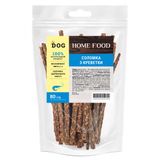
Dog Treats Shrimp Sticks, 80 g
Buy
Dog Treats Turkey Meat Sticks + Olives, 80 g
Buy
3. Training Treats (Small and Quick)
Small, aromatic pieces that don’t distract the dog for long but have a strong scent and high appeal.
- Ideal for: intensive training, repetitions, socialization.
- Tip: opt for low-calorie options if the training session is long.


4. Vegetable and Fruit Snacks
For example, dried sweet potato, pumpkin, carrot, apple, or even banana. Can be standalone or part of mixed snacks.
- Benefits: fiber, natural sweetness, low glycemic index.
- But: not all fruits are safe—grapes, raisins, fruit pits—absolutely not!
5. Dental Sticks and Chew Treats
Have a firm or rough texture that helps remove plaque, massages gums, and reduces bad breath.
- Additionally: may contain natural enzymes or chlorophyll.
- Watch: the size—too small can be dangerous for large breeds.
6. Frozen or Chilled Snacks
Ideal for summer—these can be yogurt cubes, frozen purees, toppings, or special snacks with a cooling effect.
- Benefits: help cool down, great for dogs that overheat quickly.
- Tip: avoid excessive sugar or dairy products without lactose.
How Dog Treats Are Made—and Why the Method Matters?
It’s not just the ingredients but also the preparation technology that determines treat quality. Temperature, processing level, texture—all of this affects flavor, safety, digestibility, and even functionality. Below are three common and highly beneficial preparation methods.
1. Infrared Drying at 40°C: Maximum Benefits, Minimal Loss
This is one of the most gentle technologies, preserving up to 90% of nutrients in natural products. During infrared drying, meat, offal, vegetables, or fruits are slowly dehydrated at low temperatures (around 40–45°C) without harsh heat treatment.
- What it provides: preserves amino acids, natural enzymes, B vitamins, and makes the product easily digestible and aromatic.
- Texture: soft and chewy or elastic, pleasant to chew, especially for dogs with low appetite or sensitive digestion.
- Ideal for: daily snacks, dogs with allergies, or those on a natural diet.


2. Sticks: Natural Structure, Convenient Shape
This type of treat is made from strips (minced meat) using machinery, then dried—often with infrared or hot air methods (up to 60°C).
- Texture: flexible or medium-firm, doesn’t crumble or break. Perfect for training—easy to break into small pieces.
- Benefits: convenience for the owner, low risk of swallowing large chunks. Most commonly used: chicken fillet, beef, turkey, liver, hearts, fish.

Dog Treats Rabbit Meat Sticks, 80 g
Buy
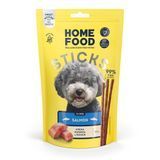
Dog Treats Salmon Sticks, 80 g
Buy
Dog Treats Turkey Meat Sticks + Dried Tomatoes, 80 g
Buy
Dog Treats Turkey Meat Sticks + Pumpkin, 80 g
Buy
3. Processed Bones: Tasty, Safe, and Long-Lasting
These treats are made from real animal bones (often shank bones, neck vertebrae, ribs), which undergo special processing—typically boiling, baking, or slow drying.
- What’s important: in quality treats, bones become non-brittle, don’t form sharp shards, and have a pleasant chewing texture.
- Purpose: satisfies a dog’s natural chewing instinct, cleans teeth, and keeps the pet occupied for a long time.
- Tip: always choose bones based on the dog’s size. For small breeds—only mini-sizes or specially processed cartilage.
The slower a treat is prepared, the more genuine nutrient richness it retains. And the calmer you can be.
4. Dog Biscuits: More Than Just Baking
Dog biscuits are treats baked at low temperatures using natural ingredients: meat, fish, vegetables, dietary fibers, and deep-sea fish oils. They are enriched with:
- Protein—for muscle support in active dogs;
- Calming additives—for example, with valerian, chamomile, 5-HTP, or lemon balm;
- Enzymes and probiotics—for healthy digestion.
These biscuits don’t crumble, have moderate firmness, and are convenient for daily treats. Often used as a "home ritual"—a morning or evening delight.

Protein Biscuits with Turkey for Dogs, 80 g
Buy

How to Choose Treats for Your Dog: Age, Size, Sensitivity, and Activity Matter
Even the healthiest treats may not suit a specific dog if individual needs aren’t considered. The physiology of puppies, adults, and senior dogs differs. The same goes for activity levels, digestive health, allergy tendencies, dental condition, and more.
Recommendations for choosing treats for dogs based on age, size, sensitivity, and lifestyle:
| Dog Category | Treats to Choose | What to Watch For |
|---|---|---|
| Puppies (up to 1 year) | - Soft sticks from chicken, beef, or fish. - Dried cartilage, light snack pieces - Functional treats like tendons, fish skin, with calcium, omega-3 |
- Avoid hard bones - Avoid overly fatty or large portions |
| Active Adults | - Chewy hard treats for teeth - Dried meat (strips, jerky) - Vitamin-enriched snacks for joints, coat - Protein biscuits |
- Monitor calories - Consider training intensity |
| Small Breeds | - Small sticks - Soft pieces - Mini chew sticks |
- Avoid large hard bones - Easy to portion |
| Large Breeds | - Processed large bones - Dried tracheas, tendons, aorta, cartilage - XL dental sticks |
- Consider strong jaws - Avoid small treats easily swallowed whole |
| Senior Dogs (7+) | - Soft functional treats (lungs, heart) - Slowly dried meat - Probiotic snacks - Calming effect biscuits |
- Watch texture (not hard) - Avoid bones |
| Allergies or Sensitive Stomach | - Monoprotein treats (e.g., only rabbit or turkey) - Vegetable or fruit snacks without additives - Probiotic or enzyme-enriched |
- Read the ingredient list thoroughly - Choose treats with a short ingredient list |
| Overweight Dogs | - Light snacks from vegetables or lean meat - Treats with L-carnitine - Low-calorie training biscuits |
- Limit treats to 5–7% of daily diet |
| Indoor (Low-Activity) | - Vegetable snacks - Dried meat with low fat content - Soft treats with fiber |
- Monitor calorie intake - Consider total diet volume |
Remember: treats are a tool, not a food replacement. Give them wisely, with love—and always considering your dog’s specific needs.
When Can Treats Be Harmful?
Even the highest-quality treats can cause issues if they don’t match the dog’s size, age, physiological state, or are given in excess. Below are the main risks to know and control:
1. Size Mismatch with Breed or Age
- Small pieces for large breeds can be swallowed whole without proper chewing, increasing the risk of choking or mechanical irritation of the esophagus.
- Too large or hard treats for small dogs or puppies—risk of tooth cracks or refusal to eat due to discomfort.
Solution: choose treats considering jaw strength, age, weight, and behavioral traits (e.g., does the dog swallow chunks without chewing).
2. Give Only Under Supervision
Even familiar treats can be dangerous if the dog is overly excited or prone to rapid eating.
- Specifically, chew bones or hard snacks can get stuck between teeth or in the back of the mouth.
- In some cases, with excessive haste or excitement, a piece may enter the airway.
Give treats only in a calm environment, monitoring the process—especially if it’s a new product or unfamiliar type for the dog.
3. Excessive Amount—Strain on the Gastrointestinal Tract
- Diarrhea, bloating, stomach pain—typical results of consuming large amounts of treats, especially fatty ones (dried stomach, neck, ears).
- Constipation or intestinal obstruction can occur when combining dry treats with insufficient water—especially with processed bones or tough cartilage.
It’s known that in sensitive dogs, excess protein or fat (especially with low activity) can trigger inflammatory processes in the intestines, including colitis or pancreatitis.
4. Potential Mechanical Hazard
- Bones or hard snacks that break into shards can damage the mucous membranes of the mouth, esophagus, or intestines.
- Too hard treats in dogs with dental issues or seniors can lead to tooth fractures or enamel chips.
Always avoid boiled bones, brittle bone structures (e.g., chicken necks, tubular bones) that easily splinter into sharp fragments.
5. Diet Imbalance
- Daily treat-giving without accounting for calories can increase a dog’s weight, especially in neutered or low-activity dogs.
- Overfeeding vitamin-enriched treats (with minerals, omega acids, vitamins) without vet consultation—risk of hypervitaminosis or mineral imbalance.
Treats are a tool for encouragement, care, and health support, but only when they match physiology, are safe in texture, controlled in quantity, and given under supervision. Excessive treat amounts (over 10-15% of the total diet) are a common reason for vet visits.