Sometimes pet owners face an unpleasant problem — deterioration in the condition of their pet’s skin and coat. The coat may become dull, and dandruff or dry skin may appear. Poor care is not always the cause: even when high-quality grooming products are used, skin and coat problems may still occur, and one possible reason is a lack of Omega-3. In this article, we will help you understand how to choose salmon oil that will truly be beneficial and whether your pet actually needs it.
What is salmon oil and how is it different from “fish oil”?
Salmon oil is a rich source of Omega-3 fatty acids.
It is worth noting that Omega-3 is not a single substance, but an entire group of fatty acids. The long-chain Omega-3 fatty acids EPA (eicosapentaenoic acid) and DHA (docosahexaenoic acid) are especially important for dogs and cats. They help support healthy skin, give the coat a natural shine, and contribute to the normal functioning of other body systems.
Salmon oil should not be confused with fish oil. Fish oil may be produced from different species of fish or blends of them, whereas salmon oil is obtained exclusively from salmon.
EPA and DHA: why they matter
Let’s take a closer look at the functions these fatty acids perform in the body.
EPA helps reduce inflammatory processes. It may be used as a supportive component of comprehensive therapy for dermatitis, allergic reactions, and joint conditions. Fatty acids alone cannot cure arthritis or allergies, but when used together with medications they may help improve the effectiveness of therapy.
DHA is equally important, as it is necessary for the normal development of the brain, vision, and nervous system, especially in young and senior animals.
Both fatty acids support healthy skin and coat, normal cardiovascular function, and the functioning of the immune system.
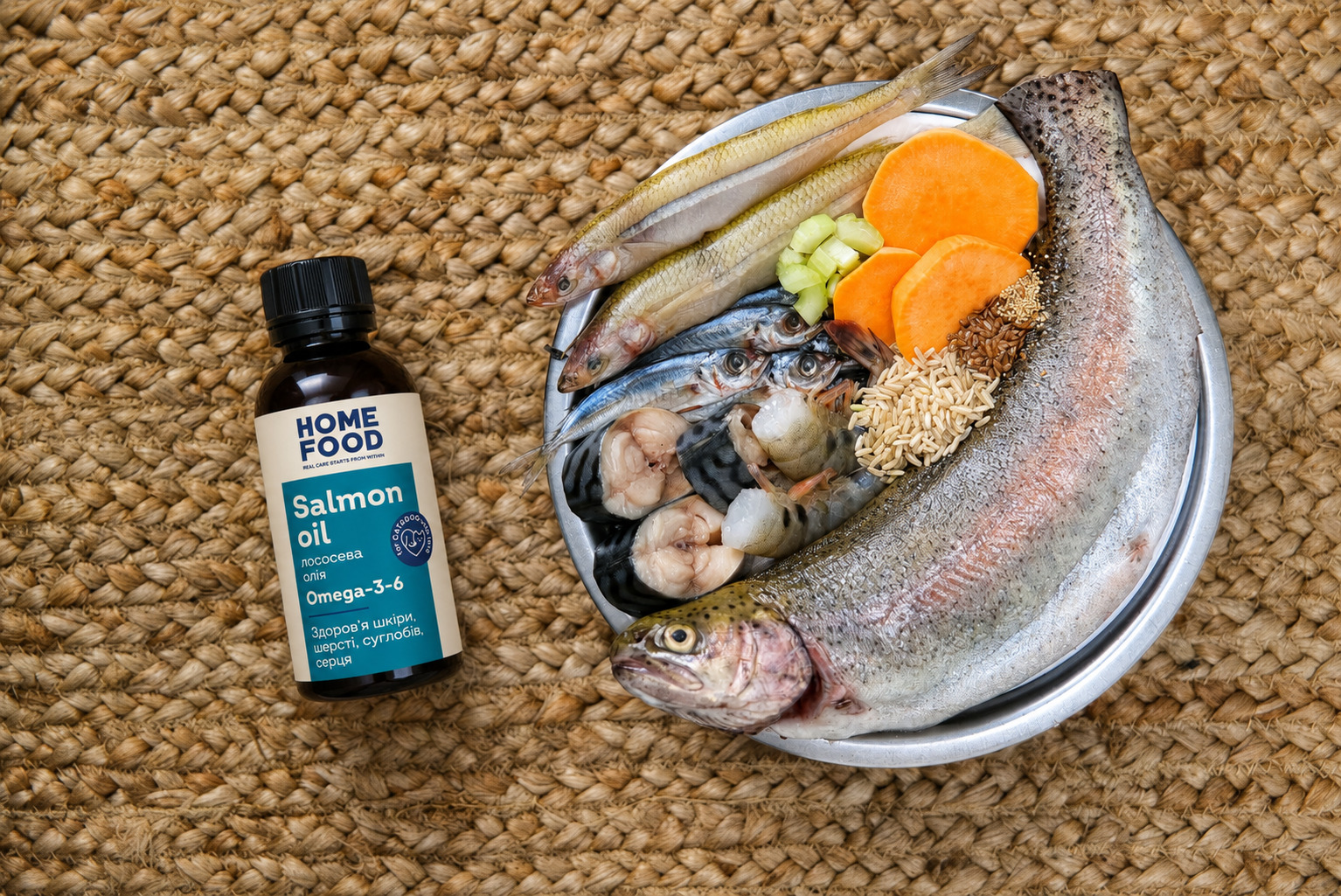
EPA and DHA support healthy skin, coat, heart, and immune system
Why fish-derived Omega-3 rather than plant-based sources
Unfortunately, not all types of Omega-3 are absorbed equally well by animals. Plant sources mainly contain alpha-linolenic acid (ALA), which the body must first convert into EPA and DHA. In dogs this conversion is quite limited, while in cats it is almost nonexistent. That is why sources of long-chain Omega-3 from oily marine fish, including salmon oil, are especially valuable for dogs and cats.
Who especially needs it
In general, salmon oil can be beneficial for almost all animals as part of health maintenance, but let’s look at who may especially benefit from it.
If your pet has skin problems, allergies, dandruff, or a dull coat, salmon oil may help improve the skin barrier and restore a healthier appearance to the coat.
For large-breed and aging dogs, salmon oil is particularly relevant for supporting the musculoskeletal system.
For pregnant and nursing animals, as well as their young — kittens and puppies — this source of Omega-3 can be beneficial for recovery, growth, and development thanks to its high DHA content.
How much is needed
When choosing salmon oil, pay attention to the product’s composition. Focus especially on the amount of EPA/DHA rather than the total fat content. A high-quality product should clearly disclose its fatty acid content.
With Omega-3, the principle of “the more, the better” does not apply. Fatty acids should be present in an optimal ratio to other fats, such as Omega-6. In other words, balance matters more than quantity.
Excessive Omega-3 intake may cause gastrointestinal upset, weight gain due to the high calorie content with long-term overdosing, and even reduced blood clotting.
That is why it is important to choose salmon oil with a good composition and use the correct dosage.

The balance of Omega-3 and Omega-6 matters more than quantity
In food or as a separate supplement
High-quality super-premium or holistic foods already contain a baseline amount of salmon oil suitable for a healthy animal, so there may be no need to add extra Omega-3 without specific indications. However, if an animal has skin and coat problems, joint issues, is going through heavy shedding, or is in a period of recovery or growth, a veterinarian may recommend additional salmon oil.
When it is better not to do this: if your pet’s food is already fairly high in fat, additional oil may lead to diarrhea and weight gain, so consider the total calorie content of the diet, including fats.
How to avoid buying “dead” Omega-3
If stored incorrectly, Omega-3 can lose its beneficial properties. To avoid buying “dead” Omega-3, it is important to understand what can affect it. The main enemies are light, oxygen, and heat.
When fat oxidizes, it loses its properties and oxidation products may form. For this reason, the oil should contain natural antioxidants such as vitamin E (tocopherol), rosemary extract, and similar compounds. These substances protect fat molecules from degradation and help extend shelf life.
To protect the product from light, responsible manufacturers use dark bottles and recommend storing it in a dark, dry place. After opening, the oil should be kept refrigerated with the bottle tightly closed.
High-quality, safe oil should have a pleasant fish aroma. If you notice a rancid smell, heavy sediment, or a change in color, the product should not be used.
HOME FOOD solution
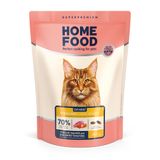
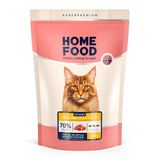
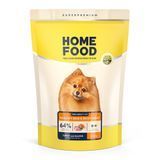
If you are looking for a diet with an optimal Omega-3 content for your pet, we recommend trying HOME FOOD Healthy skin and shiny coat for both cats and dogs. This diet is based on two protein sources — turkey meat and fresh salmon — and provides the body with the necessary levels of Omega-3 and Omega-6 fatty acids, helping improve coat condition and support healthy skin.
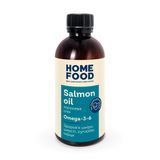
If your pet already has a stable diet but needs additional fatty acids, we recommend trying Home Food “Salmon Oil”, which contains 22% Omega-3 (EPA 8%, DHA 14%) and 14.6% Omega-6, providing an optimal balance for animals.


HOME FOOD dry food for healthy skin and a shiny coat for adult cats Turkey and salmon, 1.6 kg
Buy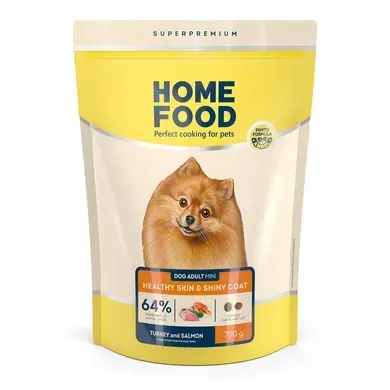
HOME FOOD dry food for healthy skin and a shiny coat for adult small-breed dogs Turkey and salmon, 700 g
Buy
HOME FOOD dry food for healthy skin and a shiny coat for adult medium-breed dogs Turkey and salmon, 1.6 kg
Buy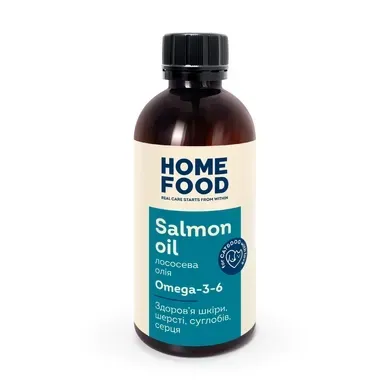
HOME FOOD salmon oil for healthy skin and a shiny coat in dogs and cats, 200 ml
Buy
Frequently asked questions (FAQ)
Why is salmon oil added to pet food?
Salmon oil in pet food is important because it provides EPA and DHA, which cats and dogs cannot produce on their own.
Should it be given separately if it is already in the food?
Healthy animals do not generally need additional salmon oil. If there are specific indications, it may be given separately on a veterinarian’s recommendation.
How much is needed?
The dosage is calculated based on body weight, according to the manufacturer’s instructions or a veterinarian’s recommendation.