📌 HOME FOOD Blog: Basic Hygiene Procedures for Dogs and Cats
Basic Hygiene Procedures for Dogs and Cats
Caring for the health of pets is not only about proper nutrition or timely visits to the vet. Regular care and adherence to hygiene procedures play a crucial role in maintaining their well-being. Cleanliness of fur, ears, teeth, and claws not only affects the animal's appearance but is also a key factor in preventing many diseases. Whether you have an energetic dog or a graceful cat, each species requires specific care tailored to their unique characteristics and needs. In this blog, we will explore the basic hygiene procedures that will help keep your pet healthy, happy, and well-groomed.
How to Train Your Pet for Hygiene Procedures Without Stress — Is It Possible?
It is absolutely possible — if you start correctly, with understanding and patience. Training animals for hygiene procedures is a process that requires time, regularity, and trust. Although owners sometimes face resistance, panic, or aggression from their pets, modern veterinarians, groomers, and breeders assert that almost every animal can get used to care — the key is to choose the right strategy.
Basic training principles:
-
Early Start
Renowned groomer and cynologist Anna Solovyova notes: “The ideal time for training is 2–4 months. During this period, habits are formed regarding touch, tools, and shampoo scents. If presented correctly, a puppy or kitten will perceive procedures as part of a game or care.”
-
Positive Reinforcement
Each procedure should be associated with something pleasant. This could be a treat, praise, or a favorite toy. For example: after cleaning their ears, give a cat a bit of their favorite pate — they will quickly link the action to positivity.
Recommended Products
Treats for Dogs Turkey Meat Sticks + Olives, 80 g
Buy
Treats for Cats Turkey Meat Sticks + Catnip, 40 g
Buy -
Gradual Approach and Short Sessions
You shouldn’t immediately try to clean their teeth or fully bathe the animal. It’s better to break the procedure into stages:
- Day 1: Show the brush or wipe
- Day 2: Touch their face
- Day 3: Start gently wiping
And so on. According to veterinary psychologist Olga Gavriluk: “The animal needs to understand that everything is under control. The slower the pace, the more stable the trust develops.”
-
Familiar Space and Calm Atmosphere
For home procedures, choose a place where the animal feels safe.
Avoid using force or shouting — this reinforces negativity. In complex cases, it’s acceptable to use natural calming supplements.
Recommended Products
Dietary Supplement CBD Oil 2% for Reducing Anxiety and Pain Relax Pro HOME FOOD Expert, 10 ml
Buy
Stressostop Suspension Vitomax for Dogs and Cats, 15 ml
Buy -
Imitation Training
Simulate procedures “dry”:
- Run a brush over their paw without pressure
- Wipe their ear with a wipe without cleaning
- Place shampoo nearby to get used to the scent
This reduces anxiety and increases tolerance.
Breeder’s Opinion
Maine Coon breeder with 15 years of experience, Natalia Bondarenko, shares:
“Even before moving to a new family, kittens go through a ‘socialization program’: brushes, cotton swabs, eye drops, paw cleaning. If you continue this at home, there won’t be any problems at all.”
Advice for Adult Animals
The adaptation process is more challenging for adult dogs and cats but still possible. Use the “control through trust” method:
- Don’t restrain them forcibly
- Speak calmly
- Take a break and reward after each stage
According to veterinarian Ivan Marushchak:
“Animals read their owner’s mood well. If you’re tense, they’ll be on edge. Calmness, stability, and patience — that’s the main weapon.”
Training for hygiene is not a one-time action but a gradual process. The more positive experiences an animal gains in childhood, the easier care will be in adulthood. And most importantly — no groomer can work miracles if there’s no trust between you and your furry friend at home.
Dog Hygiene: Individual Approach — The Key to Health
In the world of dogs — just like among humans — there are no universal solutions. The frequency and specifics of hygiene care depend on many factors: breed, age, physiological condition, and the animal’s temperament. For example, a fluffy Spitz needs regular brushing, while a smooth-coated Pug requires more frequent care for skin folds and eyes. The table below will help you navigate which procedures, when, and where are best conducted to keep your four-legged friend in excellent condition.
Hygiene Procedures for Dogs
| Procedure | Frequency | Where Conducted | Age-Specific Features | Breed-Specific Features | Gender-Specific Features | Emotional State |
|---|---|---|---|---|---|---|
| Bathing | 1 time every 1–3 months | Home / Salon | From 2–3 months gradually | Long-haired — more often | No difference | Avoid during severe stress |
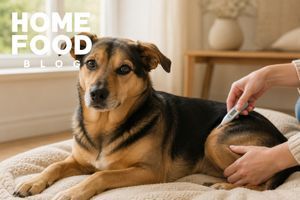
| Brushing Fur | 2–7 times a week | Home | From 1–1.5 months | Fluffy — daily | No difference | Start with short sessions |
| Ear Cleaning | 1 time every 2–4 weeks | Home / Clinic | From 2 months | Long-eared — more thoroughly | No difference | Important to form a habit from childhood |
| Claw Trimming | 1 time every 3–4 weeks | Home / Clinic | From 2–3 months | Less active — more often | With females during pregnancy, be cautious | With aggression — only with restraint or at a clinic |
| Teeth Cleaning | 2–3 times a week | Home / Clinic | From 3 months | Small breeds — more often | No difference | Gradually train through play |
| Anal Gland Hygiene | As needed (1 time every 1–6 months) | Clinic / Grooming Salon | From 6 months | Small breeds — prone | No difference | Only in a calm state |
| Eye Care | As needed / 1–2 times a week | Home | From 1 month | Flat-faced breeds (Pugs, Bulldogs) — daily | No difference | Very gently, with trust-building |

Cat Hygiene: Cleanliness is Second Nature, But with Nuances
Although cats are naturally extremely clean, veterinary practice proves that even these “self-care champions” need human assistance. This is especially true for long-haired breeds, kittens, elderly, or sick animals. A well-structured hygiene regimen not only maintains the beauty of their fur and cleanliness of their ears but also prevents serious diseases. The table below is a handy guide for owners, allowing you to adapt care to the specific needs of your pet.
Hygiene Procedures for Cats
| Procedure | Frequency | Where Conducted | Age-Specific Features | Breed-Specific Features | Gender-Specific Features | Emotional State |
|---|---|---|---|---|---|---|
| Bathing | As needed (1–2 times a year or more) | Home / Salon | From 3 months gradually | Sphynx, long-haired — more often | No difference | Avoid during stress, adapt gradually |
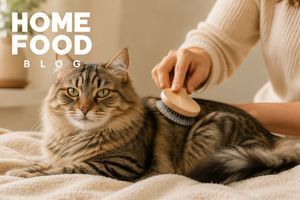
| Brushing Fur | 2–7 times a week | Home | From 1 month | Persians, Maine Coons — daily | No difference | Short sessions, during calm times |
| Ear Cleaning | 1 time every 3–4 weeks | Home / Clinic | From 2 months | Sphynx — more often | No difference | Gradual training |
| Claw Trimming | 1 time every 3–4 weeks | Home / Clinic | From 2 months | Indoor cats — regularly | No difference | In case of fear — professional help |
| Teeth Cleaning | 1–2 times a week | Home / Clinic | From 3 months | Small breeds — more vulnerable | No difference | Train with a playful method |
| Eye Hygiene | As needed / 1–2 times a week | Home | From the first weeks of life | Exotics, British — more often | No difference | Requires gentleness and calmness |
| Cleaning Under the Tail (Especially for Fluffy Cats) | As needed | Home / Clinic | From 1 month | Long-haired — essential | No difference | Avoid forceful restraint |

Shampoo "Perfect Care" for Dogs and Cats Total Care HOME FOOD Beauty, 200 ml
Buy
Conditioner "Silky Touch" for Dogs and Cats Silky Touch HOME FOOD Beauty, 200 ml
Buy
Set for Dogs and Cats HOME FOOD Beauty: Shampoo "Perfect Care" 200 ml + Conditioner "Silky Touch" 200 ml
Buy
ProbioDay - Brush for Bathing and Massaging Pets 80 ml; 8*8.5*5 cm
Buy
Foam for Cleaning Paws and Fur of Dogs and Cats with Probiotics ProbioDay, 80 ml
Buy
Balm for Paws of Dogs and Cats Espree Paw Balm, 44 ml
Buy
How to Properly Care for Your Pet’s Eyes, Ears, and Claws — and Why It’s Important?
After determining the basic hygiene principles and methods for training animals to procedures, it’s time to explore three key care areas — eyes, ears, and claws. These areas often require regular attention, and they are linked to common issues that can be easily prevented with simple daily actions.
Eyes: Care and Prevention of Problems
Healthy eyes in a dog or cat are clean, clear, without tear streaks, pus, or colored discharge. Exceptions include brachycephalic breeds (Pugs, Persians, Pekingese) and animals with excessive skin folds (Shar Peis): due to their anatomy, tear staining is a common occurrence.
Normal: Small transparent discharges after sleep.
Worrying Signs: Yellow, green, bloody discharges, eyelid sticking, redness — signs of conjunctivitis, allergies, or infections.

Solution for Cleaning the Muzzle of Dogs and Cats from Tear Stains Tropiclean Spa, 236 ml
Buy
Lotion for Eye Hygiene of Dogs and Cats with Probiotics ProbioDay, 50 ml
Buy
Trixie Wipes for Eye Care of Dogs and Cats, 30 pcs
Buy
Trixie Lotion for Eye Care of Dogs and Cats, 50 ml
Buy
Prevention:
- Wipe eyelids with special veterinary lotions.
- Use separate cotton pads for each eye.
- Keep bedding clean and avoid drafts.
- For white breeds — use protective creams or petroleum jelly under the eyes to prevent fur staining.
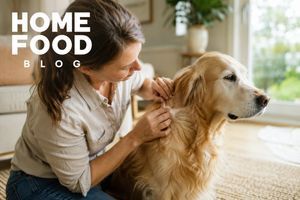
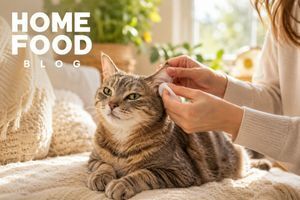
Ears: Hygiene Without Harm
According to veterinarians, up to 90% of ear problems arise due to improper hygiene. The remaining 10% are a result of anatomical features or pathologies.
How to Care:
- Use special lotions or ear wipes.
- Clean only the outer part of the ear and the entrance to the ear canal.
- Don’t insert cotton swabs deeply — this can cause pain.
Tip: During bathing, insert cotton tampons into the ears to avoid water ingress.
Signs of Inflammation (Otitis): Head shaking, ear scratching, unpleasant odor, colored discharges.
In such cases — see a vet immediately.
Additionally: Some breeds (e.g., Poodles, Bichons) may need hair removal from the ear canal — it’s best to entrust this to a groomer or vet.

Espree Ear Care Wipes for Dogs, 60 pcs
Buy
ProVET SaniPet Lotion for Ear Care of Cats and Dogs, 300 ml
Buy
Trixie Lotion for Ear Care of Dogs and Cats, 50 ml
Buy
ProVET SaniPet Lotion for Ear Care of Cats and Dogs, 30 ml
Buy
Claws: Trimming Without Stress or Harm
Normally, an animal’s claws should not impede movement, curl, or dig into the paw pads.
This is especially important for indoor cats, decorative dogs, and animals with low physical activity.
Trim only the part of the claw where there is no blood vessel.
- In light claws, it’s pink and transparent.
- In dark claws — trim no more than 1/3 of the length.
Tip: Don’t forget the dewclaw — it grows faster.
For Best Results: After trimming, polish the claw edge with a grinder — this reduces the risk of splitting.

Trixie Claw Scissors Luxe - Nail Clipper with Adjustable Stop Small 12 cm
Buy
Trixie - Nail Clipper for Dogs and Cats Large, 13 cm
Buy
Pet hygiene is not just about cleanliness but primarily about health, longevity, and comfort for your furry friend. Regular care procedures for fur, eyes, ears, and claws prevent dozens of diseases and allow you to notice early warning signs in time.
Remember: the earlier you start training your animal for a hygiene routine, the calmer and easier it will be for both of you. All you need is a bit of patience, tenderness, and consistency. Animals sense your attitude keenly — and your care will surely be returned with trust, calmness, and loyalty.
Let each procedure become not a duty but another opportunity to spend time together and strengthen your bond. After all, it’s in these daily little moments that true love is born — the kind that heals without medicine.