📌 HOME FOOD Blog: tips on care, health and nutrition for cats and dogs. 🩺 Relevant articles for caring pet owners ❤️
Diarrhea in cats: symptoms, causes, warning signs, diagnosis and safe digestive support

Diarrhea in a cat is not just a temporary discomfort, but a signal from the body about possible disorders in the digestive system or general health condition.
Changes in stool consistency may be the result of stress, dietary errors, or a symptom of more serious diseases that require the attention of a veterinary doctor.
It is important for an owner to notice the problem in time, correctly assess the accompanying symptoms, and know which actions will help safely stabilize the animal’s condition. In this article, we will examine the main causes of diarrhea in cats, warning signs, as well as ways to support digestion without risk to your pet.
Causes of diarrhea in cats depending on age
Diarrhea in cats can occur at any stage of life, however the causes and risks differ significantly in kittens, adult and elderly animals. The age of the cat is an important diagnostic factor that helps to understand the origin of the problem more quickly.
| Age of the cat | Cause | When diarrhea appears | Characteristic signs | What the owner should do |
|---|---|---|---|---|
| Kittens up to 6 months | Abrupt introduction of food | 6–24 hours after a diet change | Loose stools without a strong odor, appetite preserved | Return to the previous food, introduce the new one gradually |
| Overeating, cow’s milk | Within a few hours | Watery diarrhea, bloating | Remove the irritating product, ensure access to water | |
| Parasites: worms, coccidia | Gradually, over the course of days | Diarrhea with mucus, poor weight gain, dull coat | Consult a veterinarian for diagnosis and deworming | |
| Infectious diseases | Suddenly | Severe diarrhea with blood, lethargy, vomiting, fever | Immediately to a veterinary clinic | |
| 6 months–7 years | Change of food or poor-quality food | 1–2 days after the change | Diarrhea without general deterioration of condition | Temporary diet, observation |
| Poisoning | From a few hours to a day | Diarrhea, vomiting, drooling, lethargy | Seek veterinary attention immediately | |
| Infections and parasites | Gradually or acutely | Diarrhea with mucus or blood, decreased appetite | Laboratory diagnostics and treatment | |
| Stress | Within 1–3 days after the event | Short-term diarrhea, normal general condition | Eliminate the stress factor, monitor | |
| Senior cats 7+ years | Chronic gastrointestinal diseases | Gradually | Prolonged diarrhea, weight loss | Mandatory examination |
| Liver, kidney, pancreatic diseases | Gradually | Diarrhea, lethargy, change in appetite | Immediate veterinary consultation | |
| New foods or supplements | 1–2 days | Diarrhea without sharp deterioration of condition | Discontinuation of the new product | |
| Oncological processes | Slowly, progressing | Chronic diarrhea, blood in stool, weight loss | Urgent diagnostics |
- Diarrhea in kittens and elderly cats is always more dangerous than in healthy adult animals.
- If diarrhea lasts more than 24–48 hours, is accompanied by vomiting, blood in the stool, or lethargy, self-treatment is unacceptable.
- Timely consultation with a veterinarian significantly increases the chances of a quick and safe recovery.
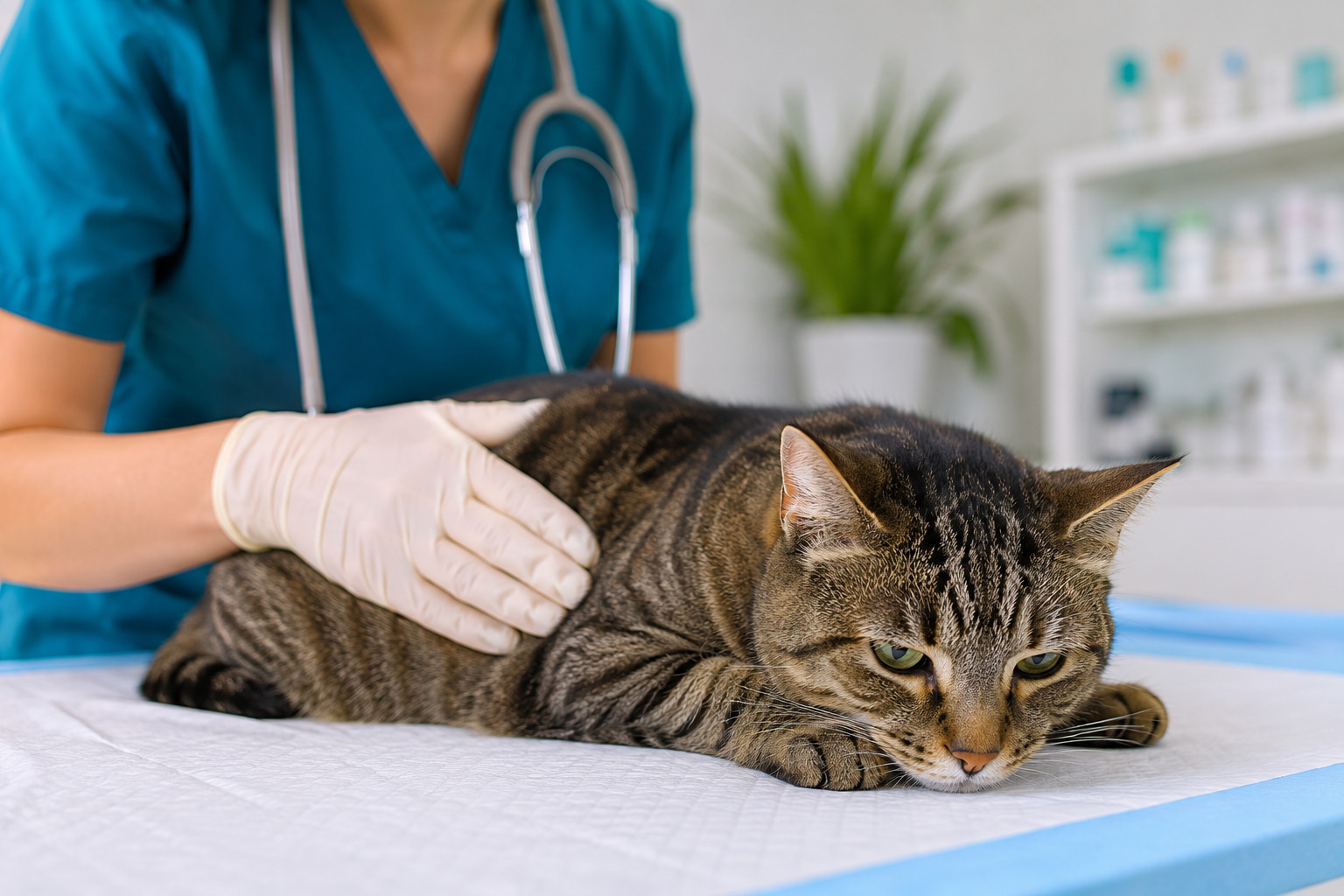

Diarrhea in a cat is a symptom, not a diagnosis: it is important to assess the age, condition, and accompanying signs
Typical owner mistakes
When a cat develops diarrhea, the desire to help quickly is completely natural. At the same time, it is precisely at this moment that owners sometimes take actions that may not help, but instead cause harm.
Water, veterinary sorbents, probiotics, enzymes and hepatoprotectors specifically designed for animals can be the right and beneficial steps if used as indicated. But there are things that should not be done.
Human anti-diarrhea medications
Loperamide, imodium and similar remedies are not intended for cats. They suppress peristalsis, retain toxins and bacteria inside the body, and can cause severe adverse reactions.
Cleansing enemas
The intestinal mucosa in cats is very delicate. Enemas can cause pain, rectal injuries, and disruption of water-electrolyte balance.
Attempts to flush the stomach at home
Inducing vomiting can lead to aspiration, esophageal damage, and a sharp deterioration in condition. Even when poisoning is suspected, such actions should only be performed by a veterinarian.
Prolonged fasting
Cats tolerate hunger poorly. After just 24–48 hours without food, hepatic lipidosis may begin. A short diet of easily digestible food is acceptable, but a complete refusal of food for several days is dangerous.
Ignoring age and condition
The same action may be safe for an adult cat, but critical for a kitten, an elderly animal, or a cat with chronic diseases.
Waiting for it to pass on its own
Blood or black stool, vomiting, lethargy, dehydration, or diarrhea lasting more than 1–2 days — these are reasons to consult a veterinarian.
Diarrhea is a protective reaction of the body. It does not always need to simply be “stopped,” especially without determining the cause.

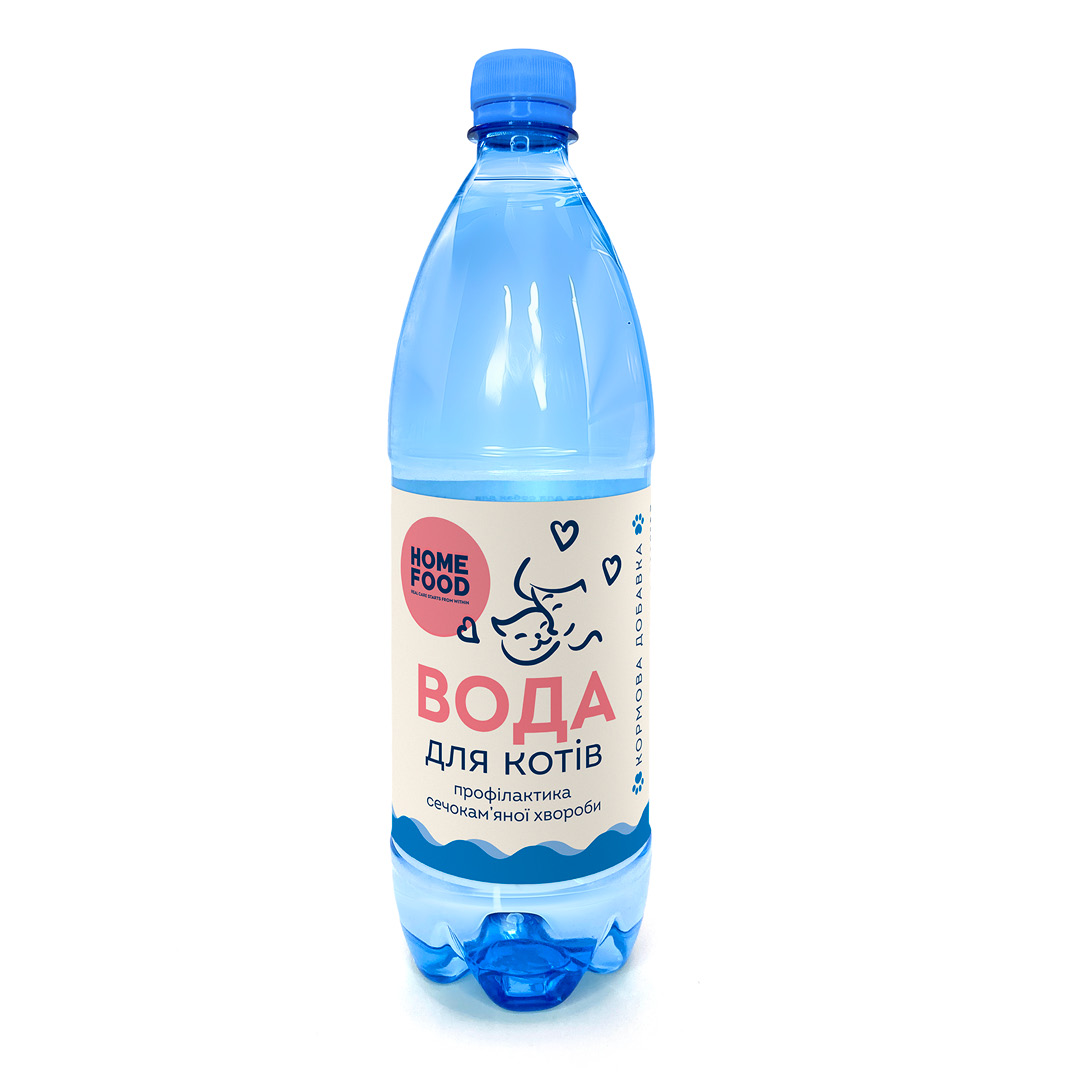
Drinking water HOME FOOD for cats for the prevention of urolithiasis, 1 l
Buy
Feed supplement from humic acids Detox Pro HOME FOOD Expert, 30 ml
Buy
Why special foods help with gastrointestinal disorders
When a cat experiences digestive disorders, nutrition becomes a key factor in recovery. Extruded foods for cats with sensitive digestion are designed not simply as a light diet, but as a tool for restoring the function of the gastrointestinal tract.
What extrusion provides
- proteins become easier to digest;
- starch becomes more accessible to enzymes;
- the load on the intestines is reduced;
- food is absorbed faster and more evenly.
Prebiotics and probiotics
One of the main causes of diarrhea is an imbalance of intestinal microflora. Prebiotics, in particular MOS, inulin, plant fibers, psyllium and beta-glucans, create a nutrient environment for beneficial bacteria, help improve stool consistency and reduce gas formation.
Thermostable probiotics retain their activity after processing, activate directly in the cat’s intestines, and help restore the microflora balance more quickly. Unlike random supplements, the probiotic included in the food is delivered regularly, works gently, and does not overload the gastrointestinal tract.
The main advantage of a specialized diet is that it does not mask symptoms but supports the physiological recovery of the intestines.

Feed supplement probiotic and enzymes ImmunoBiotic Pro HOME FOOD Expert, 20 g
Buy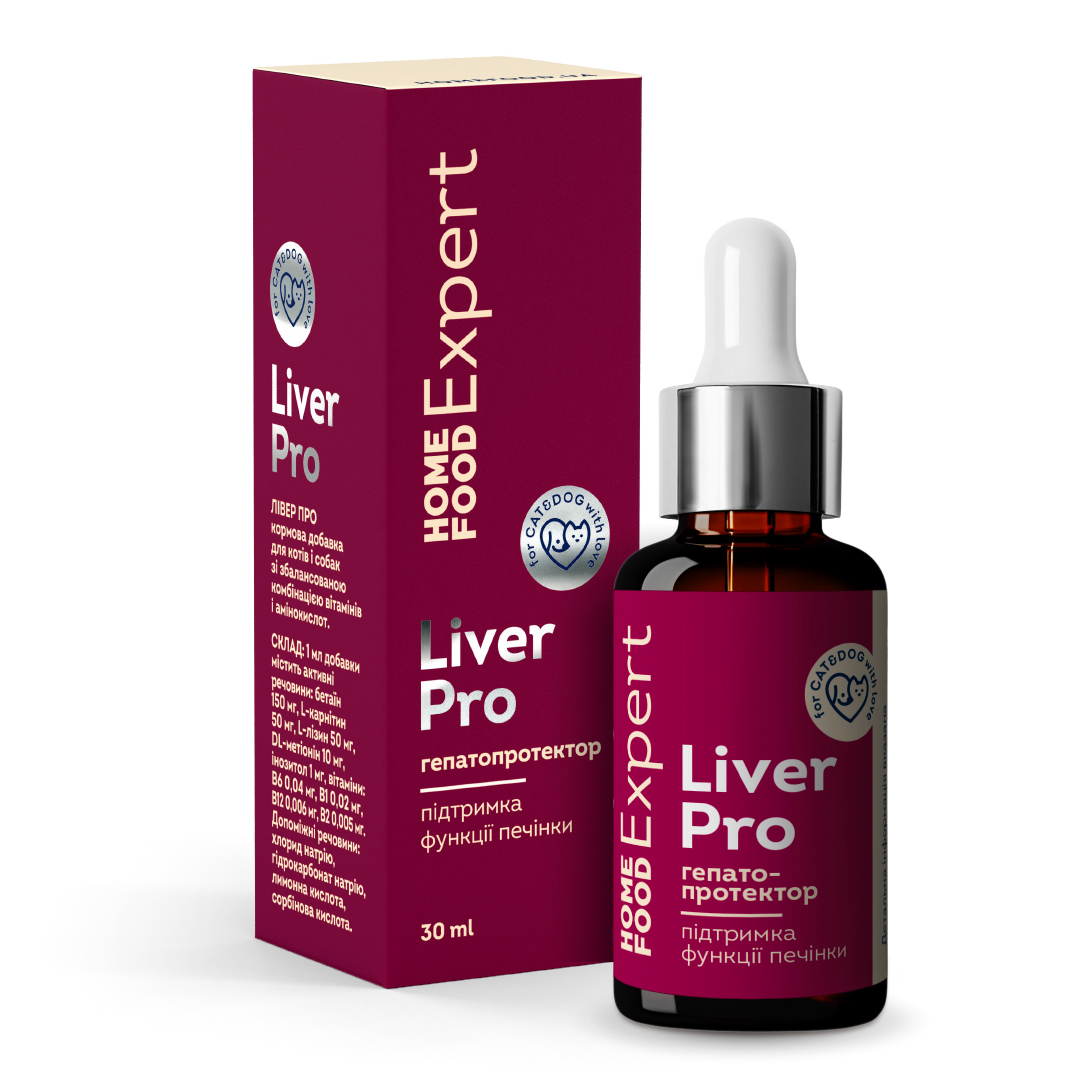
Feed supplement with vitamins and amino acids Liver Pro HOME FOOD Expert, 30 ml
Buy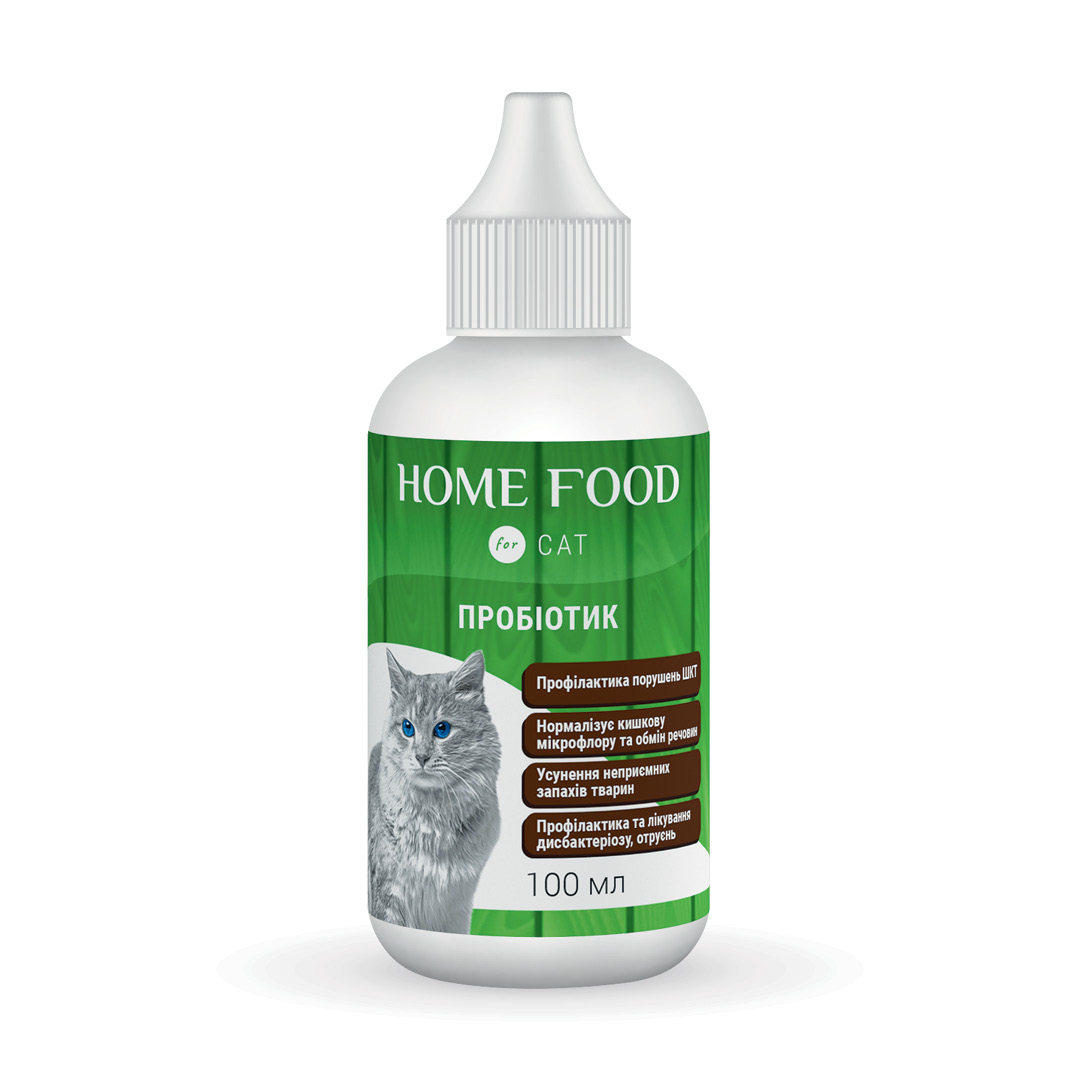
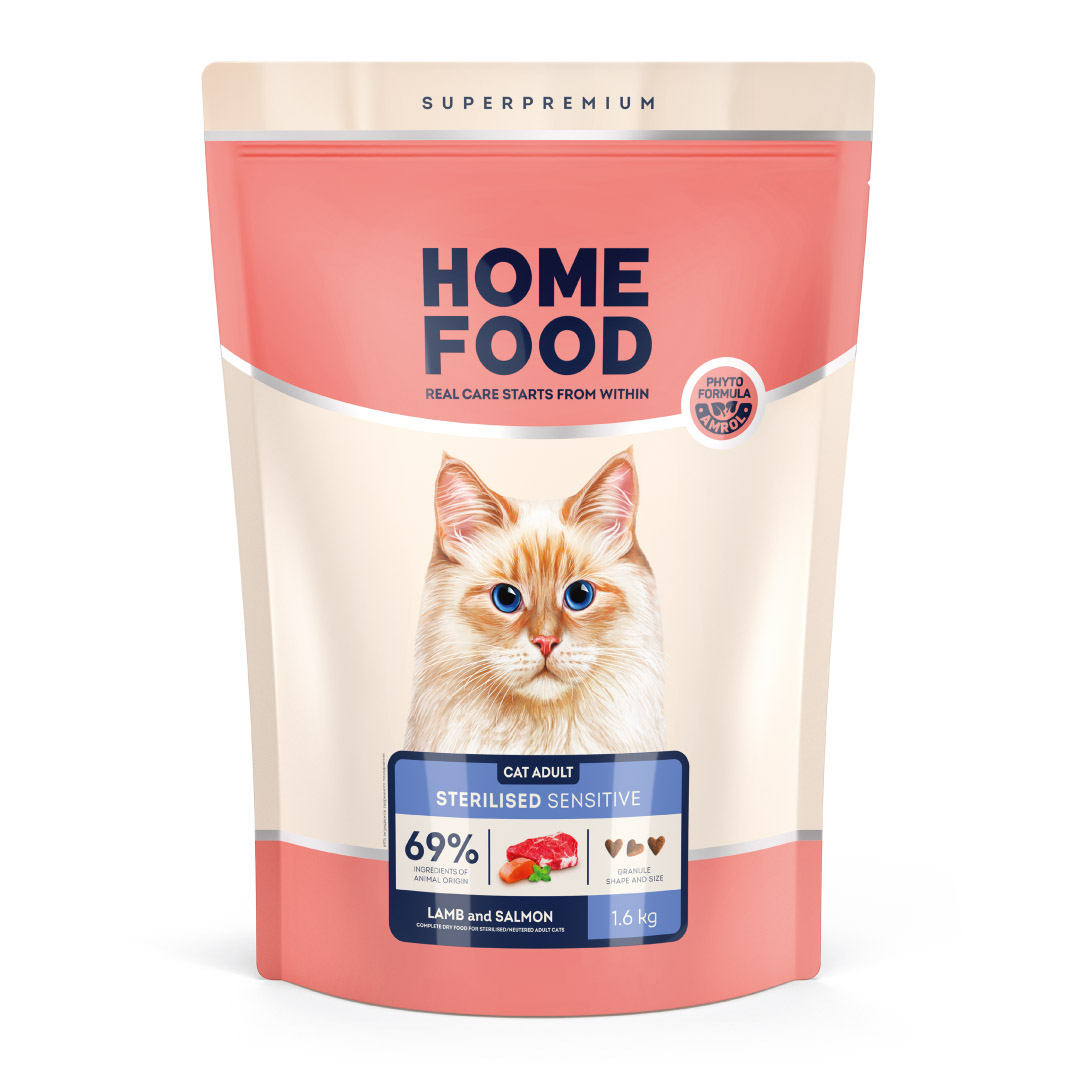
Dry food HOME FOOD for sterilized cats with sensitive digestion Lamb and salmon, 1.6 kg
Buy
When food for sensitive digestion is especially beneficial
- for acute and chronic gastrointestinal disorders;
- after antibiotic therapy;
- during periods of stress;
- for kittens and senior cats;
- for cats with periodically soft stool.
Extruded food for cats with sensitive digestion is not simply gentle nutrition, but a scientifically grounded approach to intestinal health. Thanks to the combination of prebiotics and thermostable probiotics, such foods help support the cat where it is needed most — from the inside.
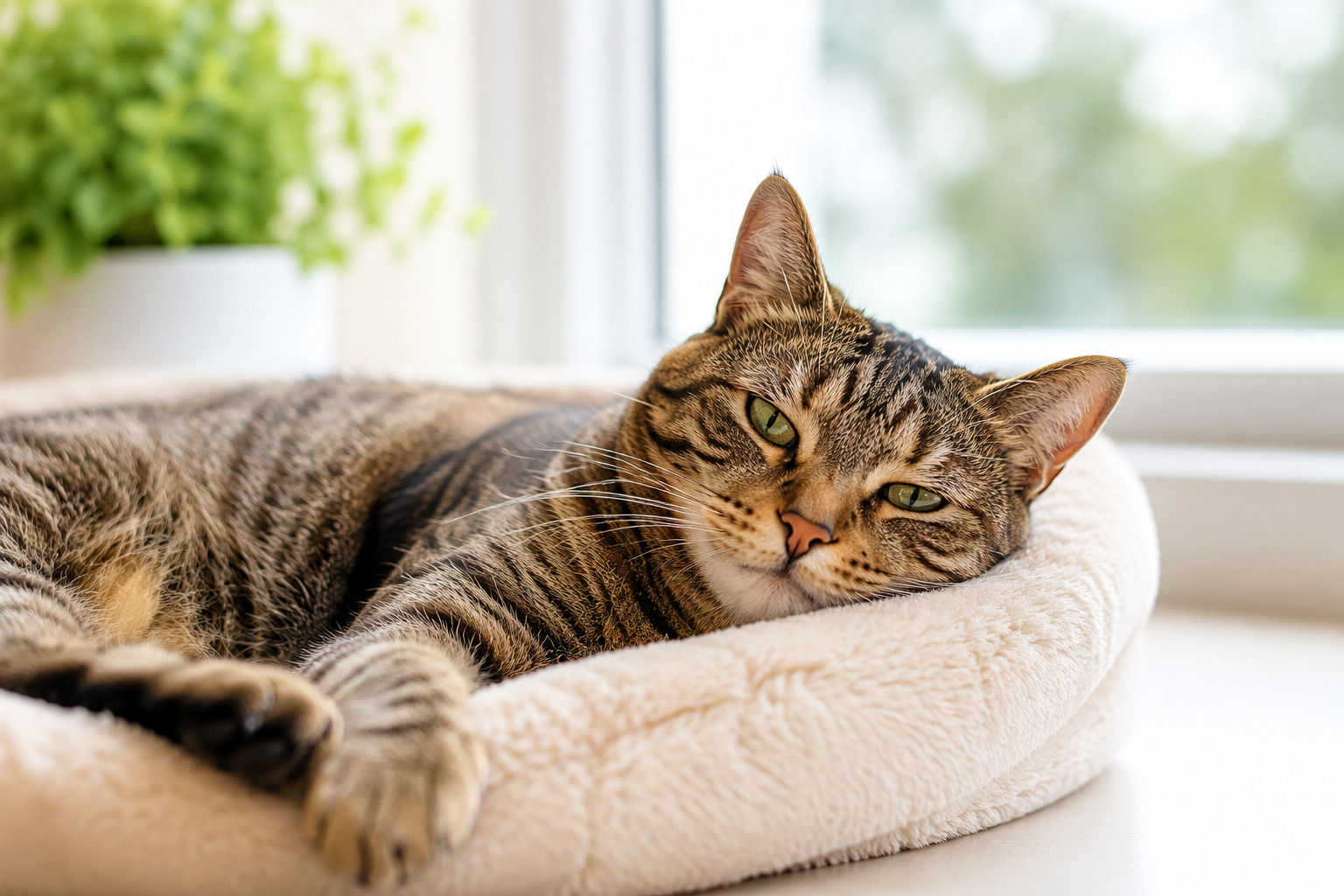
Proper digestive support is not about rushing, but about water, calm, diet, and timely diagnostics
What examinations are needed at a veterinary clinic
Diarrhea in a cat is a symptom, not a diagnosis. If the disorder persists, recurs, or is accompanied by a deterioration in general condition, veterinary diagnostics becomes the key step toward effective and safe treatment.
- Coprological examination. Helps detect worm eggs, protozoa, mucus, blood, signs of inflammation, or digestive disorders.
- Tests for protozoa. Required for Giardia, Tritrichomonas foetus, and other intestinal protozoa.
- Complete blood count. Provides information about inflammation, anemia, dehydration, and the overall state of the immune system.
- Biochemical blood analysis. Evaluates the function of the liver, kidneys, pancreas, and electrolyte balance.
- Feline pancreatic lipase immunoreactivity (fPLI) test. Helps diagnose acute or chronic pancreatitis.
- Rapid tests for viral infections. Especially important for kittens and unvaccinated animals.
- Abdominal ultrasound. Allows assessment of the intestines, liver, spleen, pancreas, foreign bodies, or neoplasms.
- Additional diagnostics. PCR of feces, bacteriological culture, endoscopy, or biopsy are used when clinically necessary.
Not every case of diarrhea requires a full diagnostic workup, but ignoring diagnostics in prolonged or severe cases is one of the main causes of chronic gastrointestinal problems.
Conclusion
Timely tests save time, reduce costs spent on ineffective treatment, and, most importantly, preserve the health and quality of life of your cat.
Love for your pet is not only about care at home, but also about trusting veterinary medicine when it is truly needed.