📌 HOME FOOD Blog: tips on care, health, and nutrition for cats and dogs. 🩺 Up-to-date articles for caring pet owners ❤️
Rabies vaccination for dogs: when to vaccinate, how to prepare the animal properly, when vaccination is temporarily postponed, and why this protection is mandatory not only for the dog but also for the people nearby

Rabies is one of the most dangerous diseases in the world. It is a real threat not only to an animal’s life, but also to humans.
That is why rabies vaccination for dogs is not a recommendation, but the duty of a responsible owner. It is important to know when, why, and how this vaccination should be given.
Today we will look at what rabies is, how it is transmitted, when to vaccinate puppies and adult dogs, how to prepare for vaccination, and in which cases it is temporarily postponed.
What rabies is and how it is transmitted
Rabies is a viral disease that affects the nervous system of animals and humans. After clinical symptoms appear, it is almost always fatal. The virus is transmitted through the saliva of an infected animal, most often through a bite, scratch, or infected material getting onto mucous membranes.
Infection can occur not only from wild animals such as foxes, raccoons, or bats, but also from a domestic dog if it previously had contact with a virus carrier. That is why vaccination remains the only reliable method of prevention.
- Rabies is dangerous for both animals and people, so prevention matters for the whole family.
- After symptoms develop, there is no effective treatment for rabies.
- A bite from even an apparently healthy animal must not be ignored if its vaccination status is unknown.
Why rabies vaccination is vital
There is no treatment for rabies. No antibiotic or other medication will stop the disease if the animal is already infected. The disease develops rapidly, the symptoms are severe — aggression, drooling, paralysis — and, unfortunately, it ends in death.
In addition, rabies is a zoonosis, meaning it can be transmitted from animals to humans. This means that vaccinating your dog protects not only the dog, but also you and everyone who comes into contact with the animal.


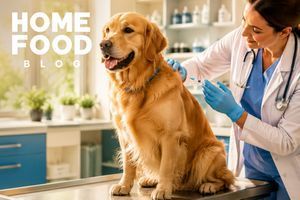
Rabies vaccination protects not only the dog: this is one of those cases where prevention is directly connected with the safety of the people around the animal
When to vaccinate a dog against rabies
Rabies vaccination is given starting at 3 months of age. If the animal was not vaccinated on time, vaccination can be done later, but preferably before any contact with other animals or travel outside the city or country.
The next vaccination is given one year later. After that, revaccination is performed annually according to the schedule.
| Stage | When it is done | What is important to consider |
|---|---|---|
| First vaccination | Around 12 weeks (3 months) | Until then, the puppy is not yet protected against rabies and needs limited contact |
| Formation of immunity | Within 2–3 weeks after vaccination | During this period, the puppy is not yet considered fully protected |
| Revaccination | One year after the first vaccination | It is advisable to do it in the same period of the year without delaying the timing |
| Further vaccinations | Every year | Missing revaccination can lead to the loss of the animal’s official vaccinated status |
First rabies vaccination for puppies
Puppies are vaccinated against rabies at about 12 weeks. If they have already received combination vaccinations against other infections, rabies vaccination is often added as a separate injection.
It is important to remember that immunity forms approximately 2–3 weeks after the first vaccination. Until then, the puppy is not considered fully protected, so it is better to limit contact with other animals and potentially dangerous environments.
Annual revaccination of adult dogs
Rabies vaccination does not last for life. Annual revaccination is needed to maintain reliable immunity. If the first vaccination was, for example, in July, the next one should preferably be given in July of the following year. It should not be delayed, because with a long gap a veterinarian may consider the animal unvaccinated.

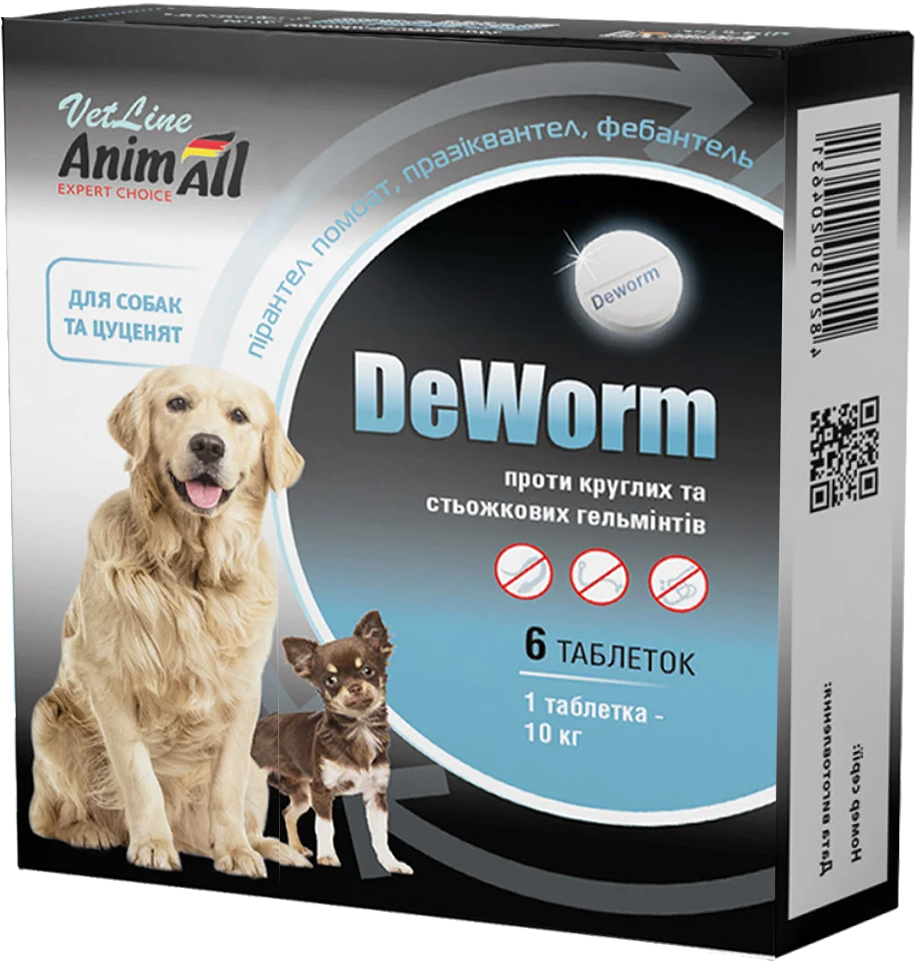
AnimAll VetLine DeWorm — anthelmintic product for dogs and puppies
Buy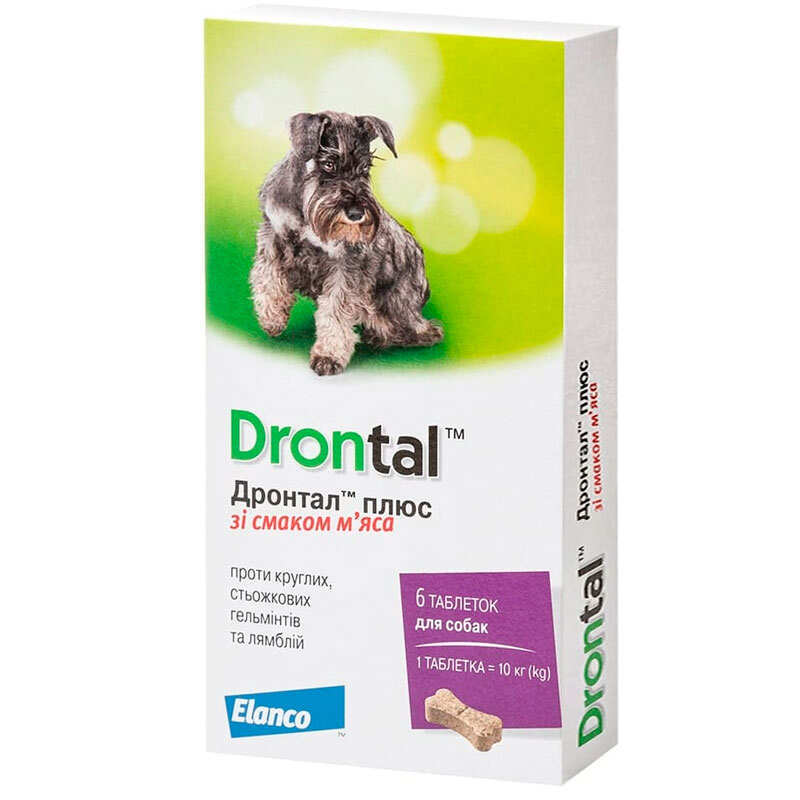
Elanco Drontal — Drontal anthelmintic tablet for dogs
Buy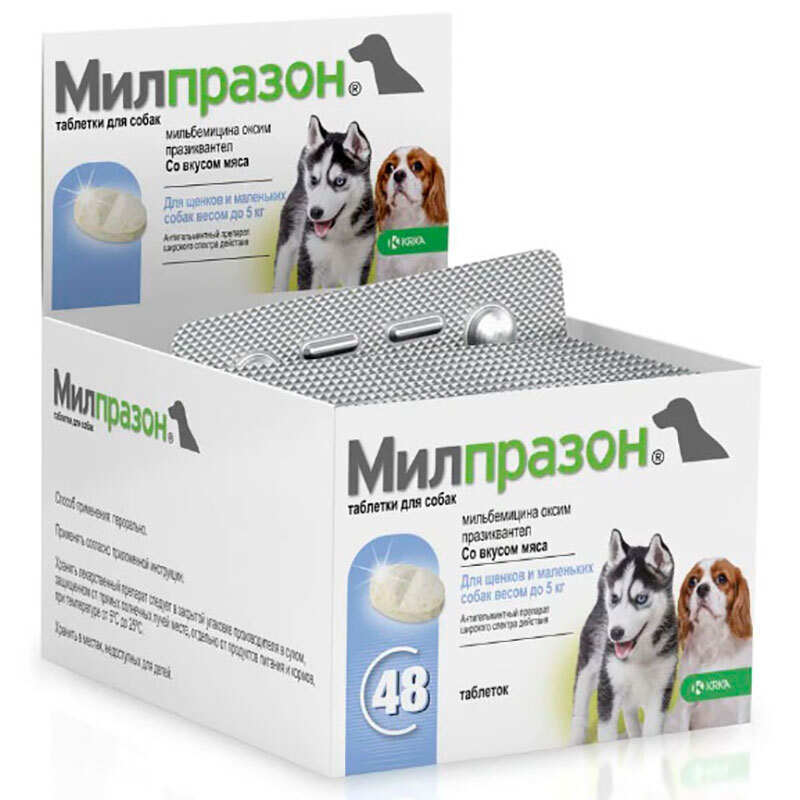
KRKA Milprazon — anthelmintic tablets for dogs weighing up to 5 kg
Buy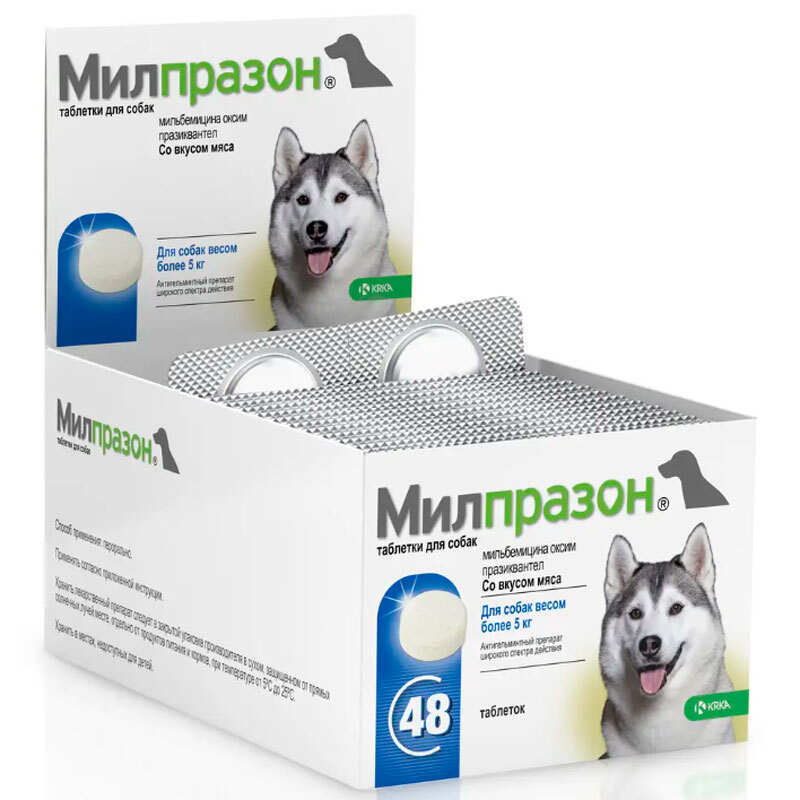
KRKA Milprazon — anthelmintic tablets for dogs weighing over 5 kg
Buy
Preparing for rabies vaccination
To ensure vaccination goes without complications, it is best to prepare the dog in advance. The most important rule is that only a clinically healthy animal should be vaccinated.
Deworm 7–10 days in advance
Before vaccination, the dog is given a deworming product because parasites can weaken the immune response to vaccination.
Make sure the animal is healthy
Vaccination is not given if there is weakness, fever, diarrhea, cough, or nasal discharge.
Consult a veterinarian if needed
In some cases, before vaccination the doctor may recommend an examination or even blood tests.
Give the dog rest on the day of vaccination
Do not overload the dog physically, do not bathe it, and do not change its diet so as not to create additional stress.
- The main condition before vaccination is that the dog must be clinically healthy.
- Deworming before vaccination is not a formality, but part of proper preparation.
- If there are doubts about the animal’s wellbeing, it is better to have an examination first and vaccinate afterward.
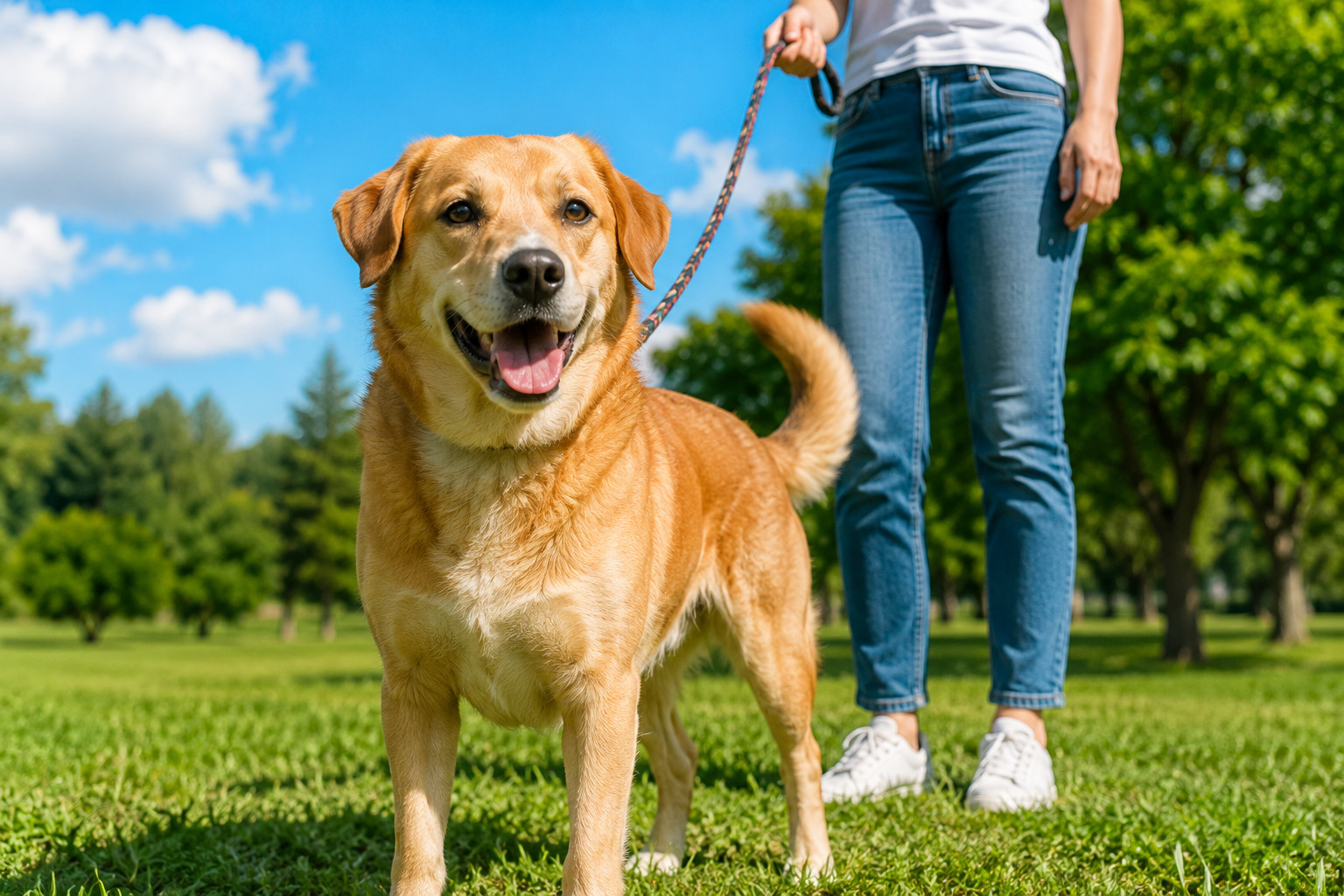
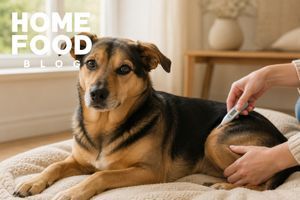
Proper preparation for vaccination does not begin in the doctor’s office, but several days before the visit: with the animal’s healthy condition, deworming, and a calm routine
Contraindications to vaccination
There are situations when rabies vaccination is temporarily postponed or canceled. In such cases, the plan should always be agreed individually with a veterinarian.
- Acute diseases or active infections.
- A severe allergic reaction to a previous vaccine.
- Exhaustion, anemia, recovery after surgery.
- Pregnancy in a dog.
In each of these cases, the doctor assesses the risks separately. Sometimes vaccination is simply postponed until the condition stabilizes, and sometimes the entire vaccination schedule is reviewed.
Mandatory rabies vaccination in Ukraine
Every animal owner is responsible for their pet’s health, so regular vaccination of domestic cats and dogs against rabies is mandatory. This vaccination protects the animal each year from a deadly virus and also performs an important public function.
Vaccination is possible from 12 weeks of age, but in Ukraine the importance of identifying the animal by microchipping is emphasized separately before vaccination. Identification must be done before rabies vaccination, and both procedures must be recorded in the official veterinary and sanitary passport.
According to current practice, vaccination is also mandatory when traveling abroad, participating in hunting, and in other situations where official confirmation of vaccination status is required. The source text also notes that the vaccine is available in all regions of Ukraine and that vaccination should be performed by a veterinarian.

AnimAll VetLine DeWorm Ultra — anthelmintic product for dogs and puppies up to 5 kg
Buy
AnimAll VetLine DeWorm Ultra — anthelmintic product for dogs from 5 kg
Buy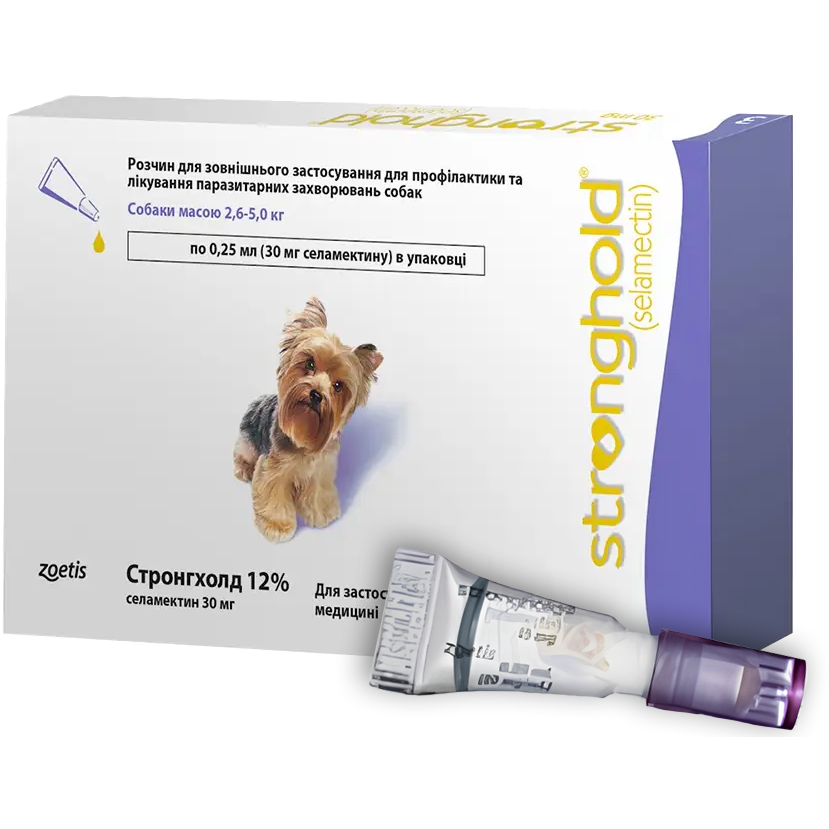
Zoetis Stronghold — antiparasitic drops for dogs 2.6–5 kg
Buy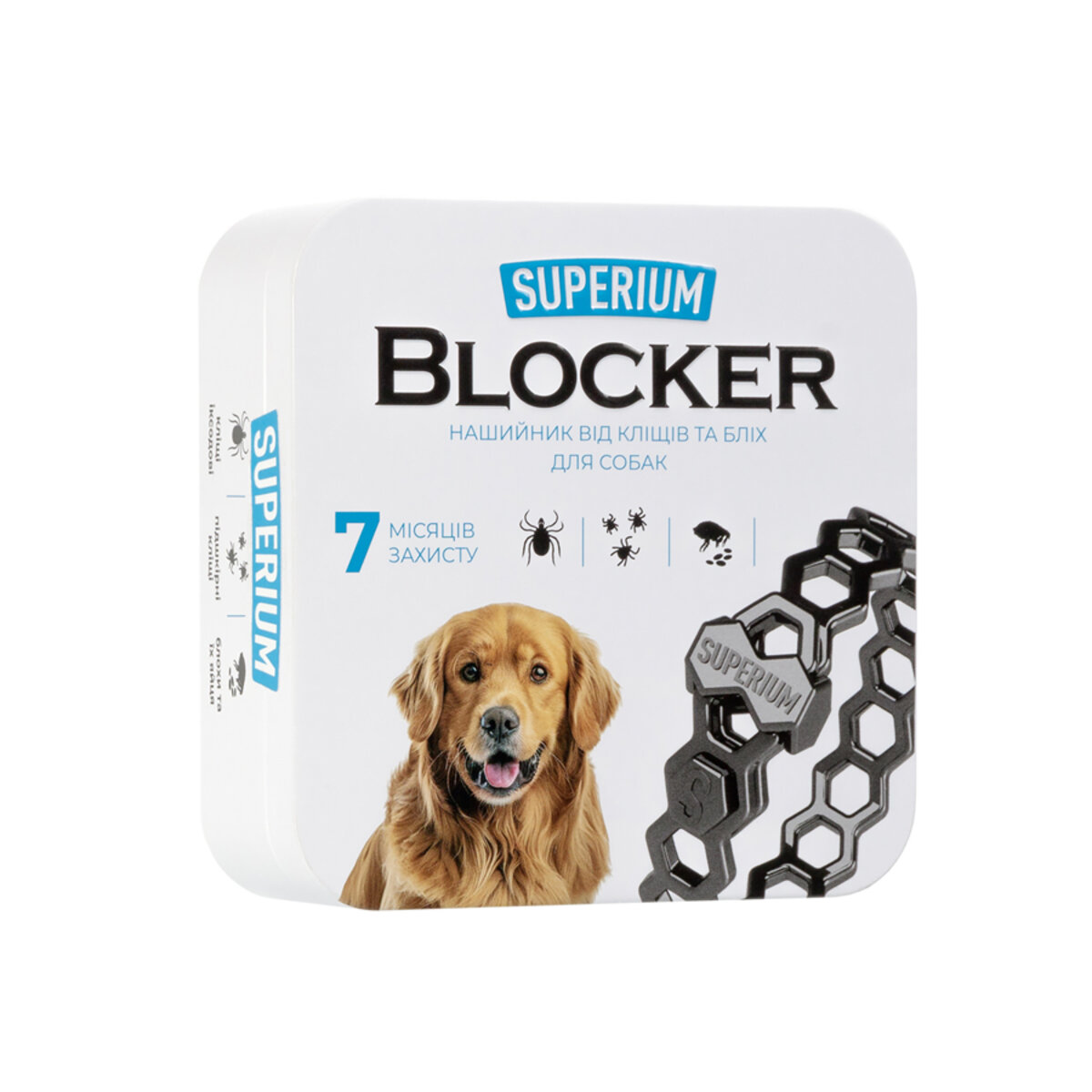
SUPERIUM Blocker — antiparasitic collar for dogs against fleas and ticks, 70 cm
Buy
Frequently asked questions
Can a dog be vaccinated later if you missed the 3-month timing?
Yes, it can. But it is better not to delay and to vaccinate before active contact with other animals, walks in risky places, or travel.
Should contacts be limited after the first vaccination?
Yes. After the first vaccination, immunity forms in about 2–3 weeks, so during this period the puppy is not yet considered fully protected.
Why should annual revaccination not be skipped?
Because rabies vaccination does not provide lifelong immunity. If revaccination is missed, the animal may lose its official vaccinated status and protection may weaken.
Conclusion
Rabies vaccination is one of the most important preventive procedures in a dog’s life. It protects the animal from a deadly disease and at the same time reduces risks for the people who come into contact with it.
The best approach is to follow the vaccination schedule, prepare the dog correctly for vaccination, not ignore deworming, and always consult a veterinarian if there are doubts about the animal’s condition. This kind of attentiveness helps turn vaccination from a stressful formality into real health protection.