📌 HOME FOOD Blog: Stress in Cats – Main Symptoms
Stress in Cats – Main Symptoms
“Not only humans, but animals experience stress too” — this well-known phrase perfectly describes how our pets react to changes in their environment. In cats, stress can be triggered by a new home, the arrival of a new family member, moving, loud noises, or changes in feeding routine. Unlike humans, cats don’t always openly show their emotions, but their bodies react to stress just as intensely: the digestive and immune systems suffer, behavior changes, and overall vitality decreases. Recognizing stress early means protecting your cat’s health and supporting her emotional well-being.
The Physiology of Stress in Cats
Stress in cats is not just an emotional reaction — it’s a complex physiological process that affects the entire body. When a cat feels threatened or uncomfortable, the hypothalamic-pituitary-adrenal (HPA) axis is activated, stimulating the release of stress hormones, primarily cortisol and adrenaline.
These hormones prepare the body for the “fight or flight” response: heart rate increases, blood pressure rises, and energy mobilization is triggered. At the same time, the digestive system slows down: gastric and intestinal peristalsis decreases, gut microflora balance is disrupted, which can lead to constipation or diarrhea.
Chronic stress, with constantly elevated hormone levels, weakens the immune system, increases the risk of inflammation, and disrupts metabolism, affecting the cat’s overall health and energy.
Understanding these mechanisms allows owners to support their pet in time, reduce the negative effects of stress, and improve comfort and quality of life.
What Can Trigger Stress in Cats?
After learning how stress affects a cat’s physiology, it’s important to recognize the triggers that set off these reactions. Even seemingly minor changes in a familiar environment can become stressors for cats.
The most common triggers include:
- Changes in surroundings: moving, renovations, new furniture, unfamiliar smells;
- Appearance of new family members: other pets or people;
- Loud or unpredictable noises: fireworks, explosions, thunderstorms, household appliances;
- Changes in feeding or care routine: different food, new litter box, altered feeding schedule;
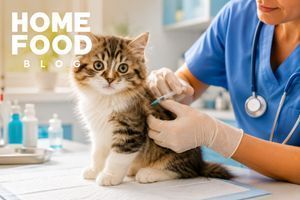
- Medical procedures or treatment: vet visits, vaccinations, medication;
- Social stress: conflicts with other animals, lack of owner attention;
- Seasonal and climate changes: hot summers or cold winters can increase anxiety.
Understanding these factors helps owners anticipate and minimize stressful situations.
Veterinary Case Study
A cat’s owners came to the clinic because their pet suddenly became fearful, tense, and constantly hid around the apartment. The cause was a new cat in the house who displayed dominant aggressive behavior — trying to start fights and even attack the resident cat. The owners tried to gradually “introduce” the cats and didn’t separate their spaces, hoping the situation would resolve itself.
Unfortunately, due to constant chronic stress, the cat began experiencing frequent pain, loss of appetite, and digestive issues. Eventually, she was diagnosed with a severe oncological disease and passed away.
Explanation: chronic stress triggers continuous production of stress hormones (cortisol and adrenaline), suppressing the immune system, disrupting gut flora balance, and promoting inflammation. Over time, this significantly increases the risk of serious illnesses, including cancer.
This case clearly shows that a cat’s emotional comfort directly affects her physical health and that sometimes the right decision is timely separation of animals or creating safe zones for each.
Case Study: Uncontrolled Aggression in a Cat
Owners sought help because their cat exhibited extreme aggression — lunging at faces, biting, and scratching — and standard behavior correction methods weren’t working.
During history-taking, it turned out that since kittenhood the cat had been force-fed like a human with a spoon and was constantly in situations where he couldn’t control his own feeding.
Neurophysiological explanation: although cats usually appear calm and balanced, their nervous system is highly sensitive to control and interference with natural behavioral needs. Constant forced intervention in early age leads to learned helplessness — the animal cannot predict the consequences of its actions and develops chronic distress as a result.
In such cases, activity changes in the limbic system and prefrontal cortex responsible for regulating emotions, fear, and aggression. Pathological neural connections form, increasing the risk of uncontrolled aggression and impulsive reactions — essentially, the cat “loses his mind,” similar to humans under chronic psychological stress.
This case highlights how critically important proper emotional upbringing and controlled development of behavioral skills are for a cat’s mental and physical health.

Symptoms of Stress in Cats
After reviewing the physiology of stress and real-life cases, it’s crucial to recognize its signs early. Cats often hide stress well, and symptoms can be behavioral, physiological, or related to health changes. Early detection allows owners to respond promptly using animal psychology methods or, if necessary, medication.
Below is a table of the most common stress symptoms in cats and ways to manage them:
| Stress Trigger | Symptoms | Can Be Managed with Behavioral/Zoopsychological Methods | Can Be Managed with Medication / Calming Supplements |
|---|---|---|---|
| New environment / renovation / moving | Hiding, reduced activity, reluctance to use litter box | Yes — through adaptation and safe zones | If needed — tranquilizers, calming supplements, pheromones |
| Appearance of a new cat/animal | Aggression, hissing, frequent conflicts, constant hiding | Yes — gradual socialization, space separation | In severe cases — as prescribed by a vet |
| Loud noises (fireworks, thunder) | Trembling, stress purring, rapid breathing, anxiety | Yes — distraction, safe hiding spots | Pheromones, mild tranquilizers or supplements for severe cases |
| Medical procedures / vet visits | Resistance, aggression, scratching, vomiting | Yes — desensitization and training | Anti-anxiety medication, calming supplements |
| Changes in feeding/care routine | Refusal to eat, excessive salivation, vomiting | Yes — gradual introduction of changes | For severe appetite loss — symptomatic treatment |
| Chronic stress / prolonged aggression | Digestive disorders, diarrhea/constipation, weight loss, skin conditions | Partially — through environment and behavioral training | Symptomatic treatment, anti-stress medication |
| Seasonal/climate changes | Lethargy, reduced activity, irritability | Yes — proper lighting, stable routine | Only in extreme cases — under vet supervision |
How to Help a Cat Cope with Stress?
Preventing stress in cats always starts with prevention. The most important thing is to avoid creating chronic stressful situations for the animal — and sometimes even consciously decide not to get a cat if you cannot provide a calm environment and proper socialization.
Methods to combat stress:
- Zoopsychological (behavioral) help
- Consultations and training with a specialist help the cat adapt to new conditions, socialize with other cats or people, and learn emotional self-regulation.
- Includes desensitization techniques, teaching “safe zones,” play therapy, and behavior control.
- Medication support
- Used to prevent chronic stress or as part of complex treatment for severe anxiety and aggression.
- Types of preparations:
- Sedatives and tranquilizers (short-term support during acute stress events).
- Adaptogens (plant-based or synthetic substances, pheromones that increase stress resistance).
- Calming nutritional supplements with psychotropic or anti-stress effects.
Recommended Products - Nutritional supplements: home prevention and support
- This is a priority method that owners can use independently to maintain their cat’s psycho-emotional state.
- Special attention should be paid to complexes containing cannabidiol (CBD) and 5-hydroxytryptophan (5-HTP):
- CBD helps reduce anxiety and moderate aggression and supports nervous system regulation without sedation.
- 5-HTP is a serotonin precursor that maintains stable mood and reduces fear and irritability.
Such supplements can be combined with super-premium and premium foods and treats enriched with prebiotics and adaptogens for comprehensive support of emotional and physical well-being.
Recommended Products


In modern veterinary dietetics, the use of adaptogens and calming supplements for pets is rapidly growing. Studies show that adaptogens can regulate the HPA axis, lower cortisol levels, support neuroplasticity, and reduce stress-induced changes in the nervous system of dogs and cats. Combined with calming supplements (e.g., those supporting the serotonin or endocannabinoid systems), they create a “gentle shield” for the animal’s psycho-emotional and physical well-being. For cat owners, this means that choosing food, treats, or supplements with adaptogens or calming components gives your beloved pet a real chance to cope with stress more easily, maintain immunity, and enjoy a calm and joyful life.

Cat treats HOME FOOD Turkey meat sticks + catnip, 40 g
Buy
Phytomins for cats HOME FOOD “Phytogama” extract for cardiovascular support, 100 ml
Buy
Suspension BioTestLab Anti-stress for dogs and cats, 10 ml
Buy
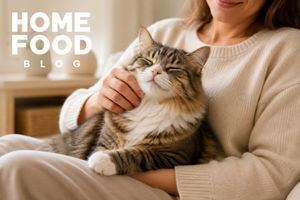
When we stroke our cat, she feels more than just a warm touch — a true emotional connection occurs that touches both sides. Science has proven that during human-cat interaction, the bonding hormone oxytocin increases in the owner, and close relationships with a pet reduce stress and improve physical and emotional health. For a small defenseless creature who depends on us, this is more than just food and shelter — it’s trust, love, and a sense of safety. And when we give her this every day — through care, play, tendernessiveness, and attention — we don’t just improve her quality of life; we gift her many more active, calm, and happy years.
Love her as a family member — without overprotection, but with deep respect; not as a “house pet,” but as a friend who shares your world. And then she will give you her loyalty, her peace, her tenderness — and your shared life will become a truly grand and meaningful story of mutual happiness.