📌 HOME FOOD Blog: How Often Should You Take Your Pet to the Vet?
How Often Should You Take Your Pet to the Vet?
«An animal won’t tell you what hurts. But it will always show you if you learn to look.»
Many owners believe that if their pet is active, eats well, and wags its tail, it must be healthy. However, animals have a natural instinct to hide weakness. This means that even serious issues can develop unnoticed—without fever, obvious complaints, or changes in behavior.
Just like in humans, prevention is key to a long and healthy life for your pet. Regular vet visits are not just a “safety net” for illness but an essential part of responsible care. How often should you do this? Who needs more frequent visits, and who needs fewer? The answers depend on your pet’s age, species, breed, lifestyle, and even personality.
In this blog, we’ll explore the optimal schedule for vet visits, why “once a year” isn’t always enough, and which signs to watch for, even when everything seems “fine.”
First Visit to the Vet: When and Why?
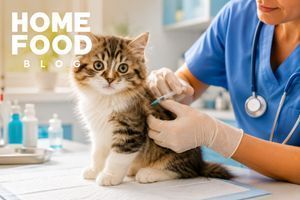
So, a little miracle has appeared in your home—a kitten or a puppy. Everything is new and exciting; the tail is wagging or purring at full volume. But along with the joy of a new friend comes responsibility, starting with the first vet visit.
When Should You Go?
Ideally, within the first 3–7 days after your pet arrives home. If you adopted from a shelter or breeder, don’t delay. Even if your pet looks healthy, a first checkup is necessary to ensure:
- No hidden infections
- Heart, lungs, eyes, and teeth are in good condition
- The puppy/kitten has appropriate weight and temperament
- Determine when to start vaccinations
In the first weeks of life, animals are highly vulnerable. The sooner you consult a professional, the better your chances of avoiding serious issues later.
What Happens at the First Visit?
The veterinarian will:
- Perform a general examination
- Conduct tests if needed (stool, blood)
- Create an individualized vaccination schedule
- Advise on diet, parasite prevention, and routine care
- Answer all your “Is it normal that they…?” questions
How to Prepare for the Visit?
- Transportation: Use a pet carrier, not your hands or a box. It’s safer and reduces stress.
- Don’t feed your puppy or kitten 2–3 hours before the visit to avoid nausea.
- Bring along:
- Previous vaccination records (if any)
A favorite toy or blanket for comfort - A list of questions you have (write them down in advance)
- Treats for rewarding your pet after the visit
- A “squeaky toy” to distract them during stressful moments
- Previous vaccination records (if any)
The first vet visit isn’t just a formality—it’s the start of a long-term partnership between you, the vet, and your pet. This step often sets the foundation for a lifetime of health.
Next, we’ll discuss the schedule for routine checkups at different ages and why it’s important not to stop after the first visit.
When and What to Vaccinate?
Current Vaccination Schedule for Dogs and Cats
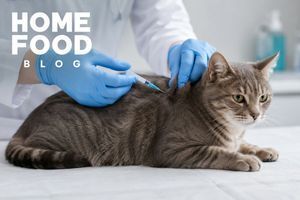
After the first vet visit, one of the key steps is vaccination. It’s not just about protecting your pet but also ensuring safety for you and your family, as some diseases can be zoonotic (e.g., rabies).
Modern veterinary practice relies on a three-dose primary vaccination schedule for puppies and kittens, followed by regular booster shots in adulthood.
Vaccination Schedule for PUPPIES
| Puppy Age | Vaccine Name | Protects Against |
|---|---|---|
| 6–8 weeks | First vaccination (core 1) | Distemper, parvovirus, hepatitis, leptospirosis, parainfluenza |
| 9–11 weeks | Second vaccination (core 2) | Booster to build immunity |
| 12–14 weeks | Third vaccination + rabies | Core vaccines + mandatory rabies vaccination |
| 1 year | First annual booster | Maintains immunity |
| Annually thereafter | Annual booster | Core vaccines + rabies |
Vaccination Schedule for KITTENS
| Kitten Age | Vaccine Name | Protects Against |
|---|---|---|
| 6–8 weeks | First vaccination (core 1) | Panleukopenia, calicivirus, herpesvirus (rhinotracheitis), chlamydia |
| 9–11 weeks | Second vaccination (core 2) | Boosts immunity |
| 12–14 weeks | Third vaccination + rabies | Core vaccines + rabies vaccine |
| 1 year | First annual booster | Maintains immunity |
| Annually thereafter | Annual booster | Core vaccines + rabies |
For Adult Animals (If Vaccinations Were Missed in Childhood)
- 1 dose of core vaccine
- Booster with the same vaccine after 3–4 weeks
- Next booster after one year
- Thereafter, annually or as recommended by the vet

What’s Next? Annual Checkups Are More Than Just Vaccinations
After completing the primary vaccination course, many owners relax, thinking that their vaccinated, active pet is fine. But just as we get annual checkups or tests “for prevention,” pets need regular vet visits—even if they seem perfectly healthy.
This is especially important because most pet illnesses (particularly chronic or age-related ones) develop without obvious symptoms. Annual checkups allow problems to be detected early, when treatment is simpler, cheaper, and more effective.
The scope and complexity of these checkups depend on the pet’s age. A puppy and a 10-year-old dog require entirely different approaches.
Here’s a detailed look at what an annual checkup plan should include based on your pet’s age.
Annual Checkups for Pets: What and When to Check
| Age Group | What’s Included in the Annual Checkup | Why It’s Needed |
|---|---|---|
| JUNIORS (up to 2 years) | General health exam. Weight, teeth, and growth monitoring. Vaccination and boosters. Stool analysis (worms, parasites). Spay/neuter recommendations | The body is developing, immunity is strengthening, and timely corrections are crucial |
| 2–7 years | General exam. Annual vaccination. Stool and urine analysis. Teeth, skin, and eye check. Assessment of physical activity and behavior | The most active life stage—prevention helps catch hidden issues |
| 7–10 years | All adult checks. Complete blood count. Blood chemistry. Heart monitoring (auscultation, ECHO if needed). Joint health | Aging begins, increasing the risk of chronic diseases—early detection is key |
| 10–15 years | Full checkup: blood, urine, and stool tests. Ultrasound of internal organs. ECG/X-ray. Cognitive function and pain/mobility assessment | High risk of cancer, heart, kidney, and age-related diseases—thorough monitoring is needed |
Note: Breeds with genetic predispositions (e.g., Labradors, Maine Coons, Pugs, British Shorthairs, brachycephalic breeds) may require extended monitoring—heart ultrasounds, genetic mutation tests, eye and joint checks, etc.
How to Reduce Your Pet’s Stress Before a Vet Visit?
For many animals, a trip to the clinic is an unpleasant and anxiety-inducing experience. Strange smells, new people, other animals, and medical procedures can trigger fear, aggression, or significant stress. However, there are ways to make the process calmer and safer for both your pet and you.
What Helps Reduce Anxiety?
Gradual adaptation—introduce the carrier early and practice short “visits” to the clinic without procedures
Familiar scent—bring a blanket, toy, or item with the smell of home
Pheromones (e.g., Feliway, Adaptil)—can help during travel or waiting
Calm owner behavior—your state of mind affects your pet

Panzer Pet Carrier 50x33x31 cm
Buy
GiGwi Suppa Puppa — Dog Toy «Teddy Bear» with Squeaker
Buy
GiGwi Melody Chaser — Cat Toy «Mouse» with Electronic Chip
Buy
Ceva Adaptil Stress Relief Spray for Dogs 20 ml
Buy
Additionally: Natural Calming Supplements
Modern veterinary care allows the use of gentle, natural calming remedies that don’t sedate your pet but reduce stress levels. Effective and safe options include:
1. Cannabidiol (CBD) for Pets
- Natural hemp component (no psychoactive effects)
- Acts as a mild anxiolytic (reduces anxiety, agitation, muscle tension)
- Helps with fear of transport, loud noises, or new environments
- Typically used in drop form
- Important: Use only products designed for pets (THC-free!) with precise weight-based dosing.
2. 5-HTP (5-Hydroxytryptophan)
- An amino acid that promotes serotonin production (the “calm” hormone)
- Effective for chronic anxiety, environmental changes, or clinic visits
- May be included in complex calming supplements with L-theanine, valerian, etc.

CBD Oil 2% Dietary Supplement for Anxiety and Pain Relief Relax Pro HOME FOOD Expert, 10 ml
Buy
Adaptogen for Nervous, Endocrine, and Immune System Support Harmony Pro HOME FOOD Expert, 20 g
Buy
Consult your veterinarian before using any calming supplements, especially if your pet has chronic conditions, allergies, or is on other medications.
A calm pet means not only convenience but also more accurate diagnoses, safer exams, and less stress for everyone involved.
As we can see, veterinary prevention isn’t just a “safety net for a rainy day” but a normal part of caring for your pet’s health, like daily feeding or walks. Annual checkups, timely vaccinations, and basic tests aren’t unnecessary expenses but an investment in your furry friend’s quality and length of life.
According to the American Veterinary Medical Association (AVMA), pets that undergo at least one annual preventive checkup live, on average, 2–3 years longer than those who only see a vet when problems arise.
So, give your pet not just a life but a healthy, comfortable, and long life by your side.
Care begins not with medicine but with attention. And attention is the true essence of love.