📌 HOME FOOD Blog: How to Give a Pill to a Cat Without Extra Stress
How to Give a Pill to a Cat Without Extra Stress
«A cat is not whimsical — she is simply a master strategist in the world of medicines.»
Giving a cat a pill is a task that can cause a lot of anxiety for many owners of furry pets. However, the right methods and patience can make this procedure much easier and safer for both you and your cat. Several important steps and tips will help you treat your cat with pills. In this blog, we will discuss several methods that allow you to safely and as calmly as possible give a pill to a cat. We will talk about techniques that reduce stress for the animal, how to properly prepare, and what tricks will help even the pickiest cats accept medication. Thanks to these tips, the procedure will become less stressful for both you and your furry friend, and the treatment will be effective and safe.
Method 1: “Tasty” Pill
Modern veterinary medicine offers many innovations that make treating pets as comfortable and safe as possible. One such solution is special flavored pills developed for cats. They are designed to reduce stress during medication intake and encourage the animal to voluntarily swallow the pill.
Cats have a very sensitive sense of smell and taste receptors, which often leads to refusal of unpleasant medicines. Flavored pills contain appetizing additives that are safe for the animal — for example, fish, chicken, or liver flavor — without affecting the effectiveness of the active ingredient. Importantly, these flavorings undergo safety checks and veterinary certification, so their use does not harm the cat's body.

Enroxil Antimicrobial Tablets with Meat Flavor for Dogs and Cats 15 mg
Buy
When using “tasty” pills, follow these simple but effective steps:
- Preparation: Make sure you have a pill with an appetizing flavor that matches your cat's dosage, and that you clearly understand the instructions for use.
- Choosing the right moment: Cats accept medication more easily when they are calm, for example, after eating or during play, when emotional tension is minimal.
- Presenting the pill: Let the cat sniff the pill. If she shows interest, offer her to swallow it directly. If she refuses, you can gently hide the pill in her favorite food or treat, which encourages taking the medication.
- Monitoring: Ensure the pill is swallowed, as cats sometimes spit it out. If this happens, try again with a calm and gentle approach.
Flavored pills are not only convenient but also a way to reduce stress and fear in a cat during treatment, positively affecting her psycho-emotional state and improving cooperation with the owner. However, even in this case, it is important to follow the dosage and veterinarian's recommendations to ensure effective and safe treatment.
Method 2: Placing the Pill in the Mouth
Placing the pill directly into the cat's mouth is a classic and effective method, especially when the animal refuses flavored pills or hiding medication in food is not possible. This method requires certain skills, patience, and caution, as improper actions can injure the oral mucosa, teeth, or cause stress to the animal.
Correct Step-by-Step Algorithm:
- Preparation:
Prepare a small portion of your favorite treat or food for reward after the procedure. Make sure the pill and dosage exactly match the veterinarian's prescription. - Calming the cat:
Place the animal on your lap or on a flat, stable surface. Gently stroke her to reduce anxiety. It is important that the cat feels support, not pressure. - Opening the mouth:
Gently lift the upper lip and lower jaw, forming a small “tunnel” for the pill. Act carefully — strong pressure on the muzzle or jaw can scare the cat and provoke aggression or muscle spasm in the mouth. - Placing the pill:
Hold the pill with the thumb and index finger of one hand. With the other hand, slightly lift the head so that the nose points slightly upward. Place the pill as far back as possible on the root of the tongue, closer to the throat, as pills placed on the front of the mouth are often spat out. - Stimulating swallowing:
Gently close the mouth and softly massage the cat's throat from top to bottom. You can also briefly blow air on the nose — this naturally stimulates the swallowing reflex. - Reward:
After successful intake, praise the cat and give a small portion of her favorite treat. Positive reinforcement reduces stress and increases willingness for future procedures. - Recording intake:
Keep a record of the date and time of medication intake, especially for long-term treatment, to avoid misses or overdoses.
Possible Mistakes:
- Placing the pill too close to the front teeth — the cat quickly spits it out or may bite the pill, complicating swallowing.
- Abrupt movements or strong pressure on the muzzle — increase stress and can provoke a defensive reaction: biting, hissing, attempting to escape.
- Insufficient swallowing stimulation — even a correctly placed pill may remain in the oral cavity, and the cat may spit it out after a few seconds.
- Ignoring reward — without praise and a treat, the next attempt to give pills will be more difficult due to negative association.
Tips from Veterinarians:
- Practice with small pieces of food before giving real medication.
- If the first attempts fail, do not punish the animal; act calmly and gently.
- If the method causes severe stress or the cat is aggressive, consult a veterinarian — there are special devices for safe pill administration.
Conclusion:
Placing the pill in the mouth is an effective method that requires patience, caution, and attention to the cat's psycho-emotional state. When done correctly, this method ensures accurate medication delivery and minimizes stress for both the owner and the pet.
Method 3: With Water
Using water to give a pill to a cat is one of the gentle and safe methods, especially if the animal refuses to swallow medication on its own. Water helps the pill slide more easily into the esophagus and stomach, reducing the risk of injuring the oral mucosa or stressing the cat.
Classic Water Method
- Hiding the pill in food:
Wrap the pill in a small piece of soft moist food or favorite treat. The soft texture facilitates swallowing and makes the process more pleasant for the cat. - Presentation:
Place the food with the pill in front of the cat and let her sniff it. If the animal shows interest, she will swallow the medication faster. - Giving water:
After the cat swallows the pill, offer a little water. This helps the pill reach the stomach faster and reduces the likelihood of residue in the oral cavity.
Pill Dissolving Method
For some pills, it is possible to dissolve them in a small amount of water before administration. This is especially convenient for cats that categorically refuse to swallow a solid pill.
How to do it correctly:
Dissolve the pill in a small amount of warm water (usually 5–10 ml). Then, using a pipette or needle-free syringe, gently introduce the solution into the cat's oral cavity.
- Limitations:
Not all pills can be dissolved in water. Do not dissolve:- bitter medications whose taste intensifies in water and repels the cat;
- physically insoluble tablets or coated capsules that provide gradual release of the active substance;
- drugs that lose effectiveness when dissolved.
Before using this method, always check with your veterinarian or the drug instructions whether a specific pill can be dissolved to avoid reducing its therapeutic effect.
Tips for Success
- Act calmly, gently, and confidently so the cat does not feel stress.
- Use a small amount of water to avoid discomfort and prevent vomiting.
- After the procedure, reward the cat with praise and a small portion of favorite food to create a positive association with taking medication.

HOME FOOD Cat Treats Turkey Meat Strips + Olives, 40 g
Buy
HOME FOOD Cat Treats Rabbit Meat Strips, 40 g
Buy
Conclusion:
The water method, as well as dissolving pills in liquid, are effective ways to ensure proper medication intake, especially for picky cats. The main thing is to follow safety rules, know the drug's specifics, and maintain calm and patience during the procedure.
Method 4: Meat Topping on the Pill
Another gentle and effective method of giving pills to cats is applying meat topping to the pill. This method is especially useful for animals that reluctantly take medication even in food but respond to intense natural flavor.
What is meat topping?
Modern pet toppings are made from natural meat hydrolysate, without added essences, artificial flavors, or chemical taste enhancers. This ensures the method is completely safe for the cat's body, does not provoke allergic reactions, and does not alter the pill's effectiveness.

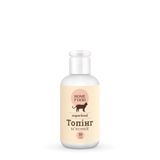
Meat Topping for Cats, 100 g
Buy
How to Apply:
- Apply a small amount of topping directly to the pill or capsule.
- Show the pill to the cat and let her sniff and lick the flavor.
- If the cat is interested, she will usually swallow the pill along with the topping.
Why the Method May “Not Work”:
- The cat is too picky or stressed;
- The pill has a very bitter or strong unpleasant odor;
- The animal is trained to spit out unfamiliar objects.
In such cases, combine the method with other techniques — for example, hide the pill in soft food or use a liquid solution.
Advantages of the Method:
- Maximum safety: the topping is natural and contains no harmful additives;
- Stress reduction: the cat perceives the pill as a treat, making the procedure comfortable;
- Simplicity and speed: no need to open the mouth or perform complex manipulations;
- Flexibility: suitable for pills that cannot be dissolved in water.
This method is ideal for daily use, helping maintain the cat's calm and good mood during treatment.
Method 5: Pill Dispenser
Another modern and gentle method of giving pills to a cat is a special pill dispenser (pill gun). This device significantly reduces stress for the animal and simplifies the procedure for the owner, especially if the cat reluctantly swallows medication on her own. The pill dispenser does not injure the oral cavity or cause discomfort, making the process safe and controlled.
How to Properly Use a Pill Dispenser:
- Preparation:
Ensure the device is clean and ready for use. Wash the pill dispenser after each use to avoid bacteria and unpleasant odors. - Loading the pill:
Open the plunger or cap of the device and insert the pill, ensuring it is securely fixed and will not fall out during administration. - Administering the pill:
Carefully bring the pill dispenser to the cat's mouth. The animal's head should be slightly raised, nose pointing upward. With a light but confident motion, insert the pill into the back of the oral cavity, minimizing contact with teeth and gums. - Stimulating swallowing:
After inserting the pill, gently close the mouth and softly massage the throat from top to bottom to encourage swallowing. - Reward:
Always reward the cat with praise or a small portion of favorite treat after successful intake. Positive reinforcement creates a calm association with the procedure.
Advantages of the Pill Dispenser:
- Safety and comfort: minimizes risk of injuring the oral cavity and teeth;
- Control: allows precise placement of the pill;
- Stress reduction: the cat receives medication quickly with minimal owner manipulation;
- Availability: the device can be purchased at veterinary pharmacies and pet stores.
Recommendations:
Before using a pill dispenser, try less invasive methods described earlier (tasty pill, meat topping, water). However, for cats that categorically refuse to swallow medication, this device becomes an indispensable tool that preserves calm and health for both the animal and the owner.

Pet Pill Dispenser
Buy

Reducing Stress Before Giving Pills
Before giving pills to a cat, especially if the procedure causes anxiety, it is useful to use natural adaptogens such as CBD (cannabidiol) and 5-HTP. These supplements help reduce stress and anxiety levels, promote emotional calm, and facilitate acceptance of treatment procedures.
It is important that CBD and 5-HTP are compatible with all pharmaceutical drugs, allowing their use as an additional remedy without risk of interaction with medications. Thanks to this approach, the cat is less nervous during pill administration, and the procedure goes faster with less stress for both the animal and the owner.

Adaptogen for Supporting Nervous, Endocrine, and Immune Systems Harmony Pro HOME FOOD Expert, 20 g
Buy
If None of the Methods Work
Sometimes even the gentlest and proven methods of giving pills to a cat do not yield results. In such cases, do not insist to avoid stressing the animal and damaging trust. Modern veterinary medicine offers alternative treatment methods that allow effective medication administration without force:
- Spot-on Drops Instead of Pills:
For prevention and treatment of parasitic infestations (worms, fleas, ticks), there are special drops applied to the skin at the withers. Active ingredients are quickly absorbed and evenly distributed, providing effective protection without the need to swallow pills.Recommended Products
Profender by Elanco Animal Spot-On - Deworming Drops Profender Spot-On for Cats 5-8 kg, 1 Pipette
Buy
Advantage - Anti-Parasitic Flea Drops for Cats and Kittens Under 4 kg (1 Pipette)
Buy
Profender Spot-On - Deworming Drops for Cats 2.5-5 kg (0.7 ml x 1 Pipette)
Buy
Zoetis Stronghold — Anti-Parasitic Spot-On Drops Stronghold for Puppies and Kittens Up to 2.5 kg, 1 Pipette
Buy - Injections Instead of Pills:
When a cat categorically refuses medication, a veterinarian may prescribe injections of antibiotics or other drugs. This allows precise dose control and quick therapeutic effect, minimizing stress risk. - Pheromone Diffusers Instead of Calming Pills:
To reduce anxiety, stress, or adaptation to a new environment, use pheromone diffusers. They mimic natural feline communication signals and help create a sense of safety and calm without medication.
If traditional pill-giving methods do not work, do not risk stressing or injuring the animal. Alternative methods — drops, injections, pheromone products — allow effective and safe treatment of the cat while preserving trust and harmony in the relationship between owner and pet.