📌 HOME FOOD Blog: How and With What to Get Rid of Fleas in a Dog: Effective Solutions
How and With What to Get Rid of Fleas in a Dog: Effective Solutions
Fleas are small but very persistent parasites that can cause a lot of discomfort to your pet. They cause itching, skin irritation, and can carry various infections. Dog owners often feel confused: how to detect fleas, which remedies are really effective and safe, and how to protect your friend from re-infestation.
In this blog, we will look at modern and proven methods of flea control, explain how to apply them correctly, and give tips to help keep your dog's coat and skin healthy and protected. Gentleness, patience, and a systematic approach are the key to making the flea removal process stress-free for both you and your furry friend.
Why Fleas Are Dangerous for Dogs and What Diseases They Can Carry
Fleas are not just a source of itching and skin irritation. They are powerful carriers of infections and parasites, making them a serious threat to a dog's health.
- Severe Itching and Dermatitis
A flea bite causes an allergic reaction in dogs, manifesting as intense itching, redness, and skin inflammation. In some animals, even a few bites can lead to flea allergic dermatitis, requiring long-term treatment. - Anemia
Fleas feed on blood, and in young or small dogs, as well as animals with weak immunity, mass flea infestation can cause serious blood loss and anemia. - Transmission of Helminths
Fleas are intermediate hosts for some parasites, particularly the dog tapeworm (Dipylidium caninum). By swallowing an infected flea while licking fur, a dog can become infected with helminths. - Bacterial and Viral Infections
Flea bites can transmit bacteria, such as Bartonella spp., which can cause bacterial infections in dogs and rarely in humans. - Additional Stress and Deterioration of General Condition
Constant discomfort from itching and skin irritation lowers the dog's immunity, making it more vulnerable to other diseases and worsening quality of life.
Even one flea can cause harm, and with mass infestation, risks increase. Therefore, it is important to regularly examine the dog and carry out prevention.
Can Fleas Be Dangerous for Humans and How?
Fleas pose a danger not only to dogs but also to humans. Although dog and cat fleas usually do not live on humans permanently, their bites cause itching, redness, and local swelling, and in sensitive people and children—allergic reactions, rash, or inflammatory nodules. In addition to discomfort, fleas can carry pathogens of some infections, such as tularemia or rickettsioses, so prolonged contact with infected parasites increases the risk of infection, especially in weakened people. That is why timely treatment of dogs and premises and maintaining cleanliness in the house are important not only for the animal's health but also for the safety of the entire family.
Evolution of Anti-Flea Remedies in the World
The fight against fleas in dogs has a centuries-old history, and the remedies used in the past differ significantly from modern drugs. In the early stages, in the 19th–20th centuries, owners used simple folk methods: herbal infusions, smoke fumigation, and soap baths. These methods had only partial effectiveness and were often toxic to animals.
In the mid-20th century, the first chemical insecticides based on organophosphates and pyrethroids appeared. They were more effective but often caused side effects—skin irritation, toxicity to dogs and even humans, limiting their use.
The next stage—the end of the 20th and beginning of the 21st century—brought modern safe remedies: spot-on drops, sprays, tablets, and collars with controlled release of the active substance. Modern drugs affect the flea's nervous system or disrupt its life cycle while remaining safe for the dog and human. Some tablets and drops also protect against ticks and helminths, making prevention comprehensive.
Today, the main trends in the development of such remedies are maximum effectiveness with minimal toxicity, long duration of action, and ease of application.
Flea Survivability: Cold Period and Large Animal Crowds
Fleas are extremely resilient parasites capable of surviving even in unfavorable conditions. Even in the cold season, they do not disappear completely. If the dog is mostly indoors, fleas can hide in carpets, bedding, furniture, or floor cracks, withstand low temperatures, and wait for a new host. Therefore, even pets that do not go outside can become infected if fleas are already present in the environment.
In situations with large animal crowds, such as shelters, kennels, or multi-breed households, the risk of infection increases many times. Fleas easily jump from one host to another, and high animal density creates a favorable environment for their reproduction. Even with regular care, individual animals can remain a source of parasites for others.
Grading of Repellents for Dogs: How to Choose an Effective Remedy
Today, the market offers many products to protect dogs from fleas and other parasites. To avoid getting lost in the variety, it is important to understand how they are classified by purpose, release form, and origin of active ingredients.
1. By Spectrum of Action:
- Only against fleas—remedies aimed exclusively at destroying fleas; suitable for indoor dogs that rarely contact the street or other animals.
Recommended Products

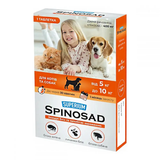
Collar Superium Spinosad — Antiparasitic Tablet Superium Spinosad Against Fleas for Dogs and Cats Weighing 1.3–2.5 kg
Buy
Vitomax Antiparasitic Shampoo with Propoxur for Dogs and Cats, 150 ml
Buy - Fleas + ticks + mosquitoes + lice—complex preparations providing protection from various ectoparasites and recommended for active dogs spending much time outdoors.
Recommended Products

Zoetis Simparica Trio — Simparica Trio Tablet Against Worms, Fleas, and Ticks for Dogs Weighing 5–10 kg
Buy
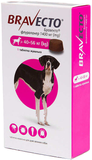
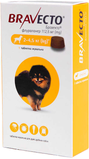
MSD Animal Health Bravecto — Bravecto Tablet Against Fleas and Ticks for Dogs Weighing 4.5–10 kg
Buy
Elanco Advantix — Antiparasitic Drops Advantix Against Fleas and Ticks for Dogs Weighing Over 25 kg, 1 Pipette
Buy
Elanco Foresto — Antiparasitic Collar Foresto for Dogs and Cats Against Fleas and Ticks, 70 cm
Buy - Fleas (ticks) + helminths—systemic remedies or combined preparations that, in addition to external parasites, destroy internal ones, such as roundworms.
Recommended Products

Collar Superium Panacea — Antiparasitic Drops Panacea on the Withers for Dogs Weighing 4–10 kg
Buy
Zoetis Simparica Trio — Simparica Trio Tablet Against Worms, Fleas, and Ticks for Dogs Weighing 10–20 kg
Buy
Zoetis Stronghold — Antiparasitic Drops Stronghold for Dogs Weighing 2.6–5 kg, 1 Pipette
Buy
KRKA Selafort — Antiparasitic Drops Selafort Against Fleas, Ticks, and Helminths for Dogs Weighing 20.1–40 kg, 1 Pipette
Buy
2. By Release Form:
- Shampoos—provide instant cleaning and partial protection, effective for local bites, but do not give long-term action.
- Sprays—convenient for local body and environment treatment, have short-term effect.
- Collars—act for a long time, evenly distribute the active substance over fur and skin, provide prevention for several months, not quite effective for large breeds.
- Skin drops—fast-acting and effective against a wide range of parasites, applied to the withers and distributed over the skin.
- Tablets—systemic remedies providing parasite control through the dog's blood, especially convenient for comprehensive protection.
3. By Origin of Active Substances:
- Pharmaceutical preparations—synthetic insecticides, highly effective, with proven action and precise dosing.
- Phytoremedies—based on plant extracts and natural components, have lower toxicity, but often shorter action period and less pronounced effectiveness.
When choosing a repellent, it is important to consider the parasite type, application method, dog's condition and activity, as well as remedy safety for the pet and owner. Often, the optimal is a combination of several forms and systematic application in complex with preventive measures at home.
Grading of Active Substances from Weaker to Stronger
- Diazinon — this is an organophosphorus insectoacaricide usually used in budget remedies, for example, in collars. Its action is contact, it is less "penetrating" compared to modern systemic compounds.
- Fipronil — classic contact substance widely used in drops and sprays. It disrupts ion channels and has long duration on fur.
- Pyrproxyfen — does not kill adult fleas as quickly but blocks their development cycle, acting as a development hormone inhibitor. This component is often combined with fipronil in preparations.
- Pyrrole—modern contact insectoacaricide: it affects GABA channels of the parasite, acts quickly and effectively, but remains mainly on the fur surface, so it is less systemic compared to oral remedies.
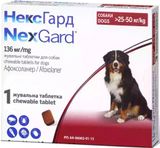
- Afoxolaner — this is an isoxazoline remedy (same group as common "new flea tablets"), which gives very strong systemic protective action: the dog takes it in tablet form, and the substance circulates in the blood, killing biting fleas.
- Sarolaner — another isoxazoline similar to afoxolaner but with some variations in pharmacokinetics. It is especially effective against fleas and ticks and provides safe, stable protection.
- Fluralaner—one of the most powerful systemic insectoacaricides: given orally or as spot-on, provides very long activity (months) and effectively destroys fleas, ticks, and other ectoparasites.
Why This Grading Is Important
- Less "aggressive" substances (such as diazinon or fipronil) are well suited for prevention or for dogs that less often encounter parasites.
- Isoxazolines (afoxolaner, sarolaner, fluralaner) are strong, systemic remedies that provide long-term protection even with high infestation risk.
- When choosing an active substance, consider the dog's general condition, weight, concomitant diseases, and possibility of regular intake/application.

Puppy Flea Treatment: When and How to Start Properly
Flea control in puppies requires special attention, as their skin and body are more sensitive than in adult dogs. Improper use of drugs can cause irritation, toxic reactions, or discomfort.
When to Start:
- Usually, preventive or therapeutic treatment starts no earlier than 6-8 weeks of life, but the exact term depends on the drug, weight, breed, and veterinarian recommendations.
- Before the first treatment, ensure the puppy is healthy, eats actively, and develops well.
What to Pay Attention To:
- Age and weight—many modern drugs have a minimum recommended weight or application age. For example, some withers drops are allowed only from 8 weeks and certain weight.
- Drug form—for small puppies, mainly shampoos, soft sprays, or special drops, less toxic and dosed for their size, are used. Tablets usually start giving to slightly older puppies.
- Treatment frequency—puppies grow quickly, so dosage and frequency are adjusted according to weight and age.
- Compatibility with vaccination—during active vaccination, coordinate treatment with the veterinarian to avoid excessive stress and potential drug reactions.
- Environment check—puppy treatment should be accompanied by cleaning bedding, carpets, and toys to avoid re-infestation.
Treatment of Dogs with Acute or Chronic Diseases
Dogs with acute or chronic diseases require a special approach to flea and other parasite protection. Their body is often weaker than in healthy animals, and the immune system may be weakened, so avoid additional stress and toxic load.
Basic Principles:
1. Consultation with Veterinarian
Before any treatment, coordinate the drug choice with the veterinarian, especially if the dog takes other medications or has liver, kidney, heart, or gastrointestinal issues.
2. Choosing Maximally Safe Forms
- For dogs with sensitive organisms, recommend shampoos, local action sprays, or special collars with low active substance concentration.
- Systemic tablets or powerful spot-on drugs are used only for strict indications, under veterinary supervision.
3. Gradual Introduction
- If the drug is used for the first time, start with a minimal dose and monitor the reaction for 24–48 hours.
- Any allergy signs or worsening of chronic symptoms require immediate doctor consultation.
4. Regular Condition Monitoring
- Dogs with chronic diseases need frequent examination after treatment: skin check, activity, appetite, and general well-being.
- Also maintain comprehensive environment prevention: regular bedding cleaning, toy washing, treatment of staying places.
What to Do If Fleas May Be in the Premises
1. Regular Cleaning and Vacuuming
- Frequent vacuuming of carpets, floors, bedding, and soft furniture reduces the number of eggs and larvae.
- The vacuum bag or container after cleaning must be thrown away or cleaned so larvae do not survive.
2. Washing and Treating Bedding
- Bedding, blankets, soft toys, and fabric elements can be washed in hot water (at least 60°C) and dried at high temperature.
- For fabrics that cannot be washed, special home-use sprays can be used.
3. Sanitary Premises Treatment
- Modern insecticidal sprays or aerosols (insecticide + growth inhibitor) allow destroying eggs, larvae, and adult fleas.
- It is important that the chosen remedy is non-toxic to humans and animals, and follow instructions on the period when the premises can be used after treatment.
- For serious infestation or large areas, industrial treatment by special services using safe insecticidal methods for animals and people is appropriate.
4. Comprehensive Approach
- It is most effective to combine dog treatment with a modern flea remedy and preventive premises cleaning.
- If there are several animals in the house, treat all simultaneously to avoid re-infestation.
Why Dog Treatment Sometimes Does Not Give the Desired Result
Sometimes even modern flea and tick remedies may not provide complete dog protection. Scientific studies show several main reasons for this phenomenon.
1. Incorrect Dosing or Application Frequency
- The drug may be effective only with precise adherence to the animal's weight and age. Exceeding or not following intervals between treatments reduces effectiveness and can cause parasite resistance development.
2. Incorrect Application Technique
- For spot-on drops, apply the remedy directly to the skin, not fur. Distributing the drug over fur instead of skin contact reduces its activity.
3. Parasite Resistance
- Studies show that some flea and tick populations develop resistance to certain active substances, especially with prolonged use of the same drug. This is scientifically confirmed for pyrethroids and some fipronil formulas.
4. Presence of Infected Environment
- Fleas, eggs, and larvae in carpets, bedding, or floor cracks can quickly re-infect the dog even after treatment. If the environment is not treated, the drug effect will be short-term.
5. Dog's Physiological Features
- Skin sebum activity, fur condition, and bathing frequency can affect spot-on drug distribution and action. In some animals, the drug partially washes off or does not penetrate necessary skin areas.
Why Daily Hygiene Is Important in Flea Control
Regular grooming—washing dogs with special shampoos, conditioner treatment, combing, proper drying, and trimming—significantly reduces flea infestation risk and hinders their reproduction. Well-groomed fur creates a less favorable environment for parasites: larvae and eggs may attach worse, and adult fleas are easier washed off during bathing. Although there are not many large-scale scientific studies directly showing that fur cleanliness "reduces flea invasion," ectoparasite control experts emphasize that regular coat and environment cleaning is an important part of the flea control protocol. Veterinary recommendations also advise combining chemical methods (drops, tablets) with physical fur hygiene to achieve the best result and minimize re-infestation.

"Perfect Care" Shampoo for Dogs and Cats Total Care HOME FOOD Beauty, 200 ml
Buy
"Silky Touch" Conditioner for Dogs and Cats Silky Touch HOME FOOD Beauty, 200 ml
Buy