📌 HOME FOOD Blog: How to Properly Feed a Senior Dog
How to Properly Feed a Senior Dog
“An old dog is not just a pet. It’s an entire life story that has entrusted you with its final chapter.”
As dogs age, it’s not only their appearance that changes — the muzzle turns gray, movements become calmer, and the gaze grows deeper. The inner workings of the body change too: metabolism slows down, digestion alters, and the functioning of the heart, liver, and kidneys shifts.
Proper nutrition in old age is not just care — it’s a way to give your beloved companion comfort, ease of movement, and a high quality of life in their senior years.
It is during this period that a dog especially needs your attention, love, and warm hands nearby.
Why It’s Important to Know When a Dog Becomes “Senior”
With age, a dog’s body starts operating by different rules: metabolism changes, the load on vital organs increases, regenerative processes slow down, and behavioral reactions shift. Veterinarians need to know exactly when a dog should be considered “senior” to timely switch to preventive care and adjust nutrition, physical activity, and check-ups.
Scientific Data on Dog Aging
- According to the American Animal Hospital Association (AAHA) guidelines, the term “senior” applies when a dog is approximately in the last quarter of its expected lifespan.
- A study by the University of Liverpool / British Small Animal Veterinary Association (BSAVA) shows that dogs on average begin aging around 12.5 years, but this varies greatly by breed size: small breeds closer to 14 years, large breeds already around 12.
- Other sources indicate that large and giant breeds may start aging as early as 6–8 years.
Physiological and Psychological Signs of Senior Age in Dogs
| System / Sign | What Happens | How It Manifests in the Dog |
|---|---|---|
| Metabolism | Basal metabolic rate decreases, enzyme activity drops | Less energy expenditure, more sleeping, possible weight gain or loss |
| Musculoskeletal system | Muscle mass decreases, joints wear out, increased arthritis risk | Difficulty standing up, walking, jumping; stiffness after sleep |
| Cardiovascular / respiratory | Fatigue, reduced exercise tolerance | Rapid tiredness, labored breathing during walks |
| Urinary / renal | Decreased kidney filtration capacity, possible toxin buildup | Frequent urination, changes in water balance, urine odor |
| Sensory system | Vision, hearing, and smell decline; cataracts/keratitis may appear | Poorer orientation, reduced reaction to sounds/commands |
| Cognitive status | Development of cognitive dysfunction syndrome (CDS) | Forgets commands, disorientation, altered sleep-wake cycle |
| Behavior / emotional state | Increased anxiety, decreased activity, character changes | Less play, more sleep, possible aggression or withdrawal |
The concept of a “senior dog” is not just chronological age but a complex of bodily changes that affect the animal’s life. Once you realize your dog is entering this stage, you’ll be able to better support them through adapted nutrition, regular check-ups, comfortable conditions, and attention to their new needs.
Feeding a Senior Dog: Commercial Food vs. Homemade Meals
As dogs age, food stops being just “food” — it becomes part of medical support for the body. Senior dogs have slower metabolism, altered nutrient absorption, increased GI sensitivity, and a need for controlled intake of proteins, fats, vitamins, and minerals.
The most convenient option for owners is to choose high-quality senior dog food, a properly balanced homemade diet, or a combination of both. The best choice is often extruded dry kibble, which is easier to chew — especially important for worn teeth in older dogs.
Commercial Senior Dog Food
Ready-made dry or wet senior formulas are designed with age-related metabolic changes in mind and have a special composition to support organ and system health.
| Feature | What It Means / Why It Matters |
|---|---|
| Moderate calorie content | Helps prevent weight gain with reduced activity. |
| High-quality, highly digestible protein | Maintains muscle mass without overloading kidneys and liver. Often uses veal, turkey, fish. |
| Controlled phosphorus and sodium | Reduces stress on kidneys and heart. Especially important for dogs with chronic conditions. |
| Omega-3 and Omega-6 fatty acids | Support joints, skin, coat, reduce inflammation. |
| Chondroprotectors (glucosamine, chondroitin) | Help preserve joint mobility and flexibility. |
| Prebiotics / fiber | Improve digestive tract function and support gut microbiome. |
| Antioxidants (vitamins E, C, selenium) | Slow age-related oxidative processes, support immunity and cognitive function. |
Recommendation: Choose Super Premium class food tailored to your dog’s age and health condition. For chronic diseases (kidneys, heart, liver), the diet should be coordinated with a veterinarian.

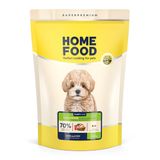
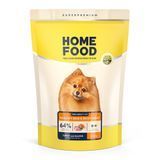
Hypoallergenic Dry Food HOME FOOD for Adult Small & Medium Breed Dogs – Veal with Vegetables & Aromatic Herbs, 1.6 kg
Buy
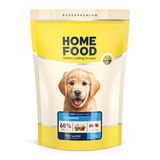
Hypoallergenic Dry Food HOME FOOD for Adult Small Breed Dogs – Trout & Rice, 1.6 kg
Buy
Hypoallergenic Dry Food HOME FOOD for Adult Medium Breed Dogs – Trout & Rice, 1.6 kg
Buy
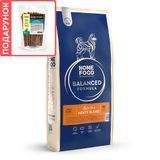
Hypoallergenic Dry Food HOME FOOD for Adult Large Breed Dogs – Trout & Rice, 10 kg
BuyHomemade Food for Senior Dogs
Some senior dogs tolerate dry food poorly — due to dental issues, digestion problems, or simply personal preferences. In such cases, homemade meals are possible, but they must be balanced and gentle on the body.
| Component | What to Give | Why It’s Needed |
|---|---|---|
| Protein | Lean chicken, turkey, rabbit, beef, white fish | Supports muscles, immunity, and recovery processes |
| Grains | Rice, buckwheat, oatmeal | Energy source, easy digestion |
| Vegetables | Zucchini, pumpkin, broccoli, carrots (boiled or stewed) | Fiber, micronutrients, GI support |
| Fats | Omega-3 (fish oil), flaxseed oil | Joint support, skin health, inflammation reduction |
| Supplements | Probiotics, prebiotics, vitamins E, D, B-group, antioxidants, minerals | Compensate deficiencies, support immunity and organ function |
| Joint protection | Natural or veterinary supplements with glucosamine, chondroitin | Reduce joint pain, maintain mobility |
Important:
- Food should be soft and easy to chew.
- Calorie intake must be controlled (considering lower activity).
- Vitamin-mineral complexes are mandatory — homemade diets alone don’t cover senior needs.
- Senior dogs do better with more frequent, smaller meals — 3–4 times a day.
The main rule for feeding a senior dog: quality over quantity.

Phytomin for Dogs HOME FOOD “Sesame” Oil for Normalizing GI Function, 100 ml
Buy
Phytomin for Dogs HOME FOOD “Stimul” Oil – Effective Immunomodulator, 100 ml
Buy
When Food Isn’t Enough: Why Senior Dogs Need Dietary Supplements
As a dog ages, the body gradually loses the ability to independently compensate for deficiencies, efficiently eliminate metabolic waste, and maintain joints, liver, digestion, and even emotional balance.
Even perfectly balanced commercial food or homemade meals may not fully meet these needs — that’s when targeted dietary supplements come into play.
Liver Pro — Liver Support
Liver Pro helps:
- improve liver detoxification,
- support metabolism of medications and toxins,
- stabilize appetite and energy levels.

Hepatoprotector for Liver Function Support Liver Pro HOME FOOD Expert, 30 ml
BuyDetox Pro — Gentle Body Cleansing
Detox Pro:
- promotes removal of toxic metabolites,
- supports GI and kidney function,
- reduces risk of inflammation and intoxication.

Enterosorbent for Body Detoxification Detox Pro HOME FOOD Expert, 30 ml
BuyCBD Oil — Nervous System Balance
CBD oil helps:
- reduce anxiety and improve sleep,
- relieve pain, especially from age-related joint changes,
- support overall emotional comfort.

Dietary Supplement CBD Oil 2% for Reducing Anxiety & Pain Relax Pro HOME FOOD Expert, 10 ml
Buy5-HTP (5-Hydroxytryptophan) — Emotional Well-being Support
In senior dogs it helps:
- reduce age-related anxiety,
- improve mood,
- support restful sleep.

Adaptogen for Nervous, Endocrine & Immune System Support Harmony Pro HOME FOOD Expert, 20 g
BuyImmunoBiotic (Probiotics + Enzymes) — Healthy Digestion
Probiotics with enzymes help:
- normalize digestion,
- improve nutrient absorption,
- support immunity via the microbiome.

Probiotic & Enzymes for Gut Microbiota Restoration ImmunoBiotic Pro HOME FOOD Expert, 20 g
BuyHePawSyn — Comprehensive Body Support
HePawSyn:
- supports liver and metabolism,
- helps preserve energy,
- improves overall well-being and quality of life for senior dogs.

Symbiotic for Digestion & Immunity Support HePawSyn HOME FOOD Expert, 250 g
BuyOmega Fatty Acids: Gold for Senior Dogs
Salmon, krill, and flax oils are natural sources of omega-3 and omega-6, especially vital for older dogs. They:
- support joints, reducing inflammation and stiffness;
- improve skin and coat condition;
- benefit heart, brain, and immune system function.
- Astaxanthin in krill oil is a powerful natural antioxidant.

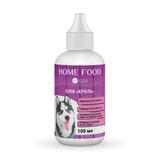
Phytomin for Dogs HOME FOOD “Krill” Oil for Post-Shedding Recovery, 100 ml
Buy
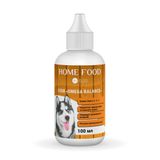
Phytomin for Dogs HOME FOOD “Omega Balance” Oil – Omega-3, -6, -9 Balance, 100 ml
Buy
Salmon Oil for Skin Health & Shiny Coat for Dogs and Cats, 100 ml
BuyLove and Care — The Best Recipe for an Old Friend
A senior dog is not just a friend but a wise and loyal companion who has shared many joyful and important moments with you. Their body needs special attention, tenderness, and support. Proper nutrition, balanced supplements, and loving care help preserve energy, mobility, and vitality, giving your beloved pet dignified years of health and comfort.
Remember that every step — from choosing food to adding supportive supplements — must be thoughtful and tailored specifically to your dog’s needs. Then the wisdom, loyalty, and love they give you will return a hundredfold, continuing to make your life brighter and warmer.
Warm them with your care, and they will respond with devotion — and you will walk this path together with dignity and love.