📌 HOME FOOD Blog: tips on care, health and nutrition for cats and dogs. 🩺 Relevant articles for caring pet owners ❤️
How to clean a cat’s ears properly: when cleaning is truly necessary, what products to choose, and how to make the procedure safe and calm for your pet

Healthy ears are an important part of a cat’s overall well-being, although they are often only remembered when a problem arises. It is through the ears that you can first notice signs of discomfort, inflammation, or parasites.
Regular and proper ear care helps prevent many diseases and preserve your pet’s hearing and comfort for years to come.
Under normal conditions, cat ears are self-cleaning, but dust, excess earwax, moisture, or the anatomical features of certain breeds can create conditions for the development of inflammation. That is why it is important to know not only when and how often to clean a cat’s ears, but also how to do it correctly and safely.
What ear discharge in cats is normal and what is a warning sign
For ear care to be safe and effective, it is important to understand a simple rule: not every discharge requires cleaning, and not every problem can be resolved at home. The color, smell, quantity, and consistency of discharge are important clues about a cat’s health.
- Normal discharge is considered to be light yellow or light brown, dry or slightly waxy, with no strong odor, pain, redness, or swelling.
- Conditionally acceptable may be slightly darker but dry discharge with no odor, provided the cat is not scratching or shaking its head.
- Concerning signs include dark brown, nearly black, grainy, yellow, greenish, sticky, or purulent discharge, as well as a sour or putrid odor, tenderness, and redness.
Such pathological changes may indicate ear mites, bacterial or fungal otitis, allergic inflammation, a foreign body, or injury. In these cases, cleaning on your own can cause harm: pushing the infection deeper, masking symptoms, or complicating diagnosis.
What remedies to choose for home preventive cleaning
To keep a cat’s ears clean, it is important to use correct, safe, and veterinarian-approved products. Incorrect products or improvised materials can injure the ear canal and contribute to inflammation.
Specialized ear cleaning solutions
Ready-made liquids or gels created specifically for animal ear hygiene are best suited for this purpose. They soften excess earwax and make it easier to remove without irritating the skin.
Soft auxiliary materials
Use cotton pads, gauze, or soft unscented wipes to clean only the outer part of the ear after applying the solution.
What to avoid
Alcohol, hydrogen peroxide, human ear drops, or harsh liquids can dry out and irritate the skin and alter the ear’s natural protective barrier.
When to consult a veterinarian first
If the cat is very sensitive to touch, you have never performed such a procedure before, or there are doubts about choosing the right product, it is better to get an individual recommendation from a specialist.


Ear washing solution for dogs and cats Aurikap, 100 ml
Buy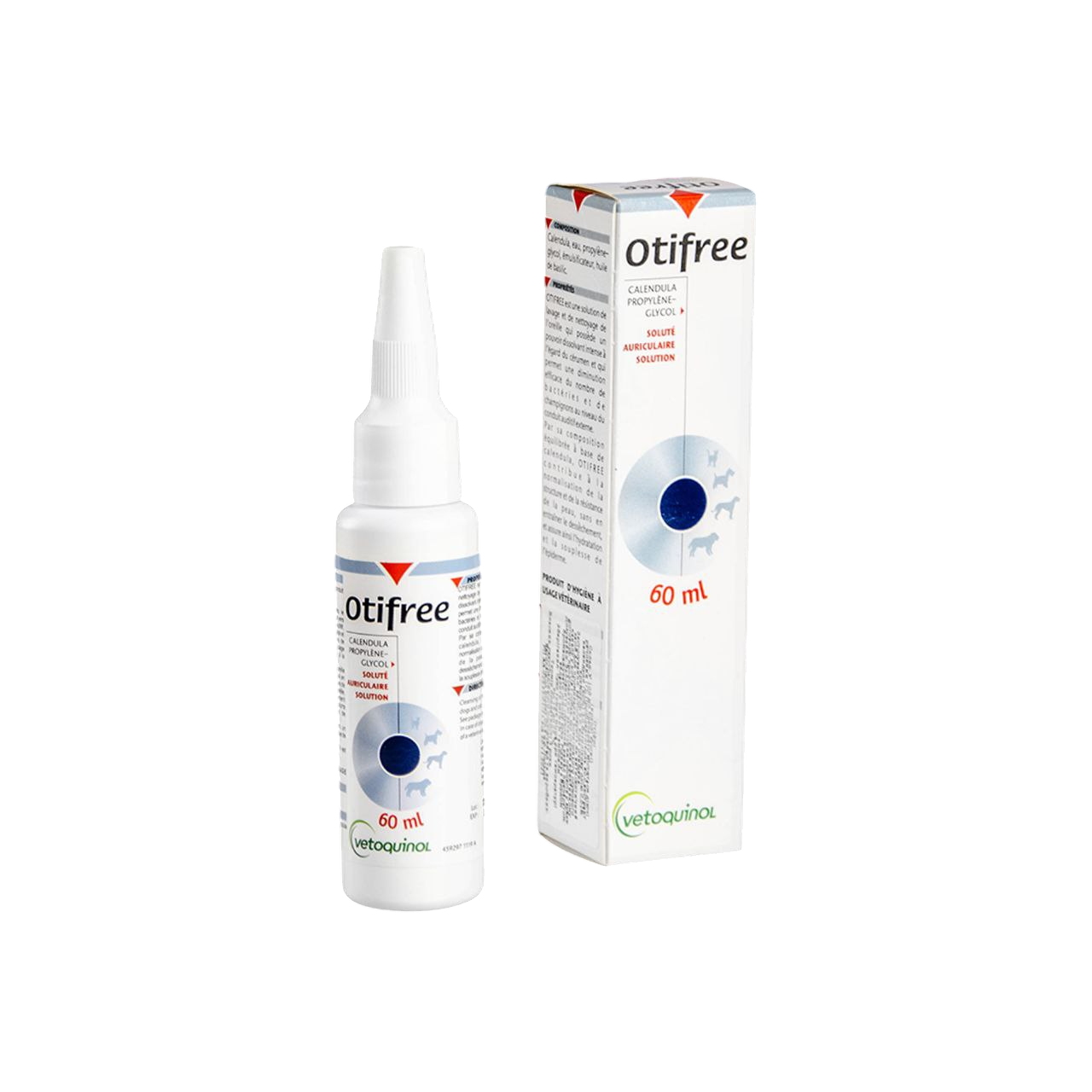
Dog and cat ear cleaning solution Otifree Vetoquinol, 60 ml
Buy
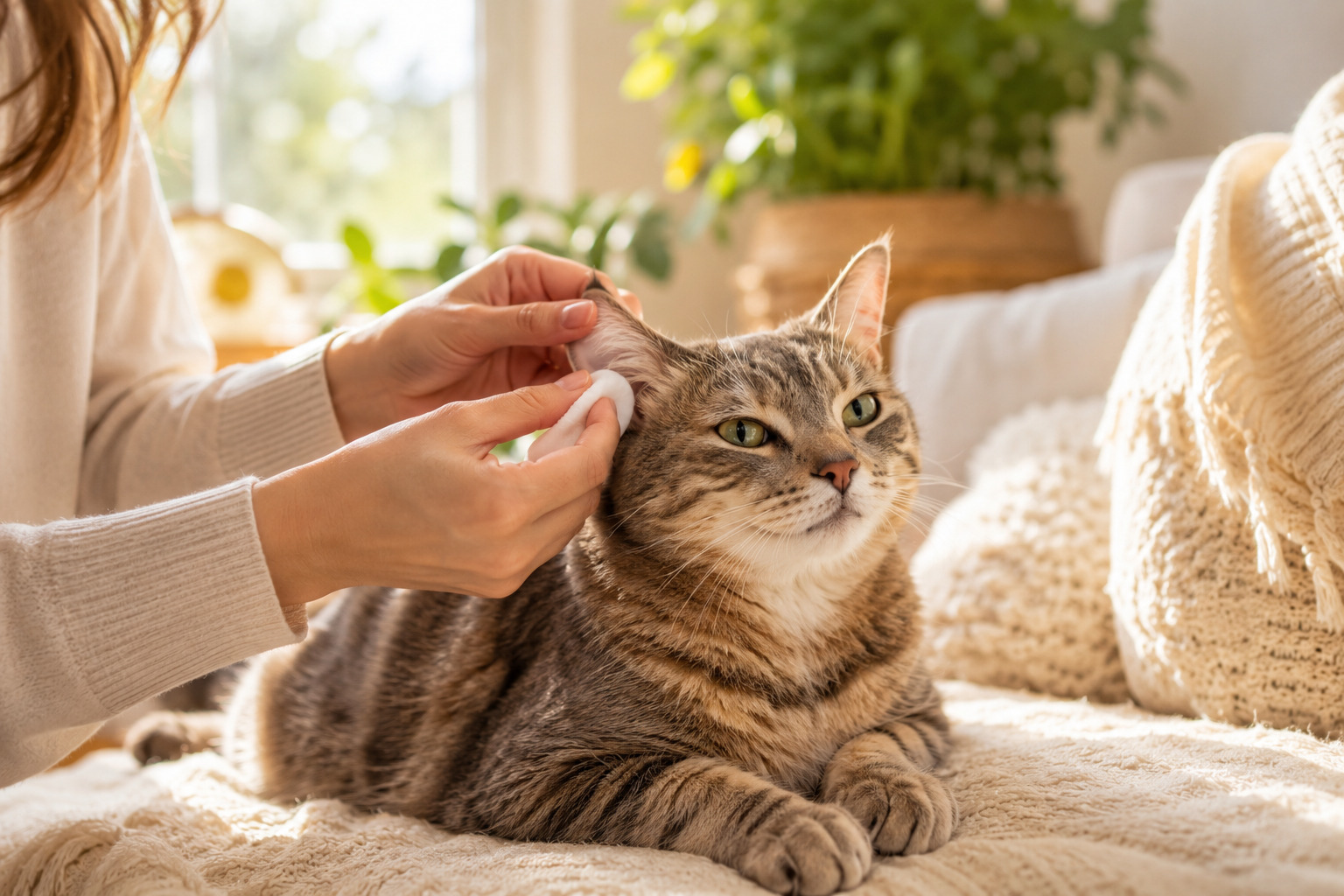

Preventive ear cleaning is hygiene, not treatment: if the discharge is unusual or the cat is in pain, it is better not to continue the procedure at home
Step-by-step plan for preventive ear cleaning in cats
Proper technique is the key to safe cleaning. It is worth remembering that a cat’s ear canal has an L-shaped form, so any movements “inward” can be dangerous if you do not understand the limits of what is acceptable.
Prepare the space and tools
Prepare the cleaning solution, cotton pads or gauze in advance, and a towel for gentle restraint if needed. Choose a calm place without sudden noises.
Examine the ear
Gently pull back the ear flap, assess the skin color, smell, and amount of discharge. If there is redness, wet discharge, or tenderness, it is better to stop the procedure.
Apply the cleaning solution
Drop the recommended amount of the product only near the entrance of the ear canal, without inserting the tip of the bottle deeply. Gently massage the base of the ear for 10–20 seconds.
Let the cat shake its head
This is normal: some of the dirt will come out naturally, and the need for mechanical intervention will decrease.
Clean only the outer part of the ear
Use a cotton pad or gauze and move from the center toward the edges. Do not try to clean deep into the ear canal.
Handle cotton swabs with care
They can only be used on the visible outer part of the ear and only if you have experience. Due to the L-shaped form of the canal, any excessive pressure can push the wax deeper.
Finish the procedure calmly
Praise the cat, make her feel safe, and end the ritual with something pleasant. This is exactly how trust is built for future grooming procedures.
- For most cats, a preventive cleaning once every 3–4 weeks is sufficient.
- Excessive cleaning can stimulate even more wax production.
- If symptoms recur or the ears regularly look inflamed, it is better to consult a veterinarian rather than increase the frequency of home procedures.
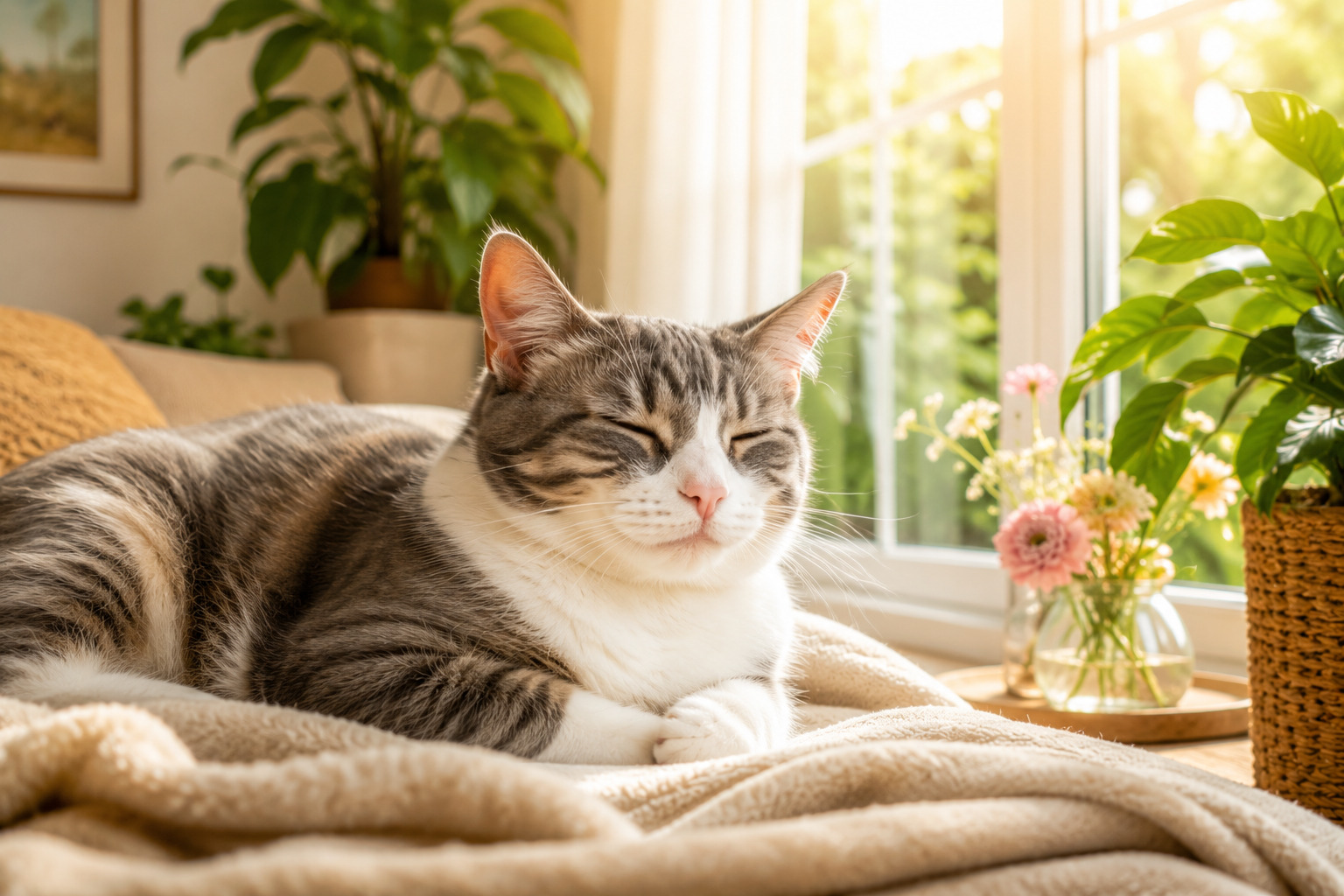
Even a simple hygiene procedure goes more smoothly when the cat feels safe, does not feel coerced, and knows that something pleasant awaits her at the end
A little warmth at the end: a treat as a reward
Cleaning a cat's ears is not just a hygienic procedure, but a small test of trust. That is why the completion of this ritual should be associated not with stress, but with something pleasant: affection, a calm voice, a favourite treat.
- A small reward after the procedure helps reinforce a positive association.
- A calm environment and natural anti-stress support can be beneficial for sensitive animals.
- The goal of home care is not perfect sterility, but a safe ritual after which the cat feels protected.

Relax Pro HOME FOOD Expert — dietary supplement CBD oil 2%, 10 ml
Buy
Harmony Pro HOME FOOD Expert — anti-stress feed supplement, 20 g
Buy
Cat treats HOME FOOD Meat straws with salmon, 40 g
Buy
Cat treats HOME FOOD Meat straws with turkey and cranberry, 40 g
Buy
Conclusion
Healthy cat ears do not require constant intervention, but they do require attention. When an owner can distinguish normal discharge from dangerous, uses the right products, and does not try to clean the ears “to perfection,” preventive care becomes safe and beneficial.
The best results come from a calm sequence of actions, gentle handling, and respect for the animal’s sensitivity. If a cat’s behaviour changes, or odour, pain, or unusual discharge appears, the best solution is to entrust ear health to a veterinary professional.