📌 HOME FOOD Blog: How to Stop a Puppy from Biting
How to Stop a Puppy from Biting
The appearance of a puppy in the house is always a joy filled with games and fun. However, along with this comes a natural feature of small dogs' behavior: nipping. Although these actions seem innocent, it is important to correct them in time. After all, what is playful for a puppy can turn into a serious problem when the pet grows up.
In this article, we will take a detailed look at the reasons for this behavior, learn to distinguish play from aggression, and master effective training methods to stop your pet from nipping.
Why do puppies bite?
Nipping is an absolutely natural part of a small dog's development and serves several important purposes.
First of all, it is learning to control bite force. In the first weeks of life, puppies, playing with their littermates, learn when a bite is too strong and when it is acceptable. A yelp or stopping the game from a brother or sister serves as feedback for them, helping to form this skill of jaw force control even before permanent teeth appear.
In addition, puppies explore the world through their mouths — this is a way of investigation. For them, an object they can chew is a source of information and entertainment. This need is especially intensified during the teething period (usually between the third and sixth months), when the pet's gums itch badly, and chewing helps relieve the discomfort.
Finally, nipping is an element of play, as it is normal interaction in a pack. Puppies do not immediately understand that their sharp bites are painful for human skin, so it is the owner who must explain that such behavior towards people is unacceptable.
How to distinguish playful nipping from aggressive behavior?
In a playful context, puppies may run up, wagging their tails, and try to gently grab their owner's hands or feet. This behavior does not carry aggression, and the puppy quickly returns to its playful activity after the nip.
Aggressive behavior, on the other hand, may be accompanied by signs such as growling, tense body posture, and hard bites. If the puppy shows signs of aggression, it may be related to insufficient socialization, fear, or stress. In this case, it is worth consulting a dog trainer.
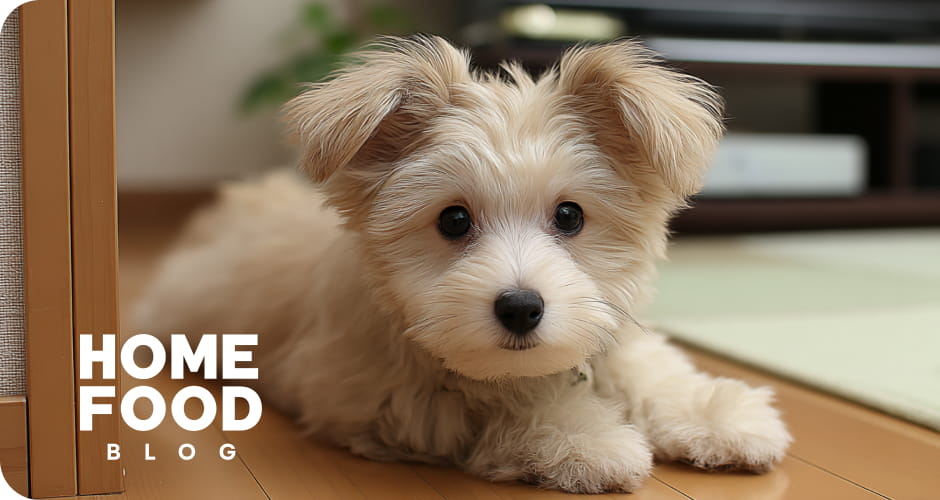
Methods to stop a puppy from biting
There are several main ways that will help stop your pet from unwanted behavior.
1. Ignoring and stopping the game
If the puppy bites during play, you need to immediately stop any activity and ignore him. This will create an association: when the animal bites, the fun ends. It is important to be consistent and not resume the game until the dog calms down. When the pet stops receiving attention for unwanted actions, he begins to understand that nipping does not bring him attention or fun play.
2. Replacement with toys
Using safe toys is an excellent way to redirect attention from the owner's hands to other objects. When the puppy tries to bite you, offer a special toy. This way he will understand that chewing a certain object is good, but your hands and feet are bad. This method not only teaches proper behavior but also allows safely surviving the teething period when the pet's gums itch especially badly.
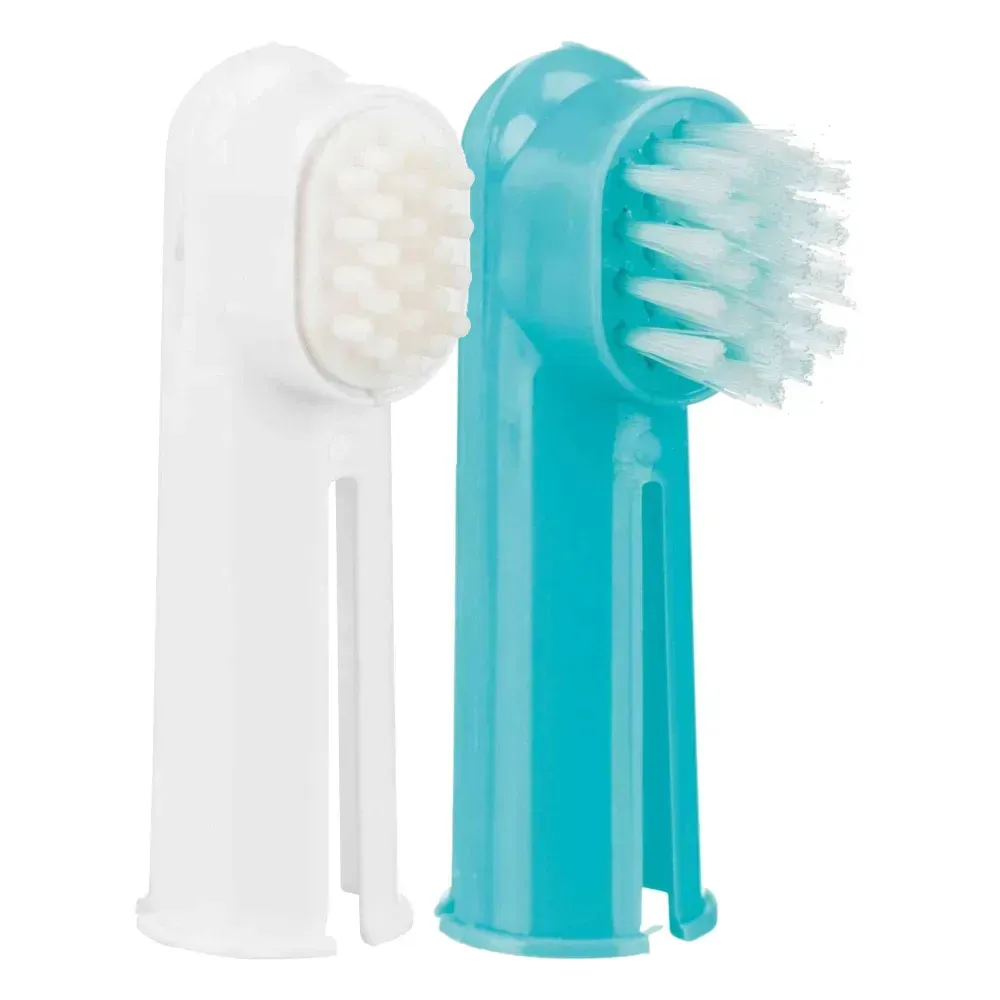
Toothbrush attachment and massage finger brush Trixie for dogs
Buy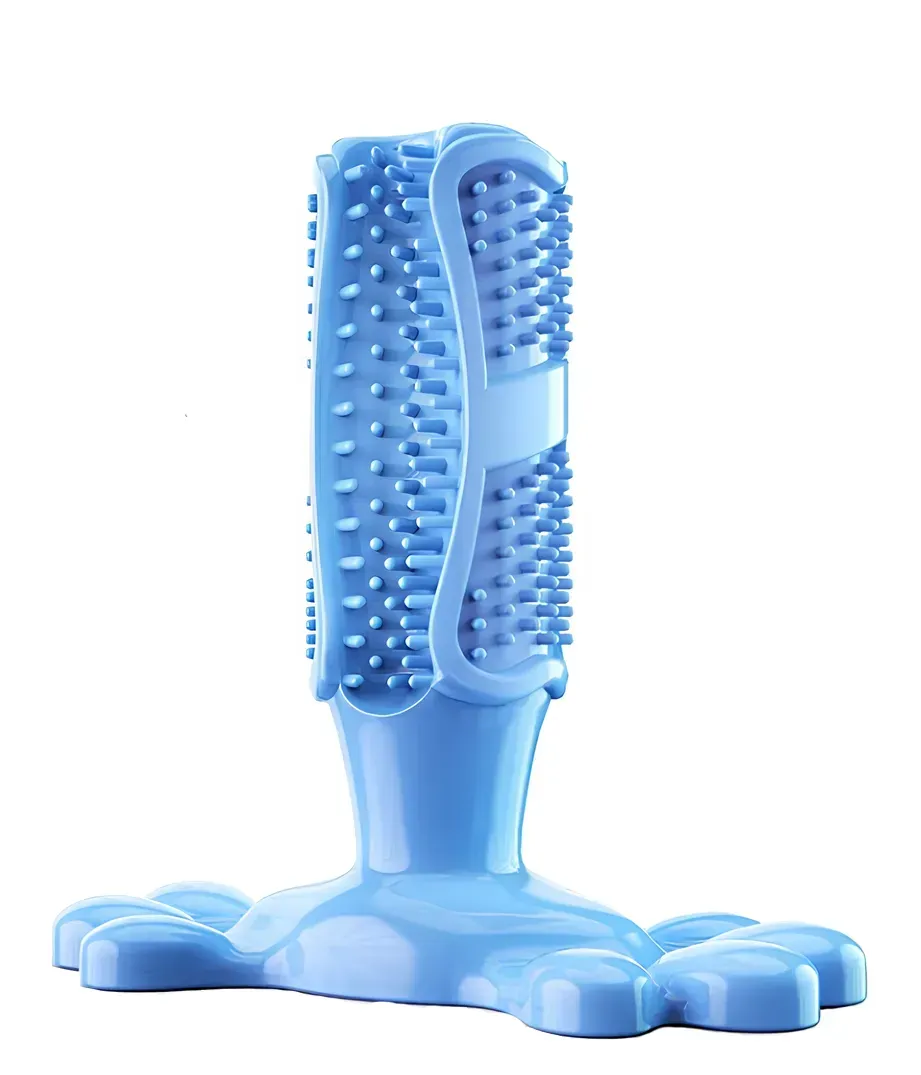
Paw Deep Blue — toothbrush for dogs, M
Buy
The "Ouch" Method
A simple and effective technique is to make a loud sound imitating pain, for example, say "Ouch" when the puppy bites you. The sound should be loud and unexpected for the pet so that he understands that his behavior causes you discomfort. This imitates the reaction of other puppies when they are bitten too hard.
After that, it is also recommended to stop the game or give a toy. This way you clearly let the puppy know that such actions are not liked by you.
Encouraging correct behavior
Every time the puppy plays without nipping, he should be encouraged. Treats and praise will help reinforce positive behavior. For example, if the pet plays calmly or interacts with toys, offer him a piece of his favorite treat or pet him.
Raising a puppy requires patience. If your pet does not immediately respond to training, stay calm and do not punish him.

Protein cookies with turkey for dogs HOME FOOD, 80 g
Buy
Treats for dogs HOME FOOD Beef trachea, 80 g
Buy
Treats for dogs HOME FOOD Twisted sticks from dried salmon skin, 80 g
Buy
Treats for dogs HOME FOOD Rabbit lungs, 80 g
Buy
What to do if the puppy continues to bite?
If after using all the listed methods the pet continues to bite, this may be related to deeper behavioral problems or insufficient socialization. In this case, it is worth contacting a professional dog trainer or veterinarian to identify possible causes of aggression or stressful behavior.
Some puppies may show excessive energy, which can be corrected with additional games, training, and activity. It is also worth checking if the puppy has enough toys and other objects to chew on.
Puppy socialization
Proper socialization is the key to raising a balanced and friendly dog. From an early age, it is important to accustom the furry friend to communicating with other animals so that he learns proper play skills and does not perceive nipping as the main way of communication.
Conclusion
The process of stopping a puppy from biting is a key stage in shaping his character. This training is not so much about prohibition as about communication and establishing clear boundaries that the pet understands. Remember that consistency in applying corrective methods, timely redirection of attention, and quality socialization are the key to success.