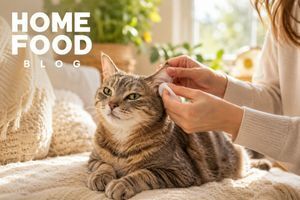
HOME FOOD Blog: How to Take a Cat’s Temperature
How to Take a Cat’s Temperature
Cat owners should pay close attention to their pets’ health. Even the slightest change in behavior should alert the owner: loss of appetite, lethargy, trembling, rapid breathing, eye discharge, hot ears, or an increased heart rate. A drop or rise in body temperature can also indicate health problems. That’s why every cat owner needs to know how to correctly take a cat’s temperature and interpret the results properly.
Why a Cat’s Temperature May Rise
Normal body temperature for adult cats is 38–39 °C (100.4–102.2 °F); for kittens it is slightly higher — 38.5–39.5 °C (101.3–103.1 °F). A significant increase or decrease (below 37.5 °C or above 39.5 °C) may signal illness. A temperature above 40 °C (104 °F) requires immediate veterinary attention.
Main causes of fever (hyperthermia):
- stress (vet visit, grooming, car ride, arrival of a new pet);
- overheating in hot weather or staying in a stuffy room for a long time;
- various infectious diseases (viral — rhinotracheitis, calicivirus; bacterial infections, abscesses from bites, etc.);
- fungal infections;
- allergic reaction to food or medication;
- side effect after vaccination;
- post-operative period;
- internal organ pathologies;
- benign or malignant tumors.
What to Use to Measure a Cat’s Temperature
Use a rectal or ear (infrared) thermometer. Rectal thermometers are considered the most accurate. They come in two types: digital and glass with galinstan (mercury-free alloy). Digital thermometers give a reading quickly, making the procedure less stressful. Glass galinstan thermometers require extra caution, especially with a cat that tries to escape during the process.
Always keep separate thermometers for pets and humans.
How to Take a Cat’s Temperature at Home
To make the procedure easier, get your cat used to it from a young age. The most common method is rectal measurement. Follow these steps for a safe home procedure:
- Don’t do it alone — ask a family member to gently hold the cat and soothe it with kind words.
- If the cat won’t stay still, wrap it in a towel, leaving only the tail and rear end exposed.
- The person holding the cat should wear thick gloves to avoid scratches or bites. Hold the cat by the scruff if needed.
- Disinfect the thermometer and lubricate the tip with petroleum jelly (vaseline). Do NOT use cooking oil or butter — they can cause irritation, allergies, and harbor bacteria.
- Gently insert the tip just over 2 cm (about 0.8 in) into the rectum. Hold a digital thermometer until it beeps; keep a galinstan one in place for 3–4 minutes.
- Release the cat and compare the reading with the normal range.
- Wash the thermometer with warm soapy water and disinfect it (wipe with alcohol or another antiseptic).

To measure with an ear thermometer:
- Hold the cat comfortably and gently fix its head (you can scruff it).
- Insert the ear thermometer horizontally into the ear canal. The device’s design limits depth, so there’s no risk of damaging the eardrum.
- Wait for the beep and remove the thermometer.
- Check the reading and compare it with normal values.
Stay calm, move slowly, and never raise your voice — this helps keep the cat calmer.
Tips
If the cat is too stressed and resists, postpone the procedure or take it to a vet clinic and let professionals handle it.
Correctly performed rectal and ear measurements should give similar results. Ear thermometers may be less accurate if the cat has ear inflammation (otitis), excess wax, or a narrow ear canal — in such cases, rectal measurement is preferable. Clean the ear canal with an ear cleaner lotion before using an ear thermometer for better accuracy. If ear readings seem off, double-check rectally.
IMPORTANT: Never give cats human fever-reducing or other medications (paracetamol, ibuprofen, aspirin, etc.) without a veterinarian’s prescription. If the temperature is high or low, or if there are any concerning symptoms, contact your vet — only they can prescribe the correct medication and dosage.
After the procedure, always praise your cat, give it a gentle stroke, and offer a favorite treat. When done correctly, most cats tolerate temperature checks with minimal discomfort.

Cat treats HOME FOOD Turkey meat + olives sticks, 40 g
Buy
Cat treats HOME FOOD Rabbit meat sticks, 40 g
Buy
Cat treats HOME FOOD Poultry meat sticks, 40 g
Buy
Cat treats HOME FOOD Salmon sticks, 40 g
Buy
In summary, monitoring body temperature is one of the simplest ways to catch health changes early. Regular observation of behavior, attentiveness to well-being, and knowing how to measure temperature correctly help detect illness at an early stage and start treatment faster.