Choosing litter for a cat litter box affects not only how easy cleaning will be, but also whether the cat will willingly use the toilet at all. If the litter is too dusty, sticks to the paws, does not control odor well, or simply feels unpleasant to the animal, problems may appear, up to a refusal to use the litter box.
That is why it is important to consider not only the price or popularity of a product, but also the cat’s age, coat type, sensitivity to smells, the toilet location at home, and your own cleaning habits.
In this article, we will look at the main types of litter, how they differ, which option suits which cat best, and what to do if your cat starts boycotting the litter box.
What types of cat litter are available
Today the choice is very wide, but most owners usually choose between several basic groups. Each has its own advantages and limitations.
| Type of litter | Pros | Possible drawbacks |
|---|---|---|
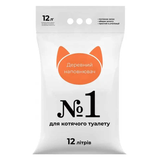
| Clumping bentonite | Quickly forms firm clumps, easy to clean, and has a texture familiar to most cats | May produce dust and stick to paws, especially in long-haired breeds |
| Wood-based | Natural, lightweight, often suitable for kittens and sensitive animals, and usually has a moderate dust level | Needs more frequent replacement; when wet, it breaks down and can be tracked around |
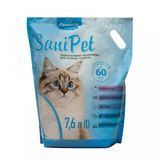
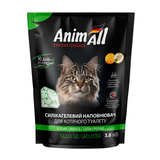
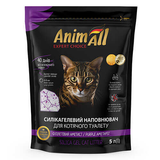
| Silica gel | Absorbs moisture and odors well, lasts longer, and produces little dust | Not all cats like the crunch of crystals under their paws; it is not suitable for flushing down the toilet |
| Soy, corn, paper-based | Lightweight, eco-friendly, and often convenient for sensitive animals and owners who value a natural composition | Some options control odor less effectively or run out faster |
| Absorbent, non-clumping | Usually more affordable and easy to use | Less convenient for daily cleaning and requires more frequent full replacement |
- Natural and less dusty options are often better for kittens.
- For long-haired cats, larger granules or silica gel may be more convenient because they stick less.
- If the litter box is in a living room, odor control deserves special attention.


Super Cat Biobentonite — clumping bentonite litter, 2.5 kg
Buy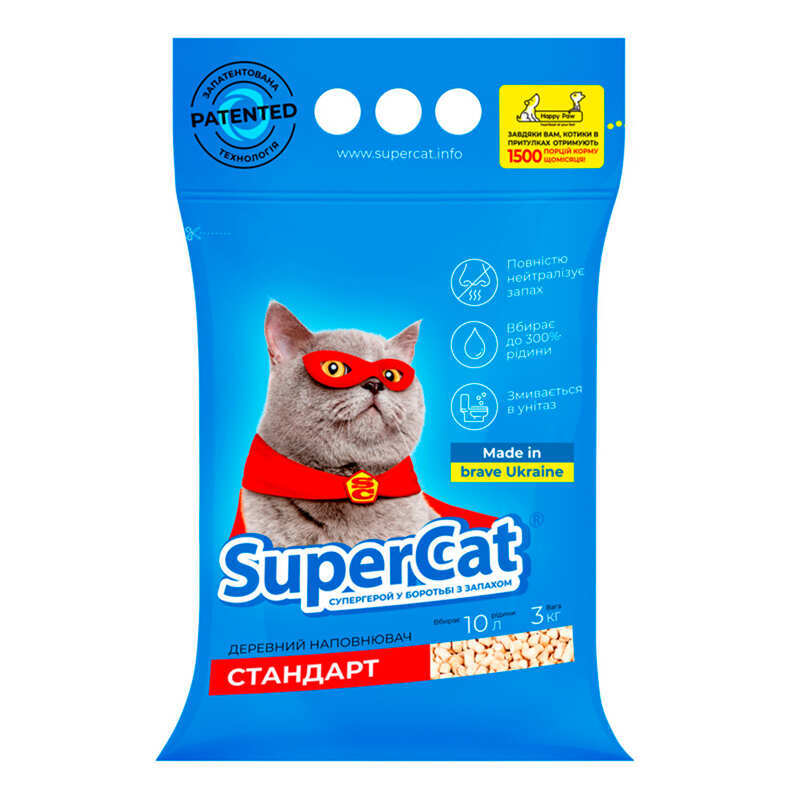
SuperCat Standard — wood litter, 3 kg
Buy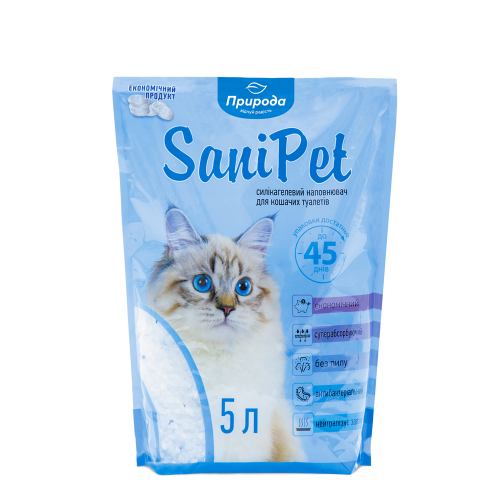
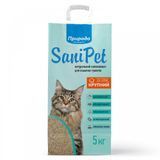
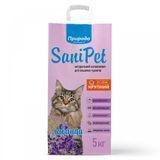
Pryroda Sani Pet — silica gel litter, 5 L
Buy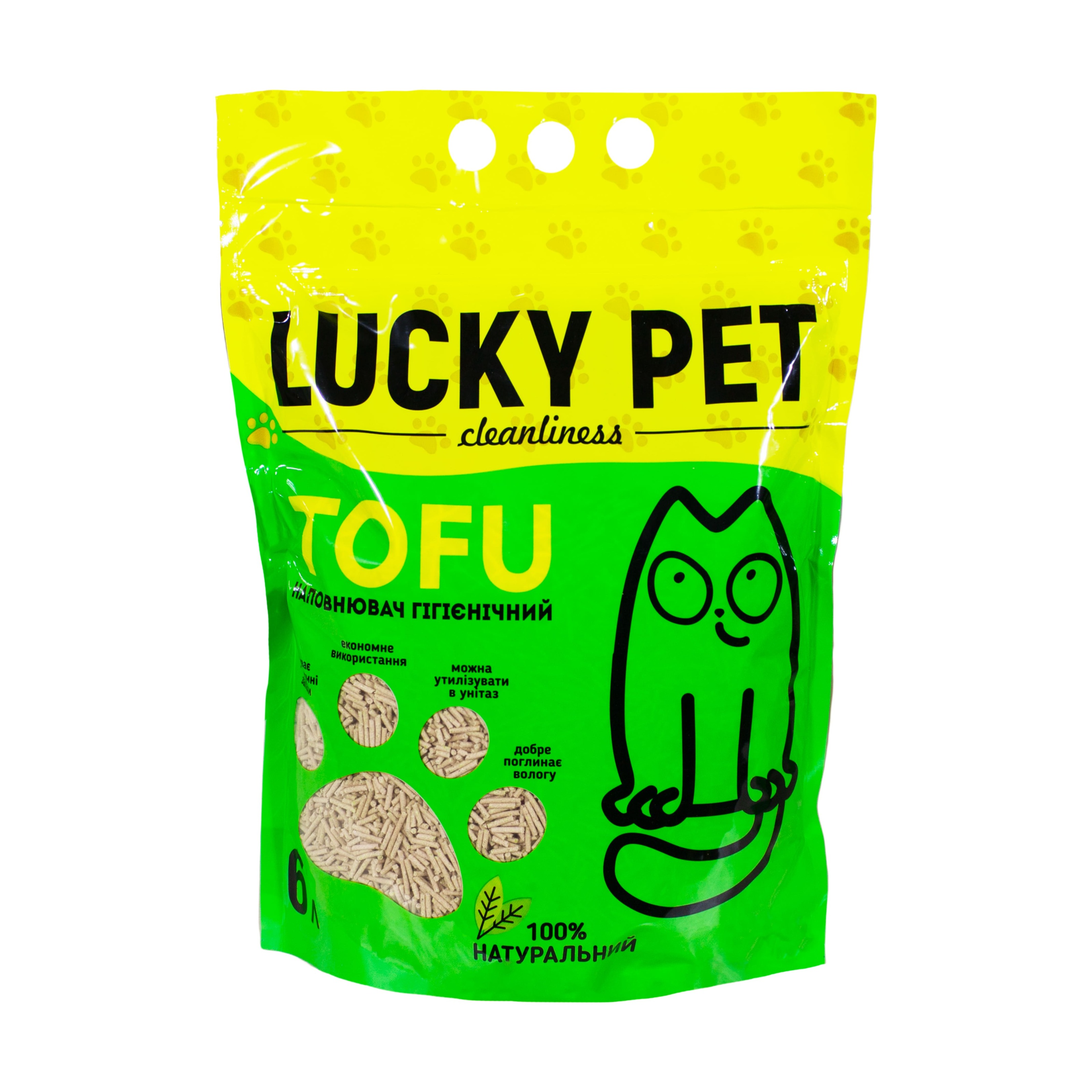
Lucky Pet Tofu — hypoallergenic soy litter, 6 L
Buy
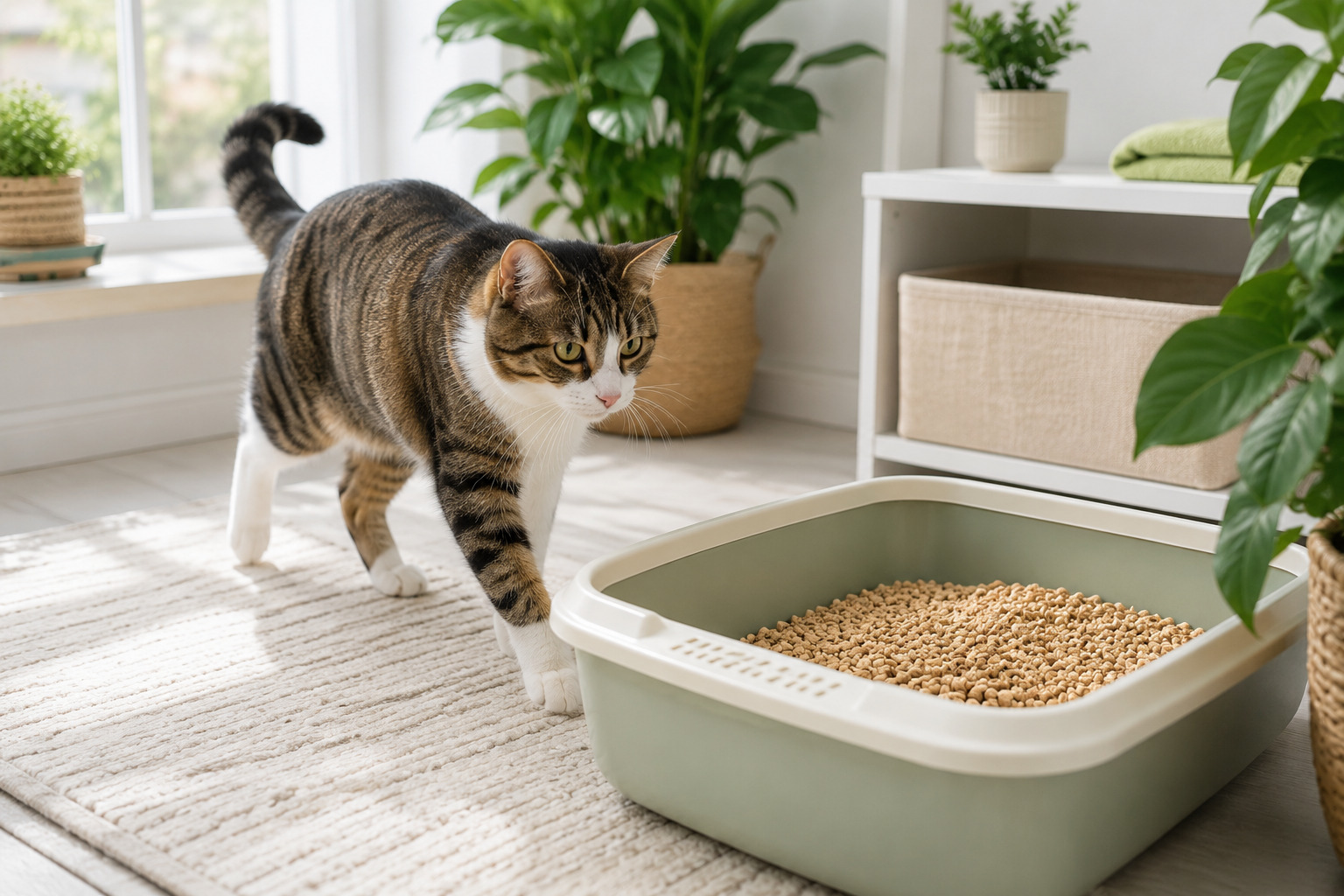

There is no perfect litter for all cats: the best option is the one that suits your pet’s texture preferences, feels comfortable under the paws, and does not consistently provoke refusal to use the litter box
How to choose the right litter
To avoid changing one option after another at random, it is helpful to focus on a few practical criteria.
Consider the cat’s age
For kittens, natural, less dusty litters are often chosen. Adult cats usually already have established habits and may react more strongly to a sudden change in type.
Consider the coat type
For long-haired cats, fine litter may stick to the paws more and spread around the home. In such cases, larger granules or silica gel options sometimes work better.
Assess sensitivity to smell and dust
If the cat is timid, sensitive, or there are allergy-prone people at home, scented and dusty options should be treated with caution. Unscented litter is often a safer starting choice.
Take into account where the litter box is placed
Odor control is more important in a living room, humidity should be considered in a bathroom, and in a small space it becomes especially noticeable how much litter is tracked around.
- If the cat is already used to a certain type of litter, it is better not to change it abruptly.
- Busy owners often find options with better odor control and slower consumption more convenient.
- Not all cats like scented litters, even if people find them pleasant.

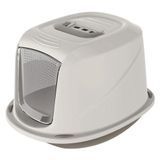
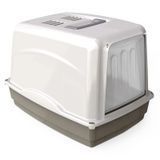
Georplast Sonic — open litter box with rim for cats, 56x40x24 cm
Buy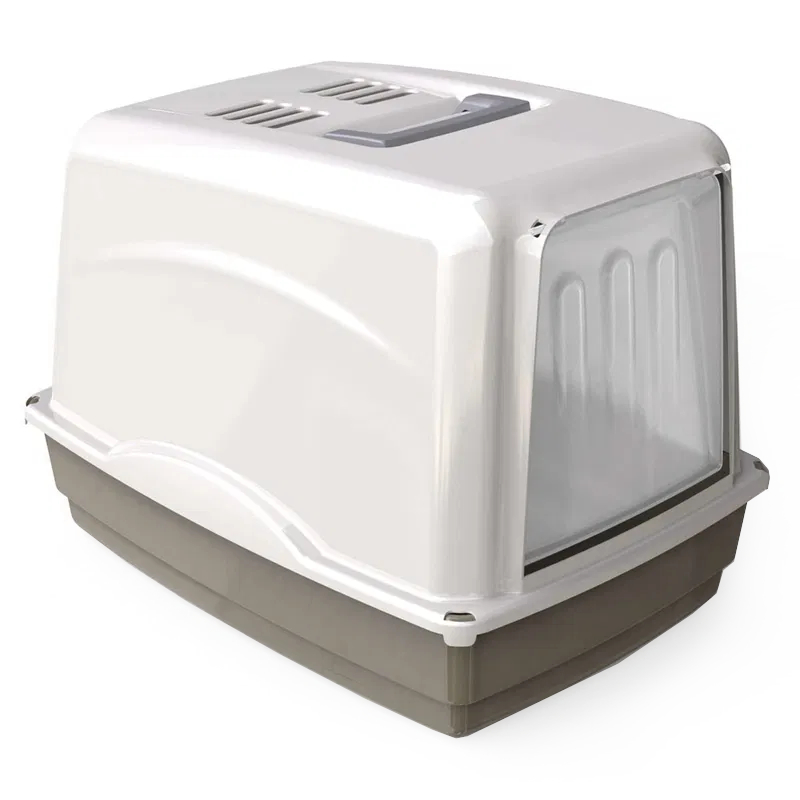
Georplast Vicky — litter box with filter for cats, 54x39x39 cm
Buy
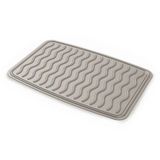
Georplast Lago Cat Litter Mat — cat litter mat, 45x35 cm
Buy
Georplast Benna — scoop for cat litter
Buy
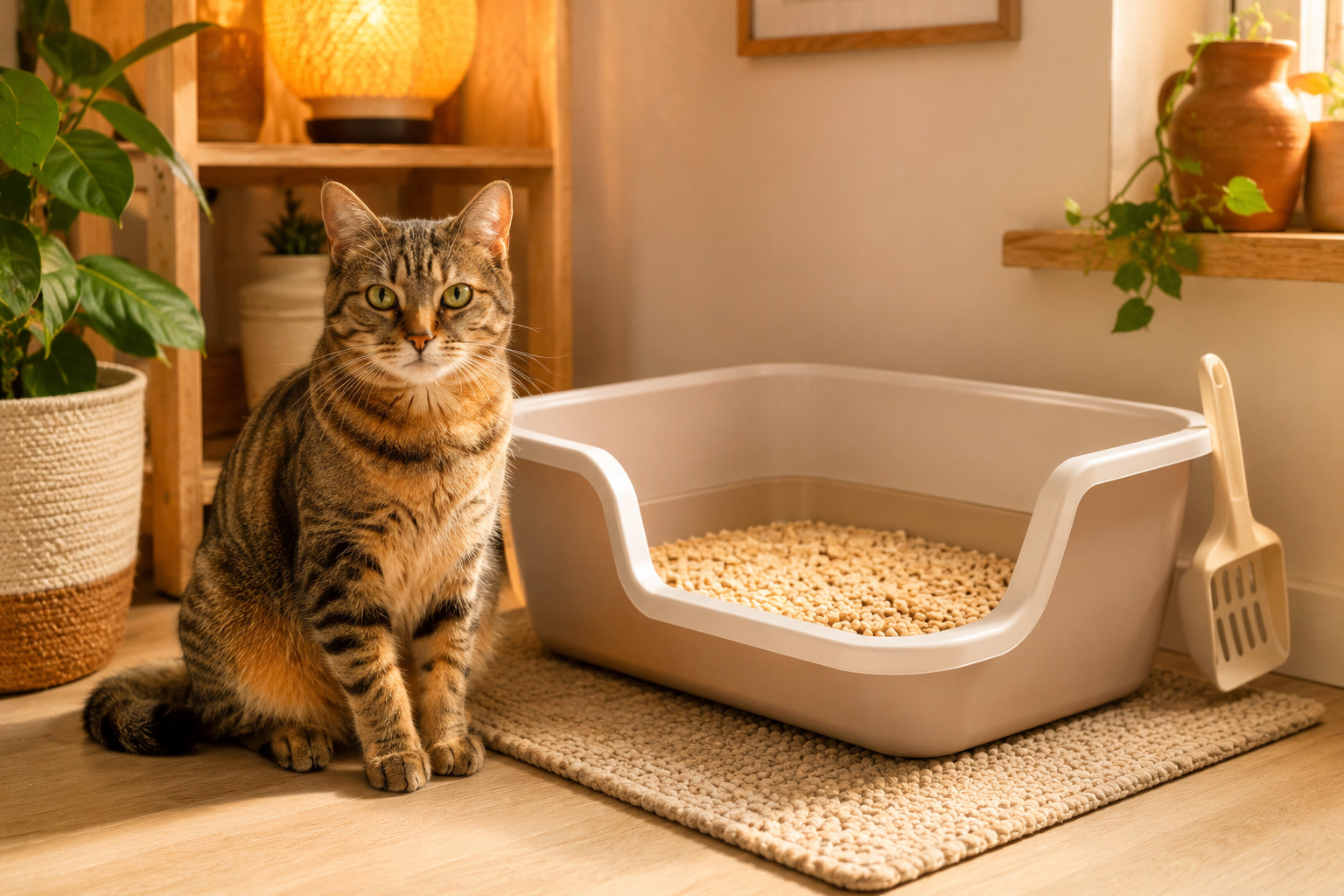
Even the right litter will not work if the box is placed in a noisy spot, is not cleaned properly, or the cat associates it with stress, discomfort, or the sharp smell of household chemicals
What to do if your cat refuses to use the litter box
Cats are very particular about their toilet, and there may be several reasons for refusal at the same time. Sometimes it is not about the animal’s character, but about the litter box becoming uncomfortable or unpleasant.
First, rule out a medical cause
If a cat suddenly starts going outside the litter box and there were no problems before, it is important not to miss cystitis, pain, constipation, or another form of discomfort. In such cases, veterinary advice is needed.
Check the cleanliness and smell of the box
The cat toilet should be cleaned regularly. Harsh cleaning products with a strong smell can repel a cat no less than dirty litter.
Think about whether you changed the litter too abruptly
If the new option appeared recently, it may be the reason for the boycott. It is often safer to mix the old and new gradually rather than replacing everything in one day.
Assess the stress level
Moving, the arrival of other animals, loud renovations, rearranged furniture, or conflict at home can affect even familiar toilet behavior.
- The litter box should be in a quiet, accessible, and safe place, not next to food bowls.
- For kittens and senior cats, it is important that the sides are not too high.
- If the cat does not like the new litter, sometimes the best solution is to return to the previous one or transition very gradually.
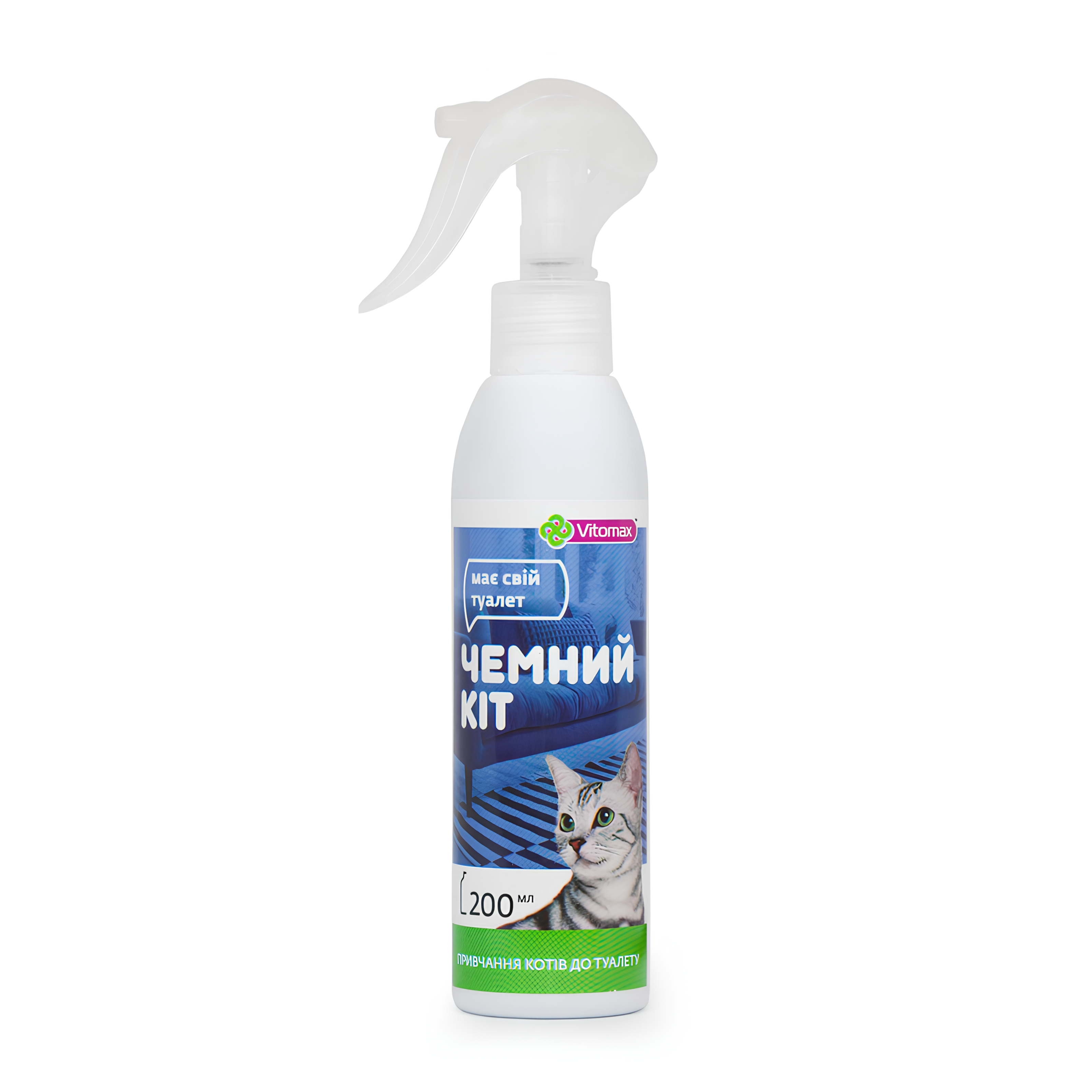
Spray Chemnyi Kit «Toilet training for cats», 200 ml
Buy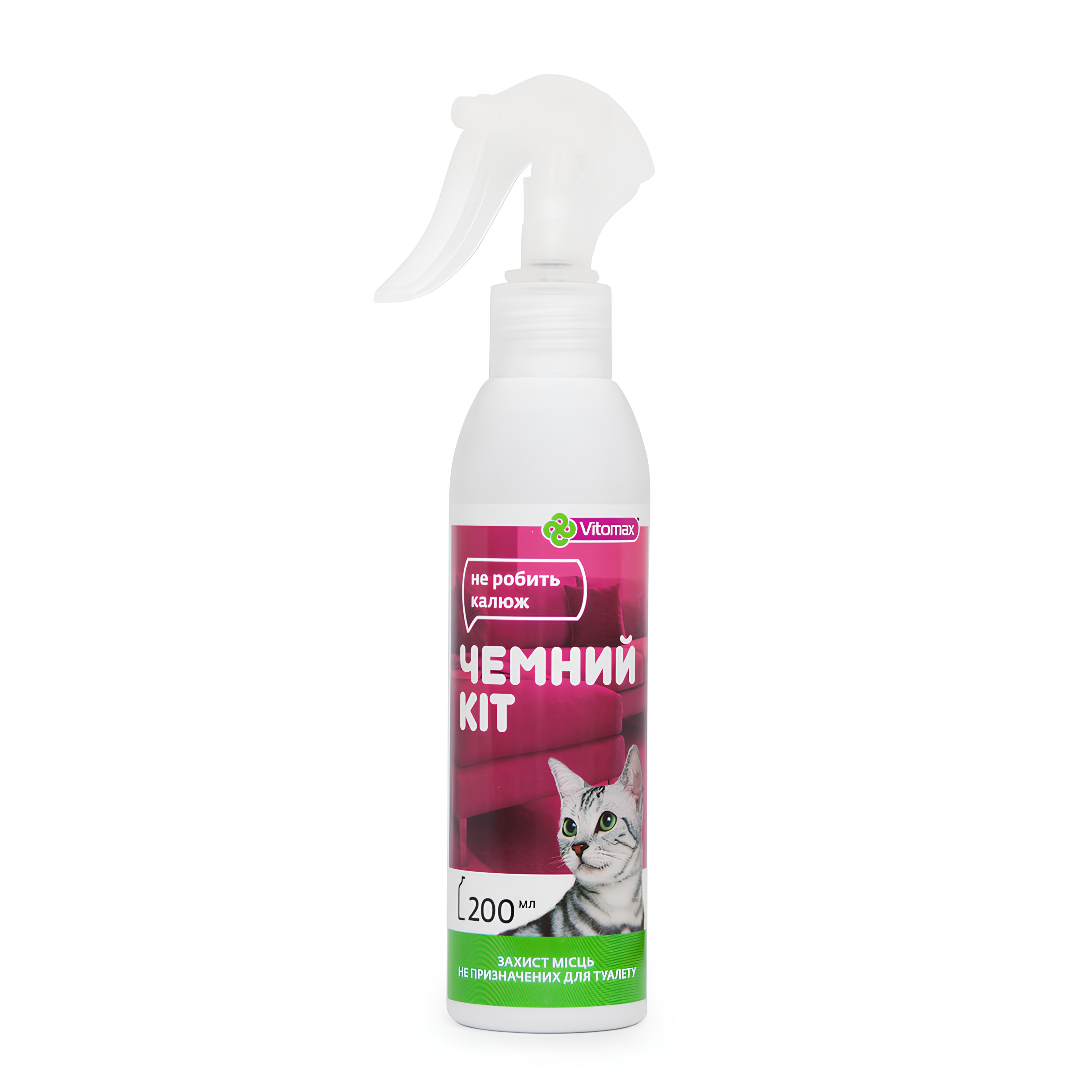
Spray Chemnyi Kit «Protection of areas not intended as a toilet», 200 ml
Buy
Relax Pro HOME FOOD Expert — dietary supplement CBD oil 2%, 10 ml
Buy
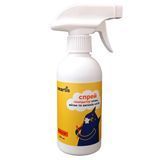
Smartis — stain and odor remover spray for cats, 250 ml
Buy
Conclusion
Which litter is best for a cat depends not only on its composition, but also on the animal’s own habits, the location of the litter box, your cleaning routine, and how sensitive the cat is to smells, dust, or new textures. What works perfectly for one cat may not suit another at all.
The smartest decision is to choose litter not at random, but with the cat’s age, coat, sensitivity level, and previous experience in mind. If the cat starts boycotting the litter box, it is worth checking not only the litter itself, but also the cleanliness of the toilet, its location, the stress level, and the animal’s overall health.