📌 HOME FOOD Blog: Vomiting in Cats
Vomiting in Cats
Vomiting in cats is one of the most common symptoms owners encounter, yet it is also one of the most insidious. It can be a normal reaction to harmless factors or the first sign of a serious condition requiring immediate intervention. Cats are highly sensitive creatures with a delicate nervous system and a fragile digestive tract, so even minor changes in their well-being often manifest as vomiting.
In this blog post, we’ll explore why vomiting occurs, when it’s normal and when it’s alarming, which owner actions truly help (and which can harm), and in which cases you should urgently contact a veterinarian. This will help you better understand your cat and support their health in time.
Physiology of Vomiting in Cats: How This Mechanism Works
Vomiting is a complex reflex process that the cat’s body triggers for protection. Despite being unpleasant, it plays a vital role: it helps expel potentially harmful substances from the stomach — toxins, spoiled food, foreign objects, or excess hair.
1. Activation of the vomiting center
In the brainstem lies a special area — the vomiting center. It receives signals from:
- the stomach and intestines (mechanical irritation, toxins);
- the vestibular apparatus (motion sickness);
- the bloodstream (toxins, inflammatory products, medications);
- higher nerve centers (stress, fright).
2. Preparatory phase — nausea and salivation
Before actual vomiting, the cat’s body switches to “protective mode”:
- increased salivation;
- decreased digestive activity;
- retching and abdominal wall contractions appear;
- the cat may pace, meow, hide, or seek the owner.
3. Retrograde stomach contractions
Powerful wave-like contractions move stomach contents backward. At this moment, the diaphragm and abdominal muscles actively contract.
4. Expulsion of contents
The esophageal sphincter relaxes, and stomach contents are expelled. This may be accompanied by spasms or repeated retching.
Why Do Cats Vomit More Often Than Dogs?
- They are more sensitive to toxins and changes in the gastrointestinal tract.
- Grooming behavior increases the risk of hairball (trichobezoar) formation.
- Their kidneys and liver have unique metabolic features, so even minor internal changes can trigger vomiting.
- Stress factors (moving, new smells, new food) affect cats more strongly than most other animals.
Causes of Vomiting in Cats: Complete Classification
Vomiting is a symptom, not a diagnosis. It can occur for dozens of reasons. Below is a professional, easy-to-read classification covering all major groups.
1. Physiological and non-threatening causes
- Grooming (hairballs) — hair clumps irritate the stomach lining.
- Overeating or eating too quickly.
- Sudden diet change or eating something outside the regular diet.
- Morning bile vomiting (sign of long intervals between meals or high acidity).
- Mild food intolerance to certain ingredients.
2. Dietary causes
- Low-quality food or abrupt change of food.
- Food allergy (chicken, fish, grains, etc.).
- Food poisoning (spoiled products, treats toxic to cats).
- Overeating or swallowing foreign objects from the bowl.
3. Gastrointestinal causes
- Gastritis (acute or chronic).
- Gastroenteritis, enterocolitis.
- Pancreatitis.
- Constipation, intestinal obstruction.
- Parasites (roundworms, giardia, coccidia).
- Poisoning (plants, household chemicals, toxins).
4. Infectious causes
- Viral infections: panleukopenia (feline distemper), calicivirus, herpesvirus, coronavirus (enteritis).
- Bacterial infections: salmonella, campylobacter, anaerobic infections.
- Parasitic infestations: toxocara, dipylidium, giardia.
5. Toxic causes
- Chemicals: antifreeze, household cleaners, fertilizers.
- Toxic plants: lilies, dieffenbachia, philodendron.
- Medications: incorrect dosage of NSAIDs, human drugs, antibiotics.
- Food poisoning: chocolate, onion, garlic, alcohol.
6. Systemic (internal) diseases
- Kidney failure (acute or chronic uremic syndrome).
- Liver failure / hepatitis / hepatic lipidosis.
- Hyperthyroidism.
- Diabetes mellitus (including ketoacidosis).
- Biliary tract and gallbladder diseases.
- Addison’s disease.
7. Surgical causes
- Foreign body in stomach or intestines.
- Intestinal obstruction.
- Intussusception.
- Peritonitis.
8. Neurological causes
- Increased intracranial pressure.
- Vestibular syndrome.
- Seizures, epilepsy.
9. Psychological and behavioral causes
- Stress from moving, renovation, new pet or person.
- Separation anxiety.
- Overexcitement or fright.
- Compulsive grooming → hairballs → vomiting.
10. Age-related changes
- Reduced GI motility,
- chronic diseases,
- decreased liver and kidney function,
- smaller stomach volume and increased mucosal sensitivity.
11. Oncological causes
- Tumors of the stomach, intestines, pancreas.
- Lymphoma.
- Metastases in the abdominal cavity.

Types of Vomit: How Appearance Can Hint at the Cause
Although only a veterinarian can make an accurate diagnosis, the appearance of vomit helps make a preliminary assessment. Correct interpretation can indicate how urgent the situation is.
1. Undigested food
- Appears immediately or within 1–2 hours after eating.
- Possible causes: overeating, eating too fast, gastritis, food intolerance, foreign body in the esophagus.
2. Digested food with sour smell
- Indicates stomach irritation or gastritis.
- Often accompanied by nausea and excessive salivation.
3. Bile (yellow or green fluid)
- Sign that the stomach is empty but spasms continue.
- Possible causes: long intervals between meals, cholecystitis, gastroduodenitis, chronic kidney disease.
4. Foam (white or clear)
- Usually indicates accumulation of gastric juice on an empty stomach.
- May result from mild food intolerance or morning nausea.
5. Foam with mucus
- Sign of irritation of the stomach lining and upper GI tract.
- Possible causes: gastritis, infections, parasites.
6. Hairball vomiting
- Classic trichobezoar from grooming.
- Frequent hairball vomiting may indicate motility issues or excessive grooming due to stress or skin problems.
7. Blood in vomit
- Bright red: fresh blood — mucosal injury, ulcer, foreign object.
- “Coffee grounds”: digested blood — serious stomach pathology or bleeding.
This is always an emergency.
8. Foam or fluid with greenish/brown tint
- May indicate stagnation, severe liver disease, or intestinal contents entering the stomach.
9. Parasites in vomit
- Round or tapeworms — sign of massive infestation.
- Requires immediate treatment.
How Vets Determine the Cause of Vomiting: Short Algorithm
1. Clinical examination and history
2. Basic laboratory tests
- Complete blood count
- Biochemistry panel
- Urinalysis
3. Rapid and ELISA tests
4. Imaging
- Abdominal ultrasound
- X-rays (plain and contrast)
5. Additional tests if needed
Endoscopy, fecal analysis, cytology of vomit, biopsy.
Can Vomiting in Cats Be Controlled and Prevented?
Completely eliminating vomiting is impossible — it’s a natural protective mechanism. However, significantly reducing its frequency and risks is entirely achievable.
1. Stable, high-quality diet
2. Proper feeding schedule
3. Hairball prevention

Dry food HOME FOOD Hairball Control Turkey & Berries for sterilized/neutered adult cats, 1.6 kg
Buy4. Microbiome and digestion support
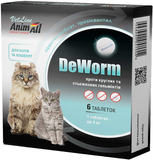
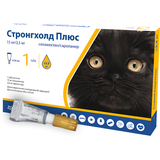
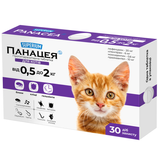
5. Regular deworming
6. Stress control
7. Safe environment
8. Regular veterinary check-ups
Conclusion
Most cases of vomiting can be prevented with a stable diet, proper grooming, GI support, and stress reduction. The key to control is understanding the cause. That’s why prevention + regular veterinary care is the best strategy.