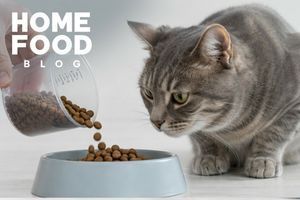
📌 HOME FOOD Blog: Does a Cat's Behavior Change in Spring
Does a Cat's Behavior Change in Spring
With the arrival of spring, nature comes alive—trees bloom, birds return, and days become longer and warmer. This affects not only people but also our pets. This is especially noticeable in cats: it’s the same fluffy companion, yet they behave quite differently. Some become more active and curious, while others unexpectedly turn capricious or even overly loud. Does spring really influence feline behavior? And if so, why does this happen? In this blog, we’ll explore what changes in cats’ behavior during spring and how owners can respond appropriately.
Spring in the Blood: Physiological Changes in Cats and Kittens
Spring is not only a time of blooming but also a period of intense physiological adjustments in the animal world. These changes often become very noticeable in cats and kittens. They are triggered by the longer daylight hours, rising air temperatures, and shifts in hormonal balance. However, the nature of these changes depends on various factors: gender, sterilization status, age, and living conditions. Let’s take a closer look.
1. Unneutered Cats and Unspayed Kittens
This is the category most sensitive to spring changes. As daylight increases, the hypothalamic-pituitary system is activated, triggering the production of sex hormones—testosterone in cats and estrogen in kittens.
- In cats, this manifests as increased excitability, aggression, a tendency to mark territory, and escaping home in search of a mate. They may become less affectionate, vocalize more, especially at night.
- In kittens, heat (estrus) begins—a physiological state during which the animal becomes very affectionate, rubs against furniture, rolls on the floor, and meows frequently and loudly. If mating does not occur, heat may recur several times a month.
This period is challenging for both the animals and their owners, but it is natural and biologically determined.
2. Neutered Cats and Spayed Kittens
In these animals, spring changes are less pronounced, though some changes are still possible. Their hormonal balance is stable, reproductive functions are blocked, but overall activity may increase—they become more playful, curious, and often exhibit social behavior.
They may also experience improved appetite, changes in sleep patterns, and greater interest in their surroundings. This is a result of the general awakening of the body, not a sexual instinct.
3. Neutered Senior Animals
In older neutered cats and kittens, spring no longer triggers such intense reactions, yet even in them, a slight liveliness can be noticed—more movement, sunbathing on the windowsill, and an interested gaze out the window. This is often a time when they become more affectionate, more willing to interact, and seek their owner’s company.
These behaviors are more indicative of emotional revitalization than physiological changes, but they are very touching—like a brief springtime “second wind.”
4. Indoor Cats
Cats living in apartments or houses lack direct contact with nature, yet their biological rhythm still responds to seasonal changes. More sunlight, fresh air from the window, and street noise all stimulate their nervous system. An indoor cat in spring may show more activity, interest in play, hunting flies or shadows, and frequently ask to sit on the windowsill or balcony.
Some animals experience moderate shedding, though it is less intense than in their outdoor relatives.
5. Outdoor and Semi-Outdoor Cats
These animals are the most dependent on seasonal fluctuations. Spring marks the start of the mating season, the establishment of new territorial relationships, and active searching for food and a partner. During this time, aggression levels among cats increase, leading to more fights, injuries, and a higher risk of infectious diseases transmitted through bites and sexual contact (e.g., feline immunodeficiency virus or leukemia).
In outdoor kittens, spring brings the first litter, making them more cautious and prompting them to seek a safe nesting spot.
Physiological changes are a natural response of the body to nature’s awakening. Understanding these processes allows us to be more attentive to our pets’ conditions, support them during this transitional period, and let them experience spring without stress—with love, care, and respect for their nature.

What should you pay special attention to in spring if you have a cat?
Spring is not only a time of nature’s awakening but also a period when owners should reconsider their pet’s care. Right now, the animal’s body is adjusting, and vulnerable areas become even more susceptible. To ensure spring passes healthily and comfortably for your cat, it’s important to consider several aspects—from diet to vaccination. Let’s examine each point in detail.
1. Diet: Is There a Need to Change Anything in Feeding?
In spring, the energy metabolism changes—the animal becomes more active, and the body begins to recover from winter. Therefore, proper nutrition is the foundation of good health.
- Sterilized cats and kittens: Require moderately caloric food with carbohydrate control to avoid weight gain. Appetite often increases in spring, so it’s important to stick to portions and avoid overfeeding.
- Pregnant kittens: Need an energy-enriched, easily digestible diet with high protein, vitamins, and Omega-3 fatty acids. It makes sense to switch to kitten food or a special formula for pregnant cats.
- Unspayed cats: Often lose appetite during periods of sexual excitement. In such moments, it’s crucial to monitor hydration, offer easily digestible food, and restore full nutrition after heat ends.
- Senior cats: May have reduced activity, but their appetite sometimes returns in spring. A light diet enriched with antioxidants, chondroprotectors, and consideration for kidney and digestive function is recommended.
- Juniors (under 1 year): Spring is a time of growth and world exploration. Provide complete feeding rich in proteins, calcium, phosphorus, and taurine.

Dry Food for Sterilized/Neutered Adult Cats Rabbit and Cranberry For sterilised/neutered, 1.6 kg
Buy
Dry Food for Kittens Fresh Chicken For kittens 1-12 months, 1.6 kg
Buy
Dry Food for Active Adult Cats Chicken and Shrimp For active, 1.6 kg
Buy
Dry Food for Sterilized/Neutered Adult Cats with Sensitive Digestion Lamb and Salmon With sensitive digestion. For sterilised/neutered, 1.6 kg
Buy
2. Dietary Supplements: Are They Necessary?
During the transitional season, a cat’s body may need support. Consult a veterinarian about the appropriateness of such supplements:
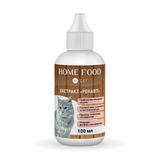
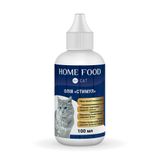
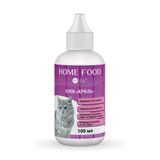
- Omega-3/6 — for skin and coat health, especially during shedding.
- Probiotics and prebiotics — for stable intestinal function, especially after parasite treatment.
- Complexes with B vitamins — for the nervous system and adaptation. Betaine, carnitine, L-lysine, DL-methionine, inositol — amino acids for the liver, heart, and kidney health (especially for cats on a natural diet).

Phytomin for Cats Salmon Oil for Skin Health and Coat Shine, 100 ml
Buy
Phytomin for Cats Omega Balance Oil Balance Omega-3, -6, -9, 100 ml
Buy
Phytomin for Cats Sesame Oil for Normalizing Digestive System, 100 ml
Buy
Phytomin for Cats Krill Oil for Recovery After Shedding, 100 ml
Buy
3. Parasite Treatment: Why Now?
Spring marks the start of the flea, tick, and worm season. Even if a cat doesn’t go outside, parasites can enter the home on shoes or clothing.
- Use drops or tablets against ectoparasites (ticks, fleas, lice).
- Conduct scheduled deworming every 3 months or as recommended by a veterinarian.
- Avoid self-selecting medications—some are toxic to cats (especially those containing permethrin).
4. Vaccination and Checkups: When Was the Last Time You Did This?
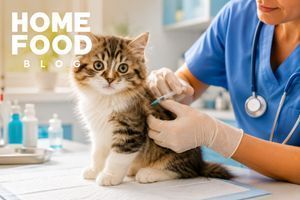
Spring is an ideal time for annual vaccination. More activity means more risks:
- Even indoor cats can get infected through street shoes or new animals in the home.
- Vaccines against panleukopenia, herpesvirus, calicivirus, and rabies are essential.
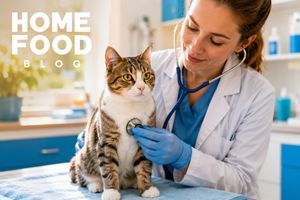
- Spring is a good opportunity for a routine checkup: blood and urine tests, abdominal ultrasound (especially for senior animals).
5. Prevention of Intestinal Infections: Don’t Forget Hygiene
In spring, not only parasites but also intestinal pathogens (bacteria, viruses, fungi) become active, which cats can bring from outside or pick up from dirty water.
- Regularly wash bowls and clean the litter box.
- Avoid tap water, especially if chlorinated—opt for filtered or specialized water instead.
- Avoid feeding raw meat without heat treatment or deep freezing.
- For supporting digestive health during the transitional spring period, it’s recommended to prophylactically use gentle enterosorbents—they help remove toxins, remnants of pathogenic microorganisms, worm byproducts, and other potentially harmful substances from the body. This is especially relevant after deworming or during periods of increased risk of food poisoning and intestinal infections. Such support not only cleanses but also reduces the load on the liver and intestines, promoting better well-being for your pet.

Hepatoprotector for Supporting Liver Function Liver Pro HOME FOOD Expert, 30 ml
Buy
Probiotic and Enzymes for Restoring Gut Microbiota ImmunoBiotic Pro HOME FOOD Expert, 20 g
Buy
Enterosorbent for Body Detoxification Detox Pro HOME FOOD Expert, 30 ml
Buy
Synbiotic for Supporting Digestion and Immunity HePawSyn HOME FOOD Expert, 250 g
Buy
6. Spring Grooming: Not Just Beauty, but Health Too
Spring is the shedding season, when fur transitions to “summer” coat. This can be a real challenge, especially for long-haired breeds.
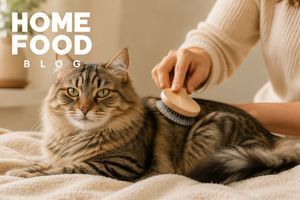
- Brush the fur daily, especially for Maine Coons, Persians, and Siberians.
- Use special brushes and furminators.
- Ensure the animal doesn’t ingest fur—this can cause trichobezoars (ball-like fur clumps in the stomach). In such cases, offer fur-removal paste or fibrous supplements.
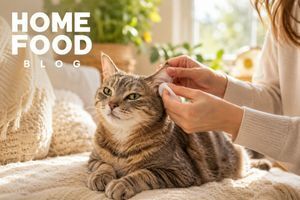
Special attention should be paid in spring to bathing and using the right cosmetics. The skin and fur need to be cleansed of winter fat, dust, dandruff, and possible allergen or parasite particles.
- Choose shampoos, conditioners, and masks intended exclusively for animals—cat skin has a different pH level, and human products can cause dryness, irritation, or allergies.
- For cats prone to allergies or with sensitive skin, there are hypoallergenic formulas.
- After shampoo, it’s beneficial to use a conditioner or moisturizing mask—this reduces static electricity, makes the fur softer, shinier, and easier to manage.
- If a cat dislikes water, consider dry shampoos or foams that don’t require rinsing.

Shampoo "Perfect Care" for Dogs and Cats Total Care HOME FOOD Beauty, 200 ml
Buy
Conditioner "Silky Touch" for Dogs and Cats Silky Touch HOME FOOD Beauty, 200 ml
Buy
Set for Dogs and Cats HOME FOOD Beauty: Shampoo "Perfect Care" 200 ml + Conditioner "Silky Touch" 200 ml
Buy
Set for Dogs and Cats HOME FOOD Beauty: Shampoo "Perfect Care" 200 ml + Conditioner "Silky Touch" 200 ml + Pink Cosmetic Bag
Buy
Remember: regular fur care is not just about aesthetics but also about preventing dermatological issues, monitoring skin health, and improving the animal’s well-being.
7. Spring Activities: Let Your Cat Stay Engaged!
With the onset of warmth, a cat develops a natural need for movement and exploration. Help them:
- Offer new toys: mice, fishing rods, interactive puzzles.
- Set up a spot by the window where they can watch birds or the sun.
- If you have a safe balcony or enclosure, arrange controlled walks for your cat.
- For active cats—use a harness and leash (but with gradual training).
Spring is an opportunity not only for nature to renew itself but also for us to show a bit more care for our four-legged friends. Approaching this season with understanding and attention will be rewarded with your cat’s health, glossy fur, and happy purring.
As noted by the American Association of Small Animal Veterinarians (AAHA), “Timely adaptation of care to seasonal changes helps not only avoid potential issues but also prevent the development of chronic conditions that might go unnoticed without a preventive approach.”
Spring is the perfect moment for:
- reviewing the diet and introducing dietary supplements,
- parasite treatment and deworming,
- updating the vaccination schedule and routine checkup,
- care for fur, skin, claws, and ears,
- stimulating the cat’s mental and physical activity.
From a clinical perspective, seasonal preventive measures significantly reduce the risks of dermatological, gastrointestinal, and behavioral disorders. For instance, according to data from the Journal of Feline Medicine and Surgery, the spring-summer period sees an increase in veterinary visits due to complications related to parasites, unbalanced nutrition, and the effects of hormonal stress in unspayed animals.
Yet, beyond analytics and facts, the most important thing is the sincere desire to create a space where your cat feels safe, calm, and comfortable. Care is not just a set of actions but a language of love that animals sense even in the smallest details.
May this spring be easy for both you and your pet—with glossy fur, a healthy appetite, soft purring, and no unnecessary worries.